Lighthouses of the Great Lakes: Following the Light North

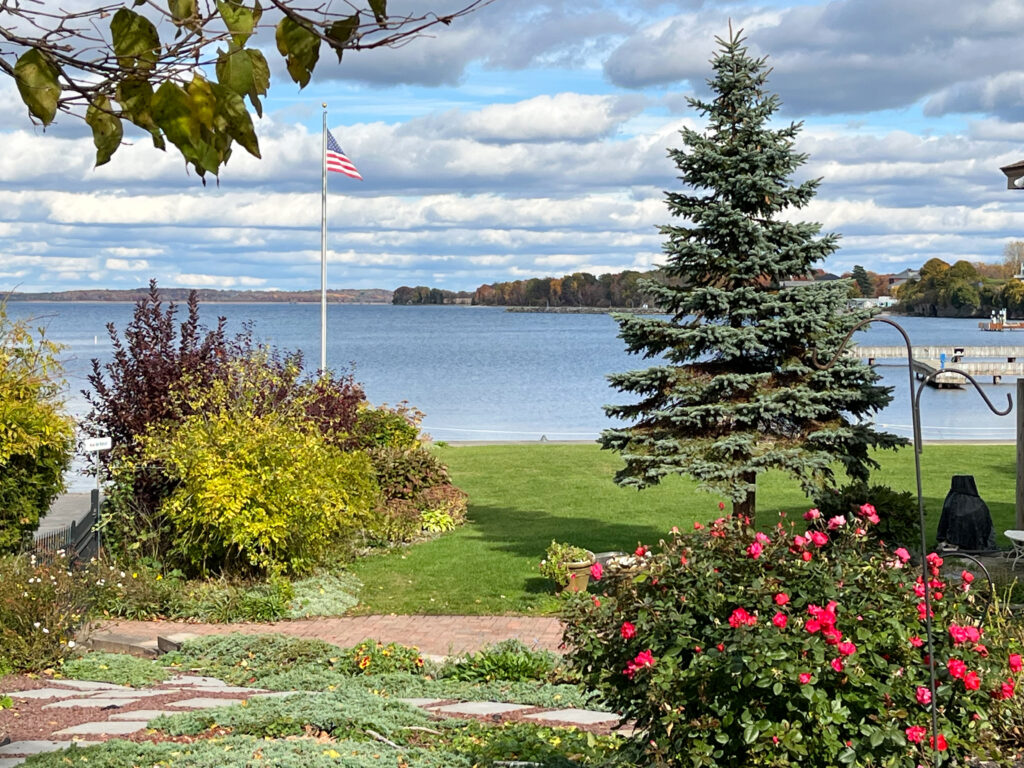
It was probably a couple of years before this trip that I first realized there were lighthouses on the Great Lakes. Growing up in Texas, lighthouses belonged to oceans and far-off coasts — not to the freshwater shores of the north. But now, with the road stretching out ahead of me and a wide lake shimmering on the horizon, I’ve learned that light finds its place anywhere it’s needed.

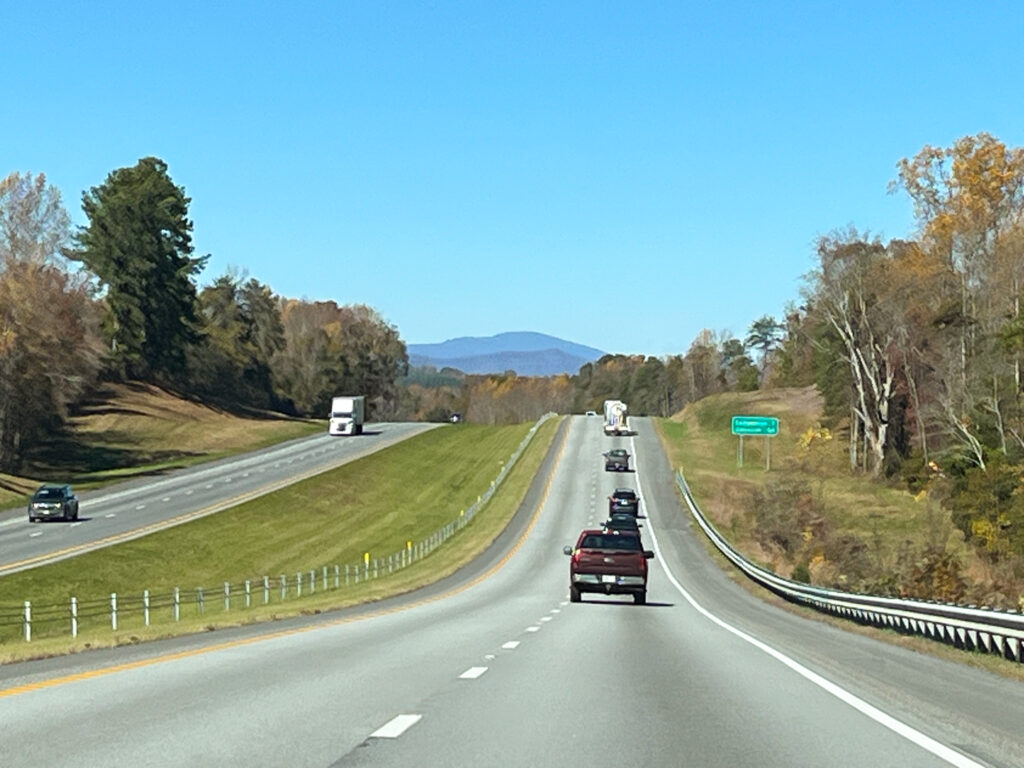
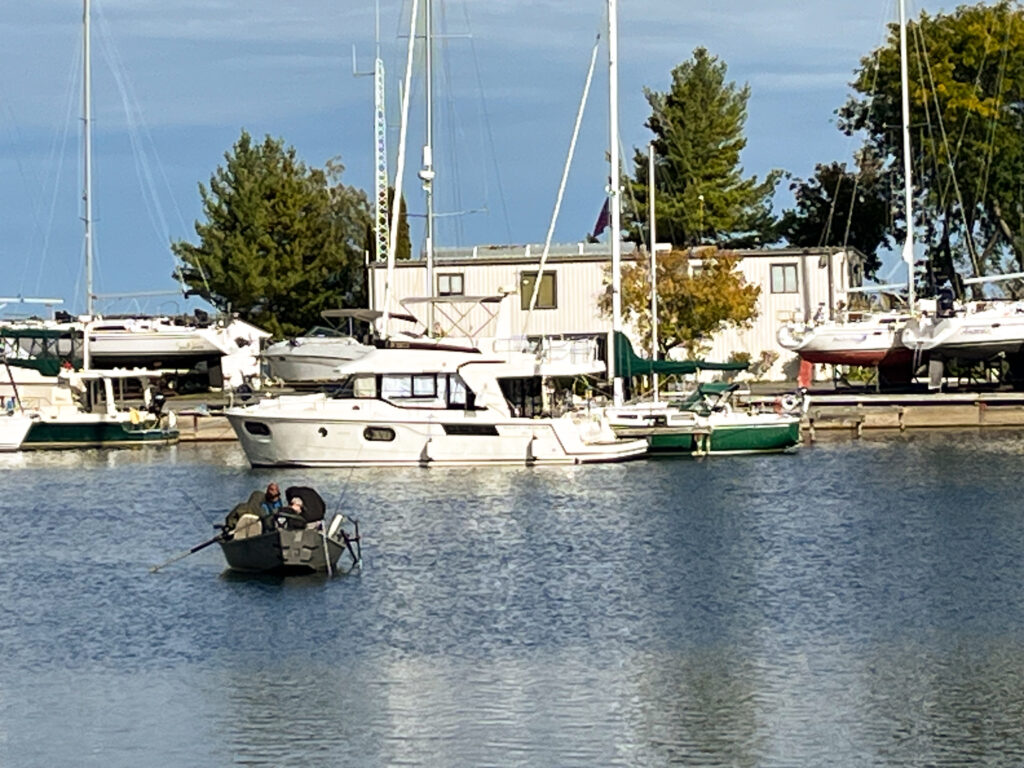
On the last stretch of my drive — after leaving Erie, Pennsylvania, and before reaching Sackets Harbor — I decided to stop at a few of these lighthouses and see them for myself.

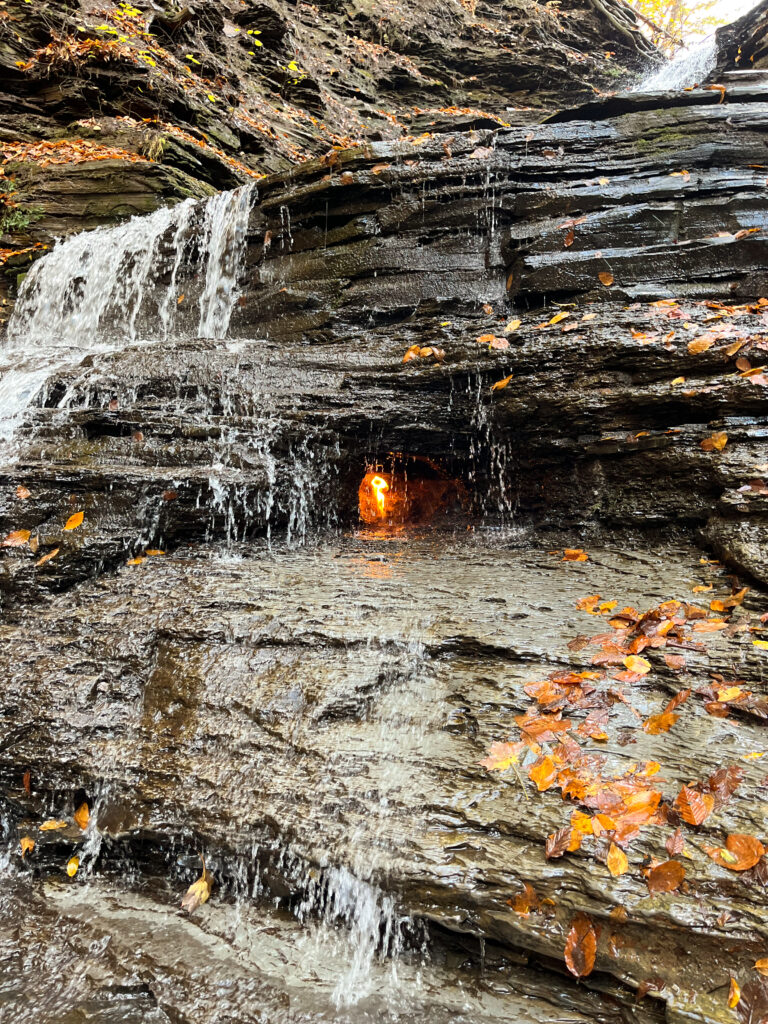
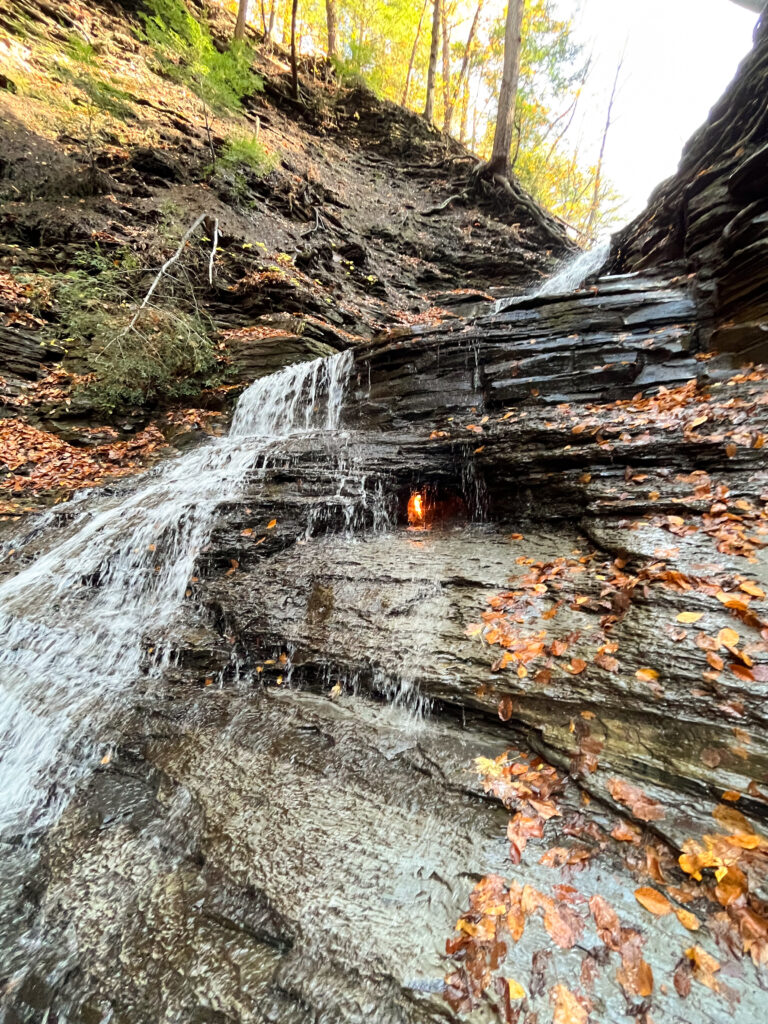
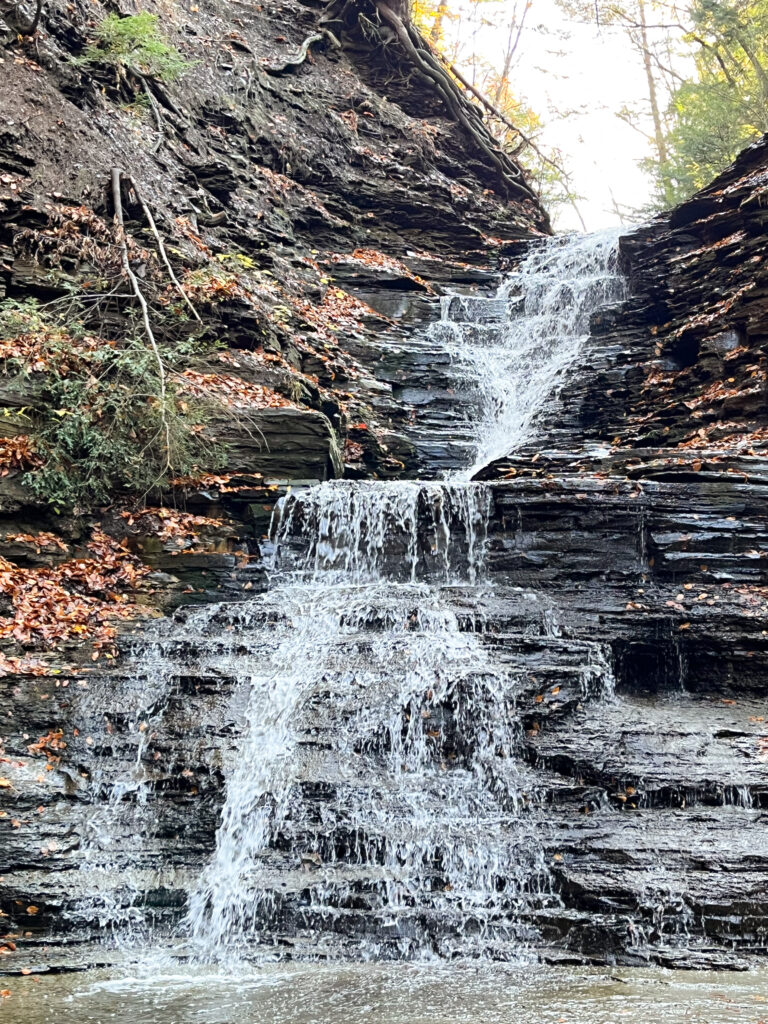
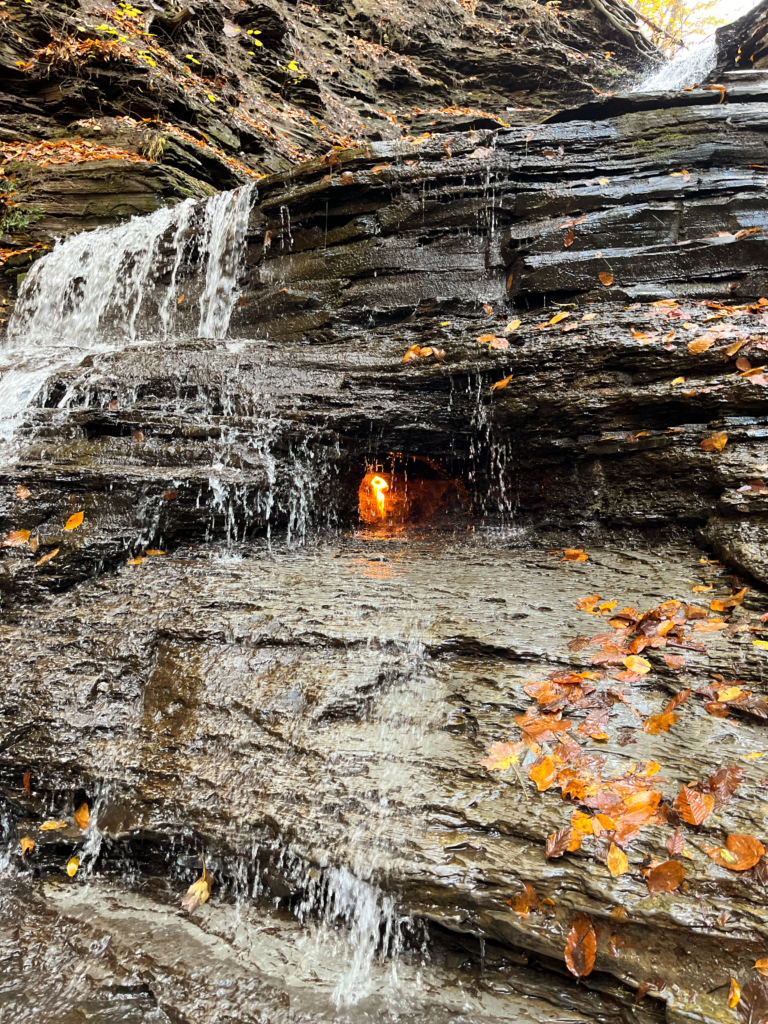
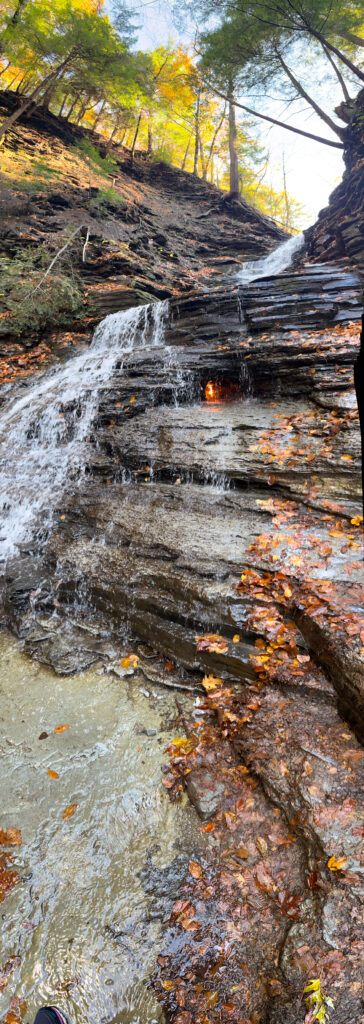
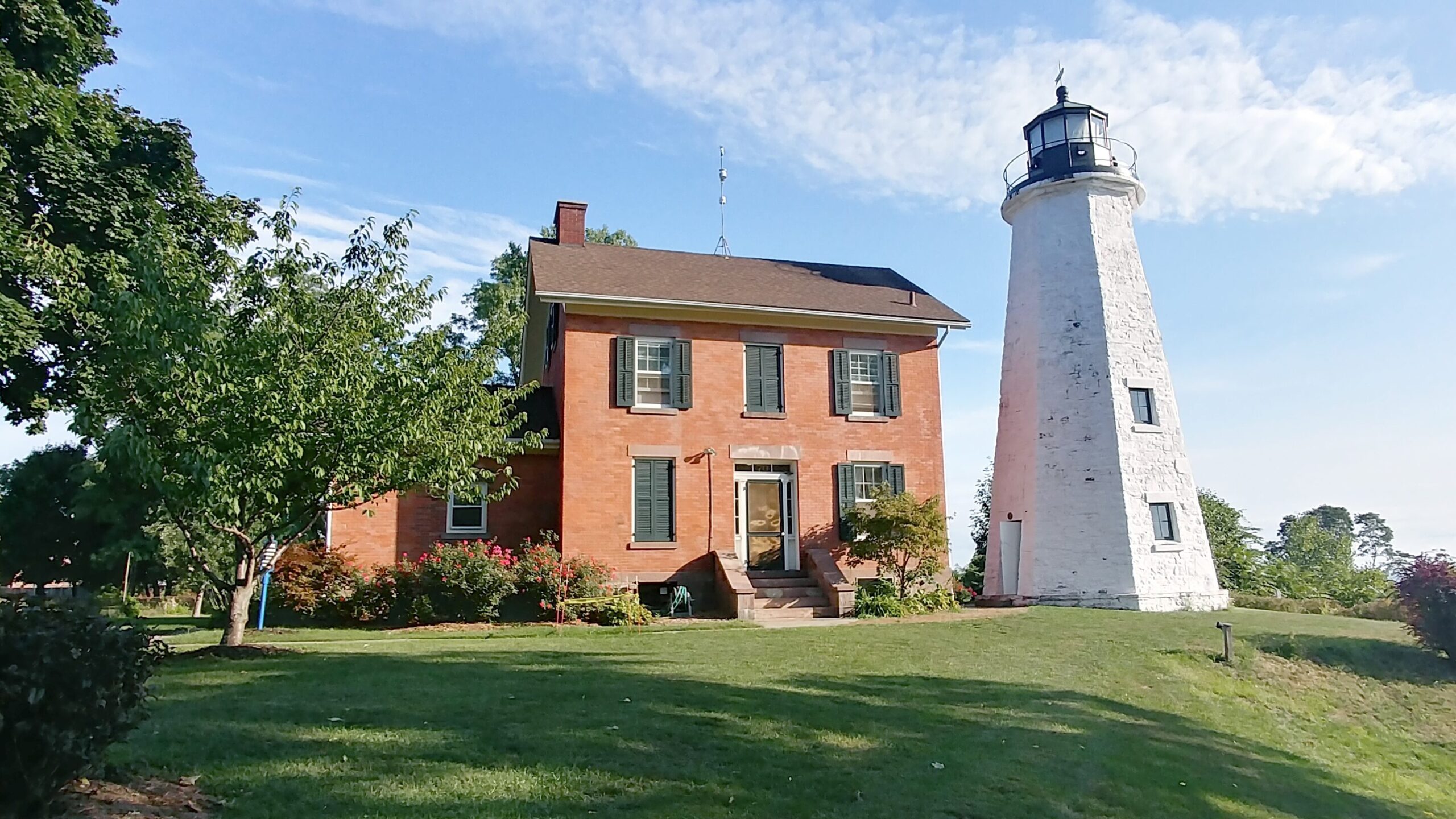
My first visit was the Barcelona Lighthouse in Westfield, New York. Built in 1829, it was the first lighthouse in the world to be fueled by natural gas — a remarkable idea for its time. The stone tower stood quietly against the blue sky, its door locked, the grounds peaceful and still. Even though I couldn’t go inside, I stood at the base and imagined the keepers who once climbed those stairs, tending a flame that guided travelers safely to shore. There’s a calm strength in places like this — reminders that guidance doesn’t always need to shout; sometimes it just shines steadily through the years.

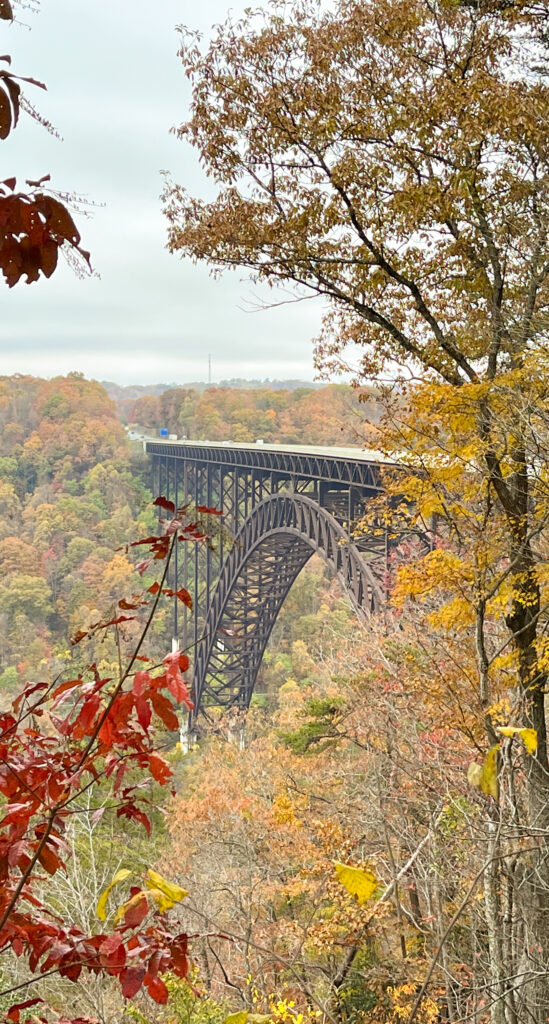
A short drive farther brought me to the Dunkirk Lighthouse, one of the oldest lights on Lake Erie. This one was open, and I couldn’t resist the challenge of climbing to the top. The metal spiral staircase wound tightly upward, each step creaking beneath my feet. My heart beat faster — not just from the climb, but from the height. I’ve always had a little fear of heights, though I try to face it whenever I can. Over the years, that’s led me over America’s scariest and highest bridges, across long pedestrian walkways, and now, up this tower overlooking the water.

At the top, wind whipped across my face. The lake spread out like a silver sheet, endless and alive. For a moment, fear and awe were the same thing. I thought about all the keepers who had stood here before me, watching storms roll in, trusting their light to cut through the darkness.

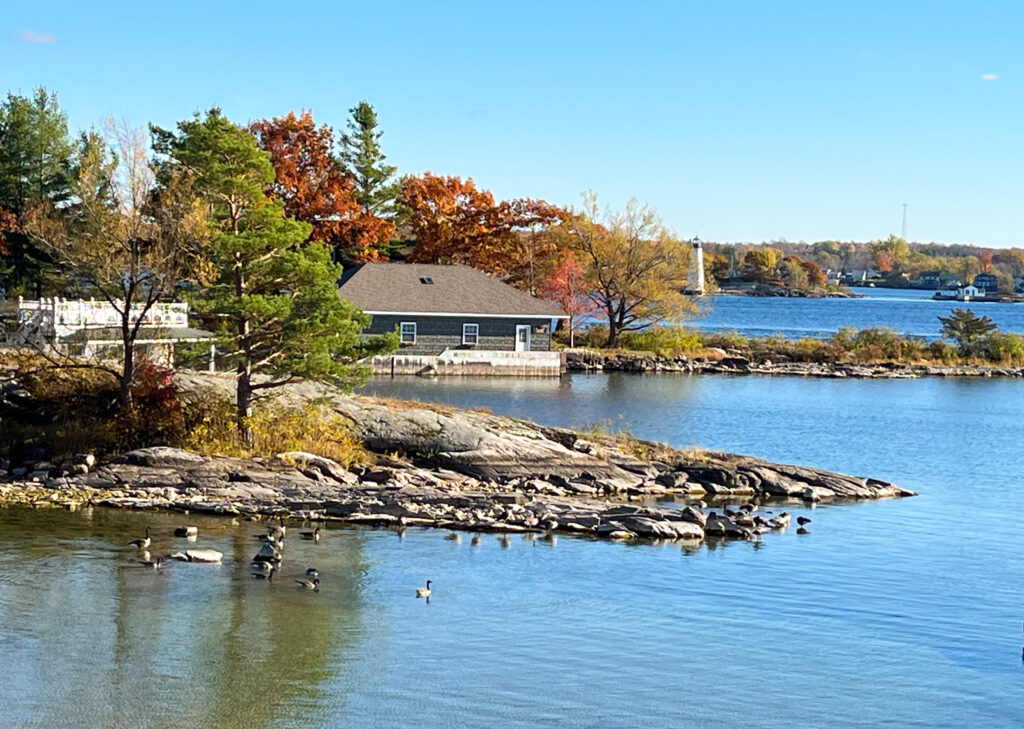
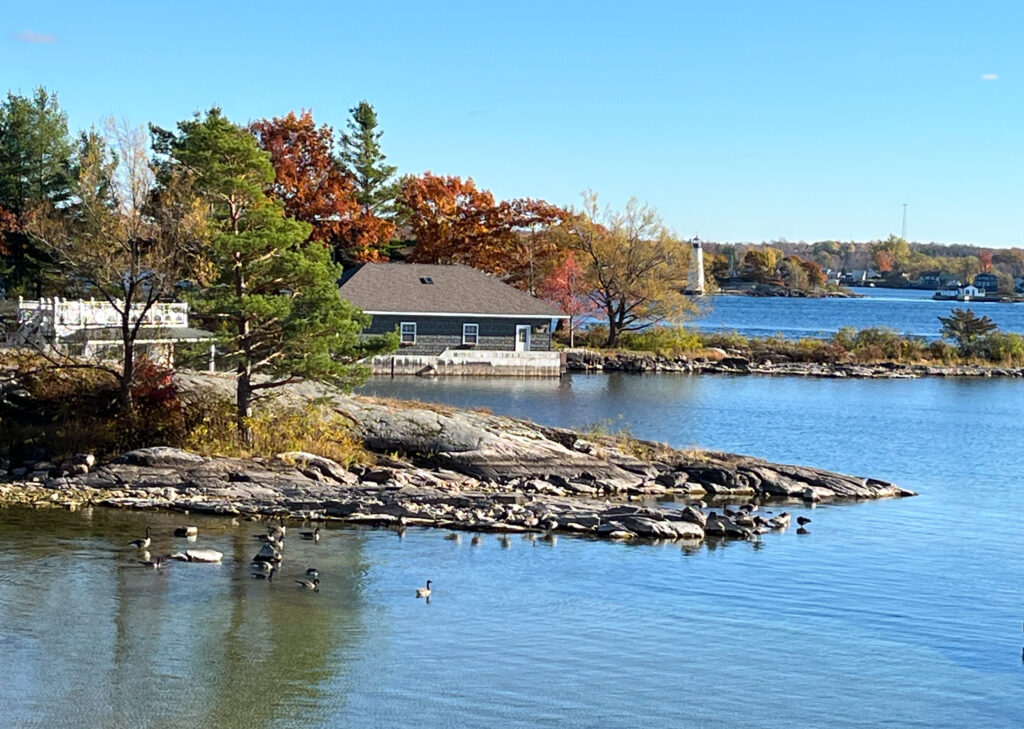
A few days later, I made my way north to Tibbetts Point Lighthouse, where Lake Ontario meets the St. Lawrence River. The tower, built in 1854, still houses one of the few working Fresnel lenses on the Great Lakes. The lightkeeper’s cottage now serves as a visitor center, and the air smells of river mist and open water. Standing there, with waves splashing against the rocks, I felt something quiet settle inside me — a kind of peace that comes from knowing you’re exactly where you’re supposed to be.

I’ve learned that there are more than 200 lighthouses along the Great Lakes, which together stretch nearly 11,000 miles of coastline. During my stay here, I’ve visited three of them, each with its own quiet story and view of the water. I plan to stop at one more when I begin my next journey.

This journey of seeing the lighthouses has become more than checking places off a list. It’s a reminder that courage is built step by step — one stair, one bridge, one risk at a time. Light has a way of leading you forward, even when the climb feels uncertain.

Walking Through Faith: The Ark Encounter

Some places can’t be described — they have to be felt. The Ark Encounter in Williamstown, Kentucky, is one of those places. It rises from the landscape like a vision — massive, majestic, and humbling — built to the exact dimensions given to Noah in the Bible. Standing before it, you can almost imagine what it must have been like to see such a vessel being built in ancient times, a symbol of faith, perseverance, and hope against all odds.

The sheer size of the Ark is astonishing. Over 500 feet long and towering more than seven stories high, it’s nearly impossible to take it all in at once. As I stood at its base, I felt small — not in a diminishing way, but in the way that reminds you how grand faith can be.

Walking inside feels both historical and spiritual. Each level of the Ark is filled with intricate displays, models, and exhibits that tell the story of Noah, the flood, and the world that was. There are detailed recreations of living quarters, workshops, and animal enclosures — each crafted with care and reverence. You can almost hear the echo of hammers and rain, the whisper of prayers for safety and survival.

What struck me most was the depth of information. It’s not just a visual experience but an educational one — exploring the science, archaeology, and historical evidence that points to a global flood. There’s so much to take in — timelines, geological findings, cultural stories — all woven together to support the biblical account. It’s both mind-expanding and faith-deepening.

When I stepped back outside and looked up once more, sunlight spilling over the vast wooden frame, I felt both grounded and uplifted — as if I had just walked through a living testimony of faith. The Ark Encounter isn’t just a monument to a story; it’s an invitation to reflect — on belief, on resilience, and on what it means to trust when the world feels uncertain.

Forest Giants at Bernheim: Whispers Among the Trees


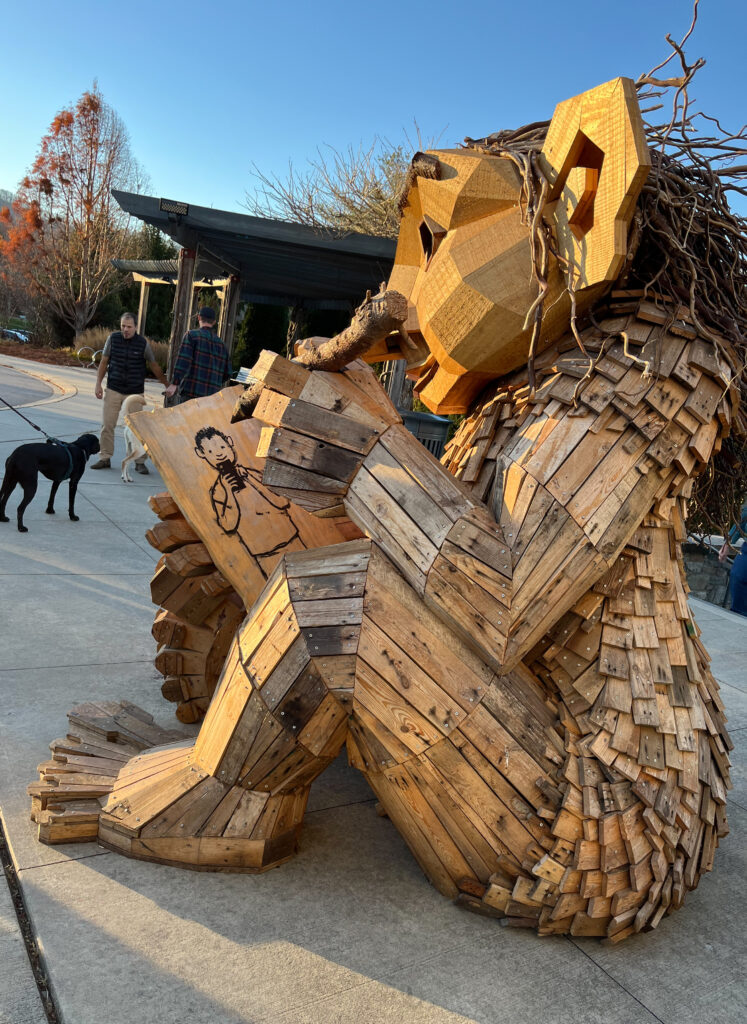
There’s something magical about chasing trolls across the country — the kind that don’t live under bridges, but rather rest peacefully among trees, reminding us to slow down, listen, and reconnect.

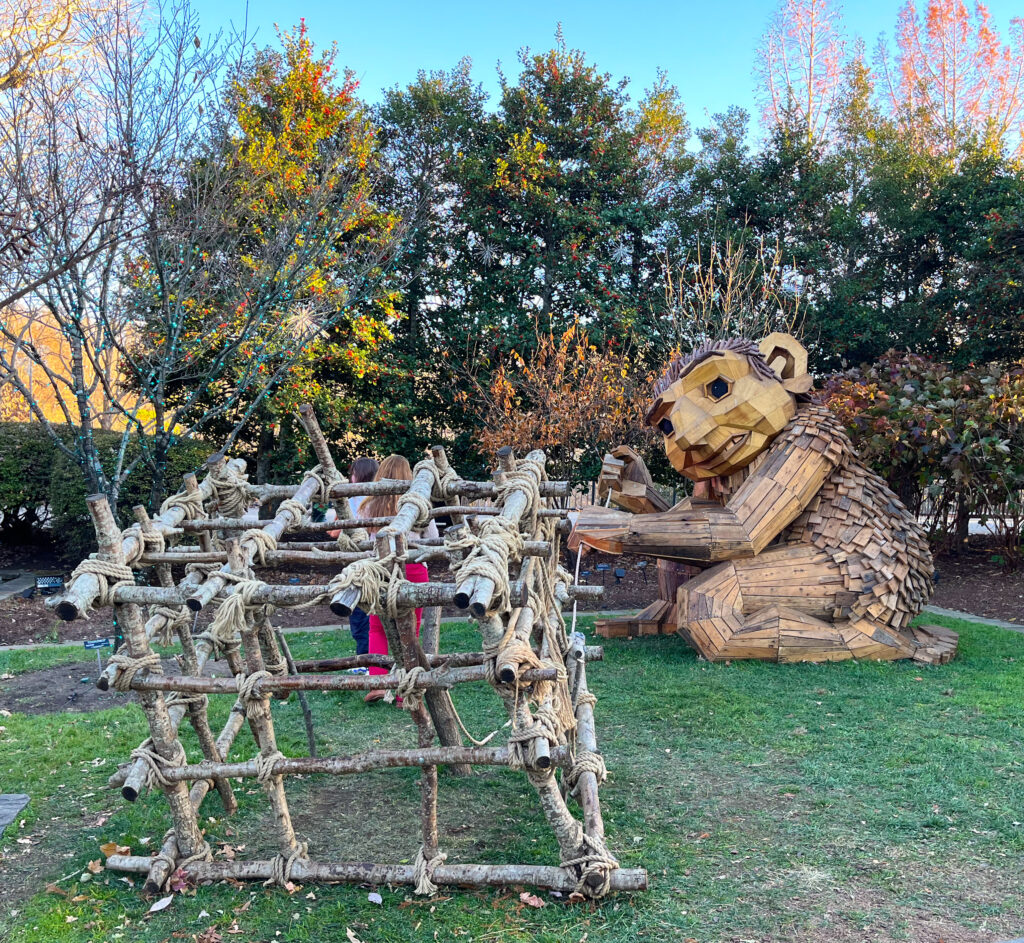
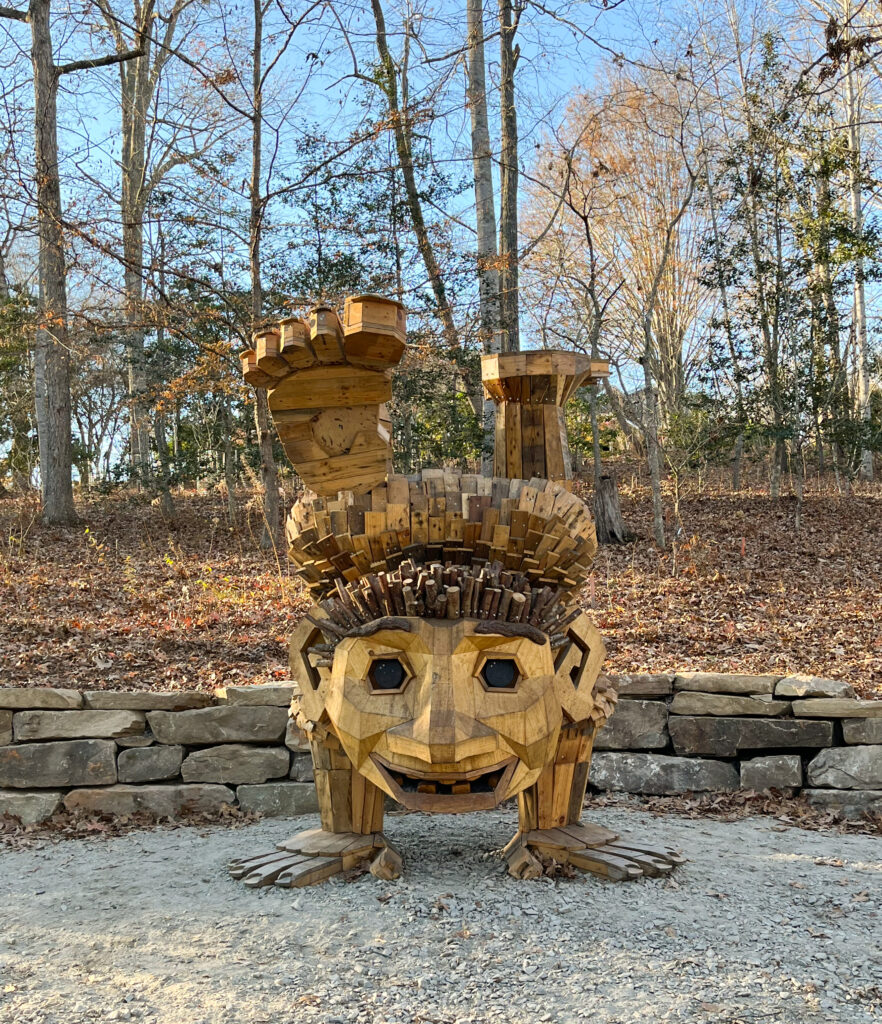
My second troll visit took me to Bernheim Forest in Kentucky, home to the enchanting Forest Giants — part of artist Thomas Dambo’s worldwide series. Over sixteen thousand acres of trails, ponds, and whispering pines, Bernheim feels less like a destination and more like a sanctuary.

The Forest Giants at Bernheim Forest, created by Danish artist Thomas Dambo, live quietly here. Crafted from reclaimed wood, they stand as guardians of the forest — enormous, gentle, and wise in their stillness. There’s Mama Loumari, resting protectively among the trees, her hand cradling a piece of earth. Nearby are Little Elina and Little Nis, her curious children, full of wonder and mischief.

This time, it felt more like a hunt to find the trolls. Even with a map and signs posted near the sculptures, I got a little turned around and had to backtrack a few times — but that only added to the adventure. Each twist in the trail brought new anticipation, a childlike excitement that made finally spotting the trolls feel all the more rewarding.

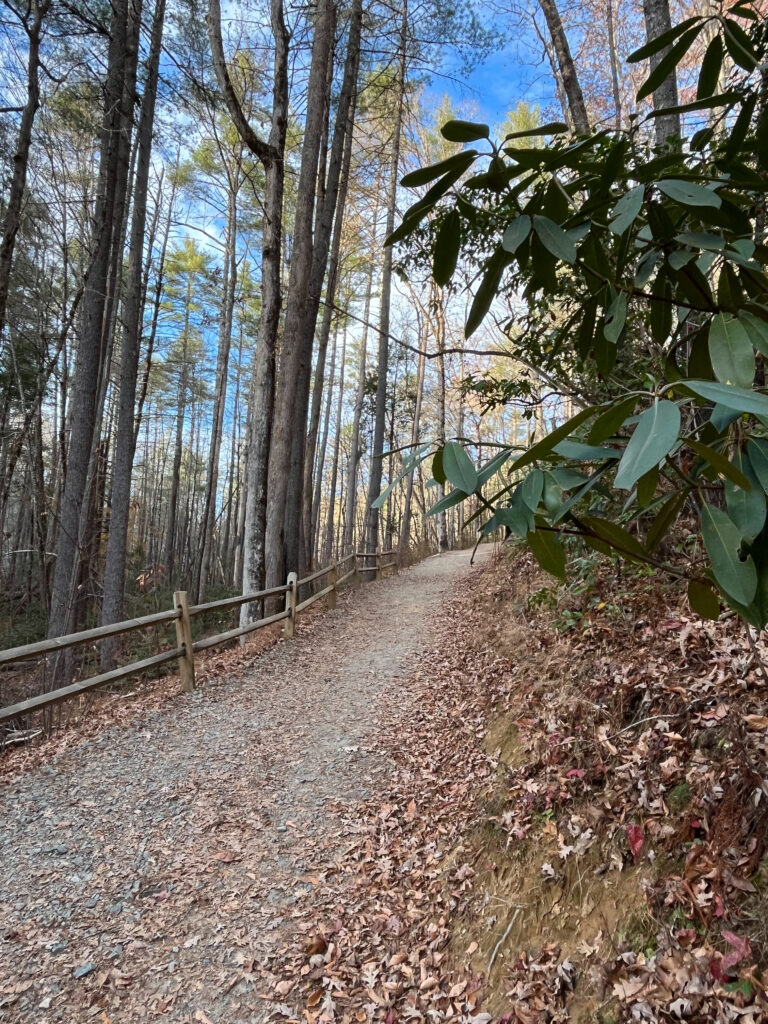
The two-mile trail that winds between them feels like a storybook come to life — each turn revealing another glimpse of artistry and imagination intertwined with nature. Children laugh, couples pose for photos, and solo wanderers like me pause often, just breathing in the beauty of it all.

As I walked beneath the canopy of oaks and maples, I thought about the balance between strength and gentleness — how these wooden giants, though silent, speak volumes about sustainability, creativity, and our connection to the earth.

I left Bernheim Forest with a full heart and the quiet reminder that art and nature are often speaking the same language — we just have to listen. The Forest Giants Bernheim Forest trail is more than a sculpture walk; it’s an invitation to notice the whispers among the trees and the calm that comes when we let ourselves slow down.

If you enjoyed this reflective journey, you might also like my post about Anthony Chapel and the Carillon Tower in Hot Springs.

— Kari

A Weekend in Clarksville, Tennessee

Sometimes, the best parts of the journey are found not in faraway places, but in the warmth of familiar hearts. My Clarksville, Tennessee travel story began with a visit to this small city wrapped in southern charm—where I spent a few sweet days visiting my dear friend, Teena.

Teena and I first met years ago, teaching side by side in Japan. The world felt vast and new then, yet somehow, in the midst of that adventure, we found a kindred spirit in each other. Time and miles have passed, but that connection—built on shared stories, laughter, and art—has never faded.

Now she teaches in Tennessee, bringing her same gentle spirit and creativity to a new place. Seeing her again was like returning to a piece of my own history. We slipped easily back into conversation, as if no time had passed at all.

One evening, we went to a local winery for a tasting. The air was soft and golden, the kind of evening that makes music sound even sweeter. A talented singer filled the space with a strong, soulful voice that seemed to echo through the vines. It was one of those moments where time slows—when the world feels both grounded and wide open all at once.

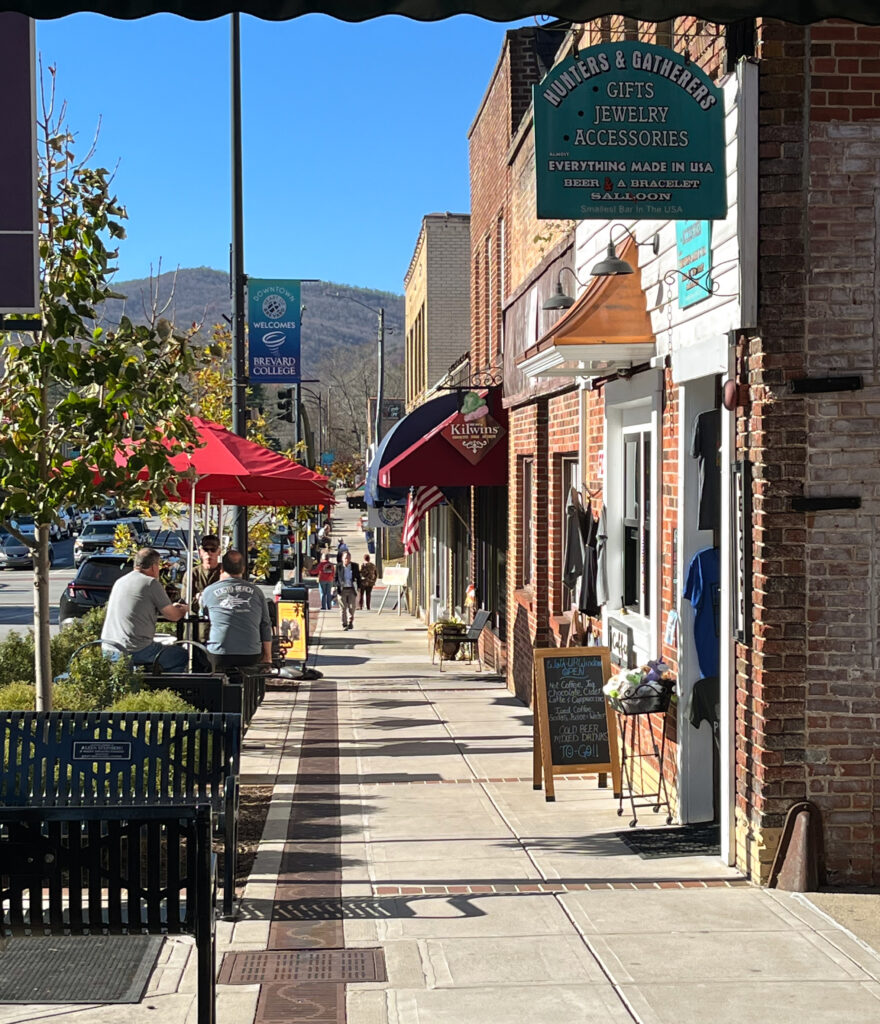
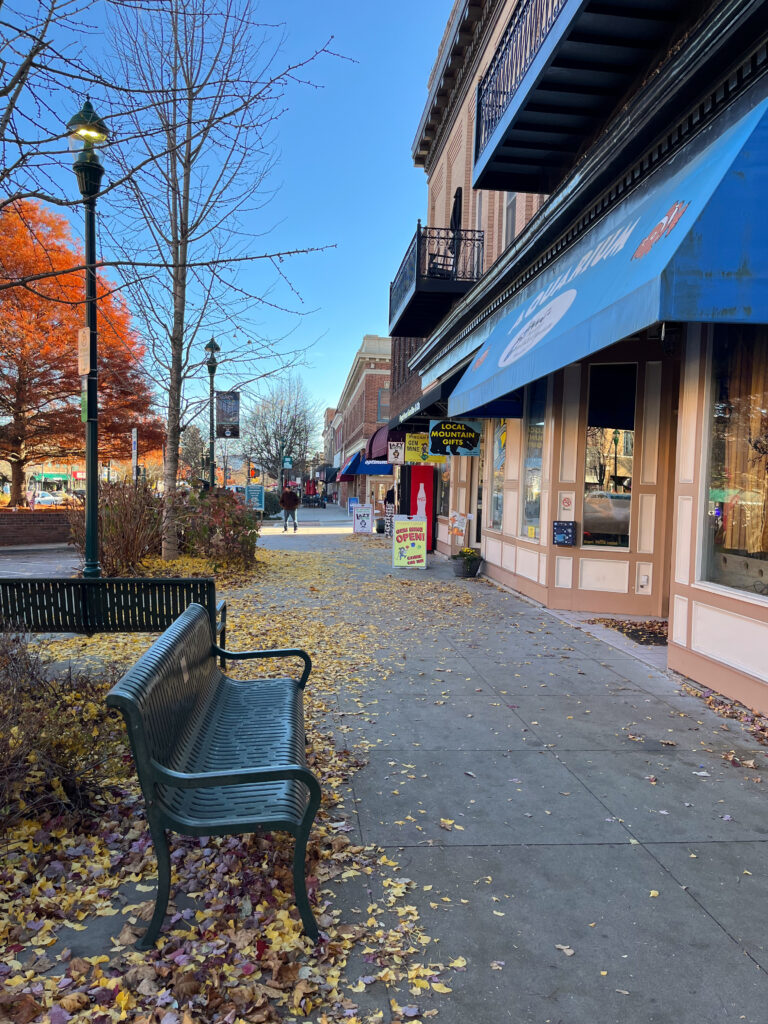
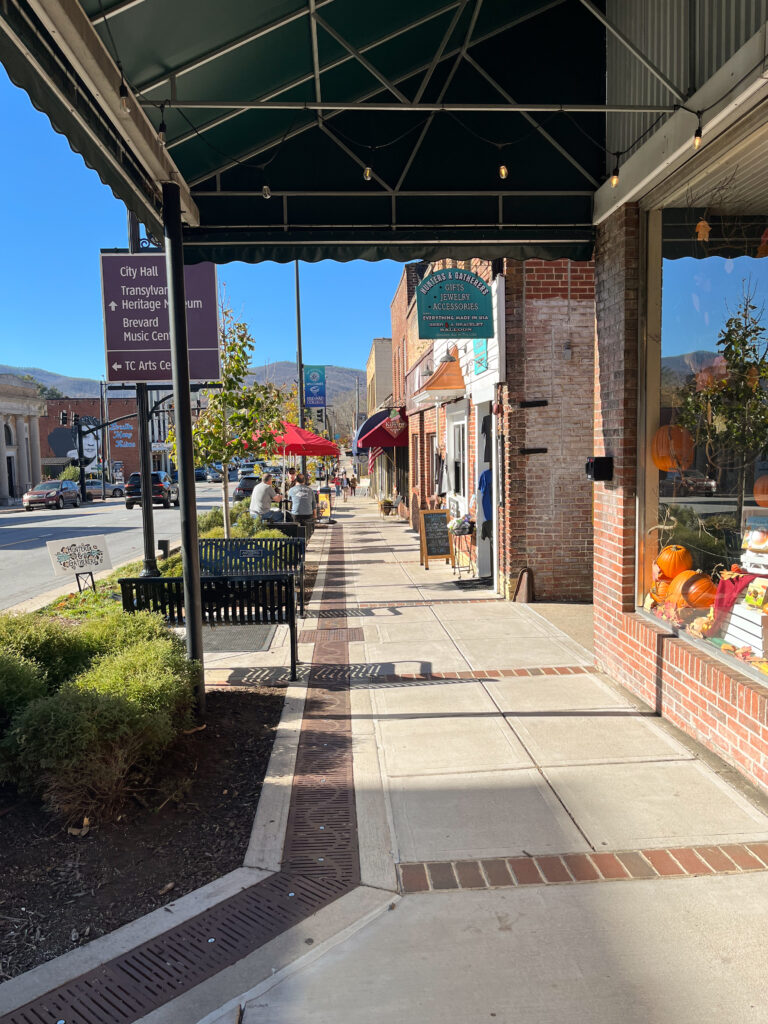
The next morning, we had brunch at Yada’s in historic downtown Clarksville, where the air still holds the stories of old brick and ironwork. The food was fresh and colorful, served with that easy southern friendliness that makes you linger over coffee a little longer.

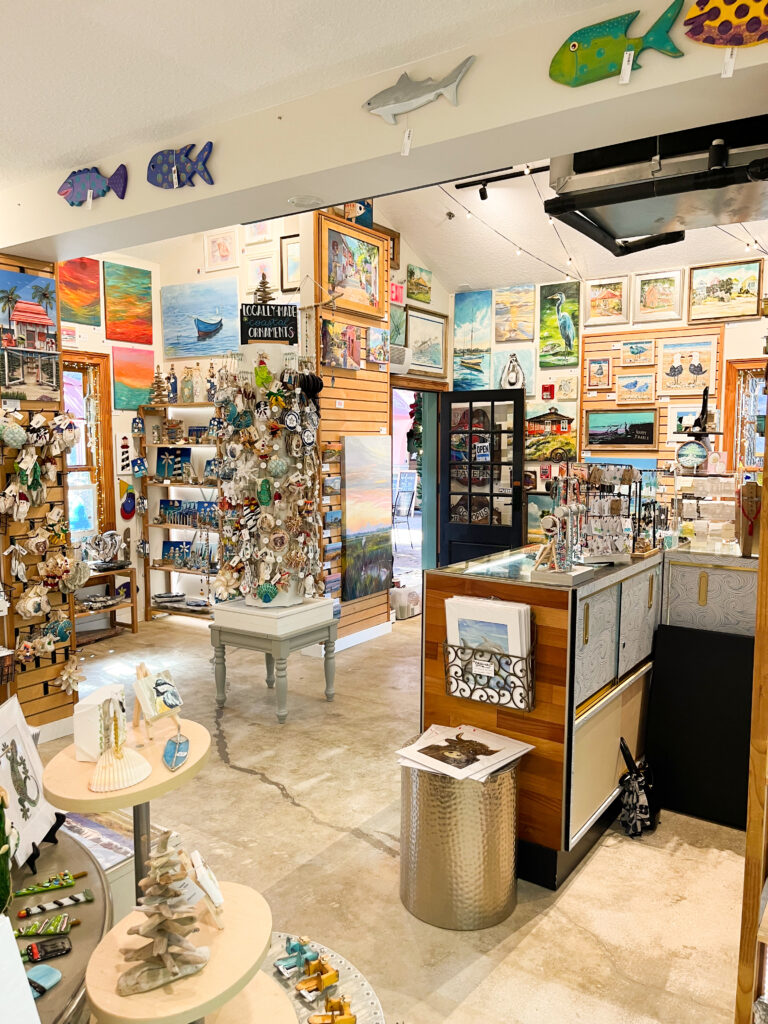
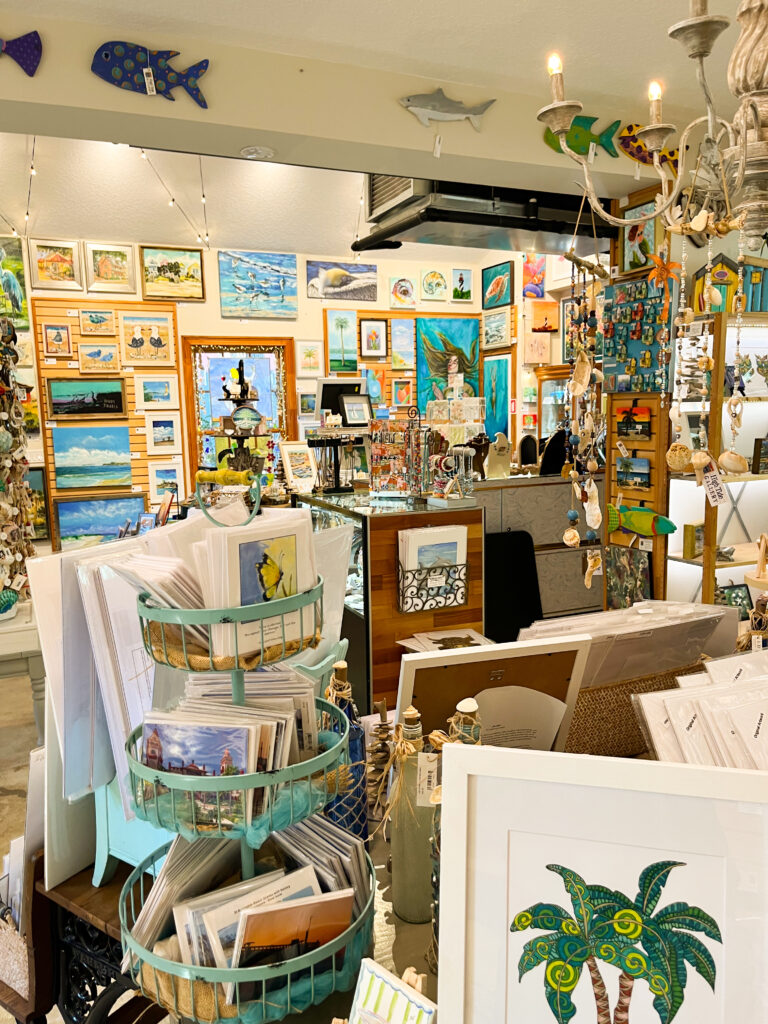
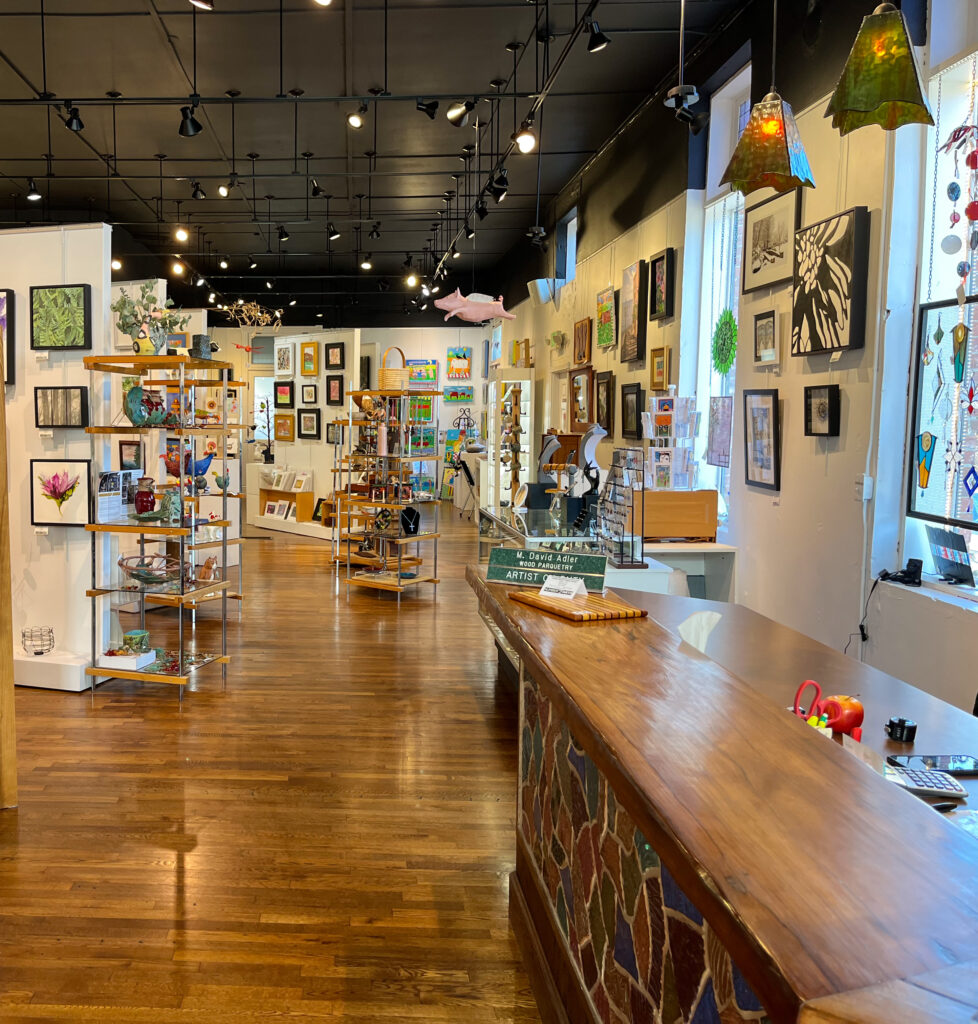
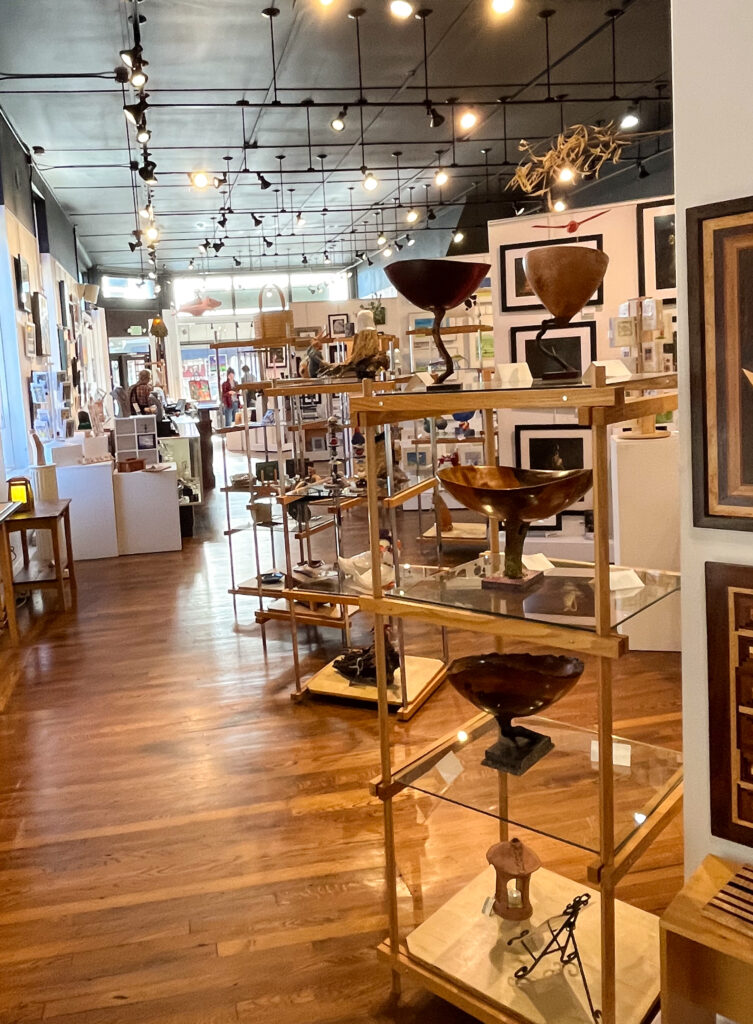
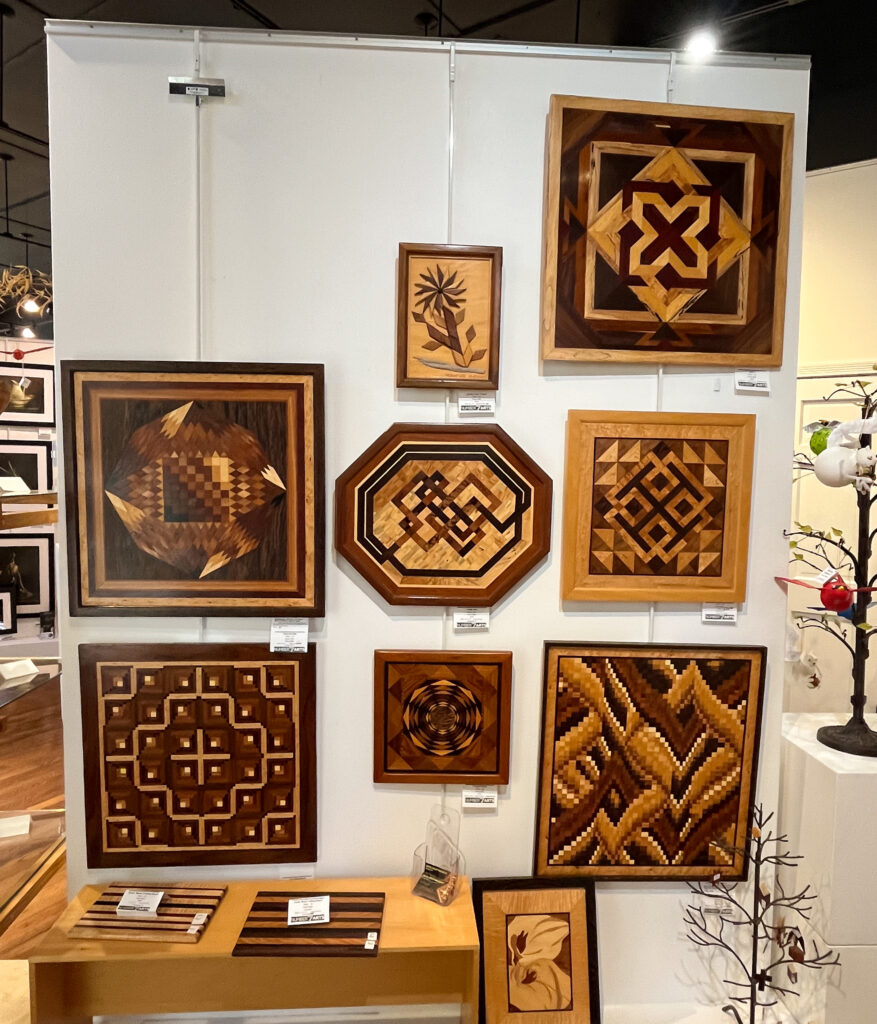
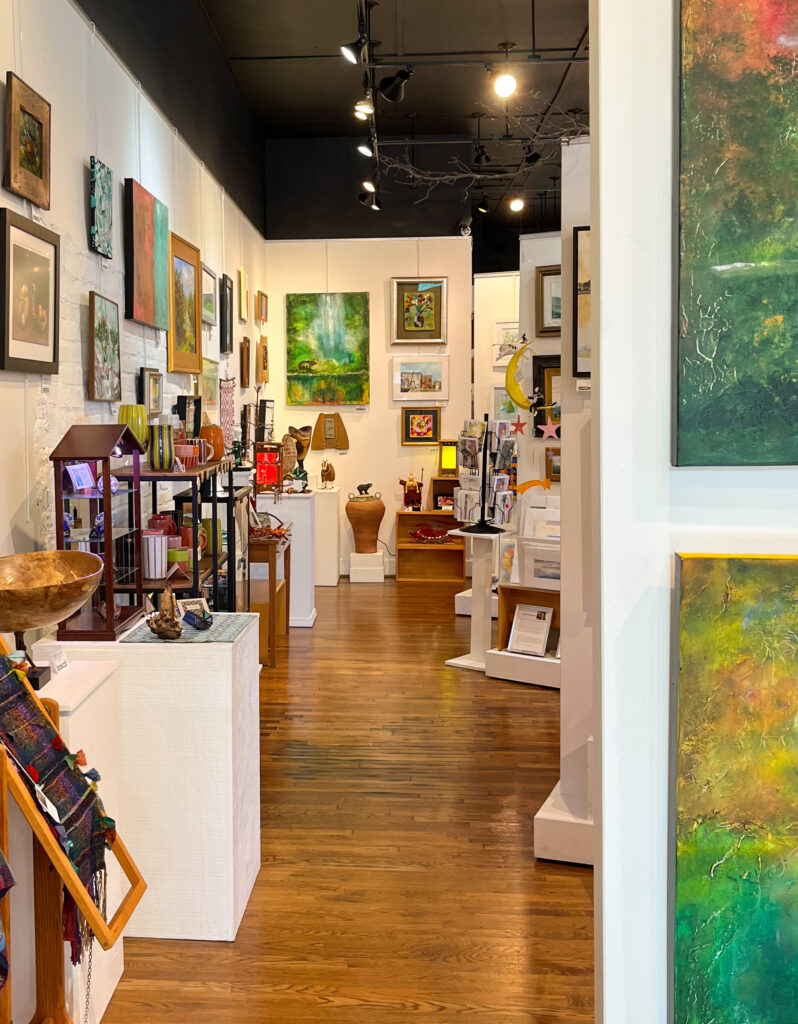
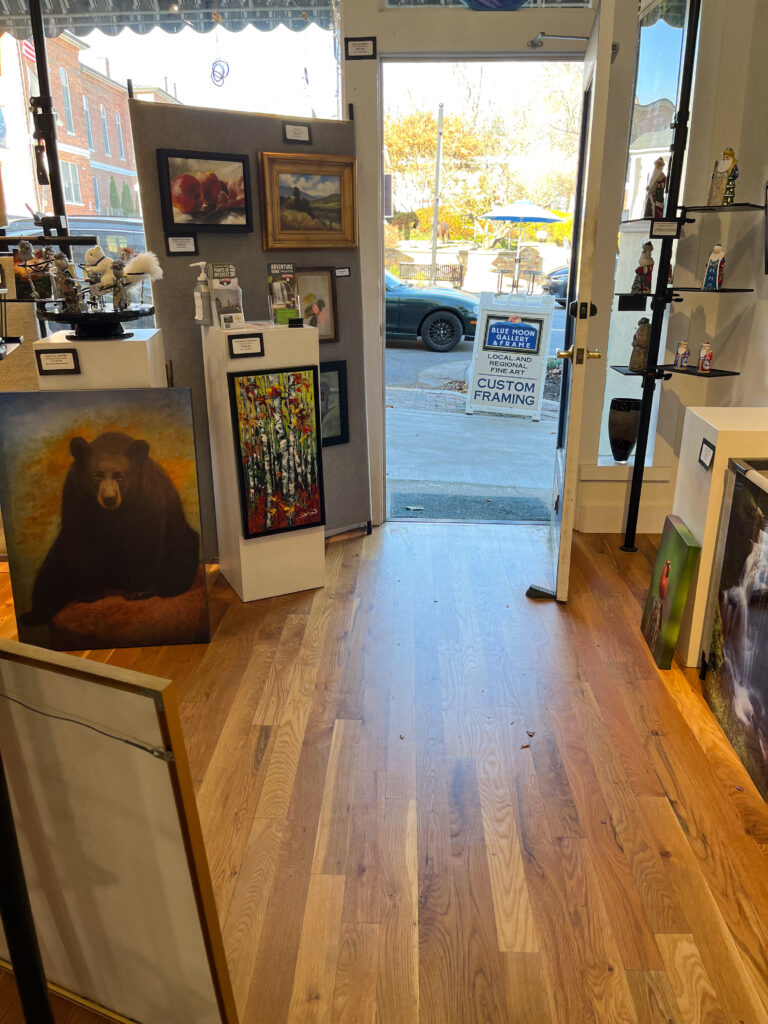
Afterward, we wandered into the Art Guild, where sunlight streamed across a beautiful mix of local art—paintings, pottery, and pieces that spoke of hands that still love the craft of making. I always feel at home surrounded by art—it’s like stepping into a language I know by heart.

We spent the afternoon exploring Lucille’s, a sprawling treasure trove filled with antiques, books, crafts, and forgotten things waiting to be rediscovered. Every booth felt like a tiny story. The café there served the most refreshing strawberry basil lemonade—bright, fragrant, and perfectly balanced between sweet and tart.

We ended the day the way all good visits should end—with a meal made by someone who cooks with love. Teena’s husband made barbecue that filled the evening air with smoky comfort. We sat and talked as the light faded, grateful for good food, friendship, and the kind of easy joy that comes from being exactly where you’re meant to be.

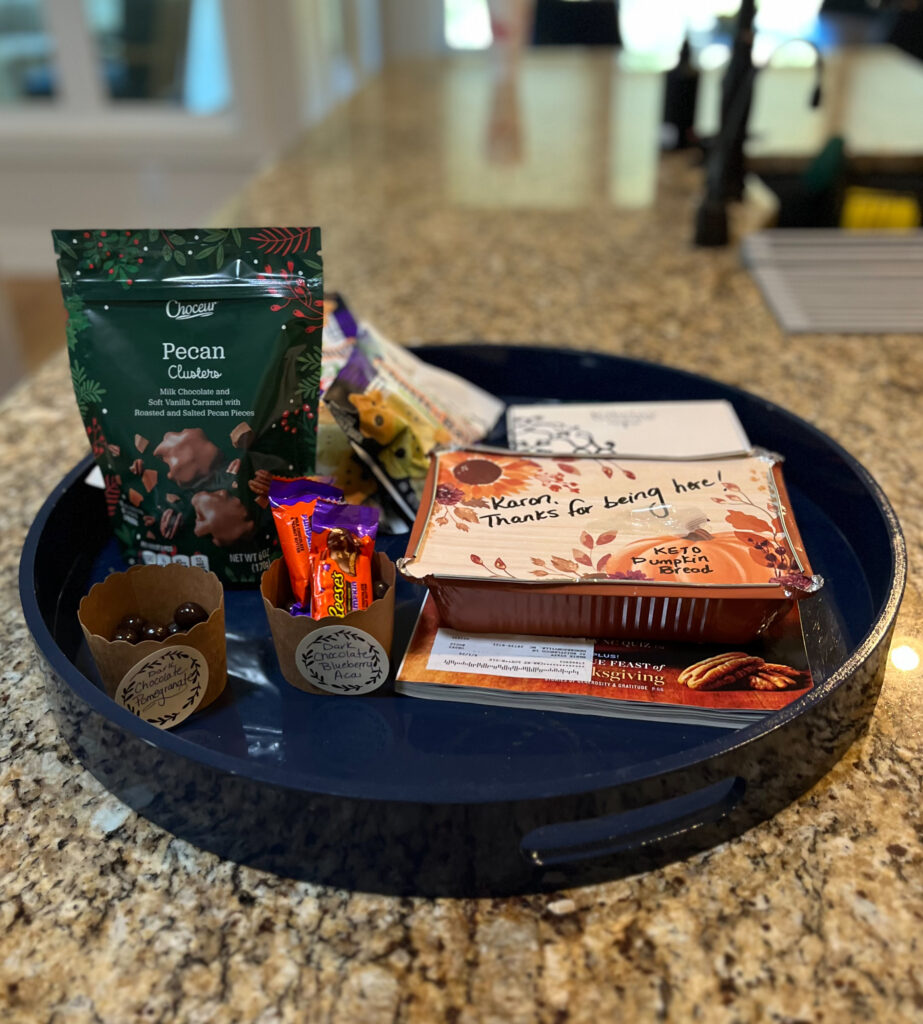
Before I left, Teena—true to her generous heart—handed me two loaves of her homemade pumpkin bread. “One for you,” she said with a smile, “and one for your daughter in New York.” She never lets anyone leave empty-handed, and somehow that gesture captured her perfectly—thoughtful, giving, and full of warmth.

Clarksville may have been just a stop along the way, but it felt like a homecoming—a reminder that connection and kindness are the true landmarks on any map. If you ever find yourself planning a Clarksville Tennessee travel weekend, I hope you’ll slow down long enough to feel that same sense of welcome.

— Kari

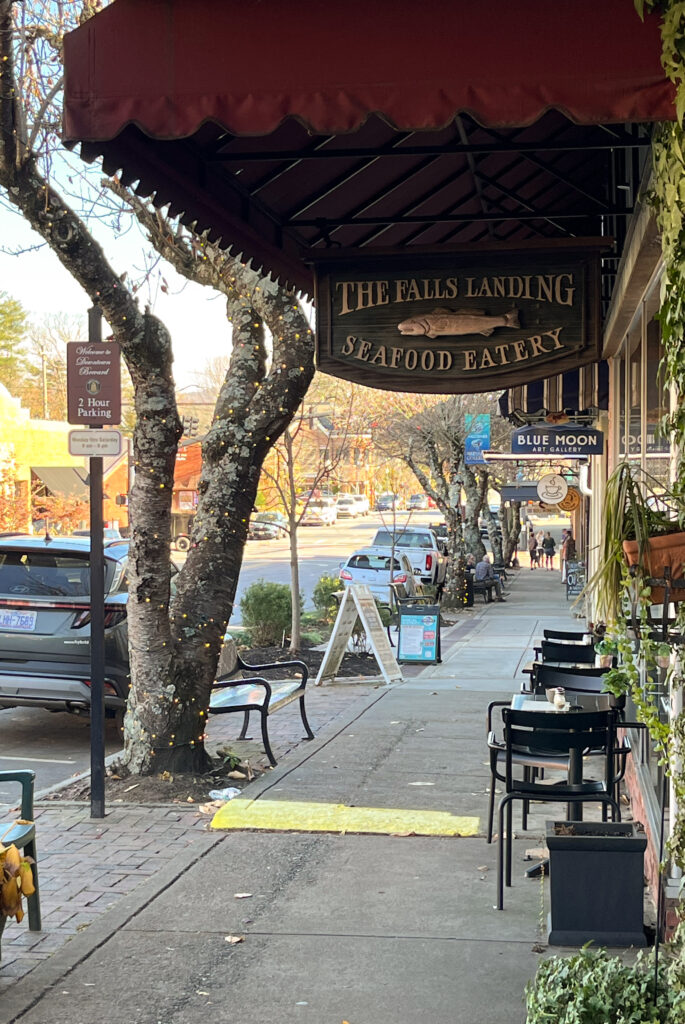
Bathhouse Row, People, & The Pancake Shop – Reflections on Hot Springs

After the tranquility of Anthony Chapel, I wandered down Bathhouse Row, captivated by the historic architecture and the stories embedded in each building. The elegance of the facades, the weathered bricks, and the soft curves of wrought iron details spoke of an era when Hot Springs was a premier destination for wellness and leisure.

The warmth of the town was not only in its springs but in its people. Strangers greeted me with easy smiles, and conversations flowed effortlessly, leaving me with a sense of belonging even as a visitor. There’s something profoundly comforting about a place where friendliness feels natural, not forced.

Breakfast at The Pancake Shop, a cherished local institution celebrating more than 85 years of serving the community, was a delightful pause. The aroma of fresh pancakes mingled with a faint hint of coffee, and the cheerful hum of conversation made the room feel alive. Sitting at the counter, I watched locals greet one another like family, sharing jokes, news, and laughter. The simple act of enjoying breakfast here became an experience of connection and warmth, a quiet celebration of history, hospitality, and comfort.

Exploring Hot Springs reminded me that travel is as much about the people and small moments as it is about sights. The combination of history, architecture, and genuine friendliness made this stop unforgettable. Even as I moved on, I carried with me the soft, lingering impressions of laughter, bell tones, and the comforting aroma of a pancake breakfast that felt like a hug for the soul.

Anthony Chapel & Carillon Tower: A Solo Traveler’s Reflection in Hot Springs

The crisp morning air welcomed me as I approached Anthony Chapel, the true reason for my visit. Nestled among towering trees, the chapel exudes a serene charm that feels timeless. Its simple yet elegant architecture blends harmoniously with the natural surroundings, inviting visitors to pause, breathe, and reflect.

I lingered on the steps, noticing the delicate patterns etched into the wooden beams above. Sunlight filtered through narrow windows, casting soft, golden light across the polished wooden floors. Every detail, from the subtle arches to the carefully placed benches, seemed designed to inspire contemplation. The gentle hush of the forest wrapped the building in calm, making it easy to forget the world outside.

Nearby, Carillon Tower rose gracefully, its bells ringing at intervals, sending rich, sonorous tones echoing through the trees. The music seemed to ripple through the forest, vibrating softly in my chest. I closed my eyes, letting the sound and quiet settle over me, creating a rare, meditative pause in the day.

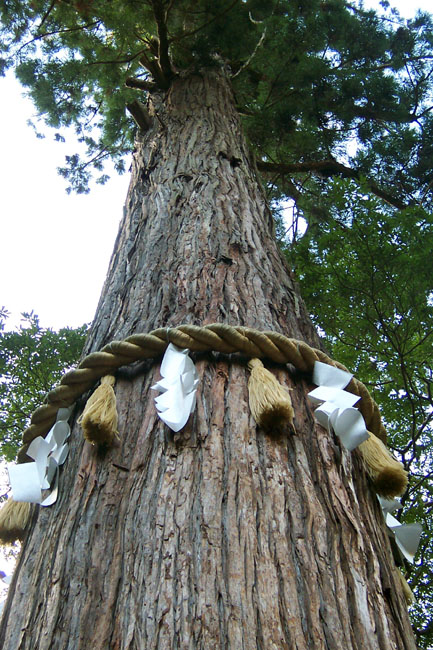
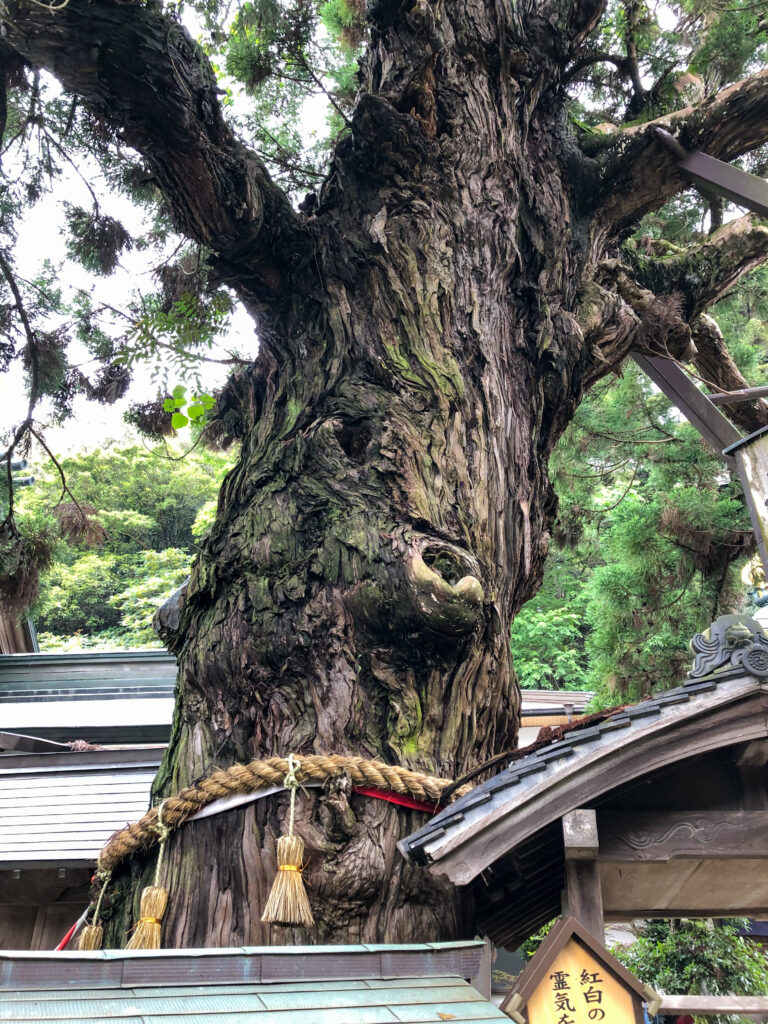
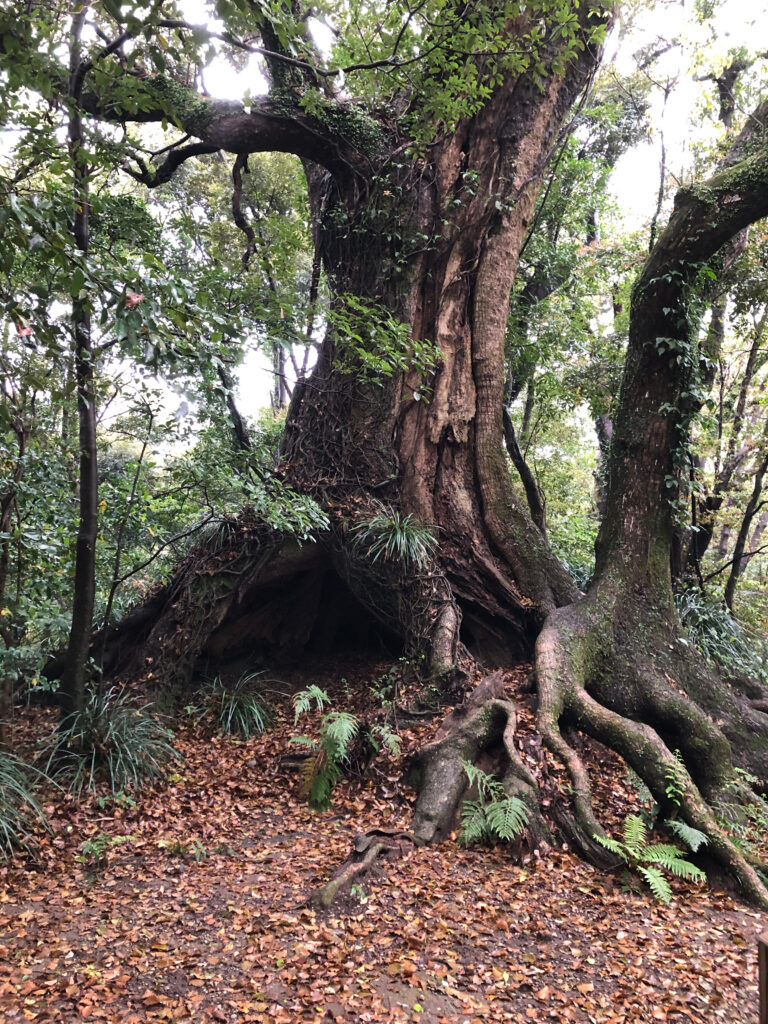
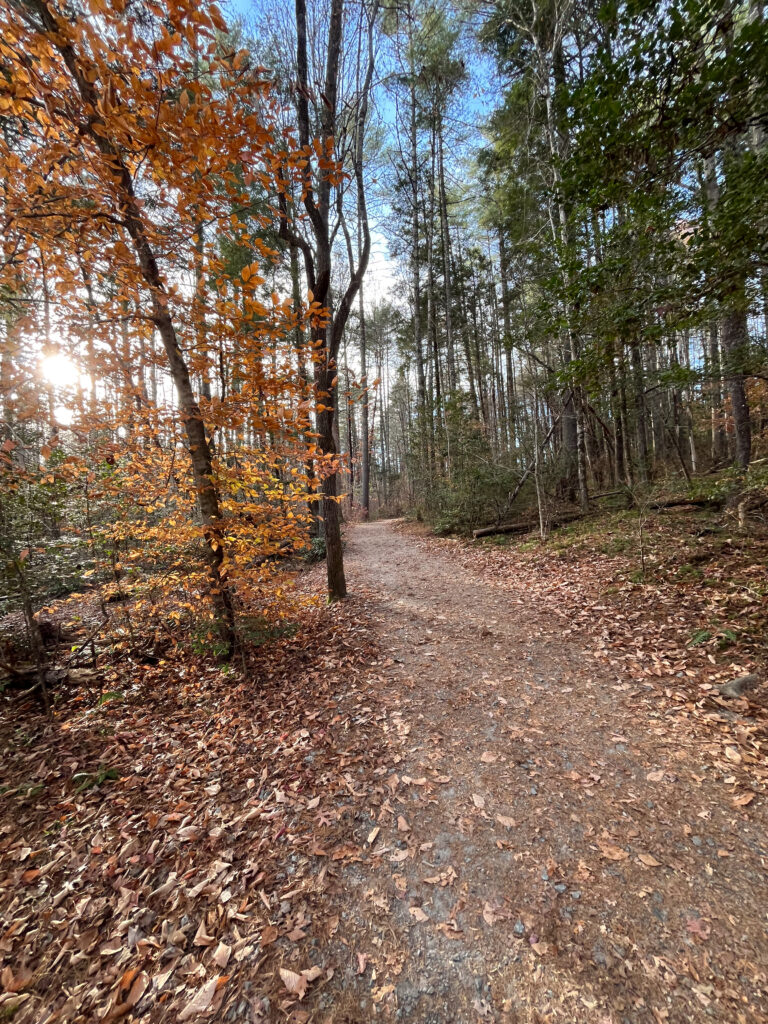
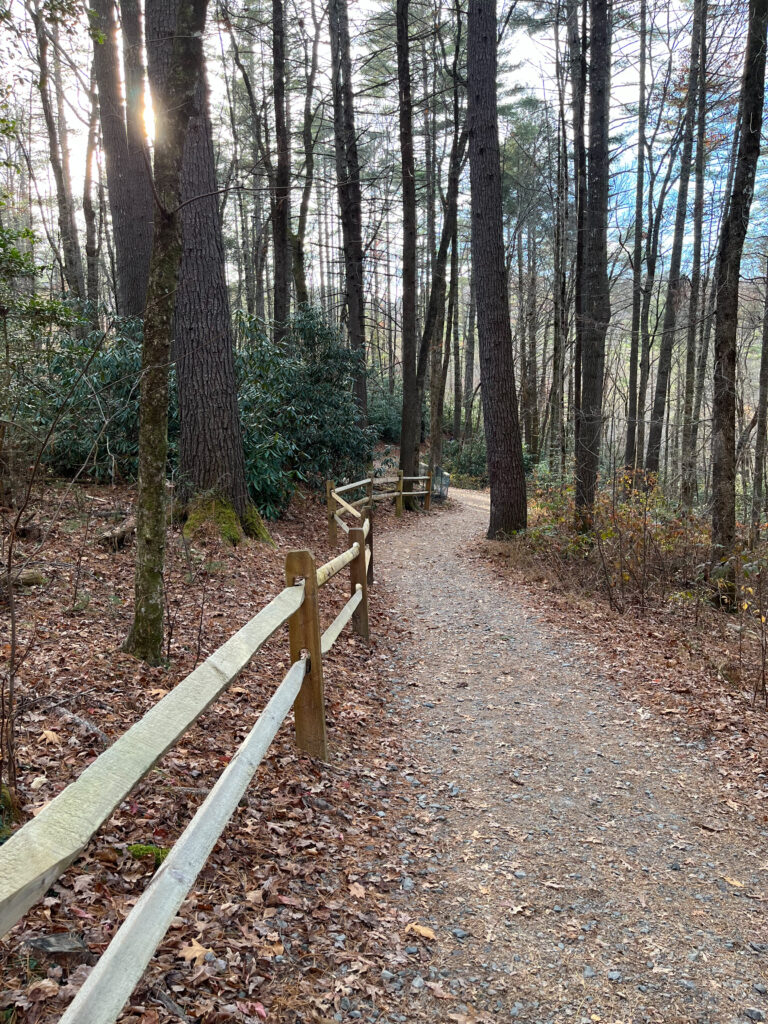
As I wandered along a shaded trail, I embraced shinrin-yoku, the Japanese practice of forest bathing that I first learned while living in Japan. The earthy scent of moss and fallen leaves, the dappled sunlight, and the whisper of branches overhead invited me to slow down and fully notice. I reached out to touch the rough bark of a tree, feeling its texture under my fingertips and grounding myself in the present. A spiderweb glittered with dew, and the intricate patterns of the forest seemed alive with quiet detail. Being here, near a place of such intentional beauty, I felt a profound sense of peace—a gentle reminder that some destinations are not just seen, but truly felt.

By the time I left Anthony Chapel, I carried with me not just memories of bells and trees, but a deeper appreciation for spaces that nurture reflection, serenity, and a connection to something larger than ourselves.

– Kari
Meeting Malin: My First Troll

My first stop on this new nomadic chapter was Austin’s Pease Park, where I finally met Malin’s Fountain, one of the magical trolls created by Danish artist Thomas Dambo. For months I had longed to see one of his towering wooden sculptures, and stepping into that shaded grove felt like walking into a dream.

The path wound gently under live oaks, leading me closer until suddenly she appeared—vast, whimsical, and powerful, yet tender in her presence. Malin seemed to rise from the earth itself, sitting gracefully among the roots, her hands cradling a bowl to collect rainwater, a gesture both simple and profound.

Thomas Dambo’s trolls are made entirely from reclaimed wood and other recycled materials, and each one is part of a larger vision: to bring play, wonder, and environmental awareness into the world. His sculptures are tucked away in parks, forests, and unexpected corners of cities, inviting exploration, discovery, and a playful reconnection with nature. Knowing this, I felt a quiet thrill, as if I had stumbled upon a hidden treasure meant just for me.

There was something ancient and childlike about Malin at once. She rested with a sense of calm strength, yet there was curiosity in her posture, as if she too was exploring the world around her. Her hopeful gaze seemed to invite me to pause, breathe, and remember that wonder is always close at hand.

I lingered there, letting the quiet of the park and the artistry of her form settle into me. Art has always been a language I return to—sometimes loud, sometimes soft, but always guiding me toward reflection. Malin’s Fountain spoke in that way, reminding me that creation can be both playful and deeply rooted.

As I sat there, I thought of my children and grandchildren—each one a joy I deeply treasure. Malin, with her calm strength, curiosity, and hopeful gaze, seemed to whisper a reminder: to meet the world with open eyes and an open heart, to wander with wonder, and to carry my family’s love with me on every step of the journey.

This first adventure was a gentle one, but it felt like the perfect beginning. I left Pease Park with the sense that Malin had given me her blessing—a nudge to keep moving, to keep seeking, to keep listening to the stories the world is ready to tell.

– Kari
The Art of Going Alone: How It All Started

Travel journal and colored pencils on a vibrant mat at the beach — a peaceful moment of creativity and reflection by the sea.

For much of my life, my greatest masterpiece has not been a painting, a photograph, or a lesson plan — it has been my children. They were, and are, my best thing. Through all the years of balancing the wonders of motherhood with the joyful chaos of teaching — whether in the art room or the classroom — I carried within me a quiet longing to create, to explore, to discover my own artistic style.

Now, I find myself standing in a new season. I have retired from teaching, carefully tucked away years of memories, and let go of most of the belongings that once filled my home. In their place, I’ve chosen open skies, winding roads, and the promise of adventure. What remains with me — always — is family. My children, now grown, walk their own paths, and my grandsons, those little sparks of joy, light up my world in ways words can barely hold.

Feet walking along a sandy beach — a quiet moment of reflection and connection with nature.

And so begins The Art of Going Alone. It is not about loneliness, but about listening — to the inner voice that has long waited for its time. It is about seeking beauty in coastal towns and hidden streets, in the sway of trees and the rhythm of water. It is about experimenting with brushstrokes and photographs, discovering what feels authentic, what feels true.

This journey is not an escape but an embrace. I am not leaving family behind; I am carrying them with me — in stories, in phone calls, in the way my heart still dances when I hear “Grandma” or “Christmas Tree” (a story for another time). They are my anchor, even as I set out to sail.

I don’t know yet exactly where this road will lead. Perhaps toward an artistic voice I have not yet heard clearly. Perhaps toward new friendships, new places that become beloved, new lessons learned in unexpected corners of the world. But I do know this: life is too short to let dreams linger unspoken.

So here I am — reinventing, exploring, wandering, creating. This is my canvas now. And you are welcome to walk alongside me, as I learn the art of going alone.

Kari