A Week in Bandera: All of Us Together

For a couple of months, I had been thinking about this week.

Planning it. Imagining it. Holding it quietly in my mind.

A week in Bandera, Texas— a former home. A place where my kids grew up, where school days and ordinary routines once filled our lives. I pictured the things we would do, the places we would return to, the feeling of stepping back into something familiar.

And then it came.

And just as quickly, it was gone.

Isn’t that the way with the moments we look forward to the most? They arrive with so much anticipation, and then they pass in a blur, leaving behind something harder to name.

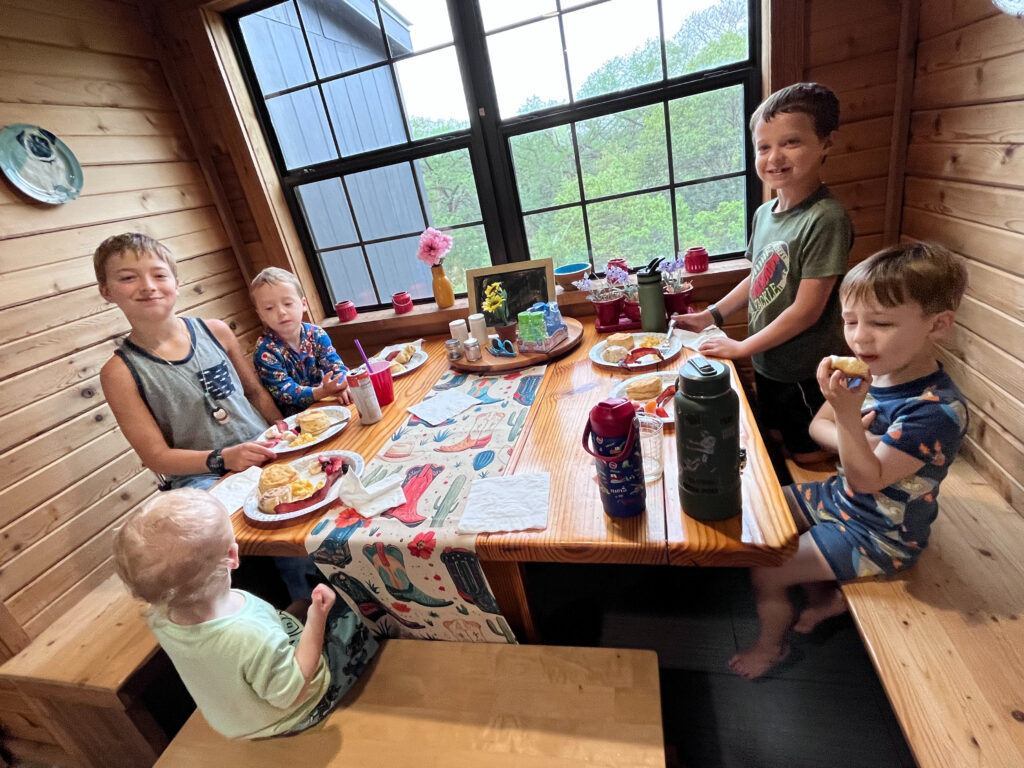
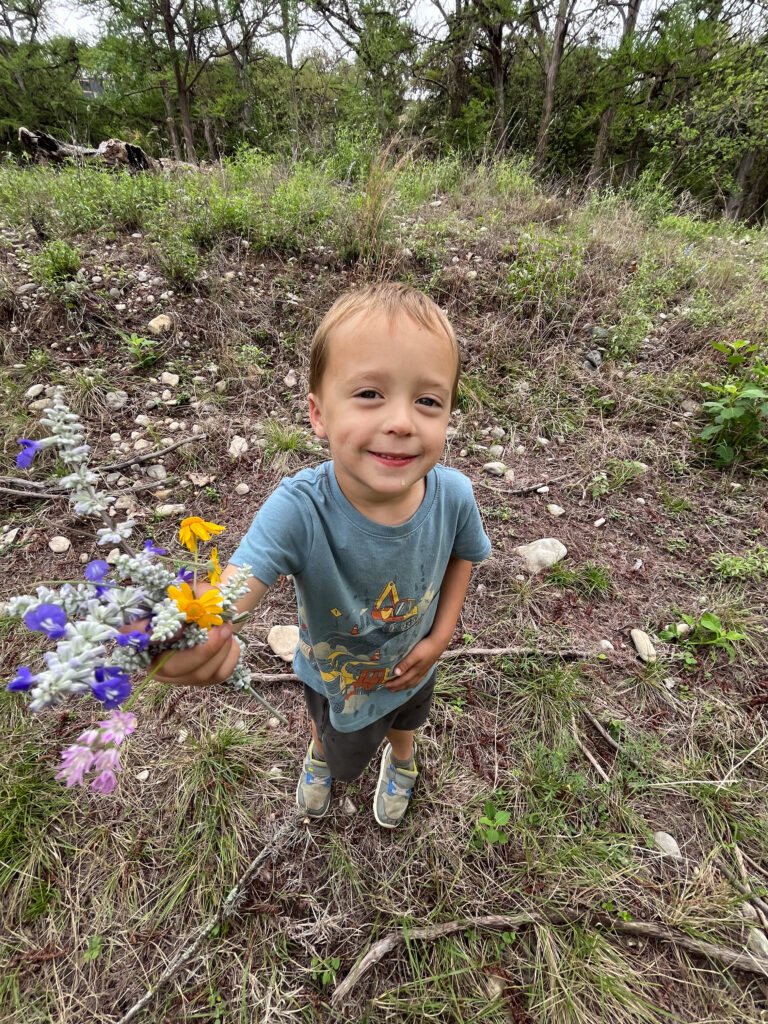
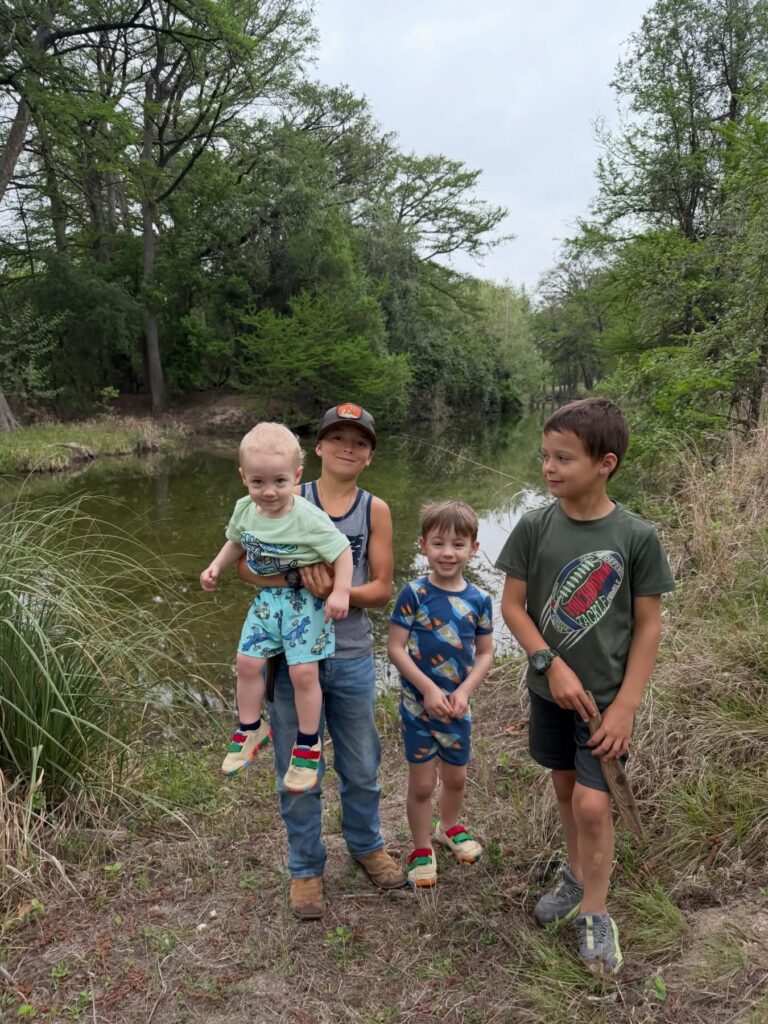
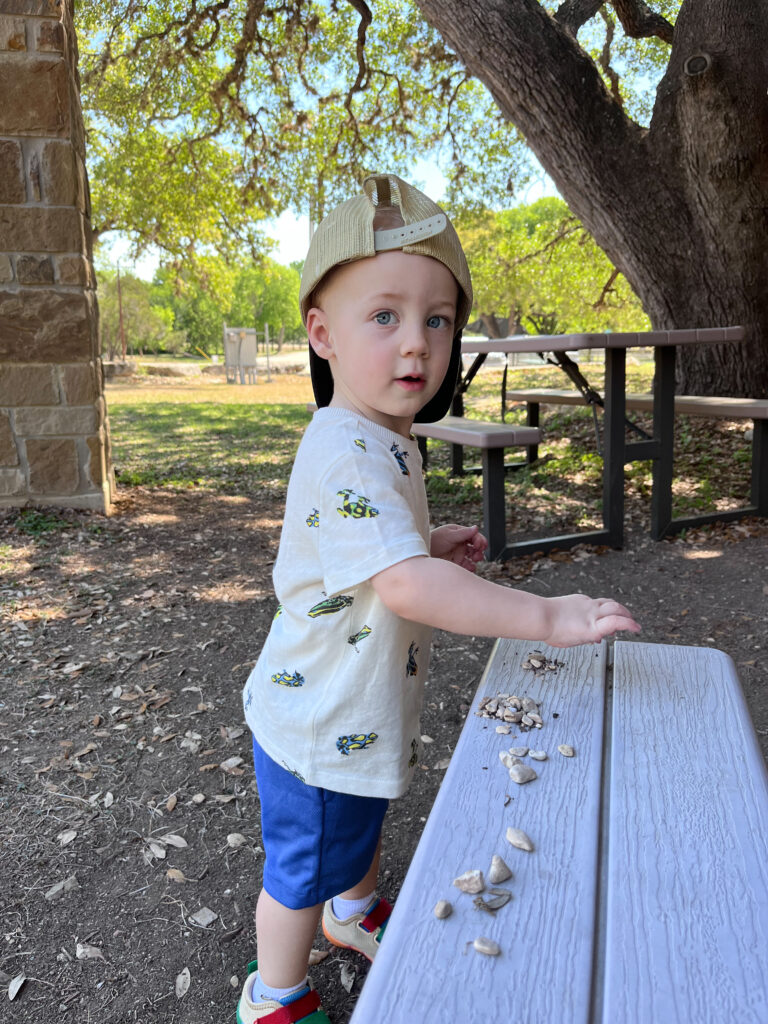
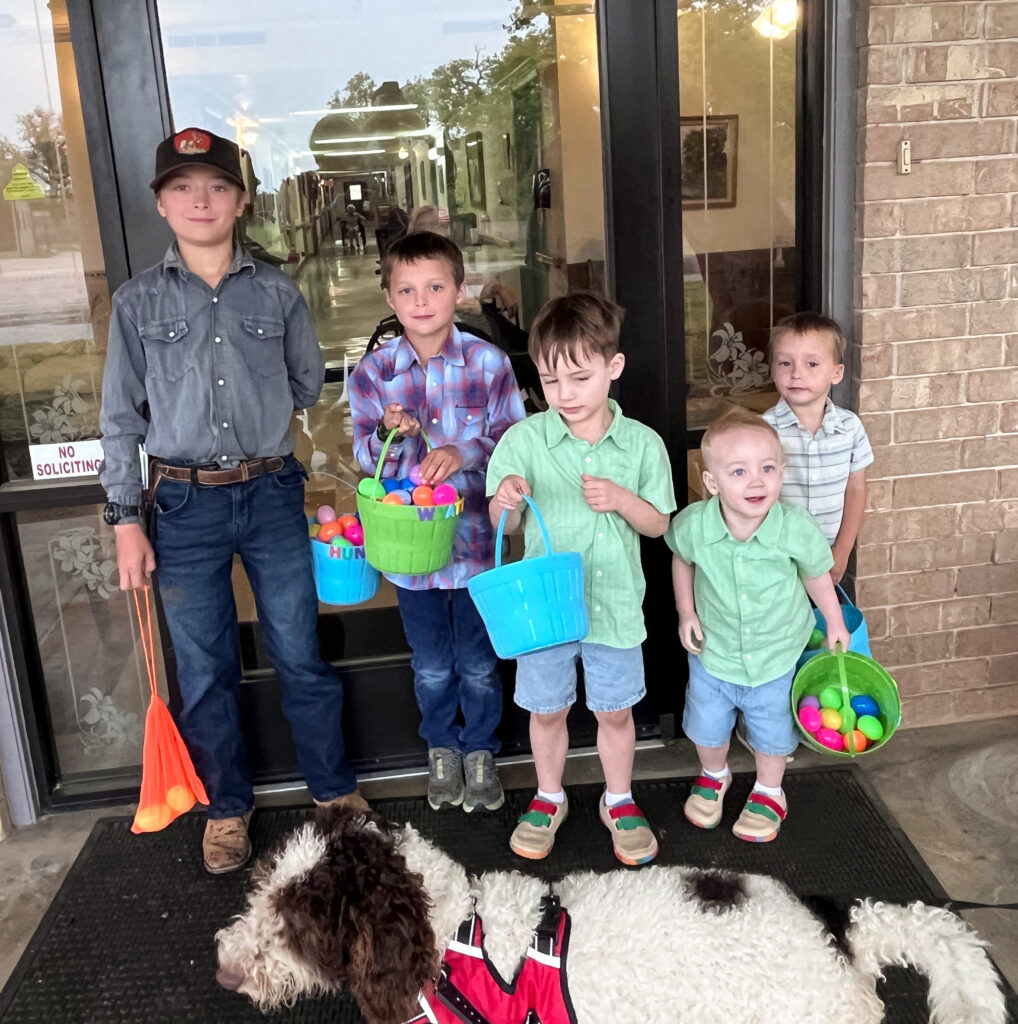
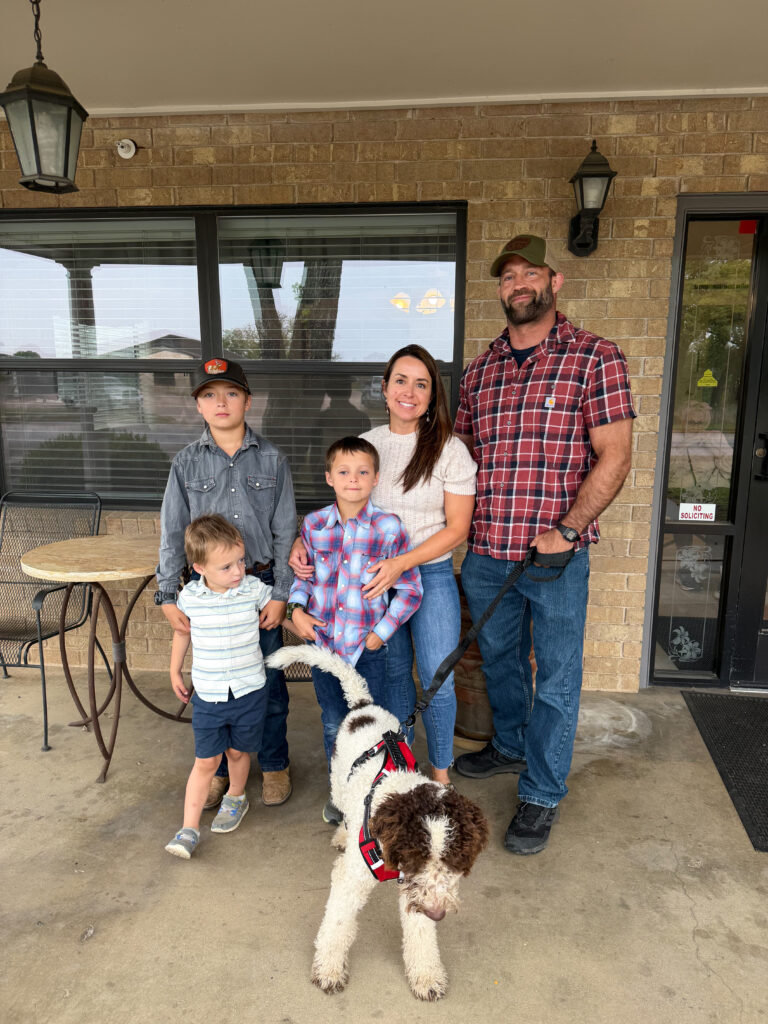
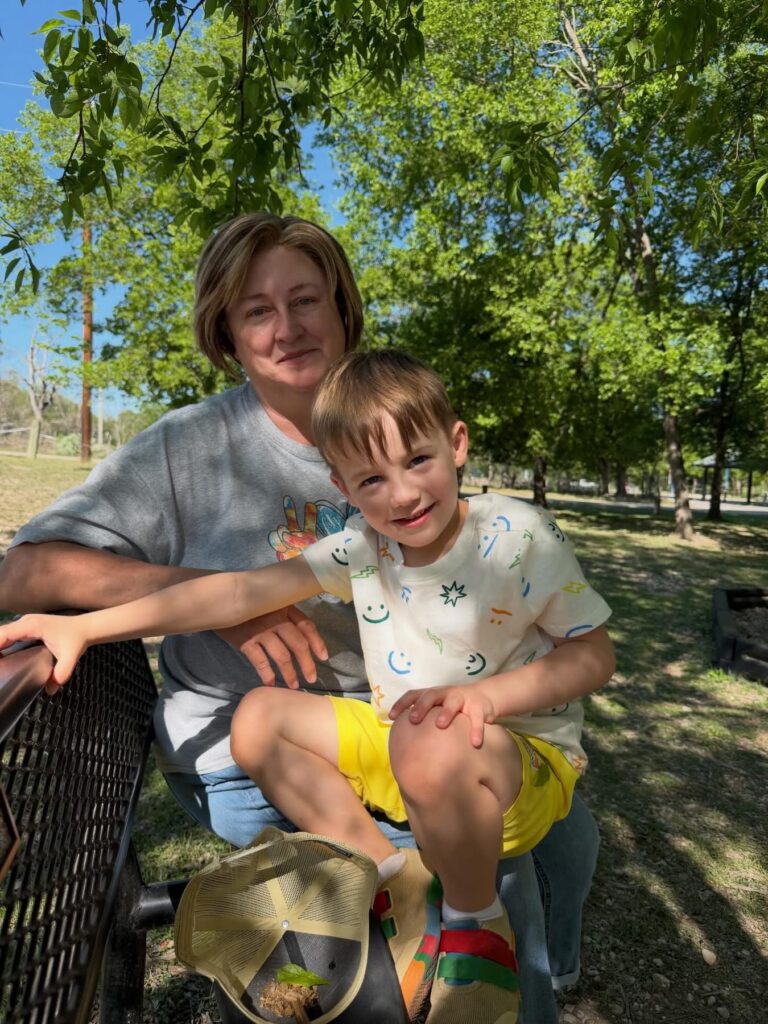
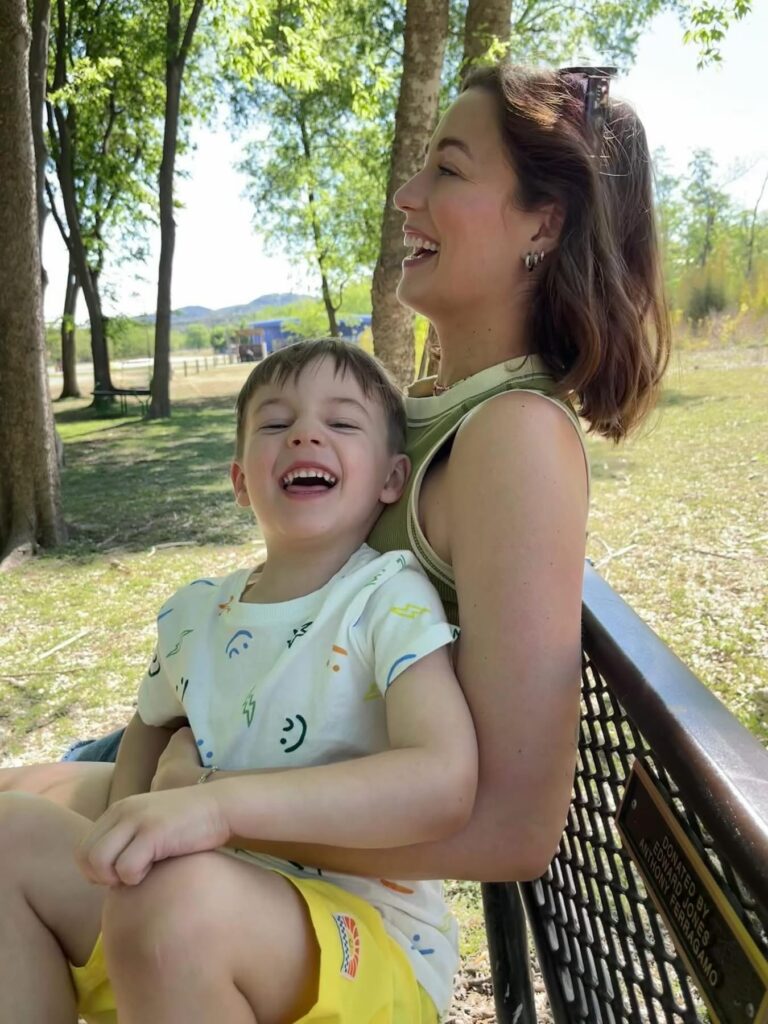
Amy and Corey stayed the full week with the boys, while Ryan and Jackie were only able to be there for a few days. It didn’t matter. What mattered was that, for a little while, all five of my grandsons were together.

And not just them—but all of us.

There is something incredibly special about having your children and their families in one place at the same time. It doesn’t happen often, and when it does, you feel it. In the noise, in the laughter, in the simple act of everyone sitting around the same table. It meant more than I can fully put into words—and I know it meant just as much to my mom to see everyone together.
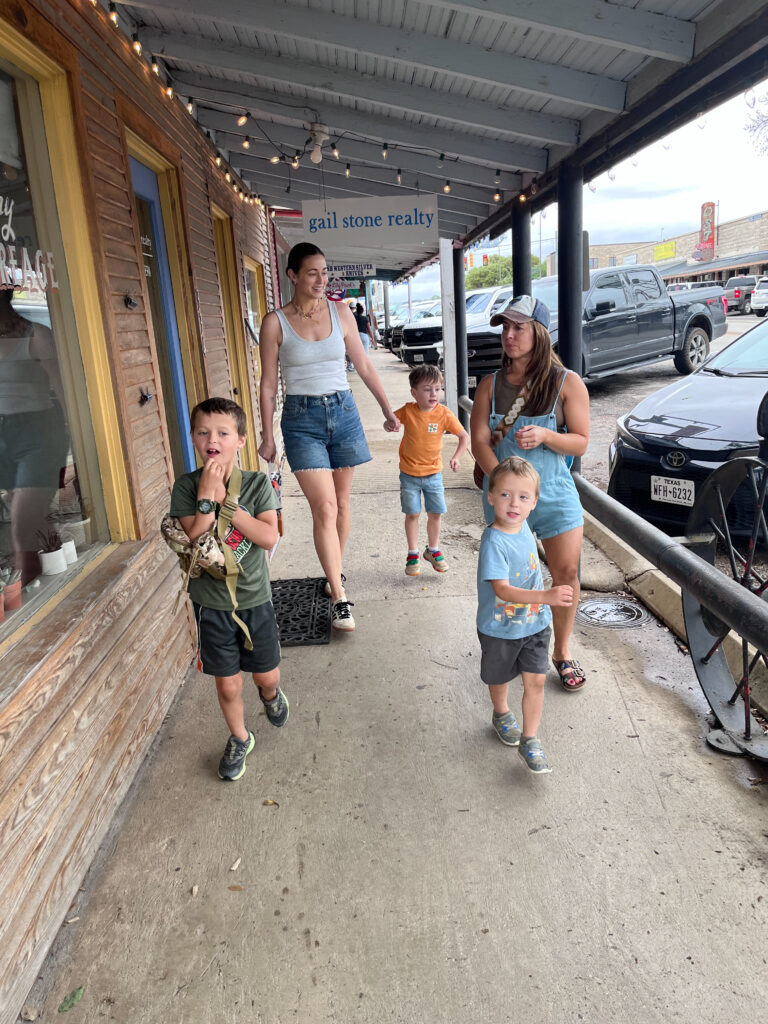
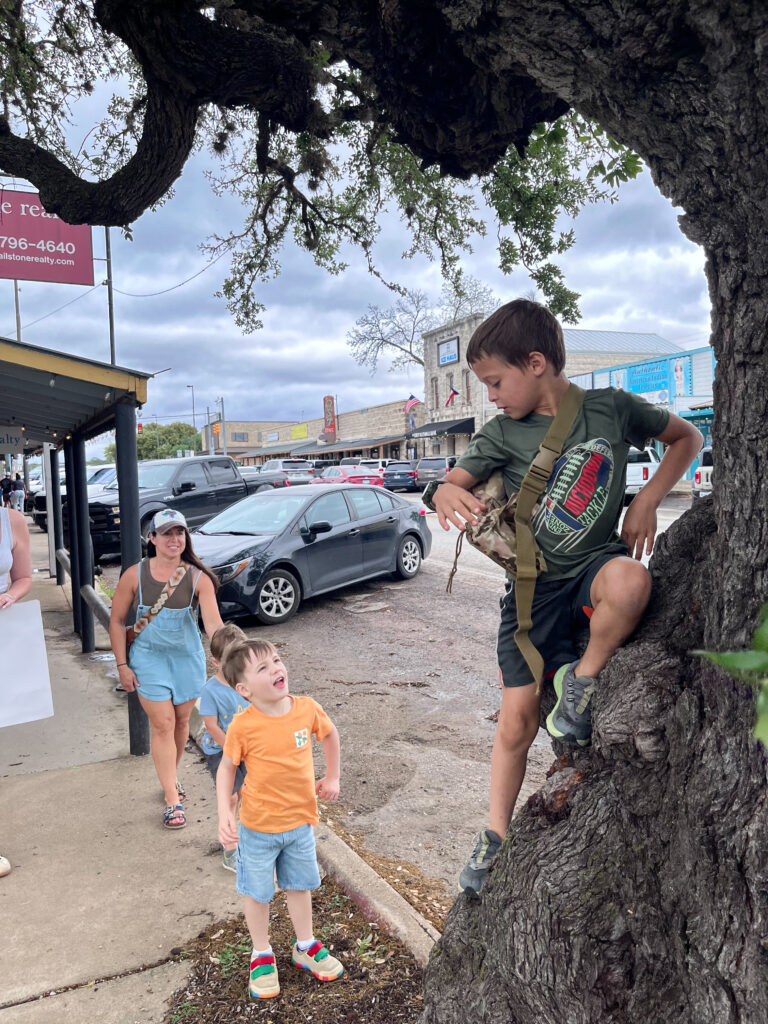
There is something about that—watching them run, play, eat, and just be together—that settles into a place deeper than memory. It’s not just what we did. It’s what it felt like to witness it.

We filled our days, of course.

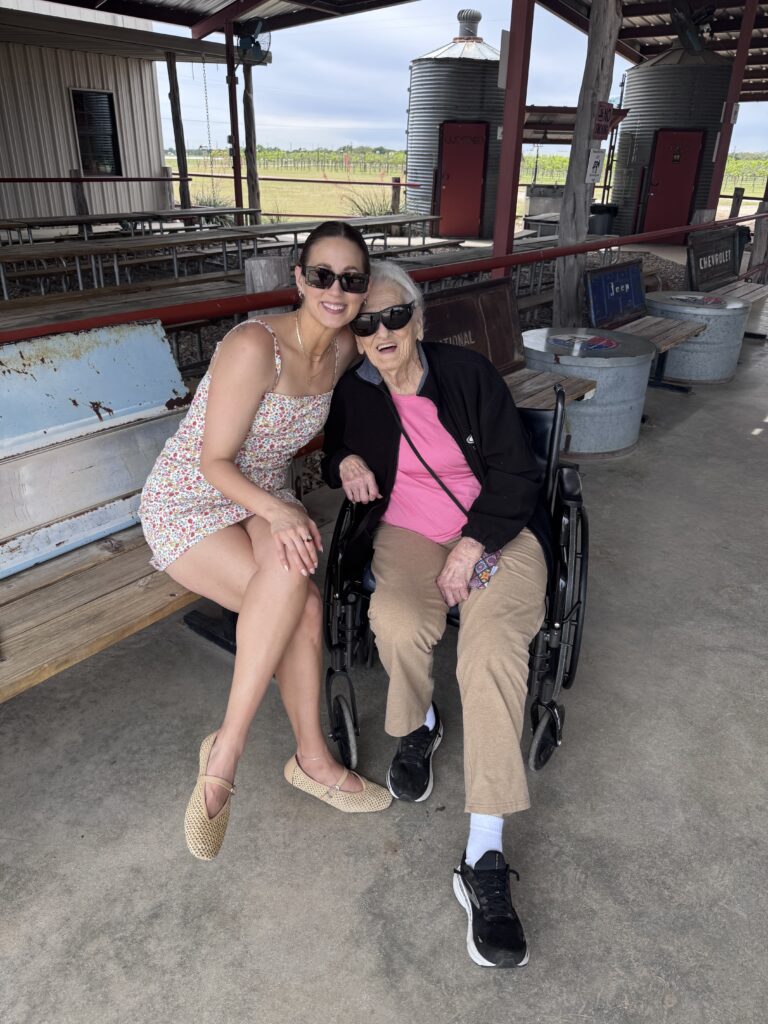
An Easter egg hunt and picnic with my mom. Another day, we picked her up and took her with us to Wildseed Farm, followed by a quick stop at one of Fredericksburg’s many wineries. A cousin dropped in for a visit, adding another layer to the gathering. These weren’t big, dramatic moments—but together, they created something full and rich.
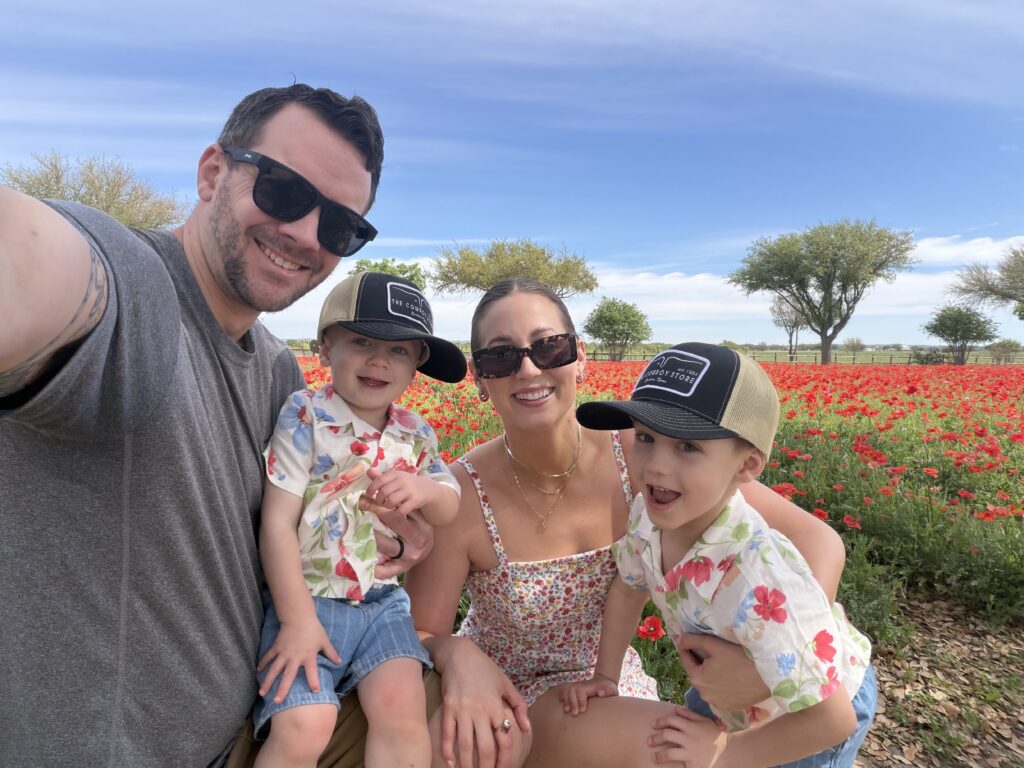
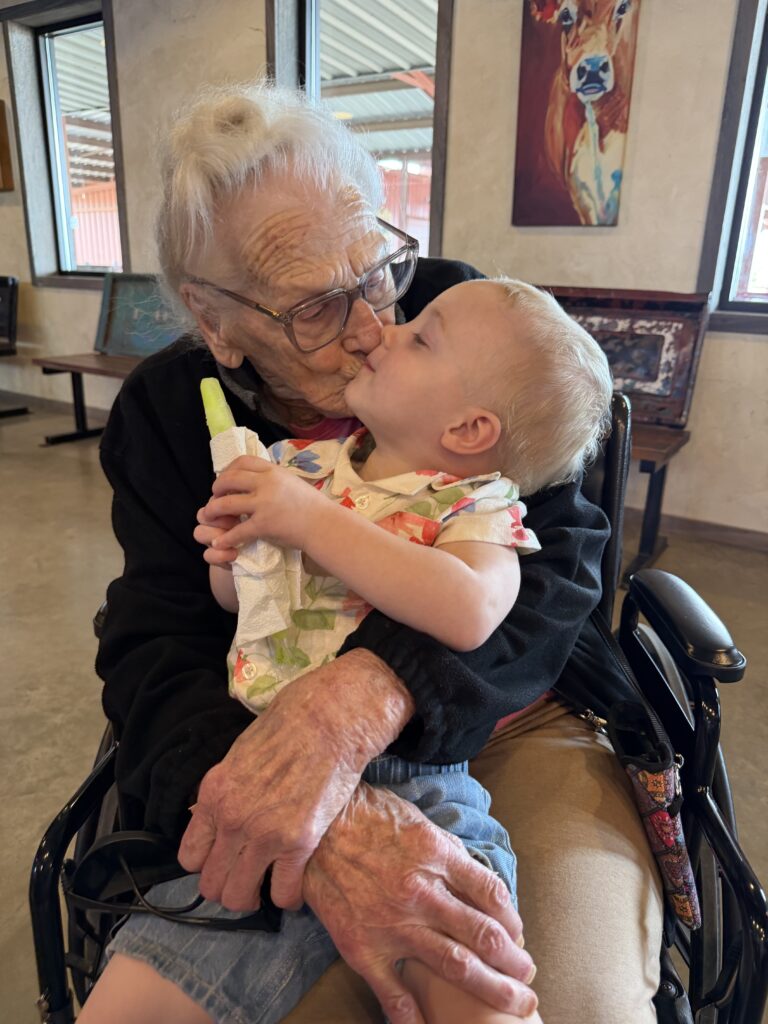
We walked into town, slipping easily into the rhythm of Bandera. Lunch at the OST, still standing as it always has. Ice cream from the General Store. Trying on cowboy hats at the Cowboy Store, because how could we not?

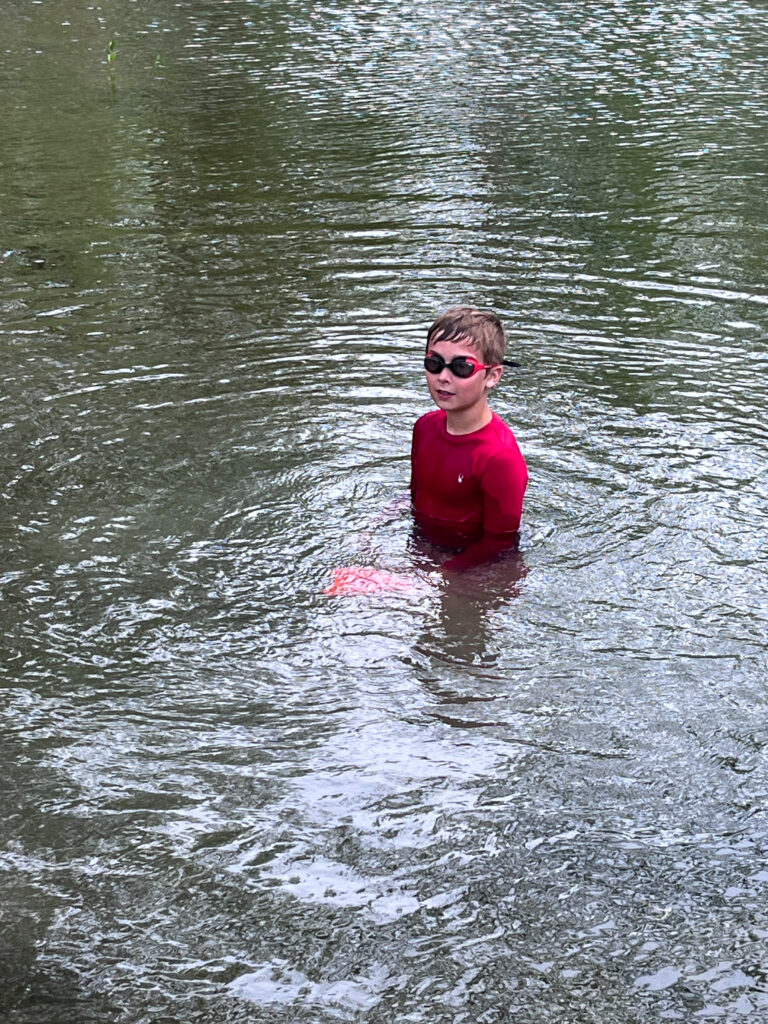
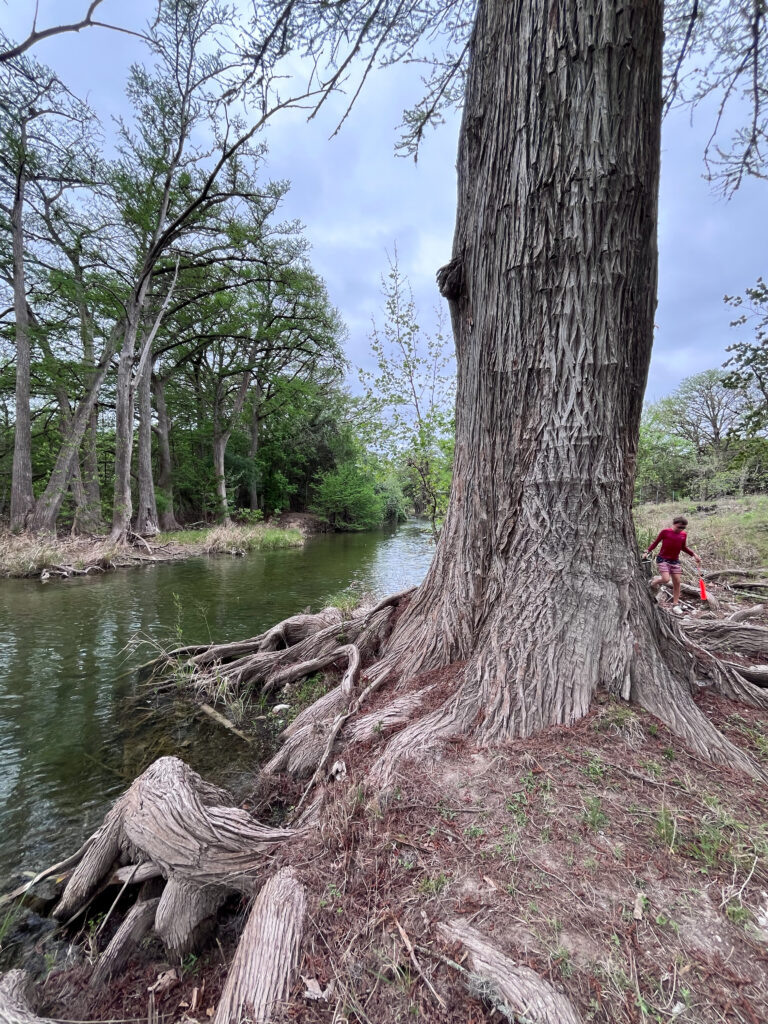
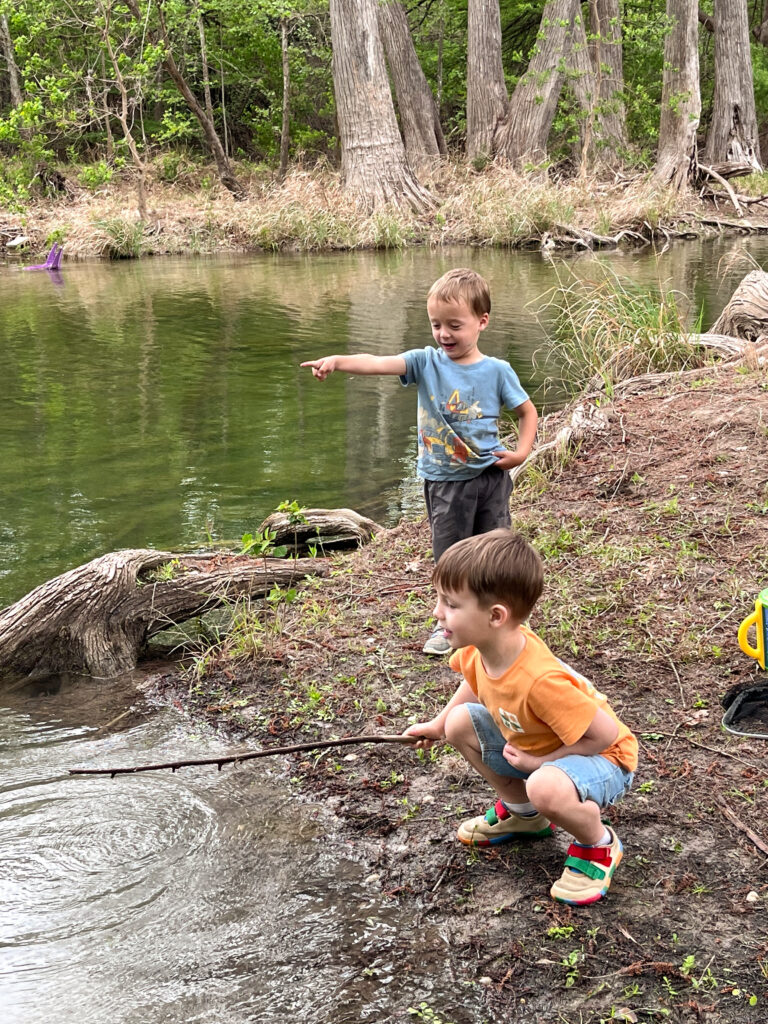
Down by the river, the little boys threw rocks and sticks into the water, completely content in the simplest of ways. Nearby, my oldest grandson and his dad went for a swim. Different ages, different ways of experiencing the same place—but all part of the same memory being made.
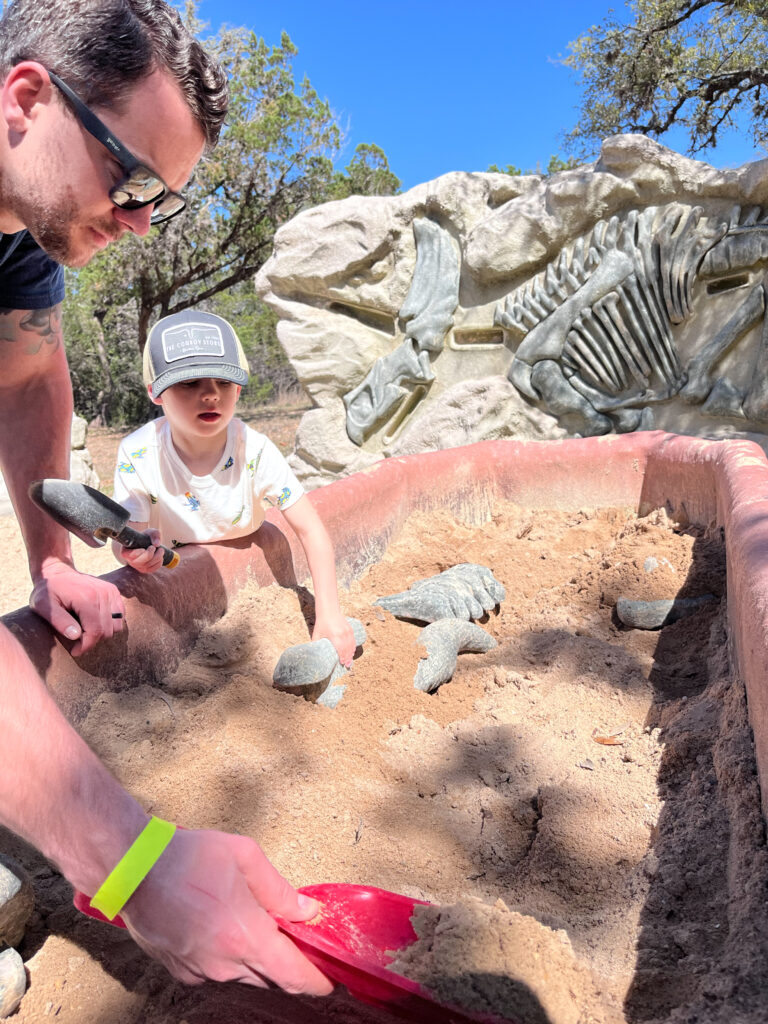
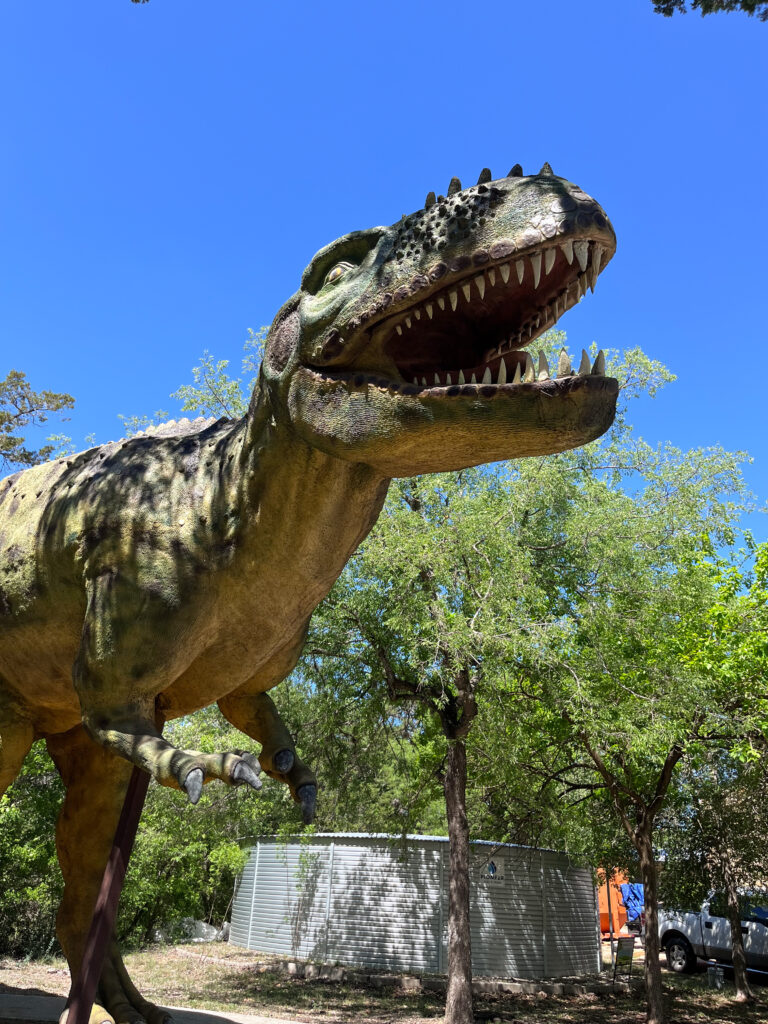
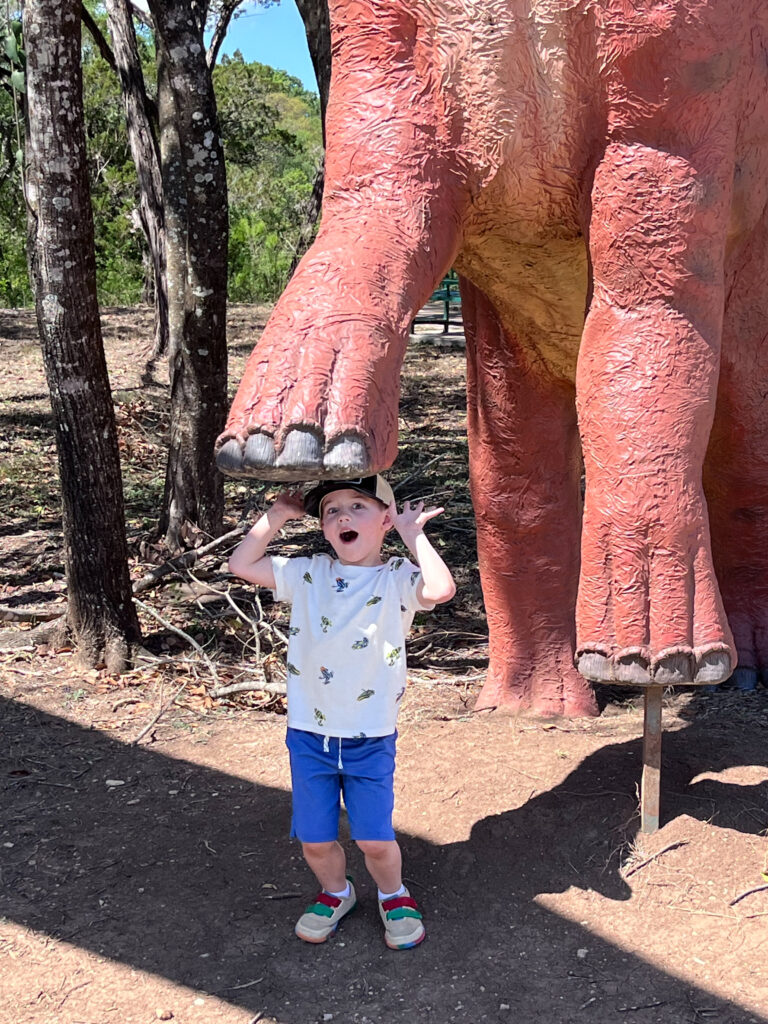
We visited the Bandera Natural History and Art Museum and its dinosaur walk—something added after we moved away more than ten years ago, so it was new to us. It was really fun, and honestly felt a little unexpected in a small town known as the “Cowboy Capital of the World.” A reminder that even the places we once knew so well continue to change.
And breakfast at El Jacalitos—the “little shack” that isn’t so little anymore—still serving the kind of breakfast tacos that somehow taste like both the past and the present.

It was a full week. A busy week.

But more than that, it was a reminder.

That places hold stories, but they don’t stay the same.

That time moves forward, whether you’re ready or not.

And that sometimes the most meaningful moments aren’t the ones you plan—they’re the ones you feel while they’re happening, knowing, even then, how fleeting they are.
Halfway Up Enchanted Rock: A Sunrise Hike in Fredericksburg, Texas

An orange glow was beginning to peek over the hills as we approached the entrance to Enchanted Rock State Park. After two months of getting used to temperatures in the 70s along the coast, the morning air in the 40s felt downright cold. Despite the chill, we began our pre-sunrise ascent up the granite mountain.

My niece Mary is an avid hiker, and we had made a simple plan. She would continue all the way to the summit while I stopped about halfway up to sit on the rocks and take photos as the sun came up. I had a feeling the halfway point might be the perfect place to take it all in.

It felt good to be out in nature on a cold morning watching the day begin. Enchanted Rock is such an iconic part of the Fredericksburg area. Each year hundreds of thousands of visitors come to climb this massive dome of pink granite, which formed more than a billion years ago. Rising about 425 feet above the surrounding terrain, the rock stands at 1,825 feet above sea level — a bit of a contrast from my recent morning walks along the flat beaches of Rockport.

Sitting on a large boulder about halfway up, I thought about the Big Tree in Rockport and how I am drawn to natural things that have survived through centuries. Standing in their presence makes you pause. You can’t help but wonder about the stories they could tell if they could talk.

And sitting there watching the light slowly spread across the Hill Country, it struck me how brief our presence is in places like this. People come and go, taking photos, climbing to the summit, and heading back home by afternoon. Yet the rock remains — silent and steady — having witnessed centuries of change. There is something comforting about that kind of permanence in a world where so much of life feels temporary.

I looked down and could barely see the structure where we had started. My legs felt strong and steady, and the climb up had seemed surprisingly easy. I really wanted to continue to the summit, but I knew the descent on the granite could be slippery, and my shoes weren’t really the type I needed for it.

I quietly wondered if I was truly being logical and practical — or if it was my old fear of heights creeping in. The climb down had always been the scariest part.

I decided I would come back another day after buying more appropriate shoes. For now, I settled back onto the warm granite and turned my attention to photographing the amazing scenery around me.

As the sun slowly rose above the hills, the granite around me began to glow with soft shades of pink and gold. Early morning hikers appeared as tiny silhouettes moving across the dome above me. The Hill Country stretched out in every direction, rolling layers of blue and green fading into the distance. It was quiet in that way early mornings often are, before the crowds arrive and the day fully begins.

After a while I spotted Mary making her way down from the summit. She was full of energy and stories about the view from the top. I was happy for her and just as happy with my decision to stay where I was. My morning had been exactly what I needed — a quiet place to sit, watch the sunrise, and take it all in.

Sometimes the most meaningful moments aren’t found at the summit, but halfway up a mountain, sitting quietly on a warm piece of granite and watching the day begin.

Mary’s picture from the summit.

From the Coast to the Hill Country: Leaving Before You’re Ready

As I drove past Boerne, I began to see the hills. I almost felt I was seeing the area for the first time (even though we lived in this area for years). The hills looked hillier. Maybe it was the contrast from being by the sea for two months. I was struck by the thought of how we grow so accustomed to the things in our daily life that we don’t even see it anymore. Being more observant is a gift that comes with this nomadic lifestyle. I feel more awake and in tune with my surroundings.
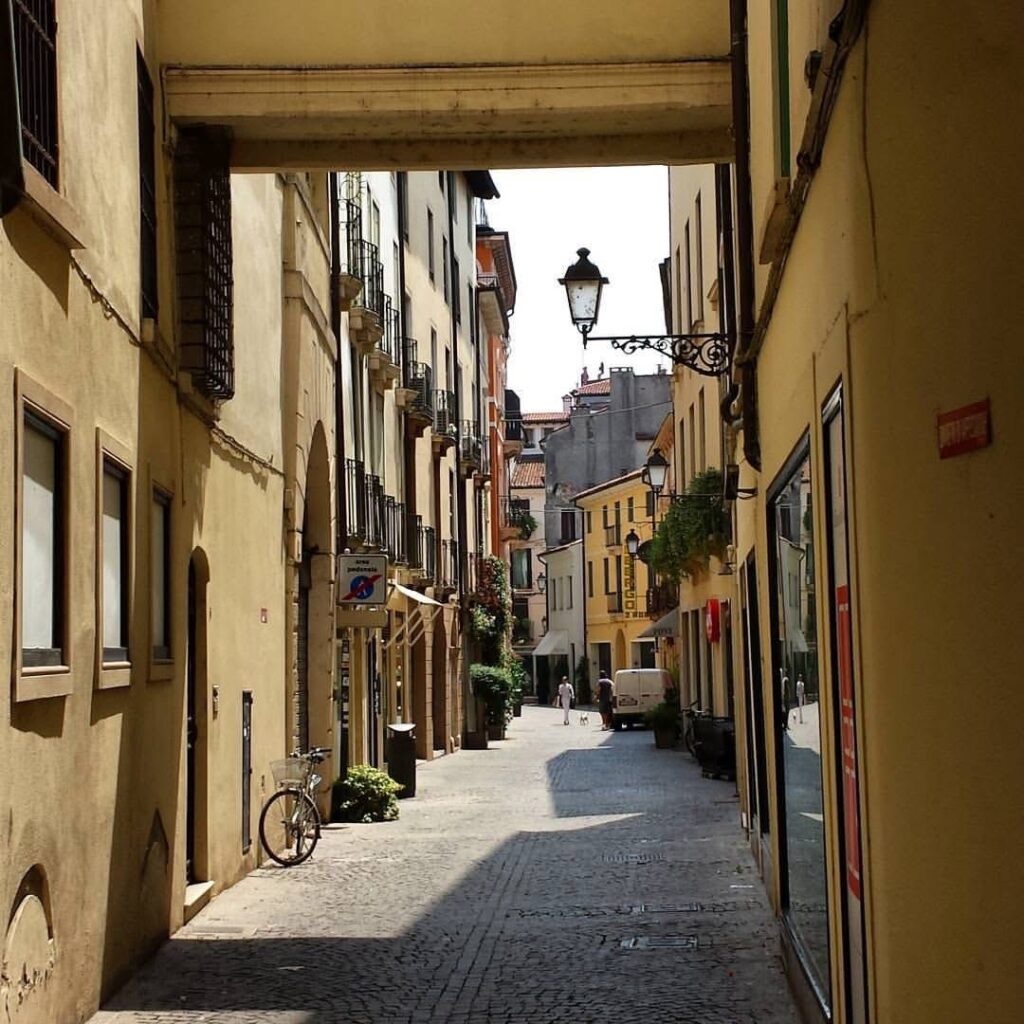
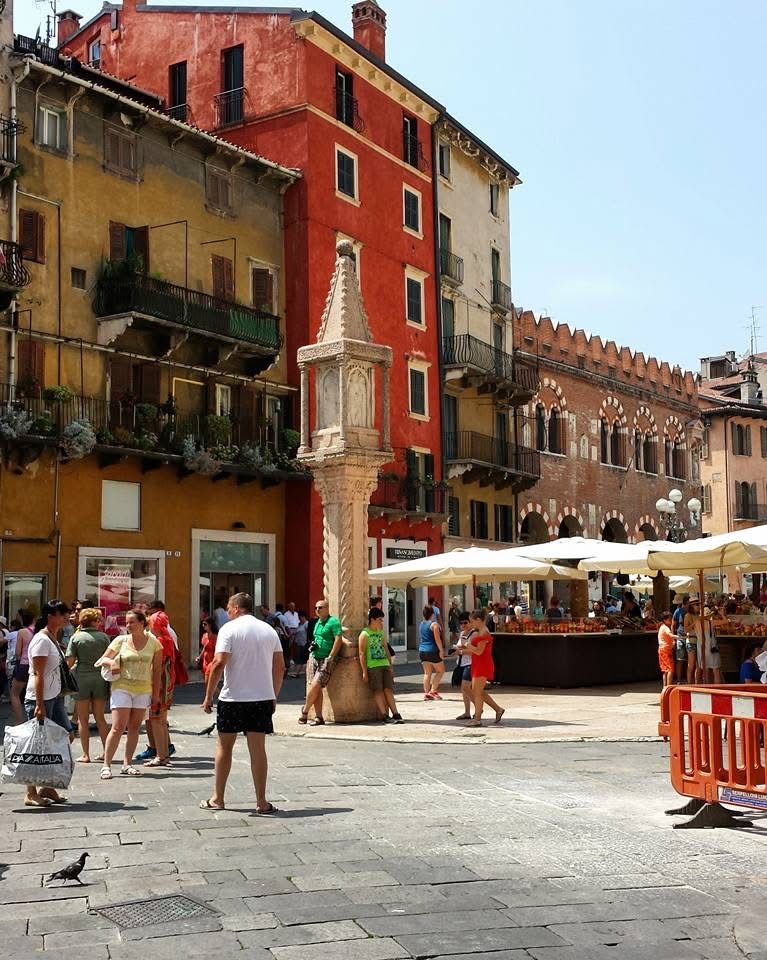
The drive had seemed long, but I was now in the last hour. I thought of how I had not really been ready to leave Rockport. I had hesitated to begin packing as if that would delay the inevitable. There was a painting class coming up that I really wanted to take at the end of March. There was a volunteer opportunity at the Little Theater starting in a few days. I never made it over to the uninhabited island for shelling. I didn’t take a boat tour. How had I let these things slip by? I had packed and loaded anyway.

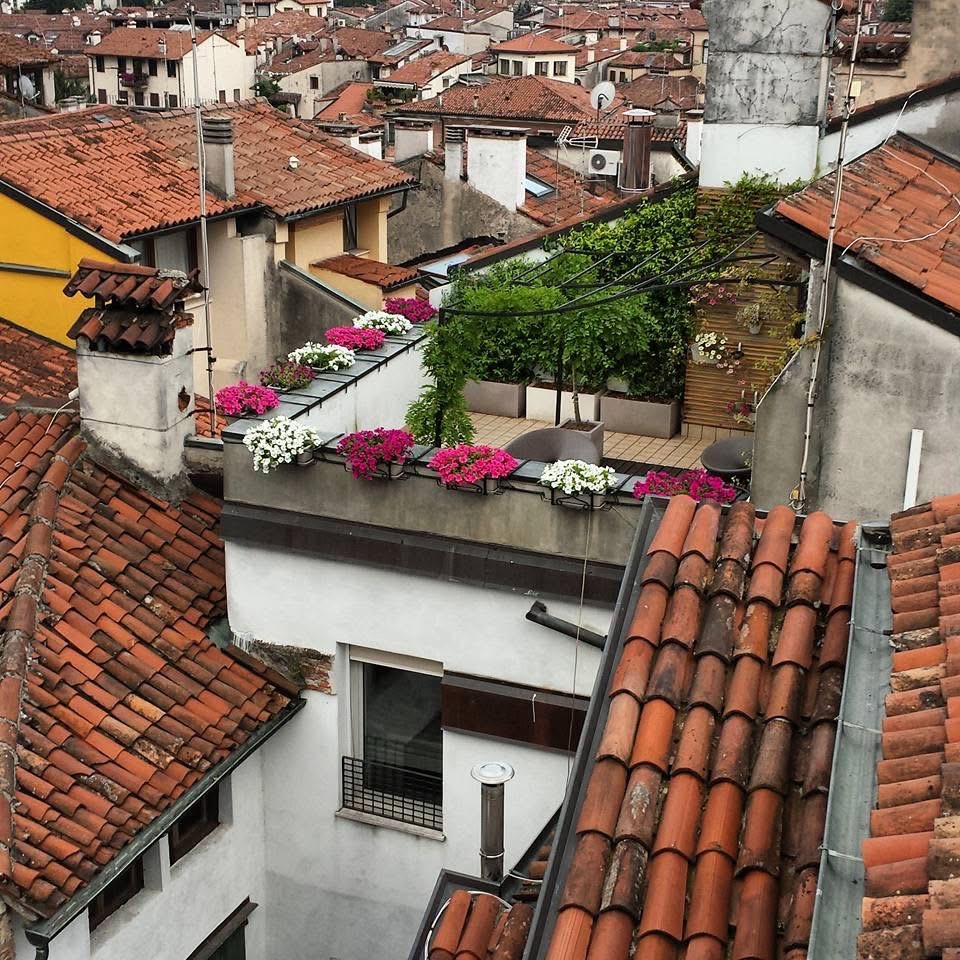
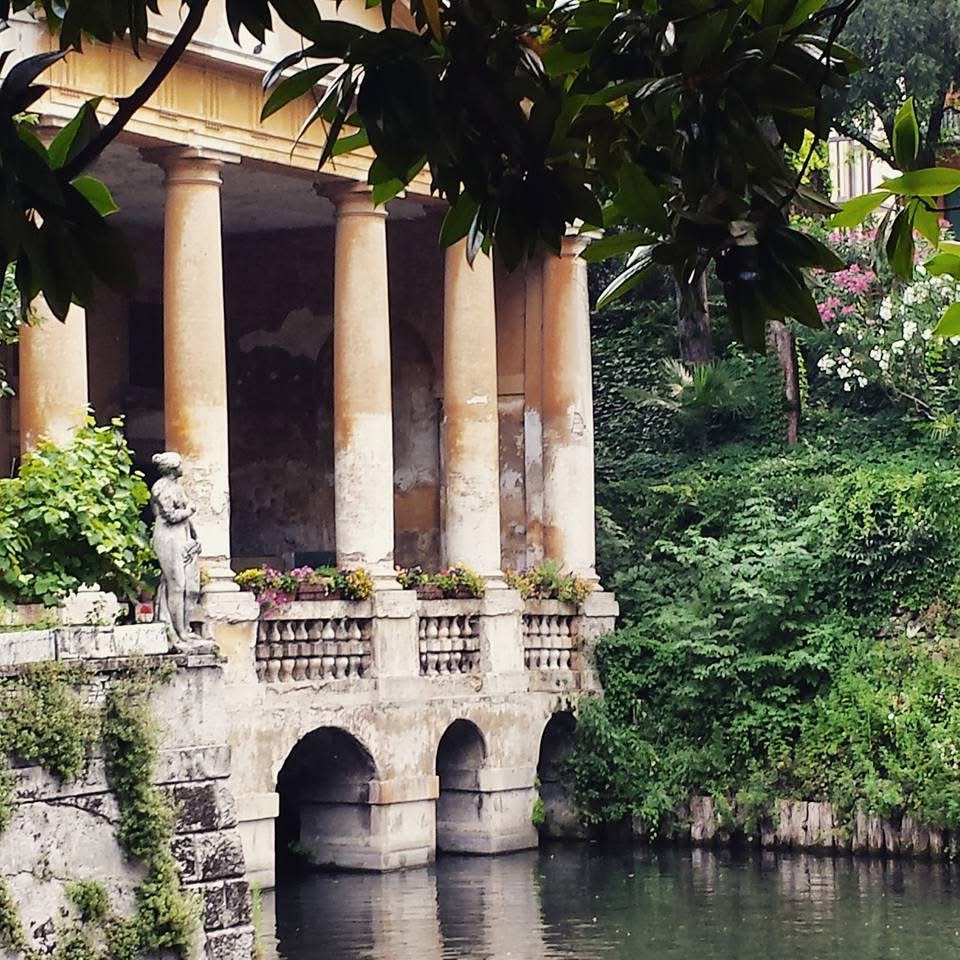
I have discovered with travel there are always things left undone. The more places you explore in one area, the more you realize you want to do. I found this in Vicenza. I found this in Japan. The more you learn and really live in an area, the more things you uncover that tourists miss. Somewhere along the way, maybe while I was living in Japan, I began to slow down. To really explore the hidden and off-the-beaten-path kind of places. No, now that I think of it, I think it may have begun in North Carolina with the little coastal towns.

Whenever it began, I really developed a love for just driving to a destination with a few things on a list to see and then meandering through the town and stopping when something caught my eye. Many times it would be something that I just absolutely had to photograph.

Now I am beginning a month in Fredericksburg. I will spend time with my mom. Take her outside and talk about the trees beginning to bud out and the birds. We will decorate a little for Easter and have some quiet meals together. I will structure in time for me as well. Time to walk on Cross Mountain. Maybe I will get a temporary membership at the gym. I will try to find a couple of opportunities to listen to live music. Maybe I will even brave that alone. Meandering through some art galleries is a must. And hopefully the wildflowers will start blooming while I’m here.
Even though I really wasn’t ready to leave the coast and I loved my time there, I am learning that I rarely leave a place because I am finished. I leave because it is time. And each time I go, I begin building a small rhythm in the new place — a favorite walking path, a cozy coffee shop for chai tea, a few quiet rituals — knowing that before long I will feel the tug to move again. Perhaps the ache of not being ready is simply proof that I was fully there. As I top a hill, the cross on Cross Mountain comes into view.
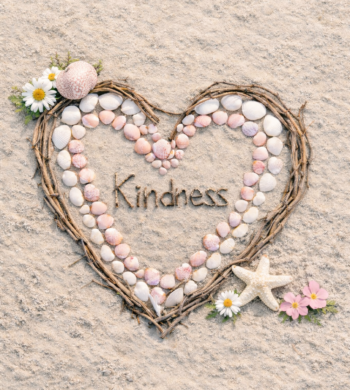
Close-up of a heart created from scallop shells of varying sizes, surrounded by driftwood, grapevine, and wildflowers, arranged on sandy beach.

February Acts of Kindness: My Month-Long Project in Rockport


Before February had found its rhythm, I found myself on the receiving end of an unexpected kindness in a Starbucks drive-through. A stranger paid for my chai tea and drove off without waiting for thanks.

I had set out to make this month about giving — random and intentional acts of kindness — but it seemed kindness was already finding me first.

February marked the second month of my yearlong project to live more intentionally, and my focus was simple: to do random and not-so-random acts of kindness. I planned to give snack bags to the few homeless people I’d seen around town, drop off books at the Little Free Library, pay it forward in small ways, volunteer, leave “pocket hug” rocks in unexpected places, create ephemeral art on the beach, and support local businesses.

With shopping, I had a special plan: to visit every little shop in Rockport’s cultural arts district and offer a genuine compliment — either about the shop or its owner and staff. The idea came about when I realized that, despite my visits to Rockport, there were several shops I had never ventured into. This project was about spreading kindness and, hopefully, bringing a smile — whether through a compliment, a small surprise, or a fleeting piece of art on the beach.

One morning, I decided to begin with the beach.

While I was sitting on a towel shaping seashells into a heart in the sand, I heard a man calling out in the distance. Before I could fully register what was happening, a dog came running straight toward me, closing the space between us quickly. I let out a short, startled scream. He stopped just a few feet away, almost as surprised as I was, then jogged past me at eye level before returning to his owner who had been calling him all along.

My heart took longer to settle than the sand did. I smoothed the places where his paws had scattered the shells, then quietly resumed my work. There was little I could have done if the moment had unfolded differently, and I whispered a thank-you to God for my safety. The interruption felt like a small reminder that my little heart of shells wasn’t the only fragile thing on the sand. I brushed the sand from my hands and kept working.

It had taken me several mornings of beachcombing to gather enough shells to shape the heart as I envisioned it, though the large shell and sea star were not treasures I uncovered along the way. Even so, I felt content with that imperfect first attempt. Kindness, I was learning, doesn’t require perfection — only willingness.

As the month unfolded, I began to notice something unexpected: I was receiving far more than I gave.

One day at the library, I went to pay for printing and realized I was a dollar short in cash and they didn’t take cards. The librarian smiled and said it was fine — someone had left extra money in case another person needed it. At an artist reception, a woman I had never met sat beside me, introduced herself, and we quickly became friends. She even invited me to another art event hosted by her art co-op. A Winter Texan who volunteers at the art center remembered my name from a single previous encounter and invited me to a casual “sip and chat” gathering. I paused to chat with a young woman placing a book into the Little Free Library, only to learn that she regularly drives to surrounding towns, leaving wrapped books with bookmarks in each one.

On another day, I witnessed volunteers rescuing a wounded brown pelican — my favorite water bird. The sun was just beginning to set over the bay as two men moved slowly toward him. As they carefully secured him, he stretched out one long wing, almost tentatively, as if he were being gentle with them in return. There was a quiet patience in the moment — no panic, no struggle — just careful movements and steady hands. They gently gathered him up and placed him into a large cage in the back of their SUV. Watching them, it felt as though there was a kind of trust between bird and rescuer, a shared stillness that made the scene unexpectedly tender.

Pelican rescue by Wings Rescue of Aransas County.

Throughout the month, small conversations with locals slowly made me feel less like a visitor and more like I belonged.

Being an introvert, this month required more bravery and self-discipline than I anticipated. I’m naturally observant and reflective, someone who pays close attention before engaging. As a photographer and creative, I’m often the one behind the lens — noticing, documenting, taking it all in. So walking into unfamiliar shops, offering sincere compliments, and initiating conversations with strangers nudged me beyond my comfort zone. What looked simple on paper quietly required intention and courage.

Looking back on this month, I’m reminded of something I once heard: what we give often comes back to us. When we offer love, kindness, or attention, it often returns in unexpected ways. In Rockport, the simplest gestures — smiles, greetings, shared stories, and thoughtful acts — seemed to ripple outward, creating connections that were both gentle and profound. I felt seen, welcomed, and part of a community of people who genuinely cared for one another and their town.

February in Rockport wasn’t just about the acts of kindness I planned. It became a reminder that when we step forward with open hands — even imperfectly — connection has a way of meeting us there. Like smoothing scattered shells back into place, we begin again, and something gentle takes shape.

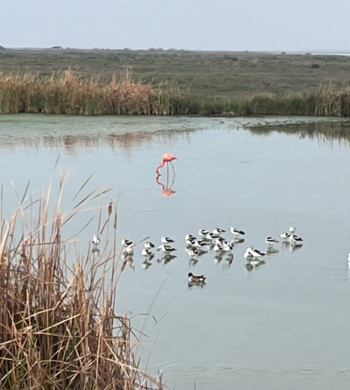
American Flamingo at Leonabelle Turnbull Birding Center

A Flamingo, a Colorful Shop, and Surprises in Port Aransas


I started my day in Port Aransas walking the beach at sunrise, beachcombing for over an hour. The waves were rough, the sky heavy with clouds, and the early glow of pink from the rising sun quickly disappeared behind them. The sand was cool underfoot, and each wave left treasures along the shore. I collected a bounty of shells—mostly scallops, in shades of gray, black, orange, and white. Each one felt like a small treasure, a tiny piece of the beach’s beauty to carry with me.

From the beach, I wandered to the Leonabelle Turnbull Birding Center, where another surprise awaited. In the shallow waters, a bright pink figure stood out—a lone flamingo, a visitor from far away who has called this sanctuary home since 2023. Believed to have arrived on the winds of Hurricane Idalia, this American Flamingo likely traveled from the Yucatan Peninsula. While flamingos are rare in Texas, locals have grown accustomed to spotting this striking visitor, who has become a star on Facebook birding groups and a favorite subject for photographers.

I had come hoping to catch a glimpse of the elegant Roseate Spoonbills, but the flamingo stole the show. I settled onto the sun-warmed bench with only my phone in hand, watching as it waded gracefully through the shallow water. Around me, the marsh was alive with birds—dozens of wintering white pelicans floated and fished, while a variety of ducks paddled quietly nearby. Their calls mingled with the gentle ripple of waves, creating a peaceful symphony of wildlife. Nearby birders shared quiet excitement, snapping photos and whispering observations.

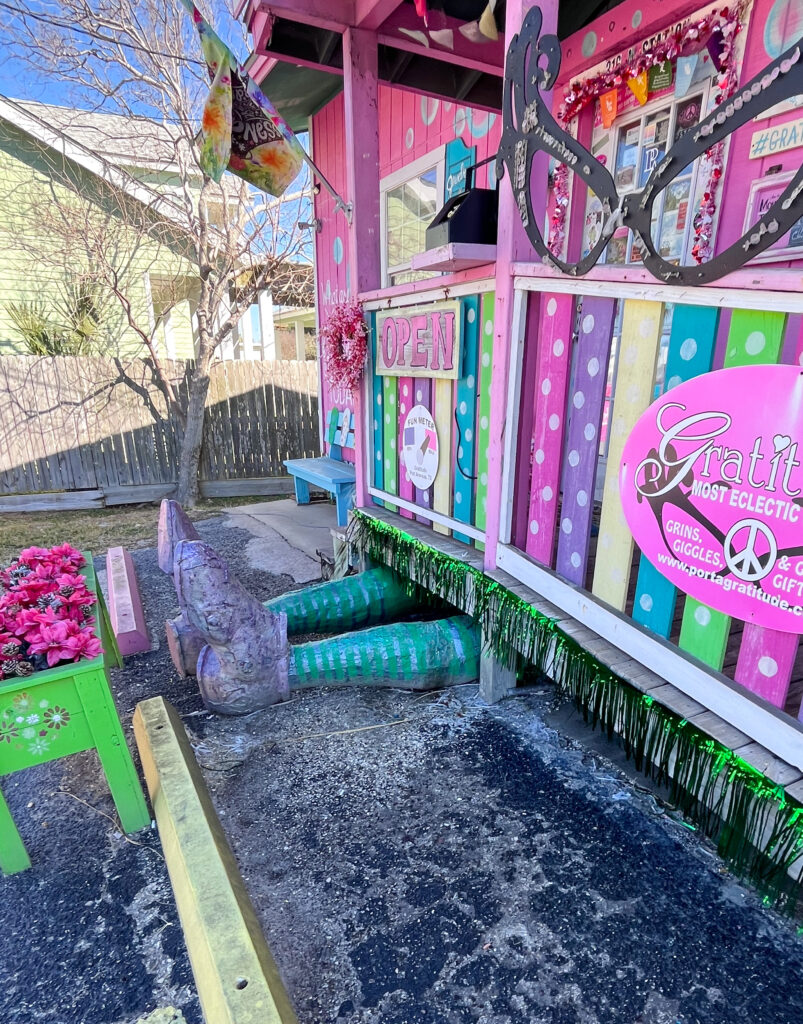
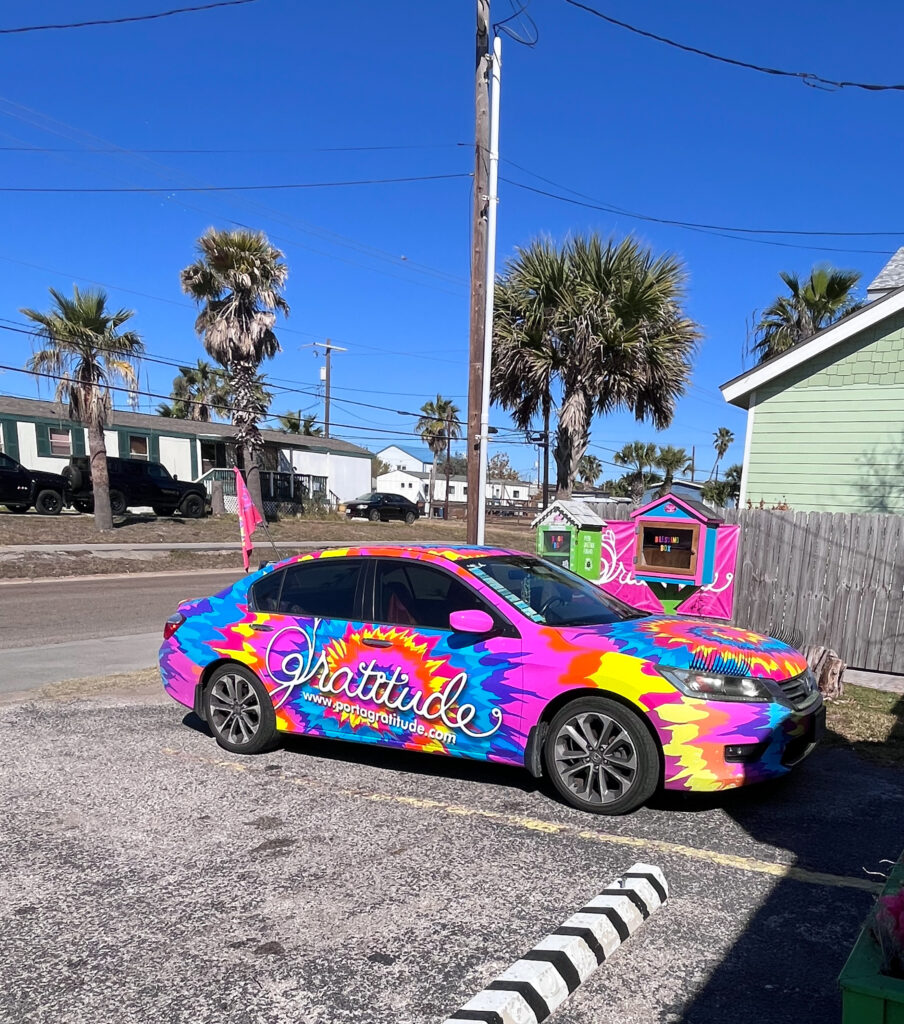
Later, on another visit to Port Aransas, I met a woman who was equally unforgettable, though in a very different way. She owned a small shop, and her personality radiated from every corner of it. A woman of a certain age, she wore jeans that looked as if someone had graffitied them with bright words and colors, a vivid top covered in the word “love” in every hue, and bright red boots. Her shop reflected her energy—inside and out, it was a kaleidoscope of color, full of quirky details like the feet of the Wicked Witch of the West sticking out from under the front of the building. Even her car seemed to shout fun and originality. She was lively, exuberant, and unmistakably herself—much like the flamingo, a one-of-a-kind presence in this little beach town.

Both encounters reminded me of the small surprises that make life memorable. Sometimes it’s a bird carried by a hurricane that finds a new home, sometimes a person whose joy and creativity is impossible to ignore, sometimes the simple treasures of shells on the shore. All left me smiling, and all made me appreciate the unique character of Port Aransas—the way it invites visitors to notice the extraordinary in the ordinary.

Whether you’re wandering the beaches at sunrise, exploring the birding center, or stopping in the colorful shops along the streets, Port Aransas has a way of offering little moments of delight that stay with you long after you leave. The flamingo, the pelicans, the shop owner, and the colorful shells each have their own kind of brilliance, reminding me that life is richer when we pause to notice the unexpected, the vibrant, and the one-of-a-kind.

Standing in the Shade of The Big Tree

A quiet visit to the oldest tree in Texas, where history, endurance, and imagination meet.

Have you ever seen a huge tree and instantly known it would have been the perfect tree for climbing when you were a kid?

Walking under the low, sprawling branches of one of The Big Tree’s offspring at Goose Island State Park in Rockport, TX, was one of those moments. Standing in the shade of massive branches stretched out like the tentacles of an octopus, I was in awe. Some branches are propped up with wooden supports, while others reach outward, seemingly defying gravity.

And this is only an offspring.

The Big Tree is surrounded by a rustic wooden fence, protecting her from the many visitors who come to see her for themselves. Her trunk measures more than 35 feet in circumference, and she stands 44–45 feet tall. I wished I could stand beneath the 89–90-foot canopy and touch the bark of this over 1,000-year-old tree. From what I have read, some believe the tree is closer to 2,000 years old.

I circled the enclosed tree, capturing every angle with my camera. Then I sat on a nearby bench, letting the quiet settle like a soft blanket around me and listening to the birds chirp and call across the branches. I thought about what I had read of the Karankawa, who held ceremonies beneath the tree, and the Comanche, who used this land as a gathering place. There are stories of pirates using this very spot as a secret rendezvous. Over time, the tree has also silently witnessed darker chapters of the past, including hangings and other grim events I won’t describe here.

Its strong trunk and outstretched branches stand as a testament to endurance—the kind of strength that has survived dozens of hurricanes, floods, droughts, and wildfires. Standing in the presence of something that has lived for centuries and weathered so many hardships is humbling.

On my second visit to The Big Tree, I brought Ryan and my three grandsons. They went straight to the first tree on the property and climbed into the wide, low branches as if they were walking on solid ground. I couldn’t resist taking photos of their adventures. Later, we imagined building a treehouse in those enormous branches and even drew a picture of our family in it. That day became a memory I will always cherish.

Standing there with my grandsons, watching them explore and imagine, I felt the full weight of time—centuries of storms weathered, histories witnessed, and life continuing in the branches above us. The Big Tree isn’t just a tree; it’s a quiet keeper of stories, a reminder of endurance, and a place where generations can pause, play, and dream.

Wintering by the Sea: How I Got Here

I didn’t wake up one morning and decide to set out — but I had been imagining it for a long time.

Before I ever packed a bag or stepped into this season of slow, nomadic travel, there was a quieter beginning. Long before the movement, there was downsizing — sorting through years of accumulated things and thoughtfully deciding what to keep, what to release, and what no longer fit the life I was stepping into. The process took time, intention, and more emotional energy than I anticipated. In many ways, it was the first act of becoming a nomad.

Looking back, I can see how letting go of physical things created space — not just in my surroundings, but internally as well. What followed wasn’t a dramatic departure, but more of a gentle unfolding. A month of preparing and releasing gradually gave way to three months of movement, exploration, and learning how to live more lightly.

I’ve walked beaches along the Atlantic and the Gulf, dipped my toes into two of the Great Lakes, climbed lighthouses, and wandered quiet trails that encouraged me to slow down rather than rush ahead. I tasted local foods, explored without an agenda, and learned to move through places without hurrying toward the next one.

Along the way, I’ve witnessed the quiet magic of nature: manatees gliding through the water, foxes darting across my path, chipmunks and wild turkeys going about their days, and seabirds tracing graceful arcs across the sky. I’ve stood beneath brilliant fall colors, experienced a light dusting of snow, and — somewhat improbably — found myself swimming in late November.

Some of the most meaningful parts of this journey have been the people. I’ve spent time with two of my sisters, visited Amy and her family, Ryan and his family, and shared unhurried moments with my mother. I reconnected with a dear friend I had met years ago in Italy, a reminder of how deeply some connections endure across time and distance. I also spent time in person with a close friend I had once taught with in Japan, catching up in a way that felt grounding and familiar. Along the way, I was met with kindness from strangers — small gestures that lingered longer than expected.

What continues to surprise me most is how this life — outwardly full of movement — has brought a sense of inner steadiness. I’ve seen mountains, beaches, lakes, and everything in between — and more than that, I’ve learned how little I actually need to feel content. Each place, each mile has been less about change and more about alignment.

Now, as this post is published, I’ve settled into a two-month stay in a small coastal town — a sort of wintering without fully stopping. It feels like a natural pause in the movement, a chance to live a little slower while staying open to what unfolds.

This chapter isn’t about checking off destinations or collecting experiences for their own sake. It’s about paying attention — to landscapes, to people, and to myself. It’s about discovering that freedom can be both expansive and quiet at once, and that this quieter freedom is creating room to imagine what comes next.

As this journey continues, I’m holding it loosely — allowing space for rest, curiosity, and whatever unfolds in its own time. These past months have reminded me that life doesn’t always require us to know the whole path ahead. Sometimes it simply invites us to begin.

— Kari

Catching Up in Acworth, GA — and Remembering a Summer in Italy

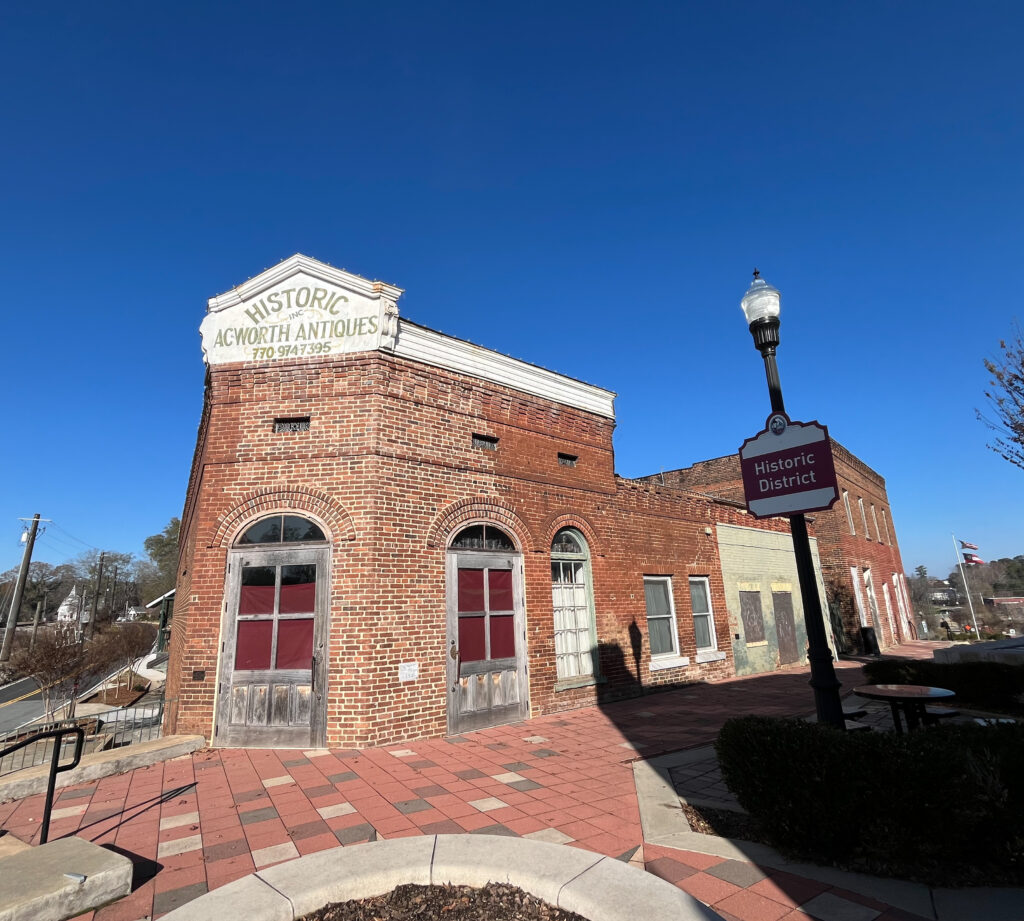
I recently visited Acworth, Georgia—a charming lakeside town tucked into the foothills of the North Georgia mountains. Known as “The Lake City,” Acworth sits along the banks of Lake Acworth and Lake Allatoona, with quiet water views, a historic downtown, and that unmistakable Southern warmth that makes you want to slow down and stay a while.

But my visit to Acworth wasn’t just about exploring a new place. It was about reconnecting with a friend I met years ago, in one of my favorite places in the world: Italy.

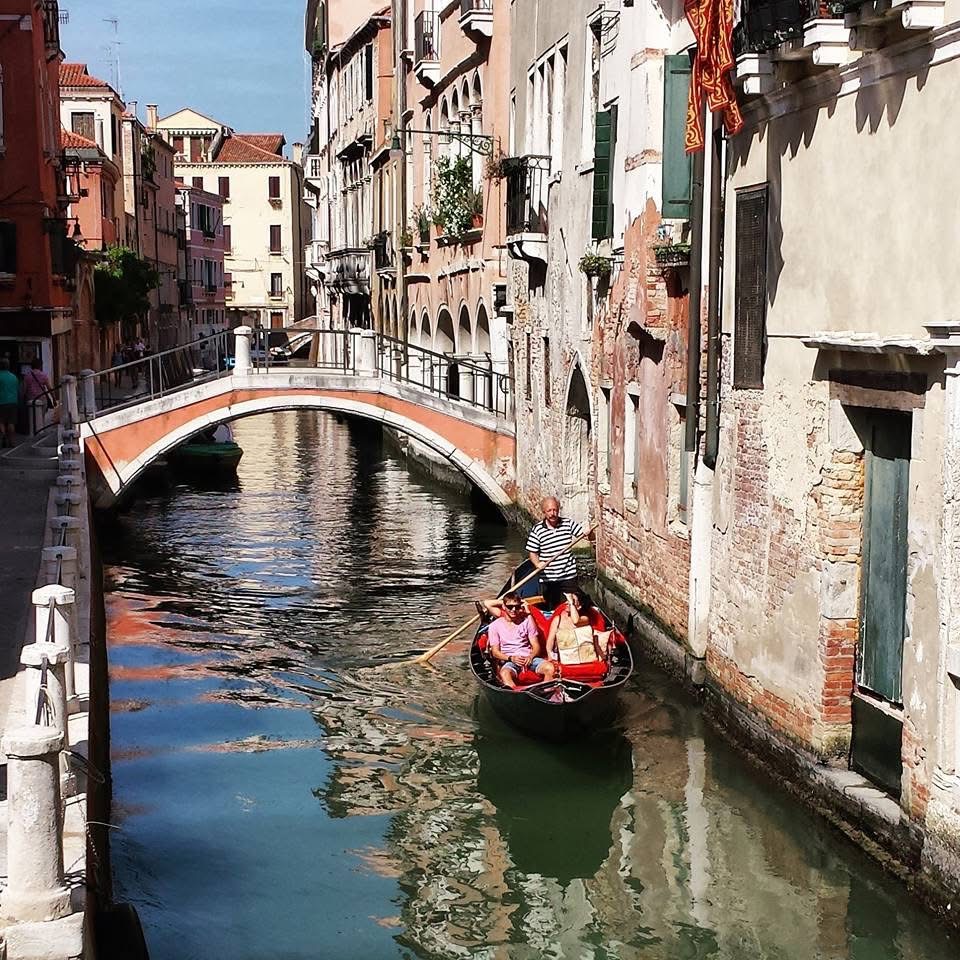
Several years ago, I spent a summer living alone in Vicenza. I didn’t know a single person when I arrived—not in the city, and not in Italy at all. The only connection I had was my work as a DODEA teacher, which allowed me base access and the chance to join excursions organized for the military community. I spent my days wandering cobblestone streets, hopping on trains to nearby cities, and studying in the base library as I finished postgraduate coursework. I had been learning Italian and tried to practice whenever I could, though many locals would kindly reply in English.

One afternoon, while out in town, I met Gail—an American whose husband was working on the base. We became instant friends, one of those rare people you click with immediately, as if you’ve known them for years. From that moment on, the summer blossomed into a series of unforgettable adventures.

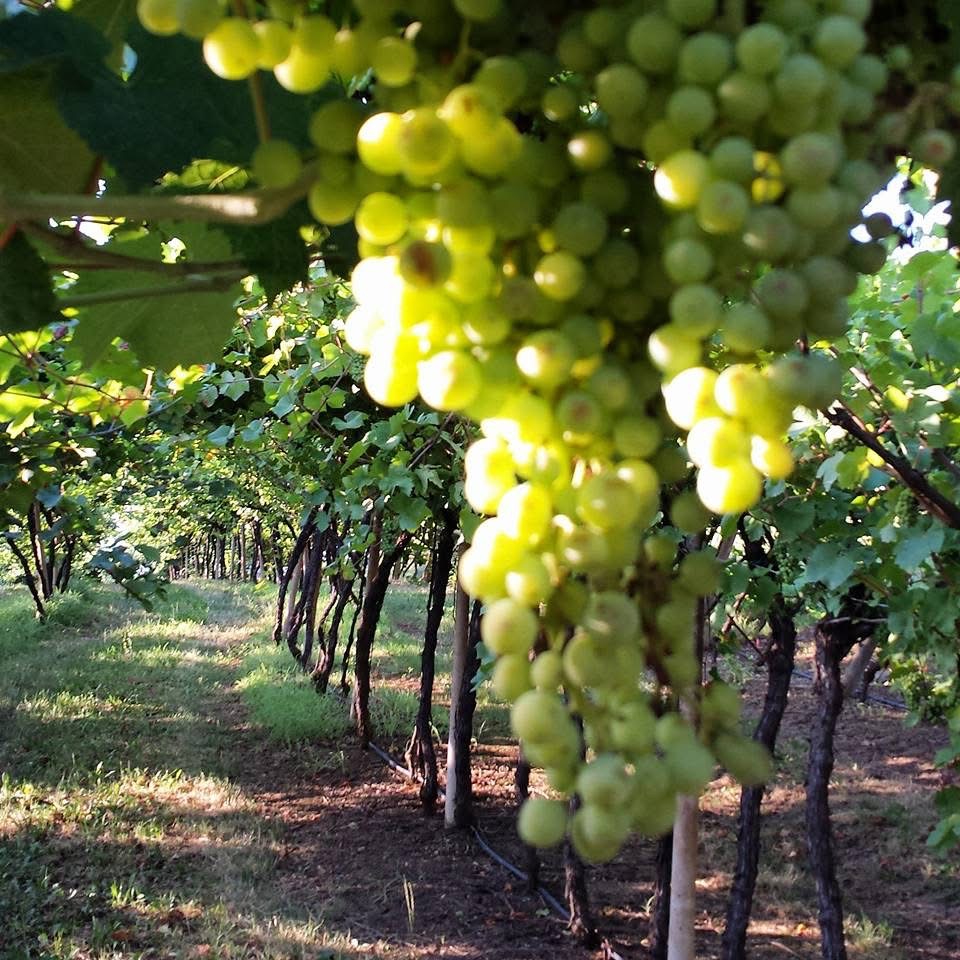
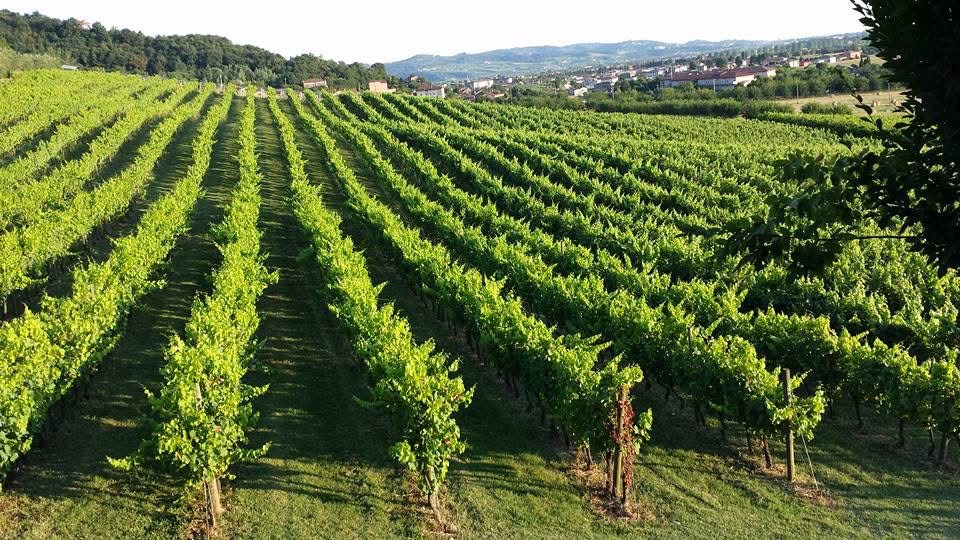
We went to wine tastings tucked into hillside vineyards, lingered over meals in tiny restaurants hidden down narrow streets, and explored festivals bursting with color and music. Her husband often joined us, and the three of us shared some of the funniest and most memorable moments of my time in Italy.

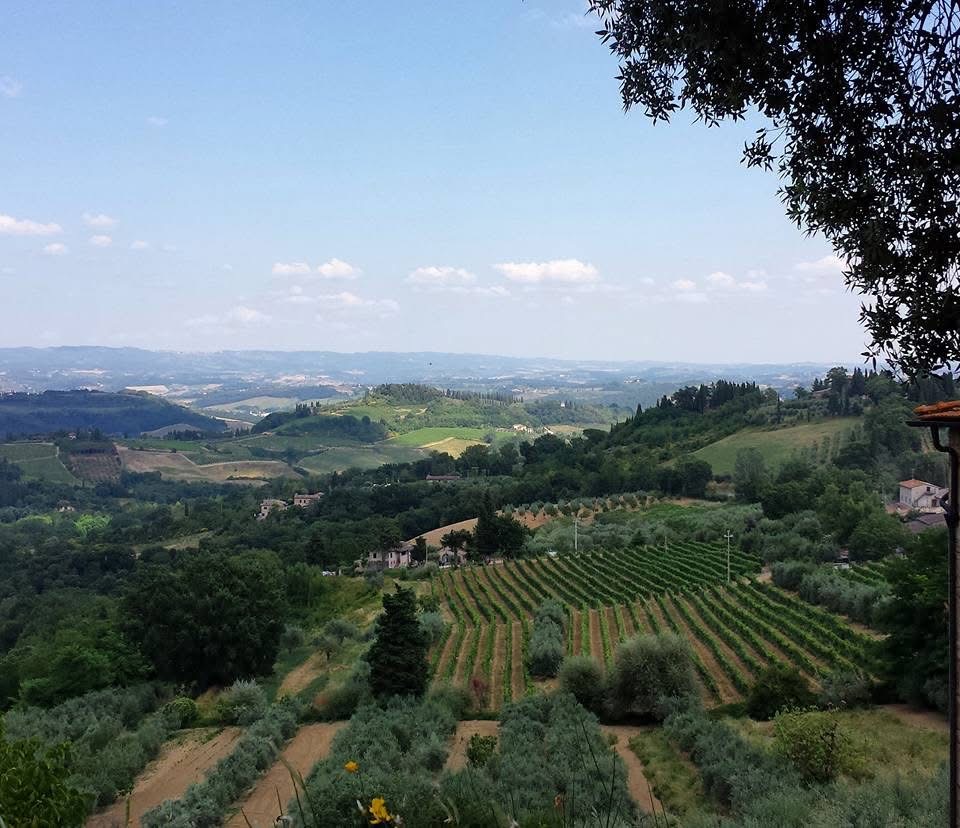
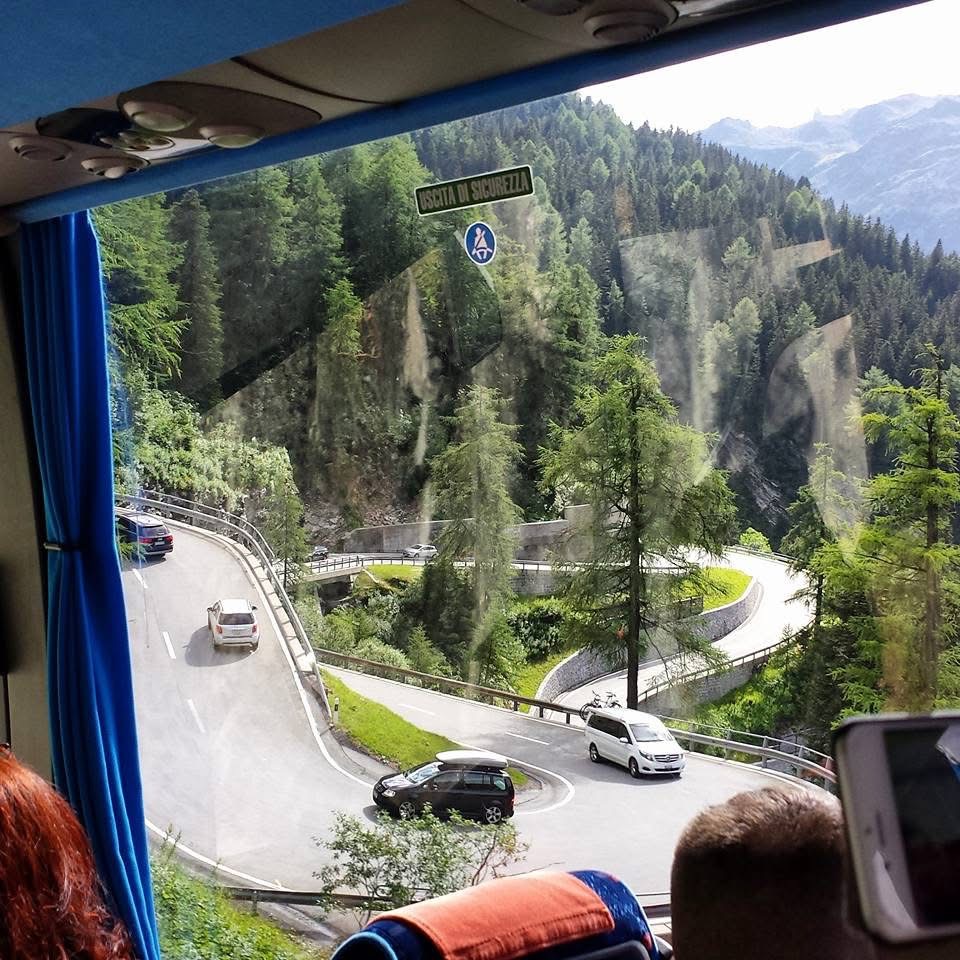
There was the day we drove up the mountain to Asiago—yes, where the cheese comes from—twisting through those dramatic hair-pin turns that somehow felt equal parts exhilarating and slightly terrifying. And then there was the legendary “goat trail” incident, when the GPS insisted that a narrow path through an orchard was, in fact, the correct route to a winery. We laughed the whole way, convinced we were about to end up in the middle of someone’s field, but also fully committed to the adventure.

Those months in Italy were a gift—full of curiosity, connection, and the kind of friendship that stays with you long after the plane ride home.

Which is why seeing Gail again in Acworth felt so special. We slipped right back into that easy rhythm, sharing memories, catching up on life, and enjoying the simple joy of spending time together. Acworth made the perfect backdrop for it—peaceful lakes, mountain-framed views, and a welcoming town that encourages you to pause, breathe, and appreciate the people who matter.

Travel has taken me many places, but some of the most meaningful moments are the ones that reconnect me with the friendships formed along the way. My visit to Acworth was one of those moments—a sweet reminder that distance and time mean very little when a friendship is built on shared adventure, laughter, and the kind of connection you don’t stumble upon often.

Sun City Center, Florida Adventures

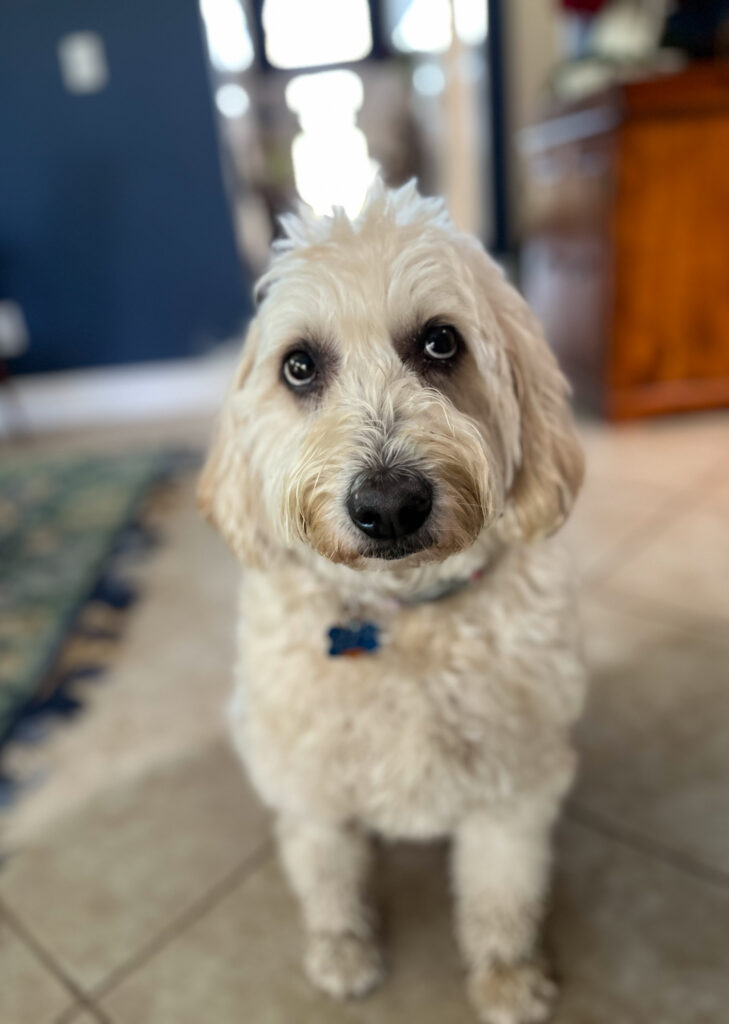
This week has carried me to Sun City Center, a quiet Florida town that’s turned out to be the perfect setting for my second pet-sitting adventure. The rhythm here is slow and easy—golf carts humming down the streets, neighbors waving from driveways, and mornings that seem to invite you to linger a little longer. The two pups I’m caring for are gentle and content, which has given me plenty of space to wander and explore the coastlines nearby.

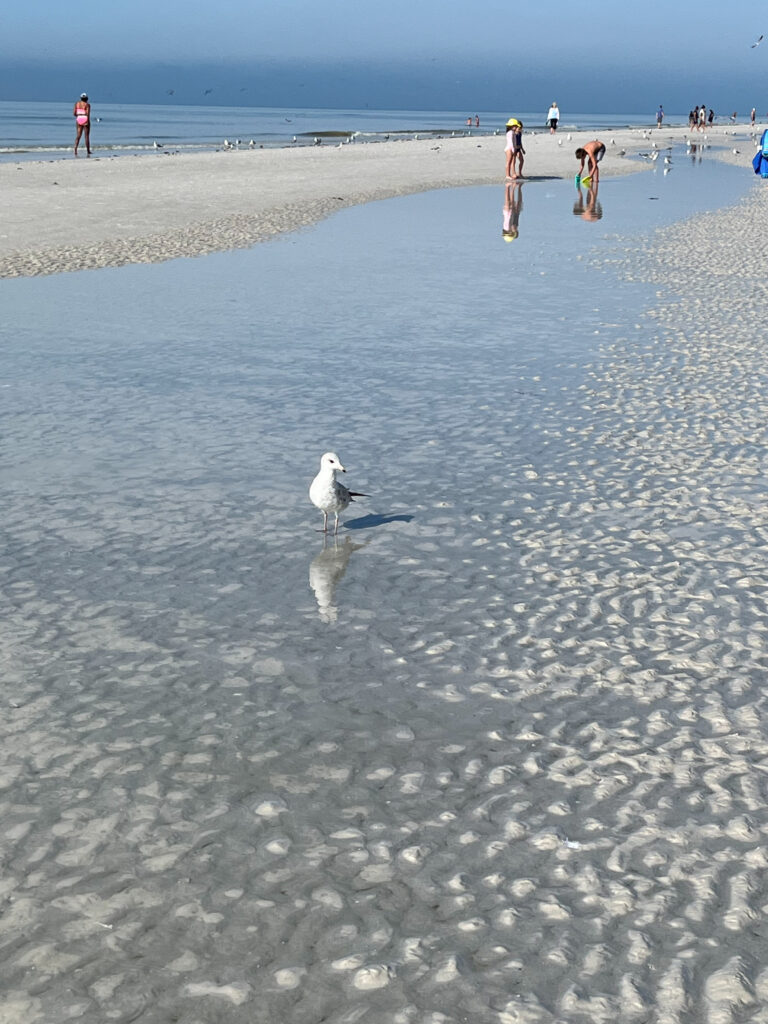
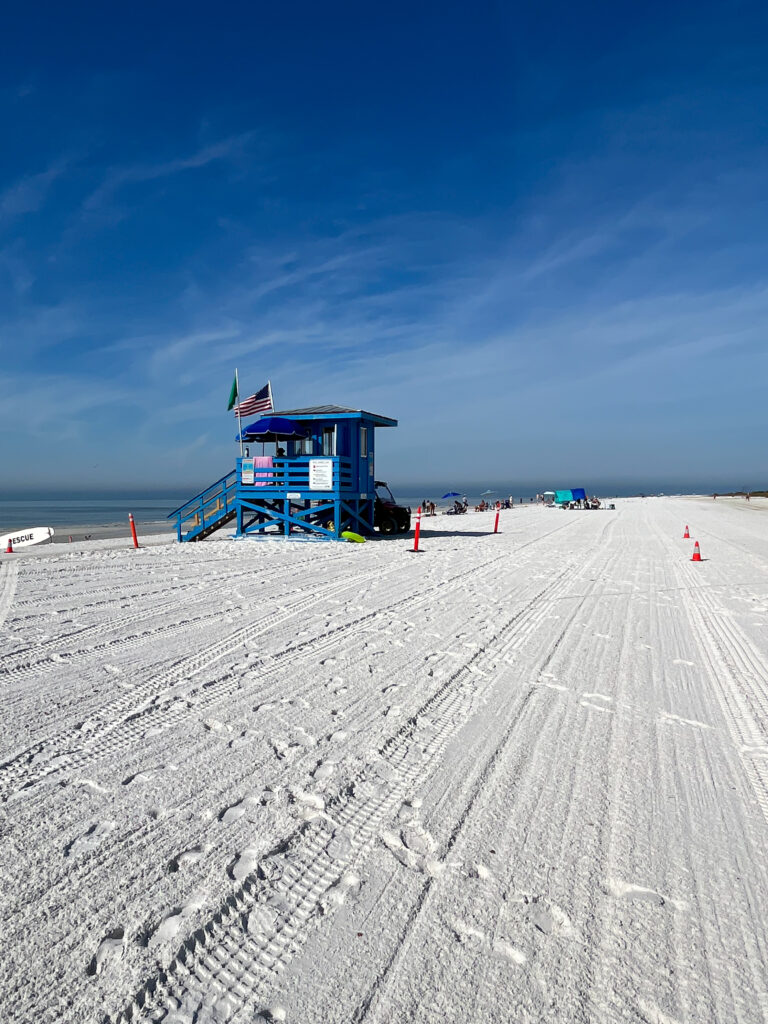
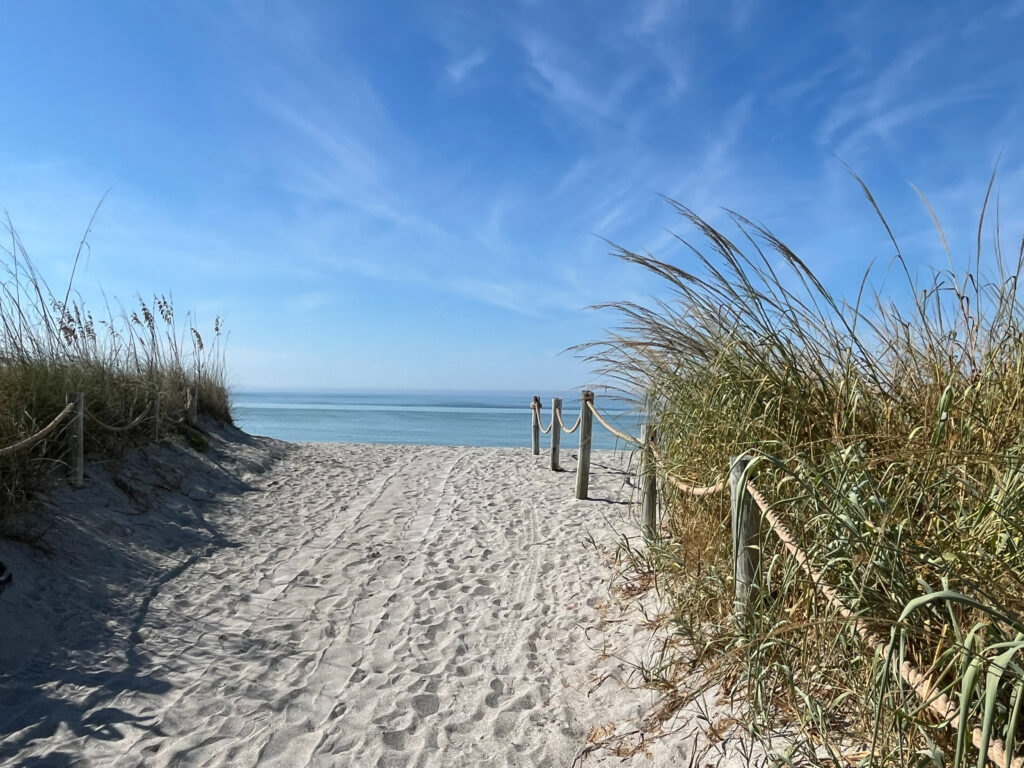
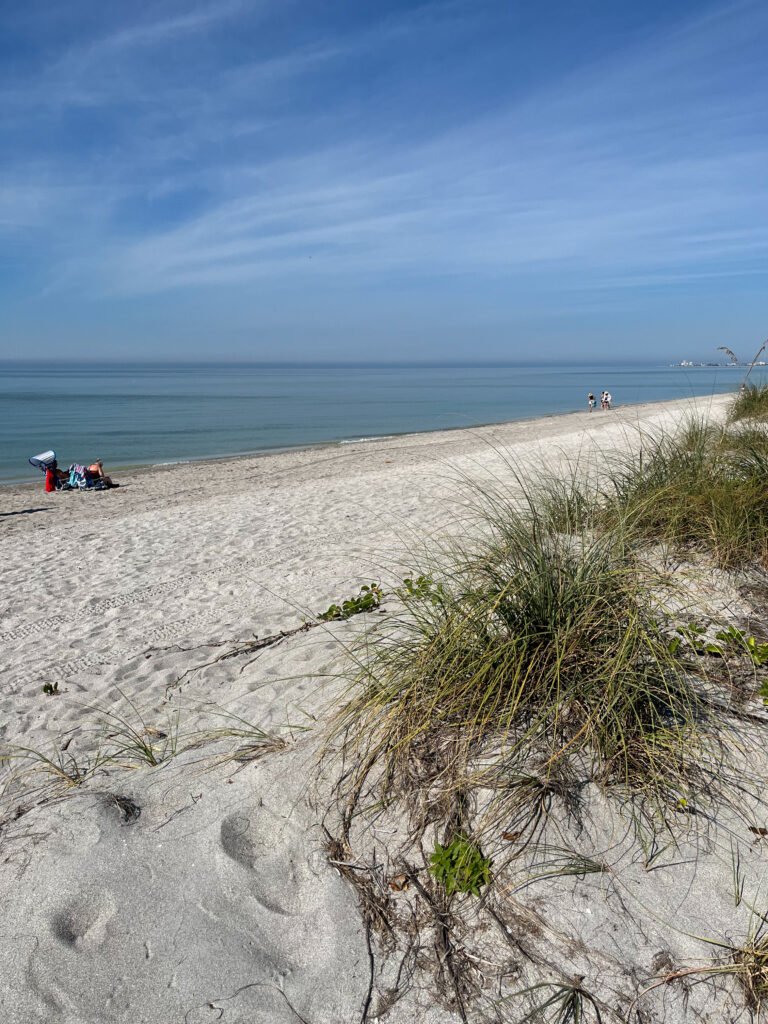
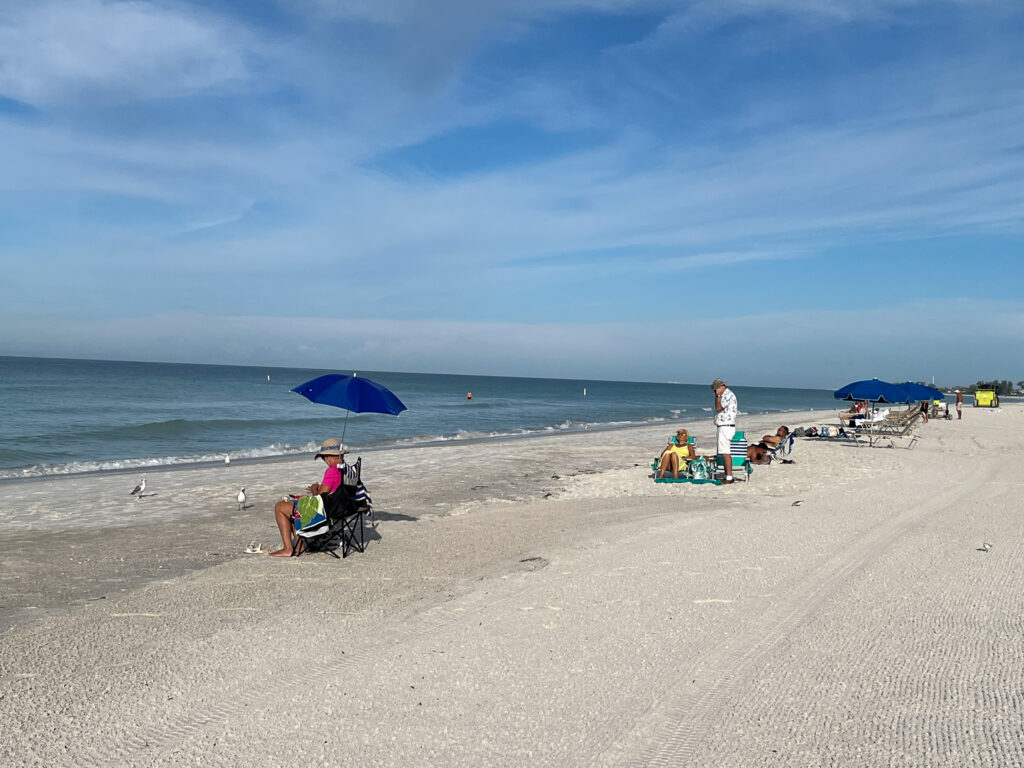
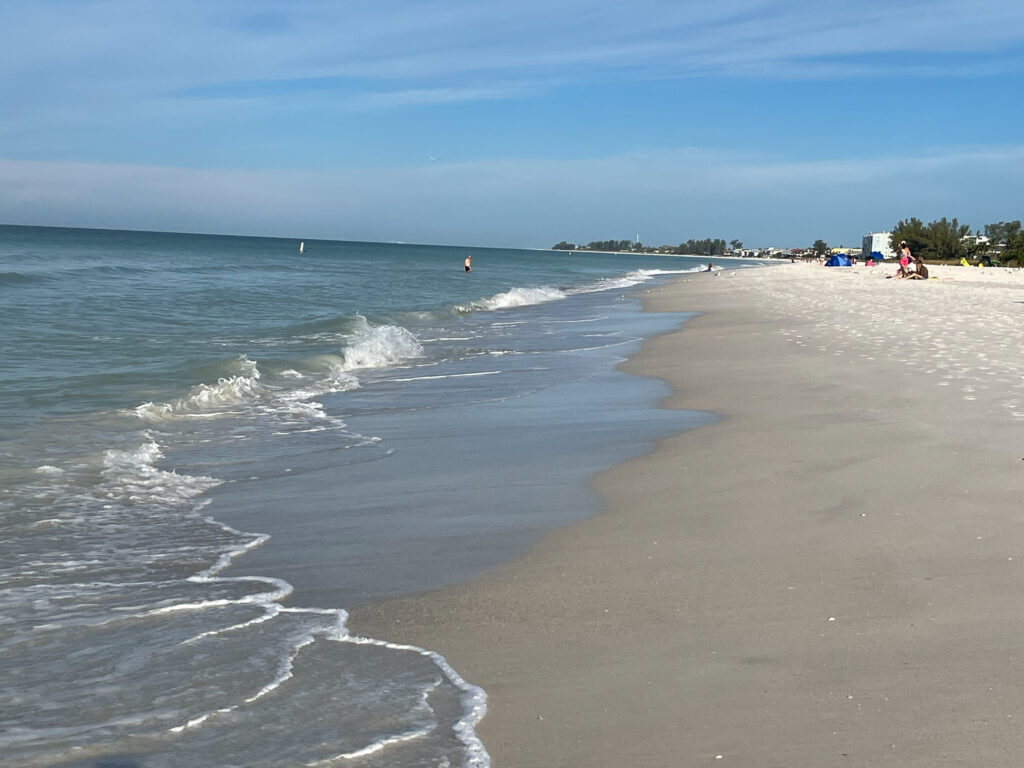
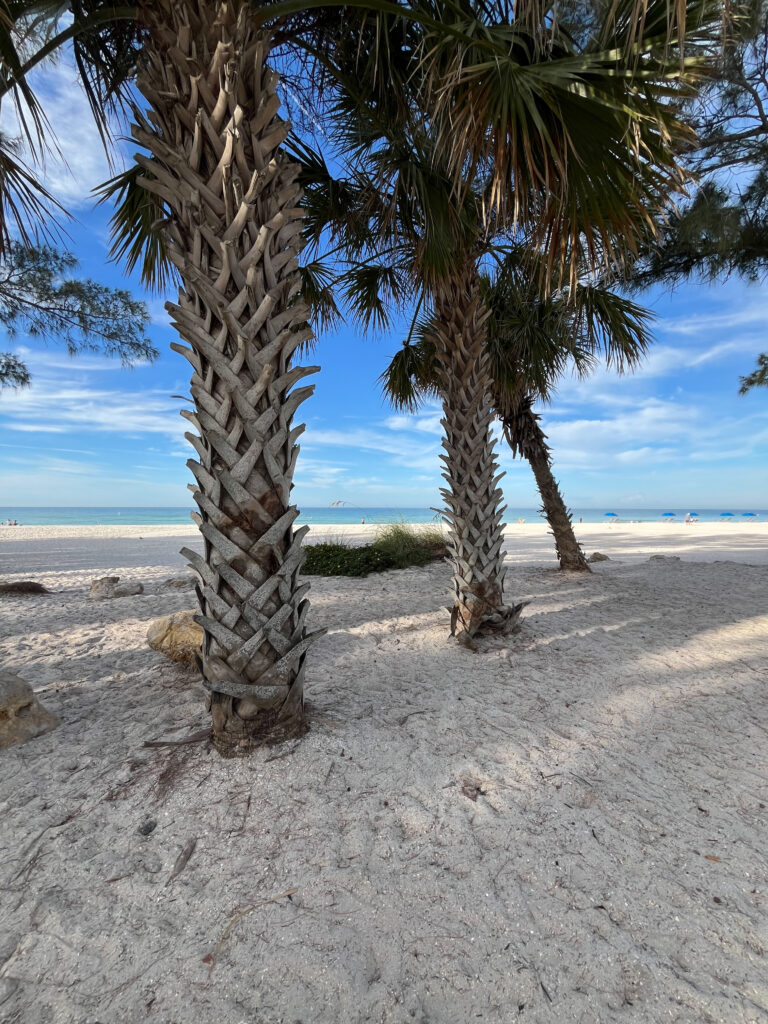
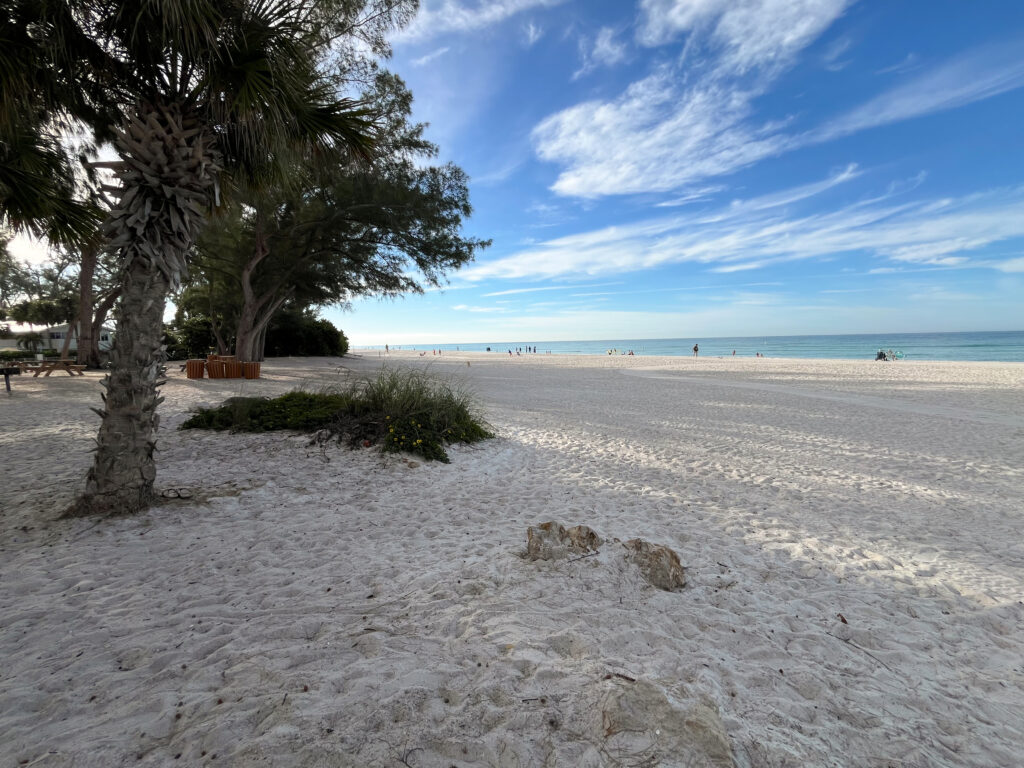
One of my first beach days was at Siesta Key, where the sand is so white and soft it feels like walking through sifted flour. It’s the kind of place that urges you to pause—where the horizon stretches wide and the whole day seems to expand around you.

Turtle Beach offered a quieter contrast, with darker, grainier sand and a peacefulness that feels made for slow thinking and unhurried walks.

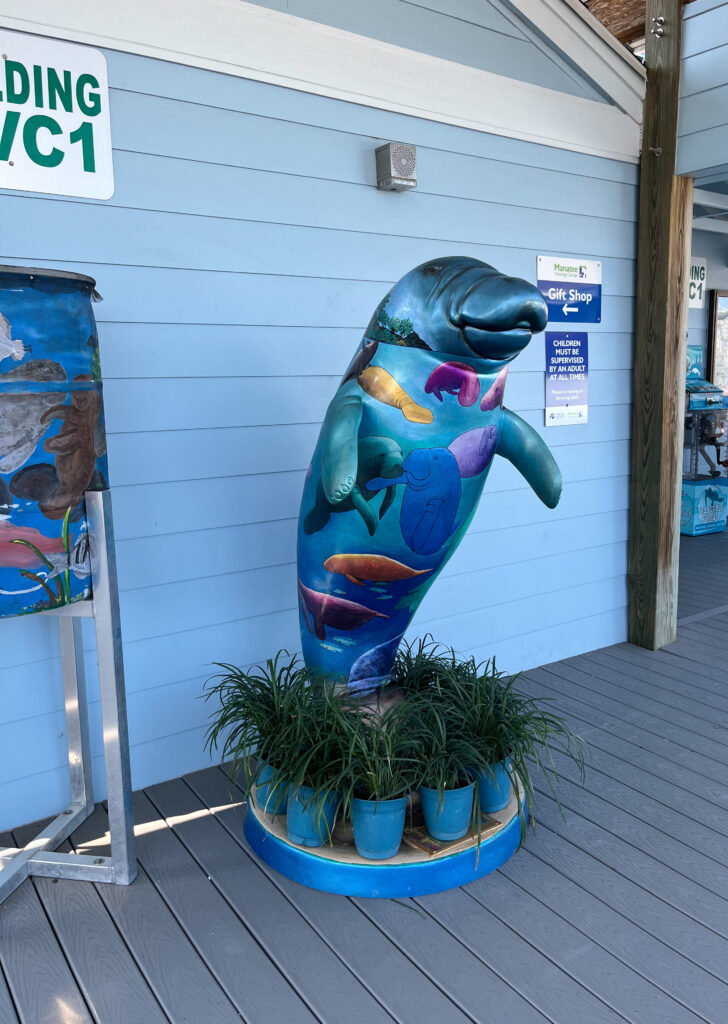
One of the moments that stayed with me the most happened at the Apollo Beach Manatee Viewing Center. I spotted a mother manatee gliding alongside her baby, only a few months old. Manatees have always tugged at my heart—Amy and I swam with them years ago in Crystal River—and seeing them again, even briefly, brought that same sense of awe rushing back.

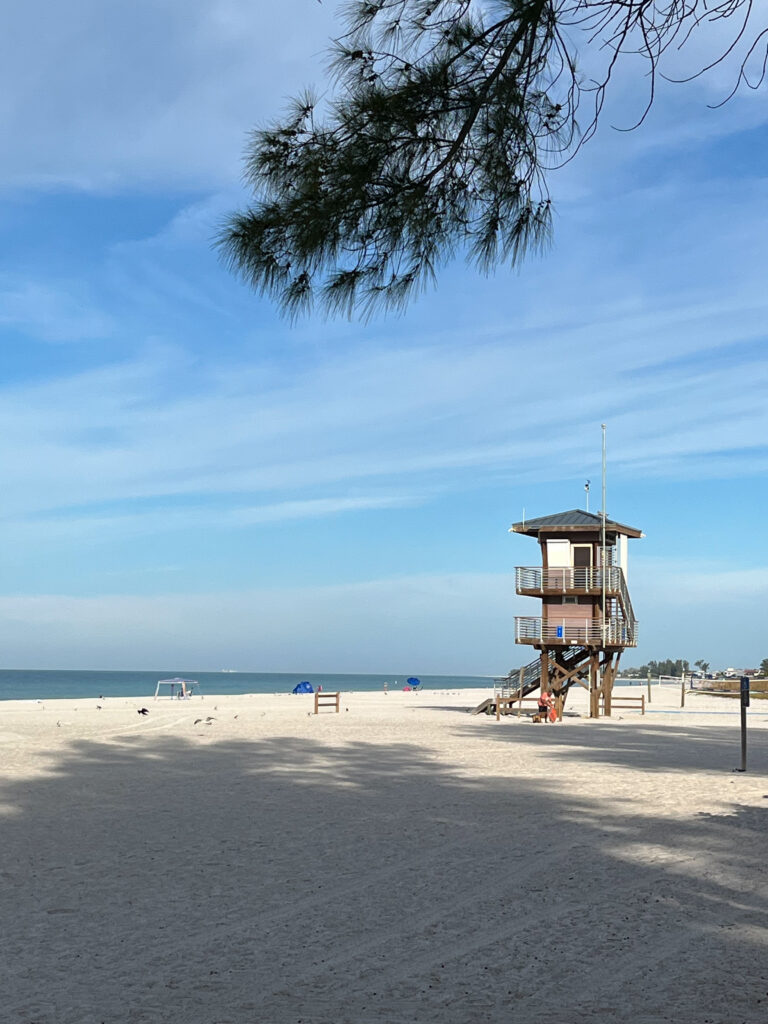
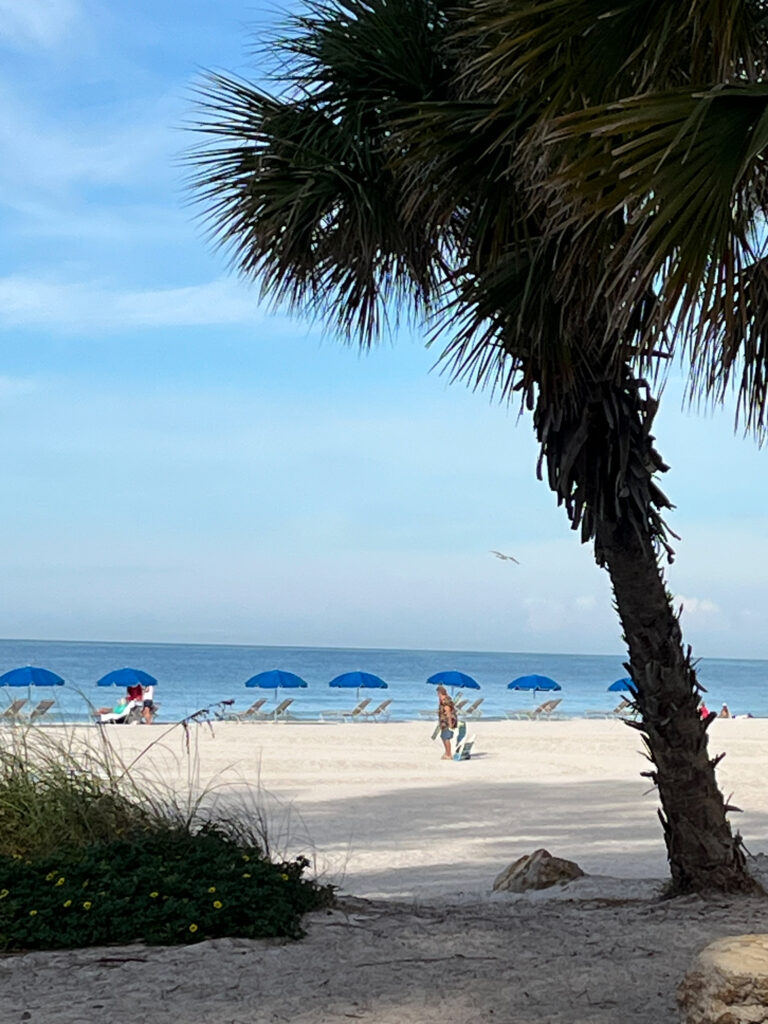
Anna Maria Island has been another sweet surprise. I spent a morning at Manatee Beach in Holmes Beach, where the shoreline stretches wide, the waves roll in gently, and the free island trolley passes by with a kind of old-Florida charm. It’s one of those places that makes you want to stay until the sun begins to sink.

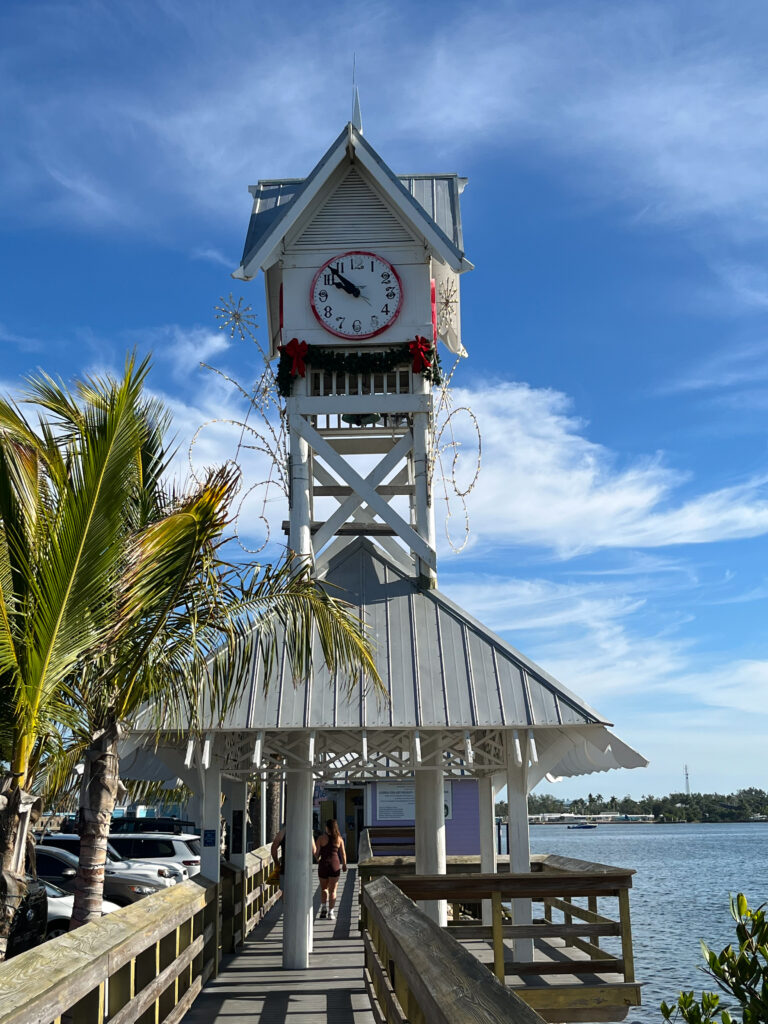
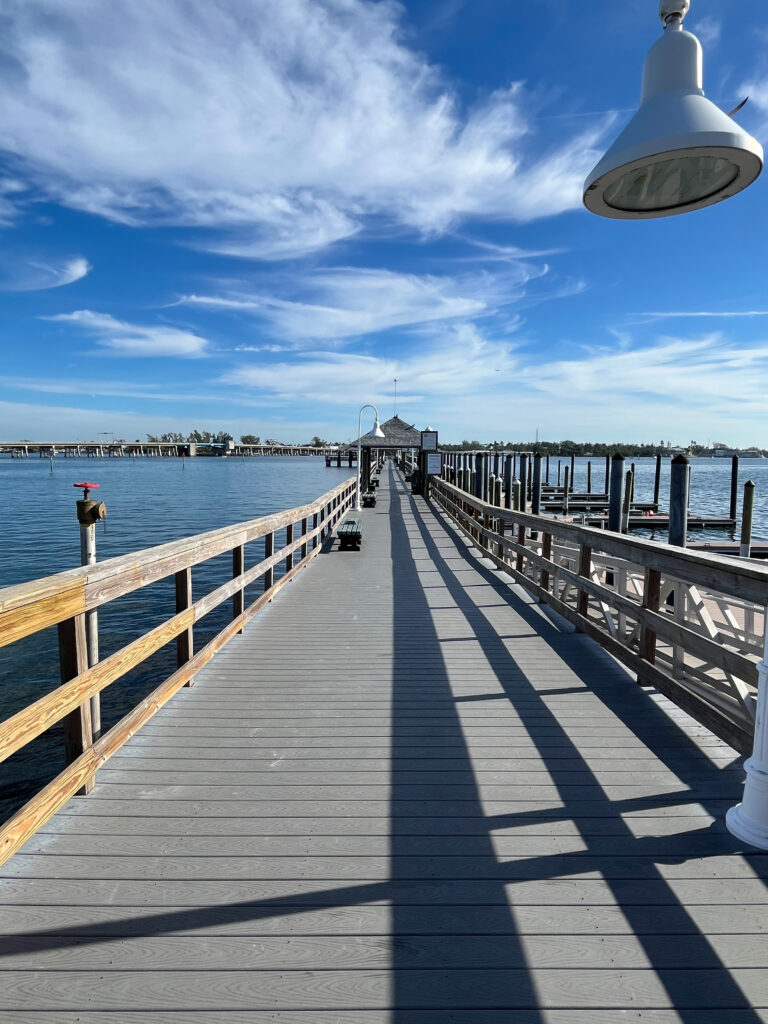
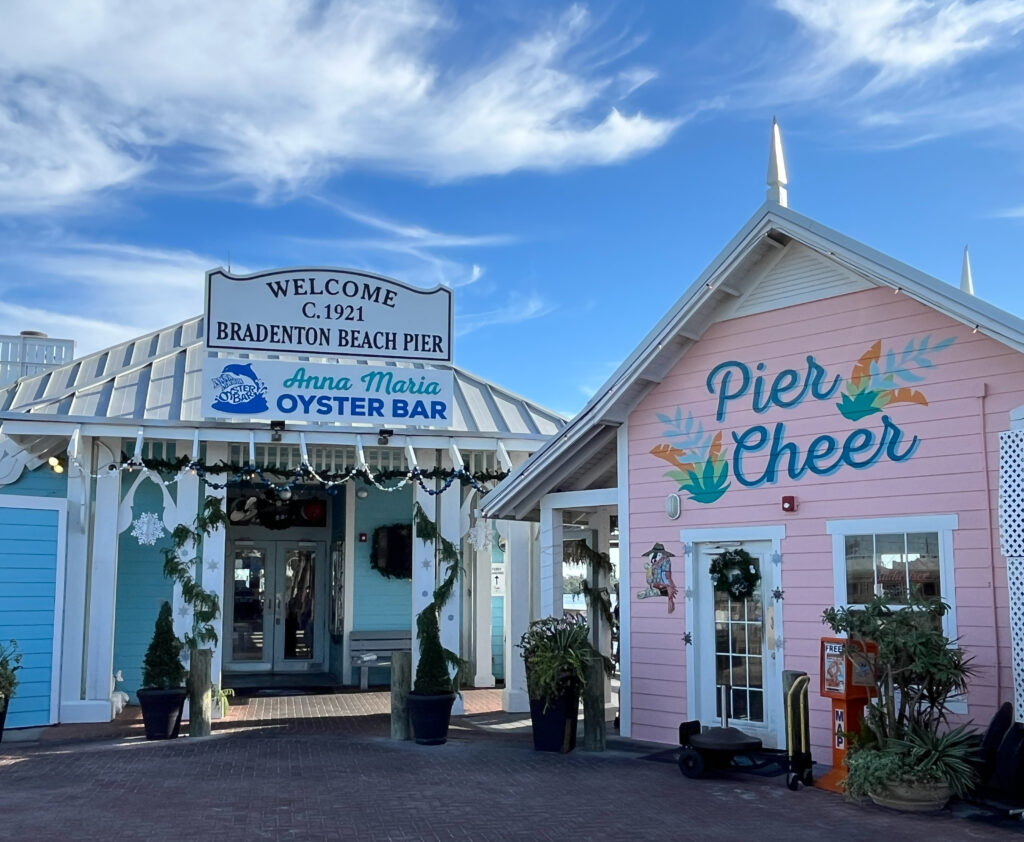
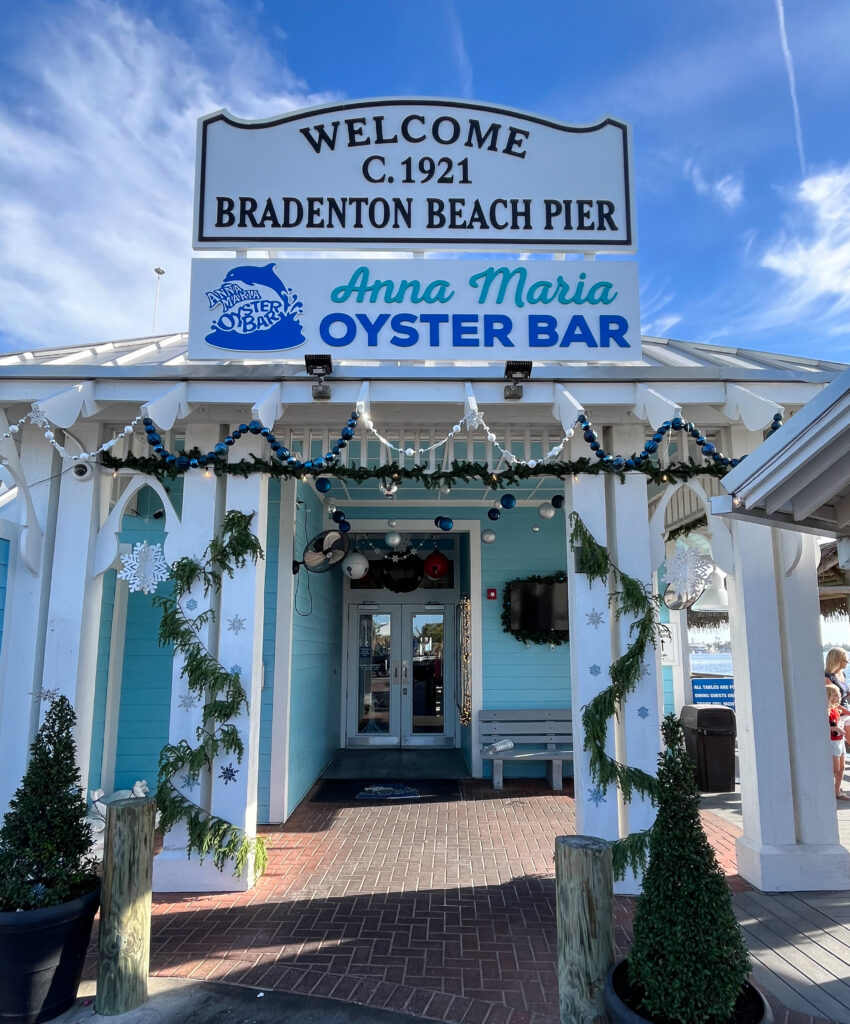
Later, I wandered over to Historic Bridge Street and the old pier in Bradenton Beach. Once part of the original 1920s wooden bridge that connected the island to the mainland, the pier now feels like a little pocket of history—fishermen casting lines, pelicans drifting close, families strolling between small shops and cafes. There’s something nostalgic there, even on your first visit.

After visiting the beaches and wandering the pier, I even found time to take a dip in the neighborhood pool—a surprisingly warm and refreshing treat at the end of November. It felt like a little secret slice of summer tucked into the fall, a quiet moment to linger in the sun and water before heading back to the pups.

Even though my time here is short, this corner of Florida has offered more than I expected—quiet beaches, gentle wildlife, easy mornings, and places that carry a kind of timeless charm. Sun City Center has been a calming home base between beach days, pool swims, and dog cuddles, a reminder that the best adventures don’t always have to be big or far away.

– Kari

St. Augustine: A Walk Through History


St. Augustine is one of those rare places where history isn’t something you read about—it’s something you walk through. Cobblestone paths, salt-touched air, centuries-old stone walls… the entire city feels like a story unfolding around you. As the oldest continuously settled city in the United States, it holds a richness that’s hard to capture in just one visit—which is probably why I’m already planning a return.

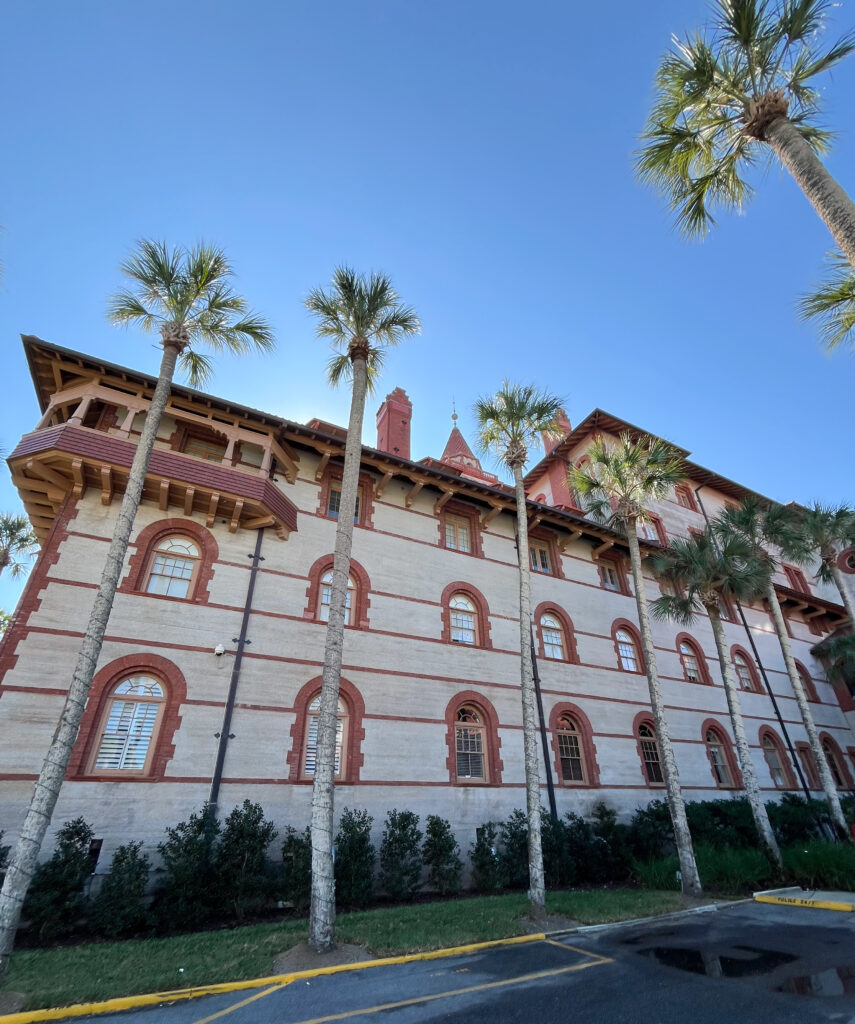
Founded in 1565 by Pedro Menéndez de Avilés, St. Augustine sits between the San Sebastian River and the Matanzas River on a slender peninsula, just inland from the Atlantic. The Spanish influence is everywhere—tile roofs, courtyards, wrought iron balconies, and thick coquina buildings that have stood through sieges, fires, and eras of change.

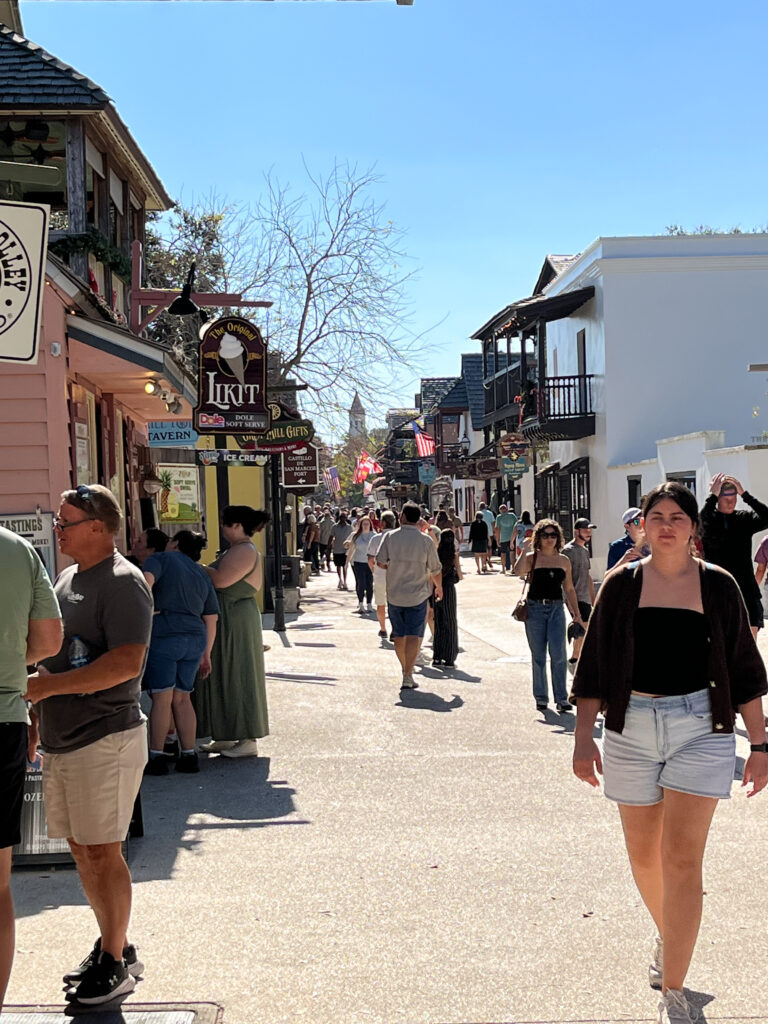
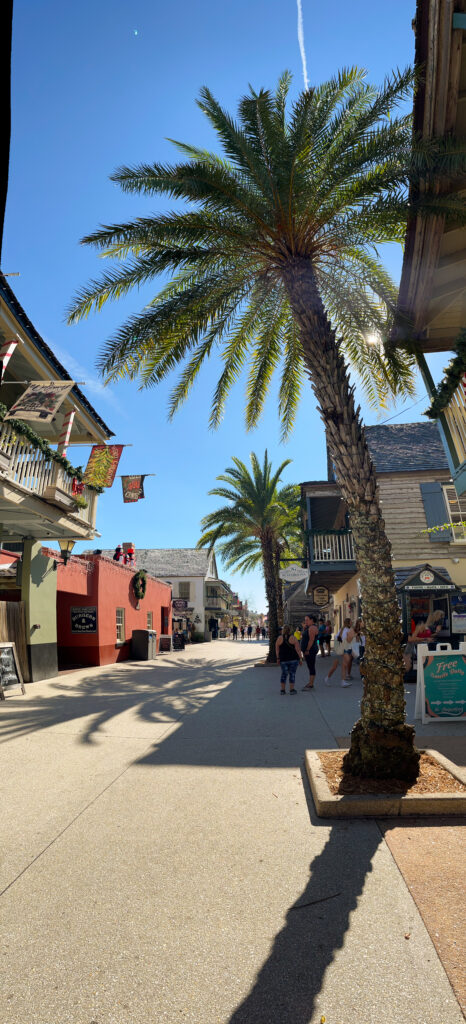
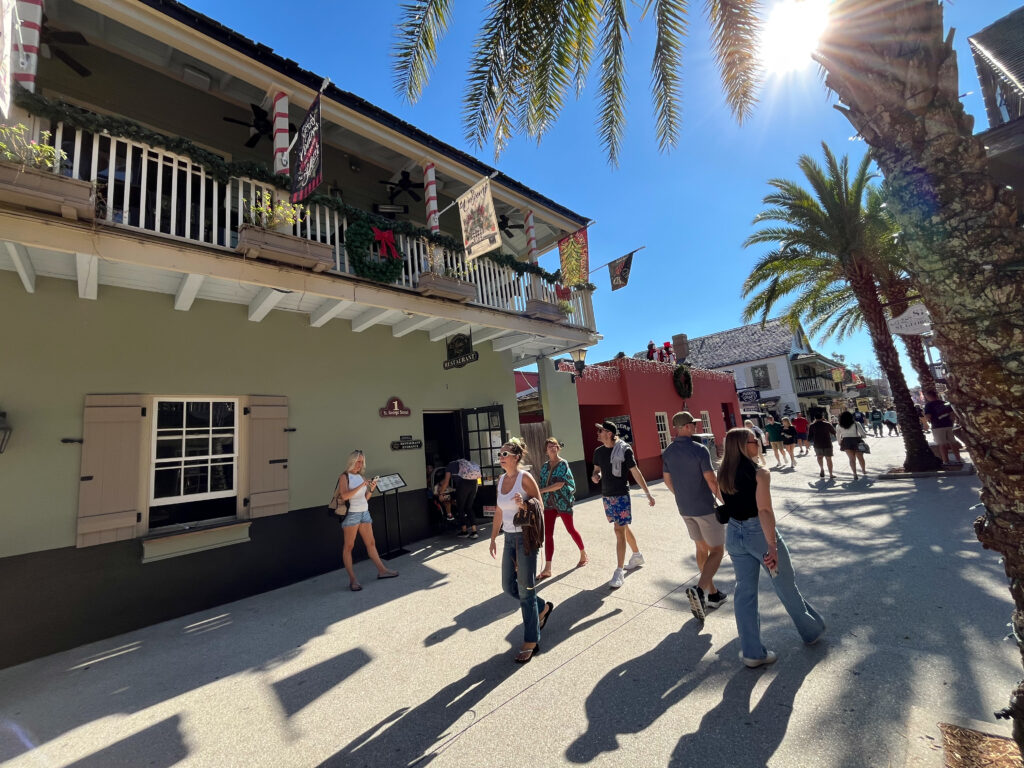
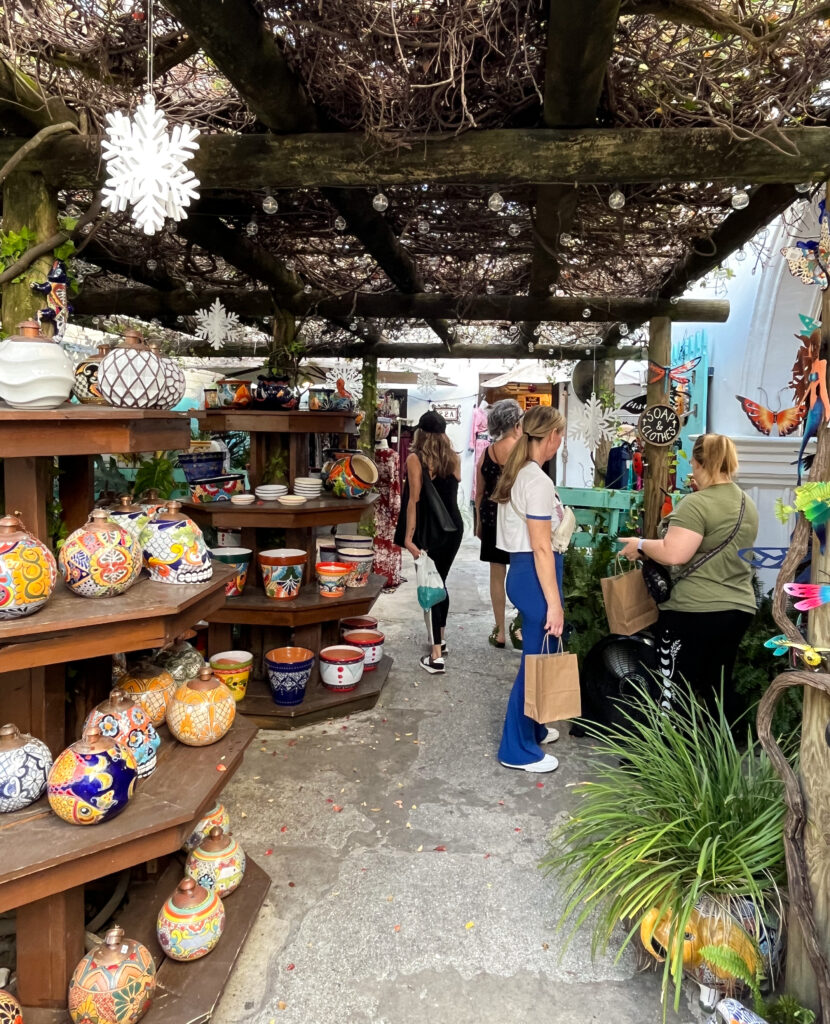
I began my visit at the Old City Gate, where the streets behind it open into a charming network of historic shops, galleries, and preserved homes. Some of the walkways are still brick or cobblestone, and the mix of textures—weathered wood, stone, iron—creates a feeling that’s less like sightseeing and more like gently stepping into another time.

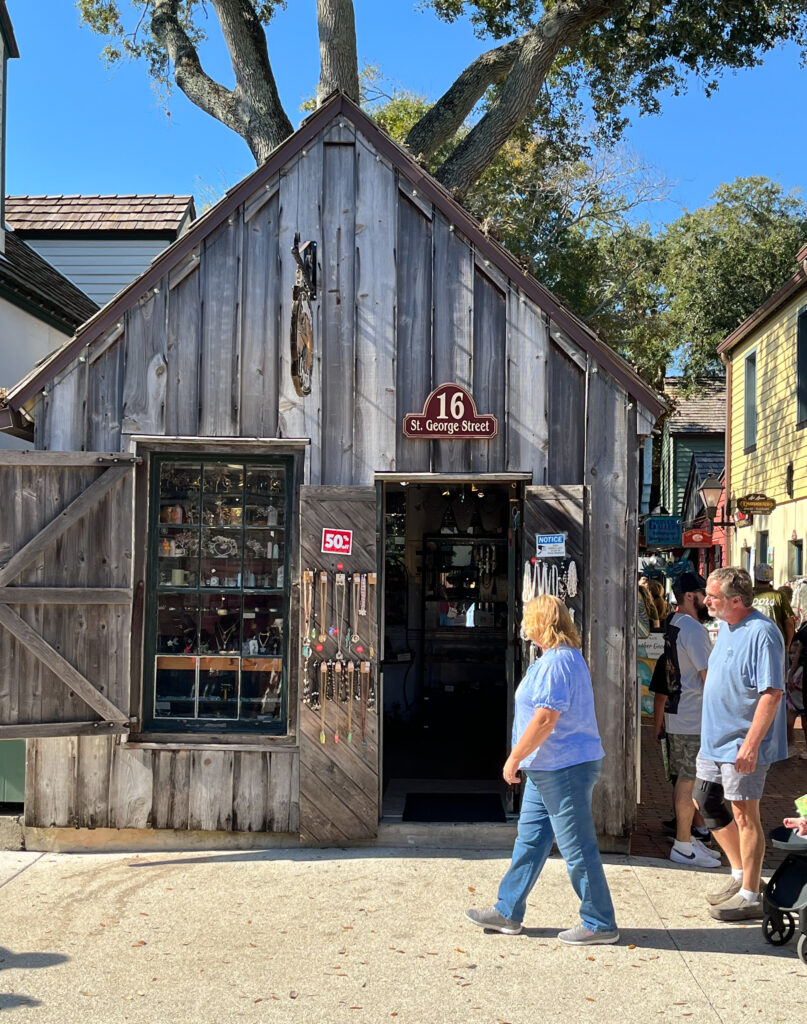
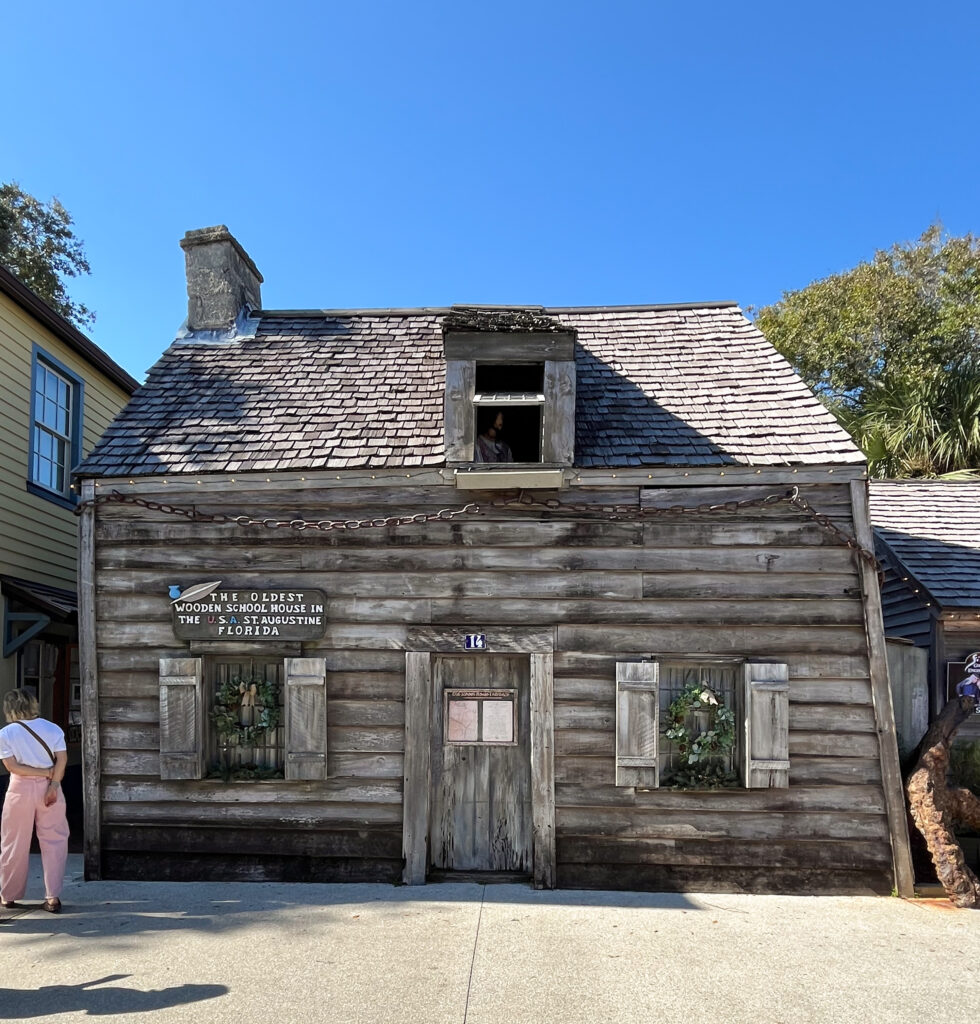
Tucked along St. George Street near the City Gate sits the Oldest Wooden School House, a charming reminder of early colonial life. Built by 1716, it’s one of the earliest wooden structures in the city and offers a glimpse into what school life was like for children in the early 1700s. Visitors can tour the little property and imagine a day in the life of students centuries ago.

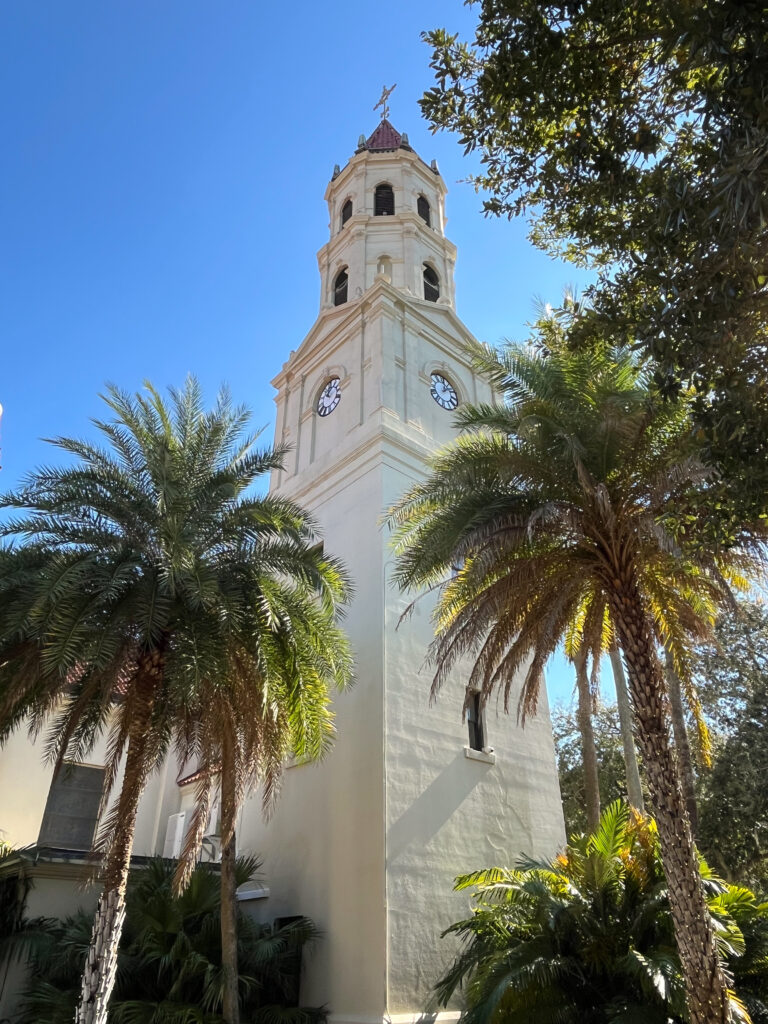
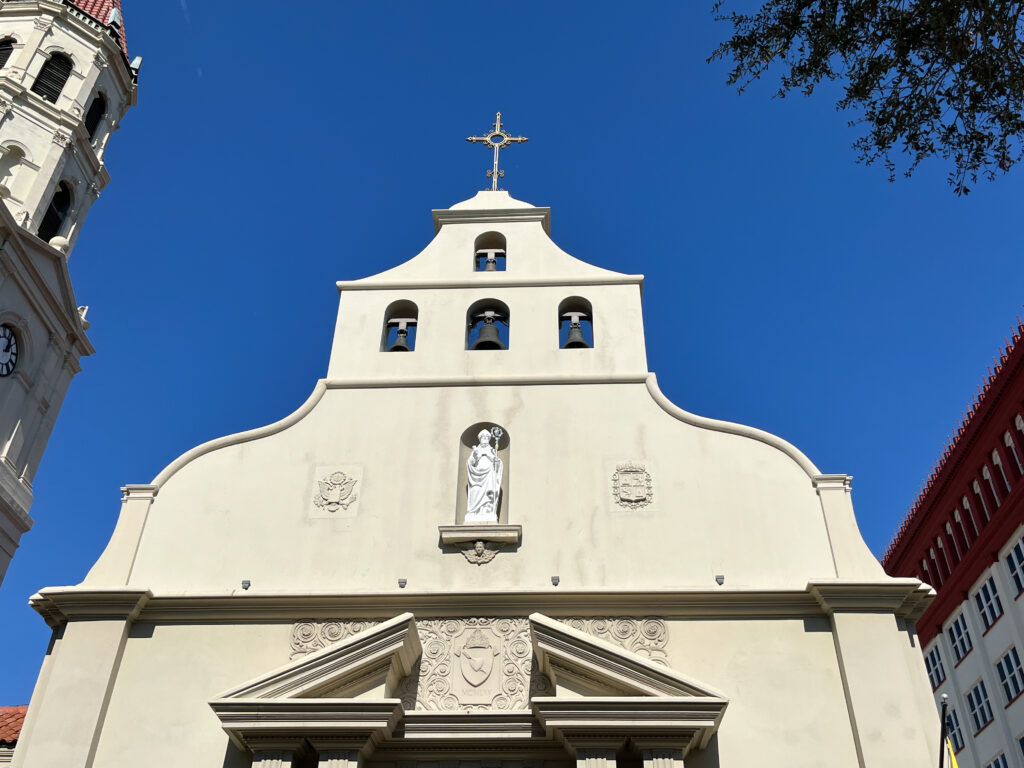
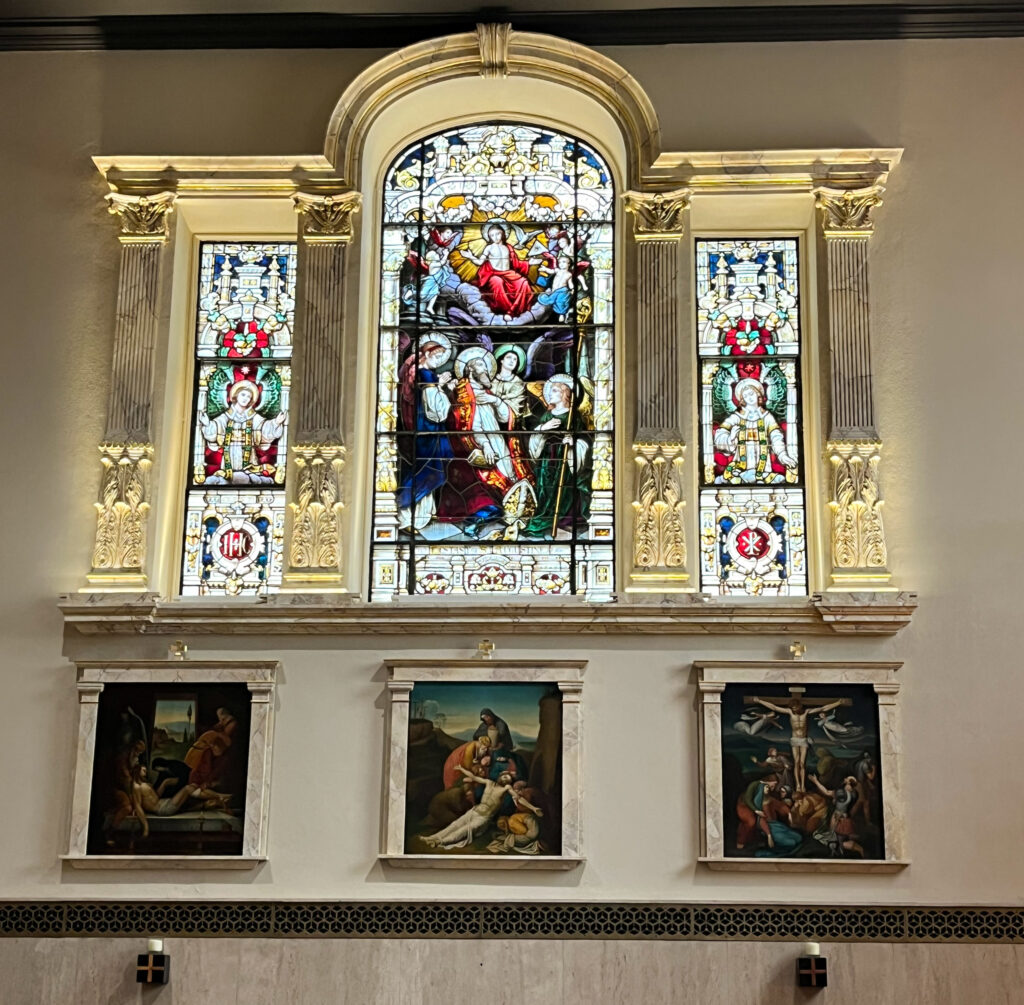
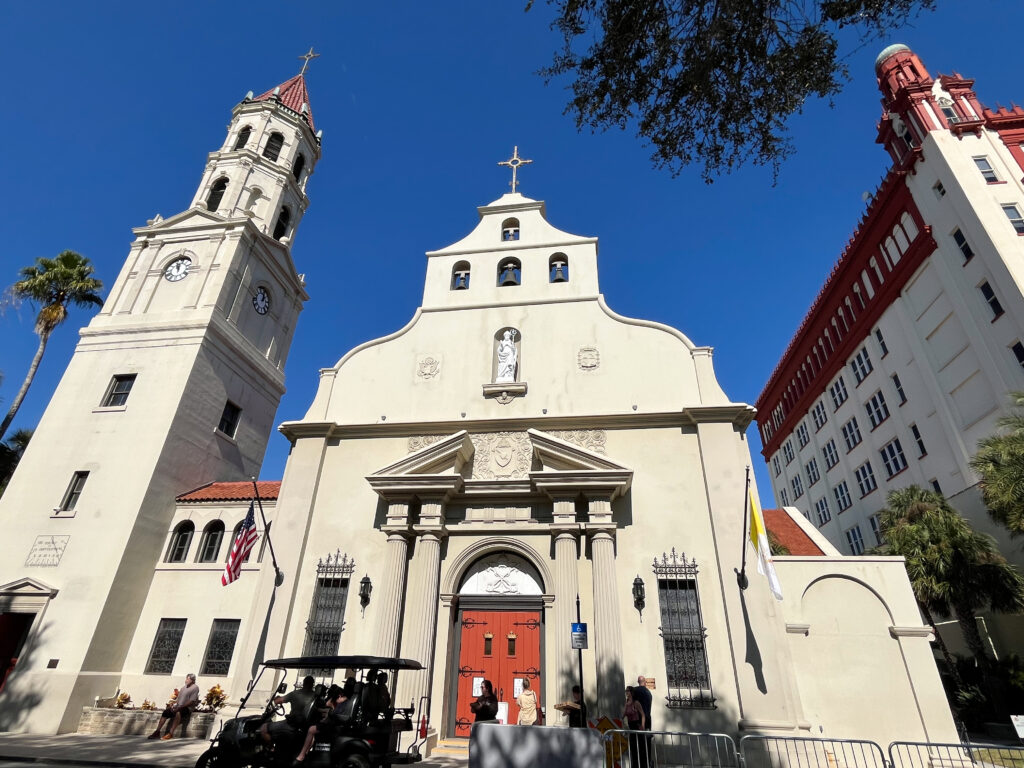
Not far from the gate stands the Cathedral Basilica of St. Augustine, and it ended up being one of the highlights of my short visit. Sitting just off the Plaza de la Constitución, it’s the oldest Catholic parish in the United States, with roots reaching back to the city’s founding. When Pedro Menéndez landed in 1565, a priest traveling with him—Padre López de Mendoza Grajales—presented him with a cross. Menéndez kissed the base, the Spanish flag, and claimed the land for both Spain and the Church. The first Catholic Mass in the continental U.S. was celebrated that day.

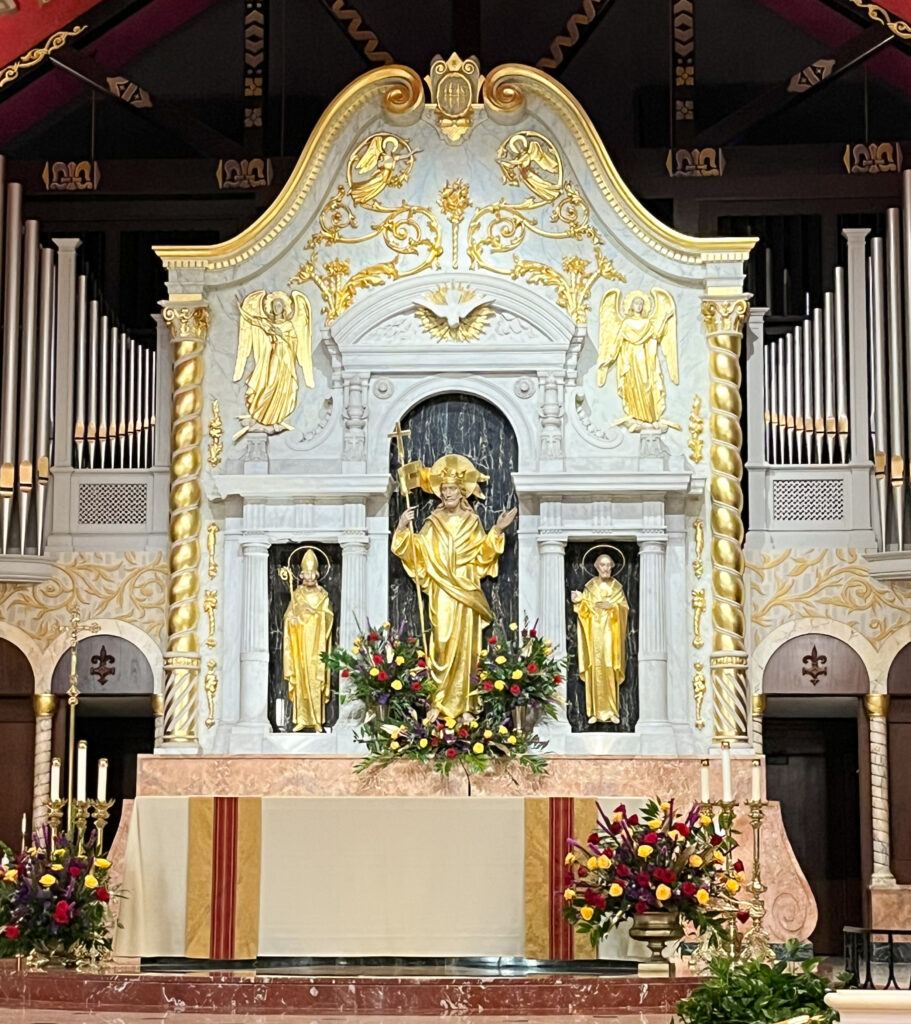
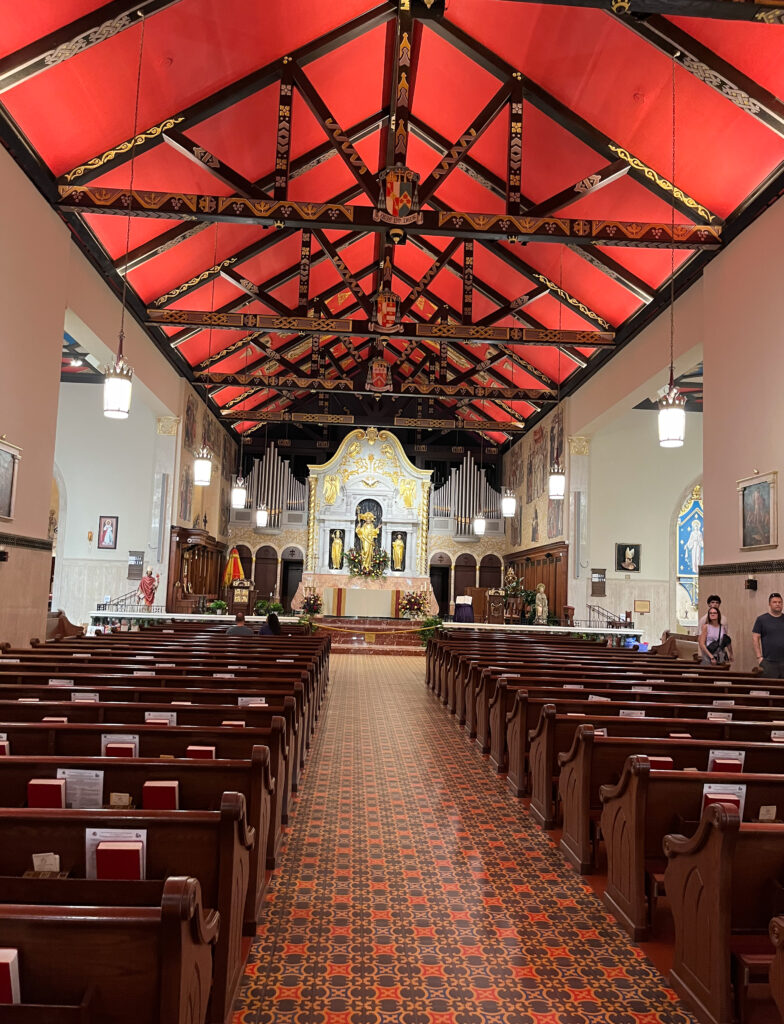
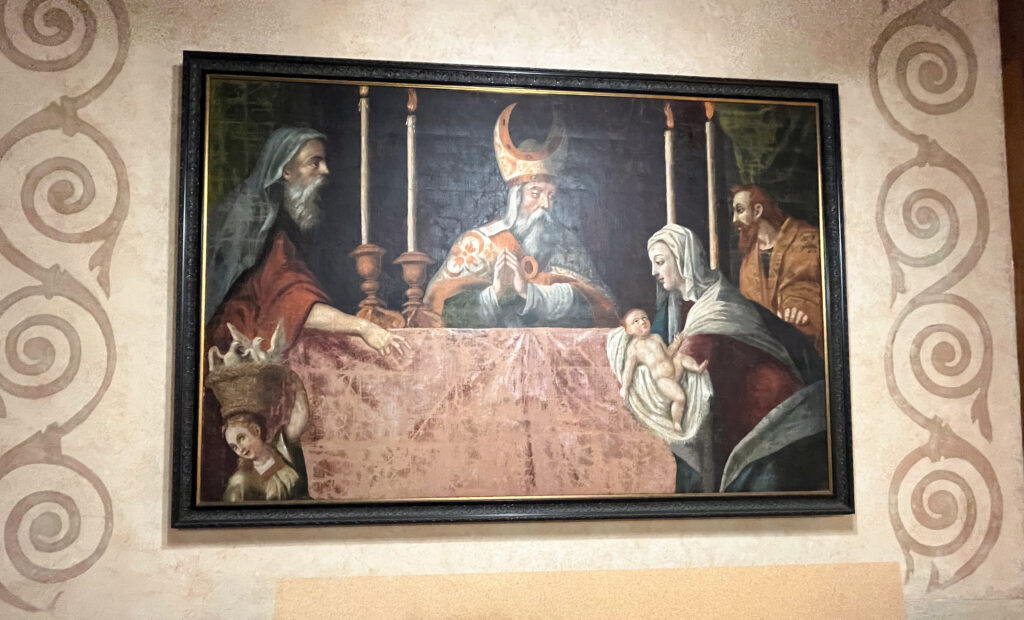
The cathedral as it stands now was completed in 1797, and parts of the original coquina walls still remain. Inside, the blend of history and artistry is stunning:

  • Murals by Hugo Ohlms, installed in the 1960s, sweep across ceilings and walls.
  • Stained glass windows depict scenes from the lives of Saint Augustine and his mother, Saint Monica.
  • Hand-carved sculptures of Jesus, Saint Augustine, and Saint Peter frame the altar—where Jesus is shown in His resurrection, rather than His crucifixion.

It’s a place that feels both ancient and deeply alive.

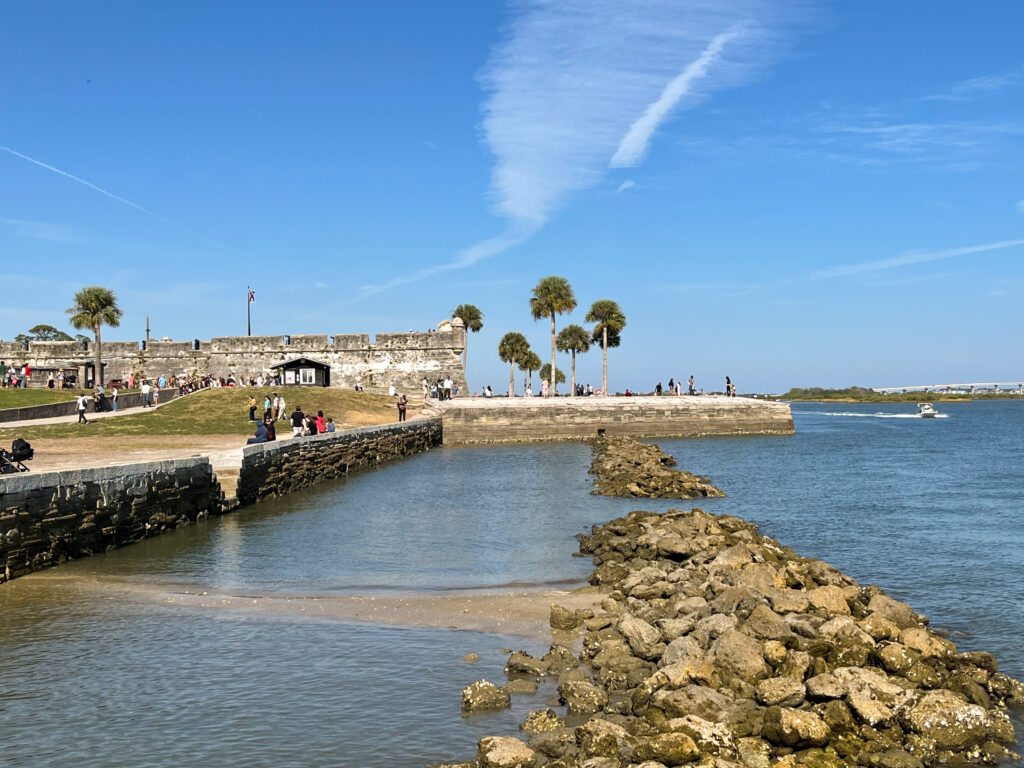
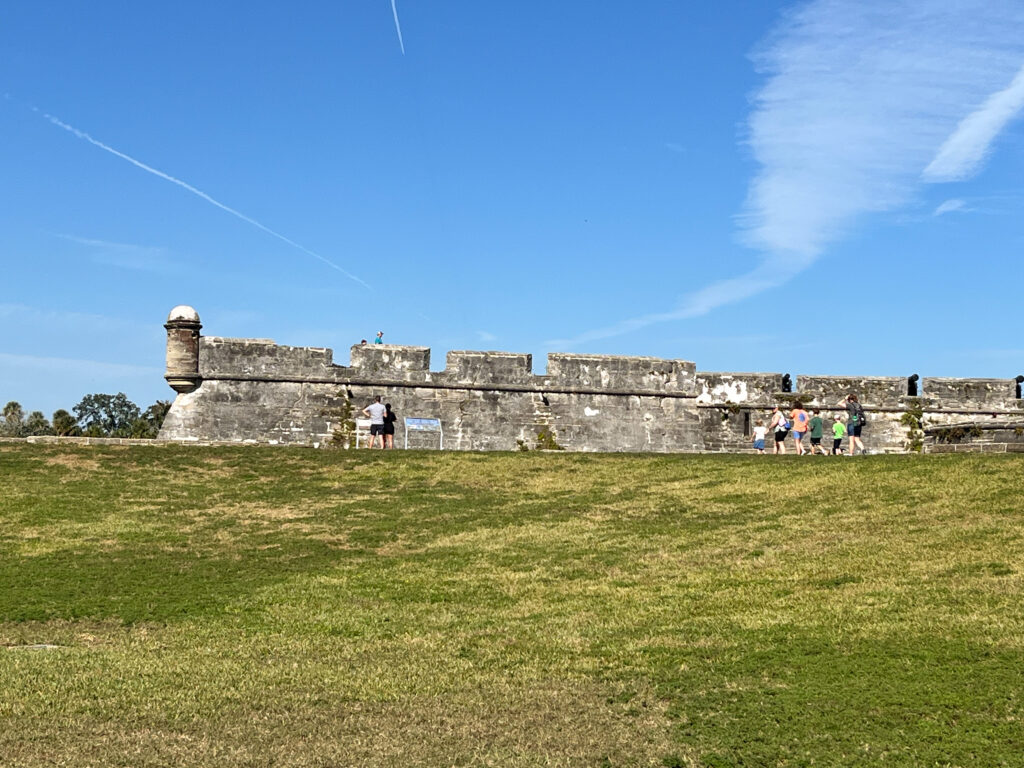
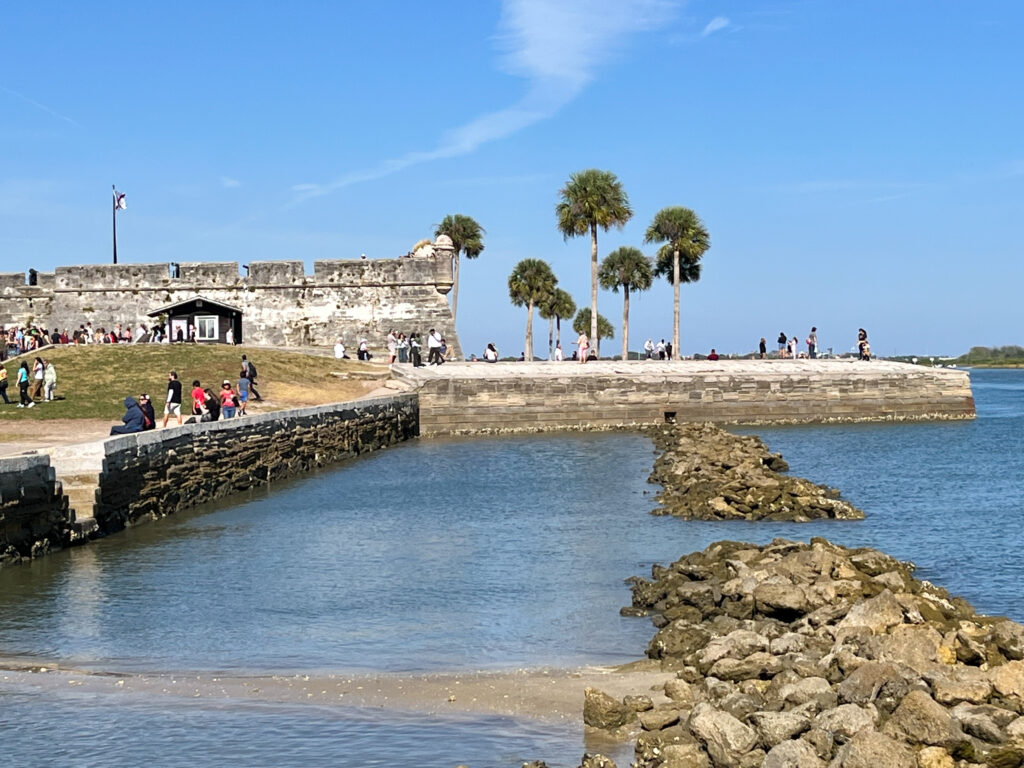
From there, I wandered toward the Castillo de San Marcos, the massive 17th-century Spanish fort that still watches over the water. Built between 1672 and 1695, it’s the oldest masonry fort in the United States. Standing on its grounds, with the Matanzas River shimmering nearby, it’s impossible not to feel the layers of stories—pirates, soldiers, explorers, and ordinary people who lived their lives within sight of those walls.

Though I didn’t have time to visit on this trip, I also want to see the Fountain of Youth Archaeological Park, tied to the legend of Ponce de León’s 1513 landing. Knowing I was that close to the site of his expedition makes me even more eager to return and explore it properly.

Walking along the waterfront and wandering through the historic district, I realized how easily this city settles into you—quietly, but unmistakably. The tucked-away shops, the old stonework, the sound of church bells, the mix of Spanish and coastal southern charm—it all leaves an impression that lingers.

My visit was short, and there’s still so much I want to see. St. Augustine deserves time—time to wander, time to listen, time to let the centuries speak.

I’ll definitely be back. Some places simply ask you to return, and this is one of them.

– Kari