A quiet visit to the oldest tree in Texas, where history, endurance, and imagination meet.
Have you ever seen a huge tree and instantly known it would have been the perfect tree for climbing when you were a kid?
Walking under the low, sprawling branches of one of The Big Tree’s offspring at Goose Island State Park in Rockport, TX, was one of those moments. Standing in the shade of massive branches stretched out like the tentacles of an octopus, I was in awe. Some branches are propped up with wooden supports, while others reach outward, seemingly defying gravity.
And this is only an offspring.
The Big Tree is surrounded by a rustic wooden fence, protecting her from the many visitors who come to see her for themselves. Her trunk measures more than 35 feet in circumference, and she stands 44–45 feet tall. I wished I could stand beneath the 89–90-foot canopy and touch the bark of this over 1,000-year-old tree. From what I have read, some believe the tree is closer to 2,000 years old.
I circled the enclosed tree, capturing every angle with my camera. Then I sat on a nearby bench, letting the quiet settle like a soft blanket around me and listening to the birds chirp and call across the branches. I thought about what I had read of the Karankawa, who held ceremonies beneath the tree, and the Comanche, who used this land as a gathering place. There are stories of pirates using this very spot as a secret rendezvous. Over time, the tree has also silently witnessed darker chapters of the past, including hangings and other grim events I won’t describe here.
Its strong trunk and outstretched branches stand as a testament to endurance—the kind of strength that has survived dozens of hurricanes, floods, droughts, and wildfires. Standing in the presence of something that has lived for centuries and weathered so many hardships is humbling.
On my second visit to The Big Tree, I brought Ryan and my three grandsons. They went straight to the first tree on the property and climbed into the wide, low branches as if they were walking on solid ground. I couldn’t resist taking photos of their adventures. Later, we imagined building a treehouse in those enormous branches and even drew a picture of our family in it. That day became a memory I will always cherish.
Standing there with my grandsons, watching them explore and imagine, I felt the full weight of time—centuries of storms weathered, histories witnessed, and life continuing in the branches above us. The Big Tree isn’t just a tree; it’s a quiet keeper of stories, a reminder of endurance, and a place where generations can pause, play, and dream.
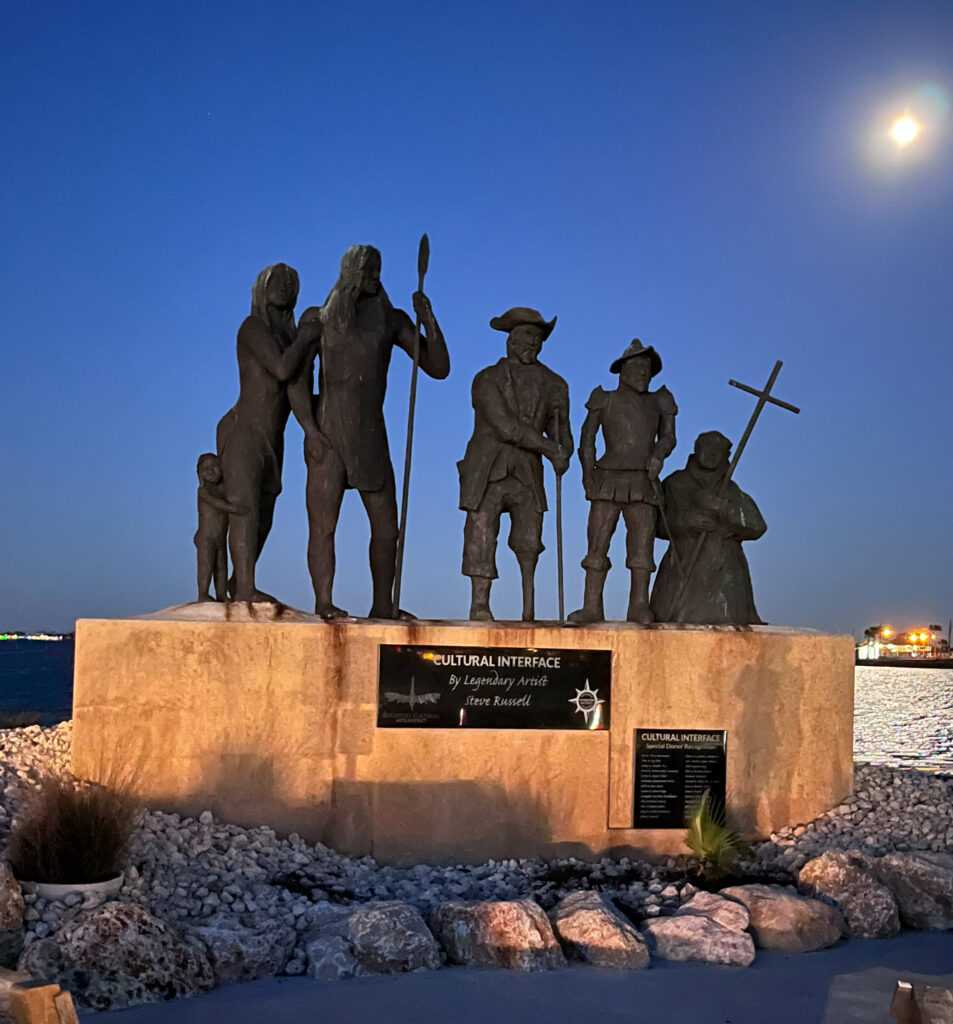
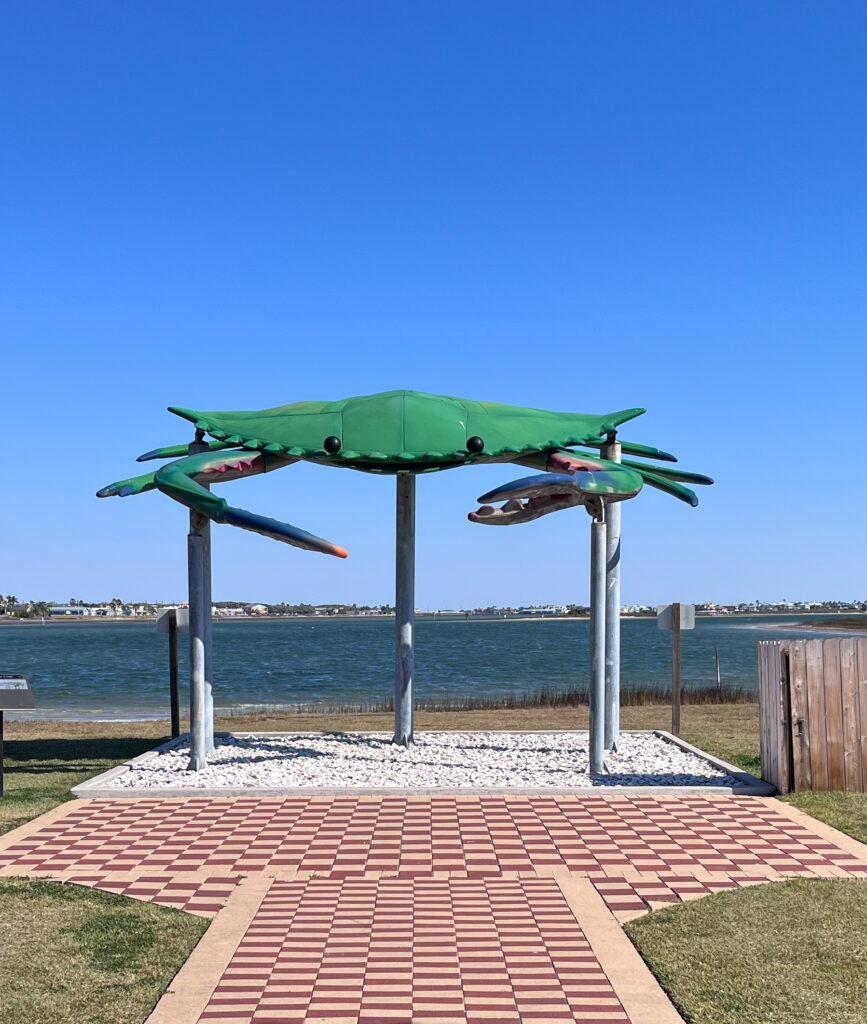
Beside the tranquil waters of Little Bay in Rockport, TX, stands a bronze statue depicting a group of figures. I drive past it almost daily. It was here when I last visited about a year ago. I even stopped and photographed it one morning because it was dramatically silhouetted in a glorious sunrise on my way to the beach. Even though I saw it frequently, I didn’t really see it. Not far from the sculpture stands a giant crab, a familiar sight for tourists that’s easy to pass without really looking. We do that, as humans. We go about our day taking things for granted. Living on the surface. But how often do we stop and smell the roses, as the saying goes? Well, this extended stay in Rockport has invited me to slow down and do just that. And my observation of this lack of seeing inspired me to purposely look at things, which then inspired me to do a little project, which inspired me to challenge myself to do a project each month. So here goes …
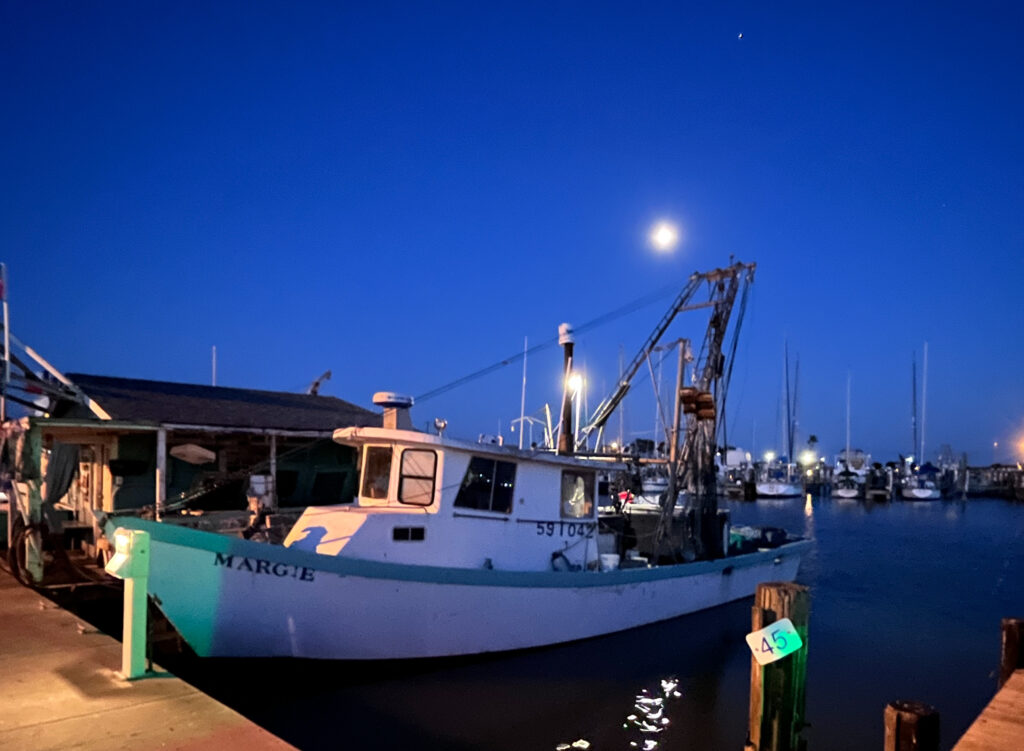
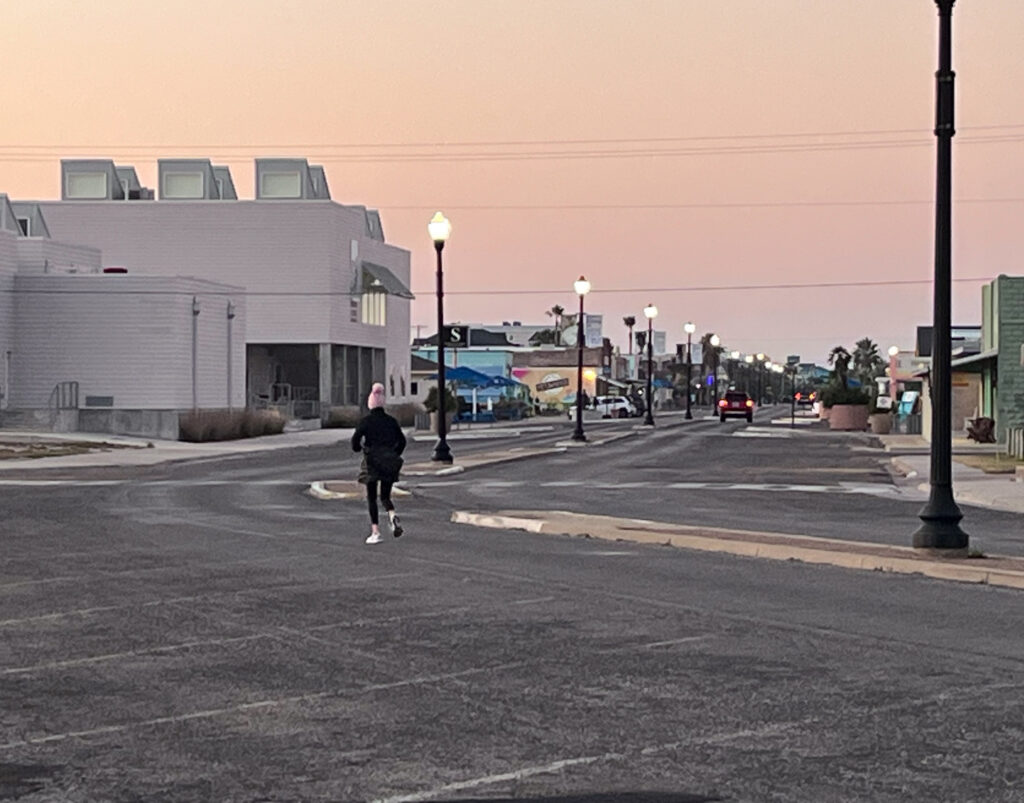
I decided for the first project (January) to simply photograph things at different times of the day just to see how they appeared in different light. So, I chose some things … the sculpture by Little Bay, the giant crab, Marge – the fishing boat, a larger boat, the view of the old downtown from beside the shell shop, and a couple of other things. Then I set up my parameters – I would photograph them at sunrise, morning, afternoon, sunset, and night. True to my MO, I saw the big picture and neglected to think about how it would actually feel to drive to the location five times a day (in any weather, even after dark), although I apparently live in a geographical oddity where everything is four or five minutes away—still, I was committed.
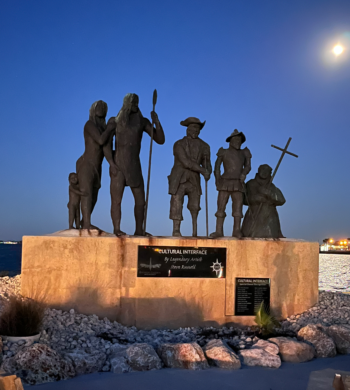
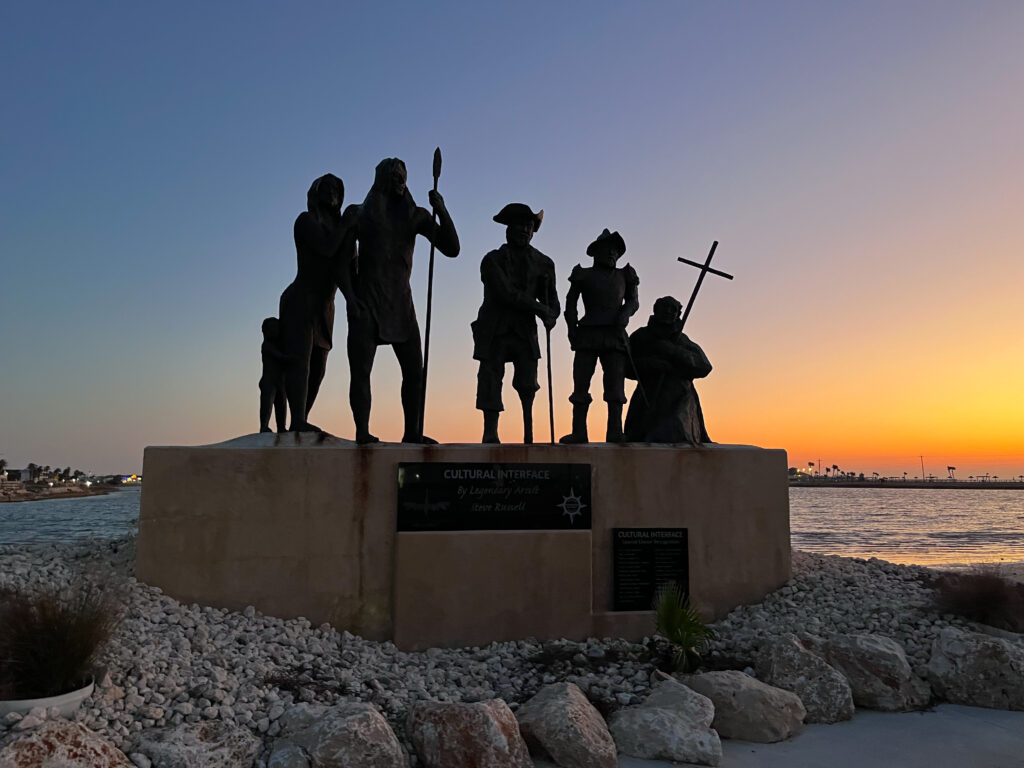
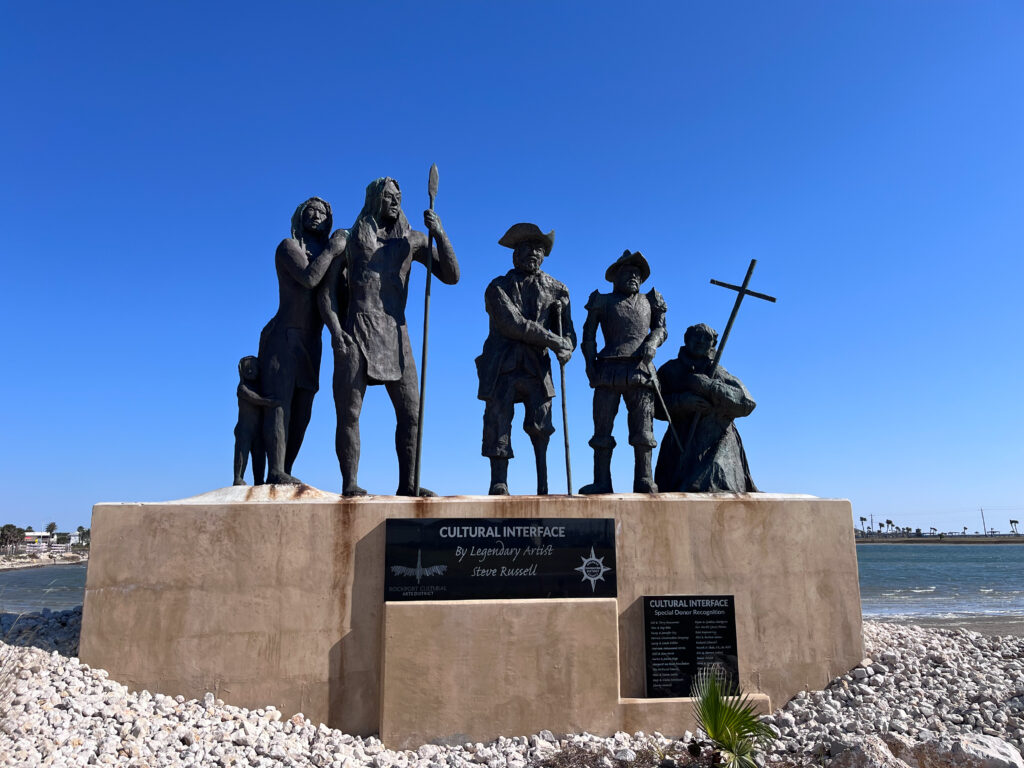
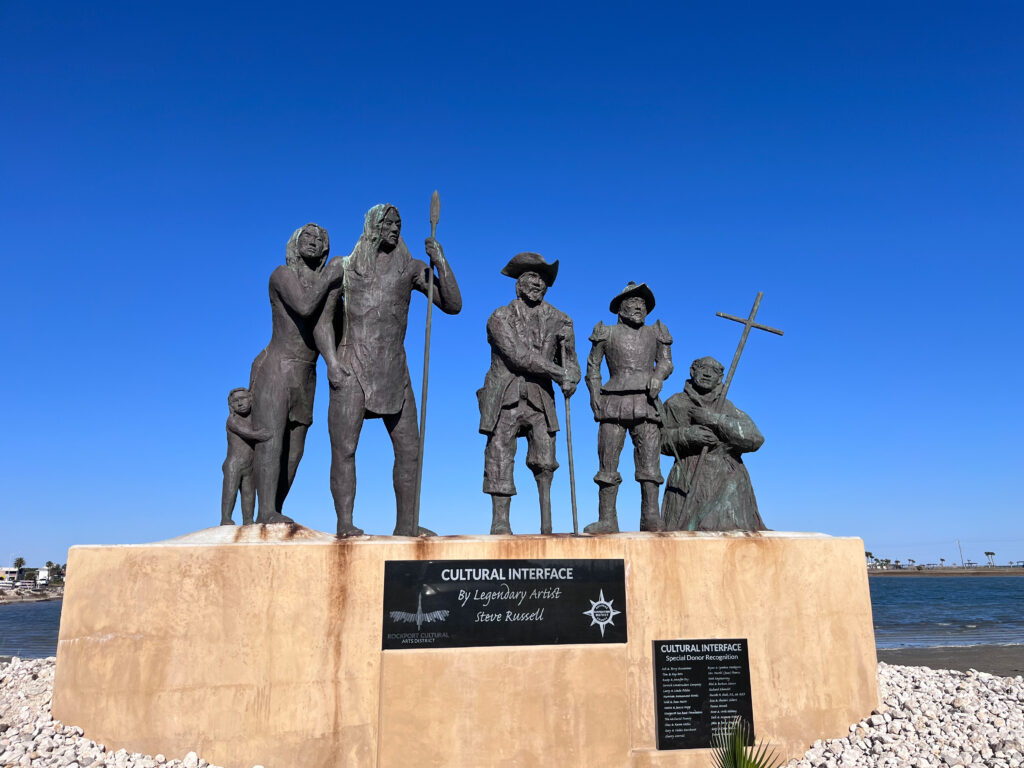
My first subject was the sculpture by Little Bay, which honestly, I knew nothing about. Turns out it is titled “Cultural Interface” by Texas artist Steve Russell and was unveiled in December of 2023. On the first day I rolled out of bed, got dressed, and left the house before sunrise. It was a particularly cold and windy morning. I sat in my car for a few minutes until I saw the beautiful orange color silhouetting the sculpture. I made a mental note of where I stood for each shot, took the shots, and returned quickly to my car. Done. When I returned for my second shots, the sky was a gorgeous blue, and the light was hitting the faces of most of the subjects. I noticed there was a sign with a QR code, so I opened the link as I hurried back to my warm car. When I got home, I read the information about the artist and the sculpture. The figures were representational of the cultural history of Aransas County and feature a family of three Karankawa’s, a group of Native Americans who lived in the area, a Spanish Conquistador, a pirate, and a monk. On the third visit to photograph the sculpture, I really looked at it. The sky was still a beautiful blue, but the angle of the light had shifted and illuminated the whole front of the subjects. This time I noticed the beautiful patina on the hair of the Native Americans. I noticed the peg leg on the pirate, the garments of the Conquistador, and the compassionate look on the monk’s face. When the time for the sunset photo rolled around, I didn’t really want to go again. I wondered if someone had been watching me on each visit, standing in the same place over and over—would they think I was crazy? Or maybe they would question their own sanity: didn’t I see that very same sequence of events earlier today? Anyway, I went and was glad I did. The sky faded from a powdery blue into a pale orange that blended into a pinkish purple. Such a soft, beautiful sky! I knew the color would disappear quickly, so after I enjoyed the sunset for a short while, I decided to go pick up something for dinner and then come back after dark for the last photo of the day. Moonlight and the lights from town lit the sky with a soft blue glow, though to the naked eye it seemed dark. So, one subject was completed and I felt satisfied.
I went on to photograph several other things with similar results. The crab had a storied history: first installed in 1957 atop a local restaurant, it was moved, repaired, and repainted over the years, surviving hurricanes before eventually being rebuilt by the community—and again rebuilt after Hurricane Harvey. I also photographed the historic downtown cultural district, observing the streets transform from a lone jogger to crowds flowing from coffee to shopping to dinner.
All in all, I’m glad I completed this project. Even though I occasionally had to make myself go, I followed through. There’s a quiet trust that grows when you do what you say you’re going to do. I learned things about the community that deepened my belief in the importance of the arts in Rockport and gave me a little more insight into its history. And mostly, I slowed down. I took the time to really look at things and be an observer in this little town that I love, feeling more a part of the community rather than like a visitor.
I’m looking forward to beginning my February project!
I don’t know exactly what comes next yet after this pause. Not in a dramatic way — I’m just here, in the quiet of these winter days by the sea, learning to trust the rhythm of life as it unfolds.
Winter finally arrived in Rockport. A couple of nights below freezing, and the warmth of the mid-70s is gone — at least for now. The chill settles in, making me aware of my breath, my hands, and the slower way my body moves. This morning, I went for a walk, moving deliberately and noticing how good it felt simply to move. There was no destination. Just movement. Just showing up.
I’ve been thinking about strength lately. Not the loud, visible kind. Not the “before-and-after” kind.
The quiet kind that builds when you keep choosing small, doable things — a walk, a creative moment, a pause — even when you don’t know exactly where they’re leading.
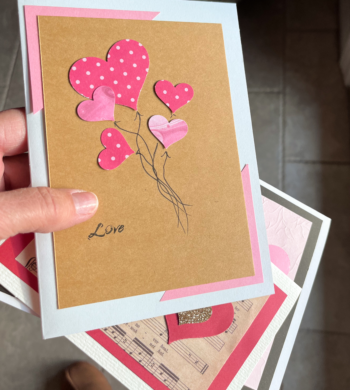
Over the weekend, I took an art class. It felt easy and unhurried — just sitting with color and paper, letting things take shape without trying to make them anything more. That was enough.
I don’t know what shape my life will take next. But I’m starting to trust the rhythm of these days, by the sea.
Walking. Creating small things. Letting winter slow me down instead of resisting it.
I’m loosening my grip on the idea that clarity has to arrive before movement. Maybe movement is what brings clarity — one step, one brushstroke, one cold morning at a time.
What if this season isn’t asking me to decide anything at all? What if it’s simply asking me to stay present?
For now, this is where I am. I’ll keep walking and see what reveals itself.
I didn’t wake up one morning and decide to set out — but I had been imagining it for a long time.
Before I ever packed a bag or stepped into this season of slow, nomadic travel, there was a quieter beginning. Long before the movement, there was downsizing — sorting through years of accumulated things and thoughtfully deciding what to keep, what to release, and what no longer fit the life I was stepping into. The process took time, intention, and more emotional energy than I anticipated. In many ways, it was the first act of becoming a nomad.
Looking back, I can see how letting go of physical things created space — not just in my surroundings, but internally as well. What followed wasn’t a dramatic departure, but more of a gentle unfolding. A month of preparing and releasing gradually gave way to three months of movement, exploration, and learning how to live more lightly.
I’ve walked beaches along the Atlantic and the Gulf, dipped my toes into two of the Great Lakes, climbed lighthouses, and wandered quiet trails that encouraged me to slow down rather than rush ahead. I tasted local foods, explored without an agenda, and learned to move through places without hurrying toward the next one.
Along the way, I’ve witnessed the quiet magic of nature: manatees gliding through the water, foxes darting across my path, chipmunks and wild turkeys going about their days, and seabirds tracing graceful arcs across the sky. I’ve stood beneath brilliant fall colors, experienced a light dusting of snow, and — somewhat improbably — found myself swimming in late November.
Some of the most meaningful parts of this journey have been the people. I’ve spent time with two of my sisters, visited Amy and her family, Ryan and his family, and shared unhurried moments with my mother. I reconnected with a dear friend I had met years ago in Italy, a reminder of how deeply some connections endure across time and distance. I also spent time in person with a close friend I had once taught with in Japan, catching up in a way that felt grounding and familiar. Along the way, I was met with kindness from strangers — small gestures that lingered longer than expected.
What continues to surprise me most is how this life — outwardly full of movement — has brought a sense of inner steadiness. I’ve seen mountains, beaches, lakes, and everything in between — and more than that, I’ve learned how little I actually need to feel content. Each place, each mile has been less about change and more about alignment.
Now, as this post is published, I’ve settled into a two-month stay in a small coastal town — a sort of wintering without fully stopping. It feels like a natural pause in the movement, a chance to live a little slower while staying open to what unfolds.
This chapter isn’t about checking off destinations or collecting experiences for their own sake. It’s about paying attention — to landscapes, to people, and to myself. It’s about discovering that freedom can be both expansive and quiet at once, and that this quieter freedom is creating room to imagine what comes next.
As this journey continues, I’m holding it loosely — allowing space for rest, curiosity, and whatever unfolds in its own time. These past months have reminded me that life doesn’t always require us to know the whole path ahead. Sometimes it simply invites us to begin.
So, where have I landed for an extended stay? I’ve landed in the small coastal fishing town of Rockport, a place I’ve dreamed of living in more than once. The town has a slower pace and a small-town vibe that matches what I am craving right now. Slow, quiet walks on the beach, the hiking trail, or even through town all invite me to reflect and slow down. And so far, that is just what I have done. After a few weeks of preparing, a few months of traveling, and the busyness of the holidays, I knew I would be ready for a pause.
One thing that I love about Rockport is the art scene. For a small town, it has a big artistic presence. It has several art galleries, an art makers market, and the Rockport Center for the Arts which is “a multidisciplinary arts hub” and is not something you would expect to find in a little fishing town. It actually features local and national artists and always has a variety of offerings from gallery exhibits to events and education. The town is also home to quite a few very talented artists. And then there are the murals … with their beachy, artsy vibe. You might say that art is the heartbeat of Rockport.
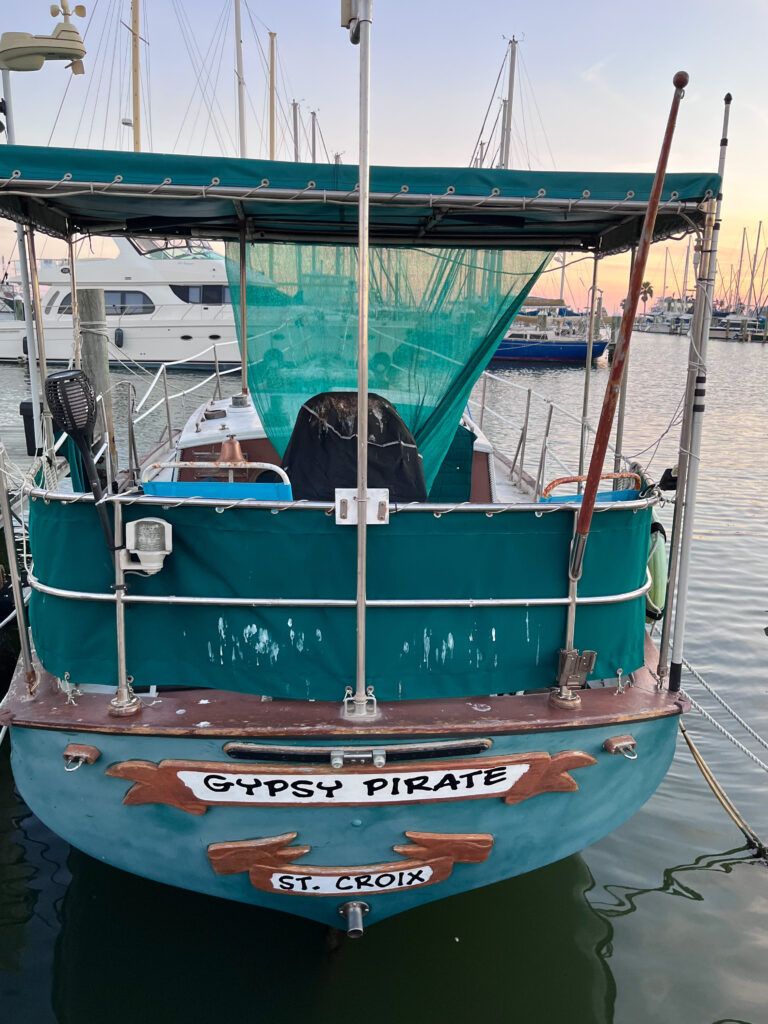
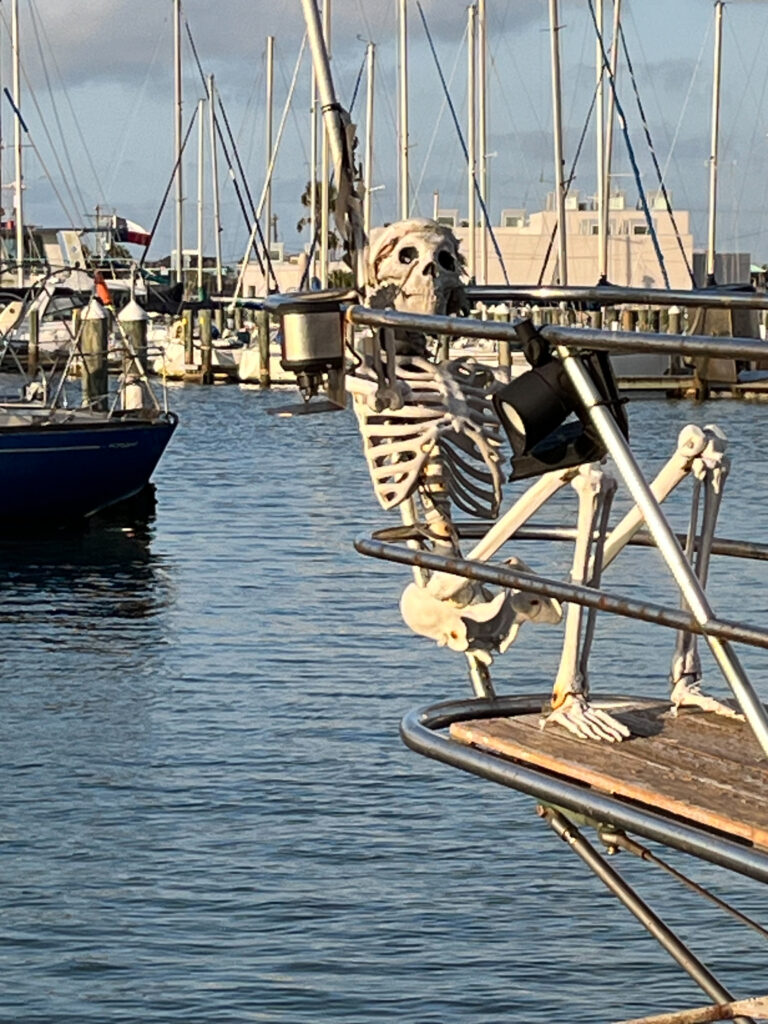
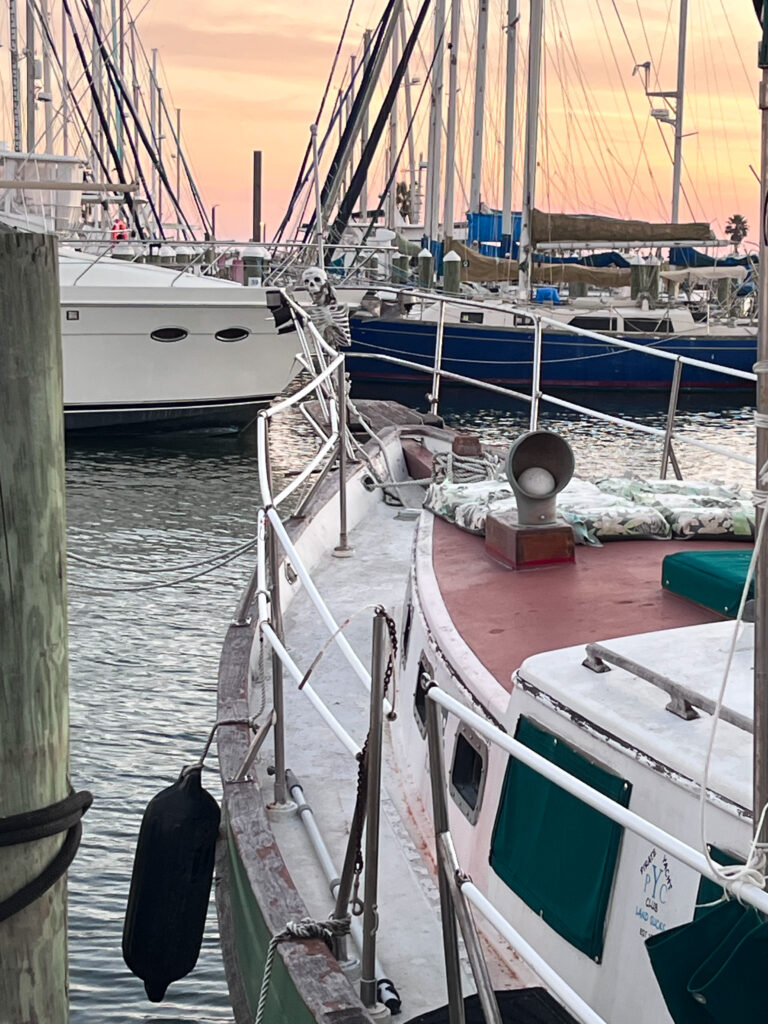
I’m sure there are others who would say that fishing is the heartbeat of Rockport. Quite honestly, I think that fishing might be the main reason most people come to Rockport. I’m not really very interested in fishing, but I have photographed the bait shops and fishing boats many times. And actually, I probably have photographed them every time I’ve been here. The same colorful bait shops are always here welcoming me back. It’s kind of grounding to see things remain the same over time. I love to just walk along the marina and look at the many and varied boats. There are a couple of sailboats that I recognize from one visit to the next – the Gypsy Pirate with its skeleton crew and the Irish Rover with its mermaid figurehead. Friendly reminders that some things remain the same, but just age with the weathering of time.
I suppose another group of people might consider nature the heartbeat of Rockport. There is the quiet draw of the sea, the nearby state park, and the many waterbirds that call Rockport home—or, like many people, are winter Texans. And then there are the outdoor activities like hiking, kayaking, paddleboarding, boating, birdwatching, beachcombing, photography, dolphin watching… and that’s all available here in town without mentioning nearby opportunities.
I’ve been here two weeks now and haven’t done much more than settle in, walk, and breath in the salty air. This pause feels like a huge exhale. I know I am blessed to be able to embrace this nomadic life, which allows me to travel slowly and to pause when I feel the need, allowing me the space to listen to my inner voice and trust myself. For this brief pause, this is my home base.
Have you ever paused in a place that feels like home, even for a little while?
I’ve been at the condo I’m renting now for six days, wintering in a small coastal town by the bay, and this first stretch has been less about doing and more about arriving.
When I first got here, there were a couple of things that made it hard to settle in right away. The kitchen wasn’t as clean as I needed it to be, so I rewashed all the dishes, cleaned out the cabinets and pantry, and reorganized everything. I realized quickly that I couldn’t fully relax in the space without doing this first. Even though the kitchen is small, I worked through it slowly over a few days, running the dishwasher, handwashing certain items, and putting everything back in a way that felt right.
Once I knew the kitchen hadn’t met my standards, it also felt necessary to clean the rest of the condo. Not in a rushed or anxious way—just methodically, until the space felt calm and breathable again. Only then did it feel like a place I could actually land.
I made a grocery run for basic supplies and picked up takeout a few times. I gave myself permission to be a little indulgent before beginning the more intentional work of healing and change. There was no urgency, no sense that I needed to get everything “right” immediately.
What feels different this time is how open my days are. I don’t know anyone in this town. I don’t have work shaping my schedule or responsibilities quietly dictating my time. There’s no familiar structure to lean on—just me, a quiet condo, and the freedom to decide how each day unfolds. And instead of feeling unsettling, that openness feels incredibly good.
Mostly, I’ve been still.
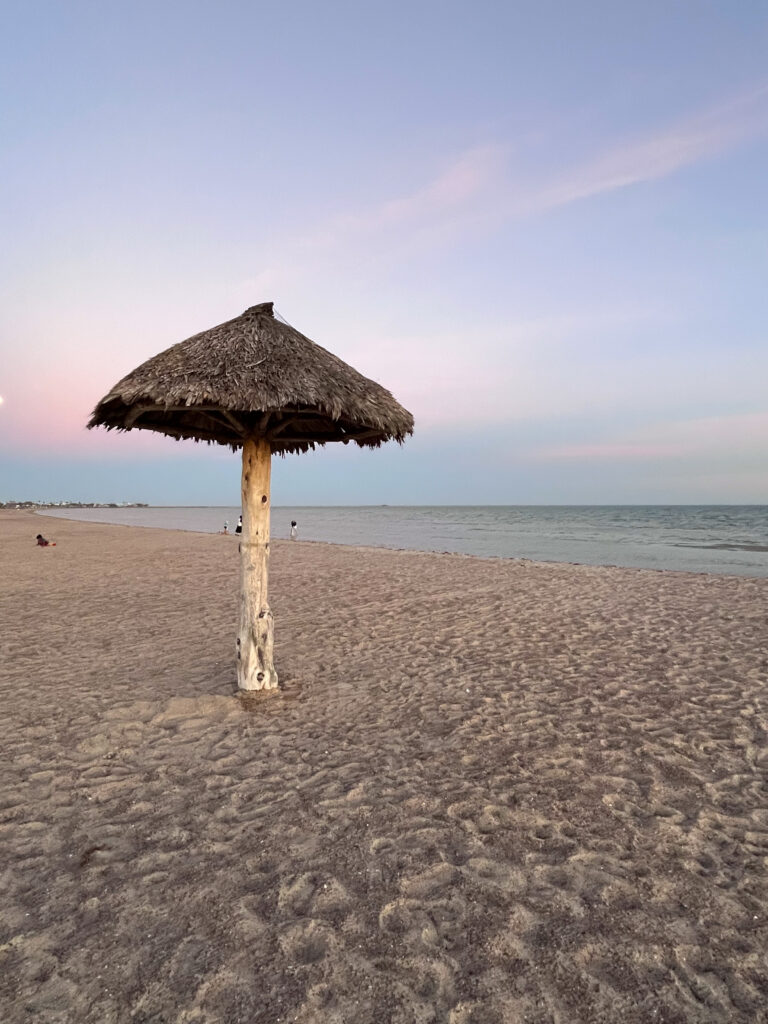
I’ve watched the sunrise and sunset from my balcony overlooking the bay. Some mornings begin with a quiet walk along the beach, the air cool and the shoreline nearly empty. I’ve stretched gently, letting my body wake up slowly. I’ve lingered with my tea, watched kayakers drift by, and smiled as pelicans—one of my favorite water birds—dive awkwardly into the water for their meals. One evening, I poured a glass of wine and sat quietly as the sun slipped below the horizon, doing nothing more than noticing the light as it faded.
I’ve walked the beach without an agenda. I haven’t found any shells yet, but I waded into the cold water and felt the sand shift beneath my feet. I discovered a walking trail nearby and have a feeling I’ll spend more time there in the days ahead.
Beyond those small moments, I haven’t done much—and that feels exactly right.
This first week has been about giving myself room to arrive fully. To breathe. To let my body settle before asking it to change. To enjoy the luxury of unstructured time before layering in routines, projects, or plans.
There will be art classes and exploring. There will be longer walks, a fitness rhythm, better eating habits, and early mornings searching for whooping cranes wintering nearby. I want to find shells. I want to learn this place. All of that will come.
For now, this part matters too. The part that doesn’t look especially productive on the surface, but feels deeply restorative underneath.
This isn’t transformation yet—it’s preparation. A gentle clearing. A true settling in.
As the year draws to a close, I always feel a quiet pull to turn inward. While the world seems to speed up with holidays, plans, and expectations, I instinctively slow down. This has become one of my most meaningful annual rhythms—a time to reflect, take stock, and gently imagine what might come next.
Each year, I create a new list—one I’ve been making annually since 2013—of 100 ideas for the year ahead. It’s not a rigid checklist or a set of resolutions meant to be conquered. Instead, each list is a snapshot in time: a collection of possibilities shaped by where I am in life that year. I keep these lists and return to them occasionally, not to measure success, but to reflect on how my interests, priorities, and sense of curiosity have evolved. Each year, my list returns to familiar themes: places I want to visit, books I hope to read, habits I’d like to build, skills I’m curious about, and experiences I want to try—even if I’m not sure how or when they’ll happen. Some things shift year to year, but these anchors remain.
At the end of the year, I look back at that year’s list and see what found its way into my life. Some items are neatly checked off. Others remain untouched. A few surprises appear—things I never could have planned, but that mattered deeply all the same. I’ve learned not to judge the list by how many boxes are checked. Instead, I notice patterns: what I was drawn to, what I made time for, and what quietly fell away. At the same time, it’s satisfying to see how many items I actually checked off—this year, I completed 60, a tangible reminder of the experiences and moments that curiosity and openness can bring.
As part of this reflection, I also pause to consider the one thing that really defines the year—the experience, lesson, or theme that stood out most over the past twelve months. It’s a way to see the shape and story of the year, capturing what truly mattered amidst both the ordinary and extraordinary moments.
Then comes the gentle sorting. Some unfinished ideas roll forward into the next year, still carrying energy and possibility. Others are released—not because they failed, but because they no longer fit. Letting go has become just as important as dreaming.
I started this practice in 2013, the year I moved to North Carolina. Everything felt new then—towns to explore, trails to walk, seasons to experience. The list became a way to say yes to curiosity and to life itself.
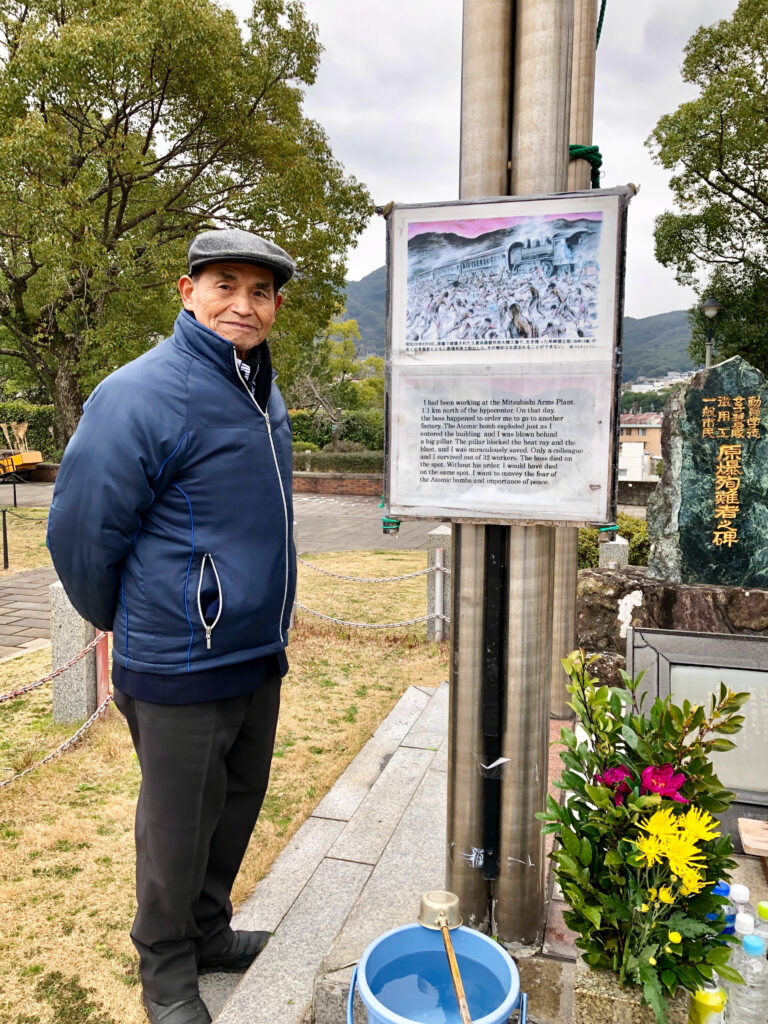
Over time, this practice has shaped my life in ways I couldn’t have predicted. By staying open to what landed on those lists, I’ve found myself swimming with manatees, volunteering alongside sea turtles and witnessing hatchlings make their way to the sea, ziplining despite a lifelong fear of heights, spending a summer in Italy, and traveling as far as Cambodia. I walked on Christo’s The Floating Piers in Italy—an especially meaningful experience after first learning about his work during my undergraduate studies. In Japan, I stood on an active volcano as smoke rose from the earth beneath my feet, and in Nagasaki, I spoke with a survivor of the atomic bombing at the Peace Memorial. I’ve also ridden the Bernina Express through the Swiss Alps, watching the landscape unfold slowly outside the train window. None of these moments came from rigid planning—they came from openness and a willingness to say yes when life offered something unexpected.
Nagasaki bombing survivor. Nagasaki, Japan
A few years ago, another idea found its way into this tradition. I read an article by a young man named Kevin who realized his life had become too narrow, too focused on routine. He created a simple rule for himself: every other month, he and his son would go on an adventure together—something out of the ordinary, something that invited joy. He called it Kevin’s Rule. I loved the simplicity of it. No pressure. No perfection. Just a commitment to experience more life. So I adopted it too, adding a small chart at the end of my list to plan and reflect on these intentional adventures throughout the year. Sometimes they’re big. Sometimes they’re incredibly simple. But they always remind me that joy rarely arrives by accident; it shows up when we make room for it.
Another idea I adopted came from reading about the practice of adding one new habit each quarter. I loved the gentleness of this approach—no overhauls, no all-at-once transformations. I started this about a year ago, and it’s been surprisingly powerful. By focusing on small, intentional changes, I’ve been able to add healthier habits into my life, like morning breathwork and getting early sunlight at the start of the day. When habits are added slowly and thoughtfully, they tend to stay.
Out of this reflection naturally comes direction. During this inward season, I also spend time setting goals for the year ahead—but they grow out of listening, not pressure. I try to keep them realistic and achievable, shaped by what the past year has taught me. I break ideas into small action steps and loose timelines, not as demands, but as gentle guideposts. This part of the process energizes me and helps me move forward with clarity rather than urgency.
Winter, for me, has always been a season for this kind of work. A time to turn inward, to recharge, and to reflect on what’s been—and to reimagine what could be. It’s not about doing more. It’s about paying attention, honoring what matters, and moving forward with intention when the time is right. And when I emerge from this quiet season, I carry with me a sense of clarity and possibility, ready to step into the new year with openness, curiosity, and purpose.
Some moments in life arrive quietly — a story we hear, a sentence that lingers, a spark that nudges us toward something braver. For me, that spark came while driving to my next stop on this journey, listening to a podcast featuring Shonda Rhimes — the brilliant creator of Grey’s Anatomy. She shared how, even after all her success, she realized she had been living small. She often said no to opportunities — interviews, speaking engagements, events — because she was shy and preferred to stay home.
Then she made a decision that changed everything: for one year, she would say yes to the things that scared her. Yes to showing up. Yes to being seen. Yes to growth. That commitment not only transformed her life but also inspired her to write her book Year of Yes. By the end of that year, she had become a different person — more confident, more open, more alive.
Listening to her story, I felt such a connection. In many ways, this new chapter in my life is my own version of saying yes. It was scary to sell nearly everything I owned, leave behind what was familiar, and begin life as a nomad — traveling full time and not knowing exactly what each next stop will bring. But it was something I had dreamed about for years.
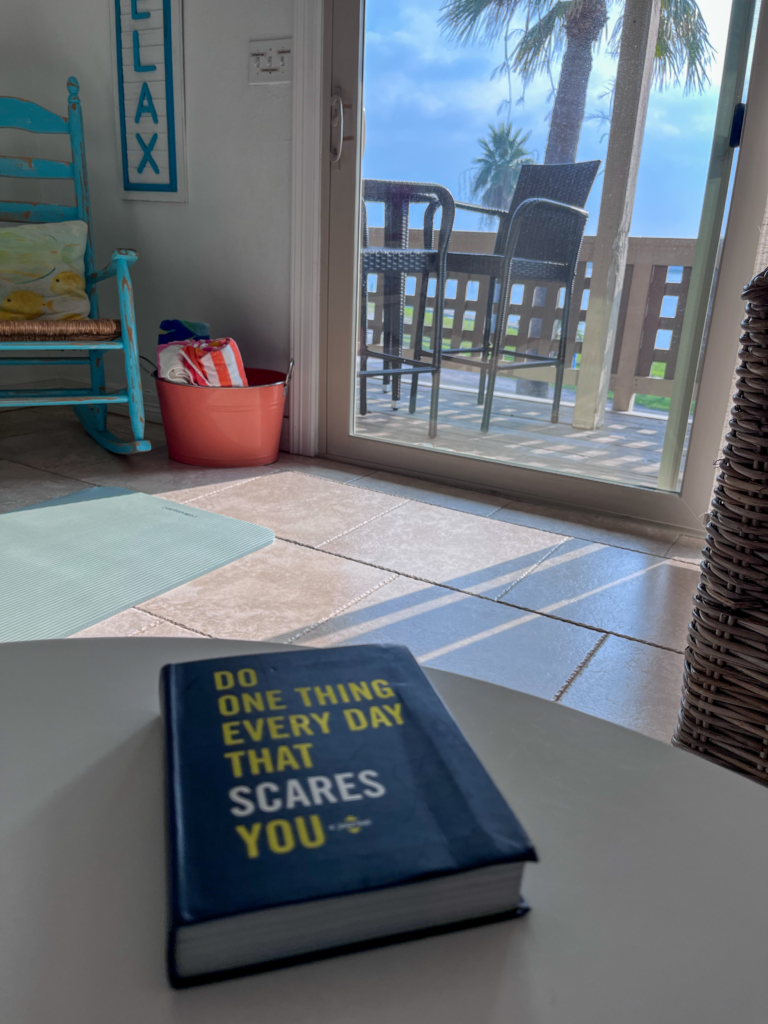
And honestly, saying yes to the things that scare me isn’t new. I’ve carried a fear of heights for as long as I can remember — the kind that makes my stomach drop on even a third-floor balcony. Then one year, my son gave me a journal-style book all about feeling the fear and doing it anyway. It was the push I needed.
Slowly, I started choosing courage on purpose. I went ziplining over a river in the mountains — absolutely terrifying, yet somehow exhilarating. I drove over the “scariest bridge in America” with knuckles so tight I’m amazed the steering wheel survived. And in Japan, I inched across a shaky rope bridge I nearly talked myself out of.
None of those moments erased my fear of heights. But each one reminded me that I’m stronger than the voice that says don’t.
I think many of us go through life doing what we’re supposed to do — checking off the boxes, following routines, and putting off the things our hearts quietly long for. We dream of adventure, creativity, or change, but fear whispers all the reasons why we shouldn’t take the leap.
For me, this journey is about courage and trust — saying yes to the unknown, yes to new places, and yes to becoming who I’m meant to be. Every time I choose to step forward instead of step back, I discover a little more freedom.
And maybe that’s the quiet beauty of saying yes: we don’t have to become fearless — we just have to become willing.
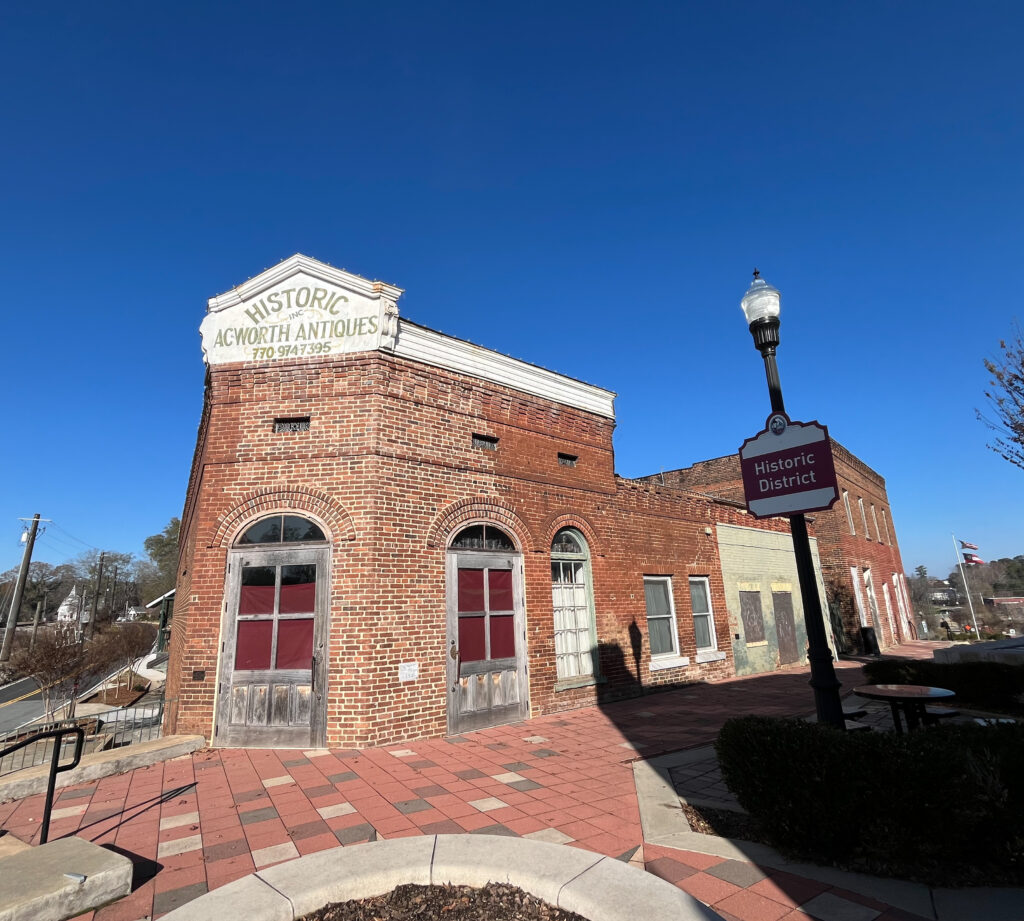
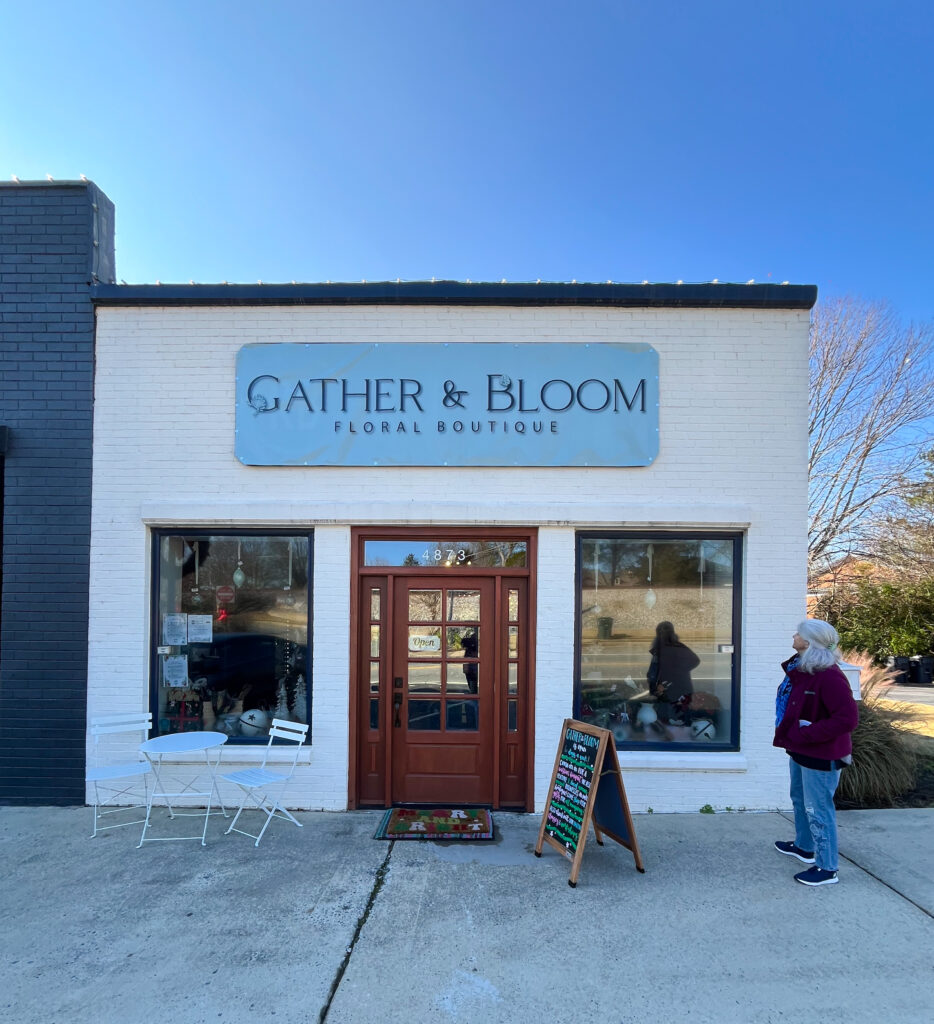
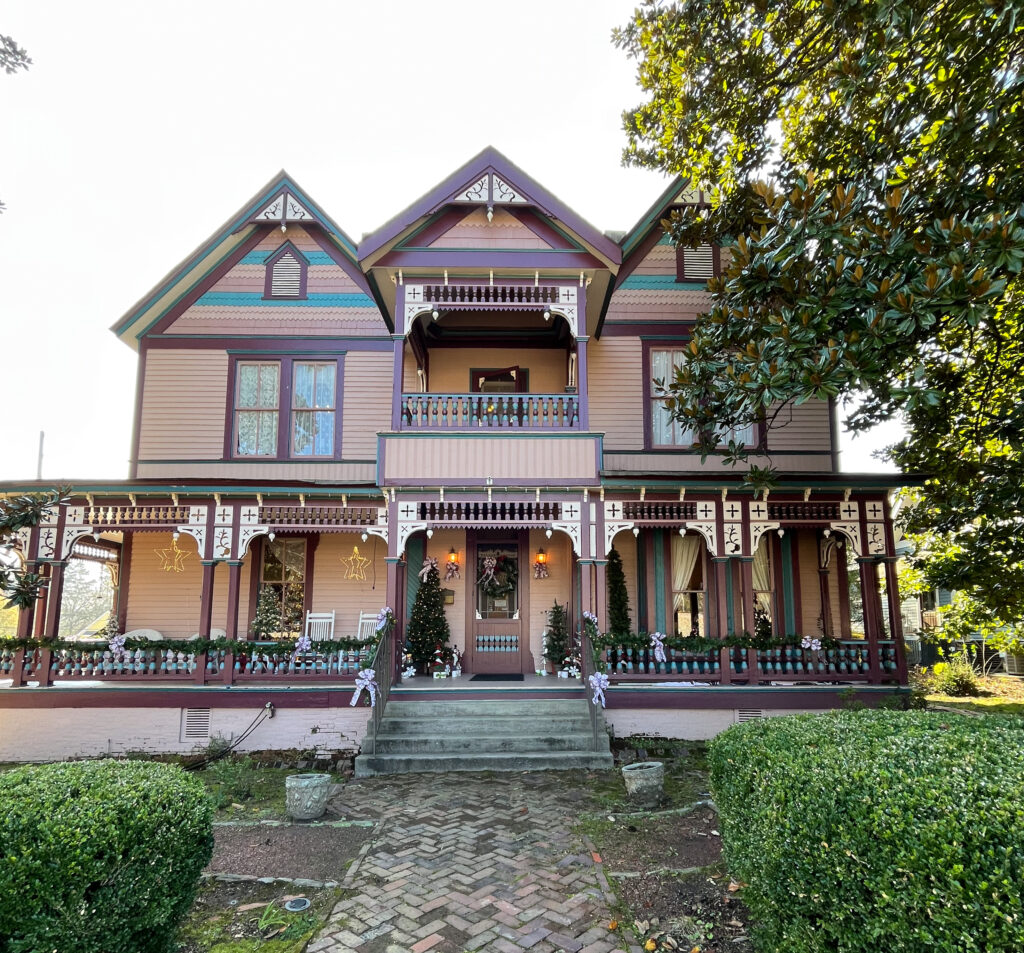
I recently visited Acworth, Georgia—a charming lakeside town tucked into the foothills of the North Georgia mountains. Known as “The Lake City,” Acworth sits along the banks of Lake Acworth and Lake Allatoona, with quiet water views, a historic downtown, and that unmistakable Southern warmth that makes you want to slow down and stay a while.
But my visit to Acworth wasn’t just about exploring a new place. It was about reconnecting with a friend I met years ago, in one of my favorite places in the world: Italy.
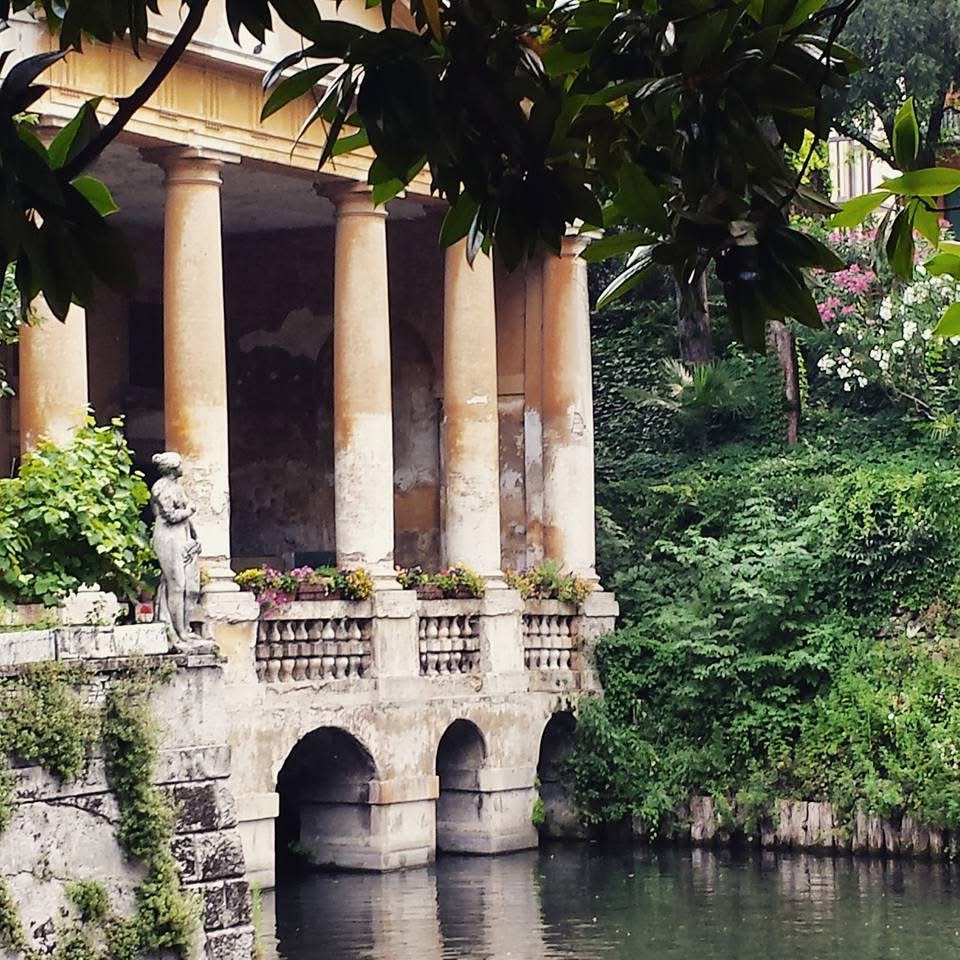
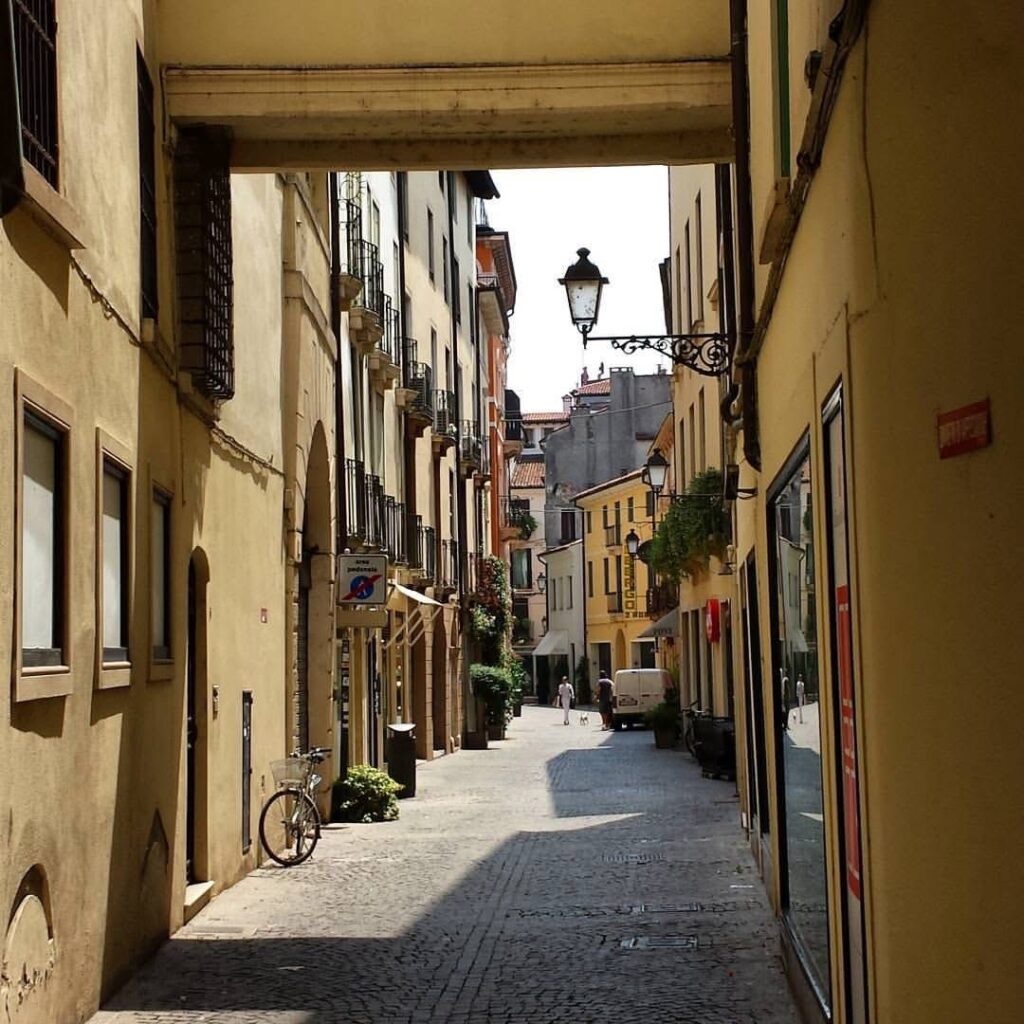
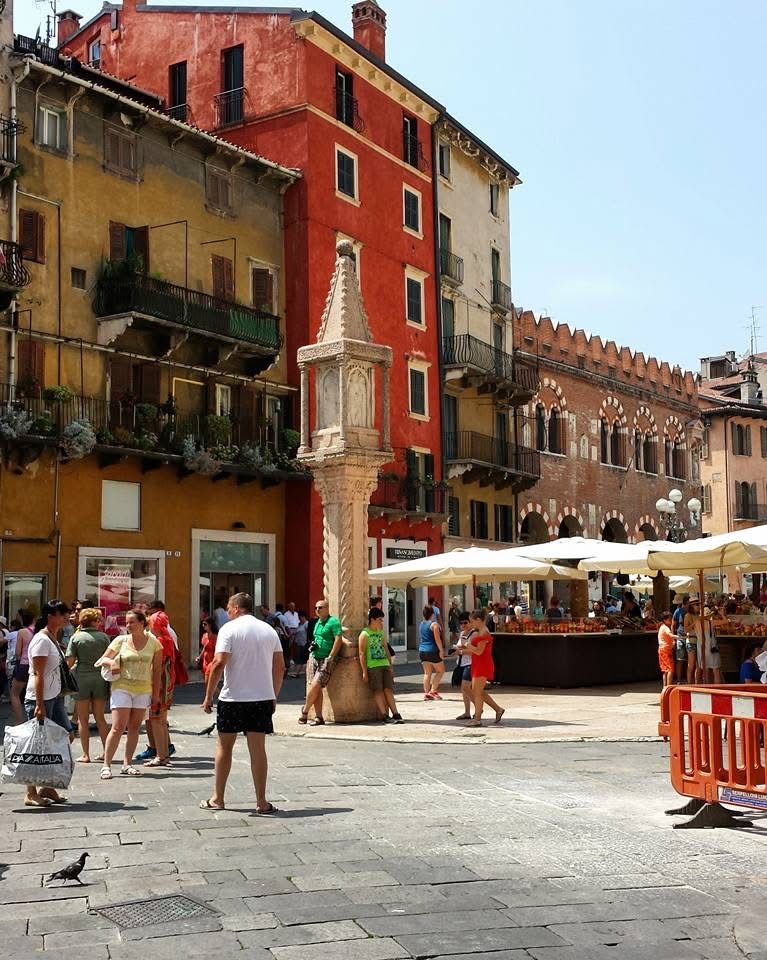
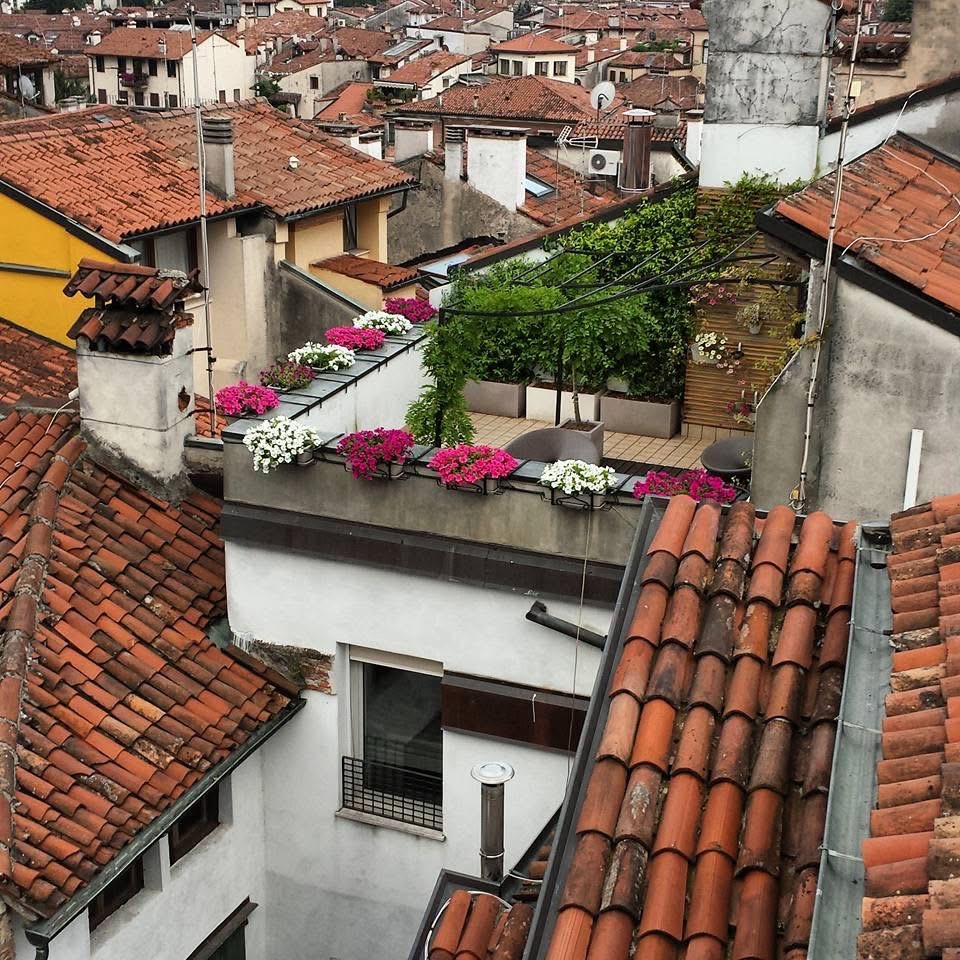
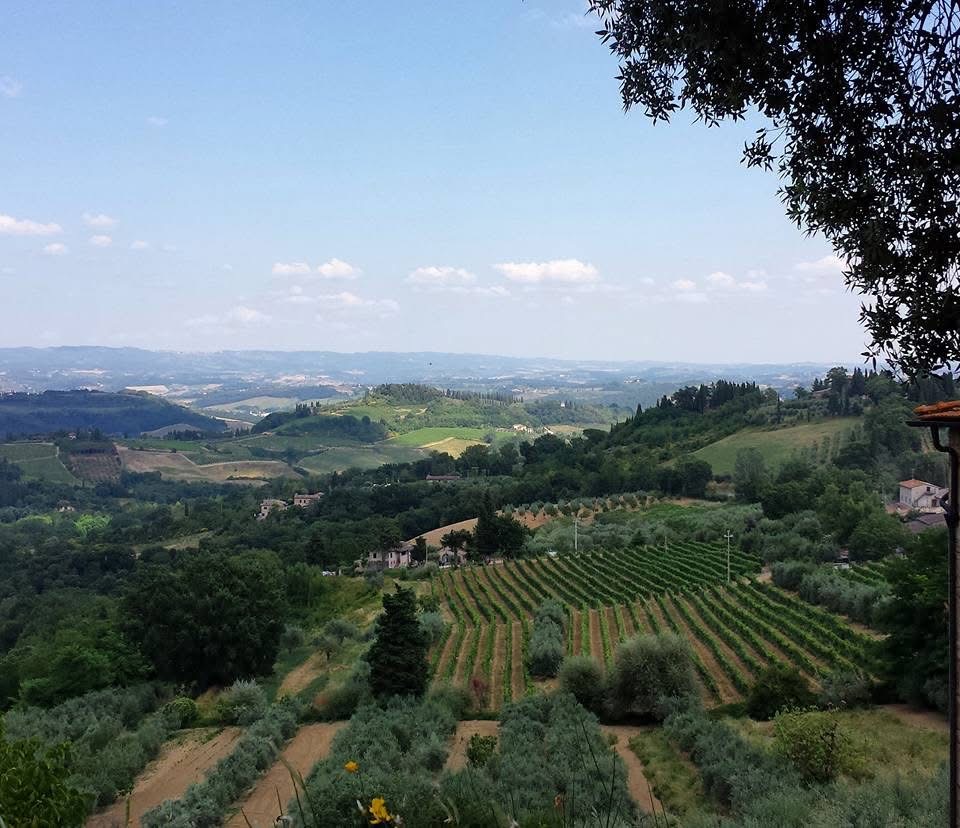
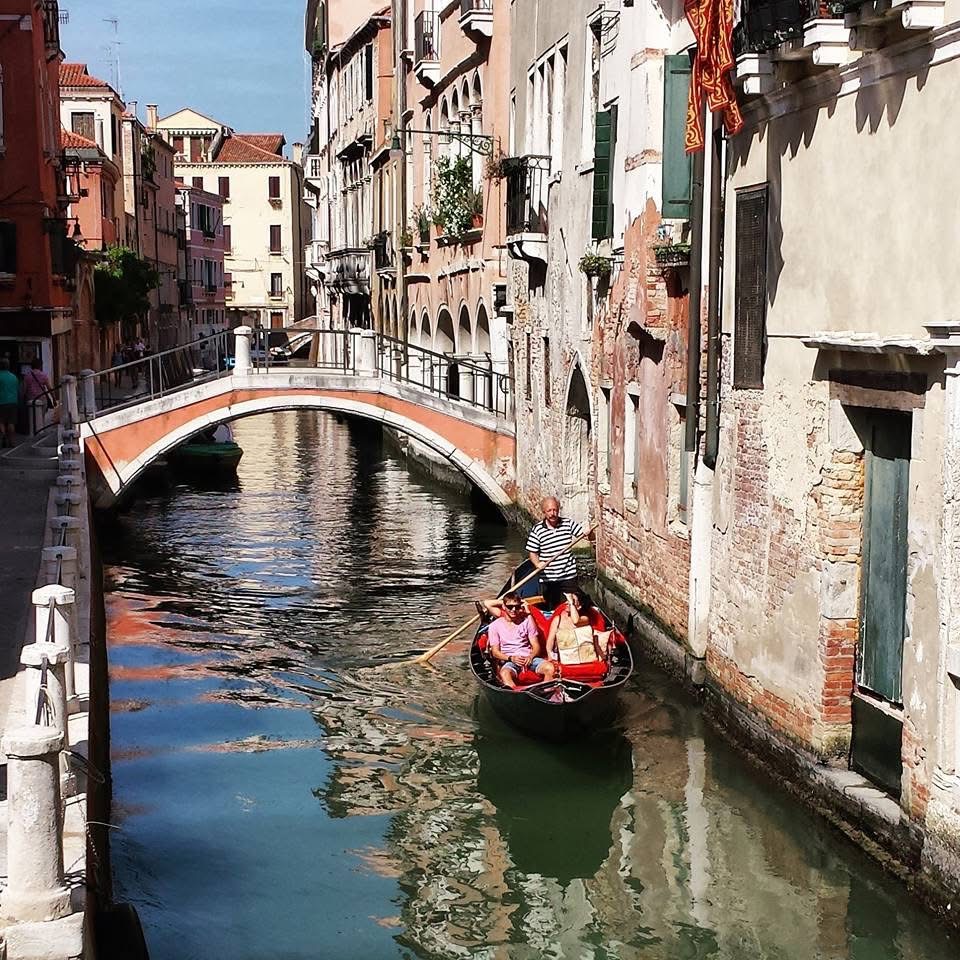
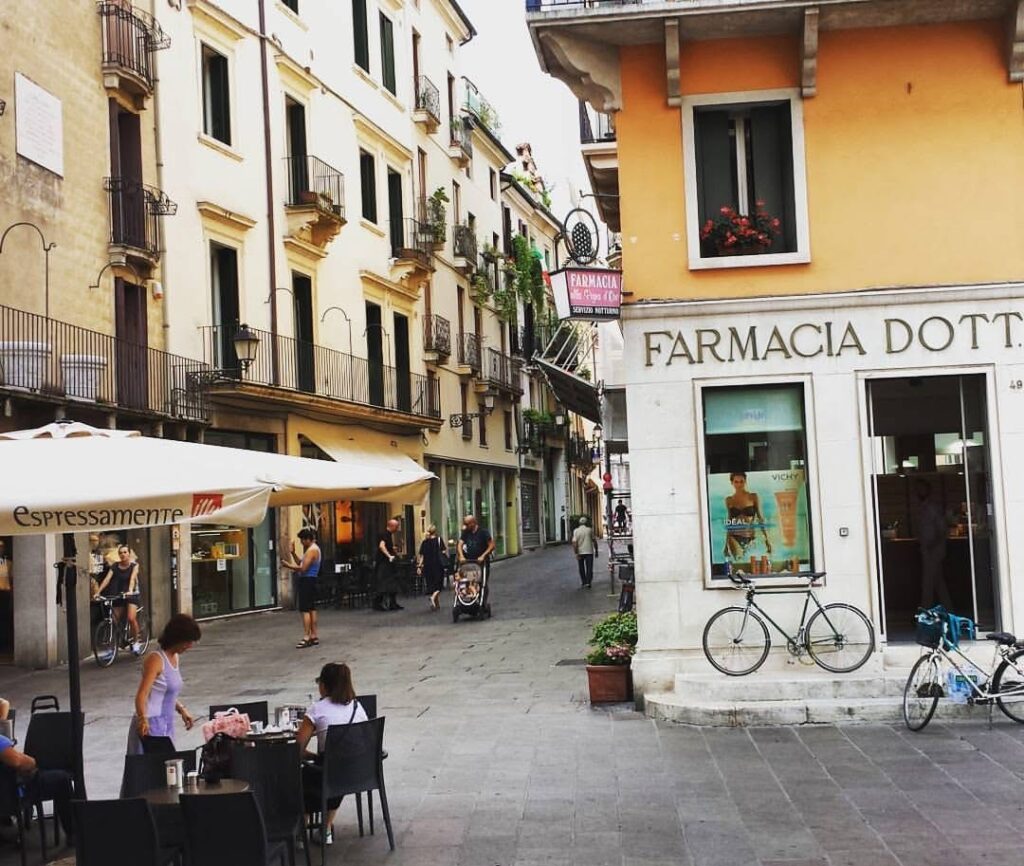
Several years ago, I spent a summer living alone in Vicenza. I didn’t know a single person when I arrived—not in the city, and not in Italy at all. The only connection I had was my work as a DODEA teacher, which allowed me base access and the chance to join excursions organized for the military community. I spent my days wandering cobblestone streets, hopping on trains to nearby cities, and studying in the base library as I finished postgraduate coursework. I had been learning Italian and tried to practice whenever I could, though many locals would kindly reply in English.
One afternoon, while out in town, I met Gail—an American whose husband was working on the base. We became instant friends, one of those rare people you click with immediately, as if you’ve known them for years. From that moment on, the summer blossomed into a series of unforgettable adventures.
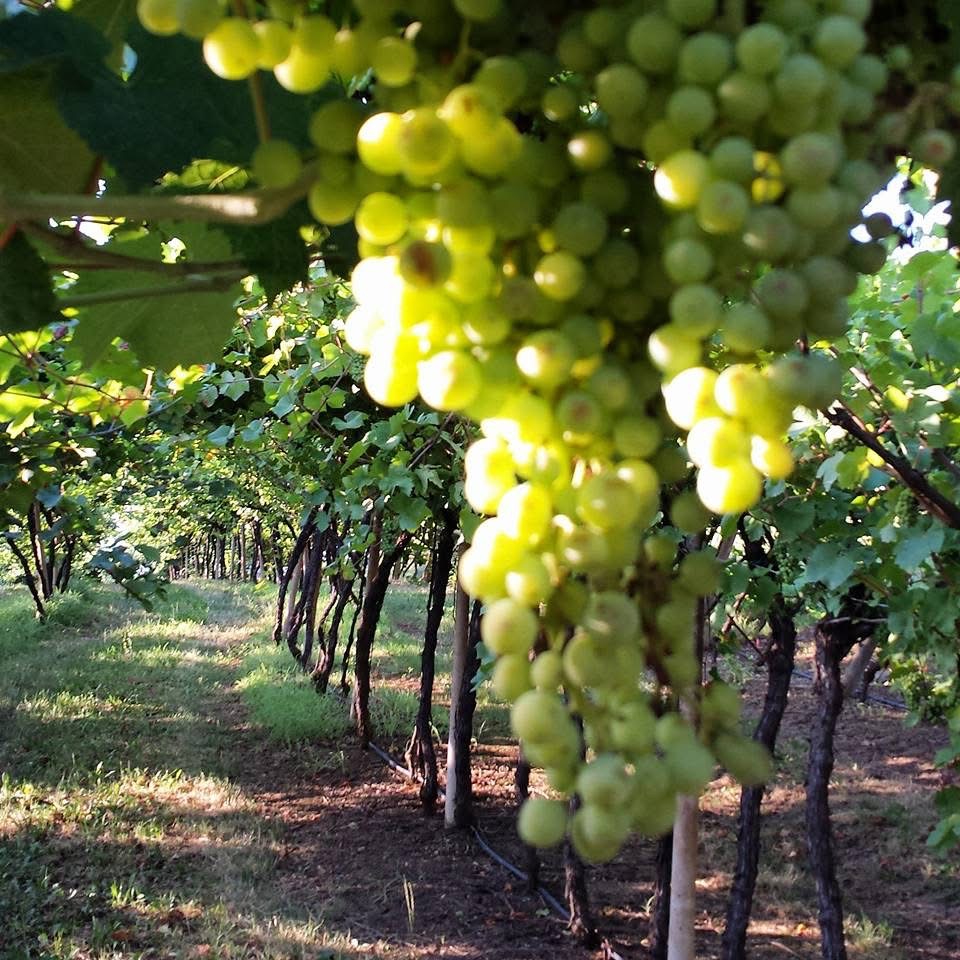
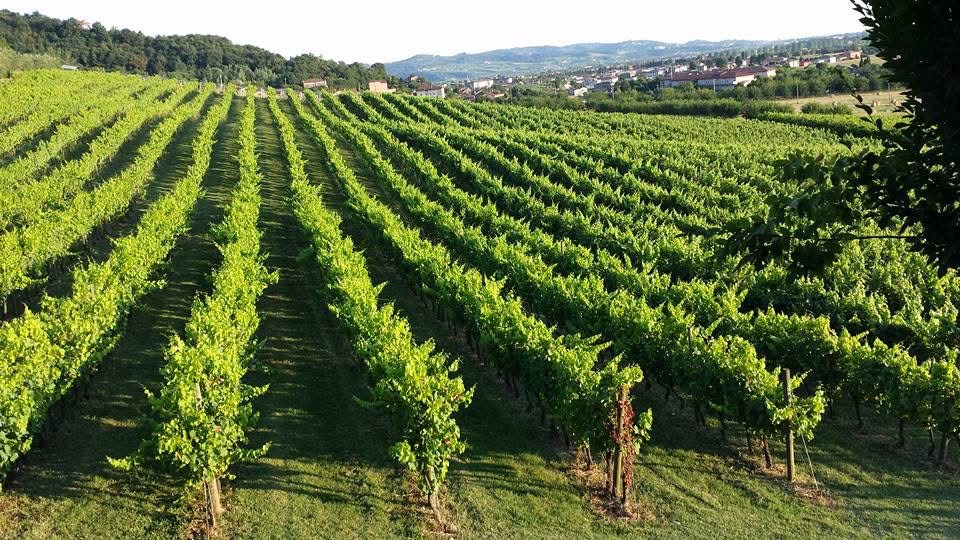
We went to wine tastings tucked into hillside vineyards, lingered over meals in tiny restaurants hidden down narrow streets, and explored festivals bursting with color and music. Her husband often joined us, and the three of us shared some of the funniest and most memorable moments of my time in Italy.
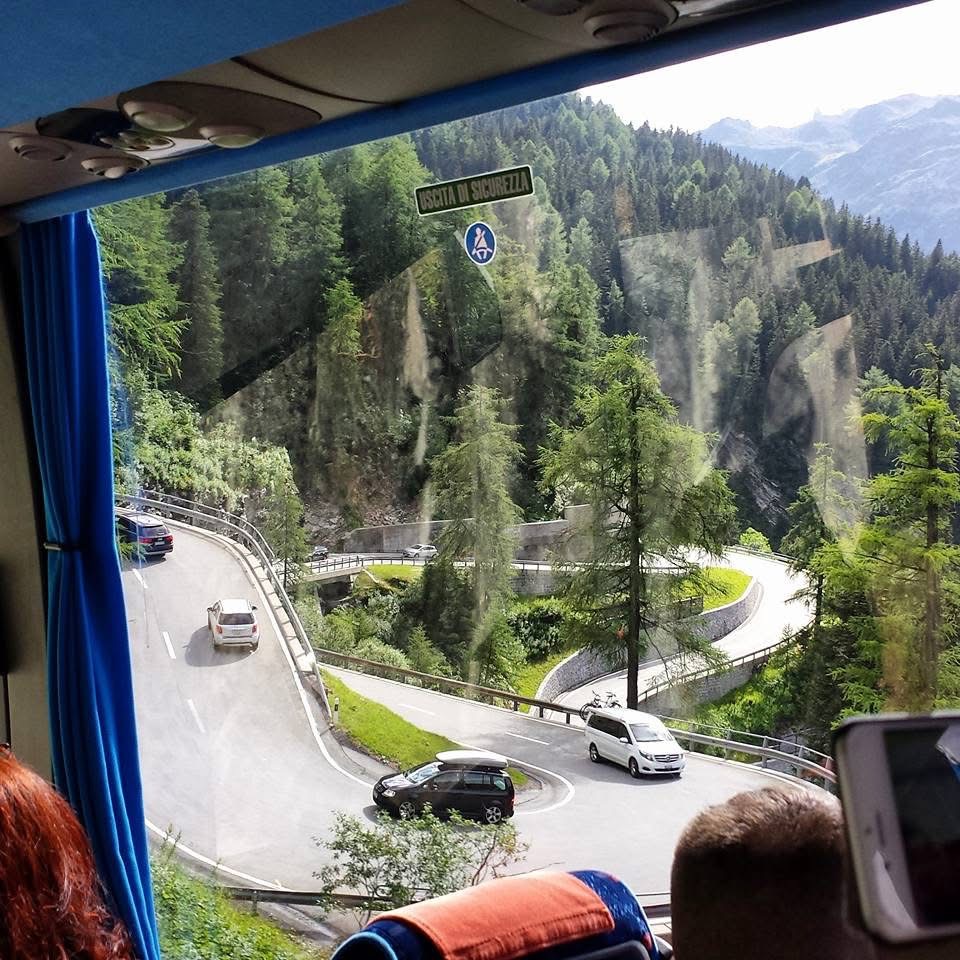
There was the day we drove up the mountain to Asiago—yes, where the cheese comes from—twisting through those dramatic hair-pin turns that somehow felt equal parts exhilarating and slightly terrifying. And then there was the legendary “goat trail” incident, when the GPS insisted that a narrow path through an orchard was, in fact, the correct route to a winery. We laughed the whole way, convinced we were about to end up in the middle of someone’s field, but also fully committed to the adventure.
Those months in Italy were a gift—full of curiosity, connection, and the kind of friendship that stays with you long after the plane ride home.
Which is why seeing Gail again in Acworth felt so special. We slipped right back into that easy rhythm, sharing memories, catching up on life, and enjoying the simple joy of spending time together. Acworth made the perfect backdrop for it—peaceful lakes, mountain-framed views, and a welcoming town that encourages you to pause, breathe, and appreciate the people who matter.
Travel has taken me many places, but some of the most meaningful moments are the ones that reconnect me with the friendships formed along the way. My visit to Acworth was one of those moments—a sweet reminder that distance and time mean very little when a friendship is built on shared adventure, laughter, and the kind of connection you don’t stumble upon often.
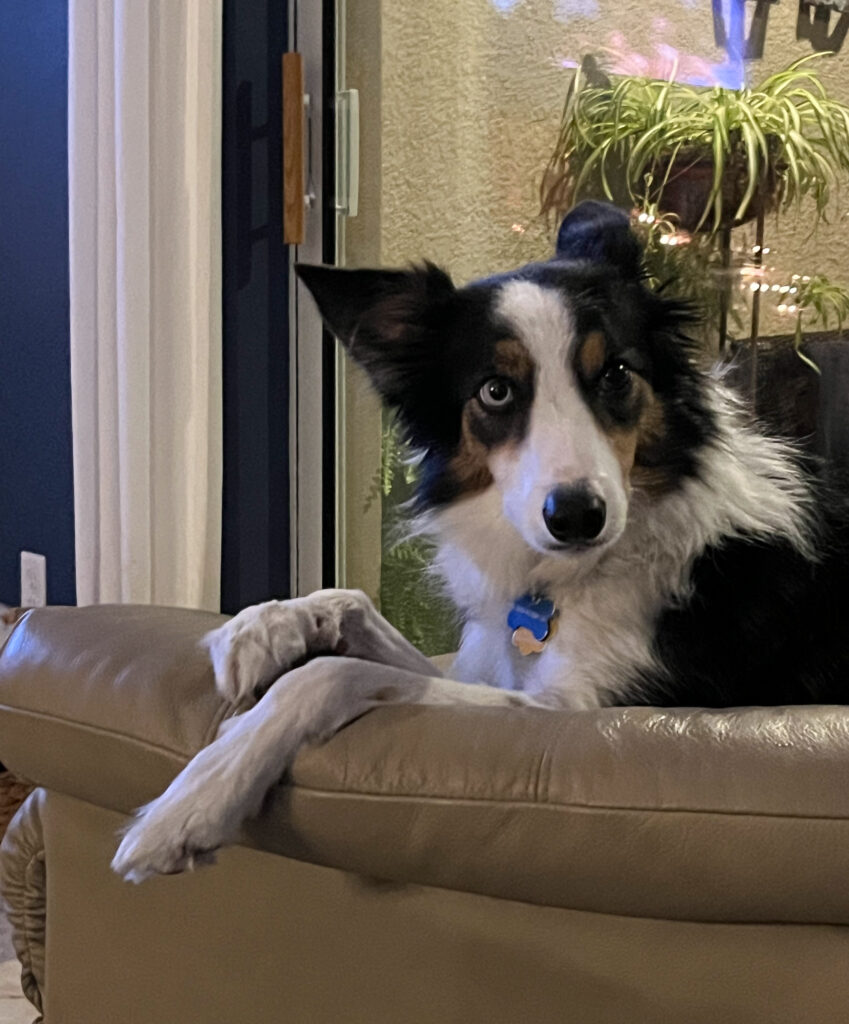
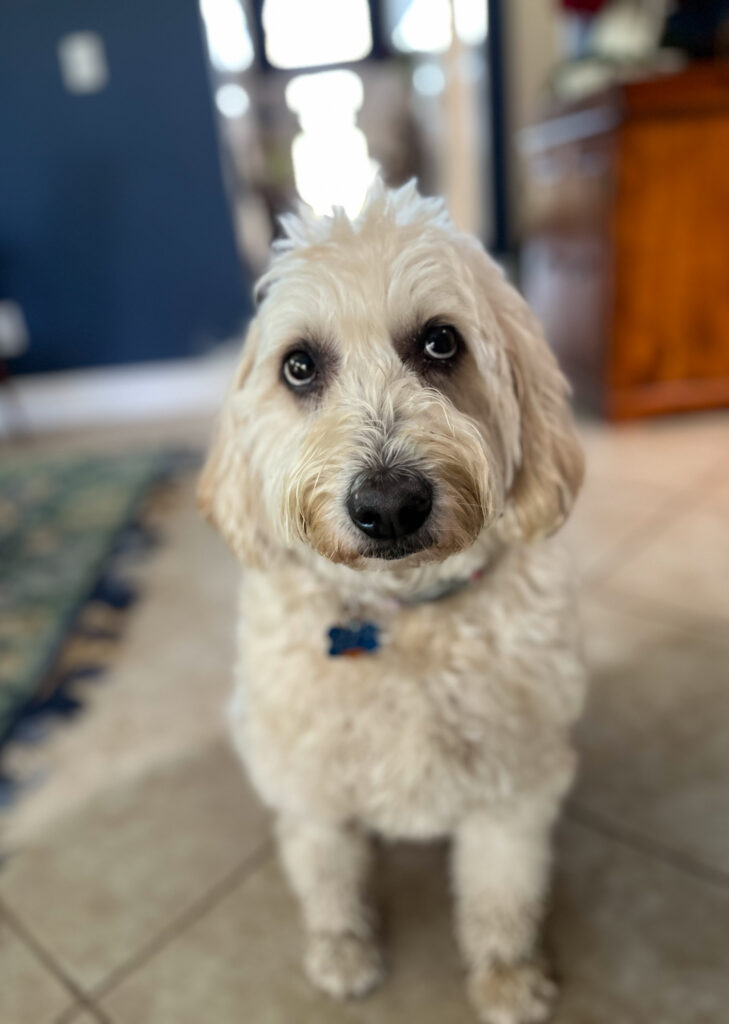
This week has carried me to Sun City Center, a quiet Florida town that’s turned out to be the perfect setting for my second pet-sitting adventure. The rhythm here is slow and easy—golf carts humming down the streets, neighbors waving from driveways, and mornings that seem to invite you to linger a little longer. The two pups I’m caring for are gentle and content, which has given me plenty of space to wander and explore the coastlines nearby.
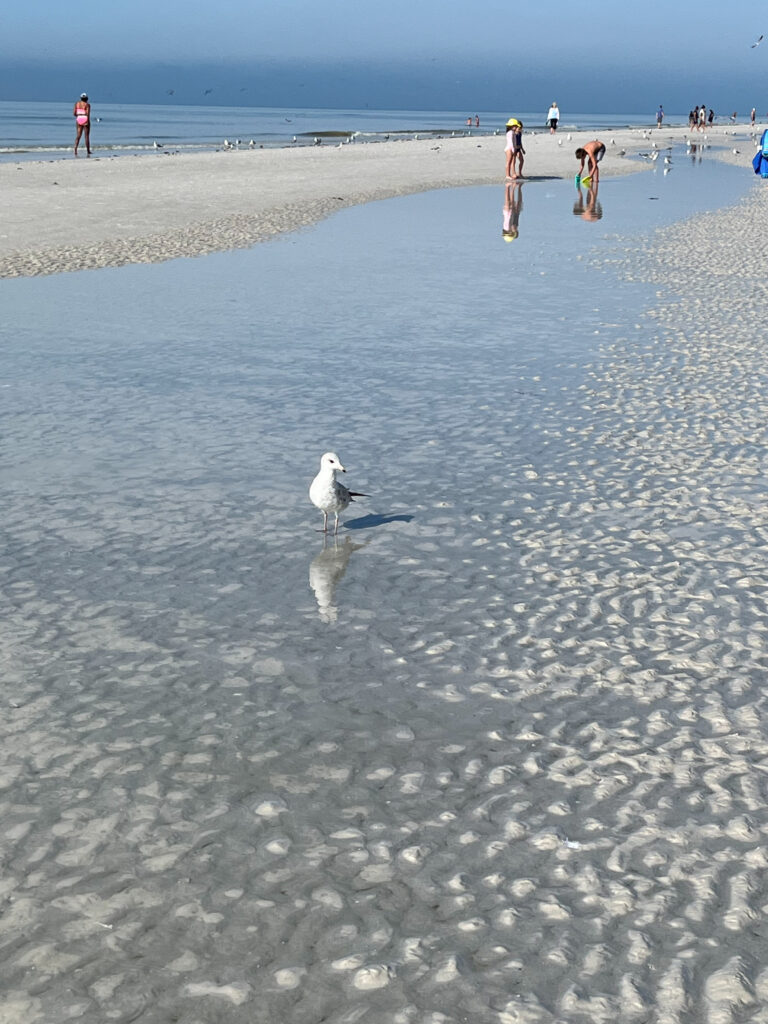
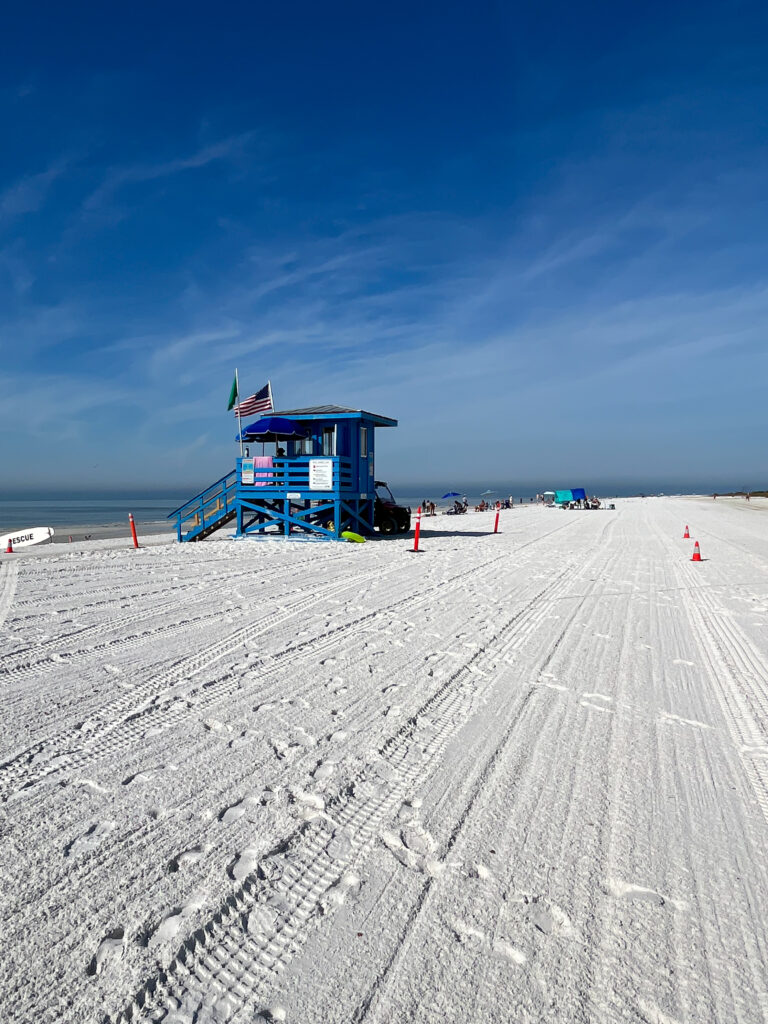
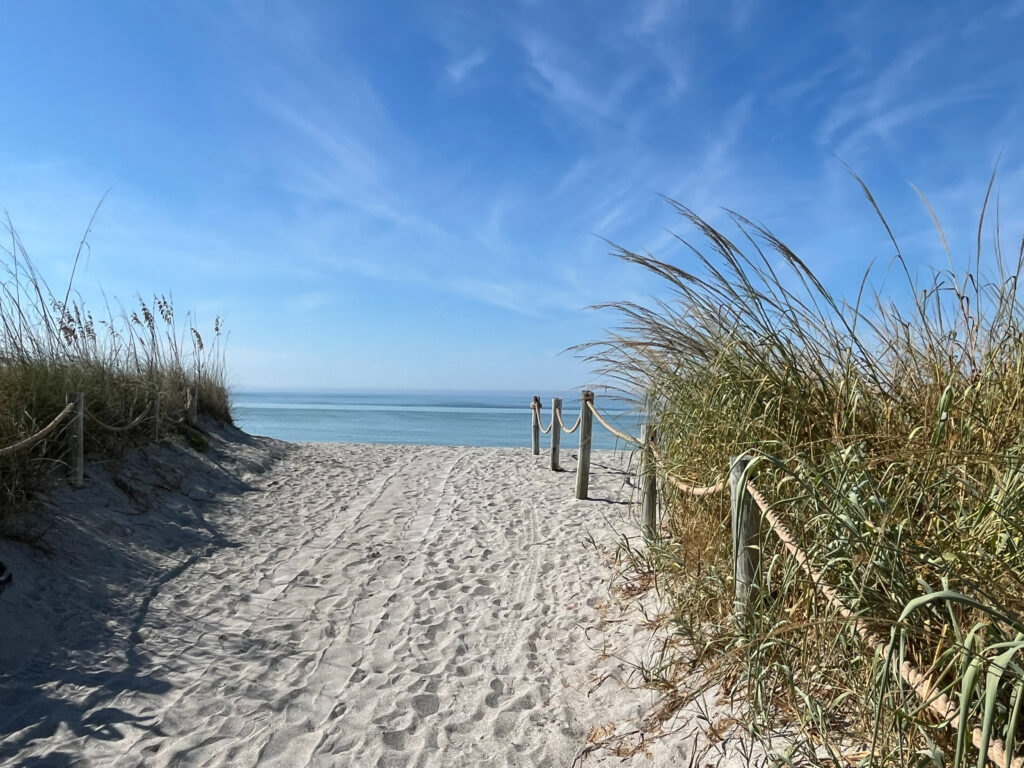
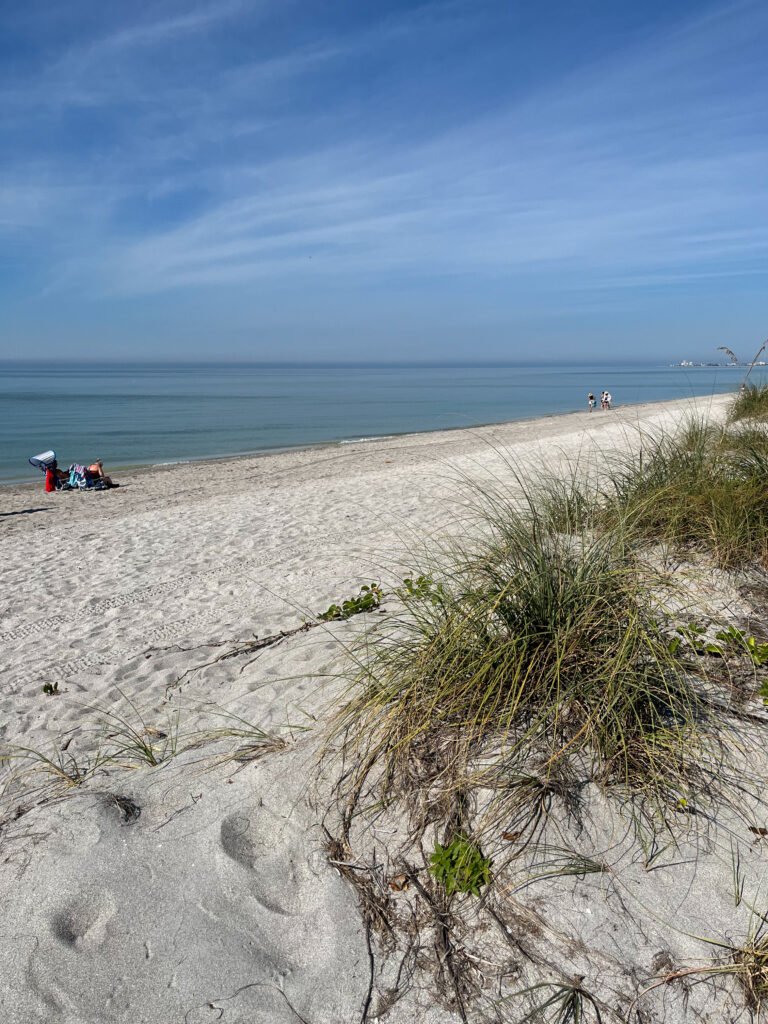
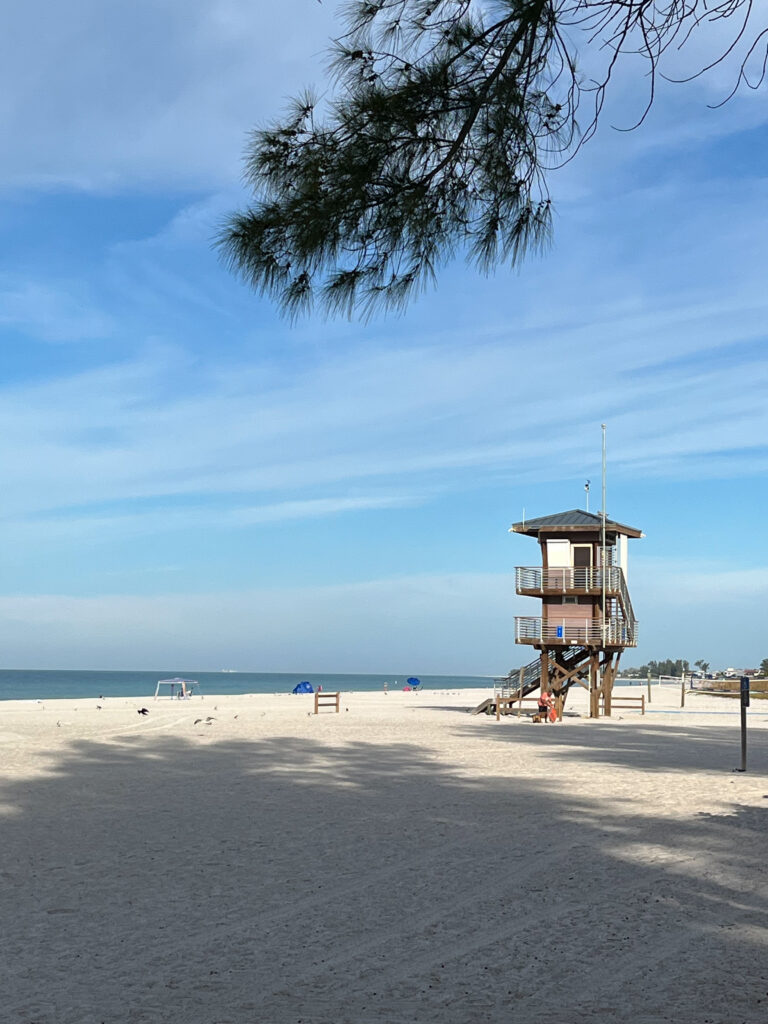
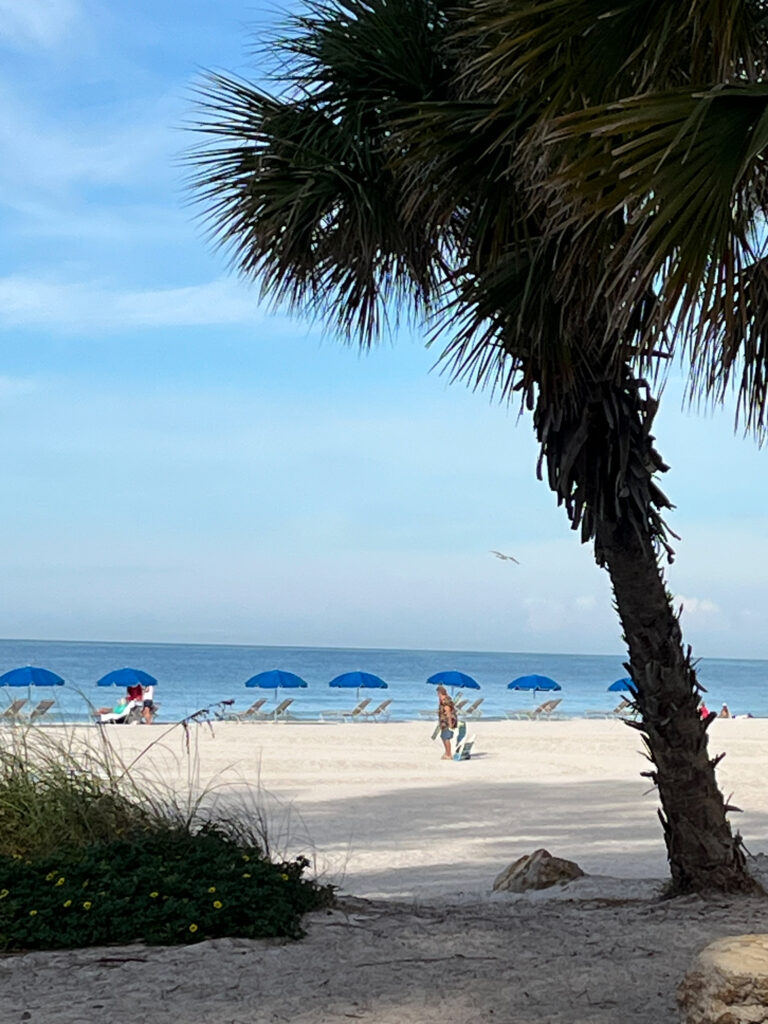
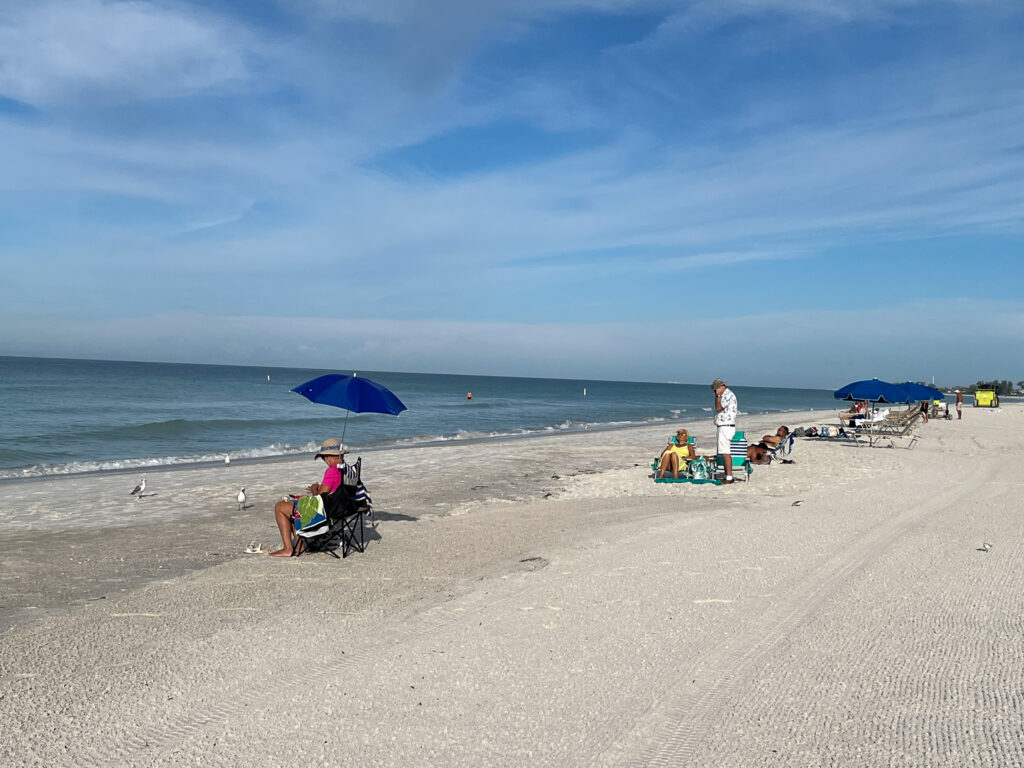
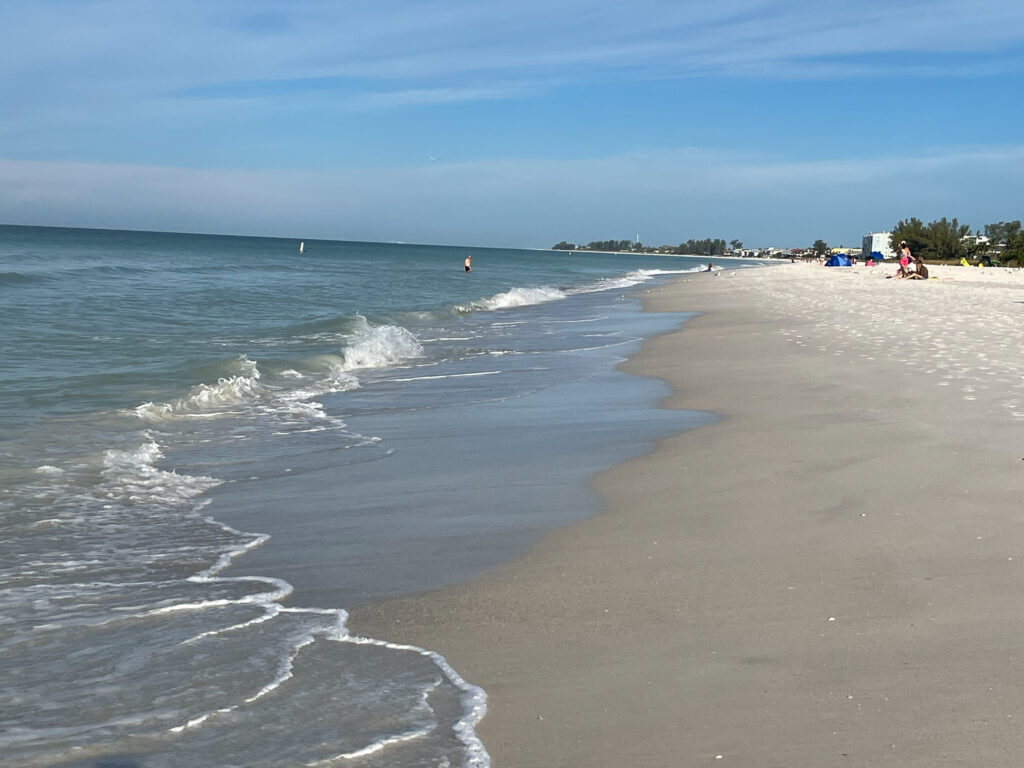
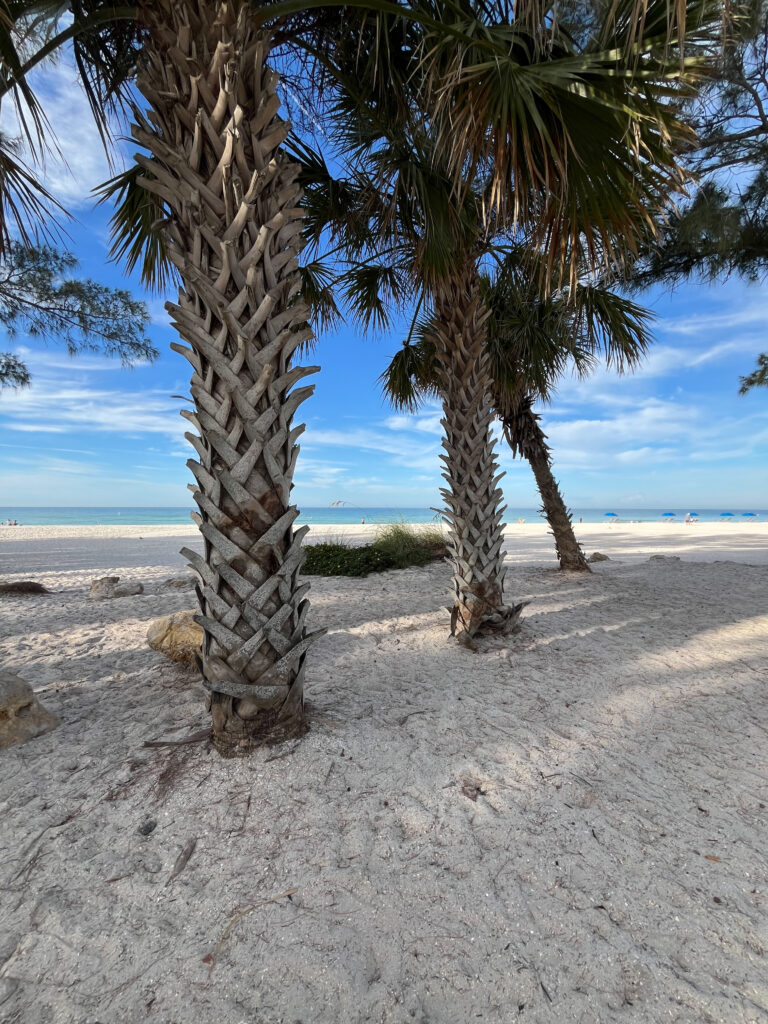
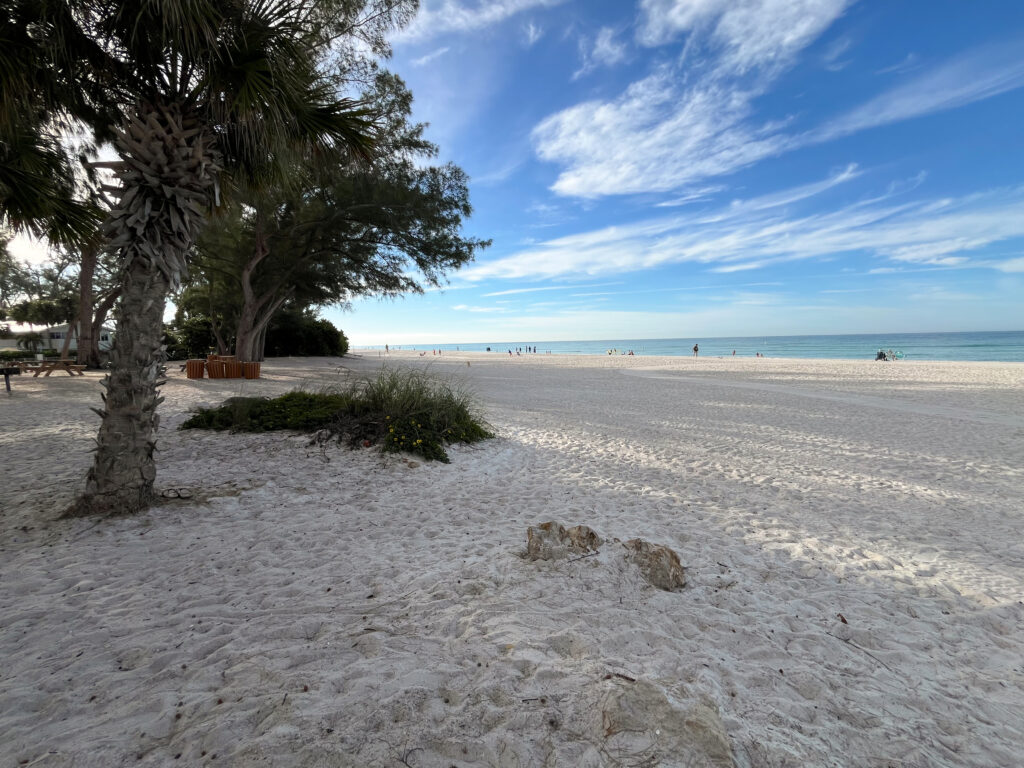
One of my first beach days was at Siesta Key, where the sand is so white and soft it feels like walking through sifted flour. It’s the kind of place that urges you to pause—where the horizon stretches wide and the whole day seems to expand around you.
Turtle Beach offered a quieter contrast, with darker, grainier sand and a peacefulness that feels made for slow thinking and unhurried walks.
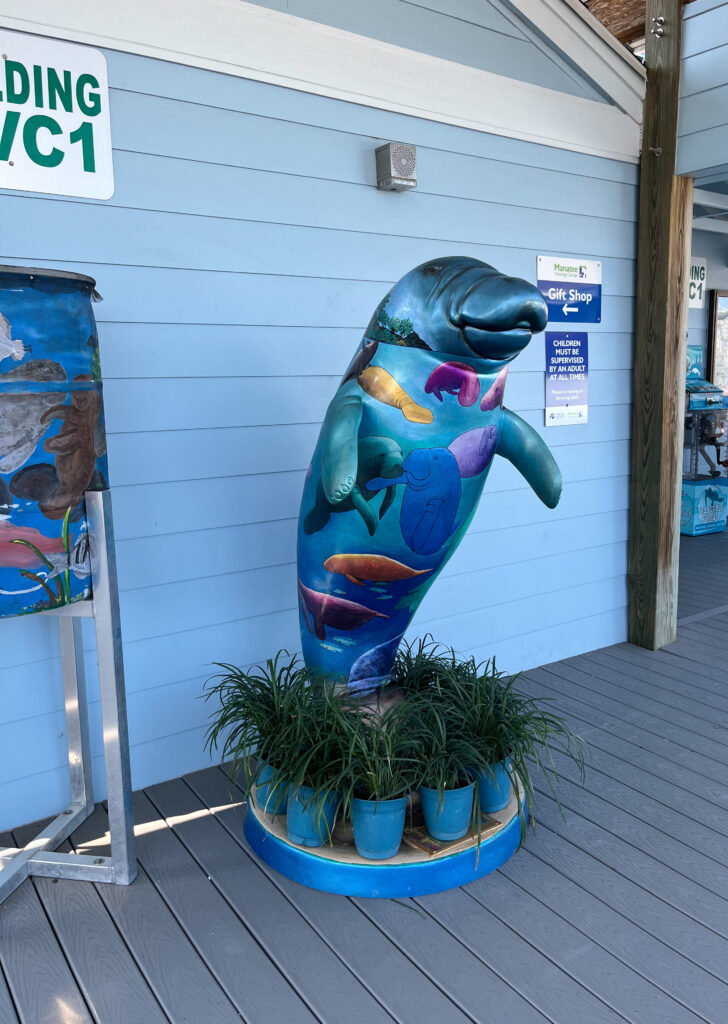
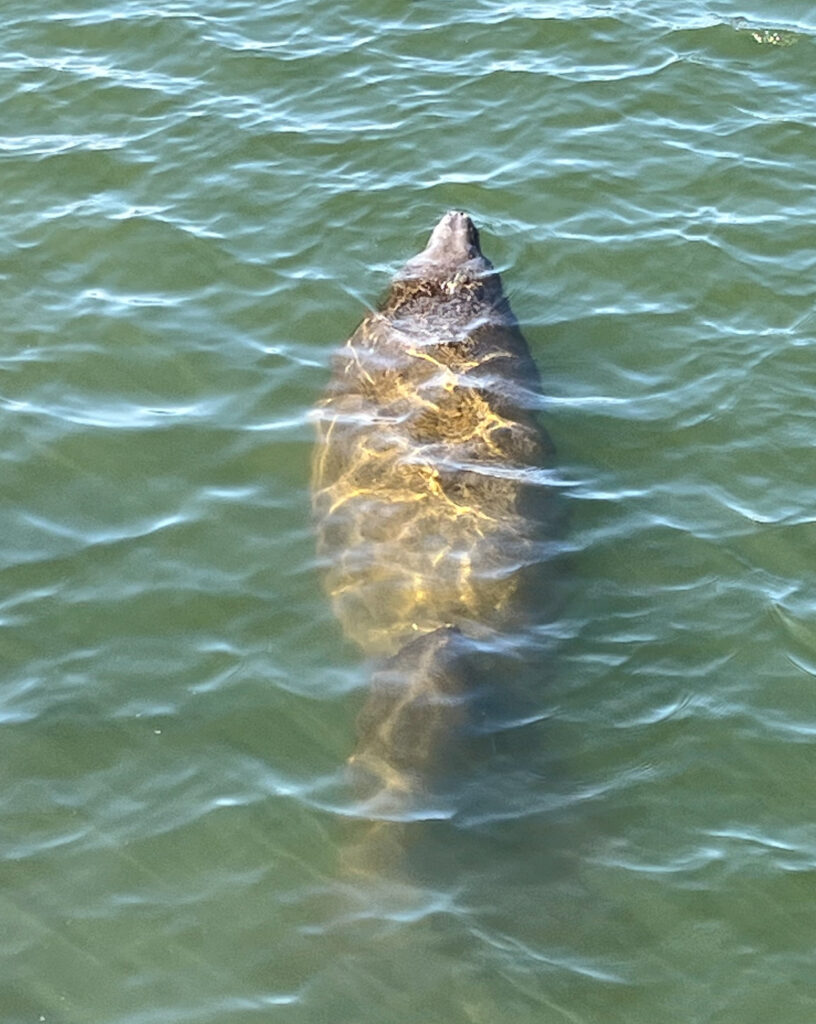
One of the moments that stayed with me the most happened at the Apollo Beach Manatee Viewing Center. I spotted a mother manatee gliding alongside her baby, only a few months old. Manatees have always tugged at my heart—Amy and I swam with them years ago in Crystal River—and seeing them again, even briefly, brought that same sense of awe rushing back.
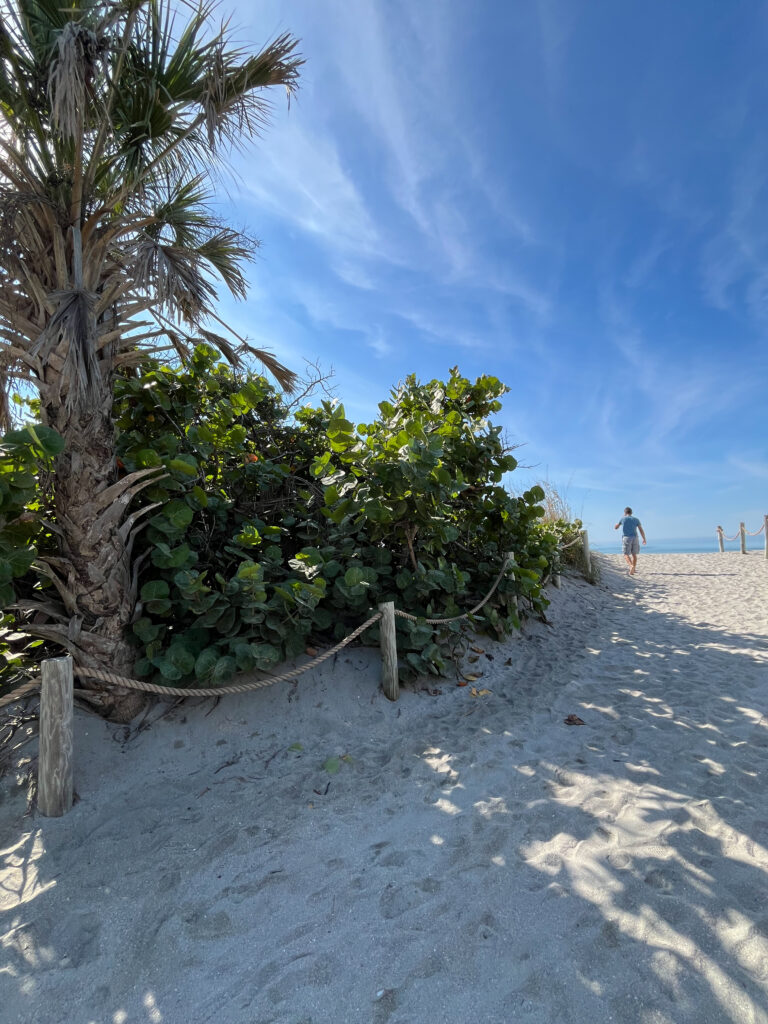
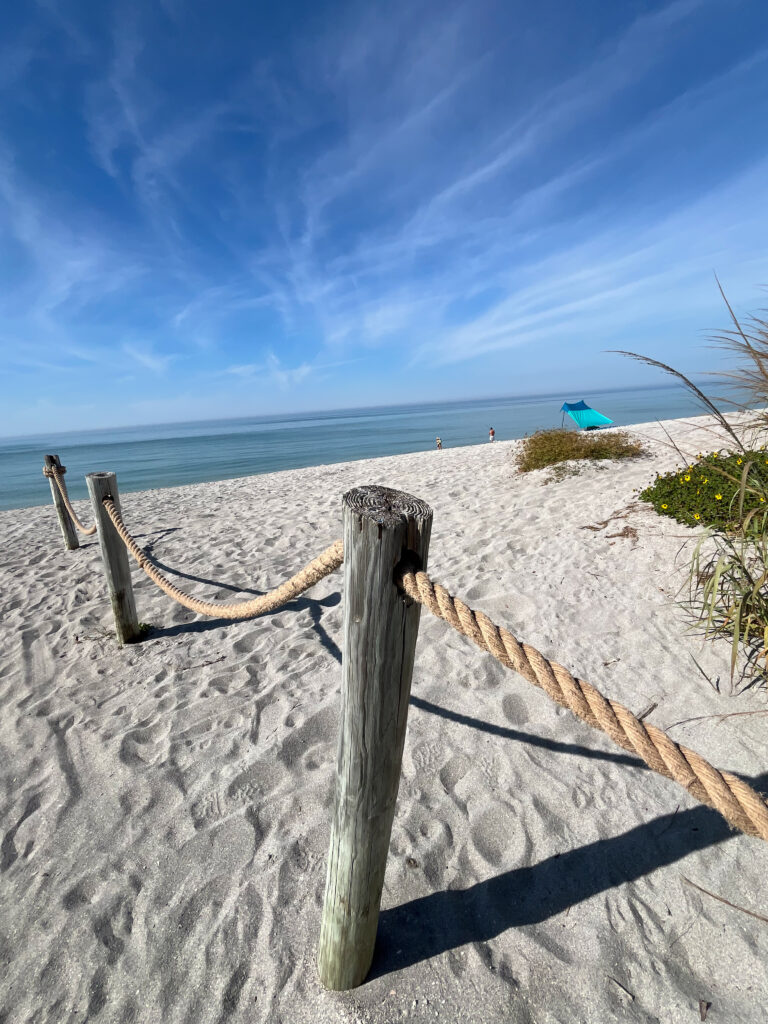
Anna Maria Island has been another sweet surprise. I spent a morning at Manatee Beach in Holmes Beach, where the shoreline stretches wide, the waves roll in gently, and the free island trolley passes by with a kind of old-Florida charm. It’s one of those places that makes you want to stay until the sun begins to sink.
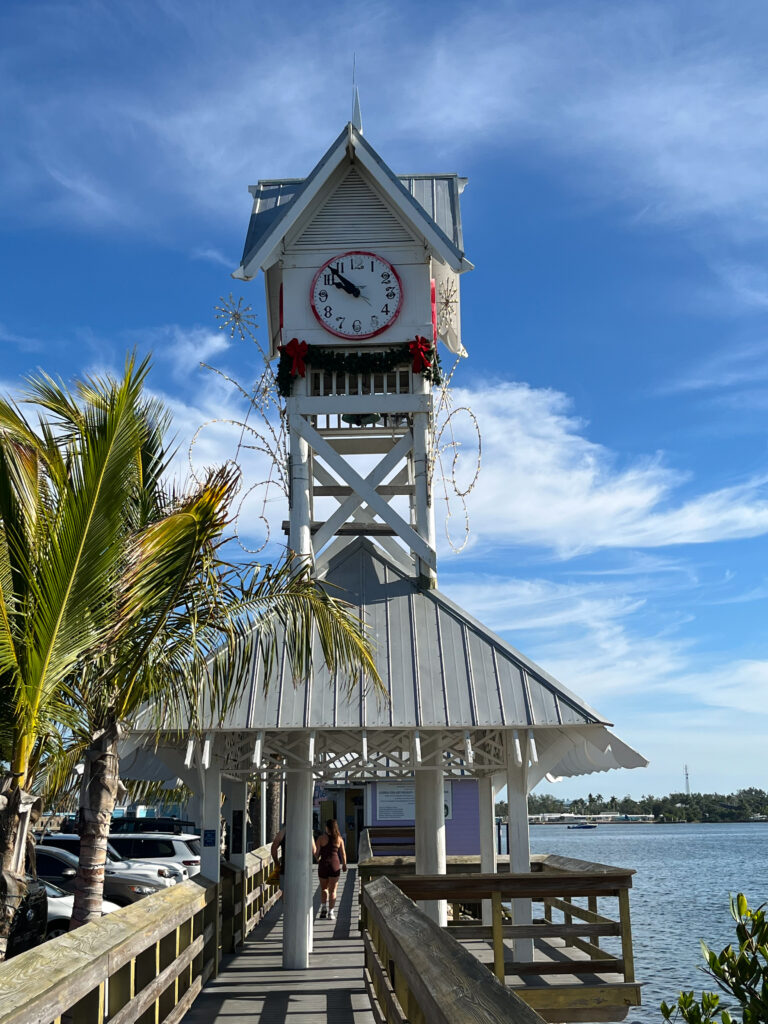
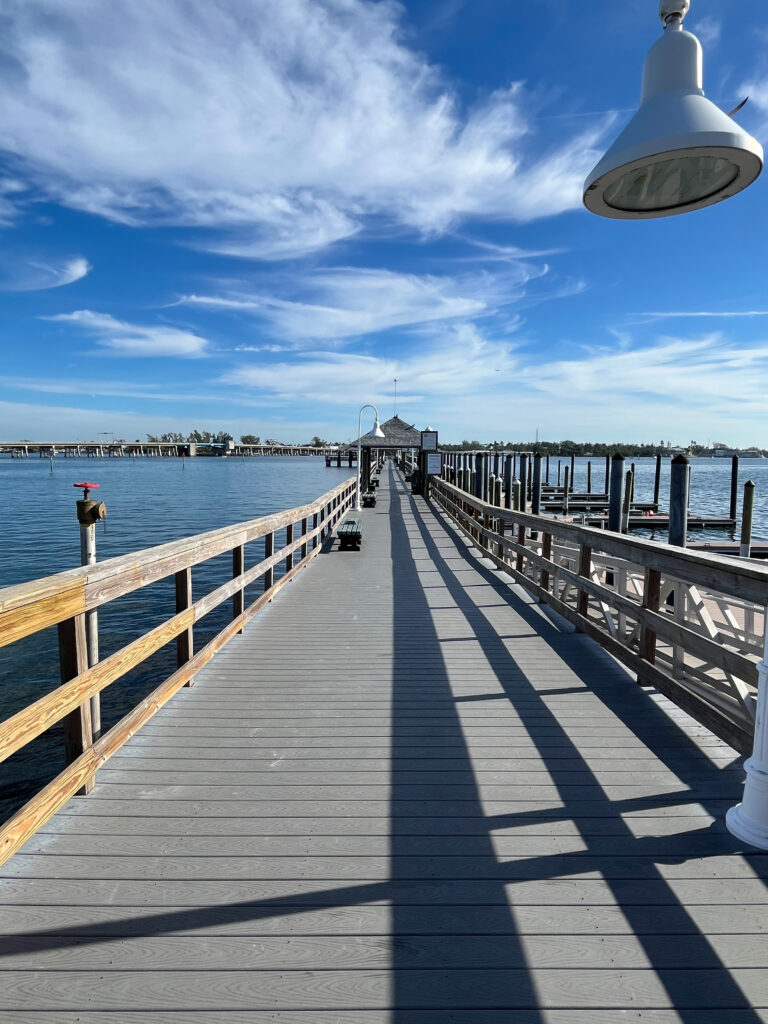
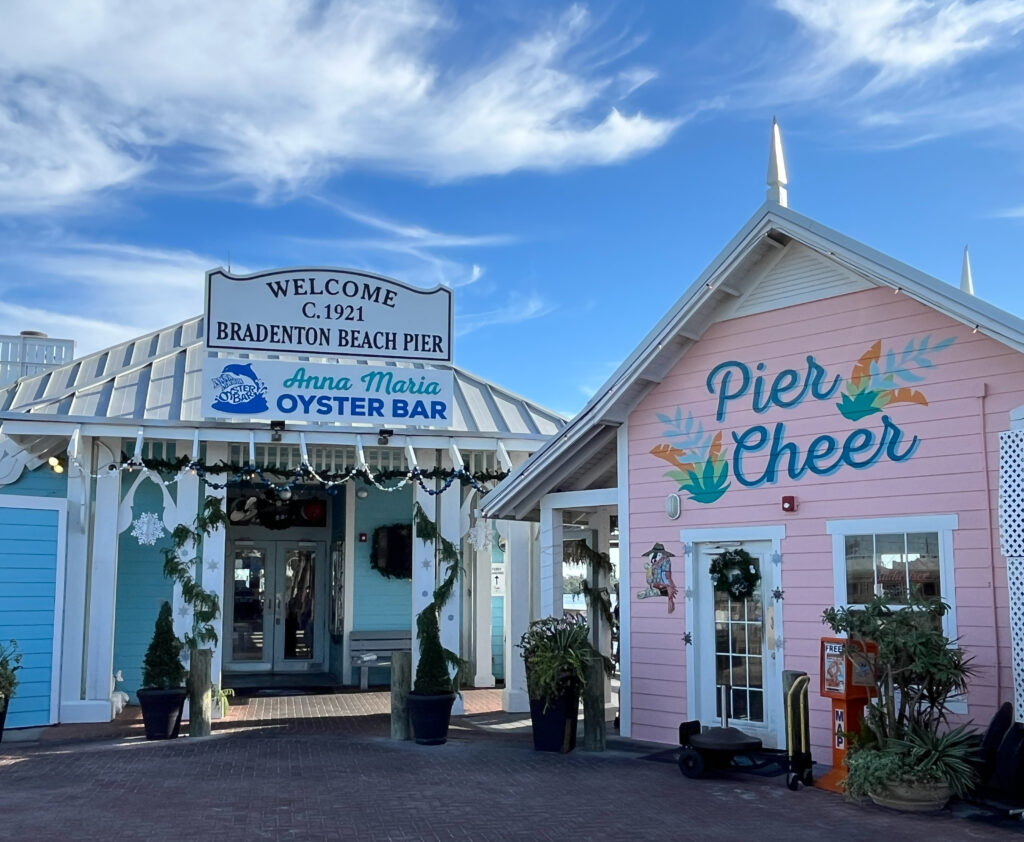
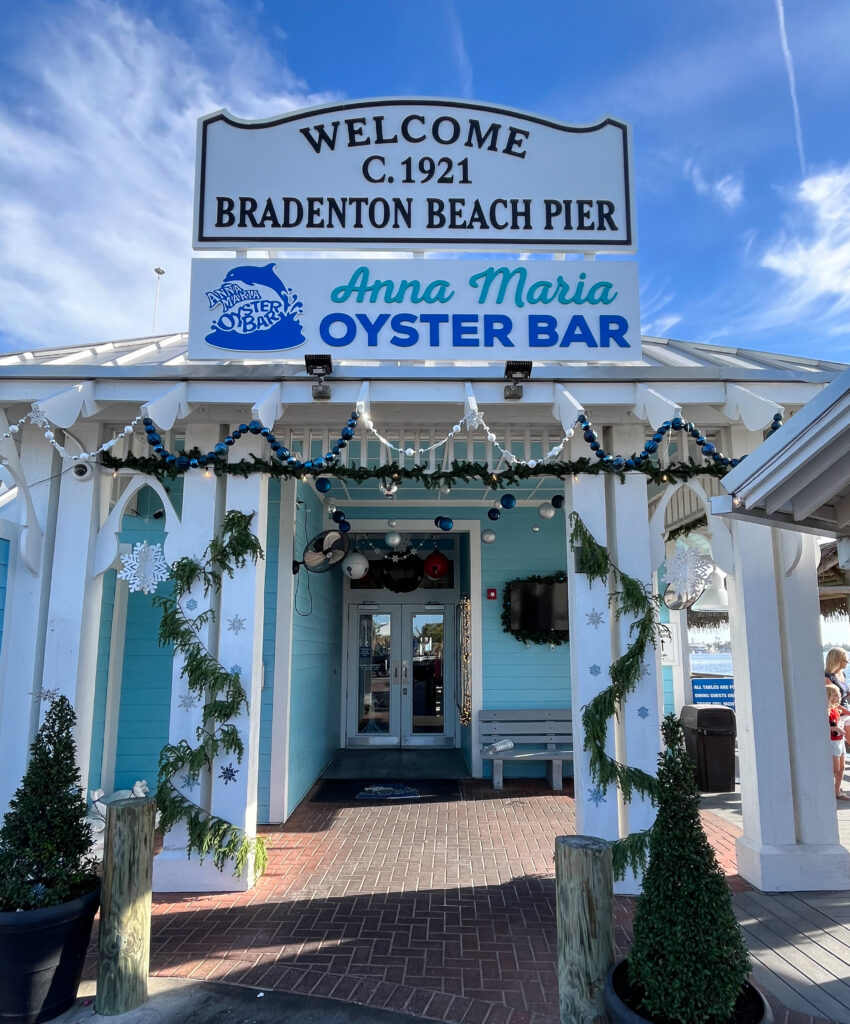
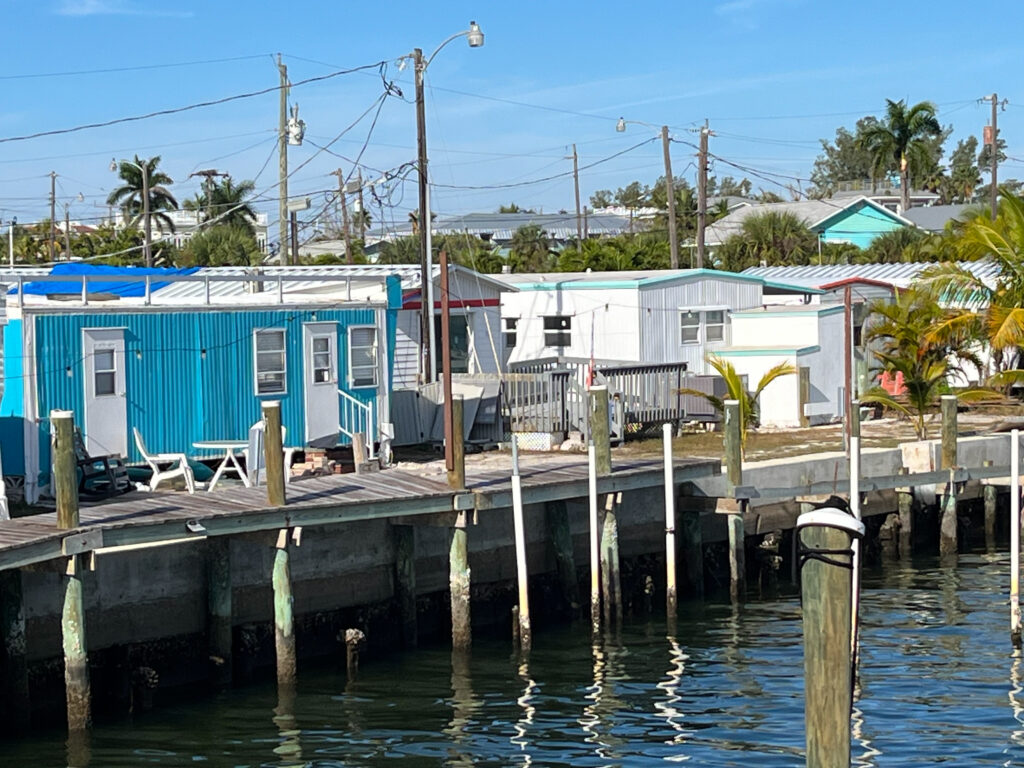
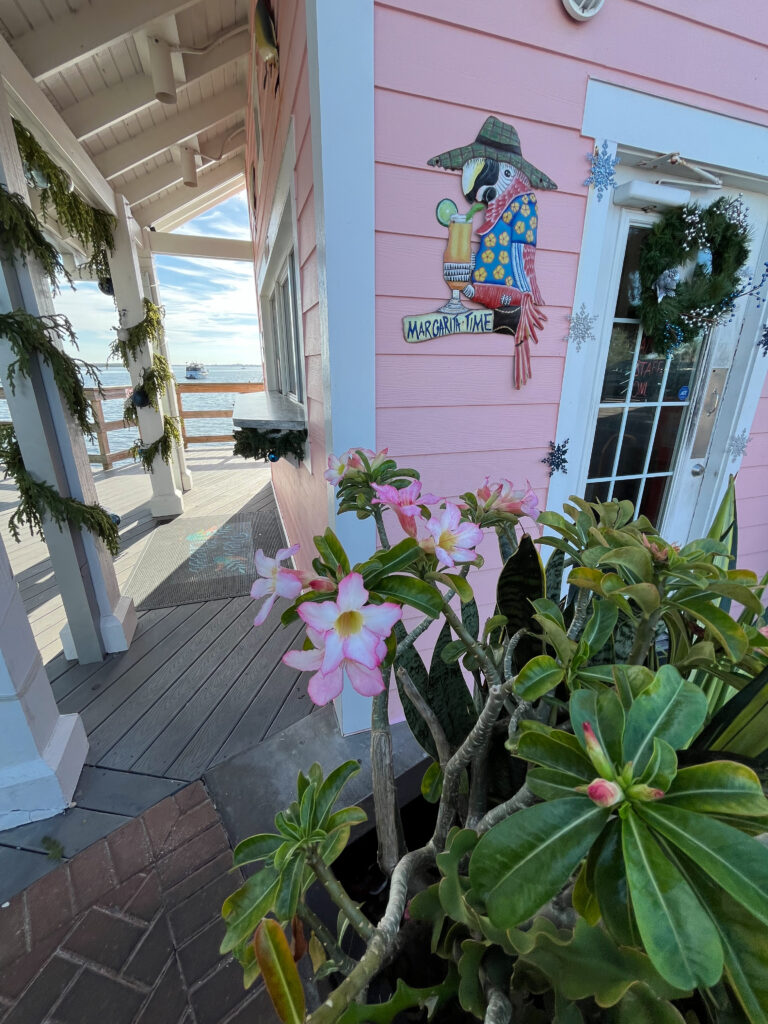
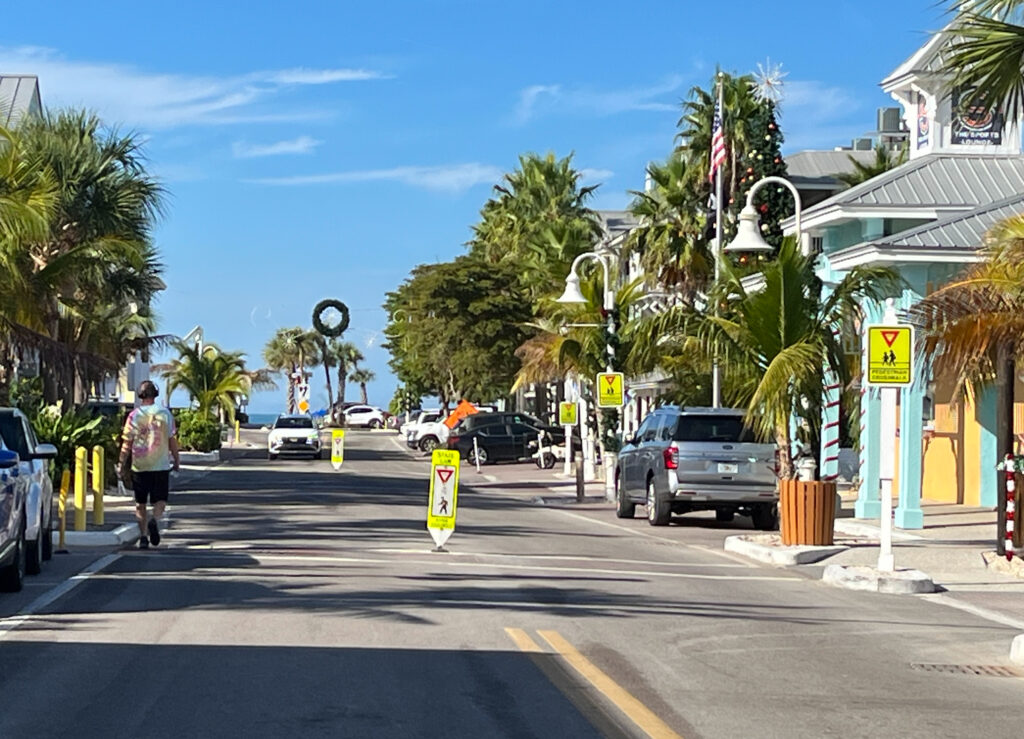
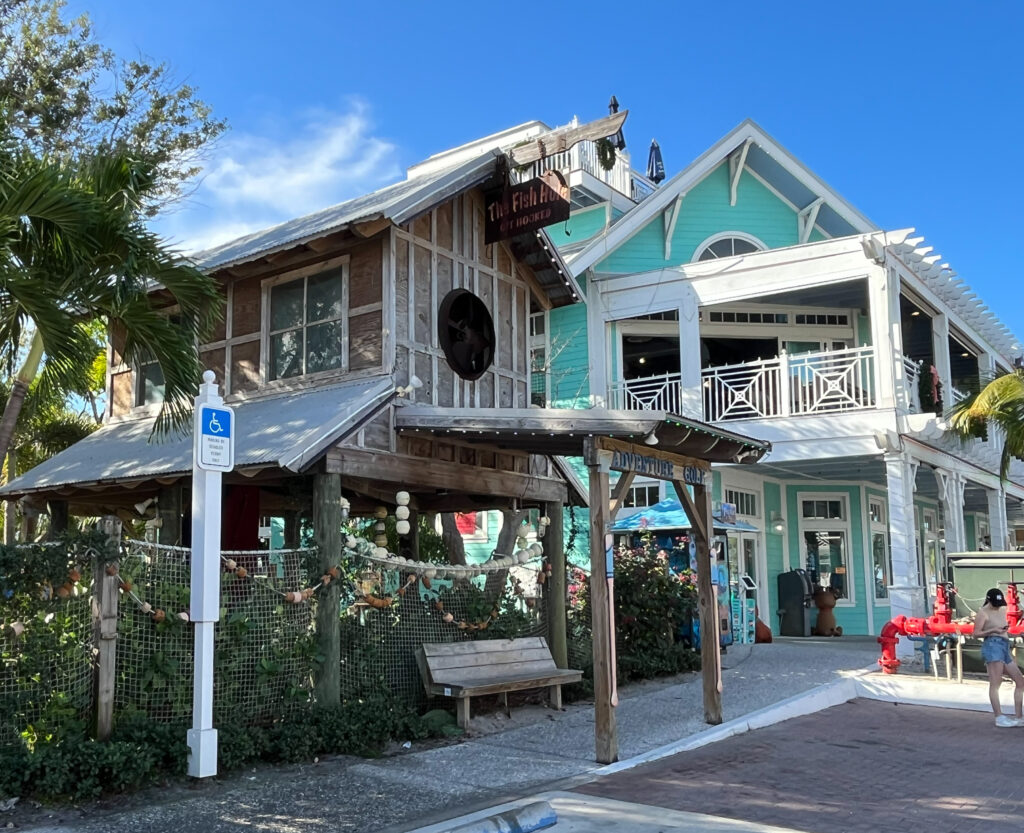
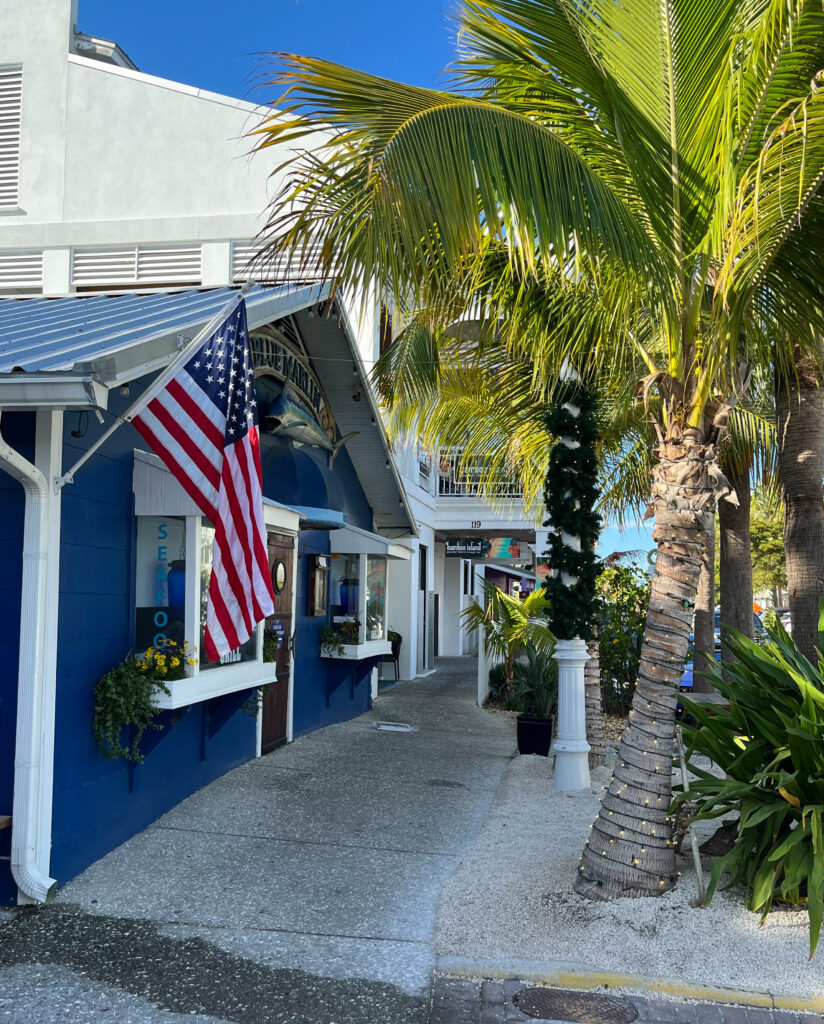
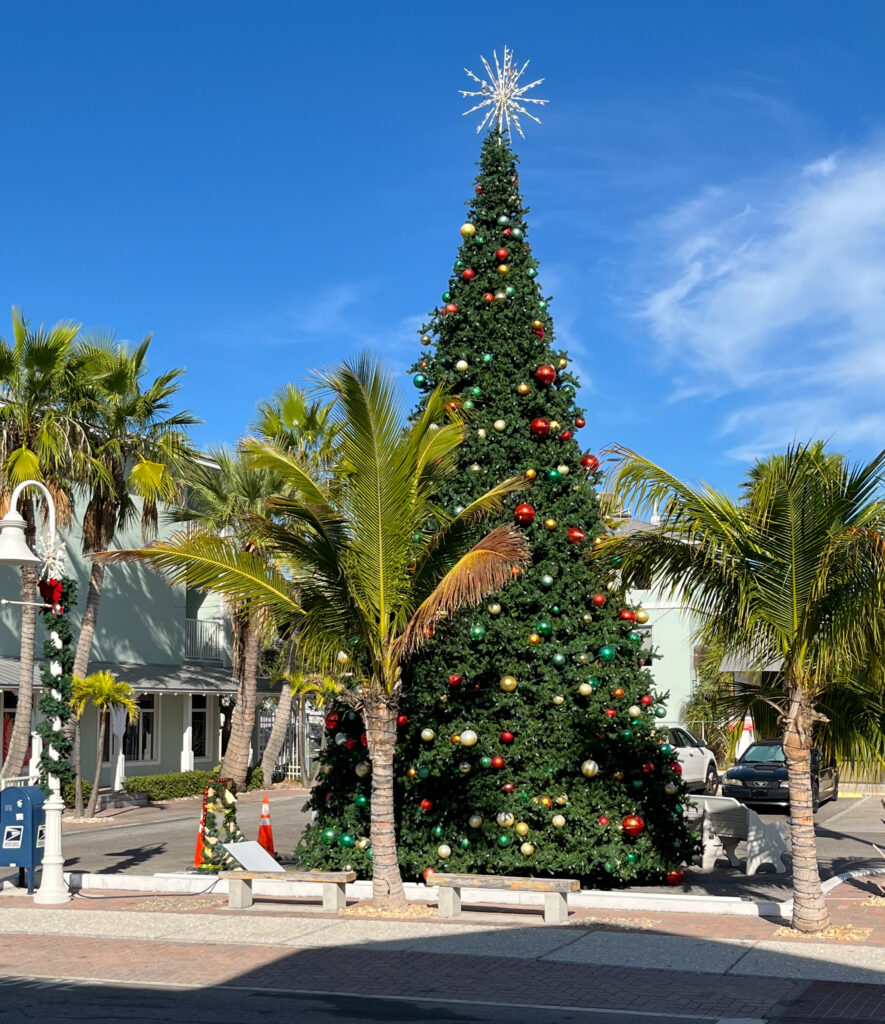
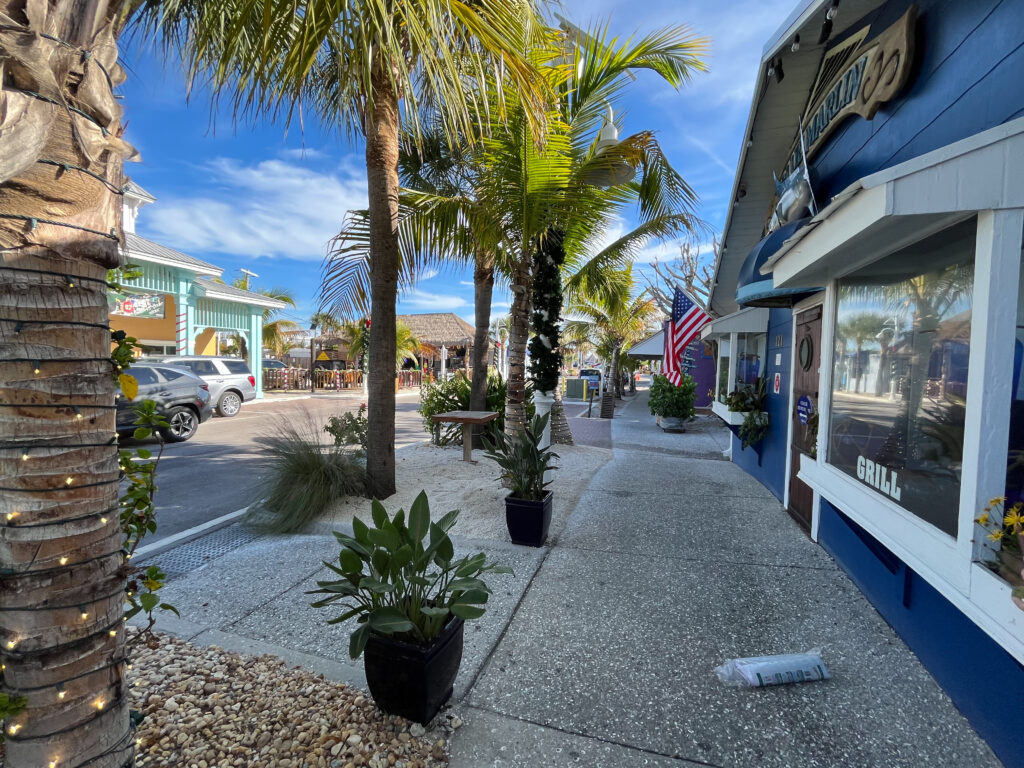
Later, I wandered over to Historic Bridge Street and the old pier in Bradenton Beach. Once part of the original 1920s wooden bridge that connected the island to the mainland, the pier now feels like a little pocket of history—fishermen casting lines, pelicans drifting close, families strolling between small shops and cafes. There’s something nostalgic there, even on your first visit.
After visiting the beaches and wandering the pier, I even found time to take a dip in the neighborhood pool—a surprisingly warm and refreshing treat at the end of November. It felt like a little secret slice of summer tucked into the fall, a quiet moment to linger in the sun and water before heading back to the pups.
Even though my time here is short, this corner of Florida has offered more than I expected—quiet beaches, gentle wildlife, easy mornings, and places that carry a kind of timeless charm. Sun City Center has been a calming home base between beach days, pool swims, and dog cuddles, a reminder that the best adventures don’t always have to be big or far away.