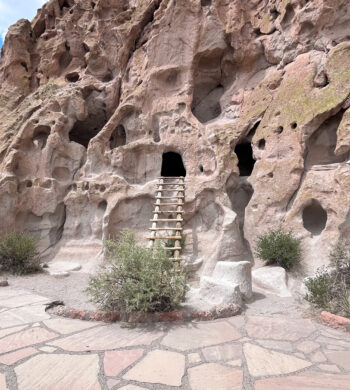
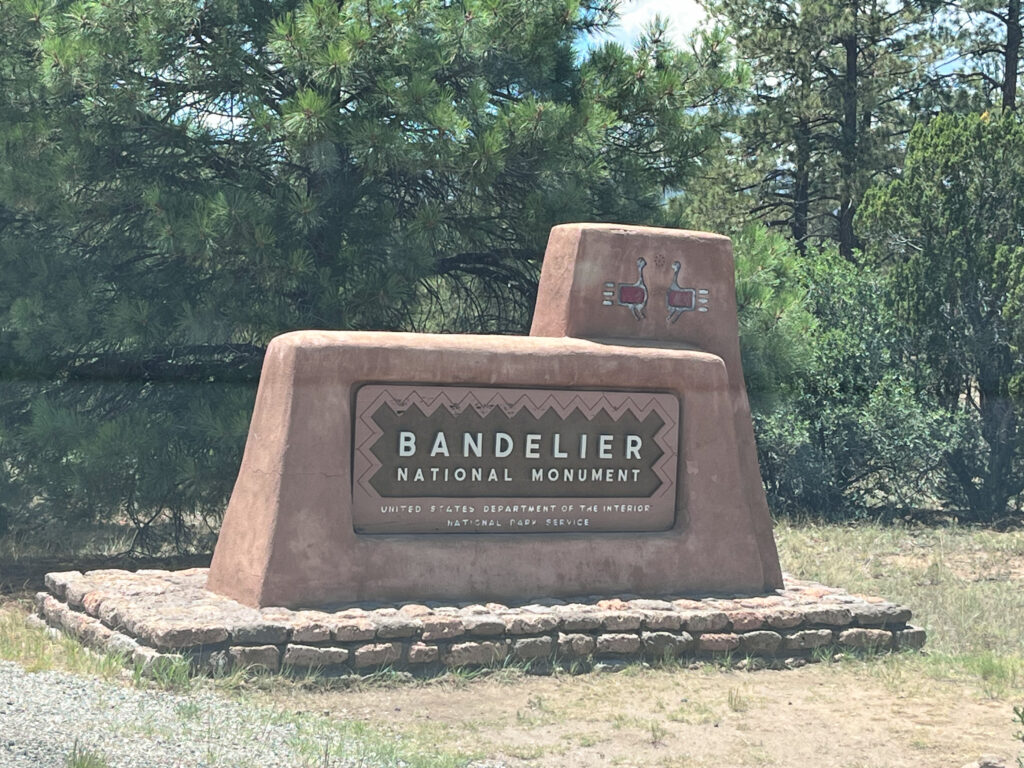
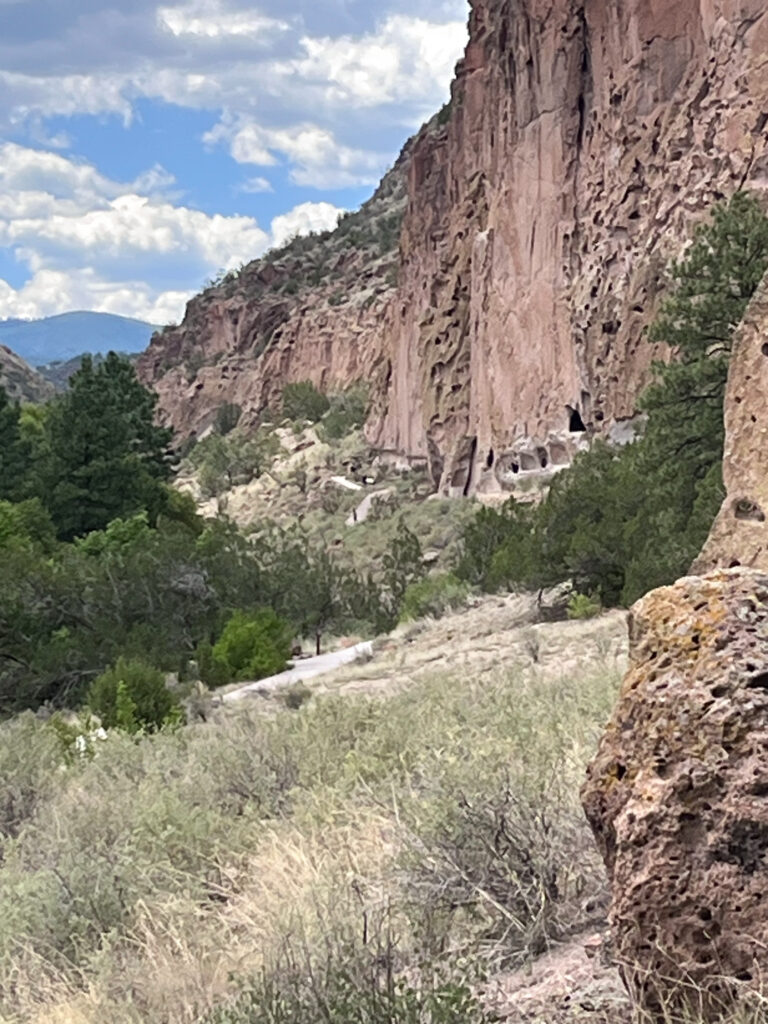
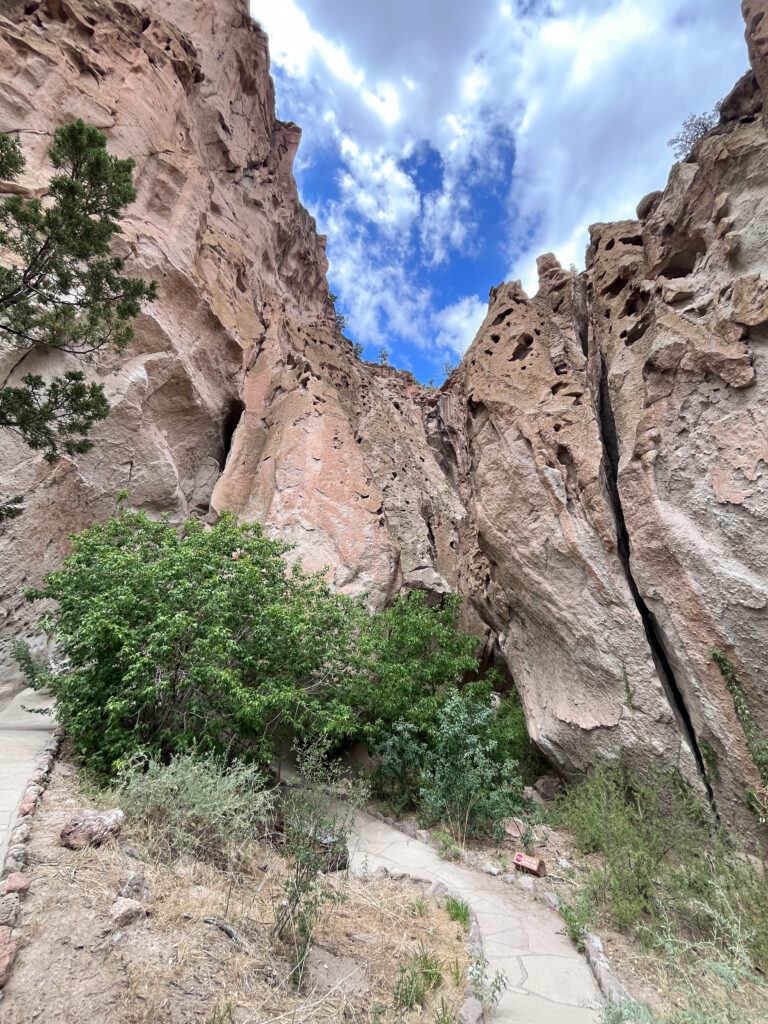
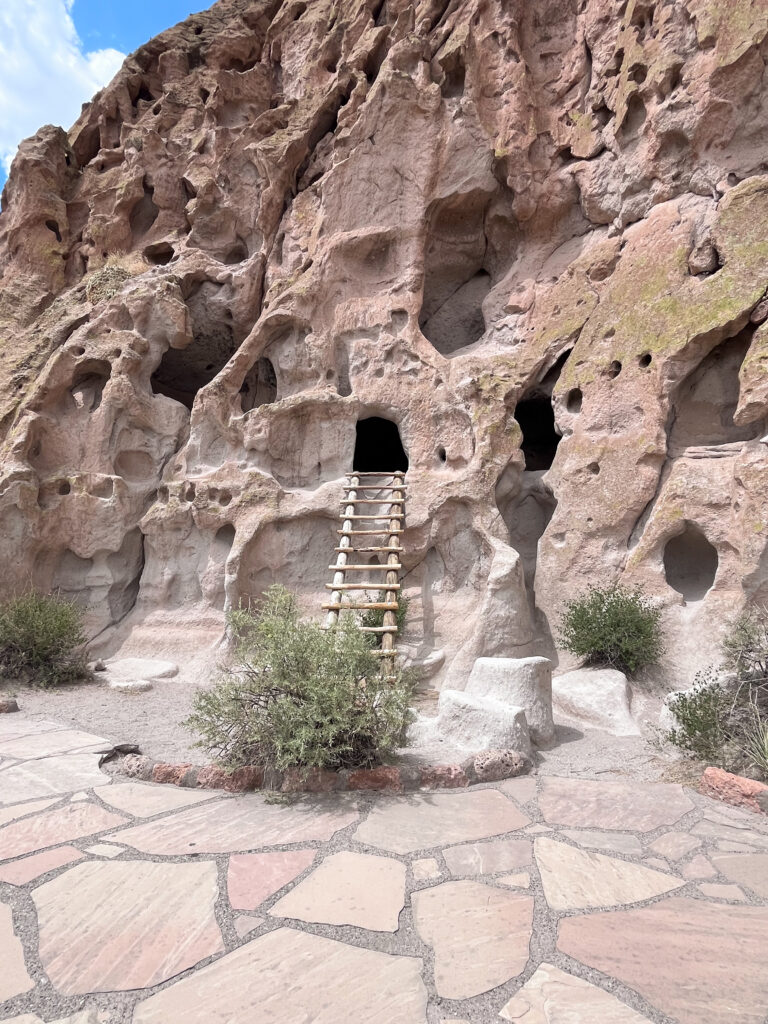
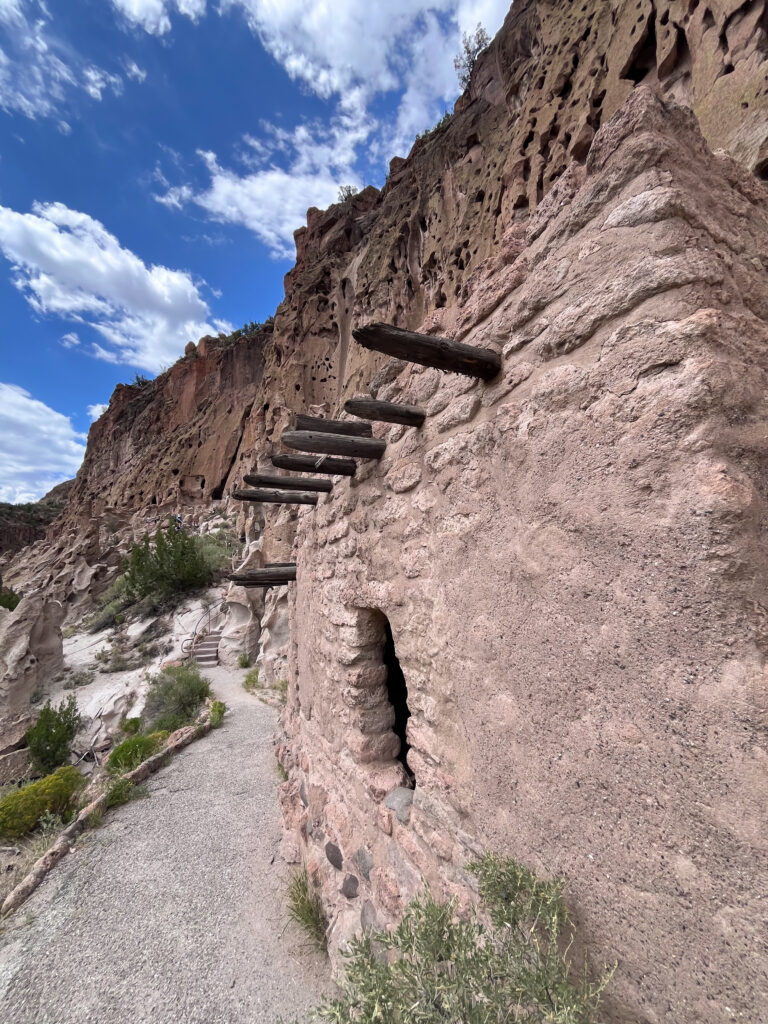
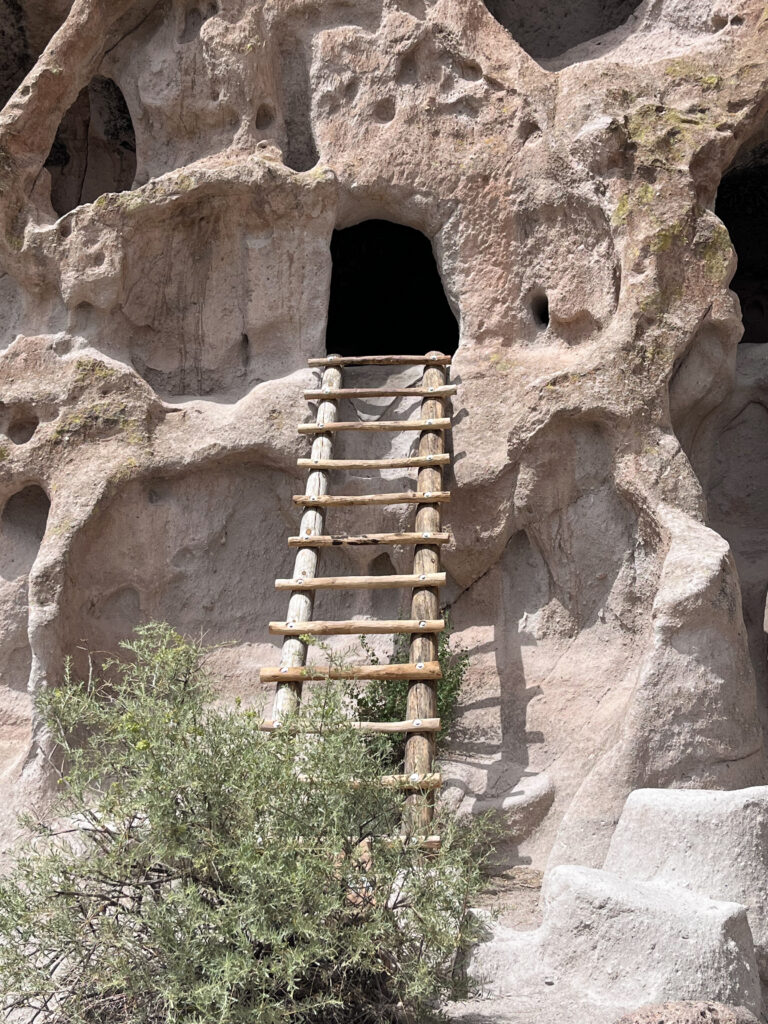
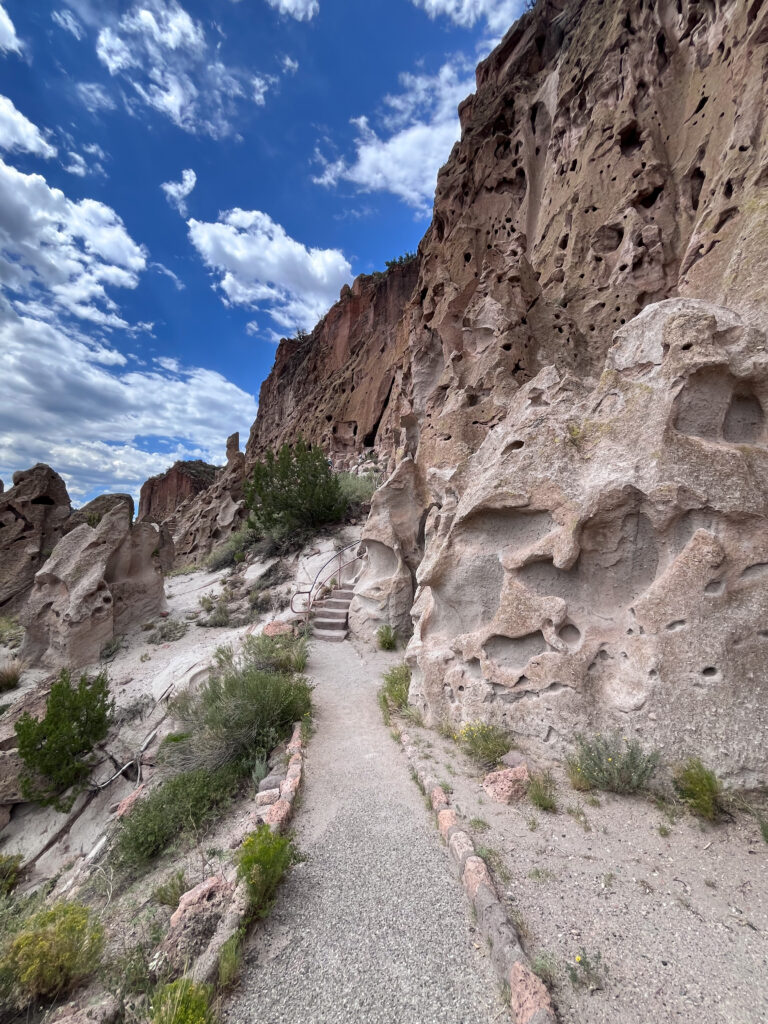
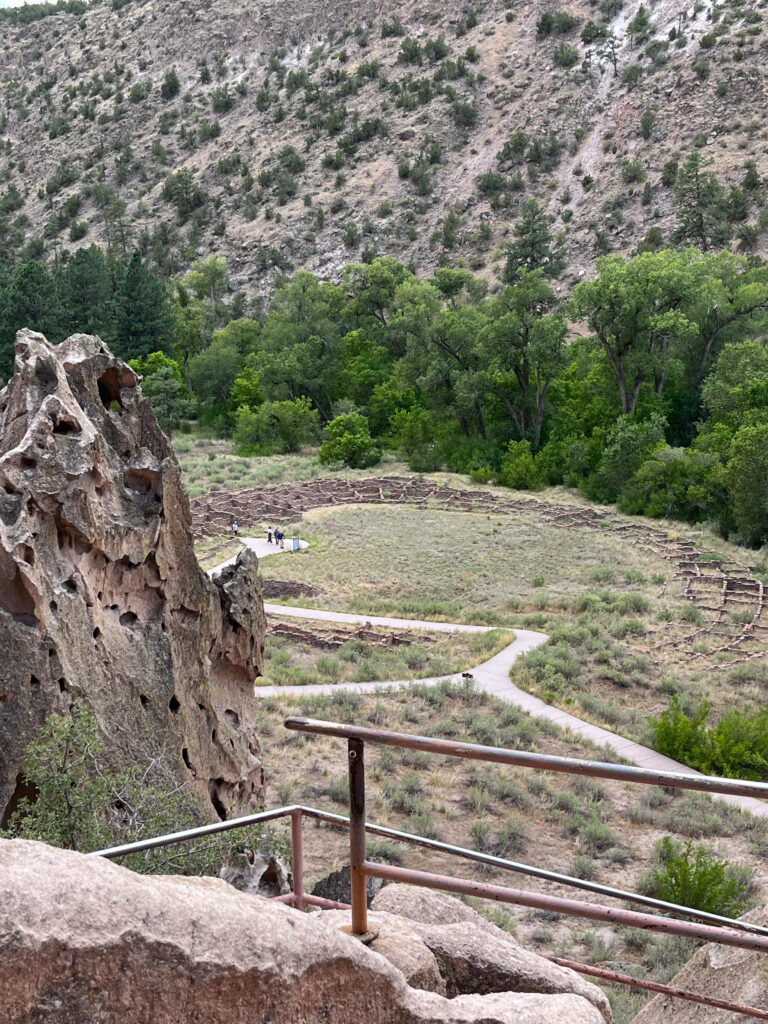
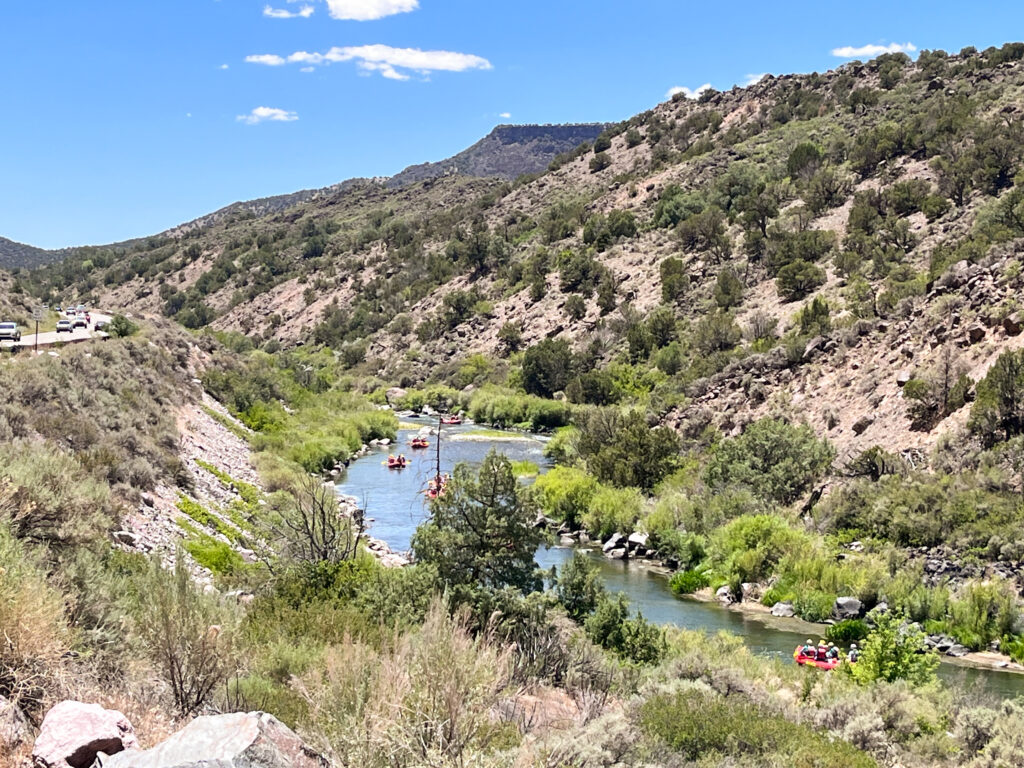
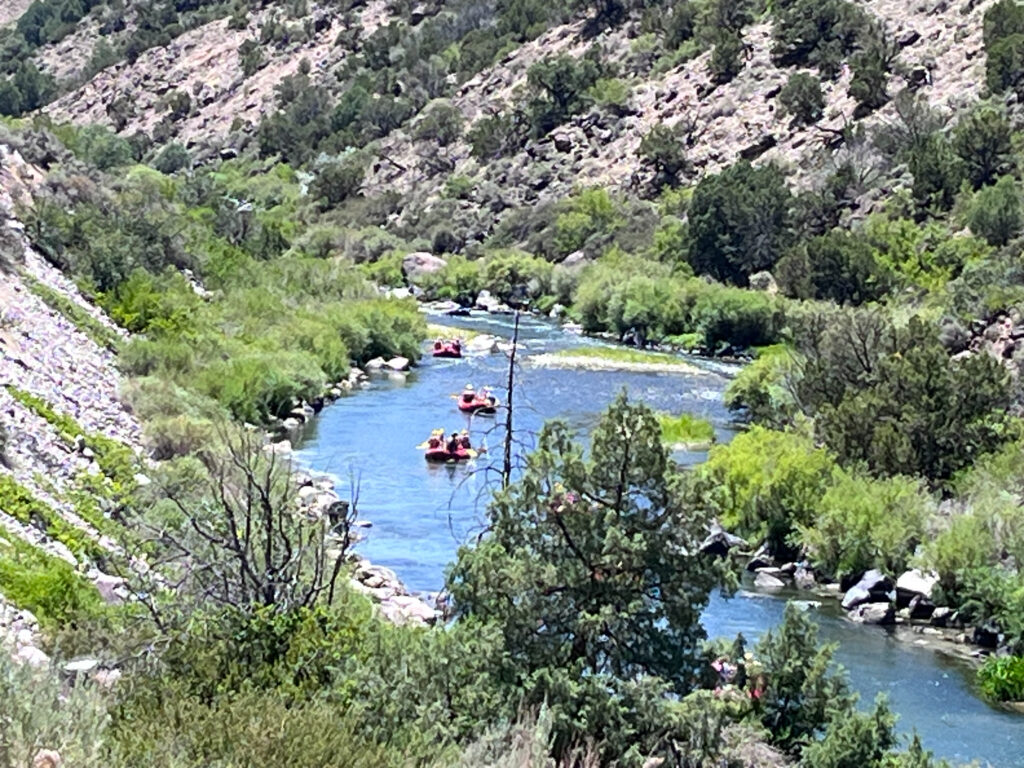
Cliff dwellings at Bandelier National Monument.

The Quiet Magic of Bandelier National Monument

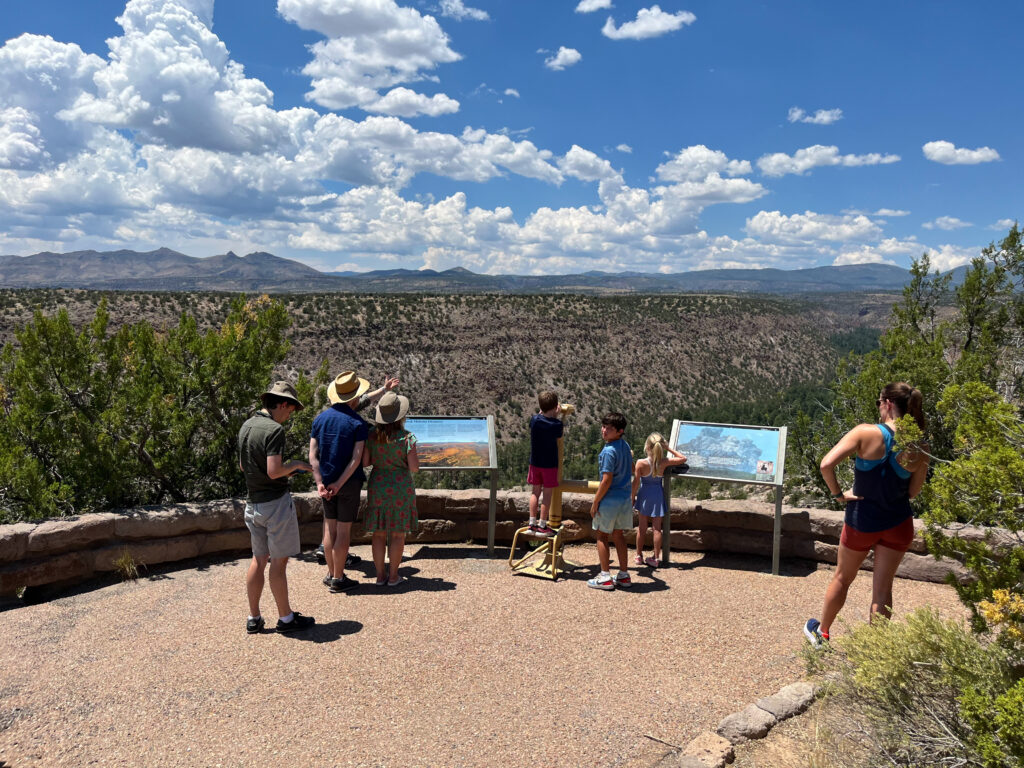
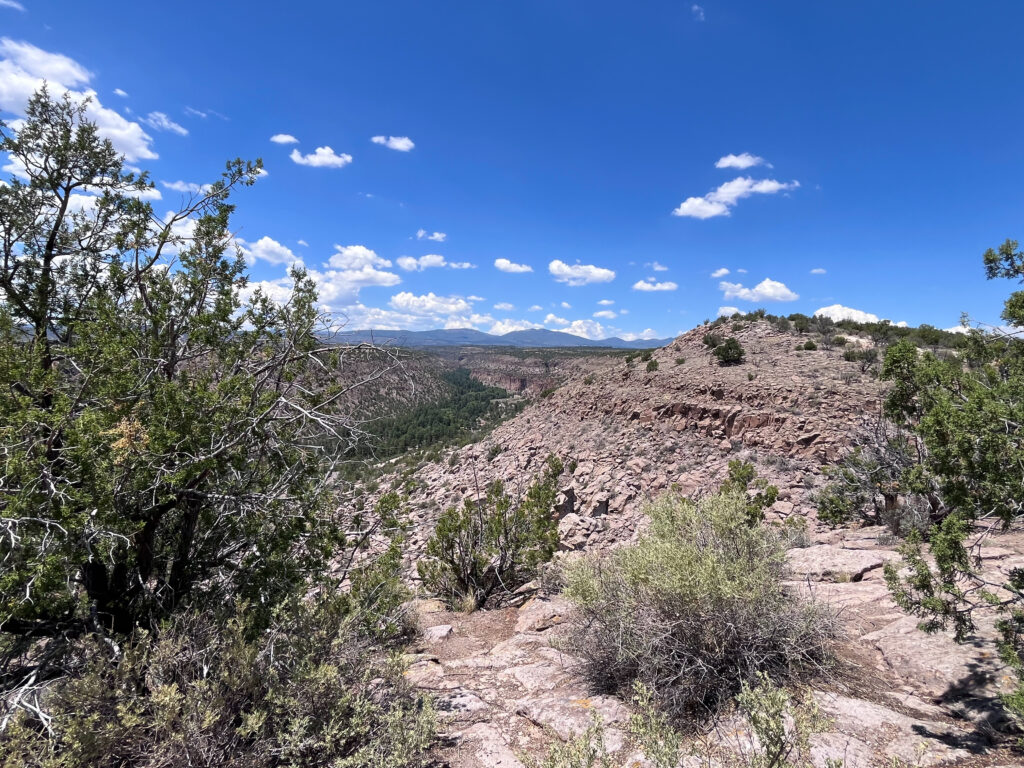
After winding through the Jemez Mountains, I arrived at my last stop for the day – Bandelier National Monument. I pulled over at the overlook and peered into the vast canyon. Even with a sturdy railing, my heart skipped a beat as I looked toward the canyon floor. I couldn’t help wondering what the drive down would be like. A few minutes later, I had my answer. There is a rather steep grade of about 8 percent with sharp switchbacks and steep drop-offs along the canyon walls. Honestly, though, it wasn’t bad at all.
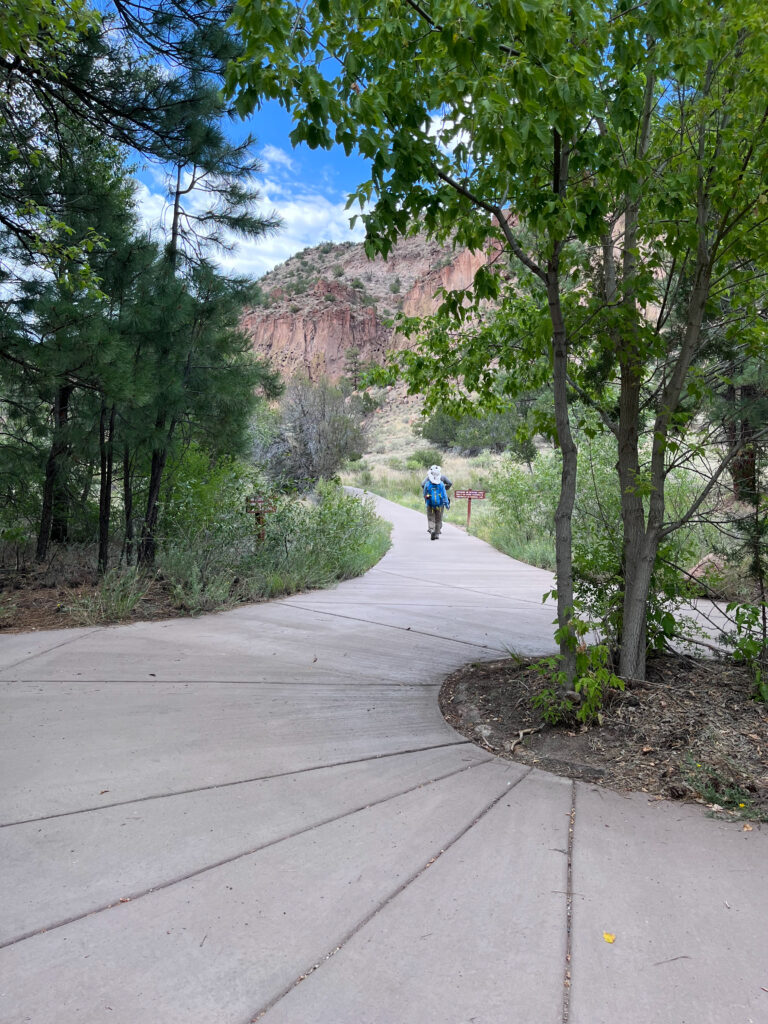
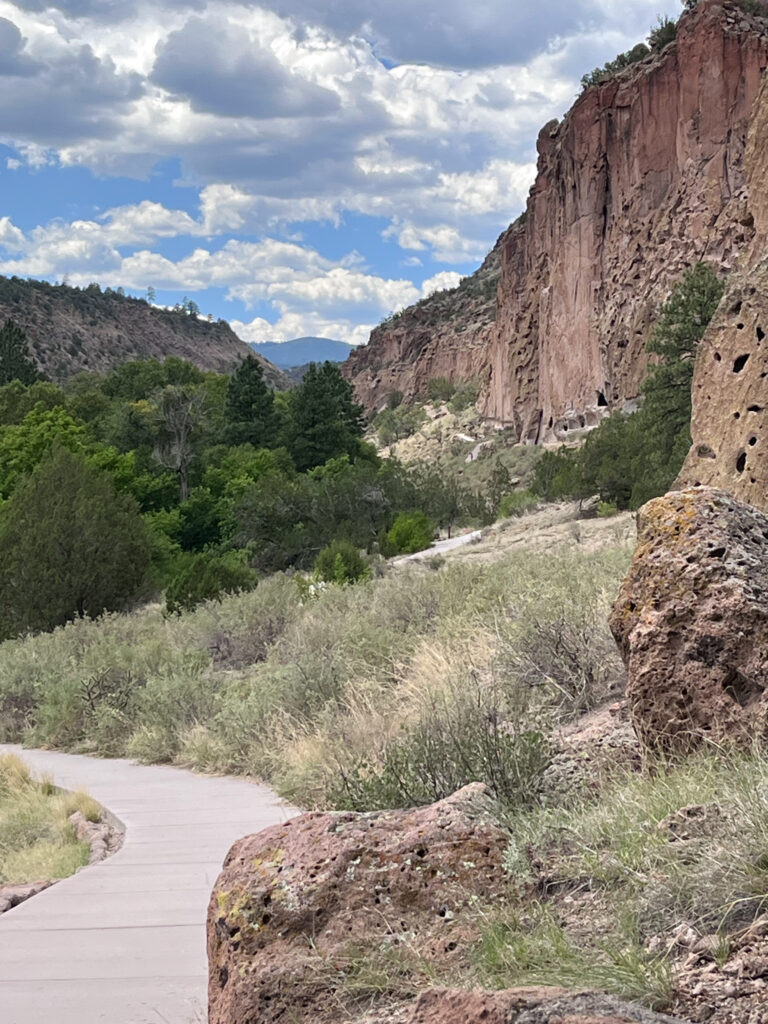
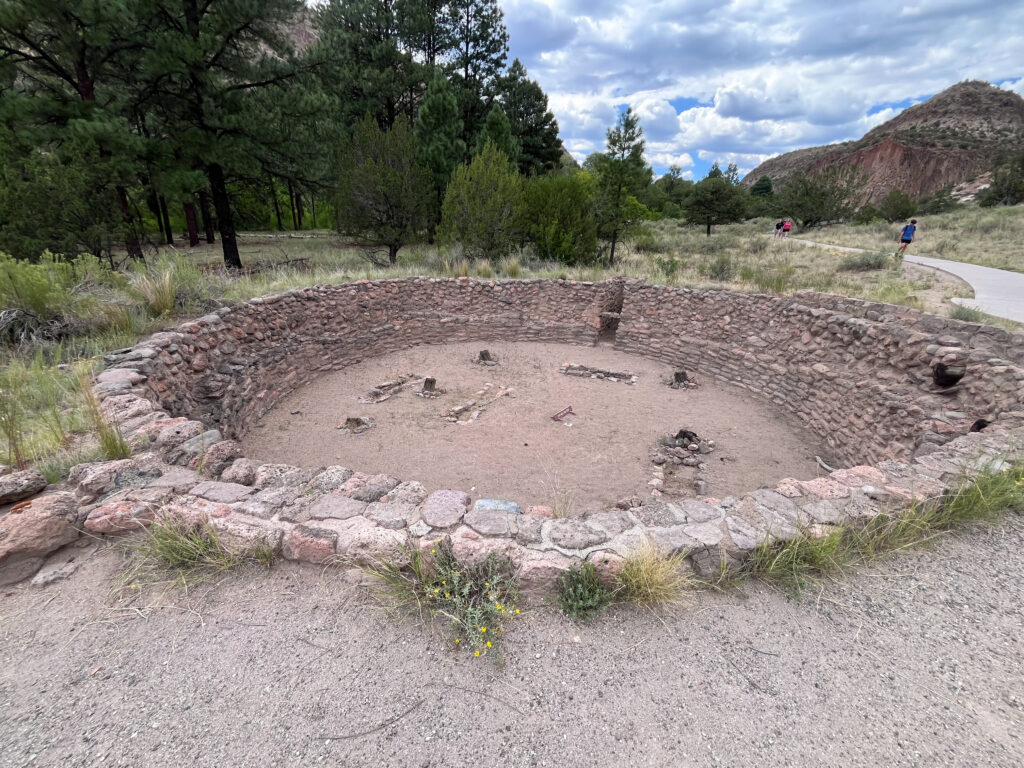
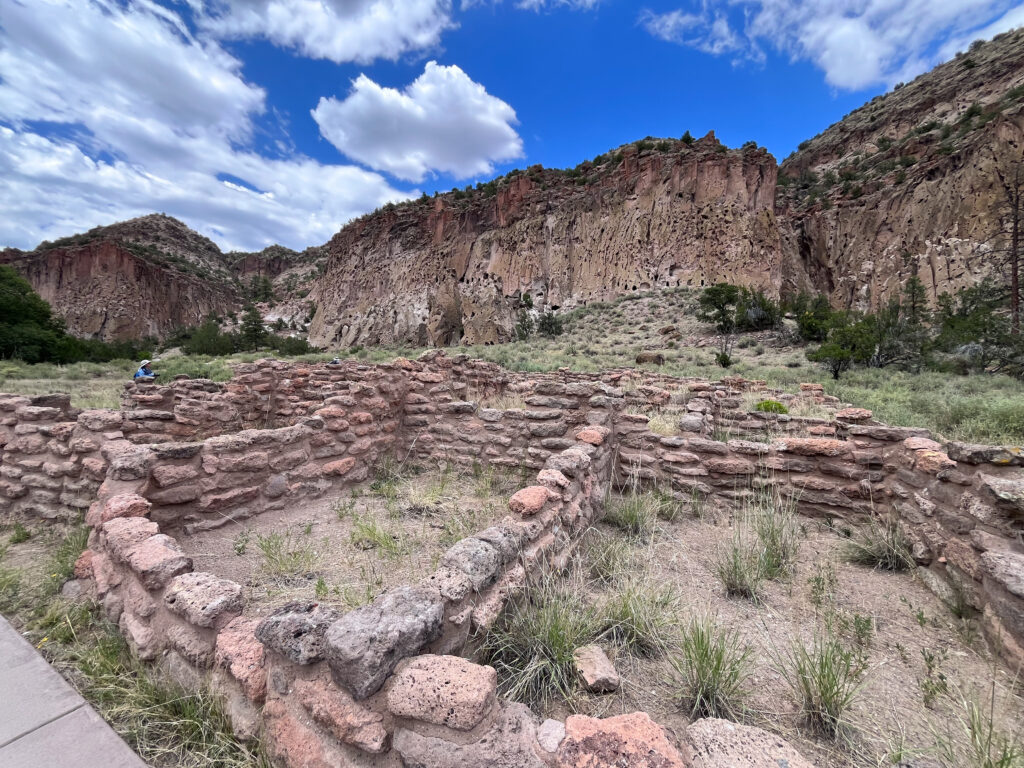
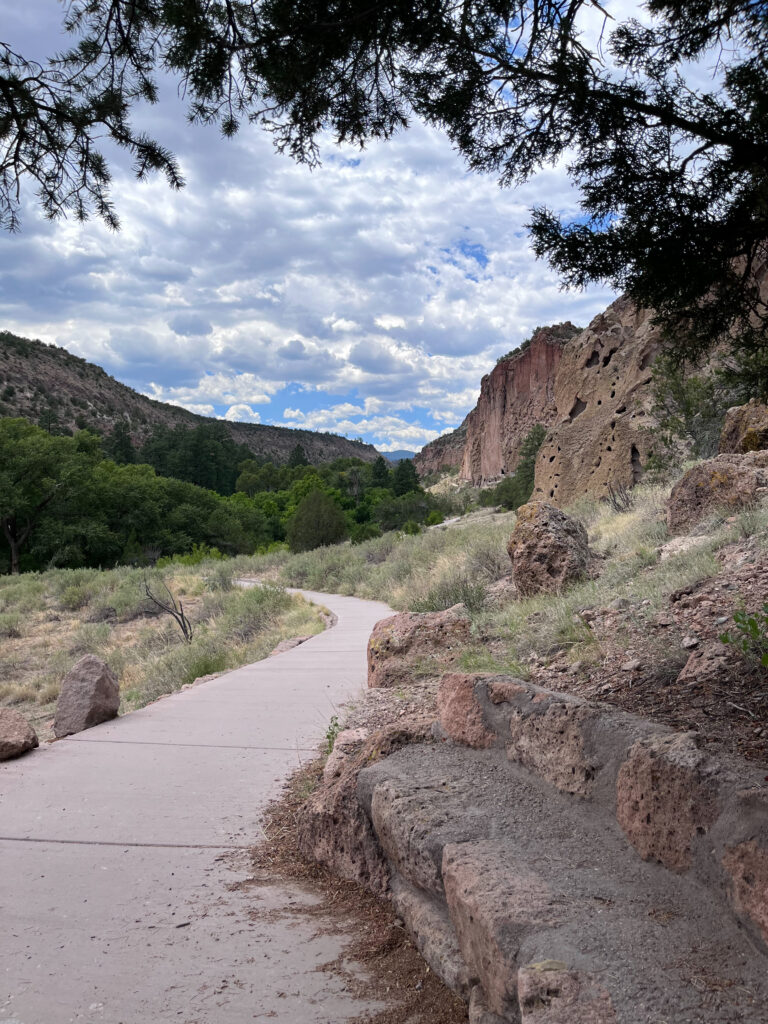
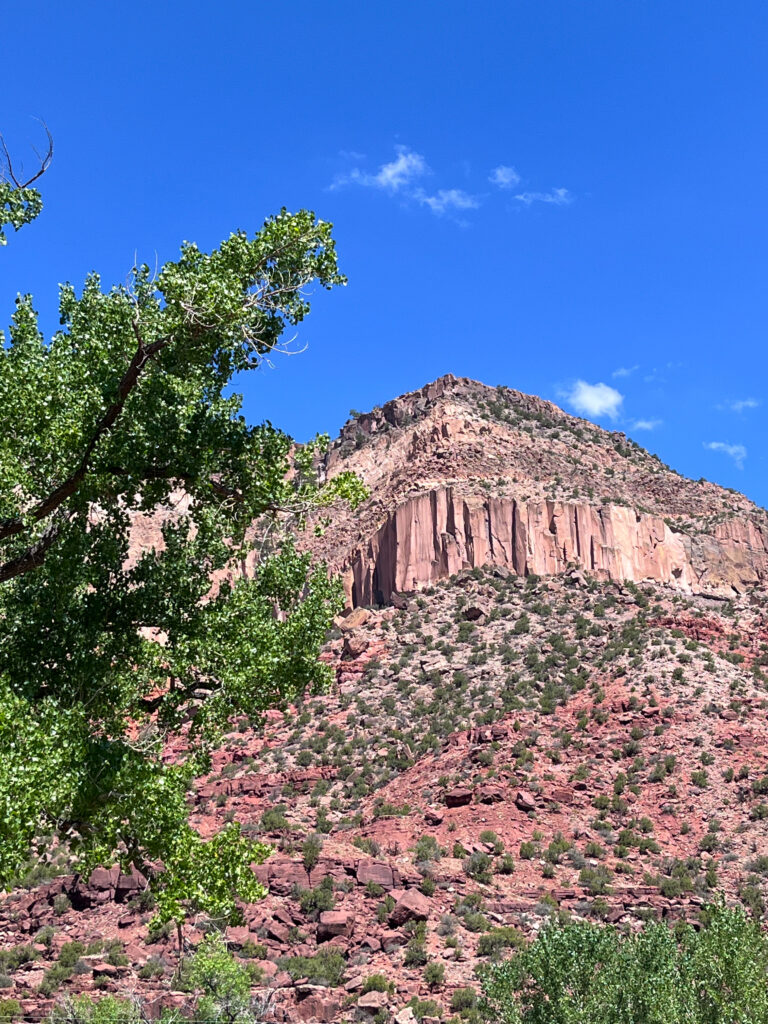
Excited to see the cliff dwellings, I started my hike at the visitor center and then meandered along a flat shady path that ran parallel to a creek. Trees shaded the creek on one side of the trail while towering cliff walls rose on the other. Trees shaded the creek on one side of the trail while towering cliff walls rose on the other. Before long, the trail emerged into full sun, where it led to a kiva and the remains of several adobe structures. Looking down into the circular kiva, I thought of the people who had gathered there in the spiritual heart of the community, and I thought back to the first time I saw pueblo ruins and kivas decades ago at Mesa Verde in Colorado.
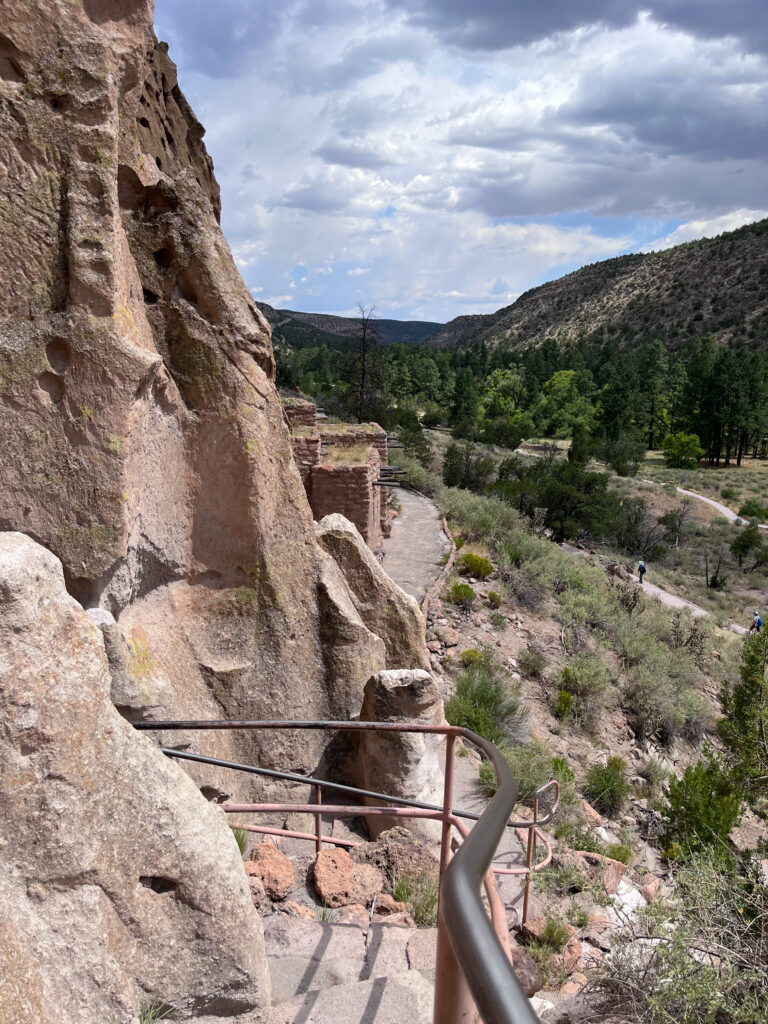
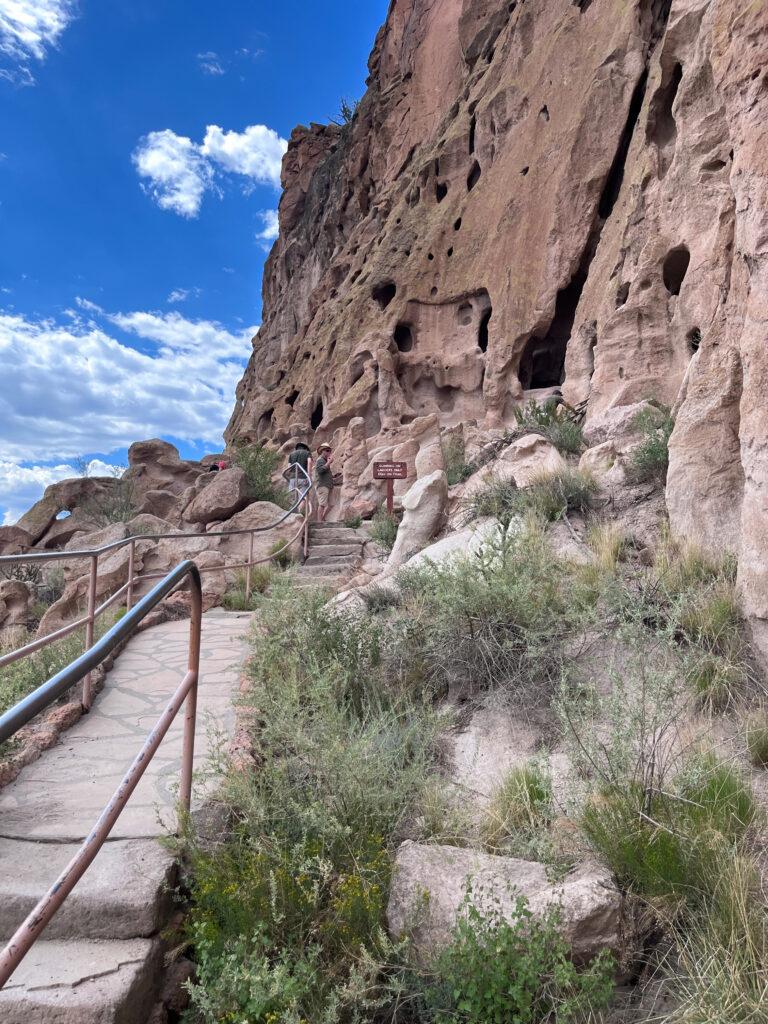
As I looked up, I got my first glimpse of the dwellings on the side of the cliff. I knew that there were going to be stairs, but this looked further up than I had anticipated. As I walked on, the path began to have an incline. I found a shaded bench beneath a few trees and stopped for my first break. The colors of the cliff walls were breathtaking ranging from light tan to warm yellows with streaks and layers of red and orange.

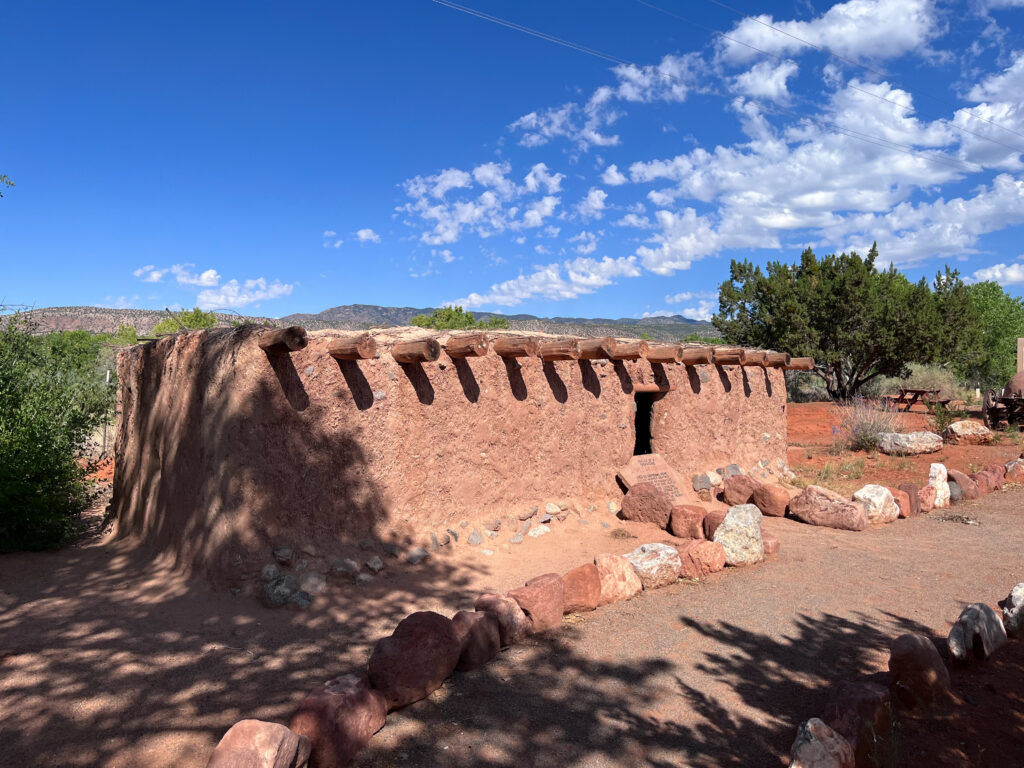
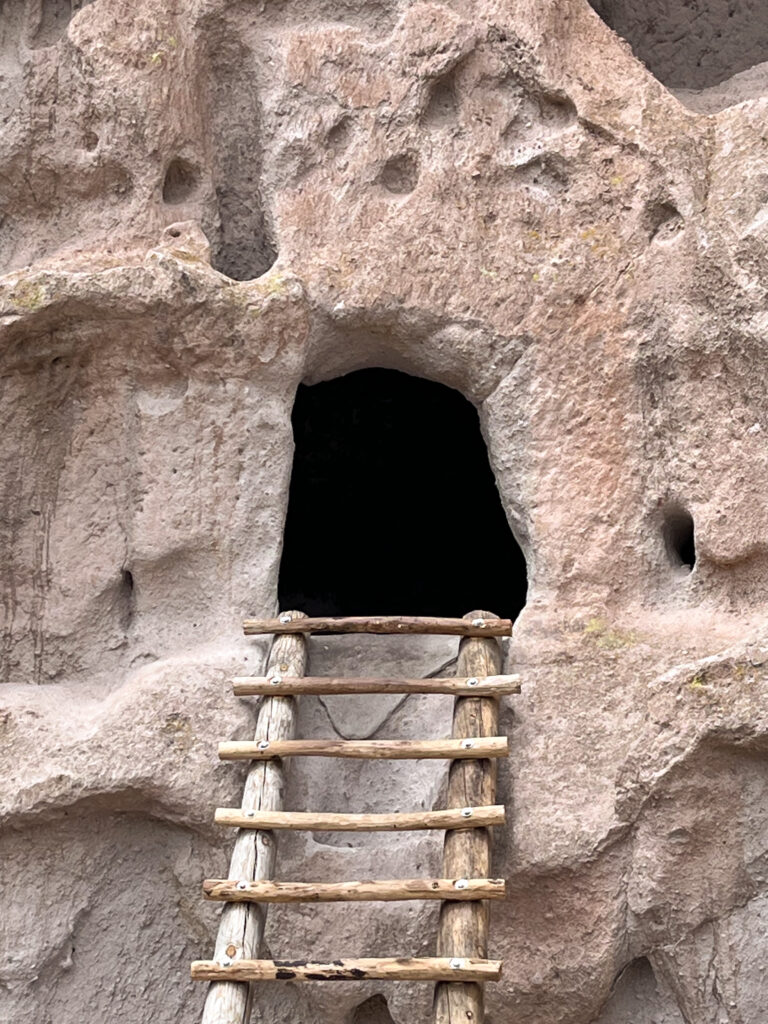
Most of the dwellings were in caves with ladders at the entrance, but there was also what looked like a rectangular house made with adobe and wooden beams. I thought about how difficult it would have been to carry those beams up without the modern convenience of the well-designed steps that had led me there.

I made my way up one of the ladders and stepped inside the small cave dwelling. The room was surprisingly cool, even in the afternoon sun. Being in a place where families once cooked, slept, and raised children made the history feel far more personal than simply reading about it on a sign.

It was hard to imagine families living high above the canyon, yet the alcoves felt surprisingly sheltered and connected to the landscape.

After I reached the highest level of the stairs, I turned and looked at the ruins below. They looked much larger and more intricate than when you are standing right beside them. From above, the valley stretched out below me, with the creek winding through the trees beneath towering cliff walls. Everything felt quiet, peaceful, and expansive. I felt proud of myself for making the climb (200 steps in all) and paused to take it all in. There were other trails, but I felt content with my adventure for the day. A year ago, my life felt much smaller. That afternoon, standing above the canyon, I realized how much confidence these solo adventures have quietly given me.
The Magic of Wandering: From Pueblo Lands to Mountain Forests

Some days are made for wandering. I left the house early with a full tank of gas, a list of places I wanted to see in the Jemez Mountains, and no idea what surprises the day would hold.

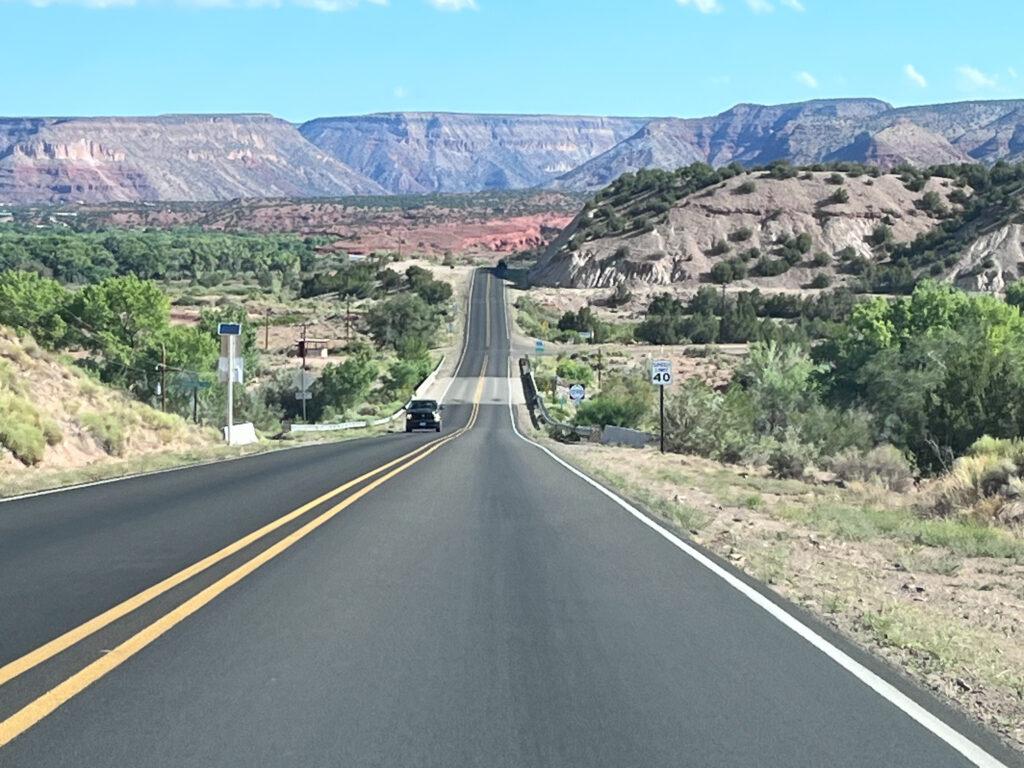
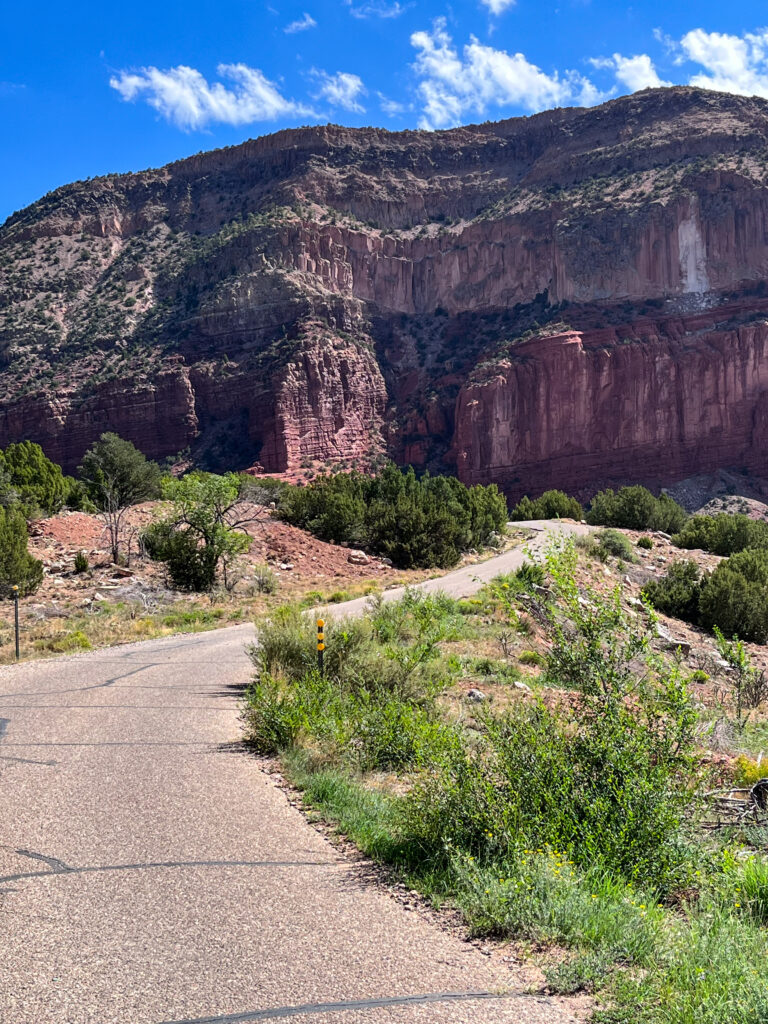
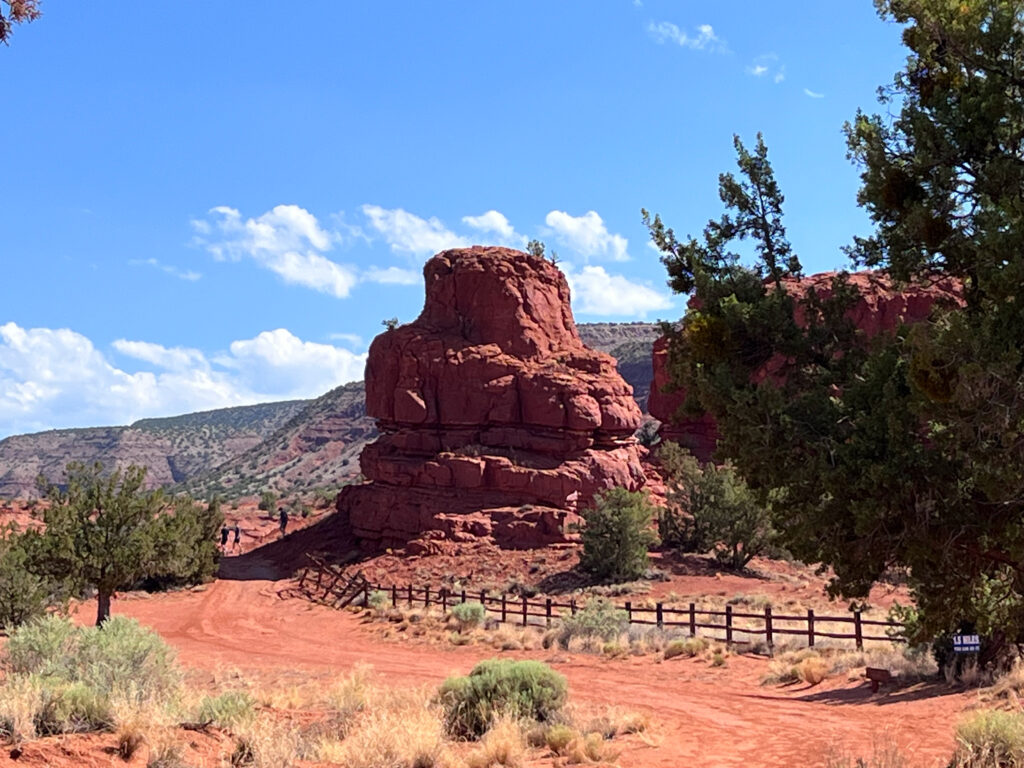
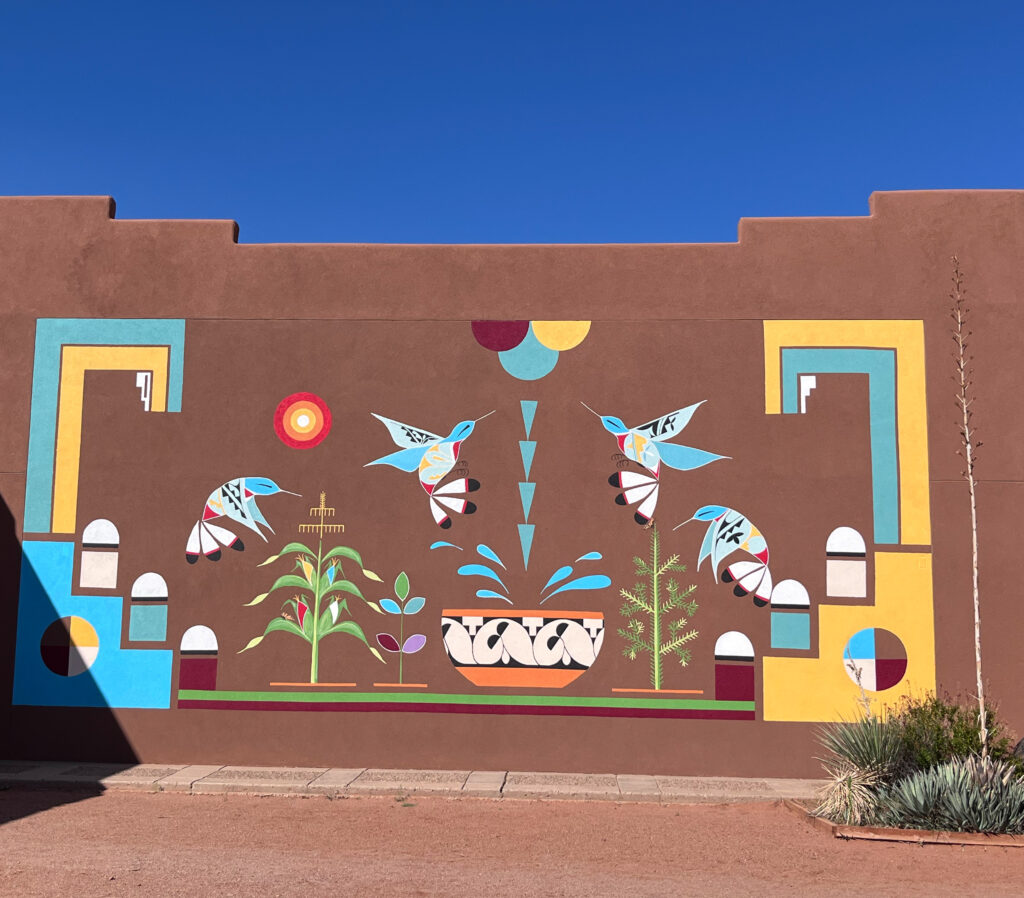
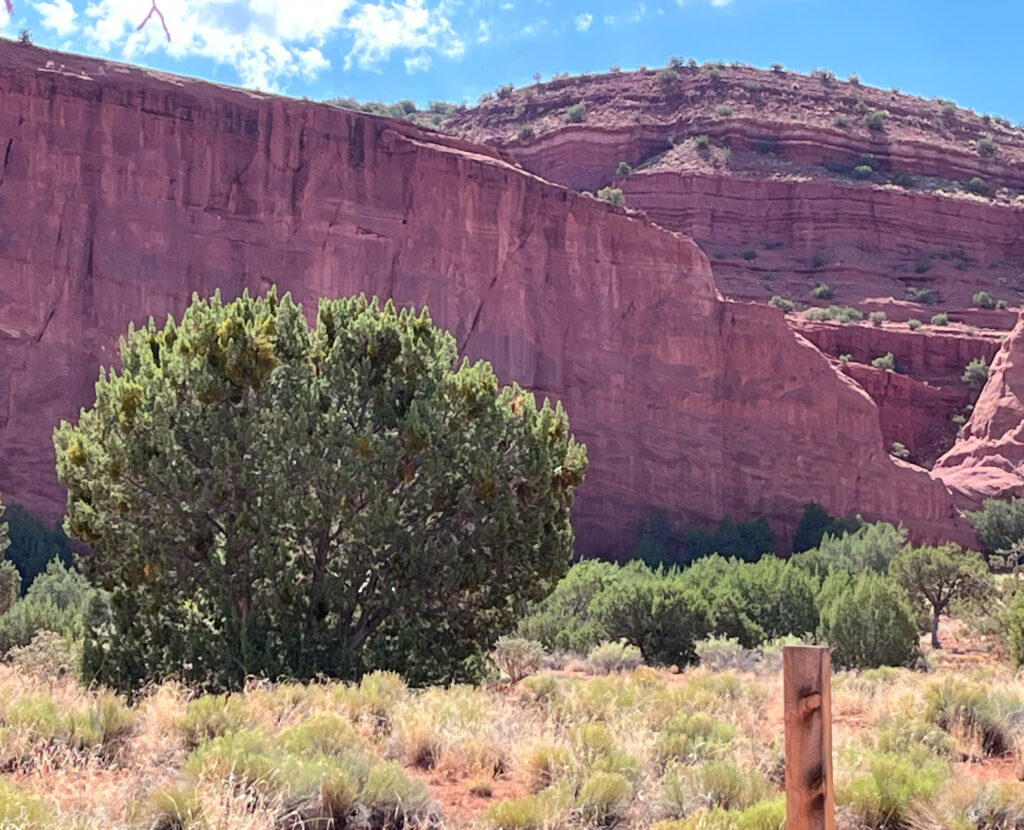
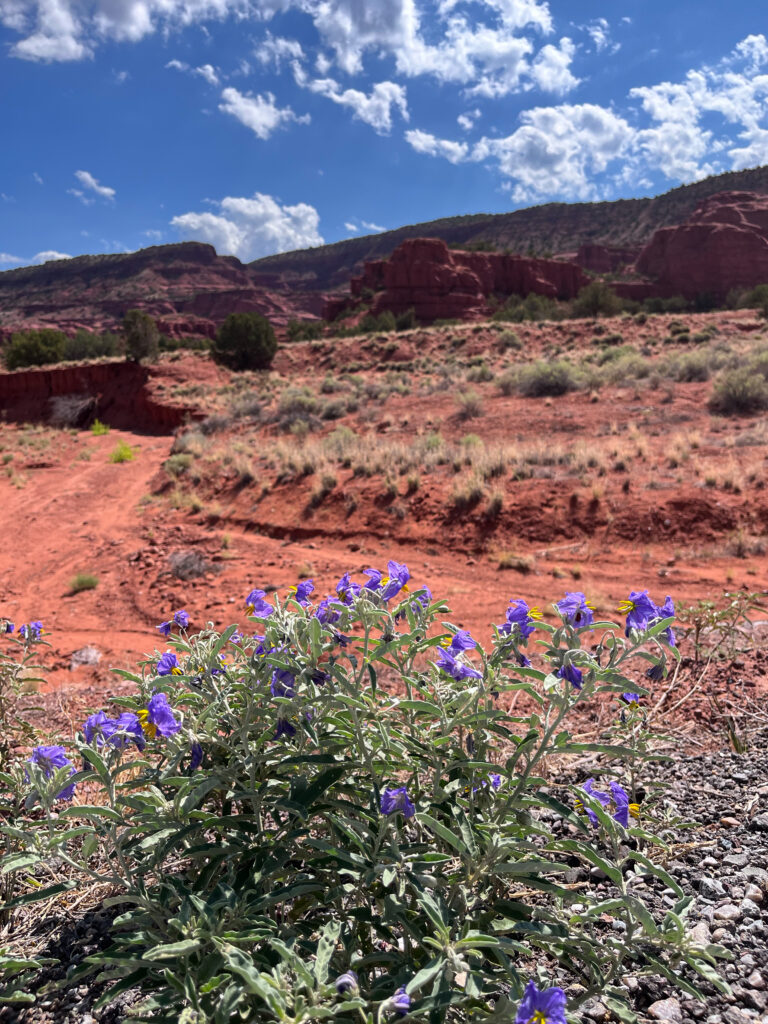
My first stop was the Jemez Pueblo Visitor Center. This was my first visit onto a reservation, and I wasn’t prepared for how beautiful the land would be. The red cliffs seemed to rise out of nowhere, and the landscape felt both peaceful and ancient. Before continuing on, I wandered through the visitor center, explored the small museum, admired a colorful courtyard mural, and found a few souvenirs for my grandsons.
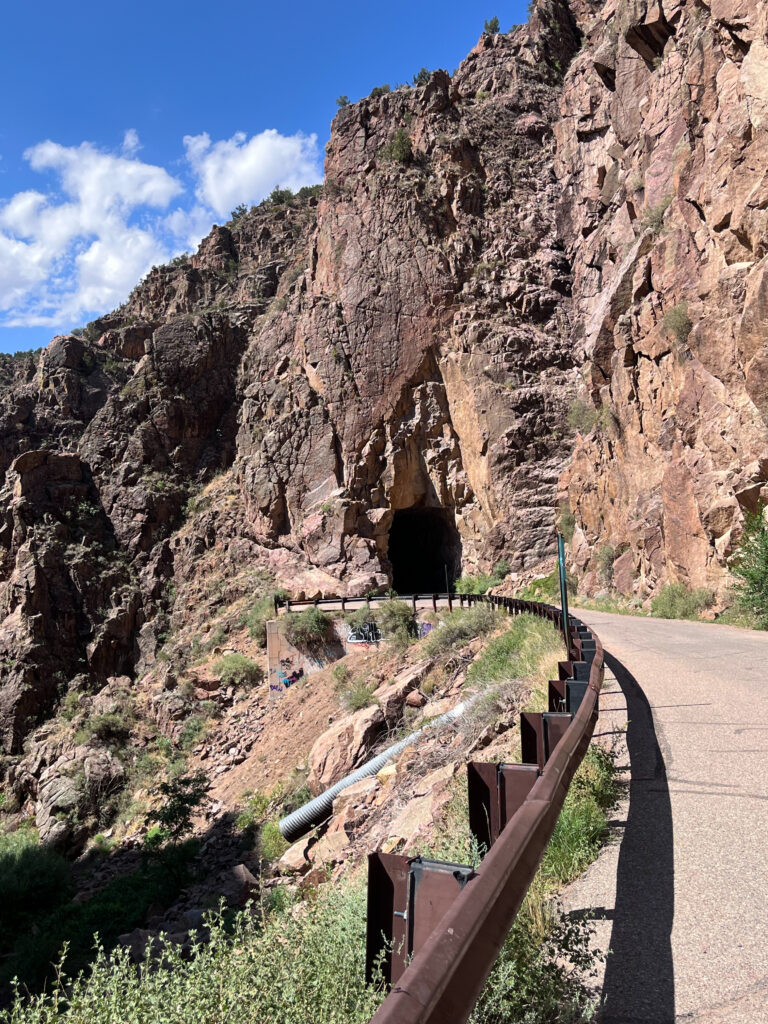
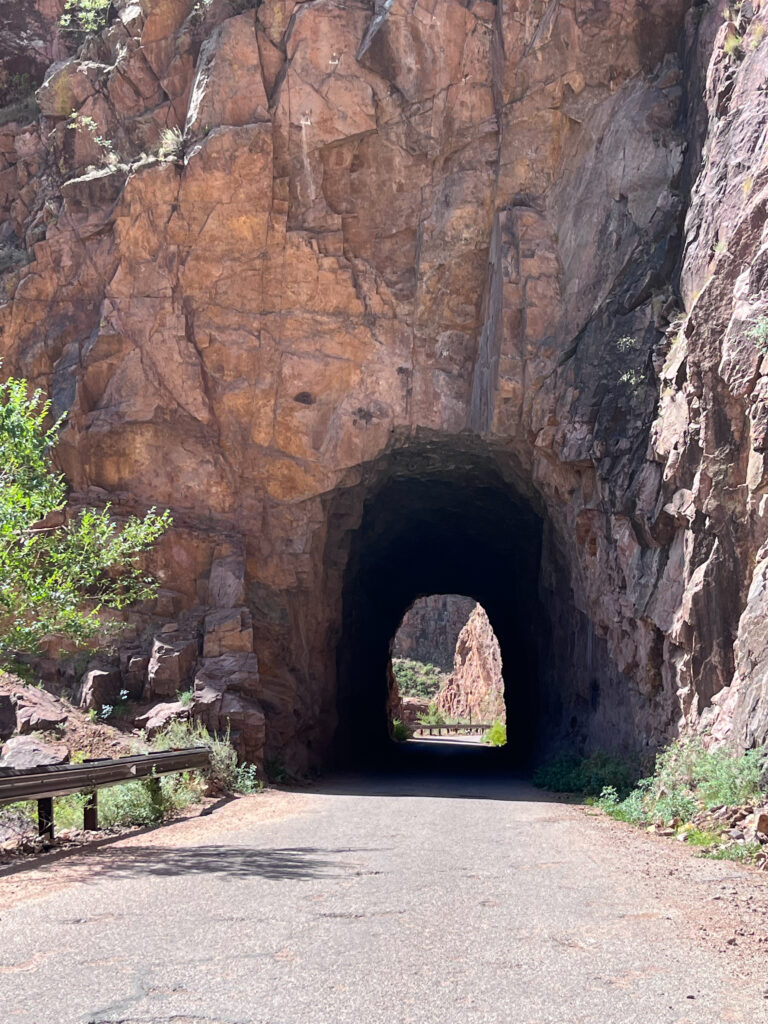
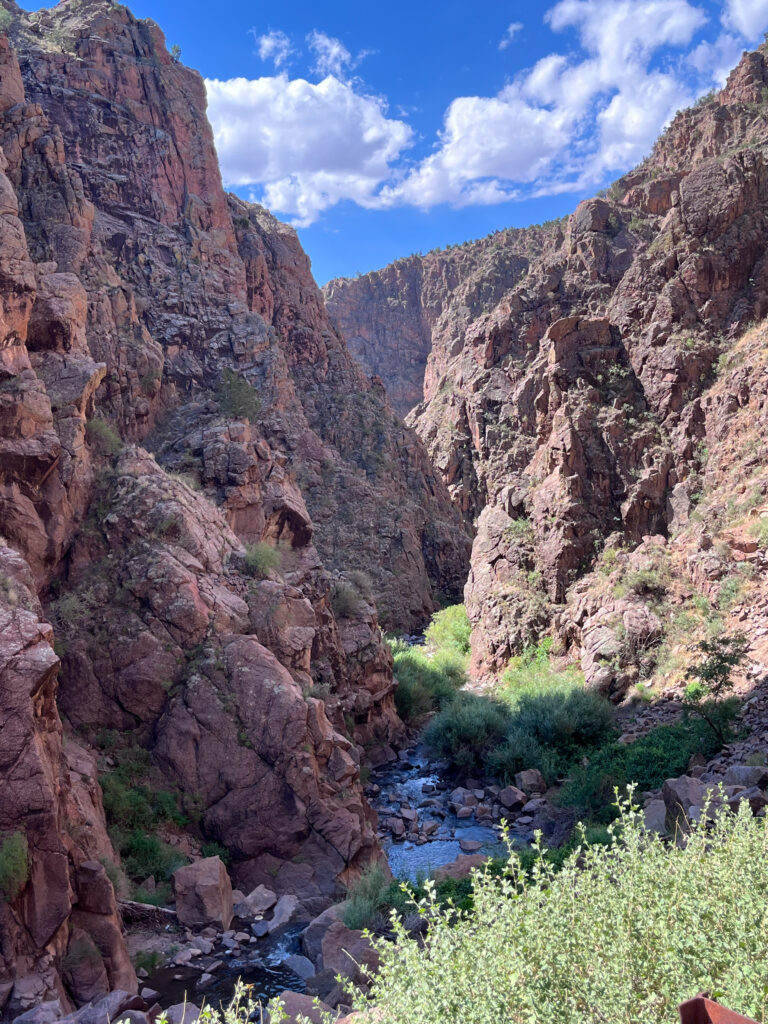
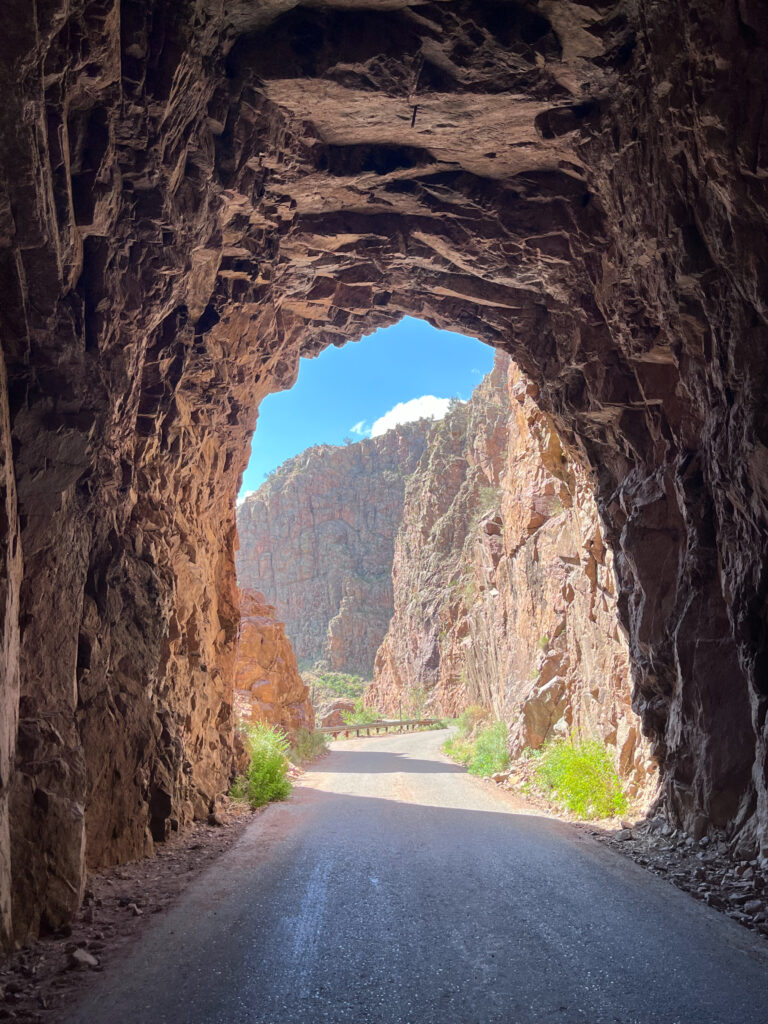
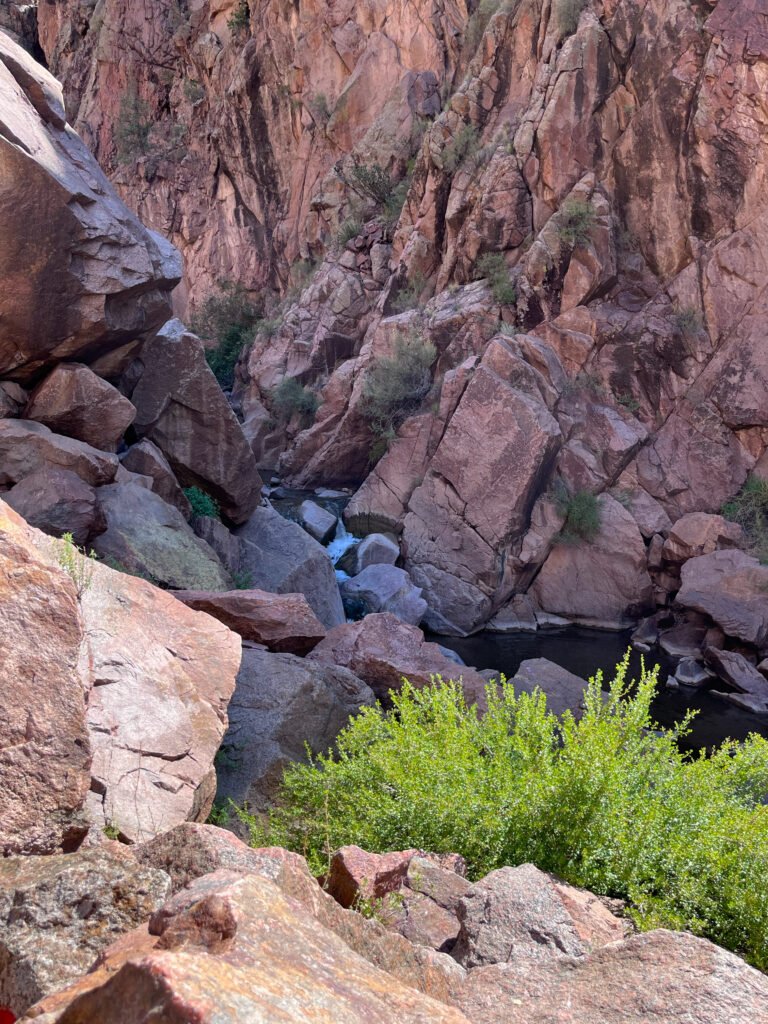
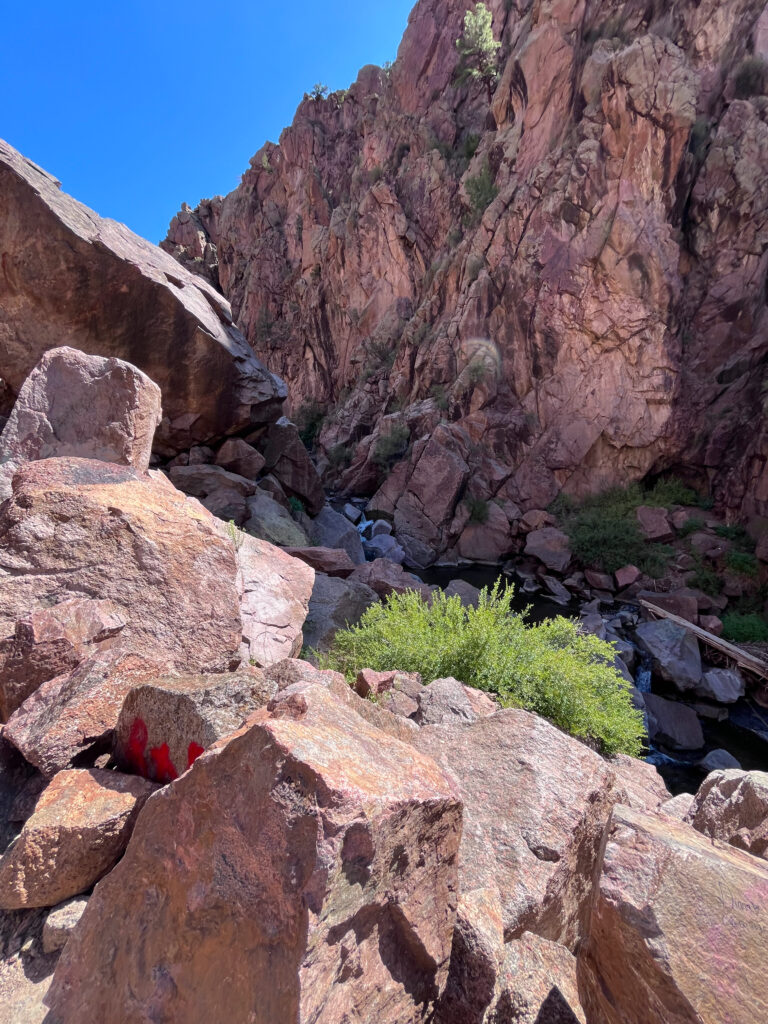
Next on my list was Gilman Tunnels. Another beautiful surprise! I really had no idea of what to expect. A woman I met in a shop in Santa Fe suggested I stop there if I was in the area. The tunnels were about five miles off of a main road that meandered along a small river and into the foothills of the mountains. The road narrowed into a one-lane road carrying two-way traffic. Thankfully, I never met another vehicle. As I rounded the final curve, the first of two tunnels appeared, seemingly carved straight through solid rock. It was hard to imagine trains once passing through these narrow openings. The tunnels were blasted through Precambrian granite in the 1920s so logging trains could reach Guadalupe Box Canyon. After I had gone through the second tunnel, there was enough room to pull over, get out, and look down into the canyon with a small waterfall and river running through. I was a little nervous about where this road went and if I would find another place with enough space to turn around, so I went ahead and turned around. As I headed back toward the highway, I couldn’t help but think… It’s pretty amazing what you might find just a few miles off the main road.

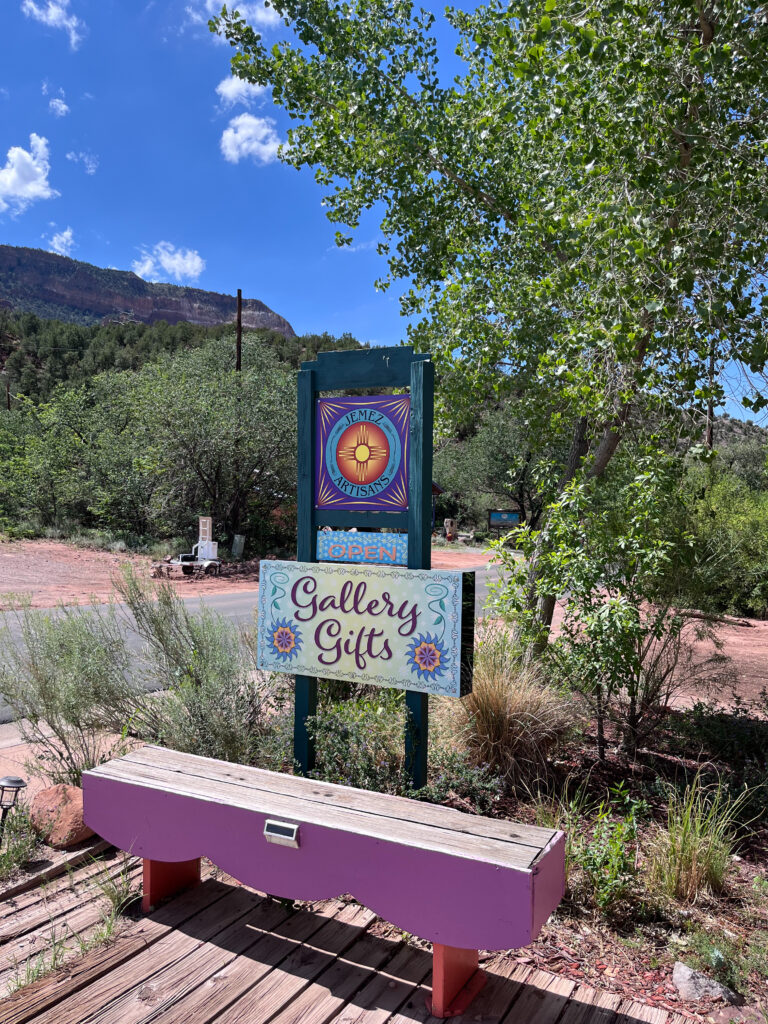
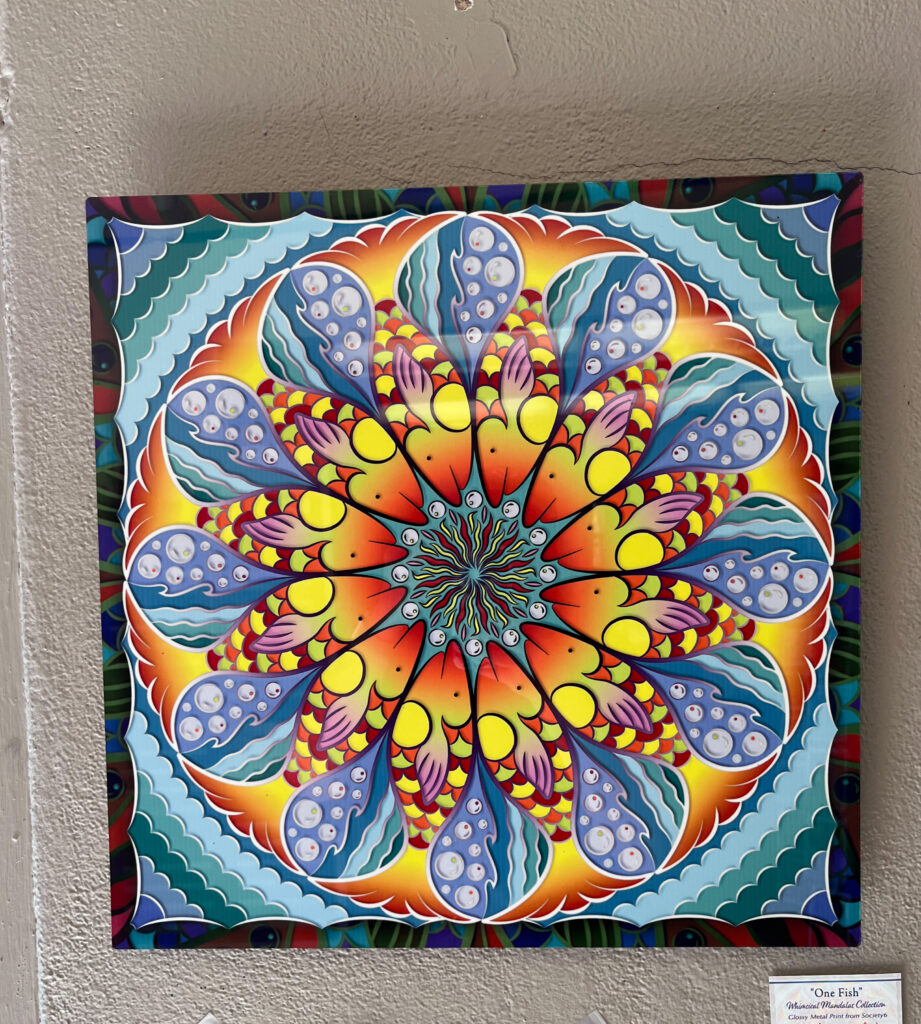
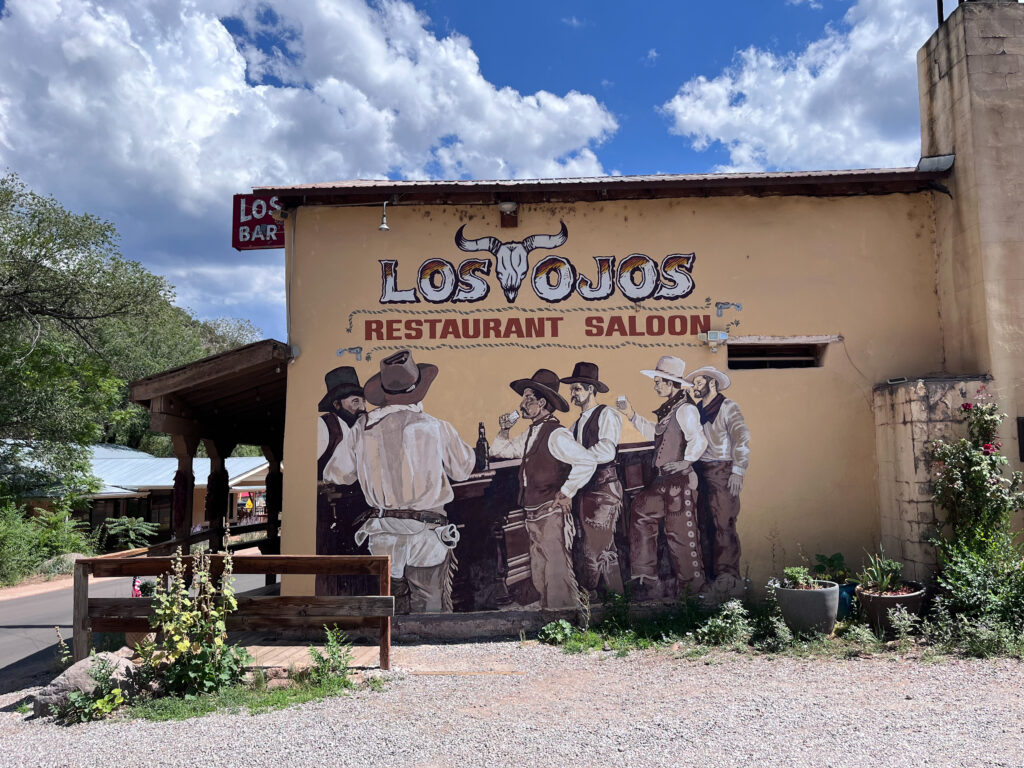
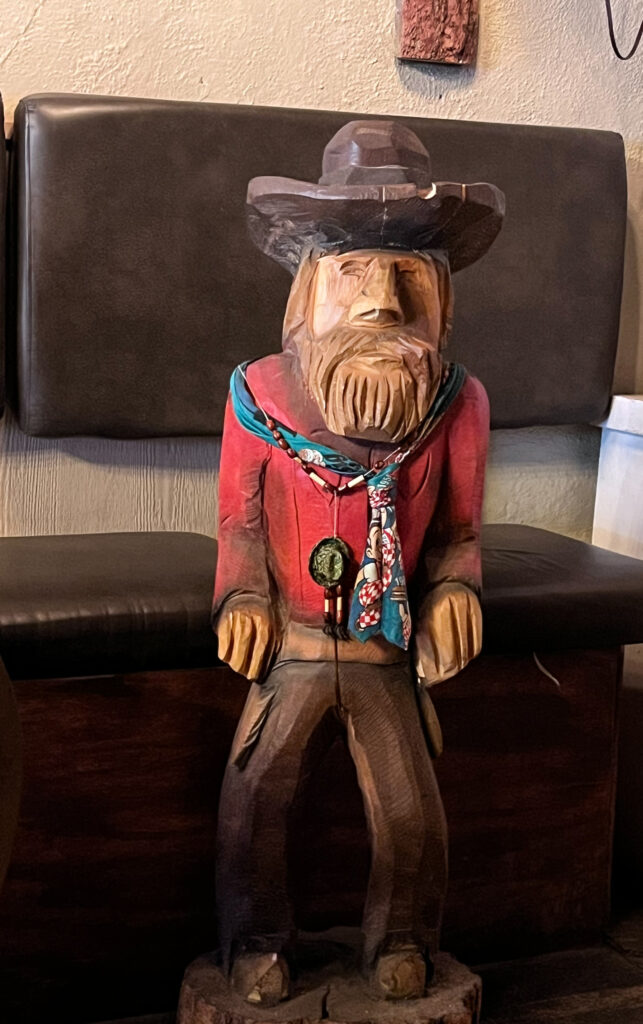
Eventually I rolled into Jemez Springs, a tiny mountain town dotted with art galleries, hot springs, and old southwestern charm. It felt like the kind of place where people linger instead of hurry. I wandered through a couple of art galleries before stopping at the local saloon for lunch. I ordered New Mexican tacos, curious how they would compare to the Tex-Mex version I’d always known. The meat wasn’t seasoned the way I expected, and instead of being smothered in cheese, they were served with chile sauce on the side. They even came with black olives—a combination I’d never had before but ended up loving.

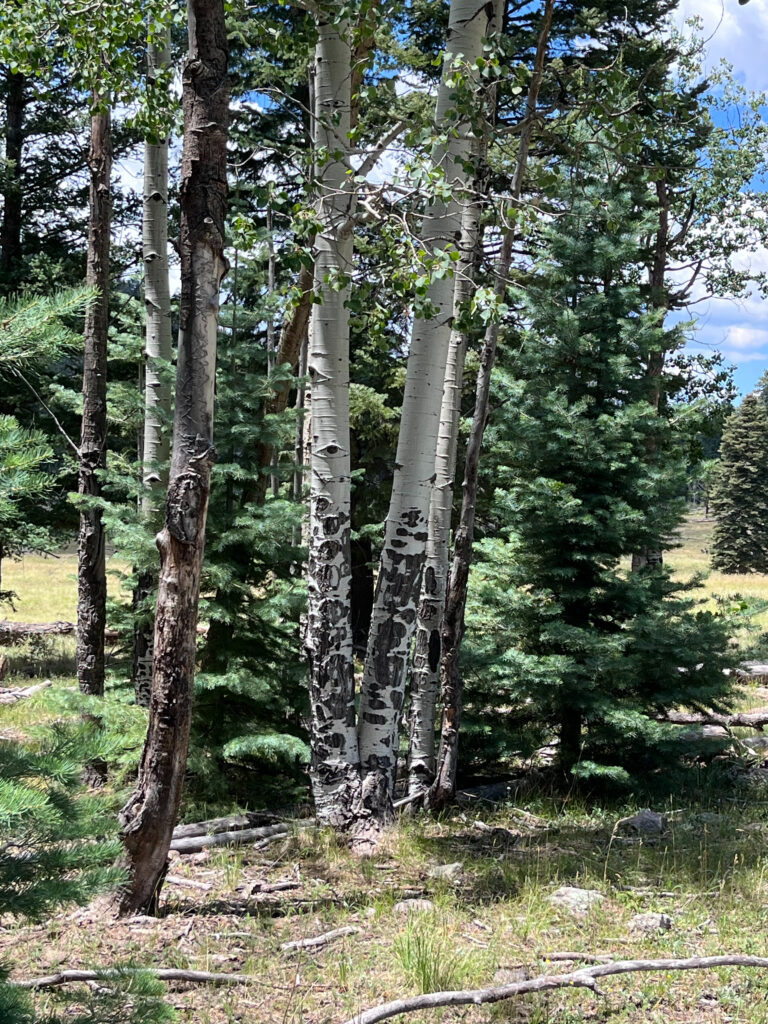
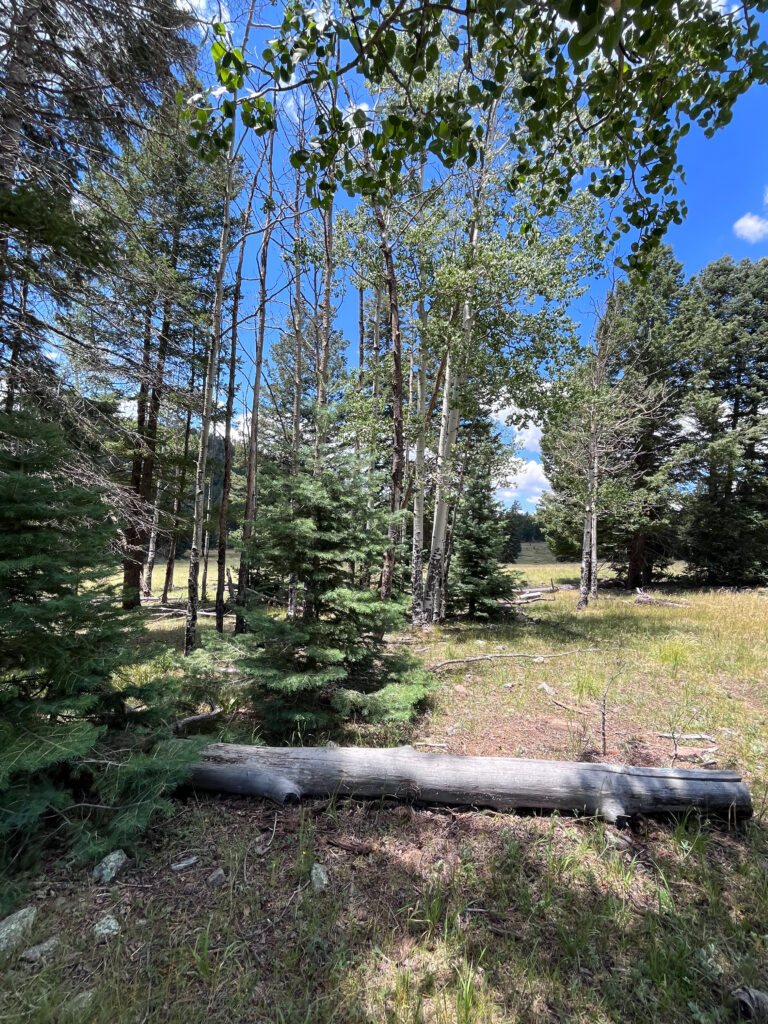
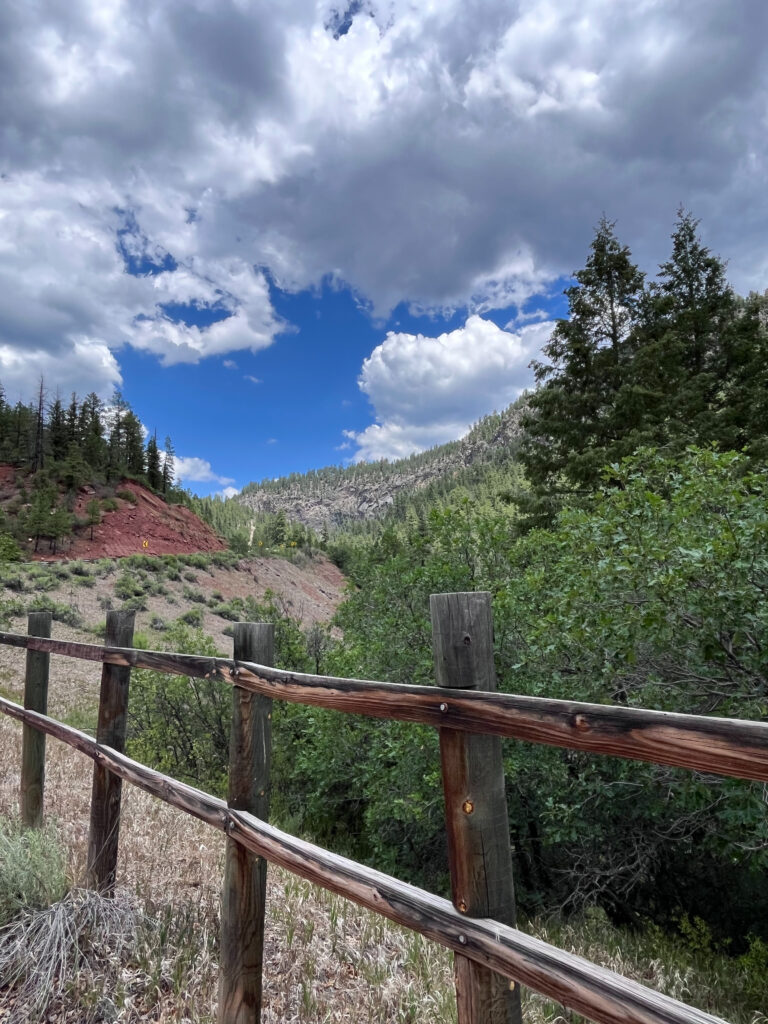
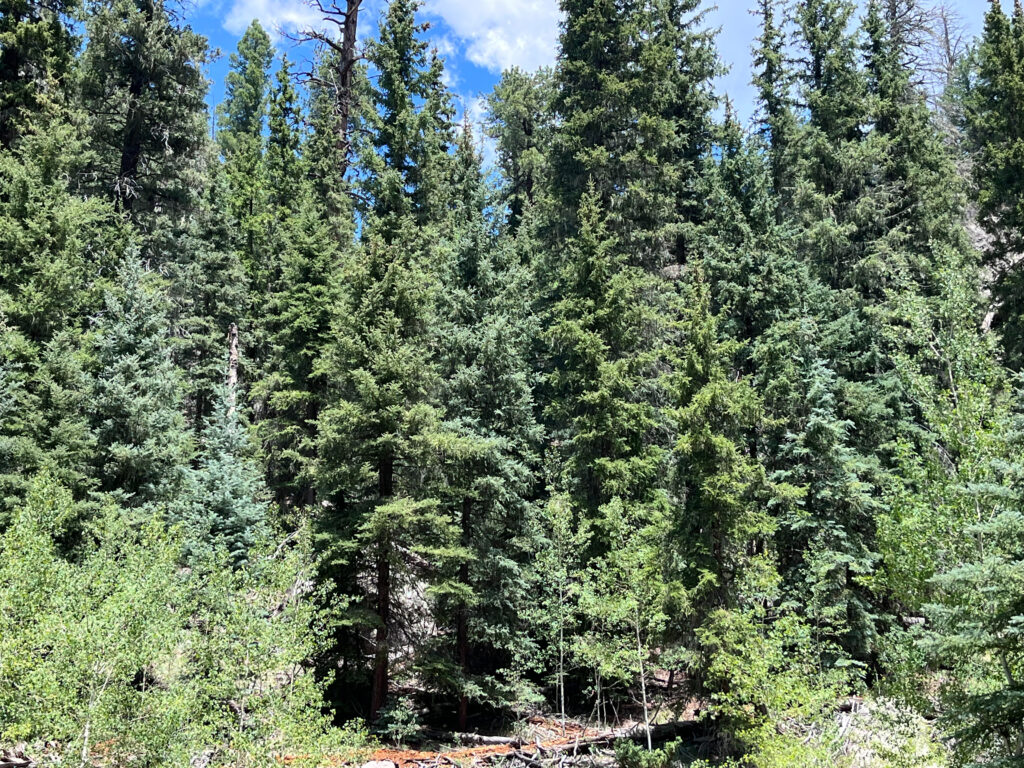
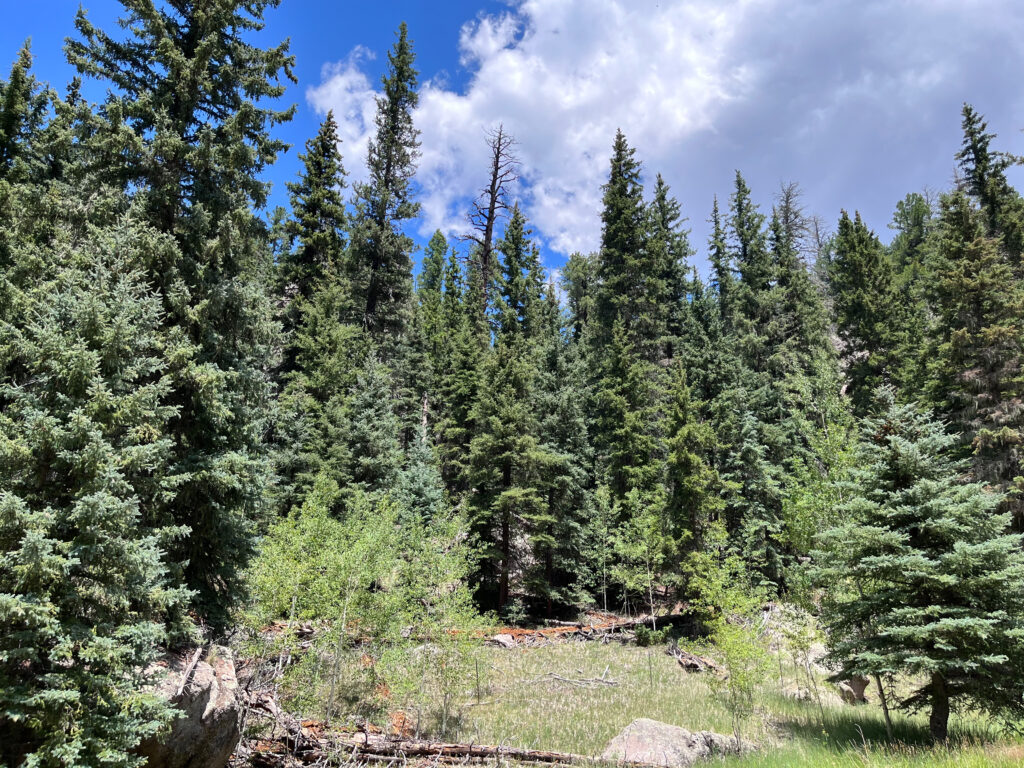
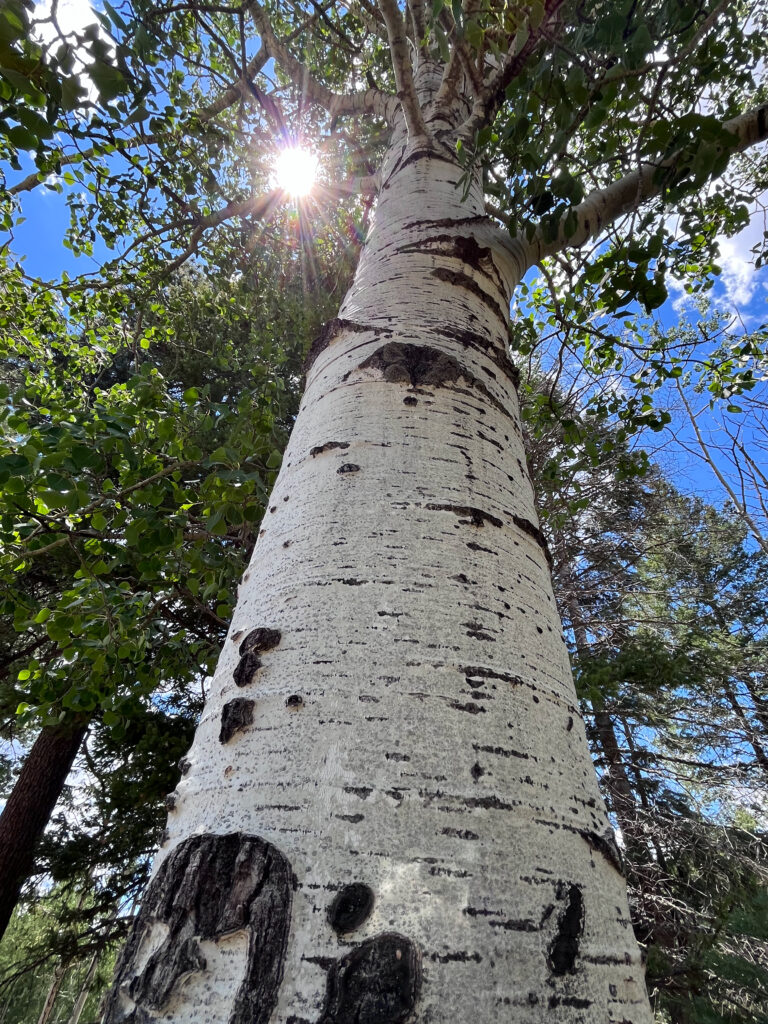
The next part of my trip was completely magical. As the road climbed higher into the mountains, the scenery began to change. The red rock gradually gave way to towering pines, shimmering aspens, and evergreen trees that looked as if they belonged on a Christmas card. Until that day, I hadn’t realized this side of New Mexico even existed. Now this Texas girl was in her happy place. I hadn’t even realized how much I’d missed the smell of pine after spending more than a month in the high desert. I pulled into a small parking area where a Boy Scout troop was gathered in a circle nearby. I tried not to disturb them as I walked a little way down a trail, found a fallen log to sit on, and just breathed in the cool mountain air and the forest smells. The towering pines reminded me of the forests back home. I kicked off my shoes and put my feet in the grass for a bit before I got back on the road.

For a few quiet minutes, I forgot all about my itinerary. I just sat there with my feet in the grass, breathing in the mountain air, grateful to have stumbled onto a little piece of home in the middle of New Mexico.

Churches, Art, and a Musical Road: A Day on the Turquoise Trail

Before my day on the Turquoise Trail even began, I stumbled across one of the most unexpected things I’ve ever found on Route 66—a musical road! For about a quarter of a mile, special rumble strips play America the Beautiful as you drive over them at the speed limit. The first time, I was almost through it before I realized what I was hearing. Since the original signs marking the spot have been removed, I turned around and drove it again. Then I drove it a third time with the windows down, the A/C off, and my tires right on the rumble strips. Perfetto! The first time I ever experienced a musical road was during my years in Japan, so I was delighted to stumble upon one in Albuquerque.

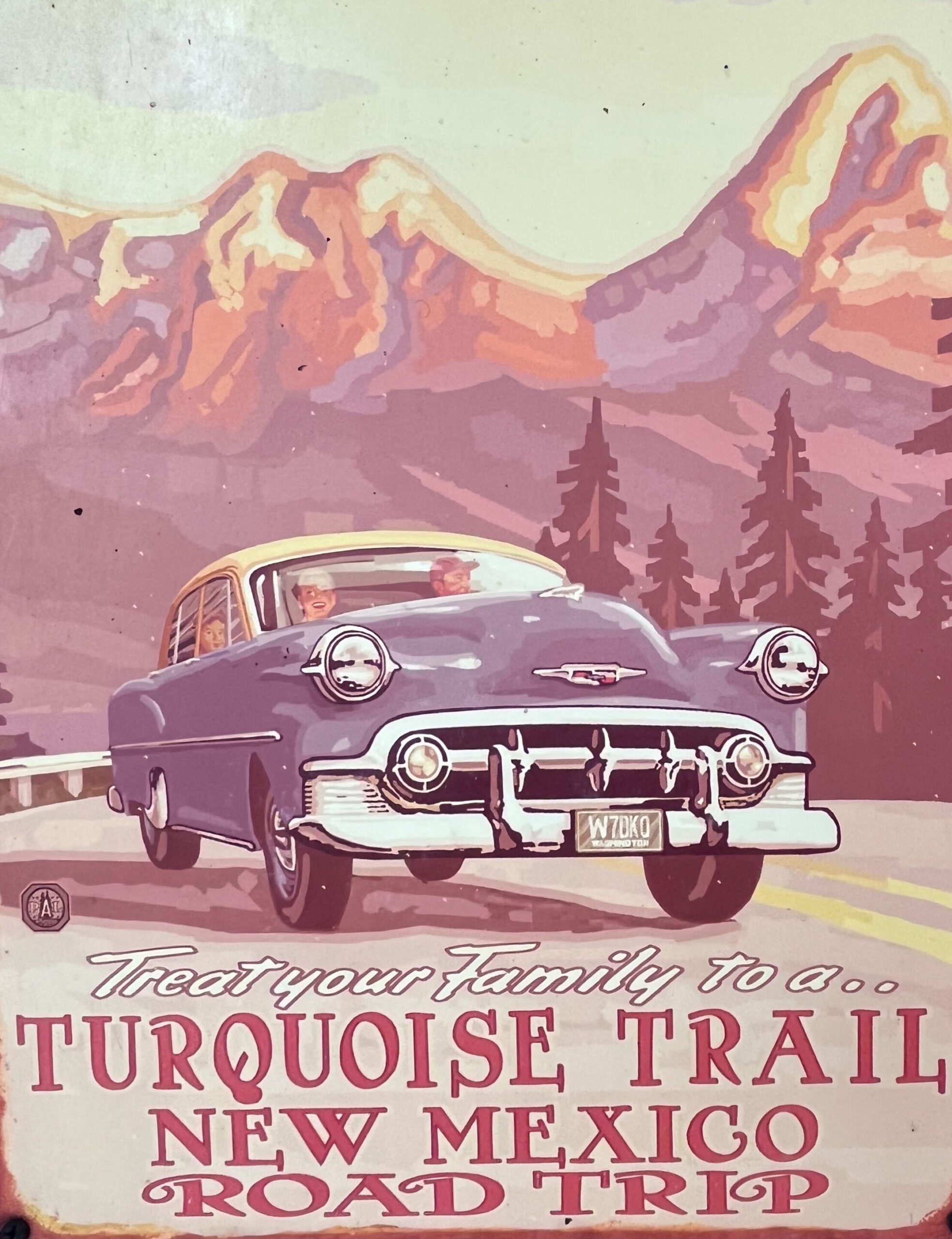
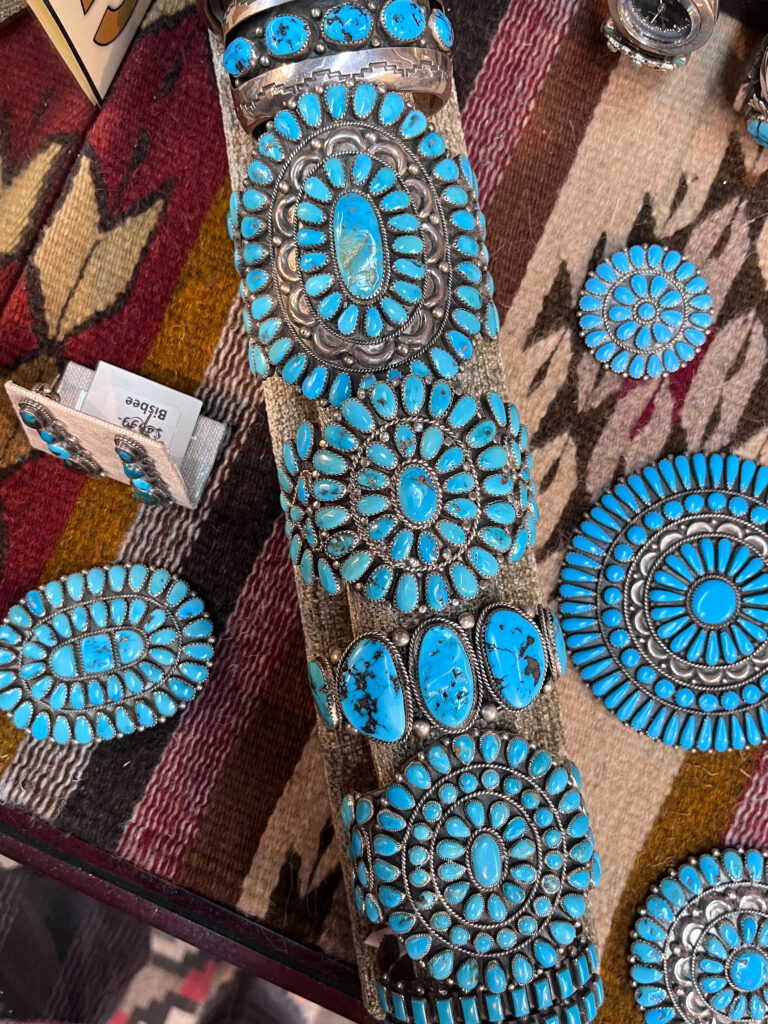
You pick up the Turquoise Trail in Tijeras on the east side of Albuquerque. It’s a scenic byway (NM- 14) that runs from Albuquerque to Santa Fe through the Sandia Mountains. Native Americans mined turquoise here as far back as A.D. 900. Later, settlers also mined the area, giving the trail the name it still carries today.

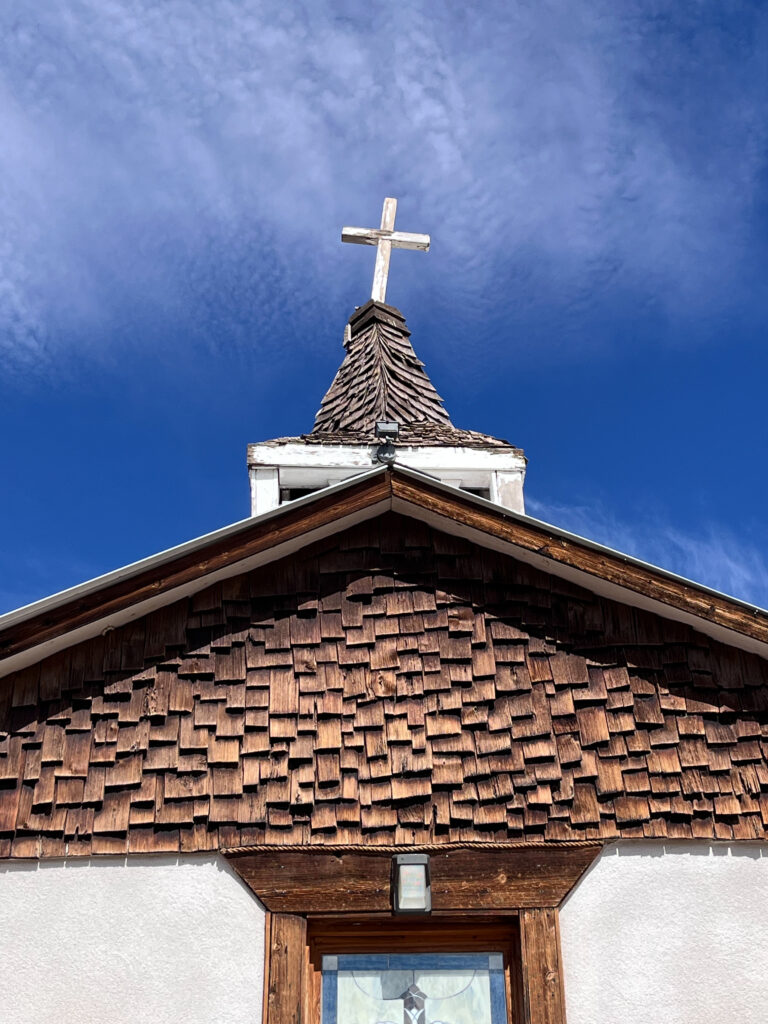
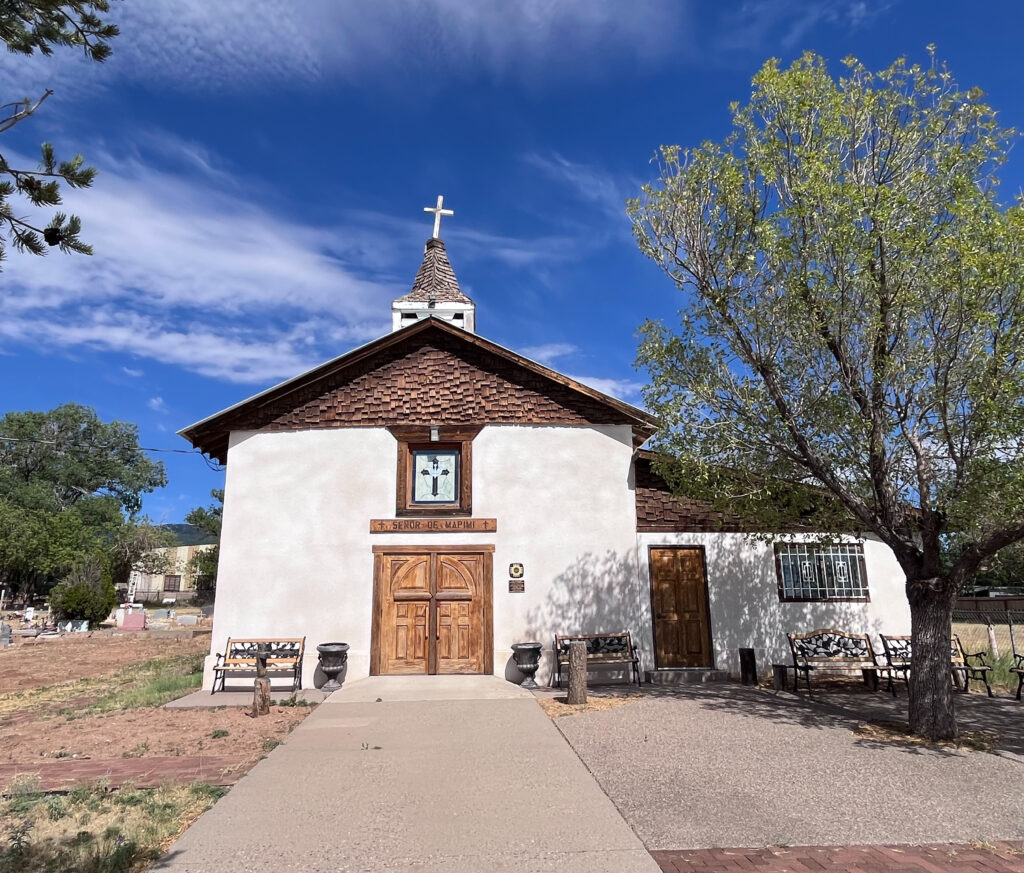
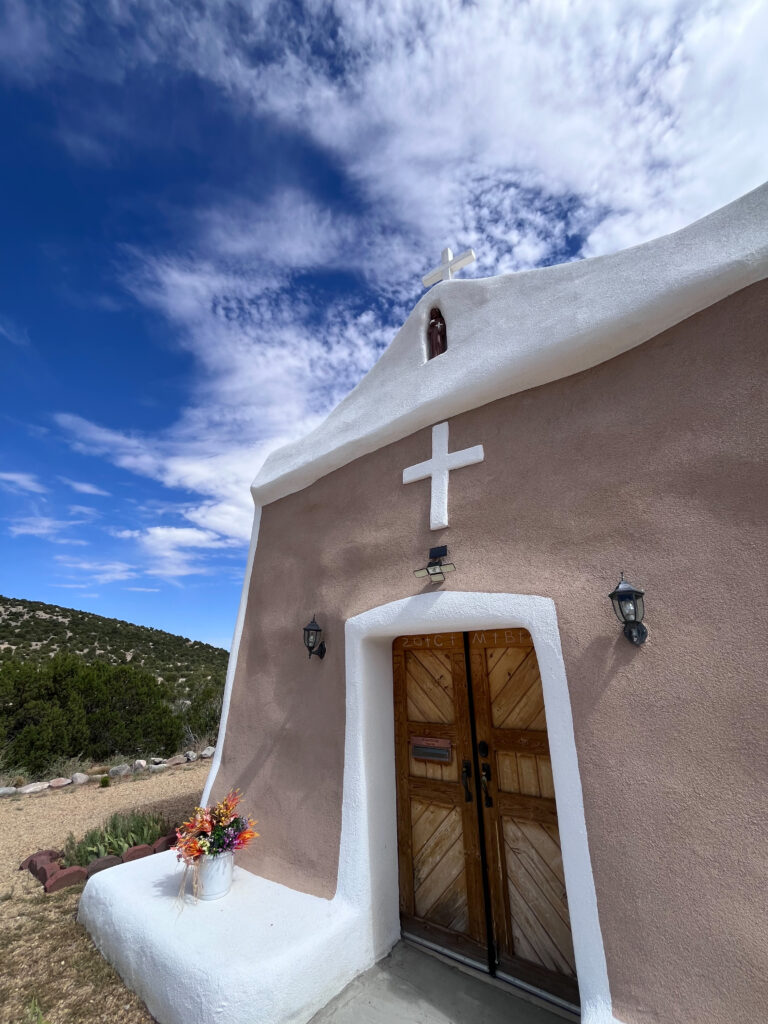
I had barely started my drive when I saw the top of an old church with a small white cross against the blue sky. I just had to stop and take a look. Three people sat at a picnic table in front of the church having a snack. It turned out that they had spent the morning working on upkeep on the cemetery. I’m sure it was already close to 90 degrees, but they didn’t seem to mind the heat. They told me a little about the church, about the best place to eat along the Turquoise Trail, and about some other old churches along the way.

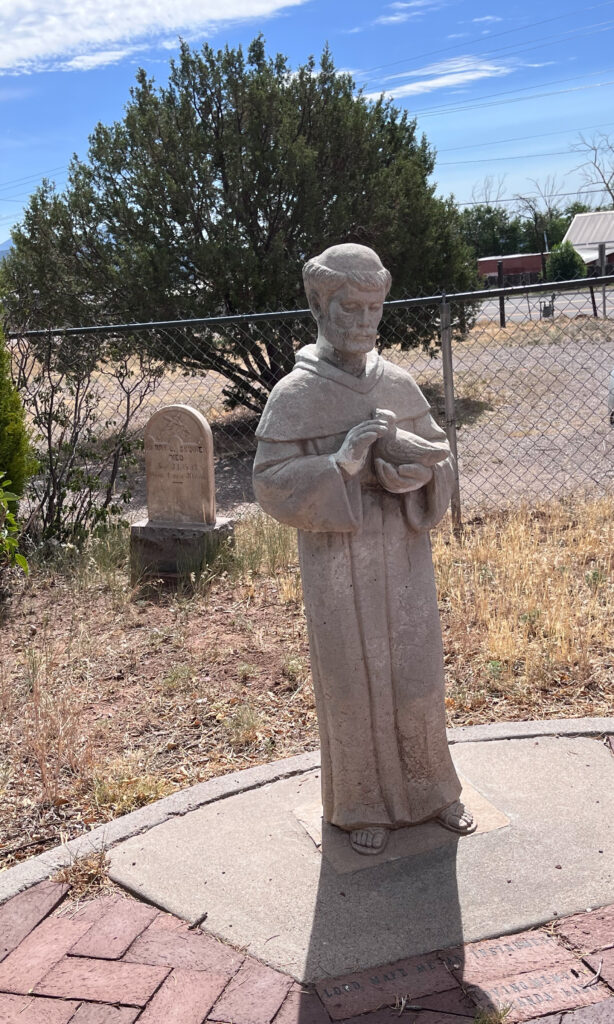
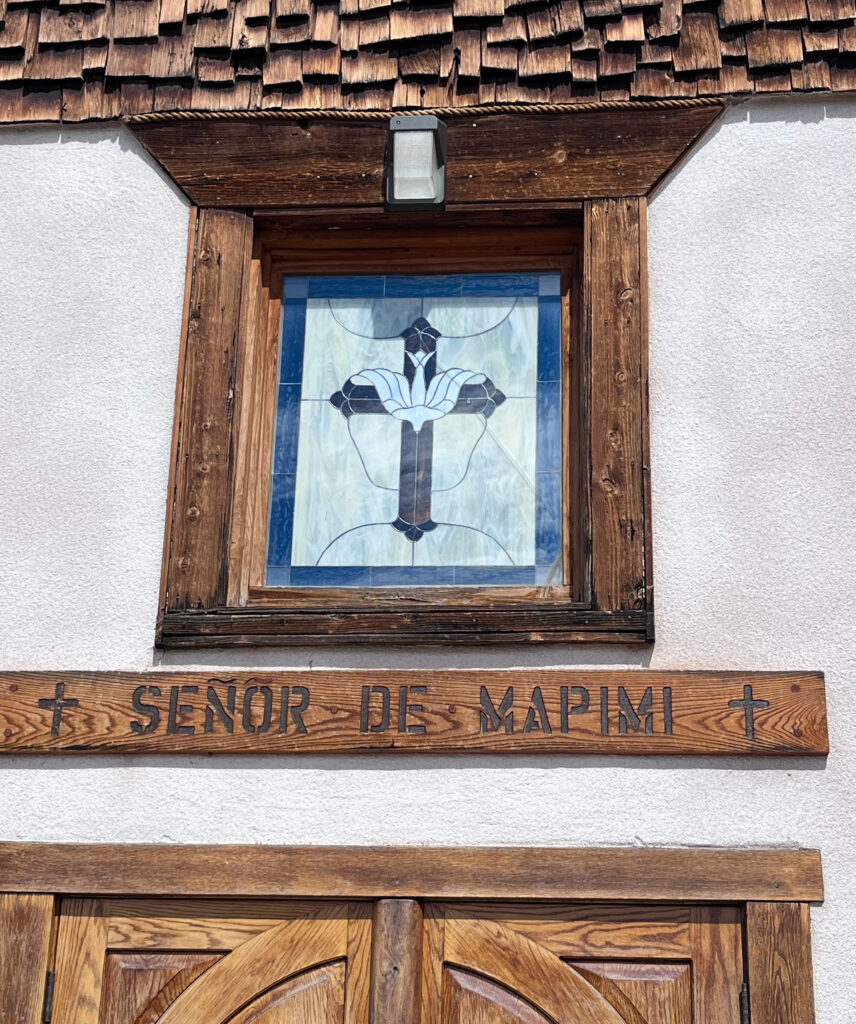
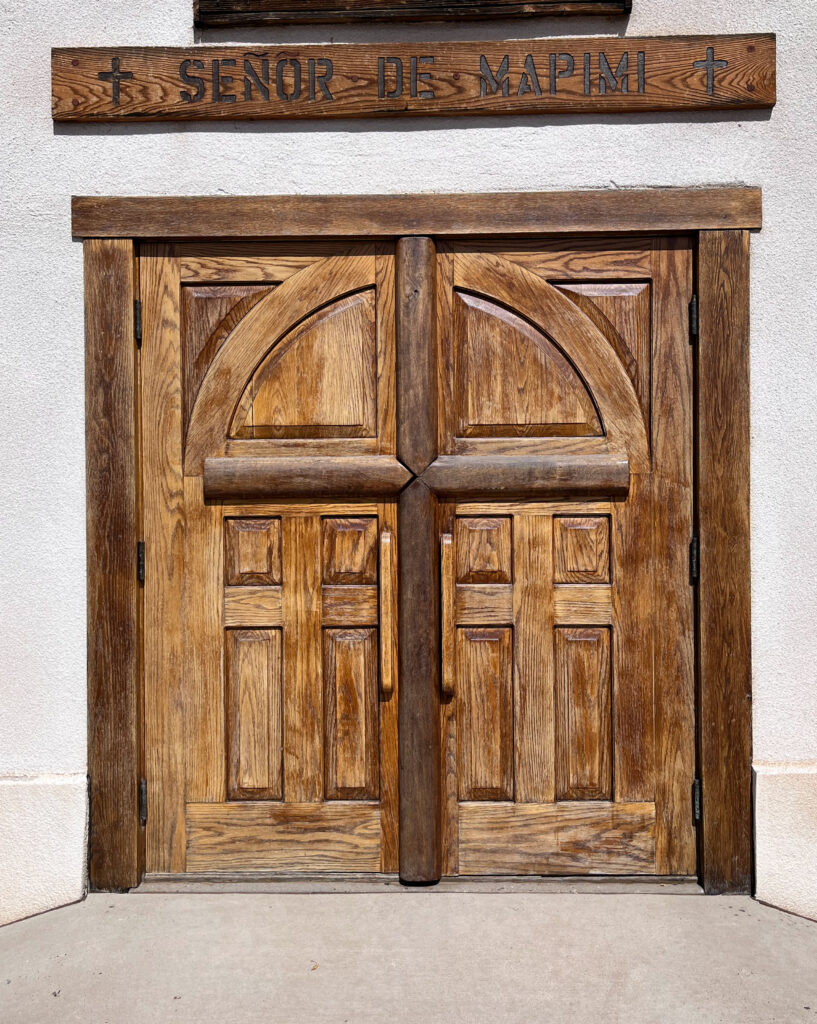
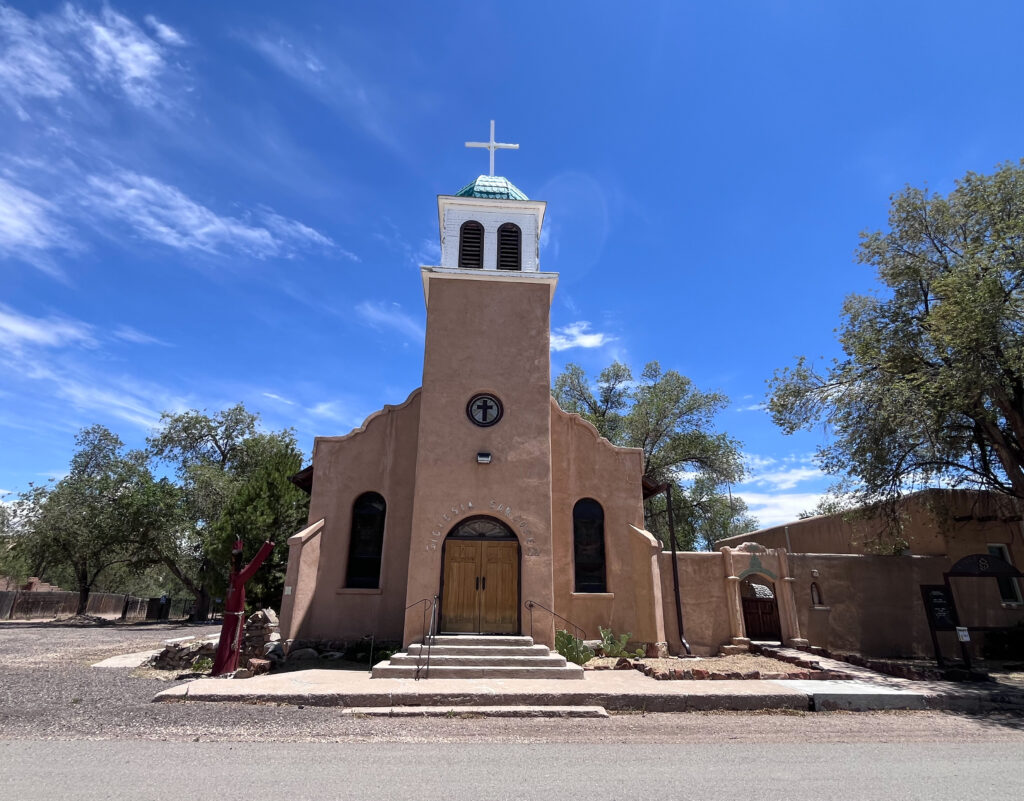
The San Antonio Mission Church, also known as Nuestro Señor de Mapimí Church, was built in 1886. It’s a small adobe church with a single white cross and has changed very little over the years. It wasn’t open, so I could only look at the outside and the grounds, but I was so glad that I stopped. It was just a quick look and a brief conversation with three strangers, but their warmth stayed with me as I continued on my way.

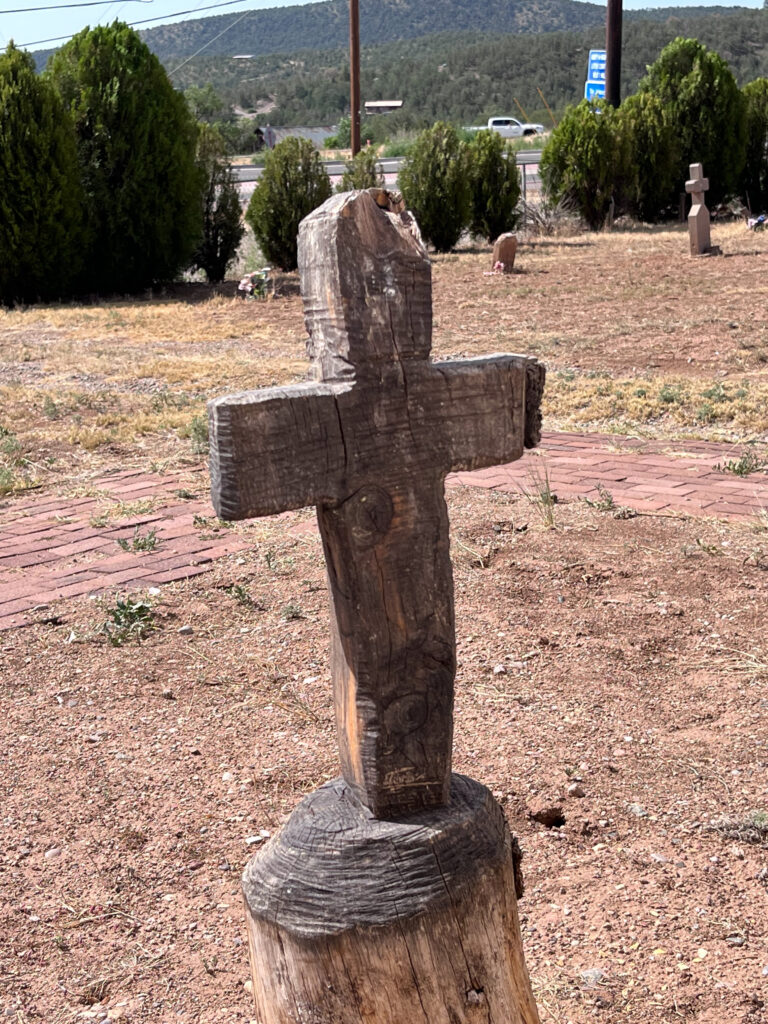
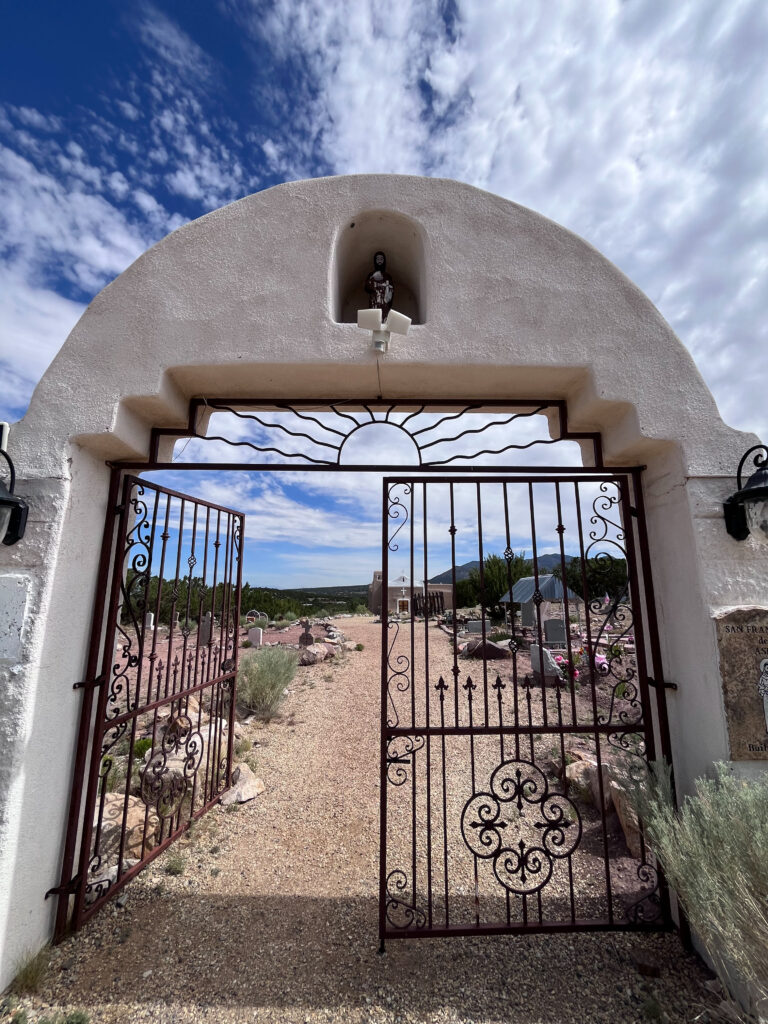
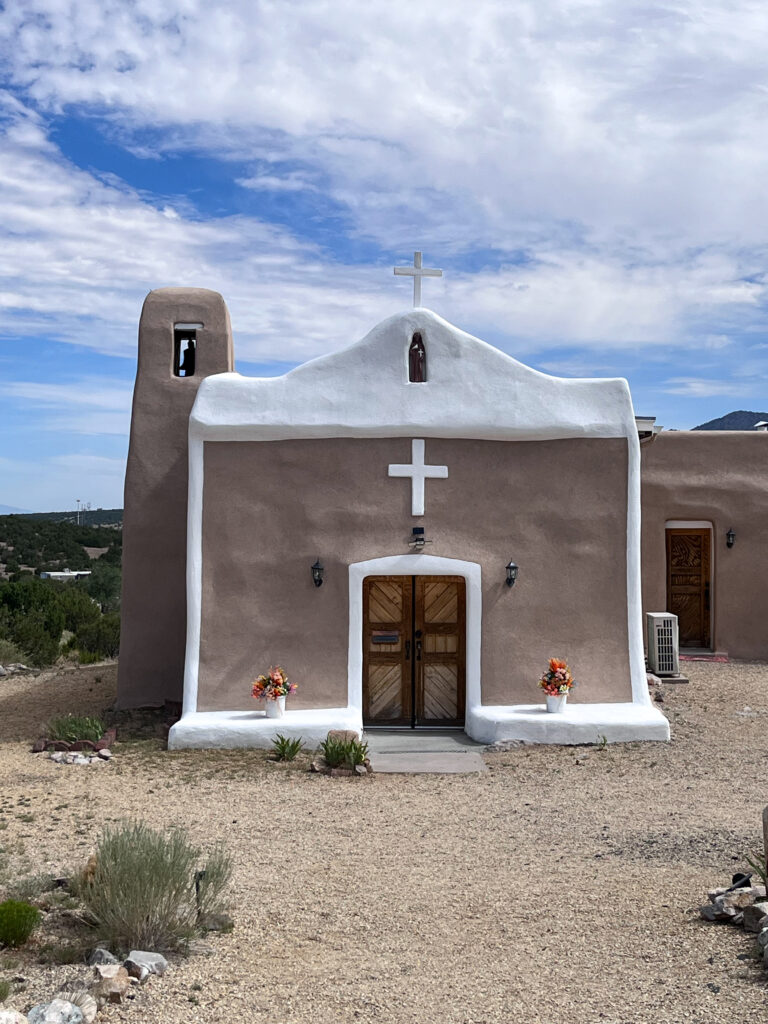
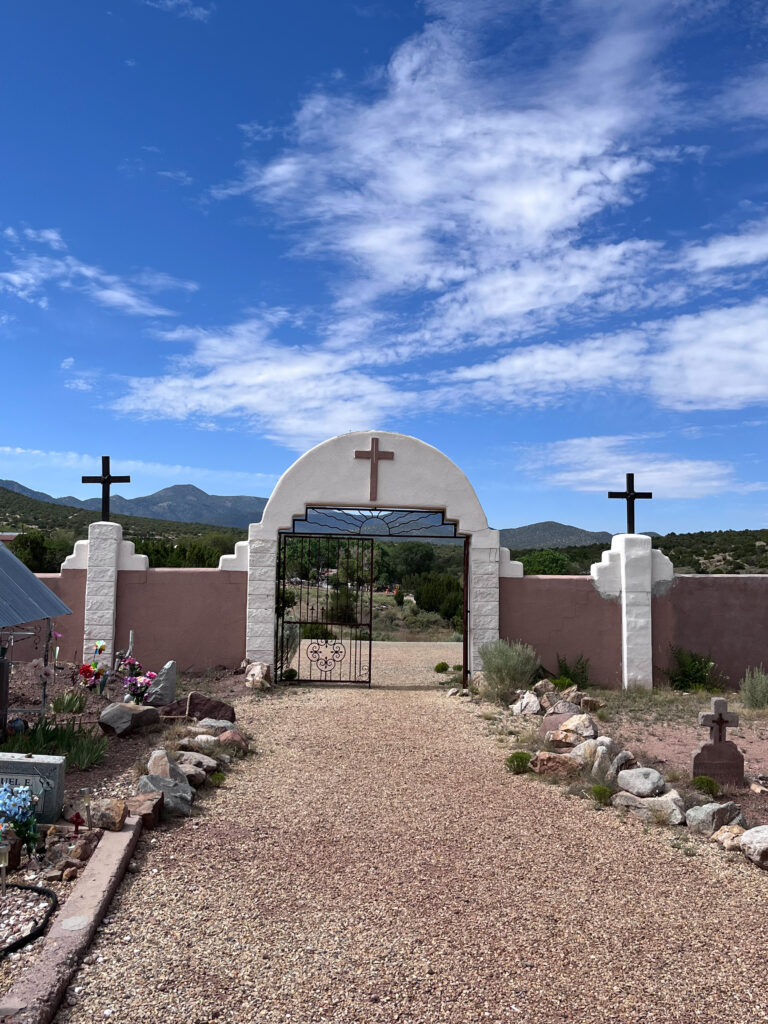
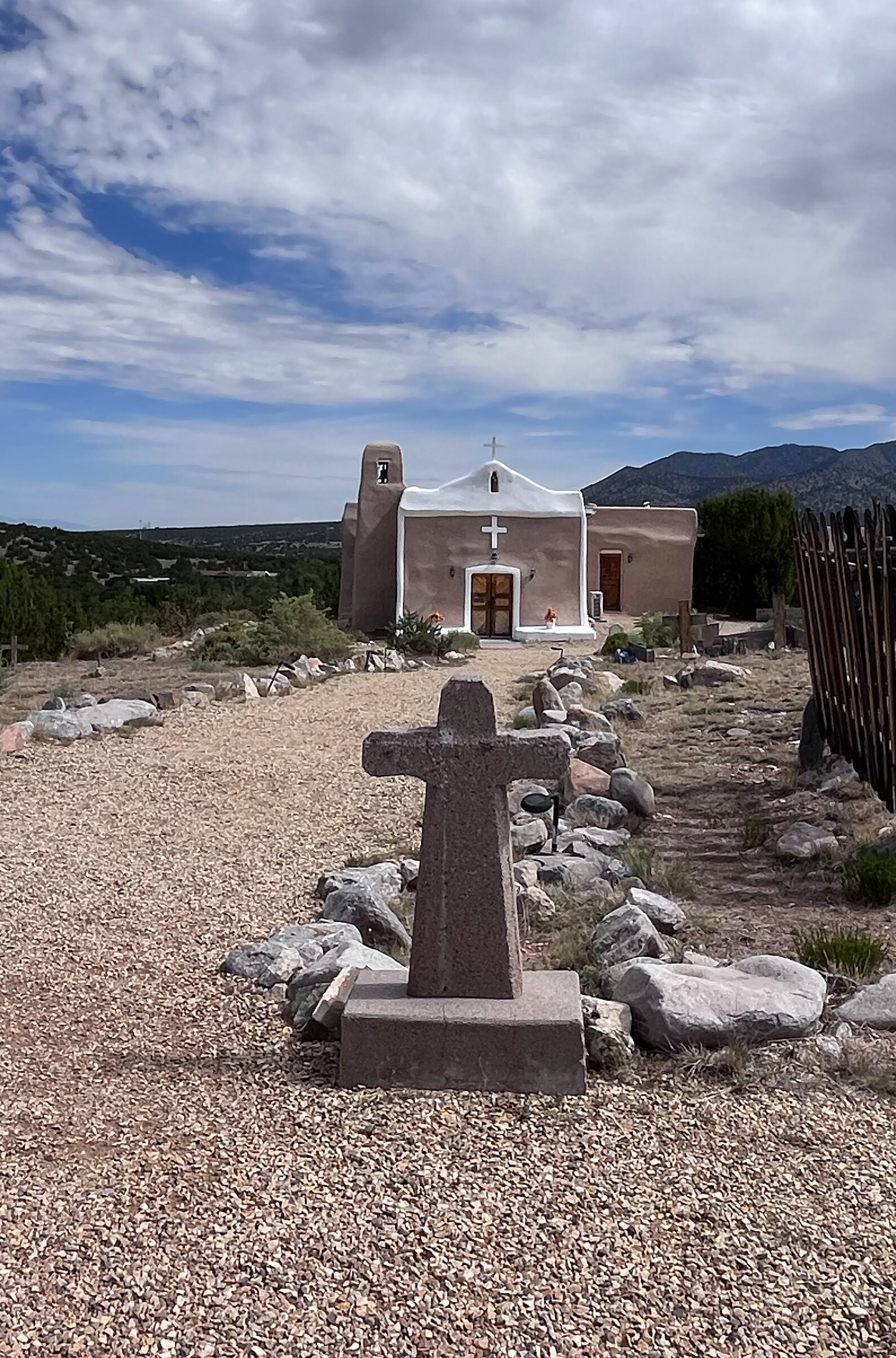
I drove on, following their directions to the next church about ten miles up the road. For this church, I had to wind up a little gravel road to the top of a hill. I would have driven right past it if not for their directions.. San Francisco de Asis Catholic Church was built in the 1830s to serve the miners and families of the first gold rush west of the Mississippi. To reach the church, I walked through a gate and along a path that meandered through a cemetery dotted with weathered wooden crosses. It felt wonderfully secluded. After the gold rush ended, the town gradually became a ghost town, and the church was abandoned before being rebuilt in 1960.

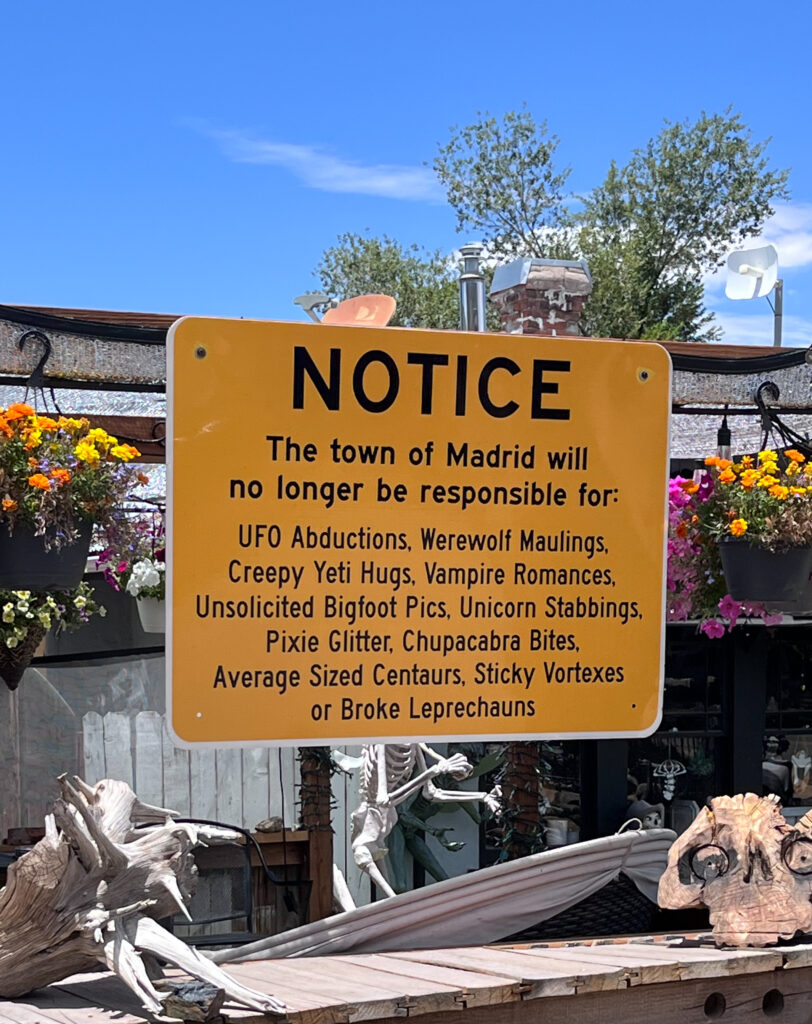
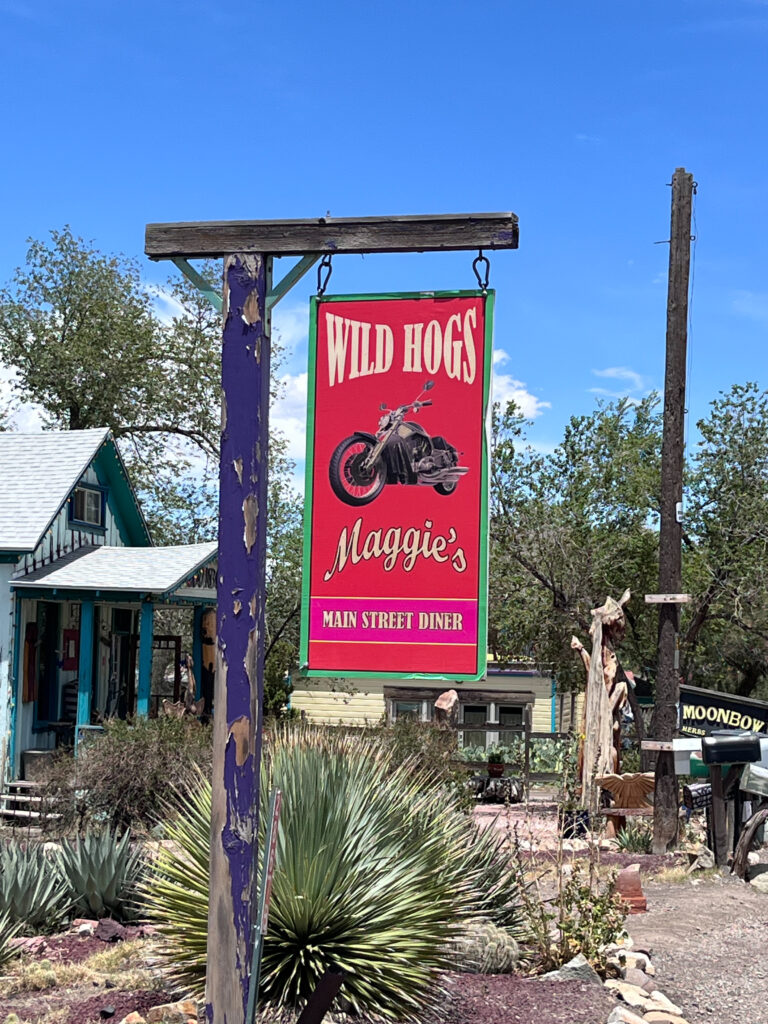
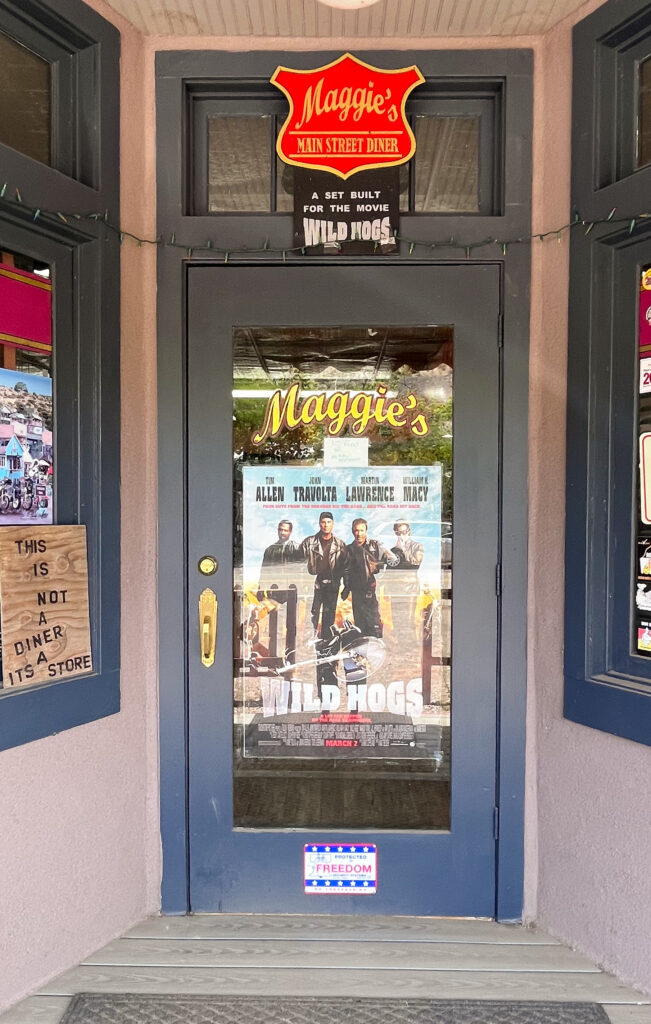
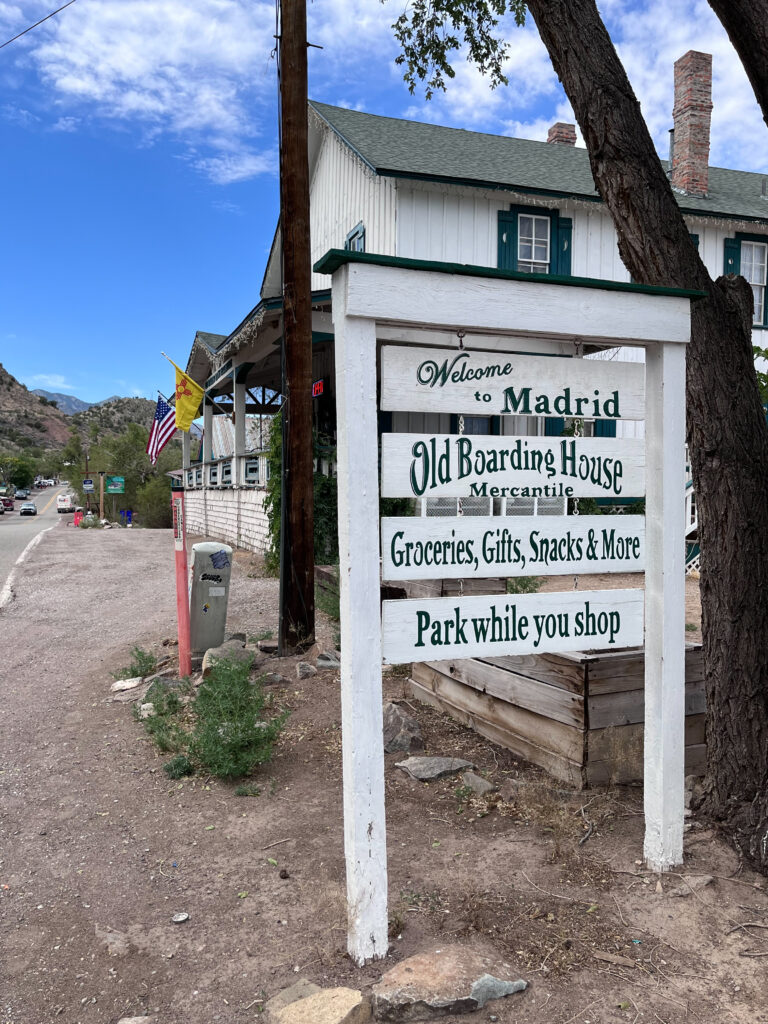
The next town on the trail was Madrid (pronounced Maa-drid), where the movie Wild Hogs was filmed. Until I talked with the church volunteers, I had no idea this was the town from the movie.

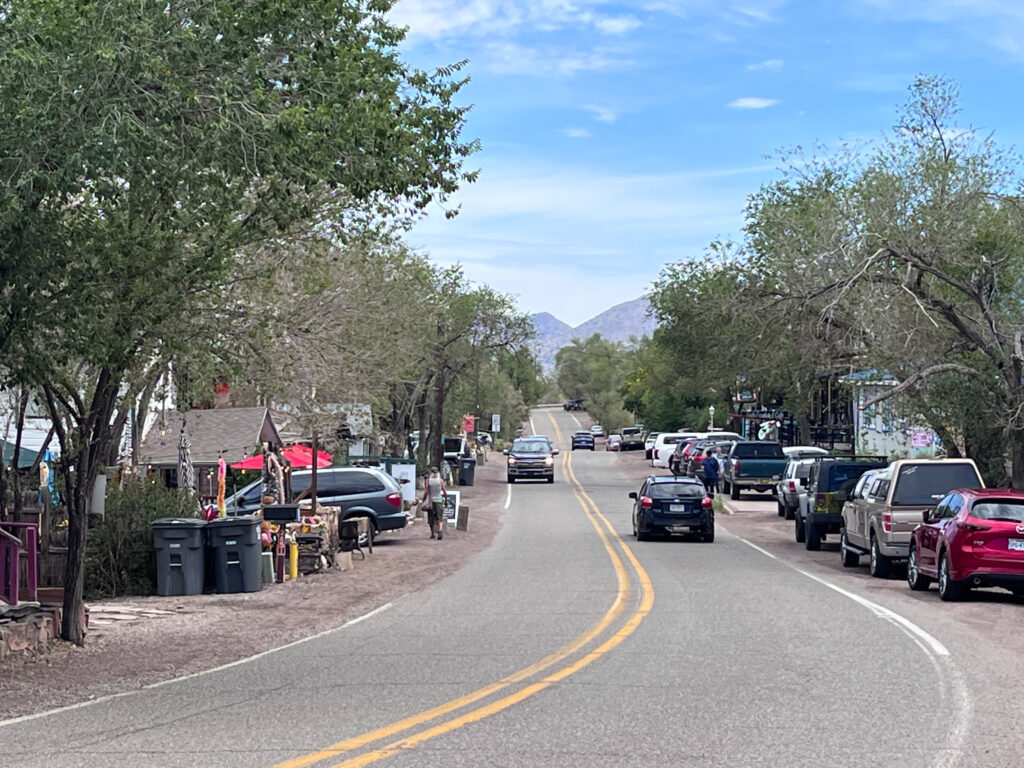
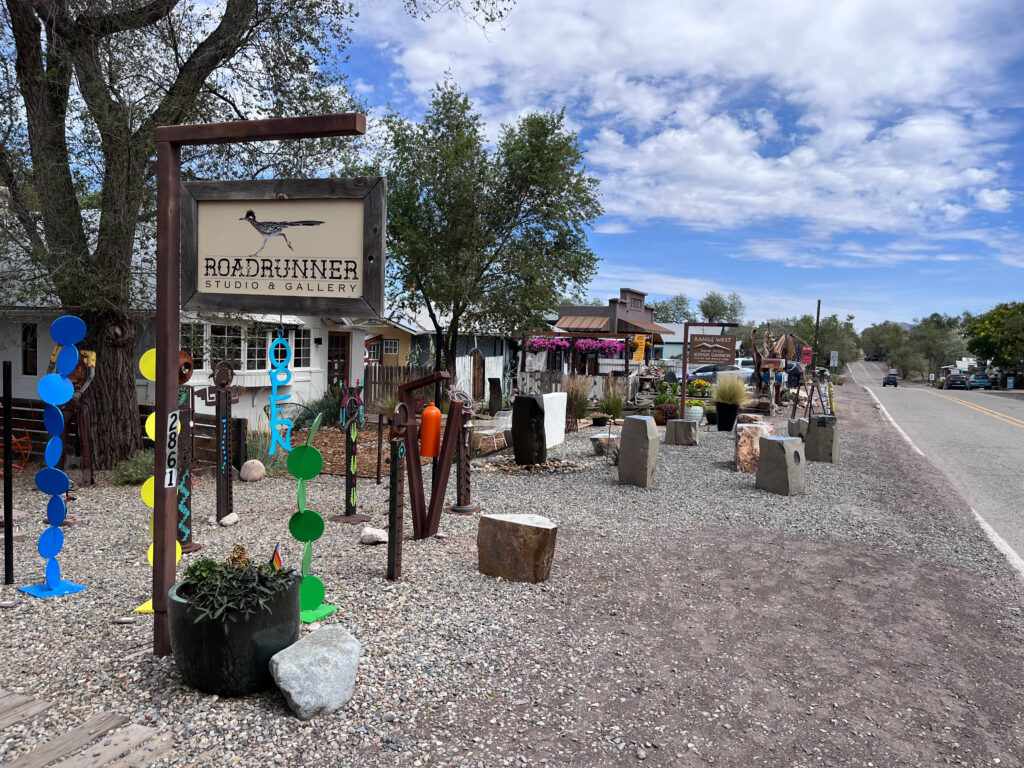
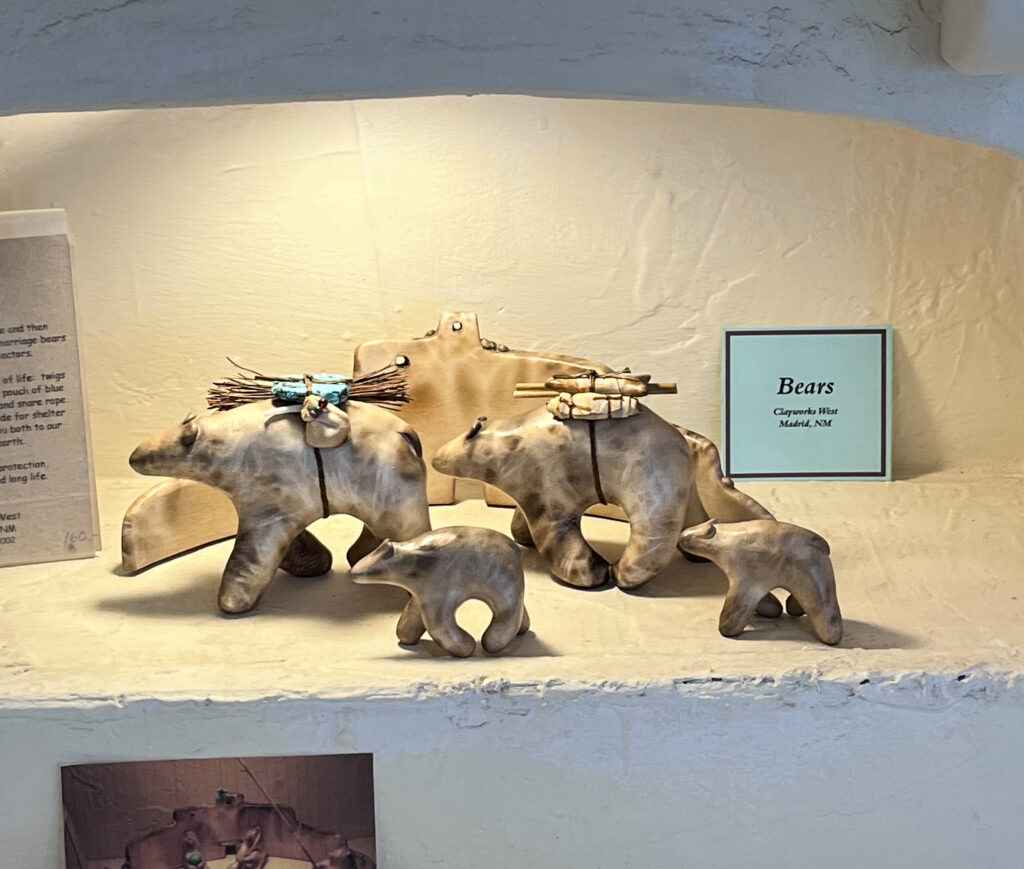
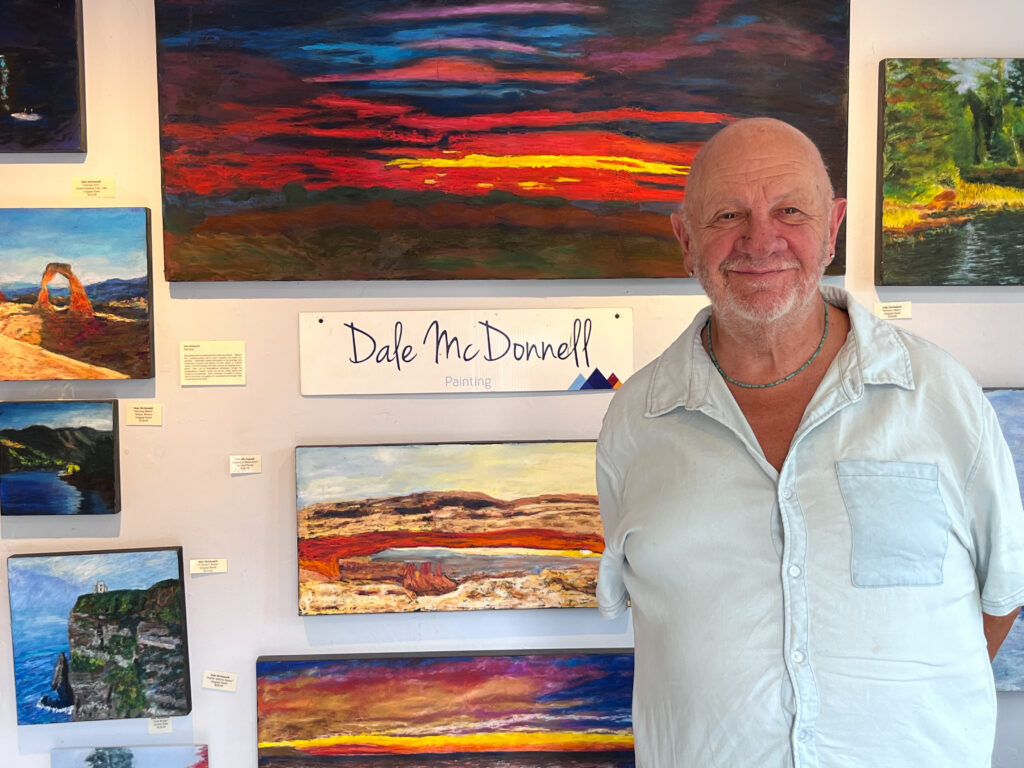
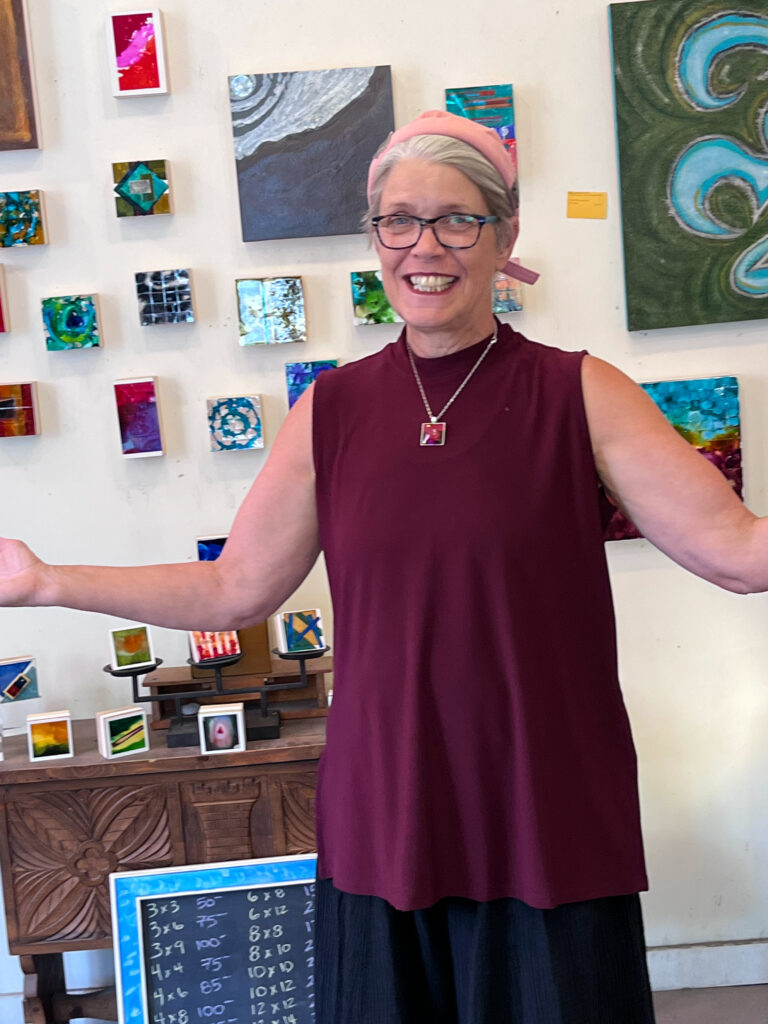
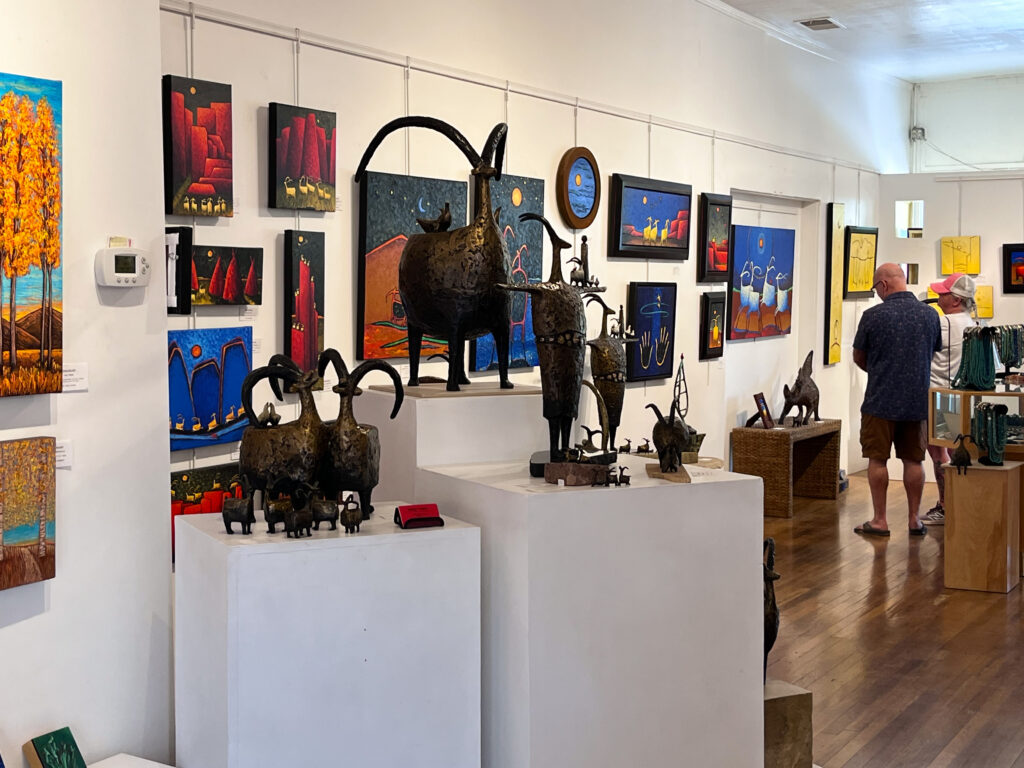
Madrid was such an artsy and quirky town. I had lunch at the Mine Shaft Tavern and wandered through several art galleries meeting and visiting with the artists in many of them. I was in a little bit of “hog” heaven.

One gallery featured the work of seven artists who are all friends, the youngest of whom is seventy-five. I think if I lived in this area, I would want to hang out with them. I left feeling so energized and inspired.

After I left Madrid, I lost my GPS connection and had to make the rest of the trip on my own. Lucky for me, it’s just a straight shot through to Santa Fe, but it was an unusual feeling to be completely on my own. I was reminded of traveling in my twenties with just an atlas and a general idea of where I was going. It felt kind of freeing to trust my instincts while following the directions of the people at the church to the next church in Cerrillos.

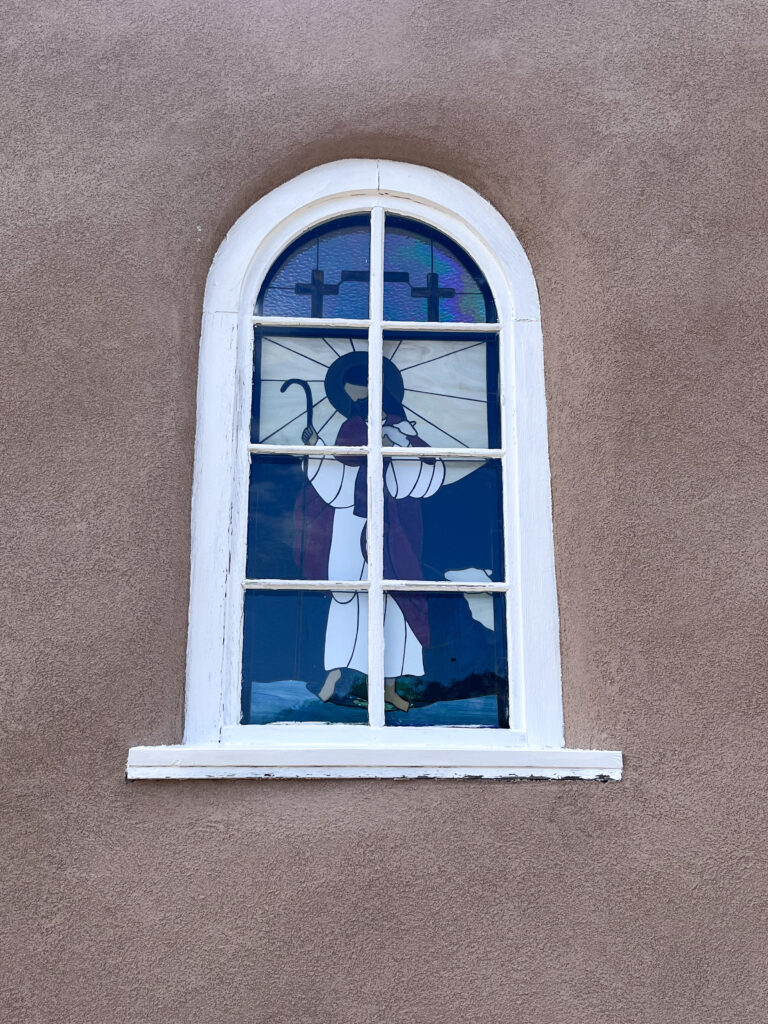
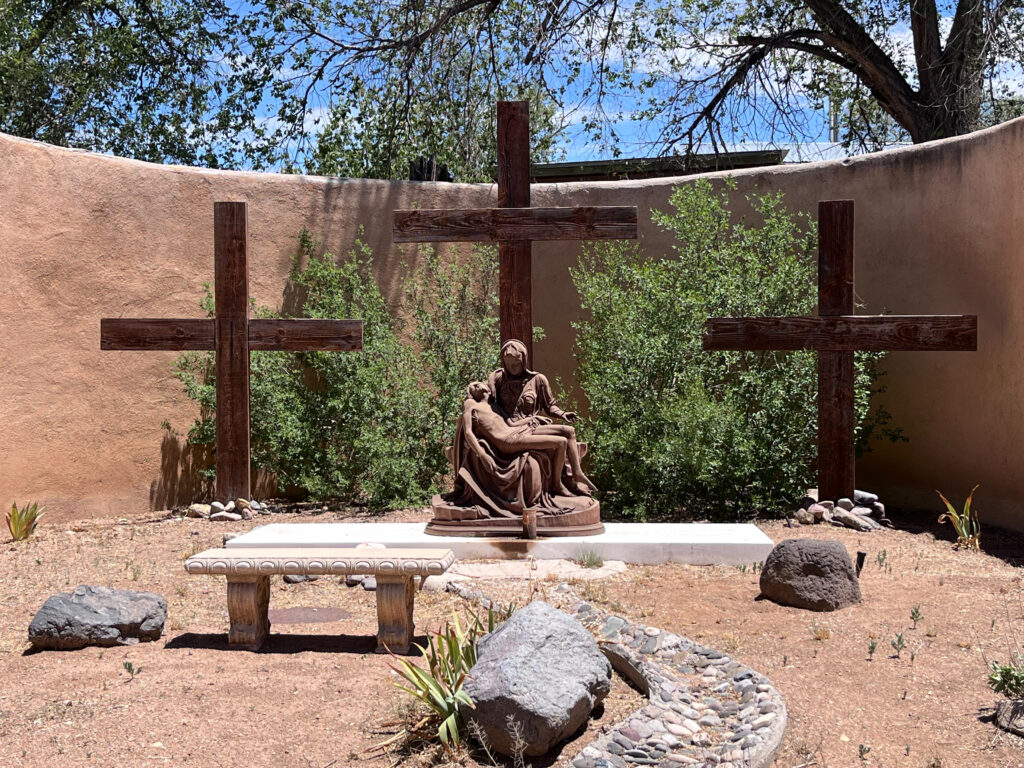
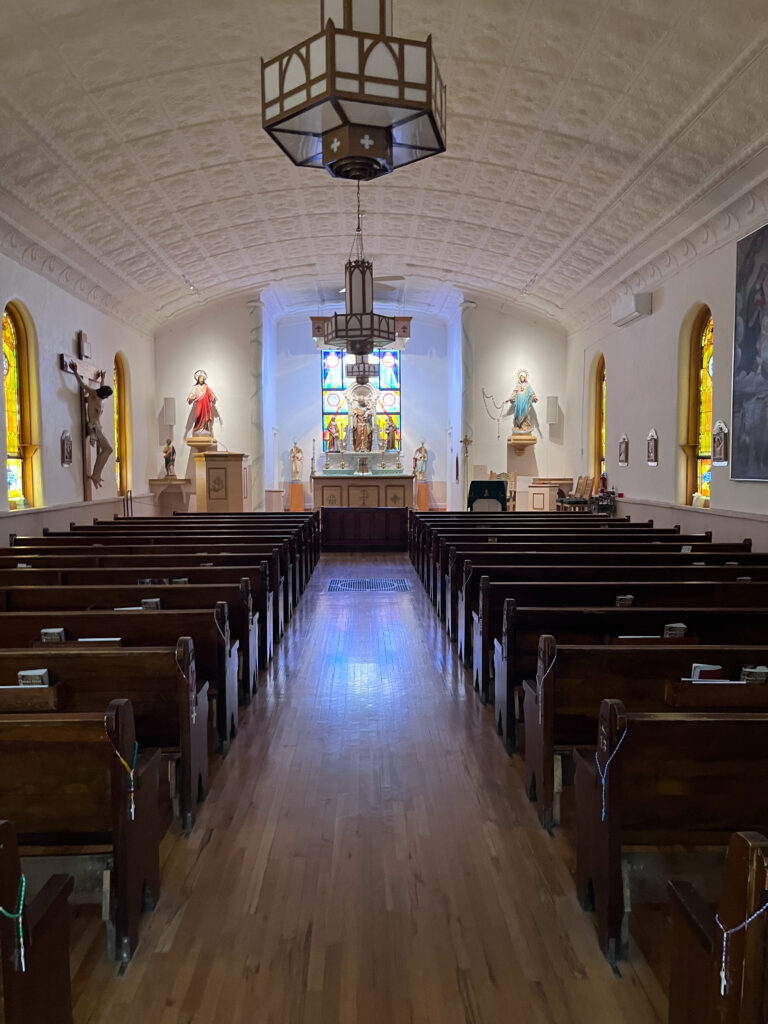
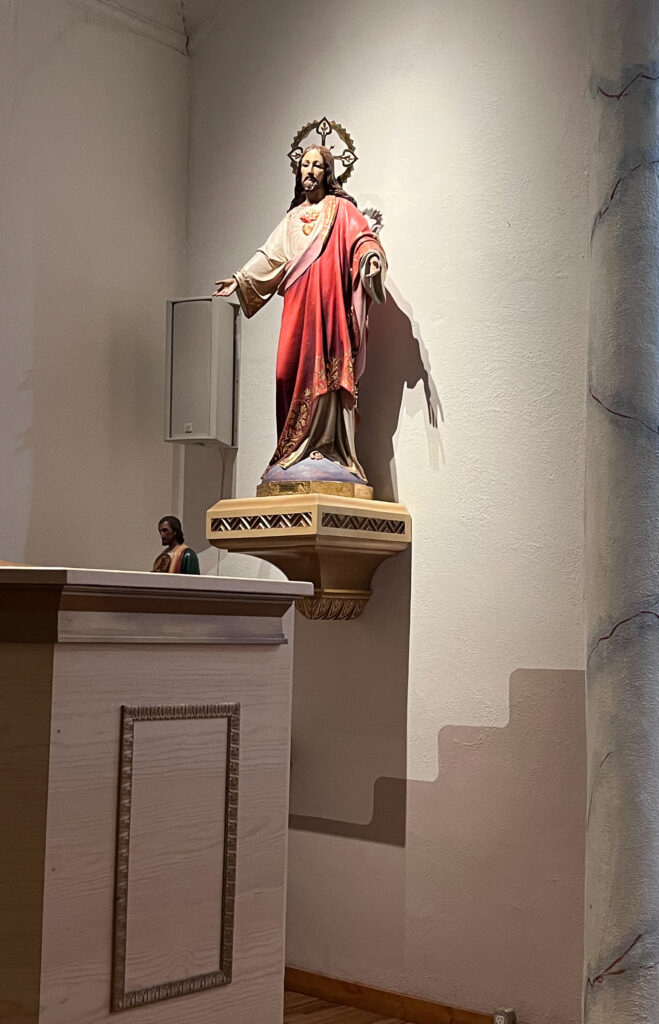
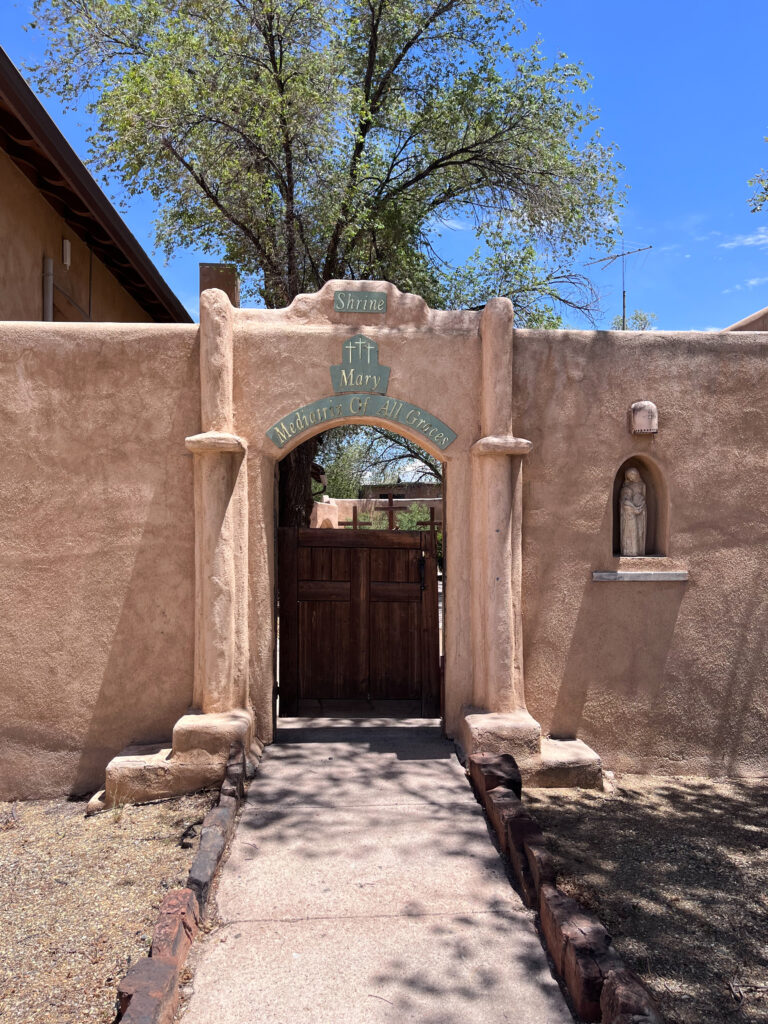
St. Joseph’s Catholic Church was established in 1884, but the current church was built in 1922. This time, the church was open. The historic artwork and stained glass were just beautiful. Most of the sculptures inside had a very Spanish and rustic feel. Outside there was an enclosed garden with a Pieta and other sculptures. The church is still active today.

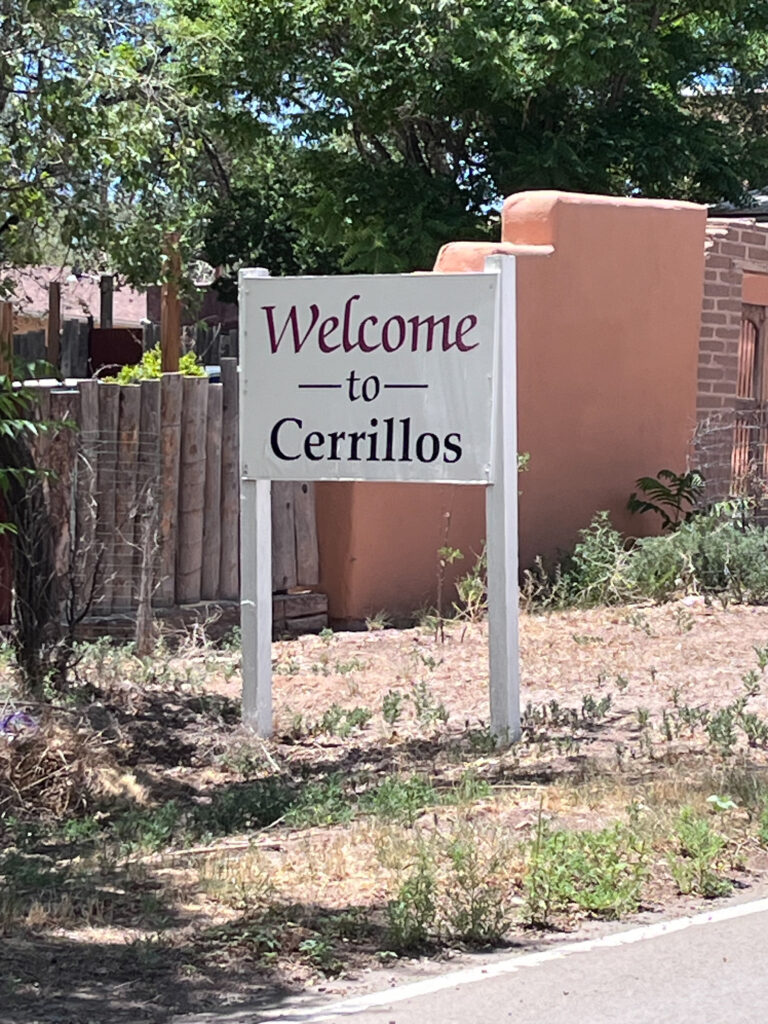
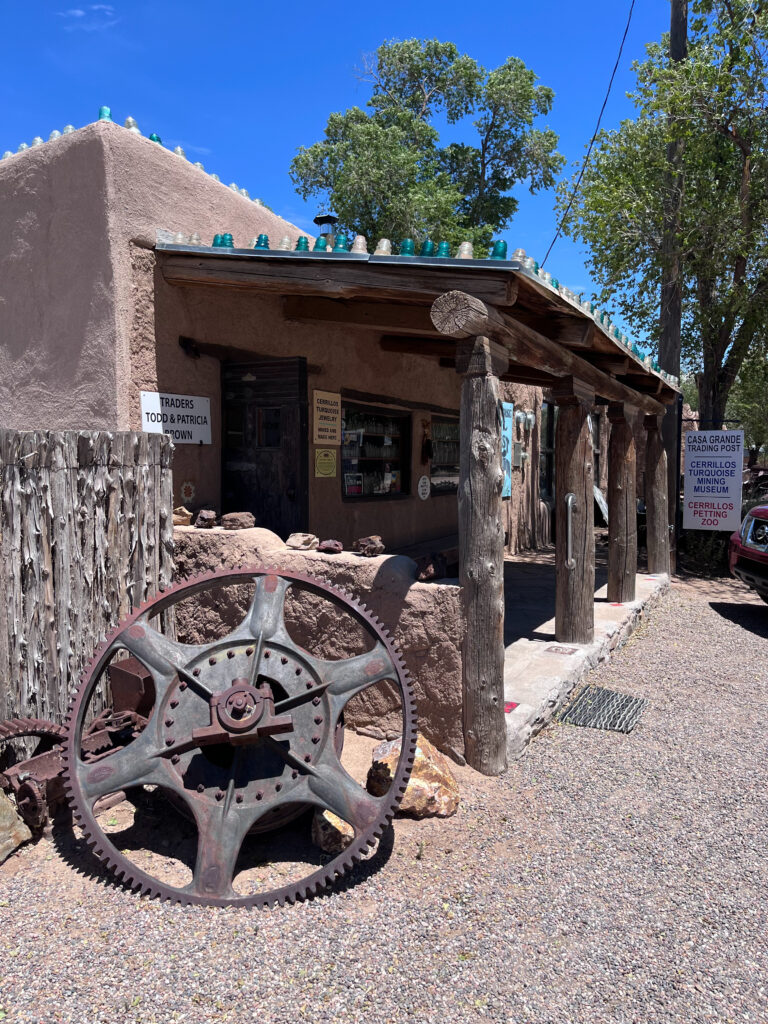
The town of Cerrillos is a fun stop because it has an old west feel with dusty, dirt roads and an old, weathered hotel. During its heyday, it had 21 saloons and 4 hotels and was once considered a possible capital of New Mexico.

I drove on to Santa Fe and was pretty exhausted from all of the sightseeing in the heat. Even though I brought plenty of water, I felt dehydrated, so I headed home. All in all, a great day! There were still places I missed, but maybe that’s the beauty of a road like this. It gives me a reason to return.

Not Every Place Is Meant to Steal Your Heart

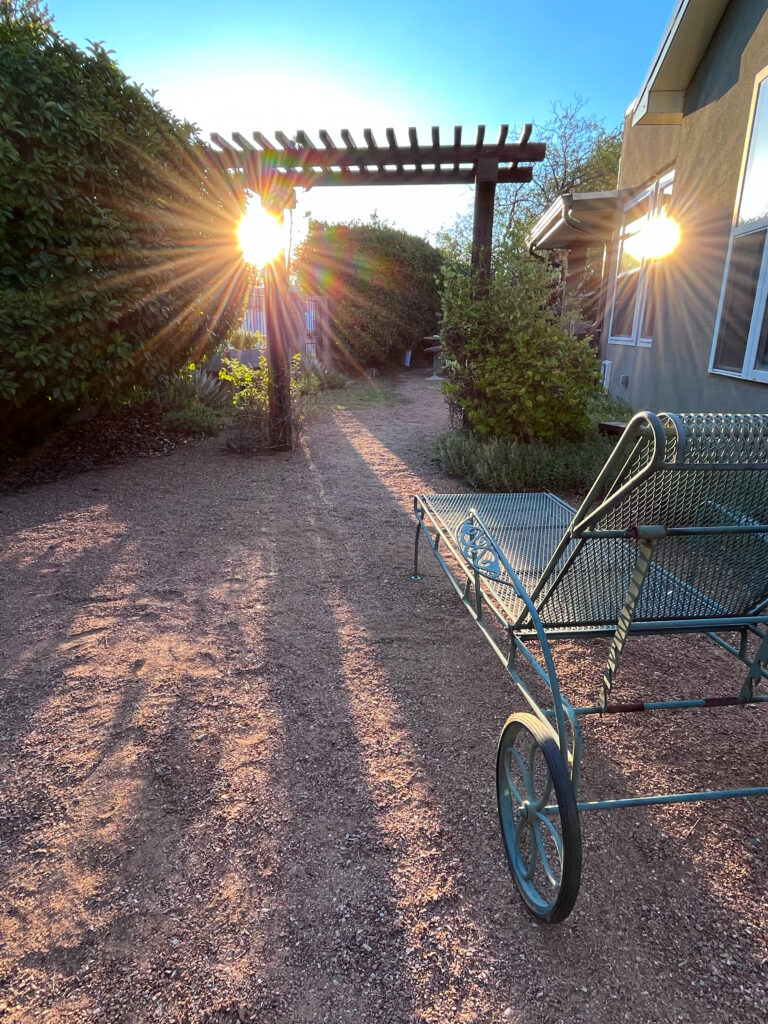
Every morning, right at sunrise, I step out into a backyard that doesn’t look anything like the ones I was used to in Texas.

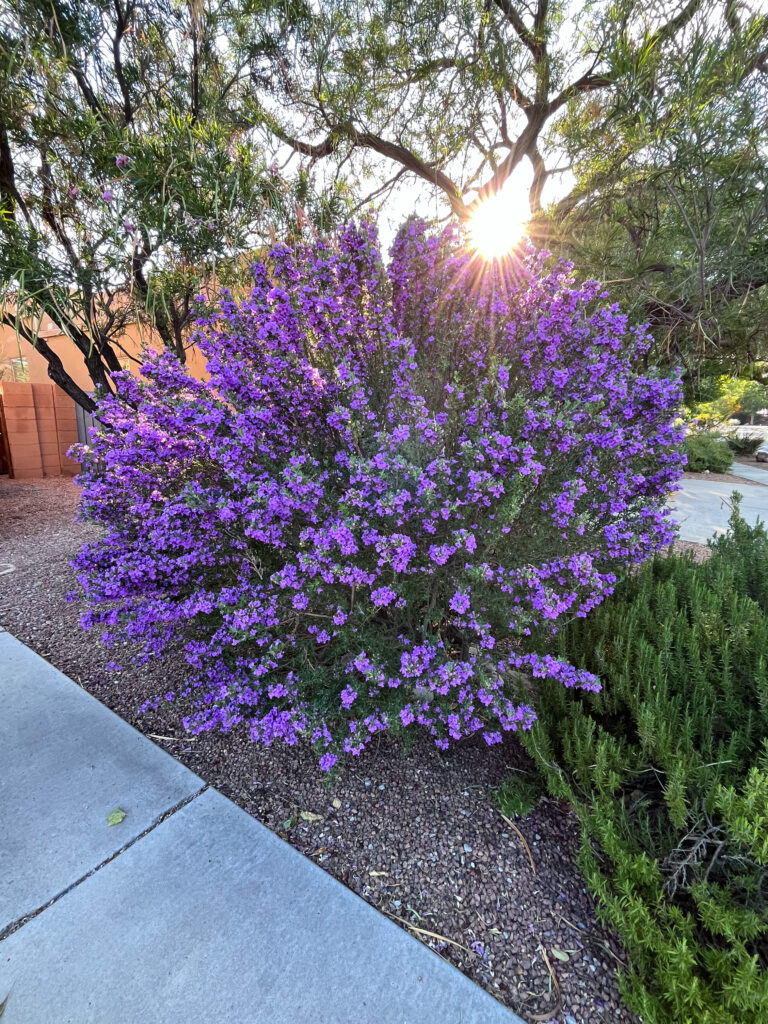
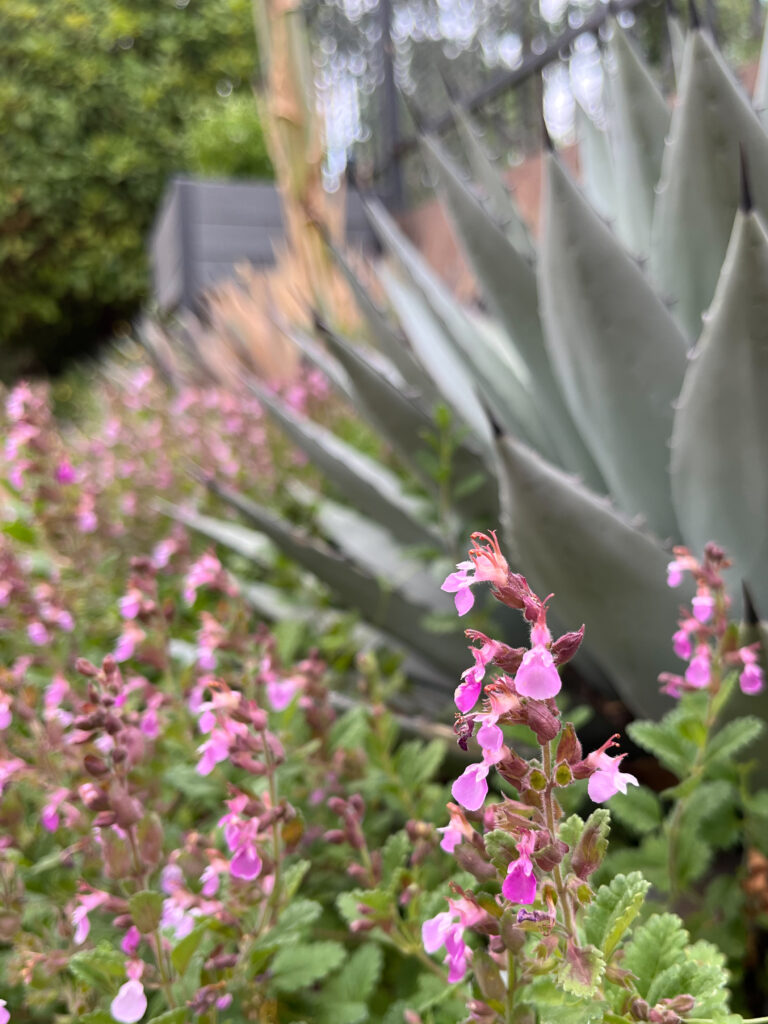
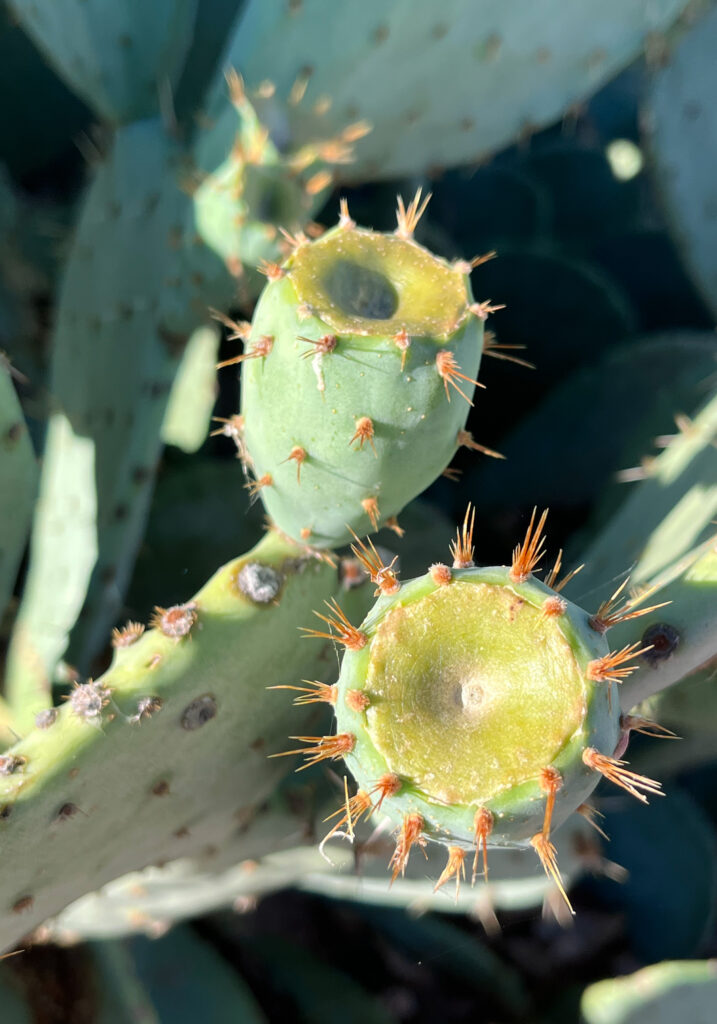
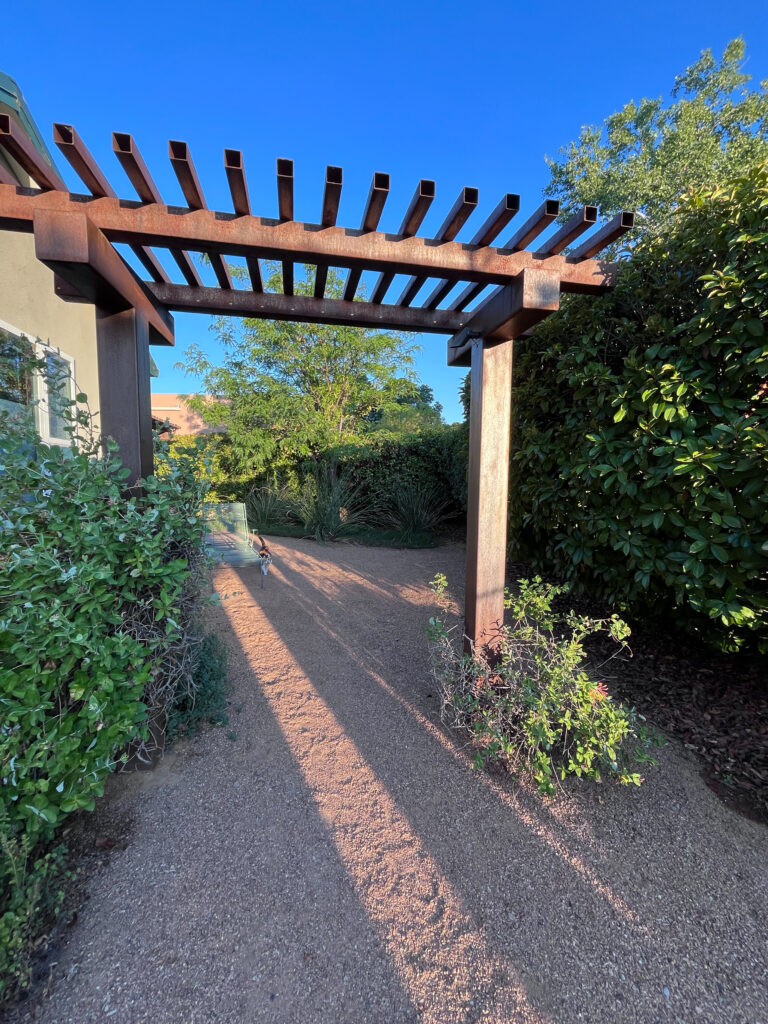
No grass. Just gravel, a stucco wall, cacti, flowering plants, a couple of trees, and a turquoise lounge chair waiting for the first rays of the morning sun.

Somewhere along the way, it has become my favorite place in Albuquerque.

Which is funny, because Albuquerque itself hasn’t quite stolen my heart.

And that’s been surprisingly hard to admit. Usually, by now, I’ve found a favorite coffee shop, a neighborhood I love wandering, or a place that keeps calling me back for one more visit.

I’ve always been drawn to places with little downtowns to explore, coffee shops where conversations happen naturally, colorful art districts, scenic drives, and streets that make me want to keep wandering long after I planned to head home.

Albuquerque hasn’t been that place for me. Between the summer heat and the slower pace, I’ve found myself spending much more time at home than I expected—and, at first, more than I wanted.

But maybe that wasn’t such a bad thing. After months of constantly exploring, driving, and moving from one place to the next, perhaps I needed a little downtime more than I realized.

The mornings, though, have quietly become my favorite part of the day.

For the past two and a half weeks, I’ve been outside by six o’clock, stretching in the first light of the day and savoring temperatures in the sixties, knowing that within a couple of hours they’ll climb into the nineties.

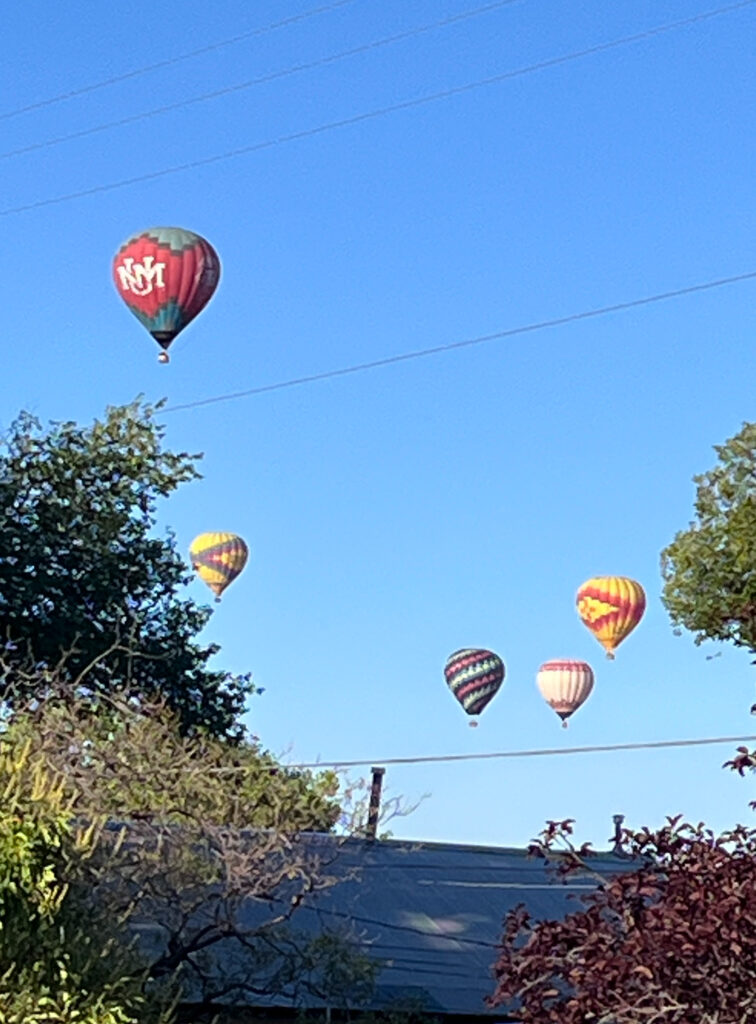
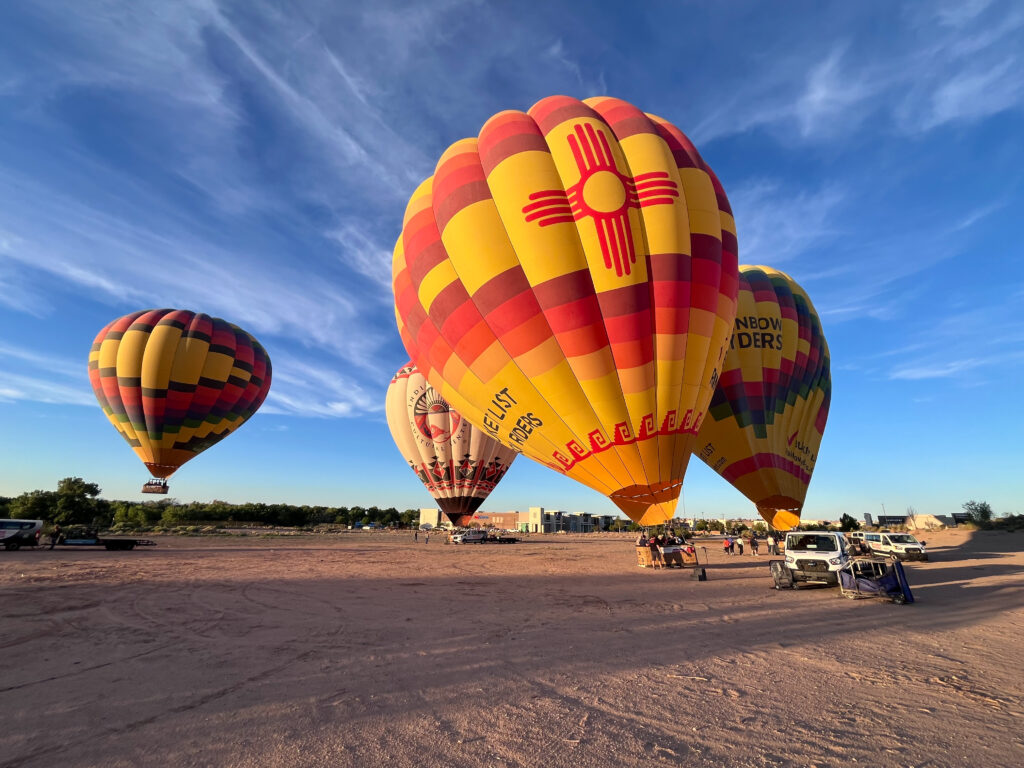
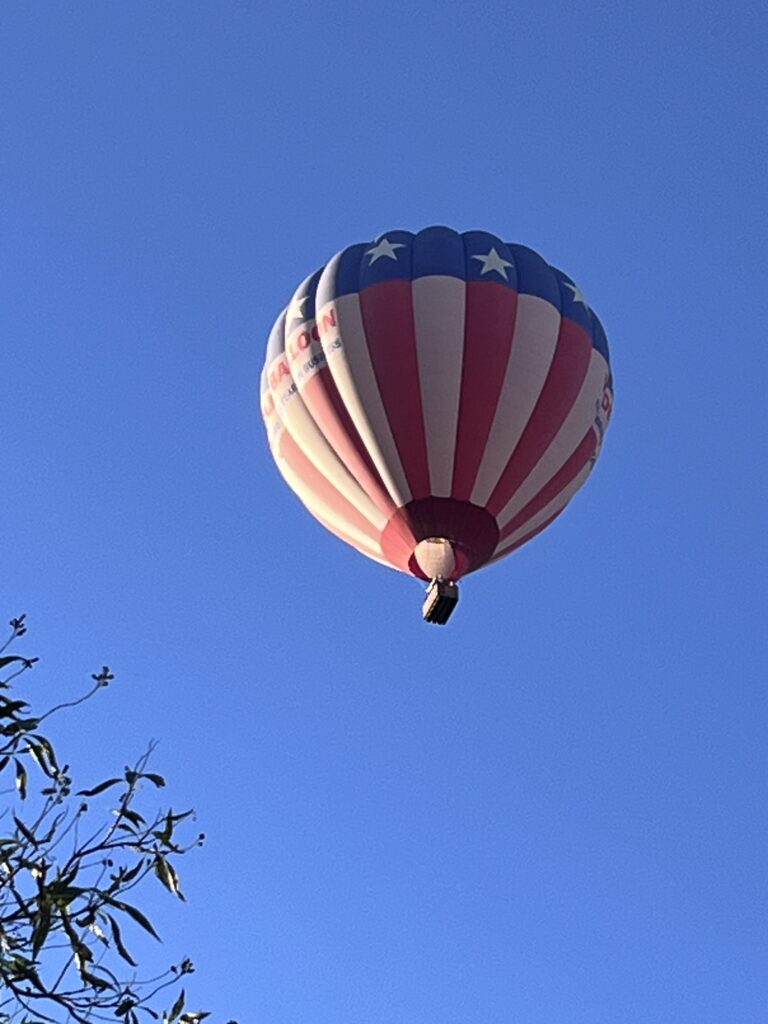
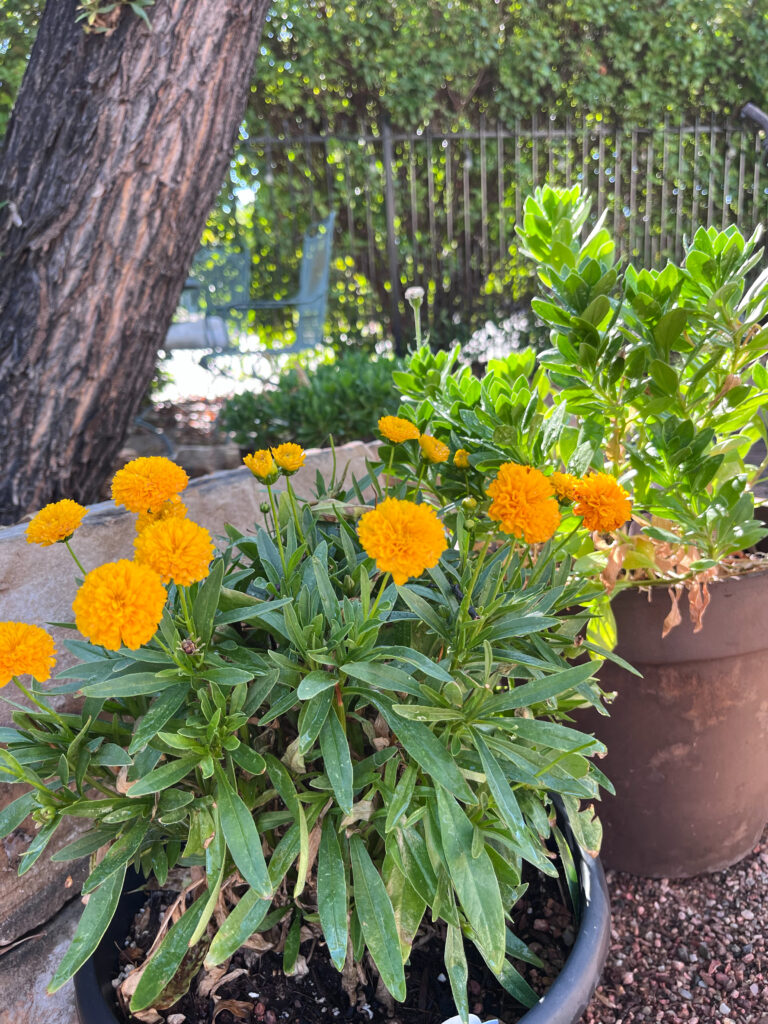
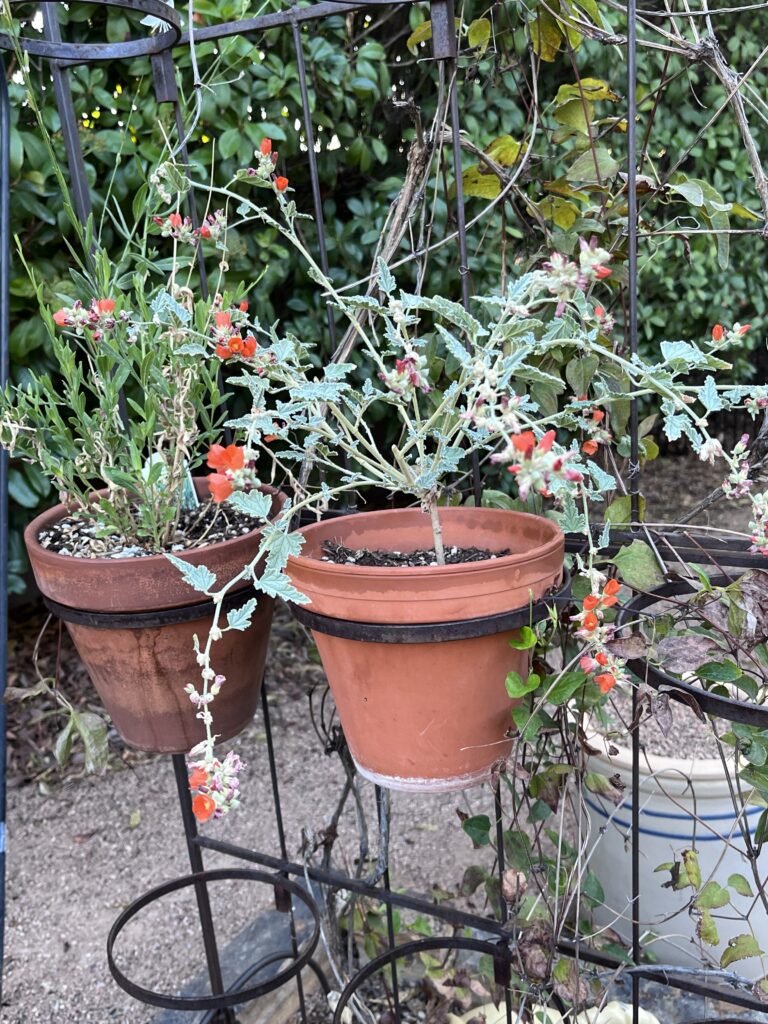
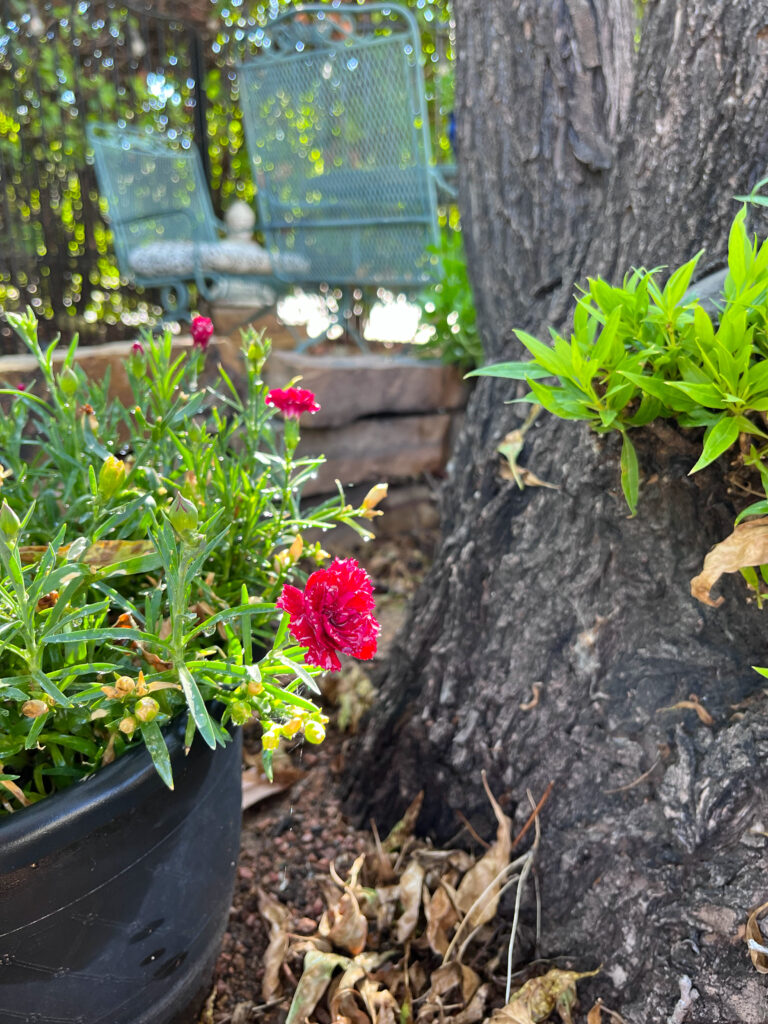
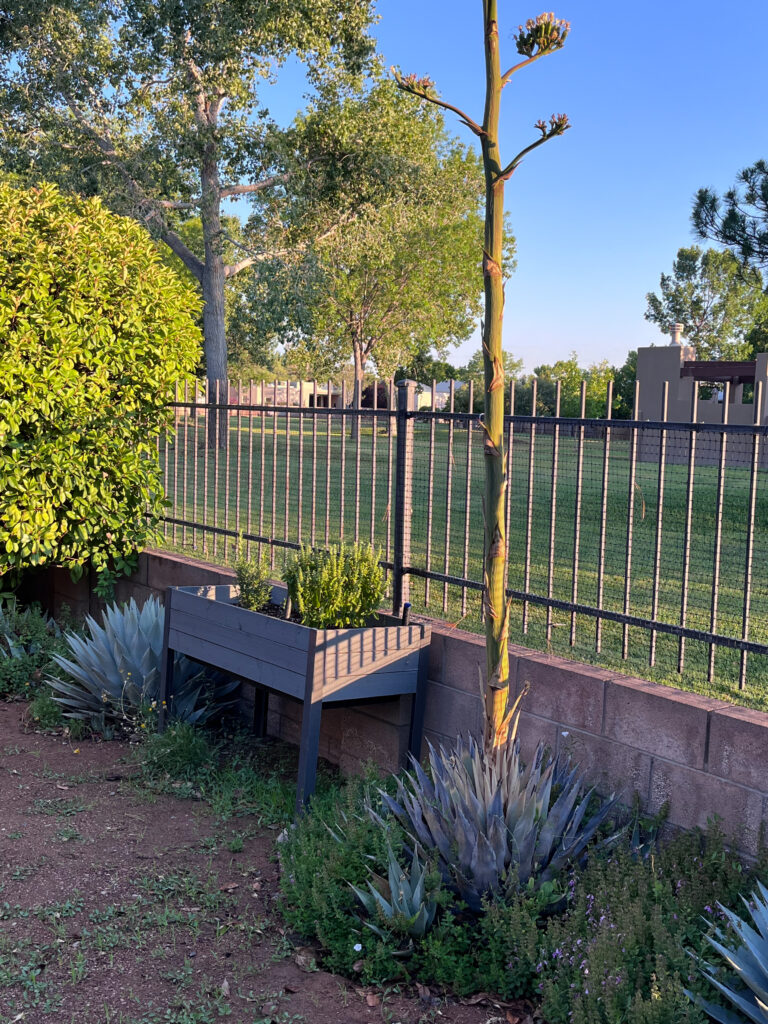
I sit on the turquoise lounger and soak in the sunshine while it is still low in the sky. I watch the hot air balloons float over the neighborhood and wonder if I would be brave enough to challenge my fear of heights in one. Then I water the mismatched collection of flowering pots and the raised bed filled with basil and rosemary, breathing in their fragrance as I look through the gate toward the green grass of the park beyond.

Soon I’m out for my walk.

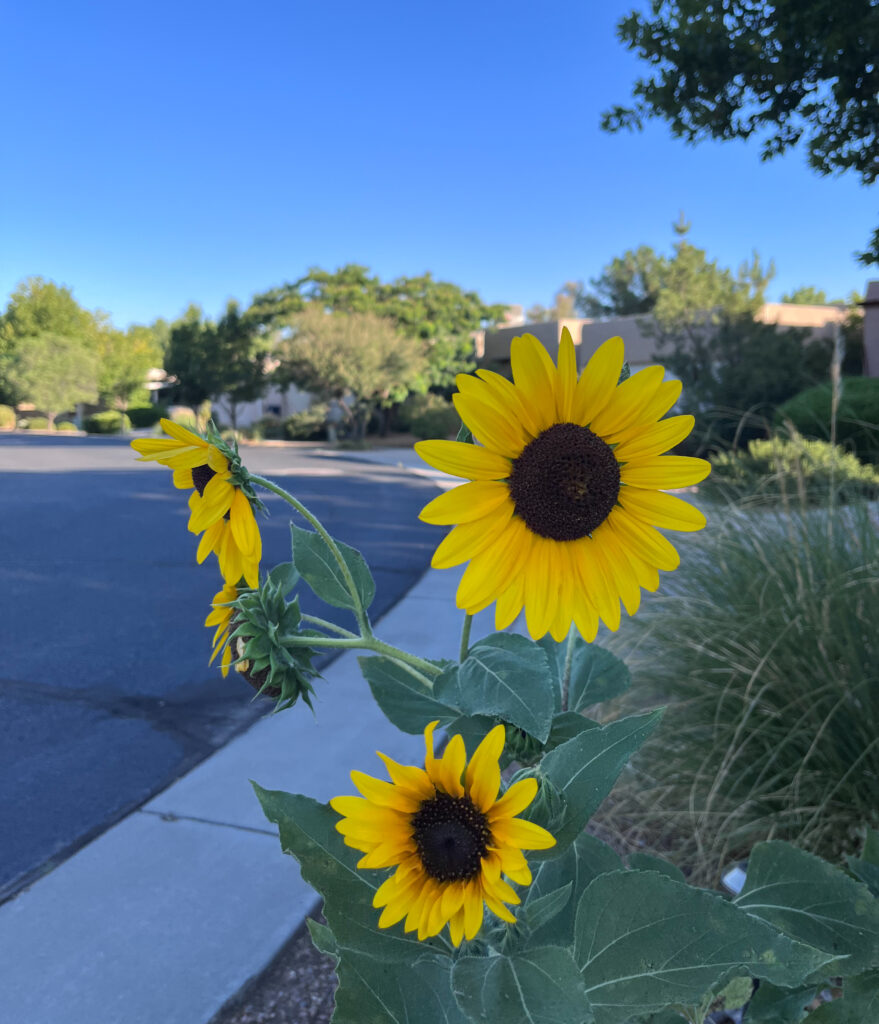
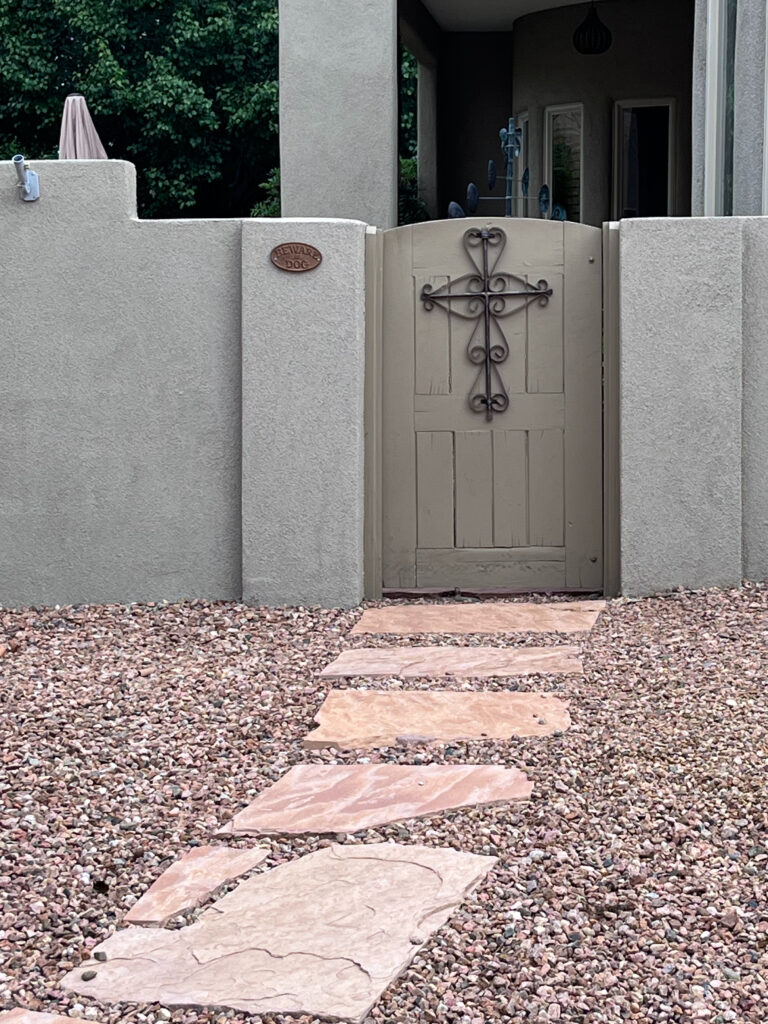
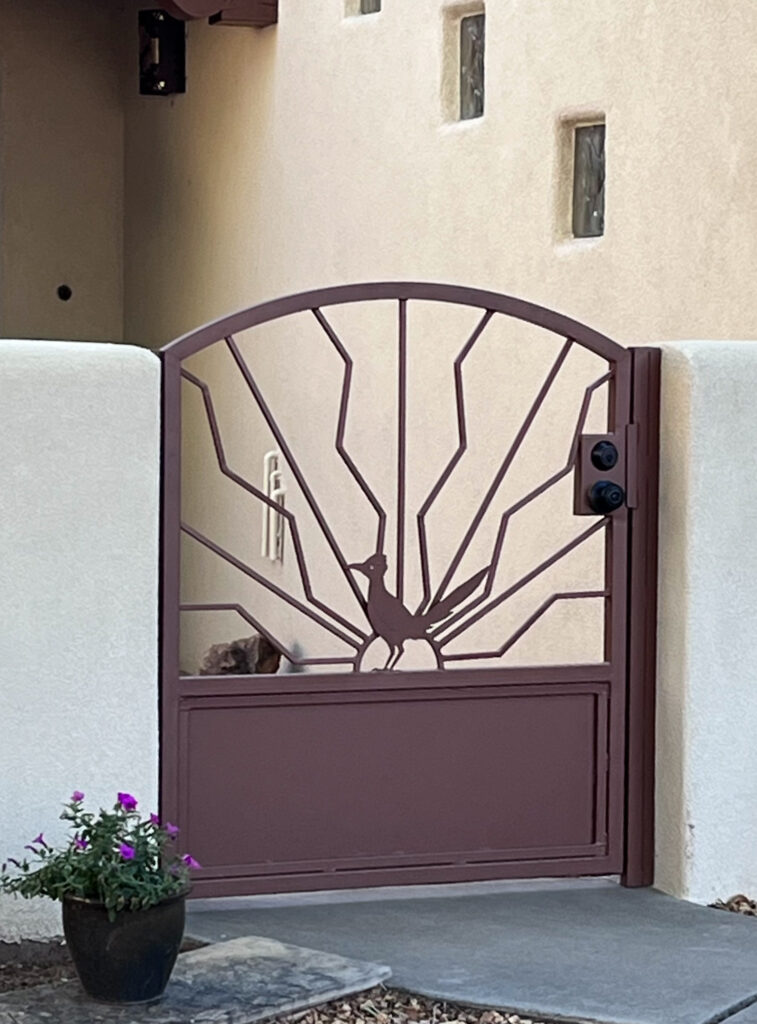
Some mornings I’d rather linger in the backyard, but I know if I wait, the cool air will disappear. Every morning I notice something I somehow missed the day before—a sunflower that opened overnight, the way the light catches the tops of the cacti, a gate with a metal roadrunner, or a tiny bloom tucked into a corner of the garden.

I love that this rhythm has become second nature. Just something I do every day. I’m not walking as far as I did in Colorado, but between my walks and time at the gym, I’m moving every day and feeling stronger.

And this routine is such a peaceful way to start the day.

I may never fall in love with Albuquerque the way I have with some of the other places I’ve visited this year.

But I think I’ll always remember this backyard at sunrise.

Cano's Castle in Antonito, Colorado

Leaving Colorado, Finding the Unexpected

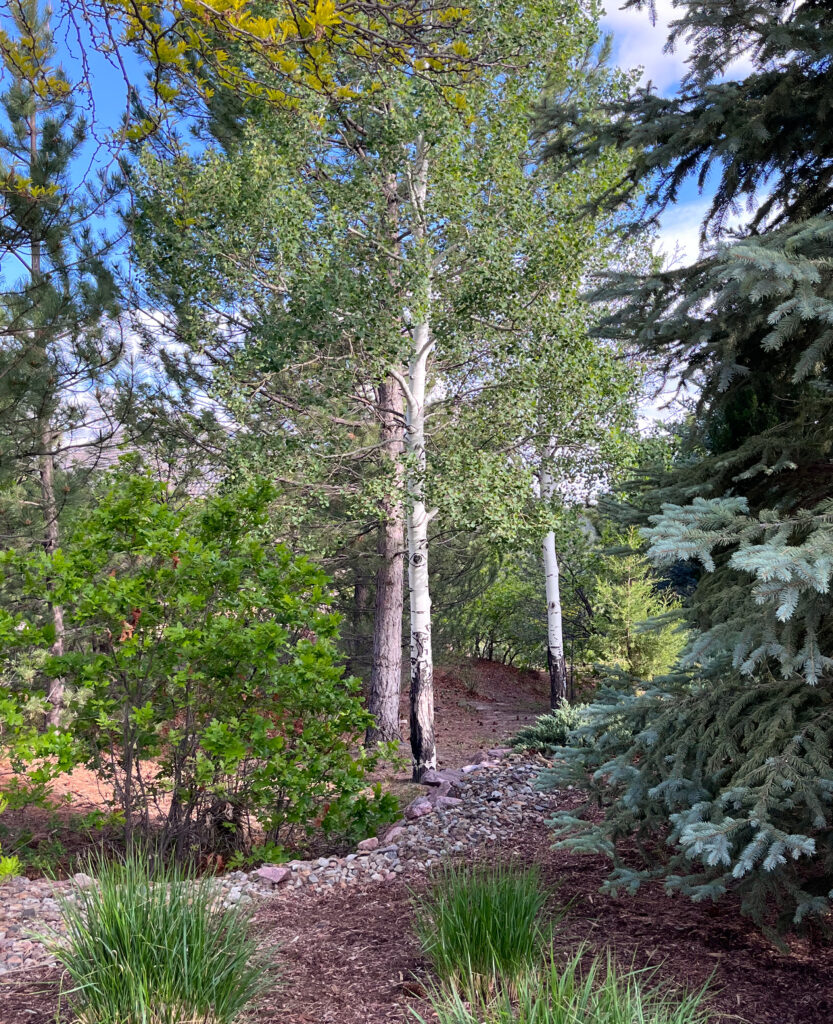
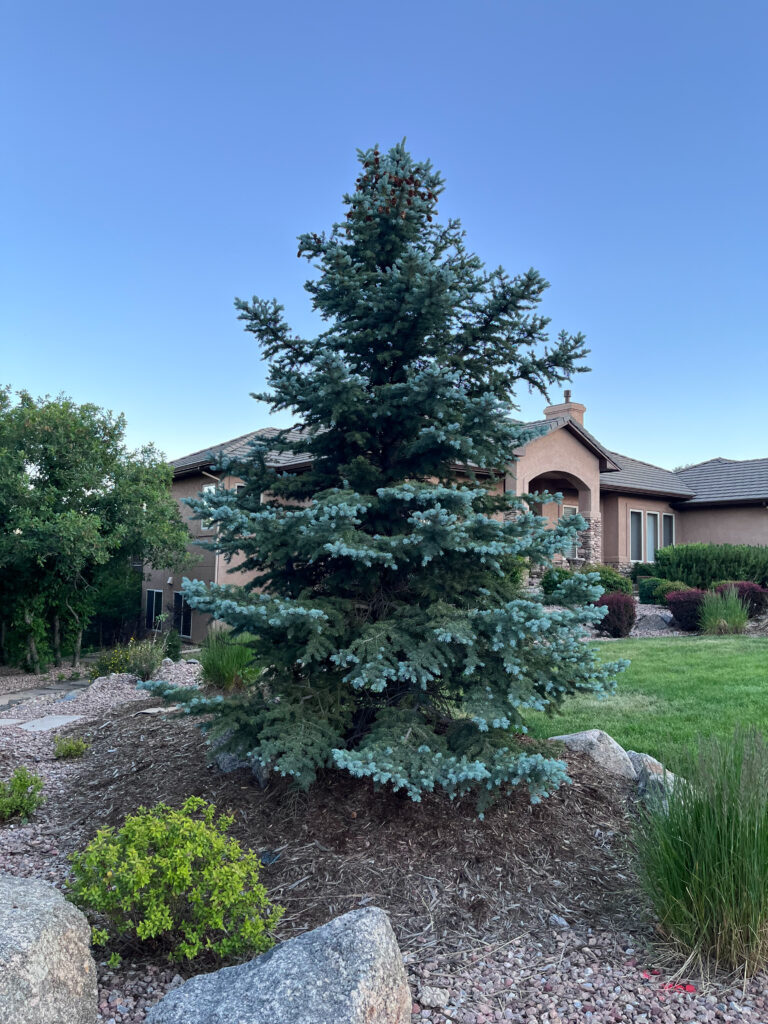
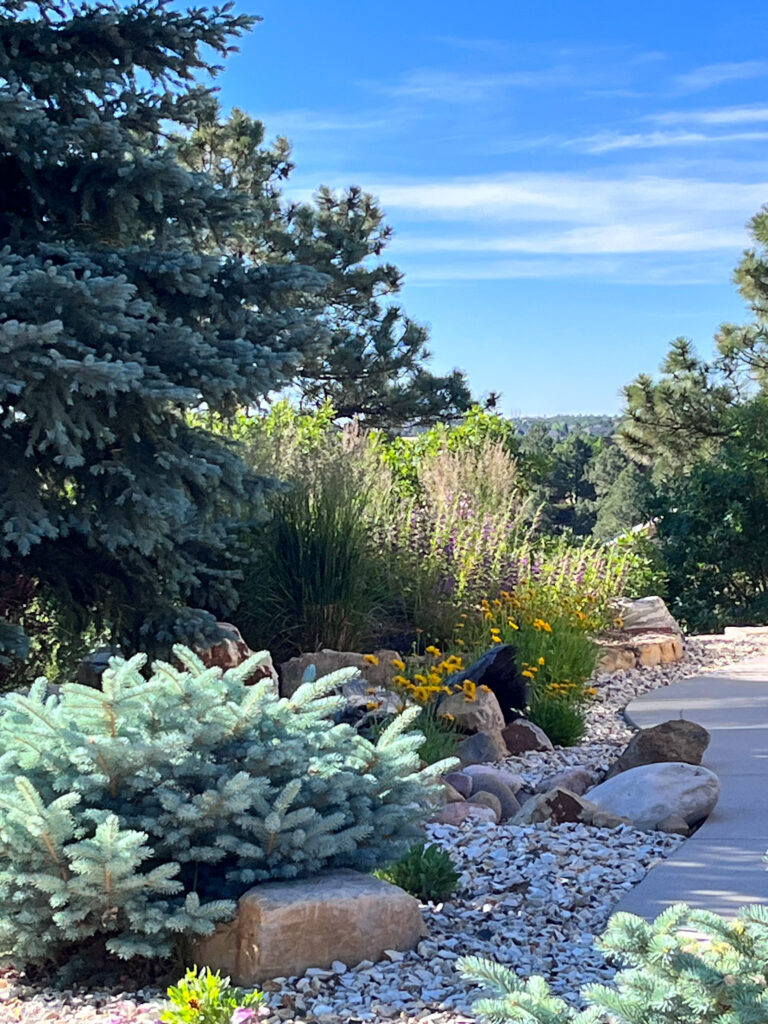
Well, the day finally came to leave Colorado. Over the past several weeks, the mountains had become part of my daily life, always there in the distance no matter where I went. I’ll miss the cool mornings, the “Christmas trees” in the landscaping, and the simple comfort of waking up to mountain views. Colorado had begun to feel like home, and I wasn’t quite ready to say goodbye.

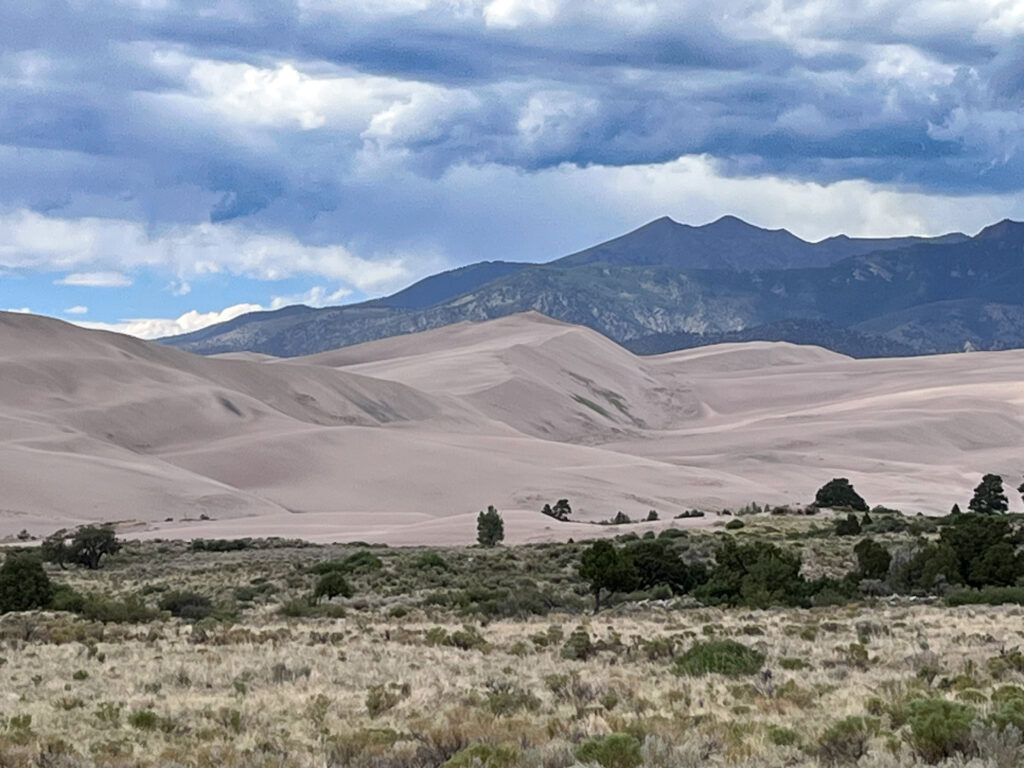
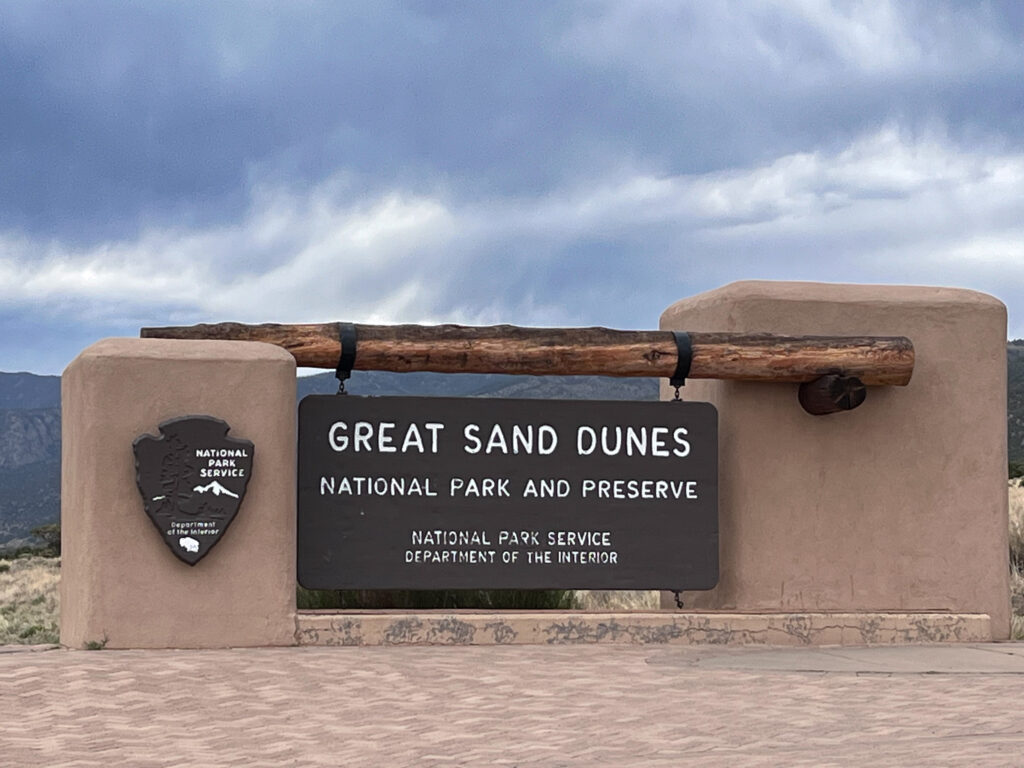
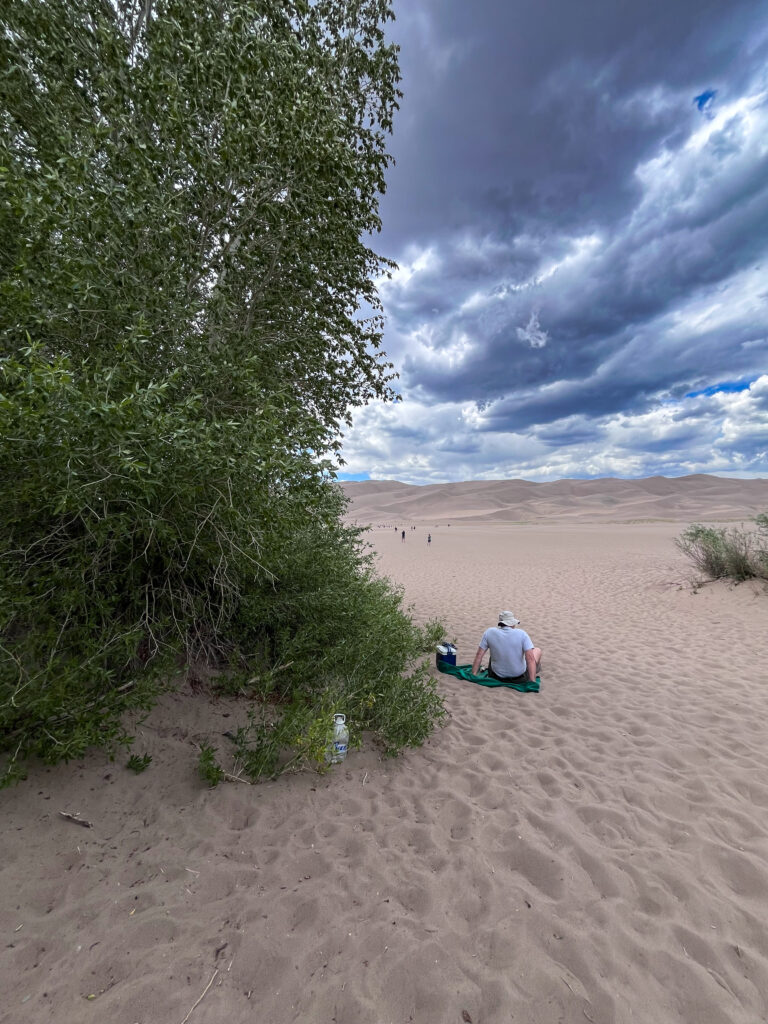
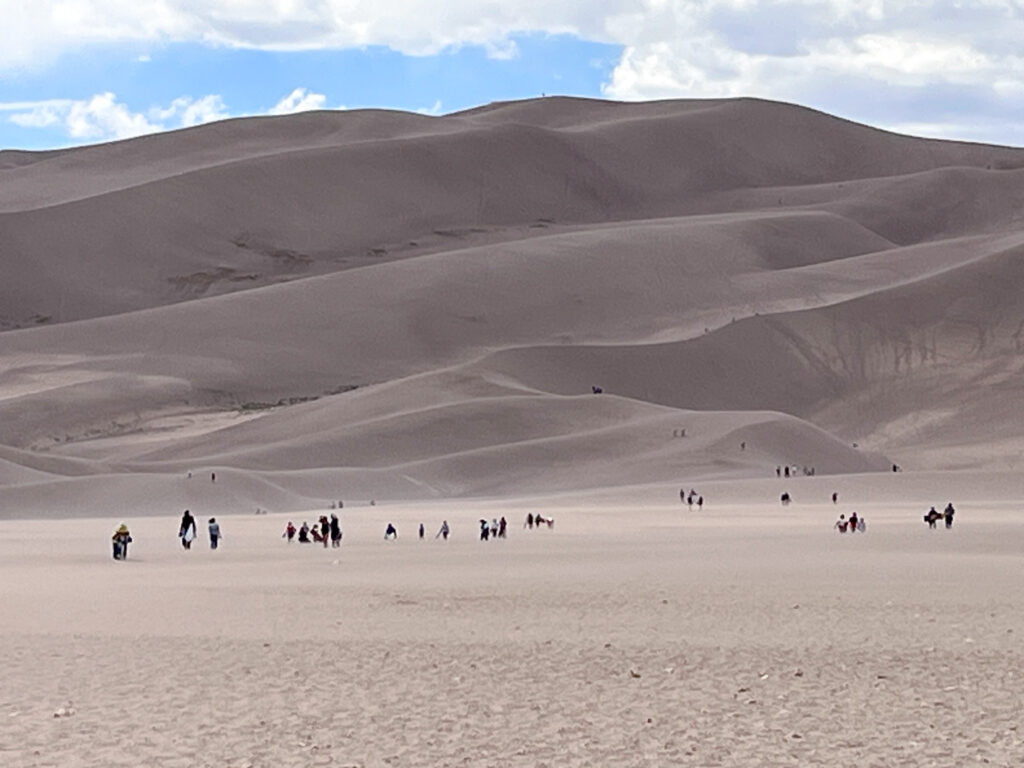
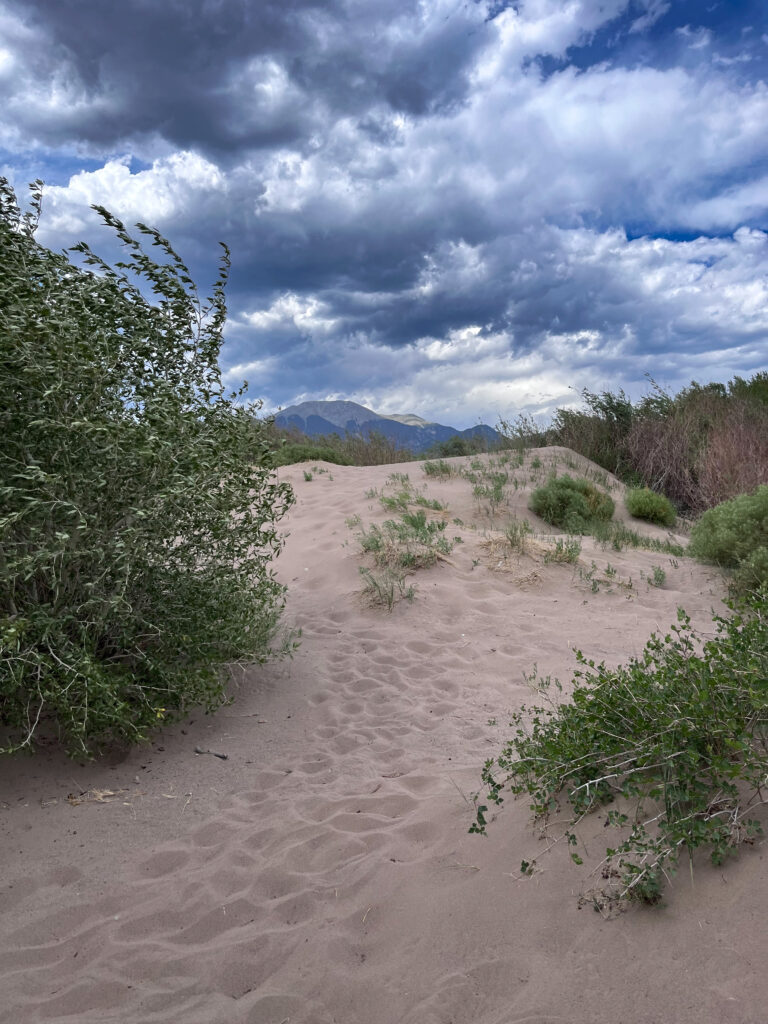
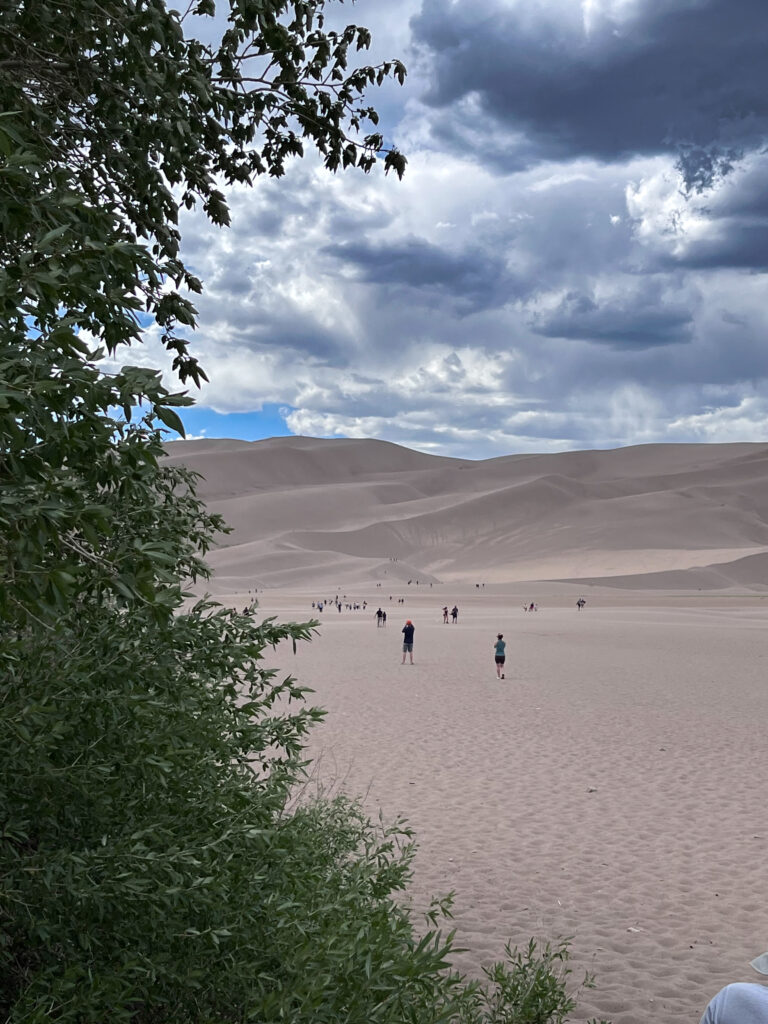
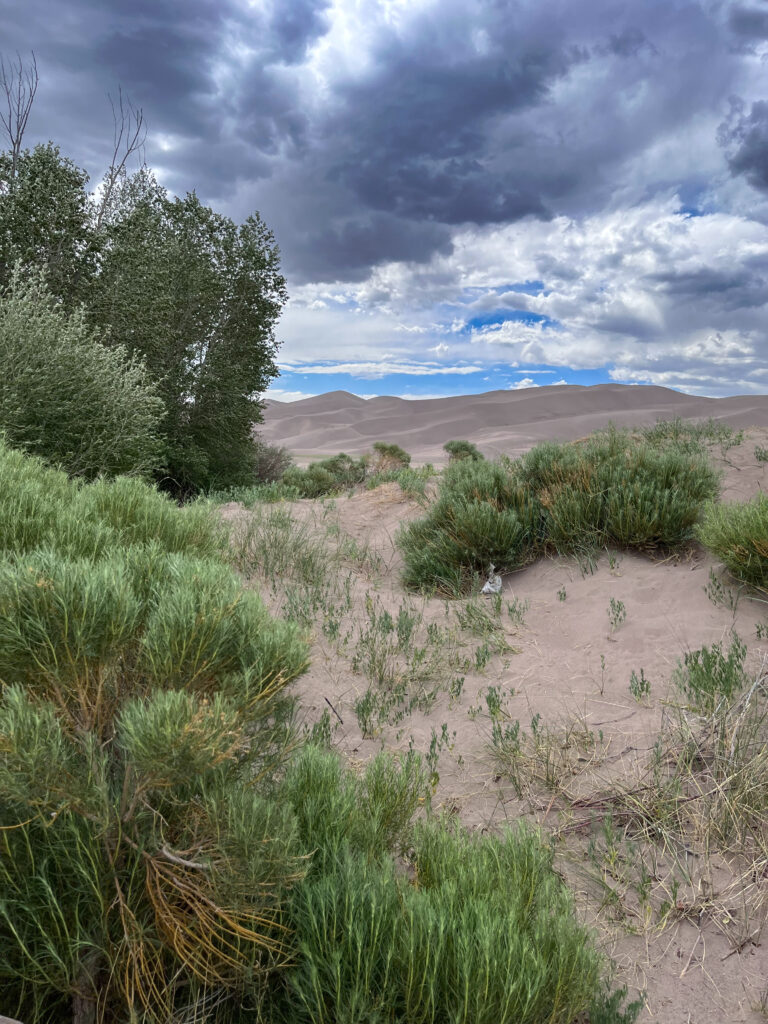
On my way out, I decided to visit Great Sand Dunes National Park. The drive from Colorado Springs seemed incredibly long as I meandered up to a higher elevation. When I finally reached the park, it was so odd to see massive sand dunes right at the base of the mountains. A group of young people had just finished sandboarding down the dunes and were loading up their car. I can only imagine how challenging it must have been to climb the dunes multiple times. I was content just to walk in the dunes a little and take photos.

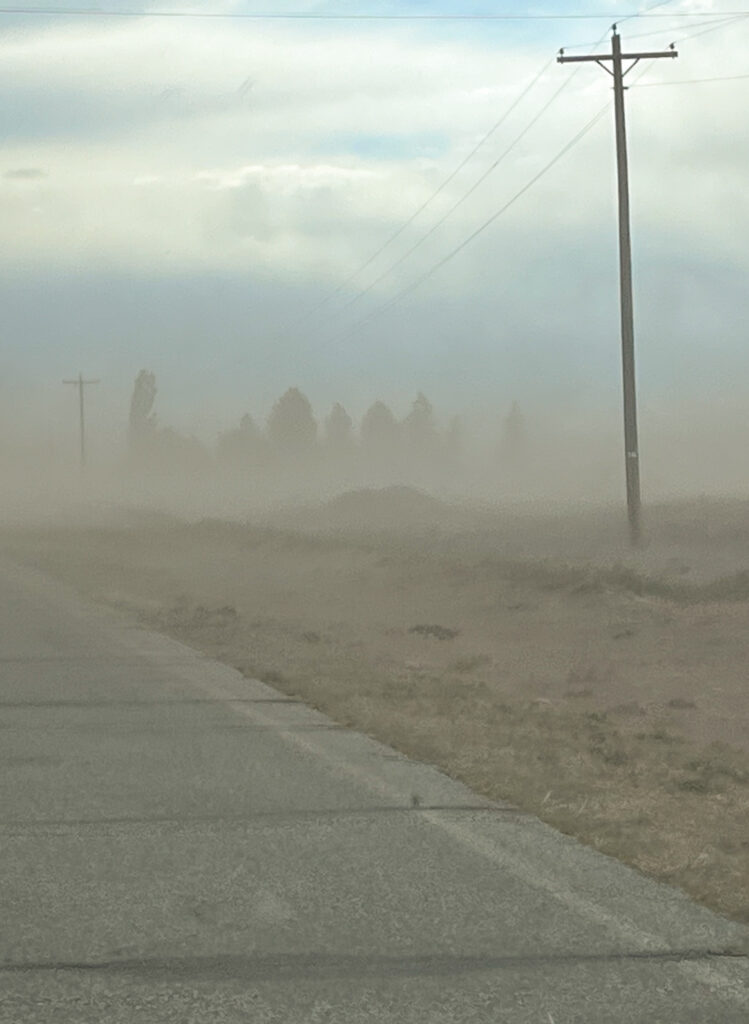
The oddness of the dunes was just the beginning of the odd sights I would see over the next 24 hours. The drive from the park took me across the San Luis Valley, which looked sandy and desert-like. Oddly enough, it is also a thriving farming and ranching region. As I drove along looking at fields of crops interspersed with fields of sand, I drove into a sandstorm that was intense enough that I had to slow down considerably just to see the road ahead.

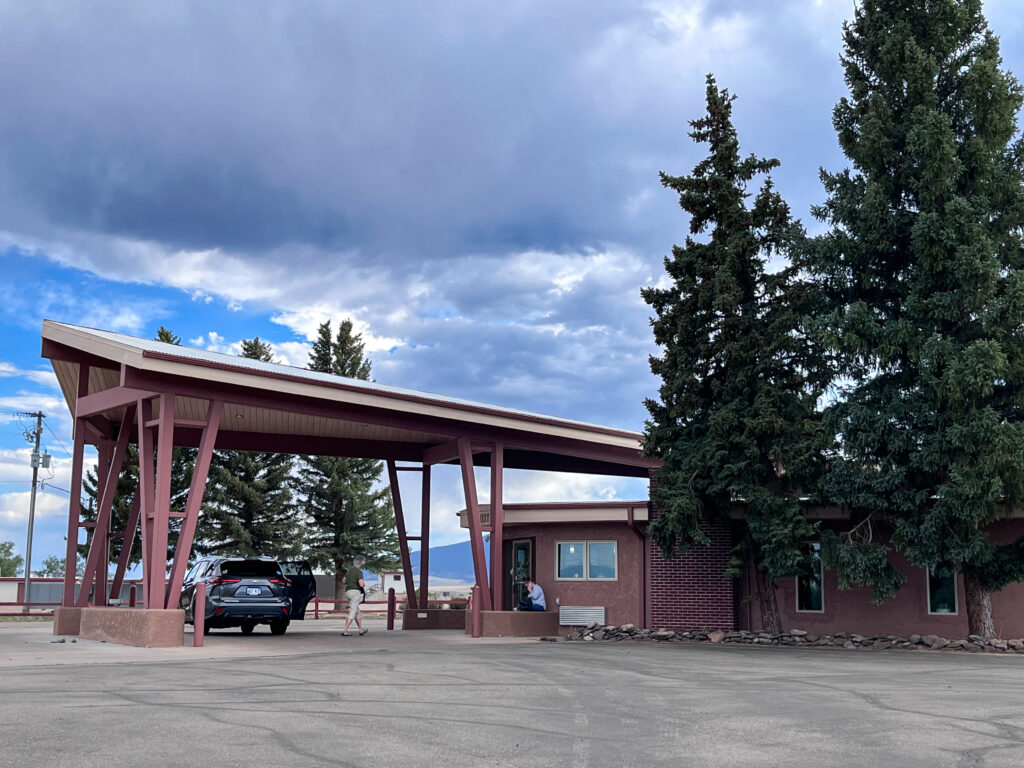
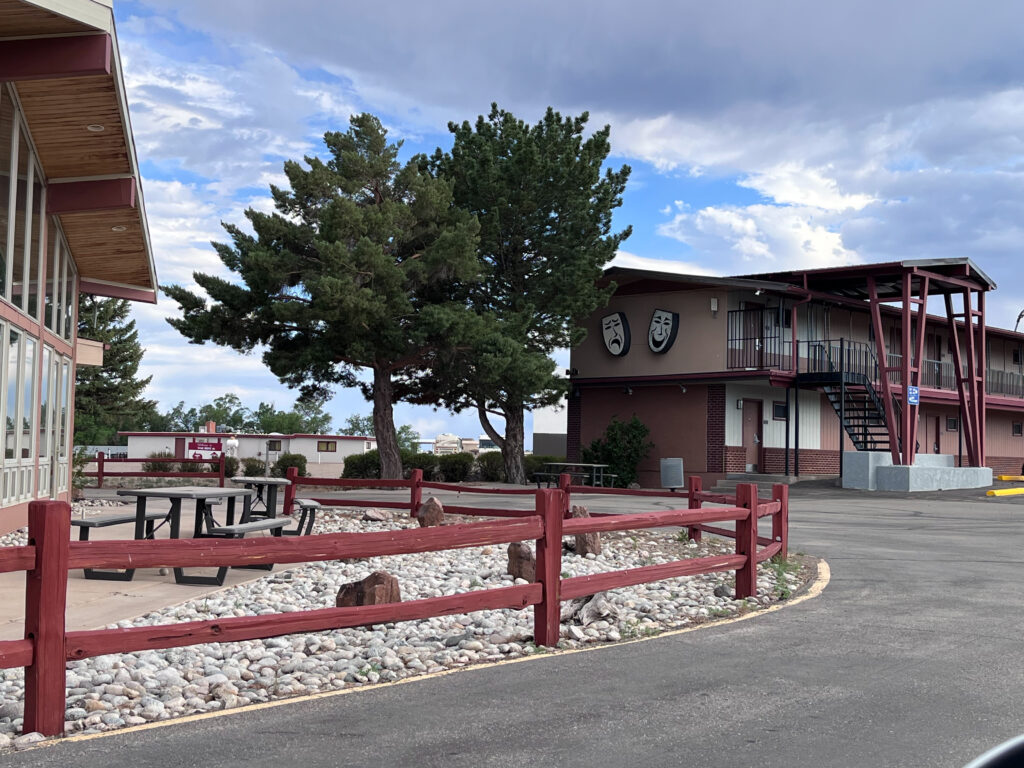
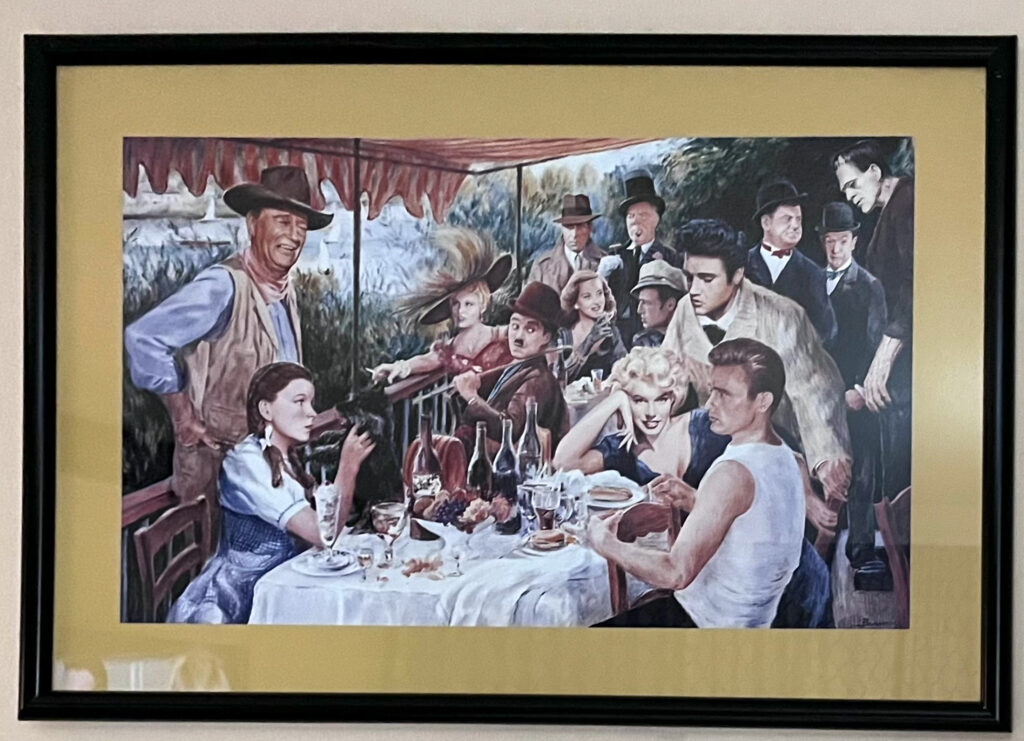
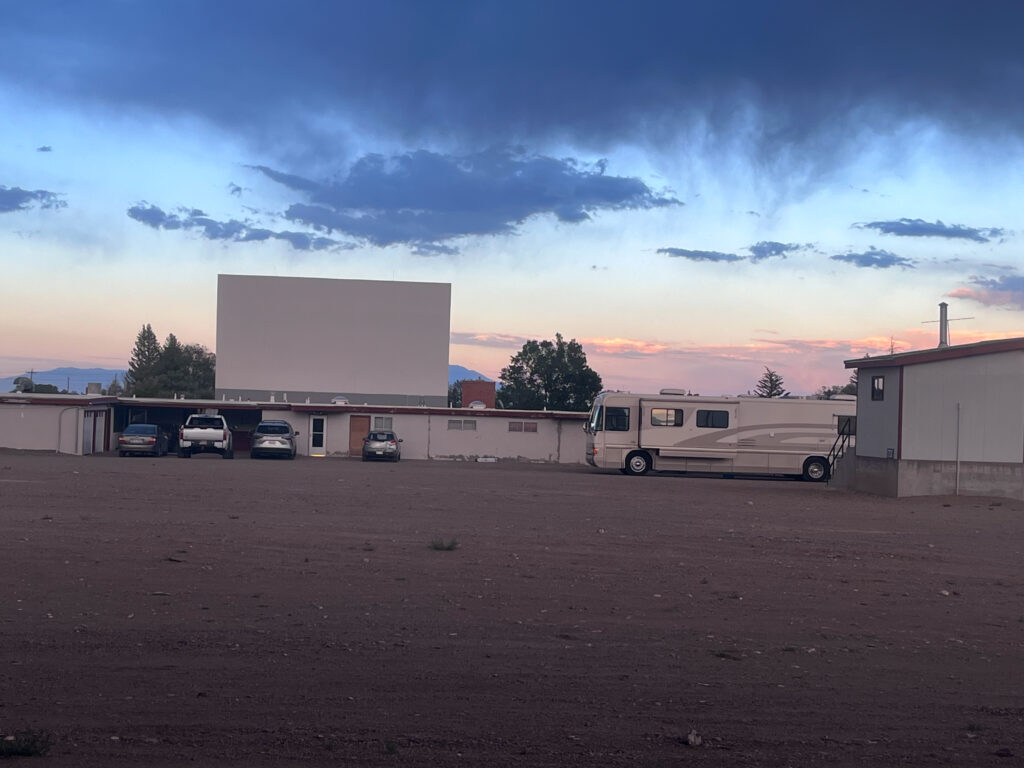
After about an hour, I arrived at my oddly unique hotel for the night. The hotel had a very retro vibe and the exterior of the lobby looked like architecture right out of the fifties. The rooms all opened to the parking lot, and the back had large windows so that guests could watch the drive-in movie owned by the hotel. All of the rooms had a speaker so that you could hear the movie. Each room was named after a movie star. Mine was Spencer Tracy. It felt like stepping back into another era, and I couldn’t help but imagine families pulling in for the night during the heyday of American road trips.

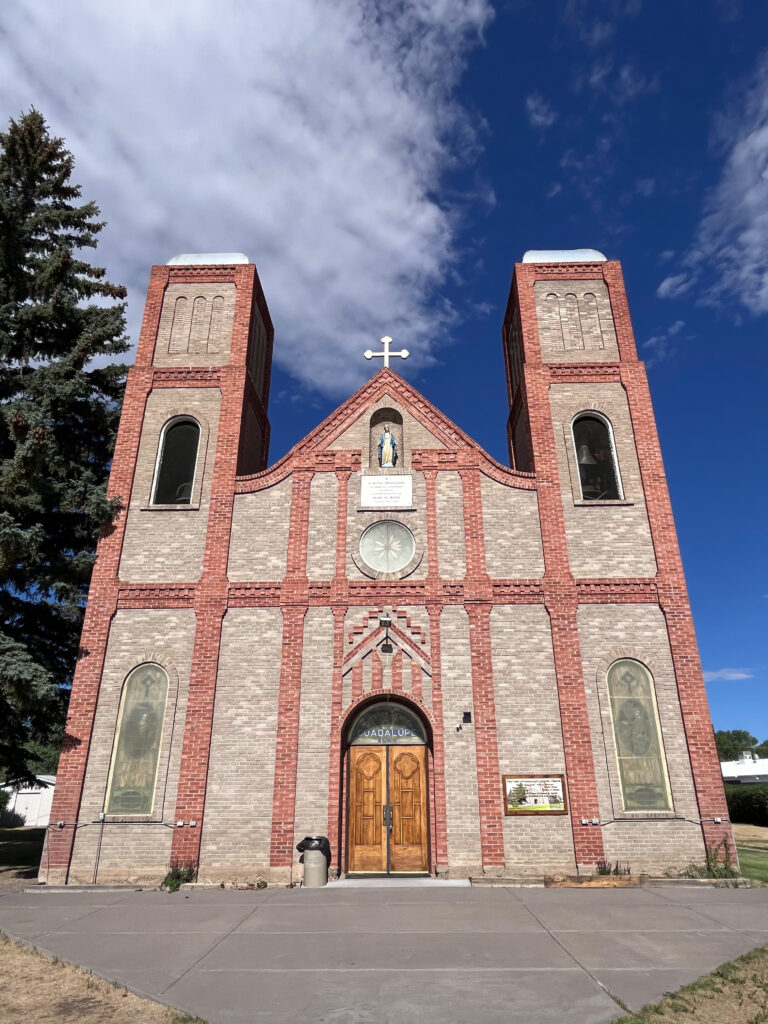
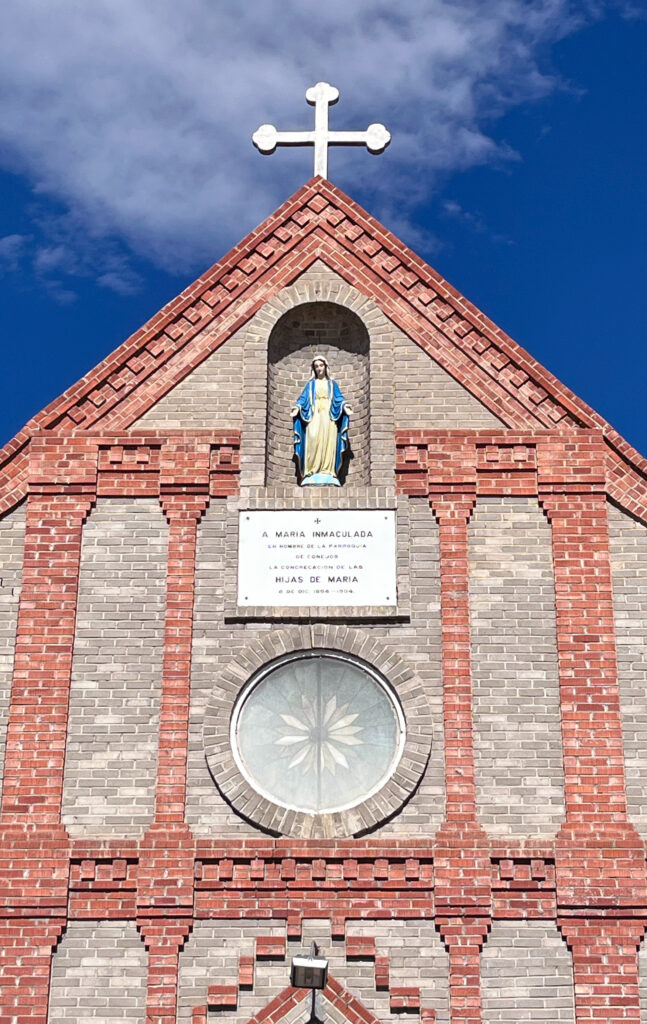
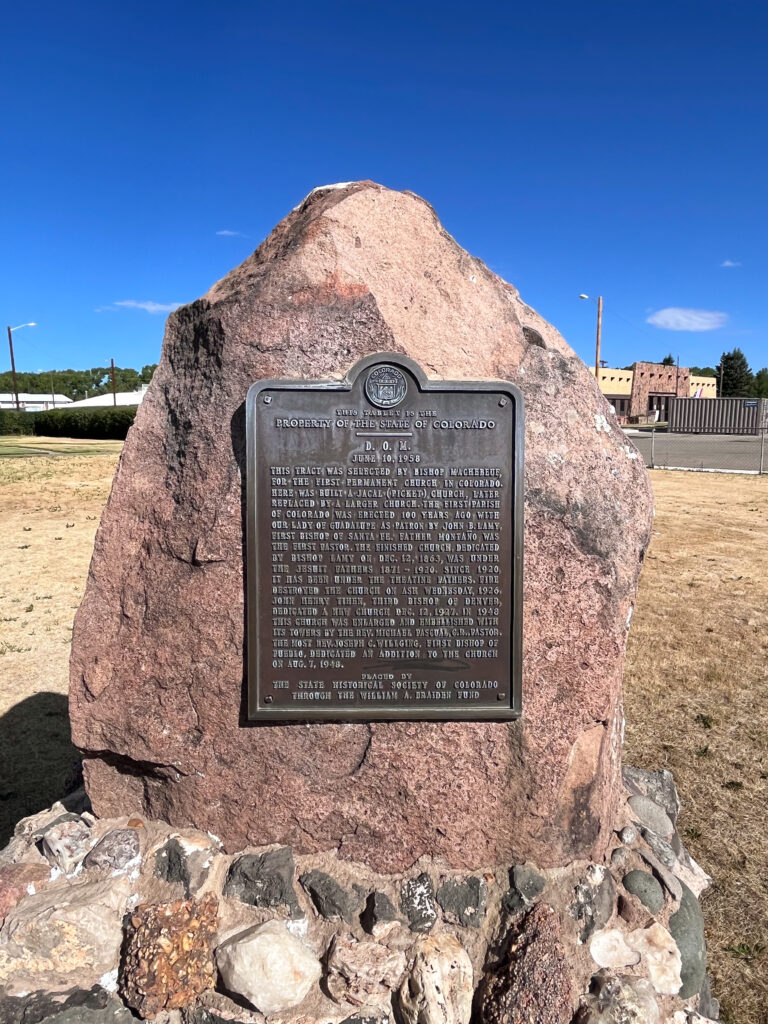
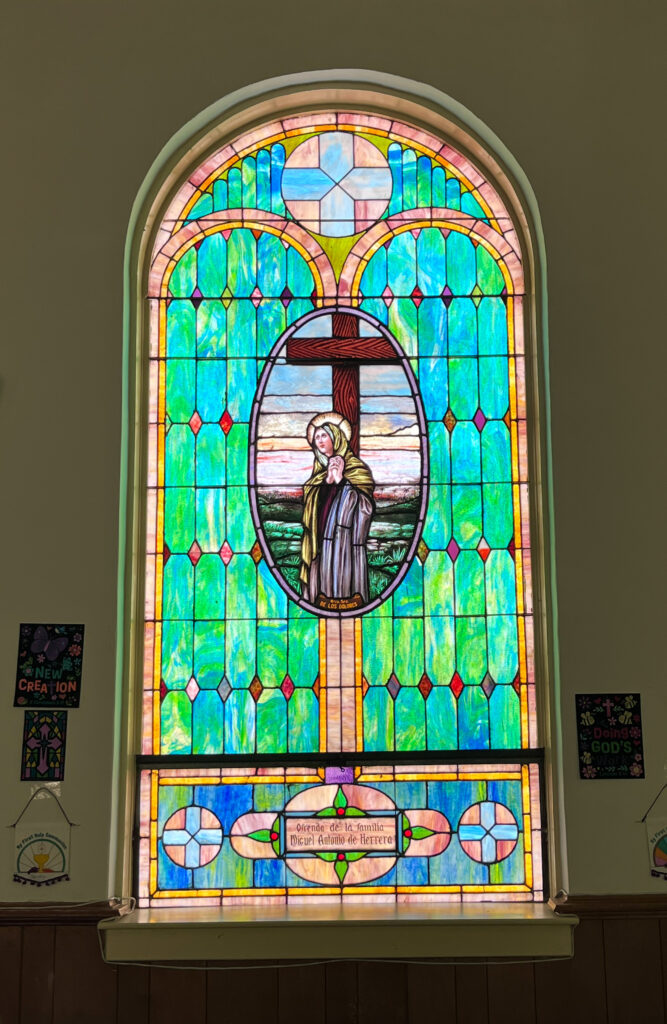
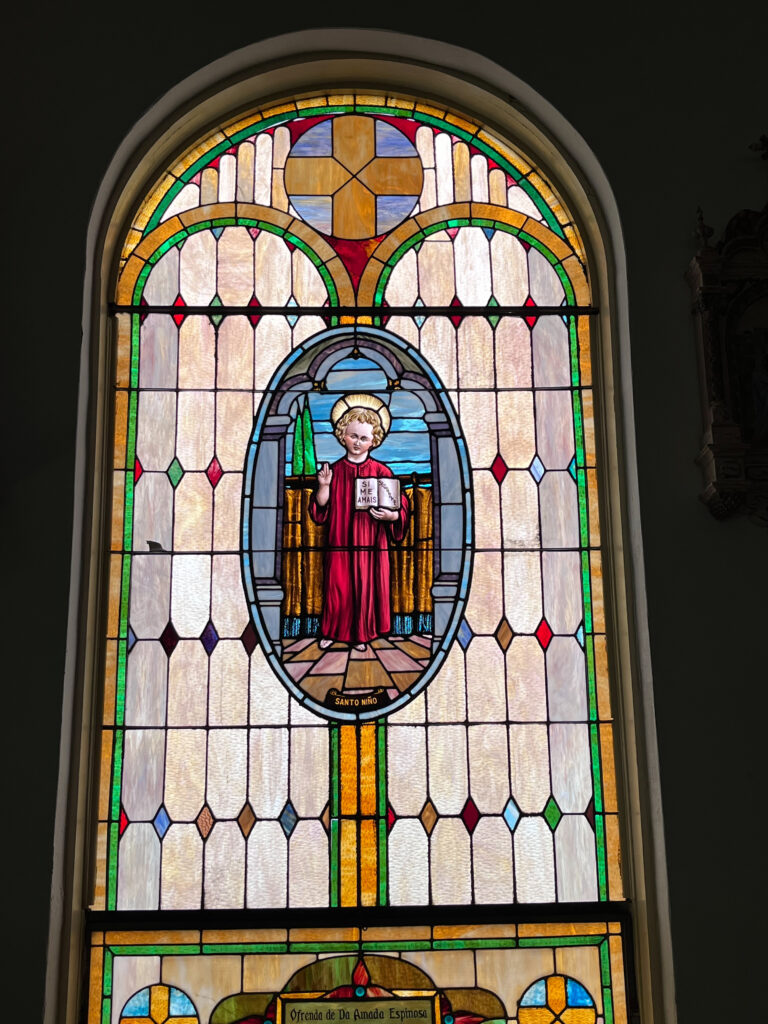
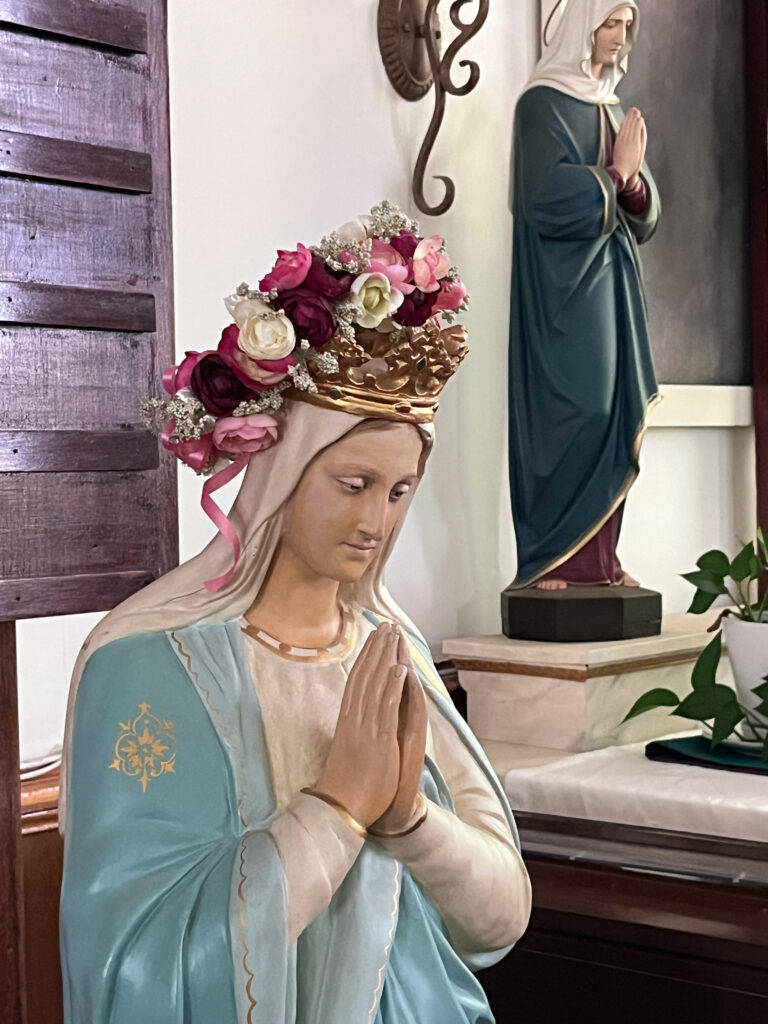
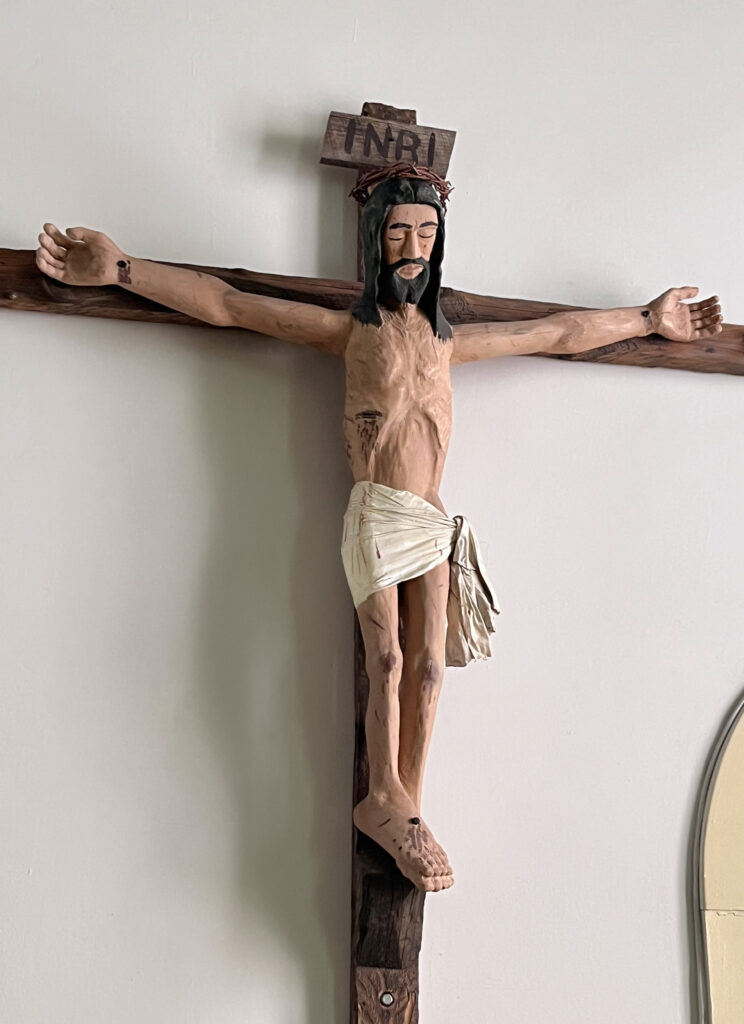
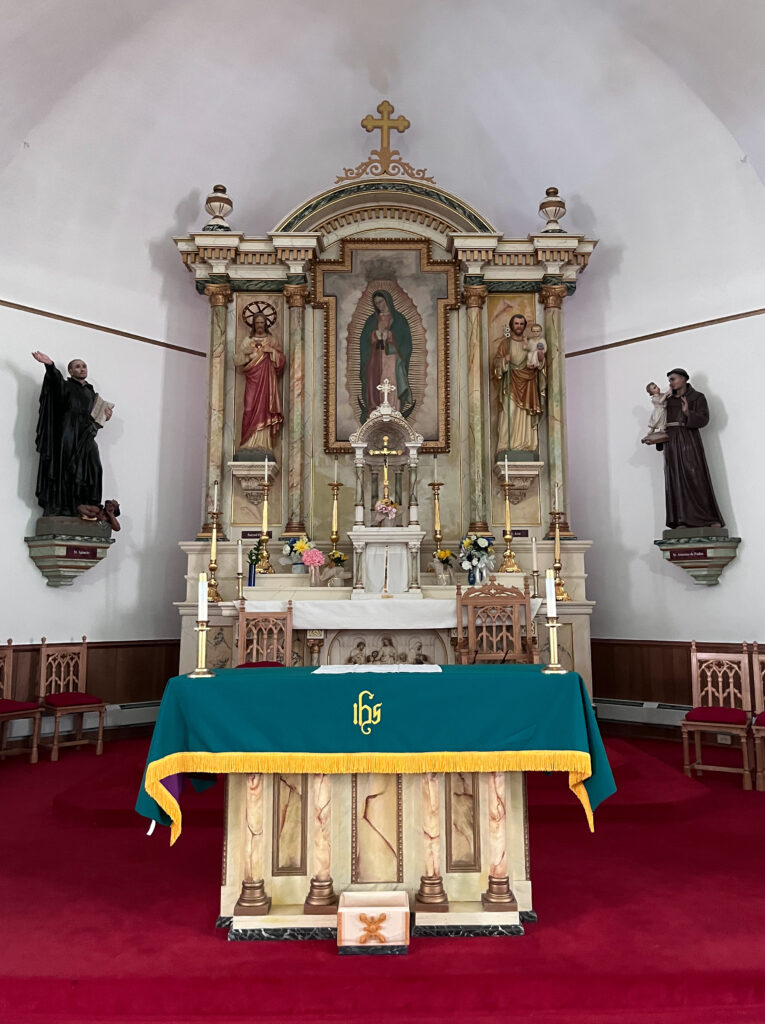
The next morning I began my drive to Albuquerque. Along the way, I spotted a sign for Colorado’s oldest church and, on a whim, made a quick right turn. That detour led me to Our Lady of Guadalupe Parish in Conejos, the oldest church in Colorado. Founded in 1858, the parish began with a small adobe chapel before the current church was completed in 1863. Rising unexpectedly from the rural landscape, the church felt almost cathedral-like. The doors were open, so I stepped inside and was immediately struck by the beautiful stained glass, artwork, statues, and marble altar. I took a few quiet minutes to pray and reflect. Standing there, I found myself thinking about how many lives had intersected in this place over the past century and a half. Although a fire destroyed much of the interior in 1926, the church was rebuilt on its original site and remains an active parish today. It was an unexpected stop, but one that added a meaningful moment to my journey south.

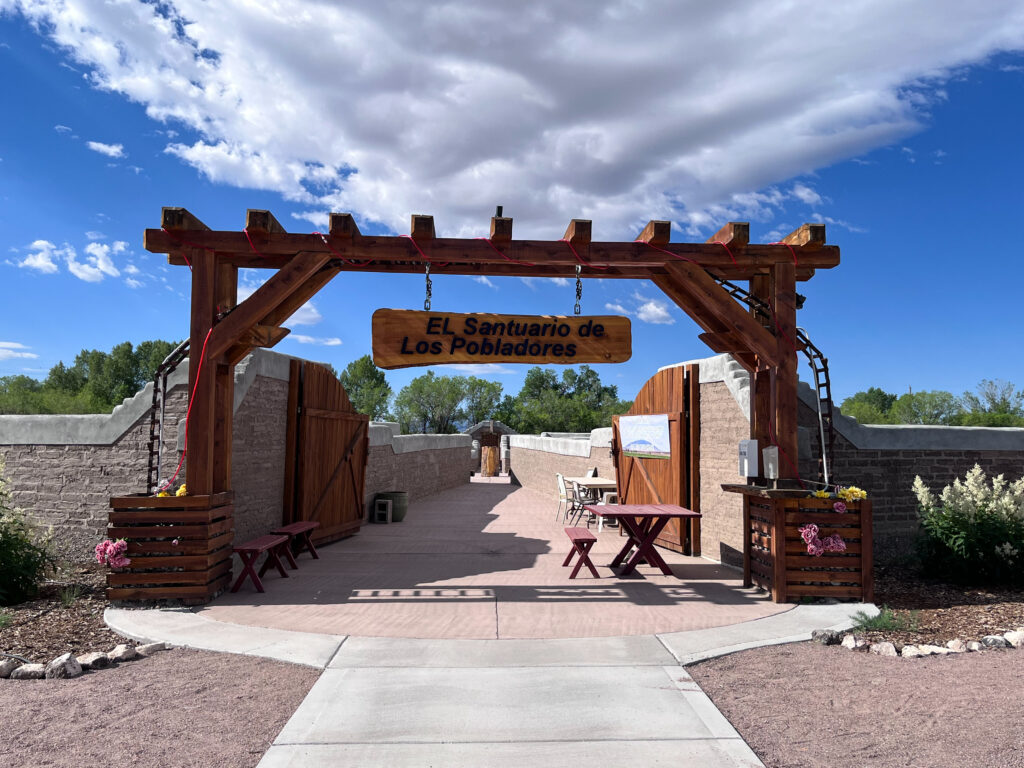
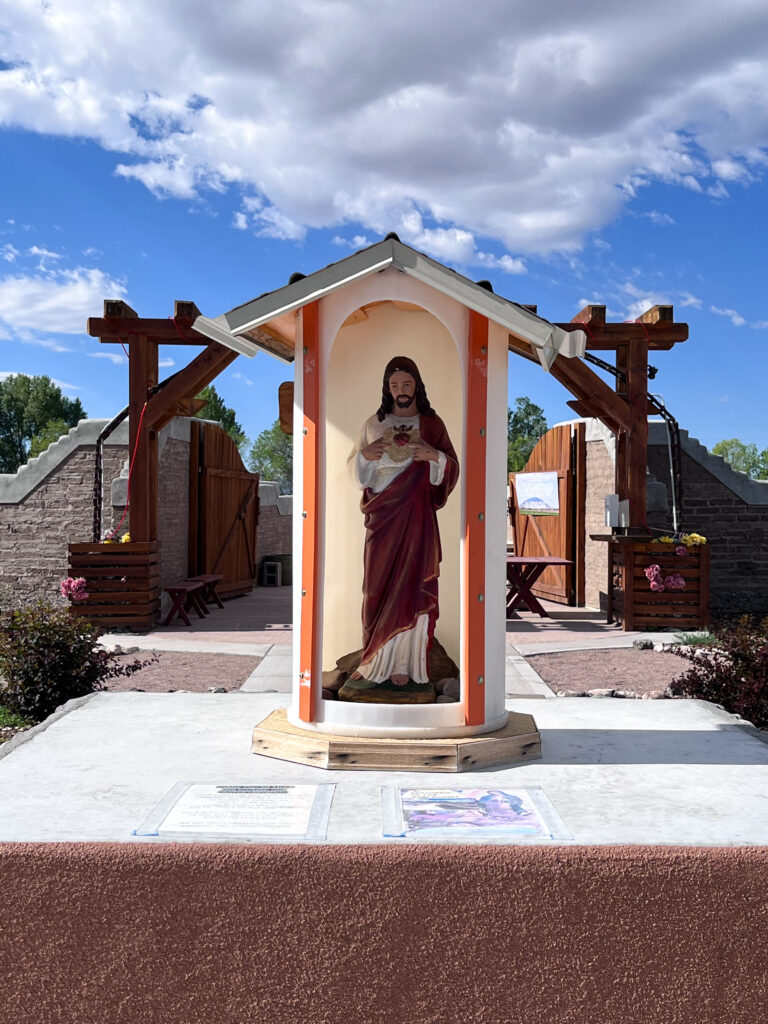
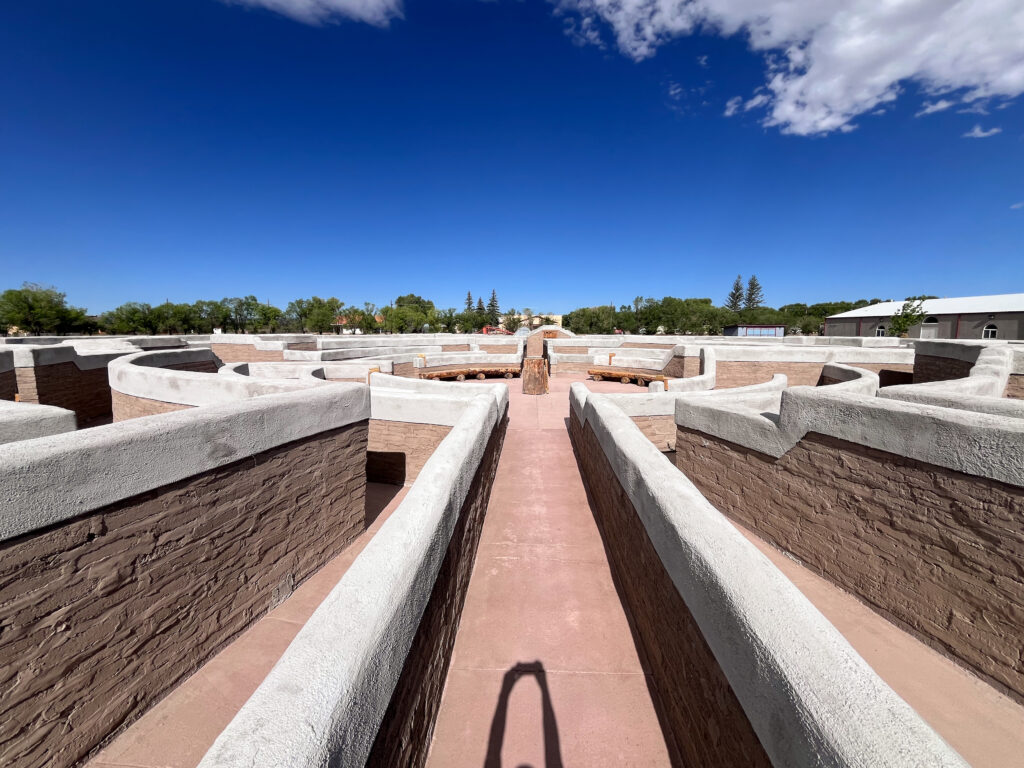
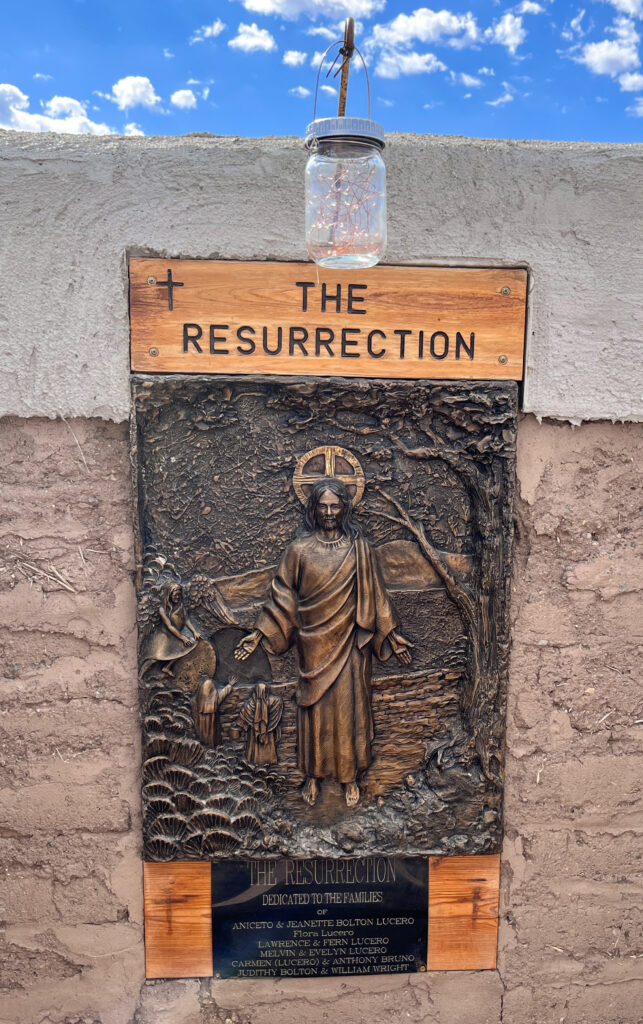
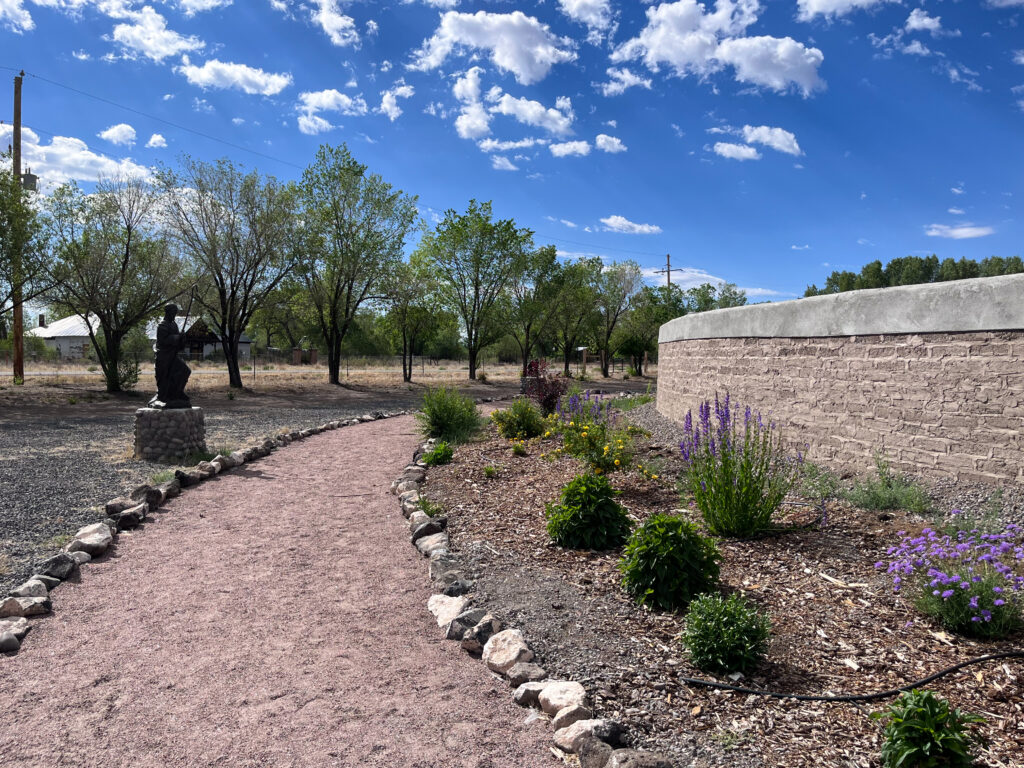
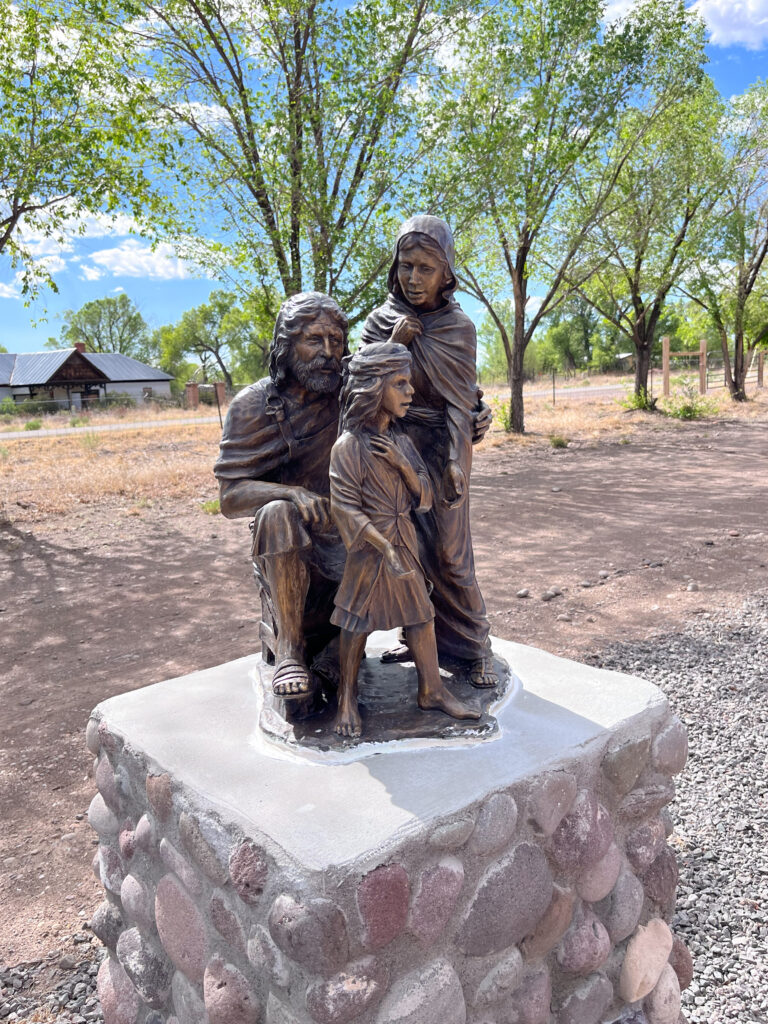
Next to the church, I discovered a beautiful prayer labyrinth at the El Santuario de los Pobladores — the Sanctuary of the Settlers. What I first thought of as simple sculptural accents turned out to be striking bronze bas-relief panels that frame each meditation chapel. Each one represents a Mystery of the Rosary, drawing visitors into the story of Jesus’ life and ministry in a very direct, visual way. The panels are the work of three renowned Valley artists and honor the Spanish mission saints as well as the Virgin of Guadalupe, tying the space deeply to the spiritual heritage of the region. As I walked, I also noticed additional bronze sculptures placed outside the labyrinth itself, depicting mission saints and quietly extending the sense of devotion into the surrounding grounds. Each chapel I stepped into held its own artwork and atmosphere, and I found myself discovering them one by one as I moved through the space, almost like the labyrinth was unfolding the story in real time.

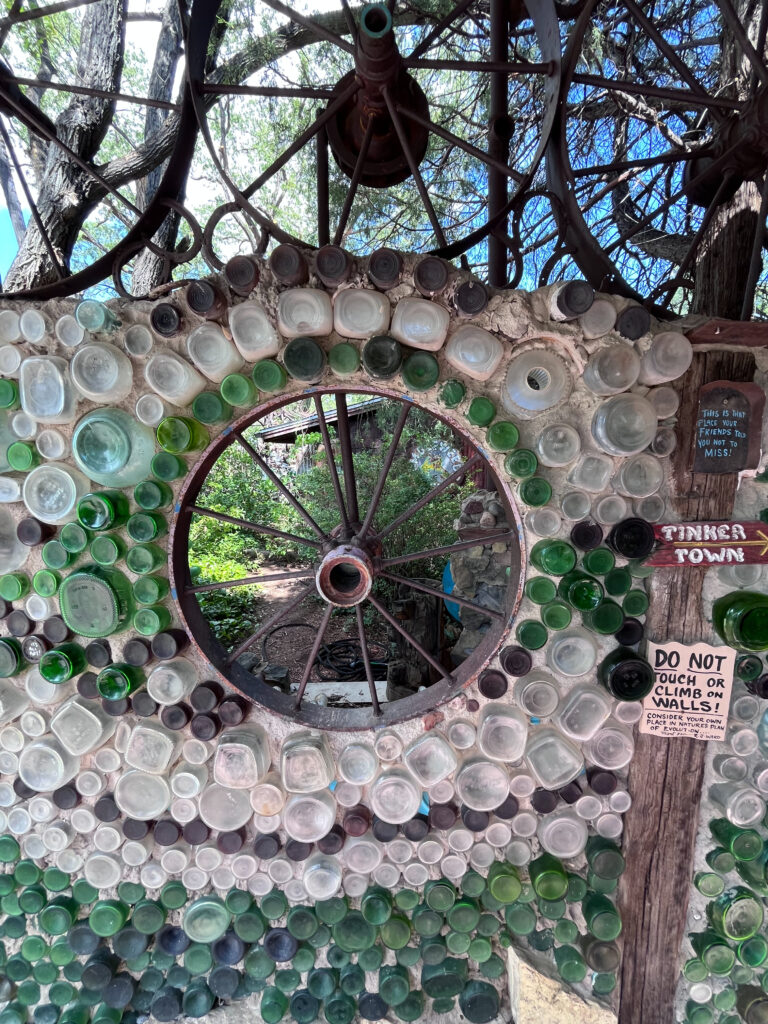
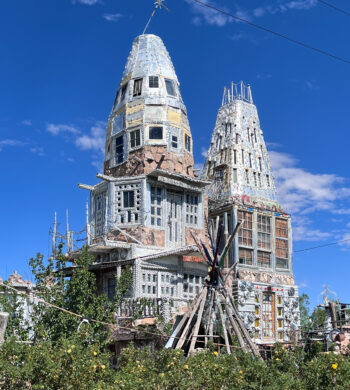
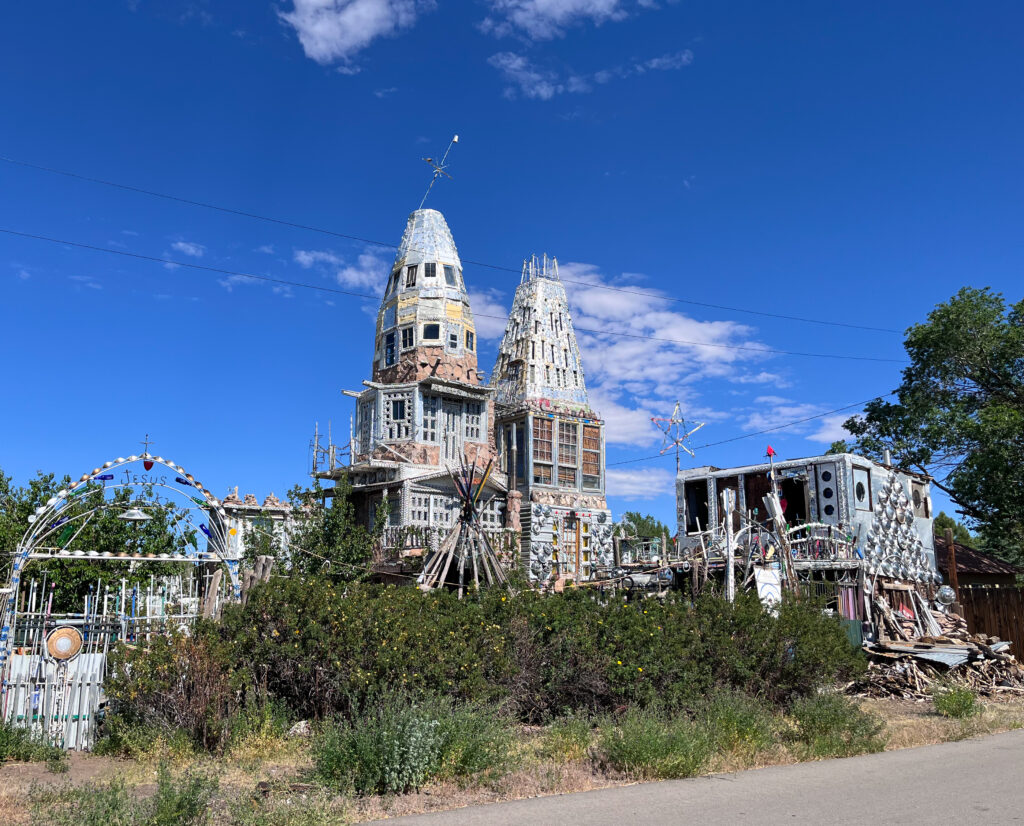
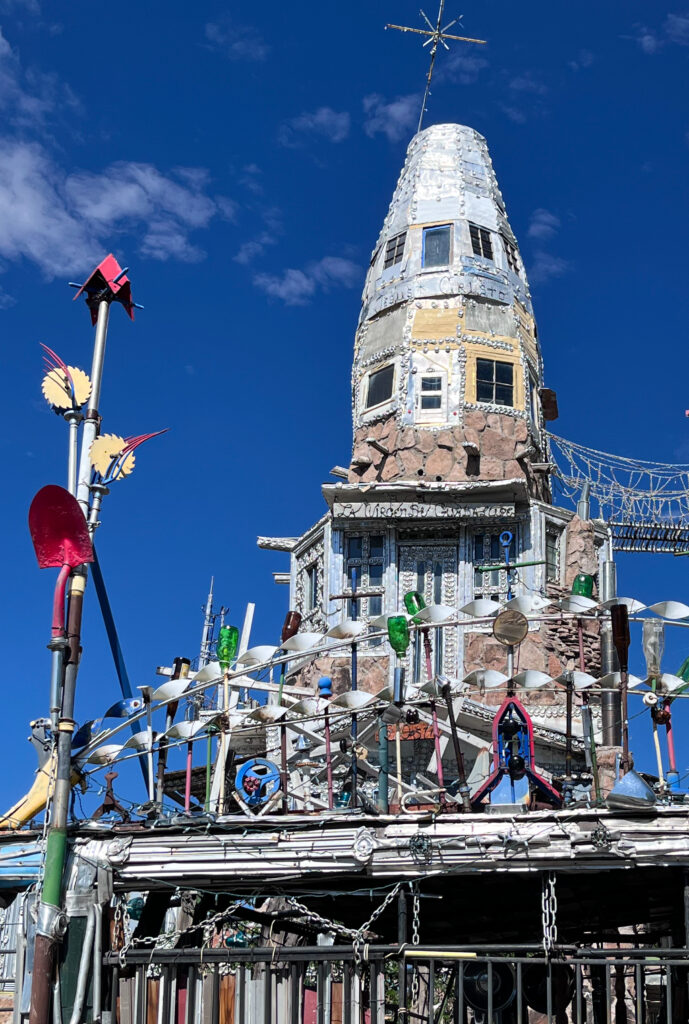
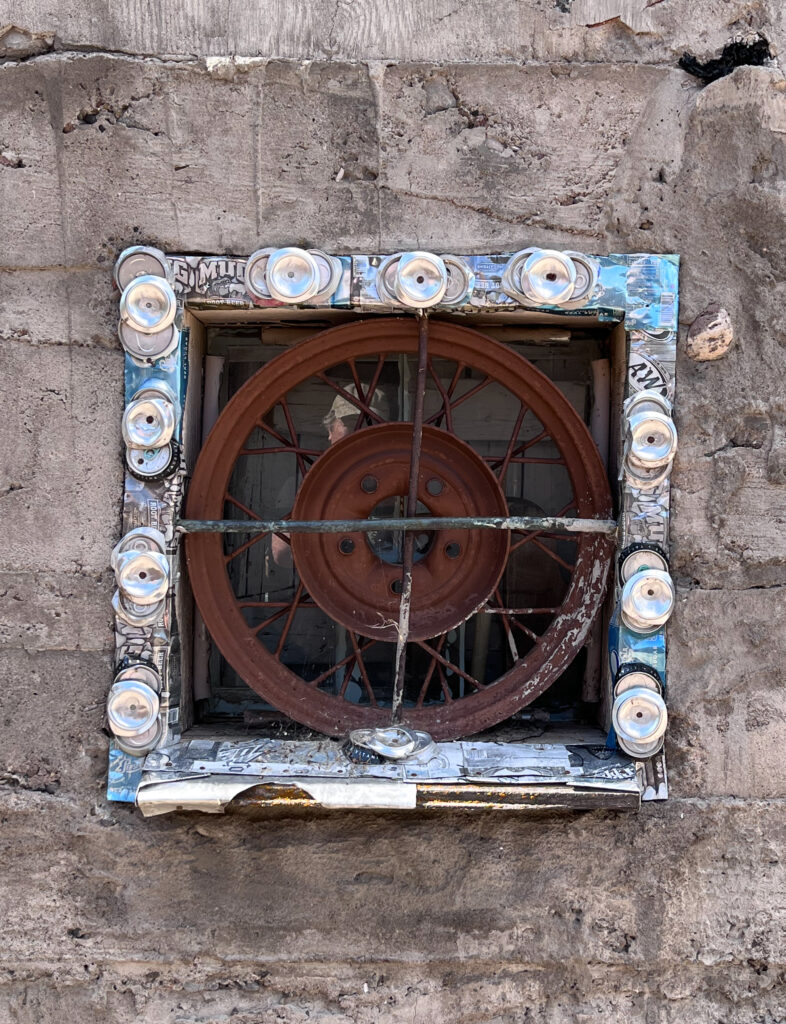
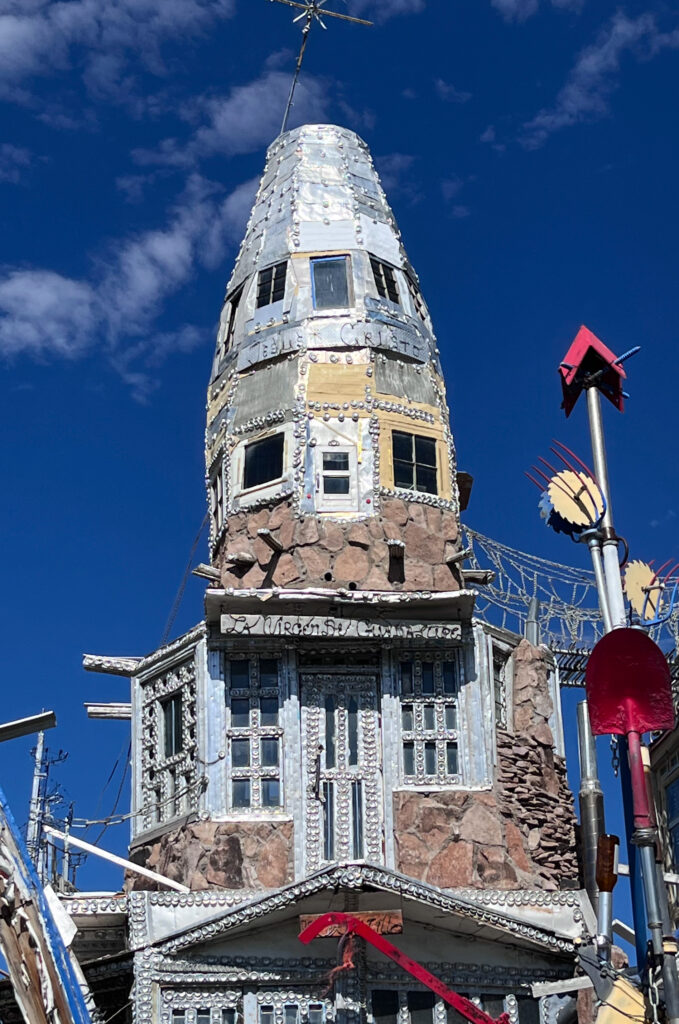
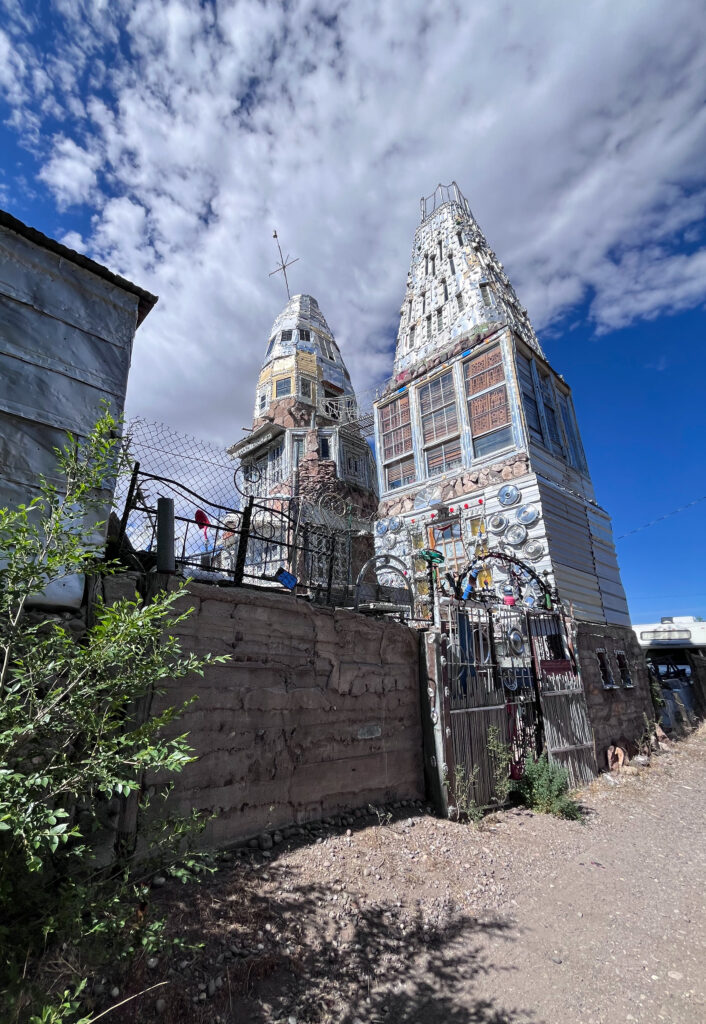
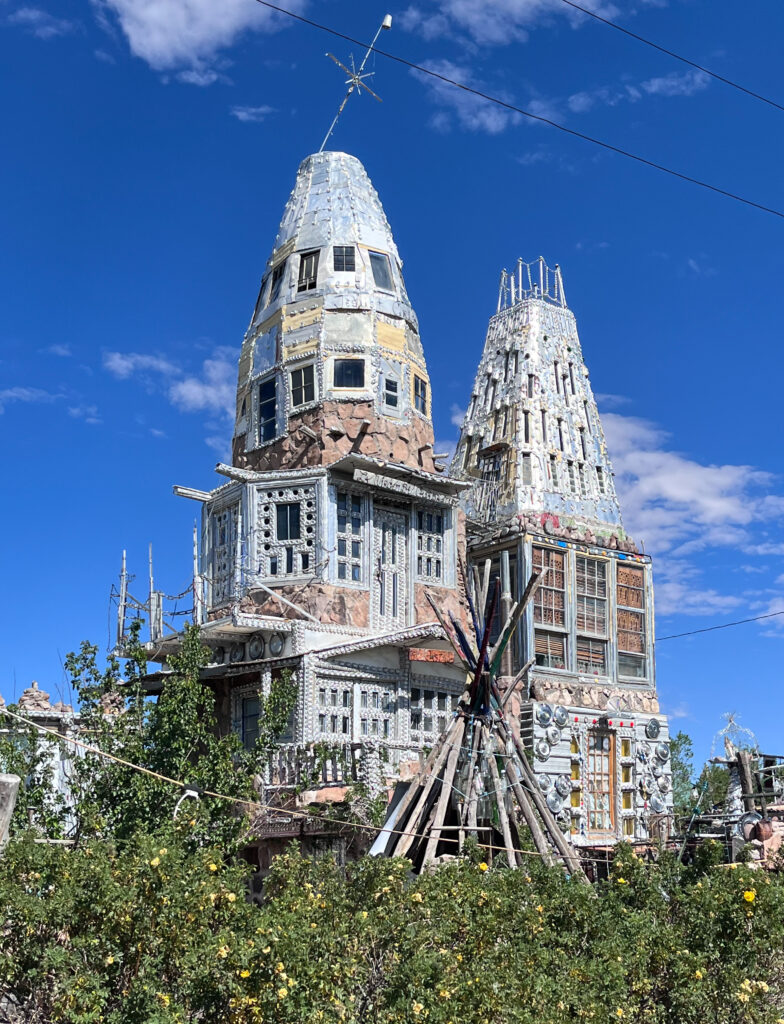
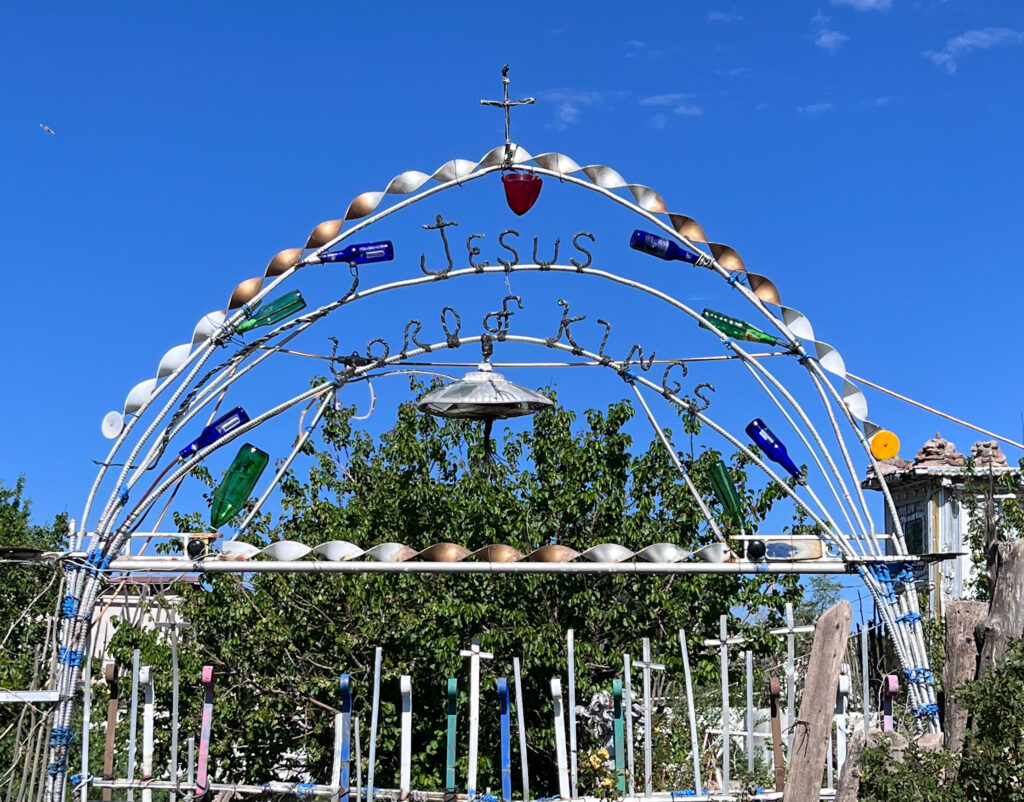
I drove on to the town of Antonito where I stopped to see Cano’s Castle. I was pleasantly surprised by the intricate, almost shimmering construction of the structure, built from a striking mix of stone, concrete, and layers of recycled materials. While it’s often described as being made entirely of beer cans, that only tells part of the story — sections of the castle also reveal stonework and a broader patchwork of salvaged metal, glass, and found objects, all carefully assembled into textured walls that catch the high desert light. The longer I stood there, the more I noticed hidden patterns and unexpected materials tucked into the walls.

The castle was built singlehandedly by Dominic “Cano” Espinosa, a Vietnam veteran who spent more than three decades shaping the structure as a personal act of gratitude and survival. He has described it as his way of giving thanks to God for making it through the war, and that sense of devotion is embedded in every layer of the work. What began as a private expression gradually grew into an expansive, ongoing folk-art environment — part tribute, part spiritual offering, and part lifelong creative calling.

What makes it even more compelling is the way it rises in unexpected forms and towers, each one feeling both improvised and intentional at the same time. It is less a single “castle” than an evolving work of outsider art — beautiful, slightly eccentric, and deeply expressive in the quiet landscape of the San Luis Valley.

I stopped and took a few photos in town. There always seems to be something quietly quirky in these high desert places, as if the landscape itself invites a different kind of imagination.

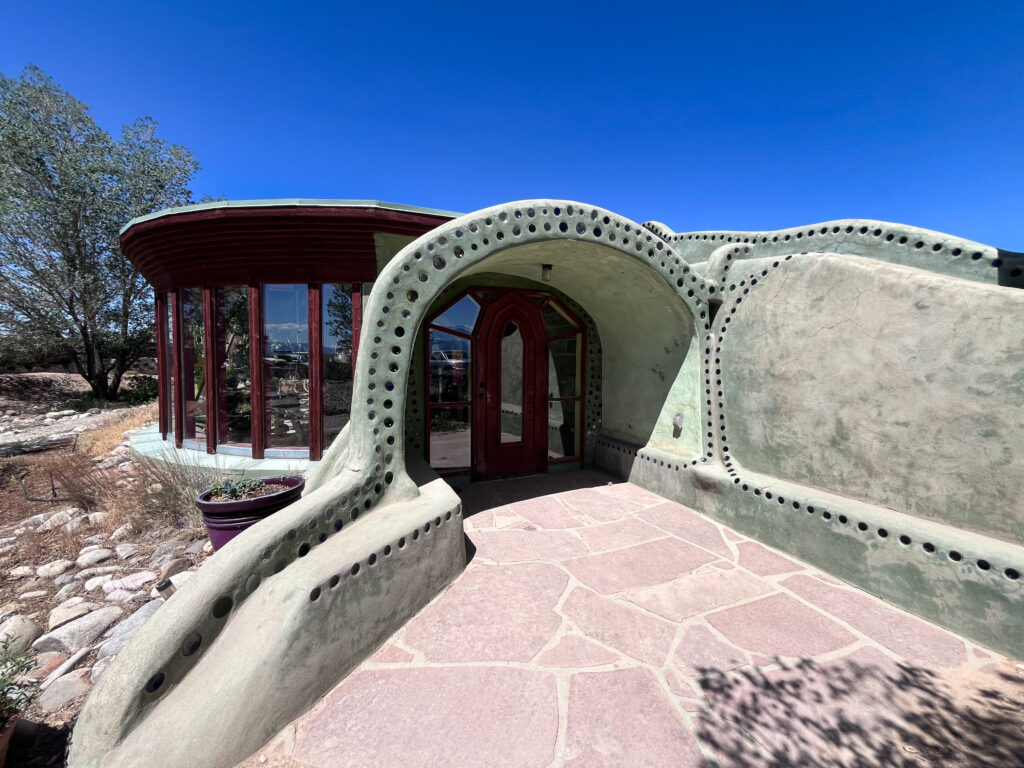
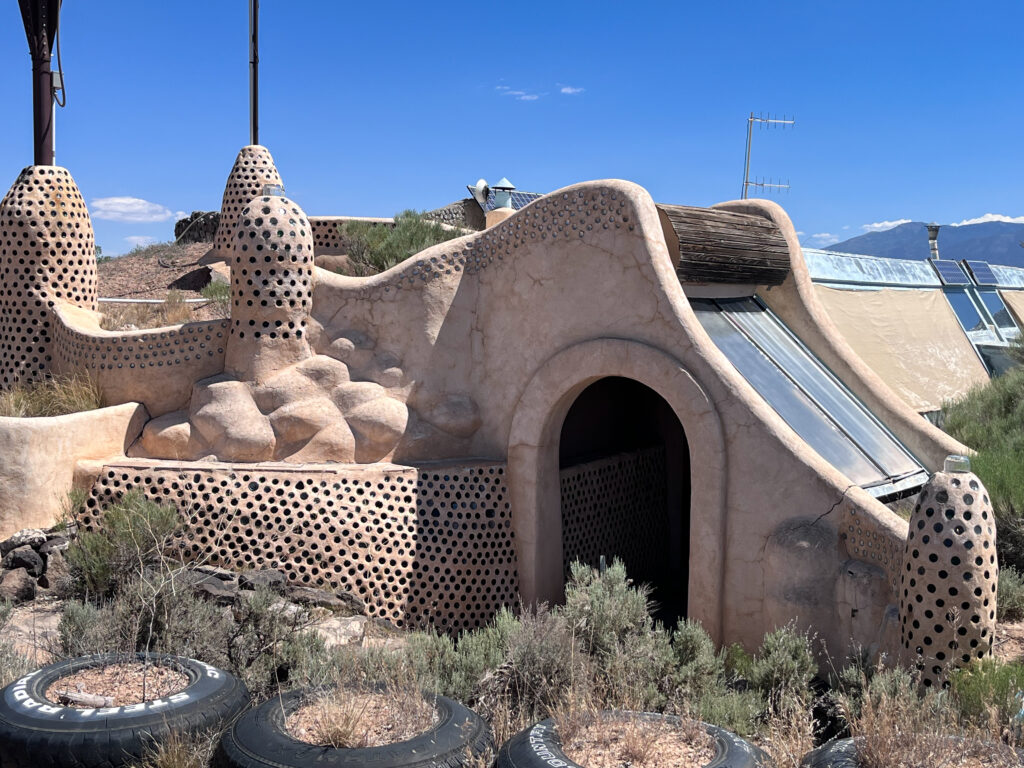
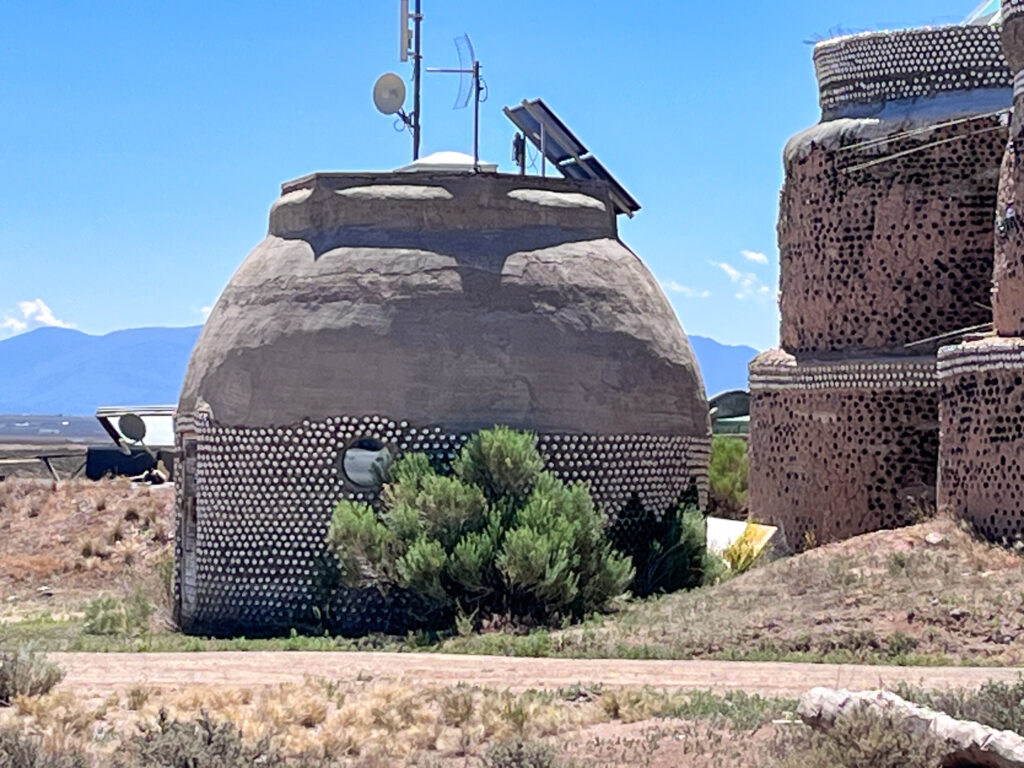
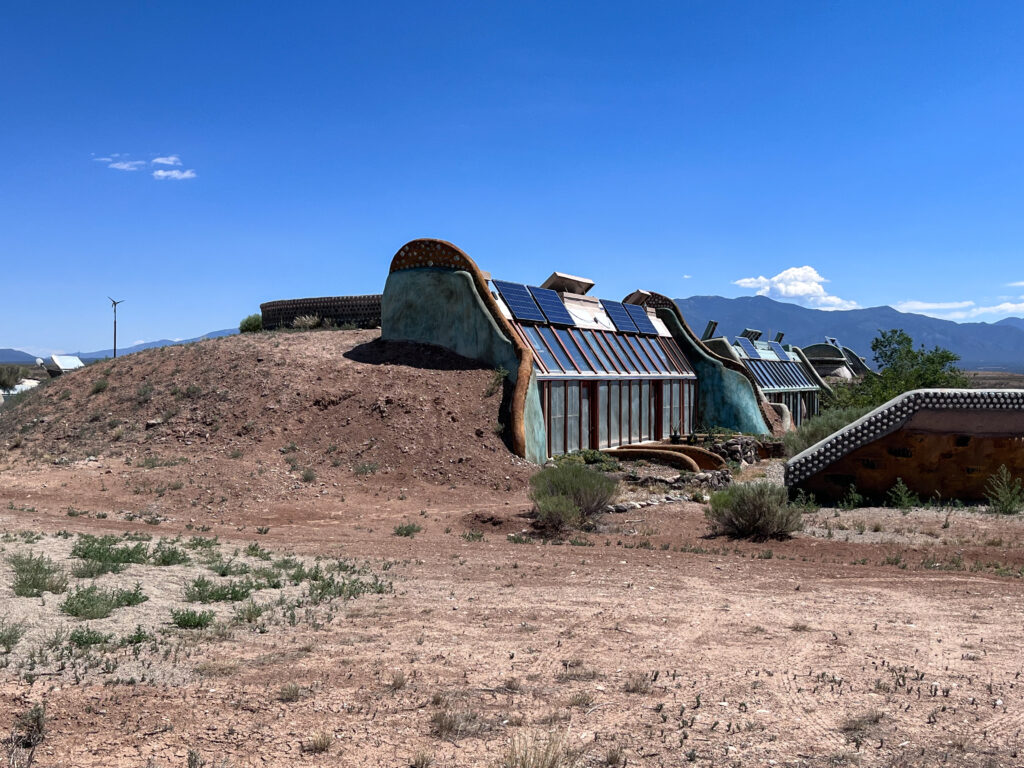
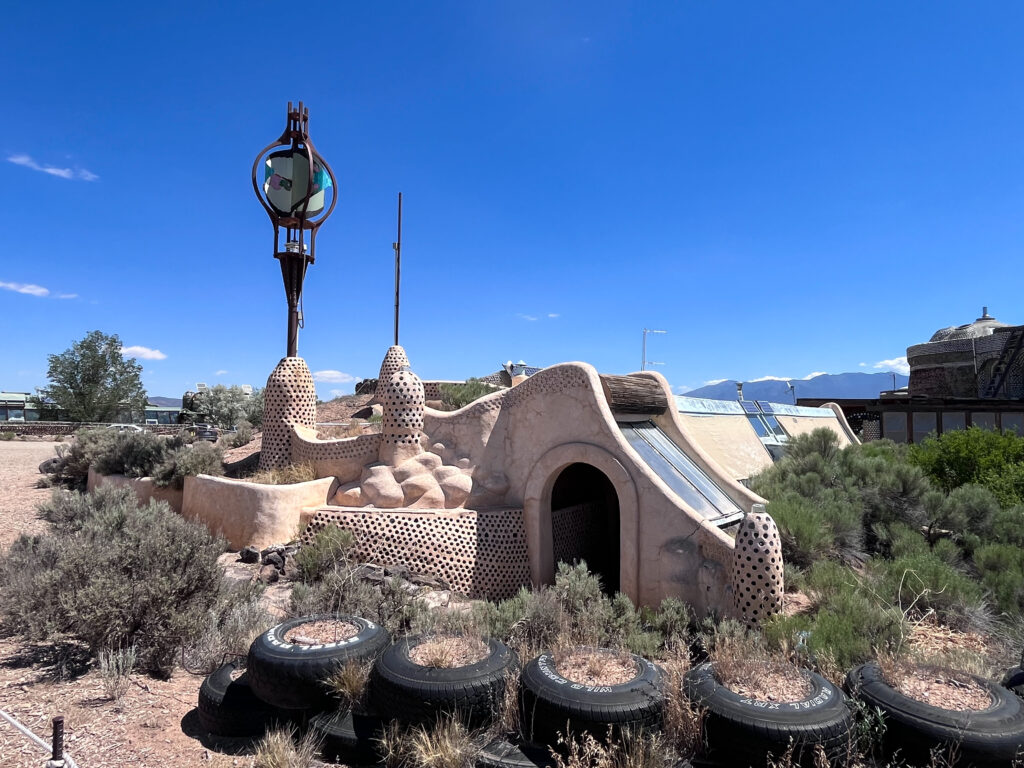
Not long after, I crossed into New Mexico and began noticing homes partially tucked into the earth, almost like they had grown out of the mesa rather than been built on it. Curious, I pulled over at the Earthship Visitor Center, and what I found there felt like stepping into another version of what “home” could be.

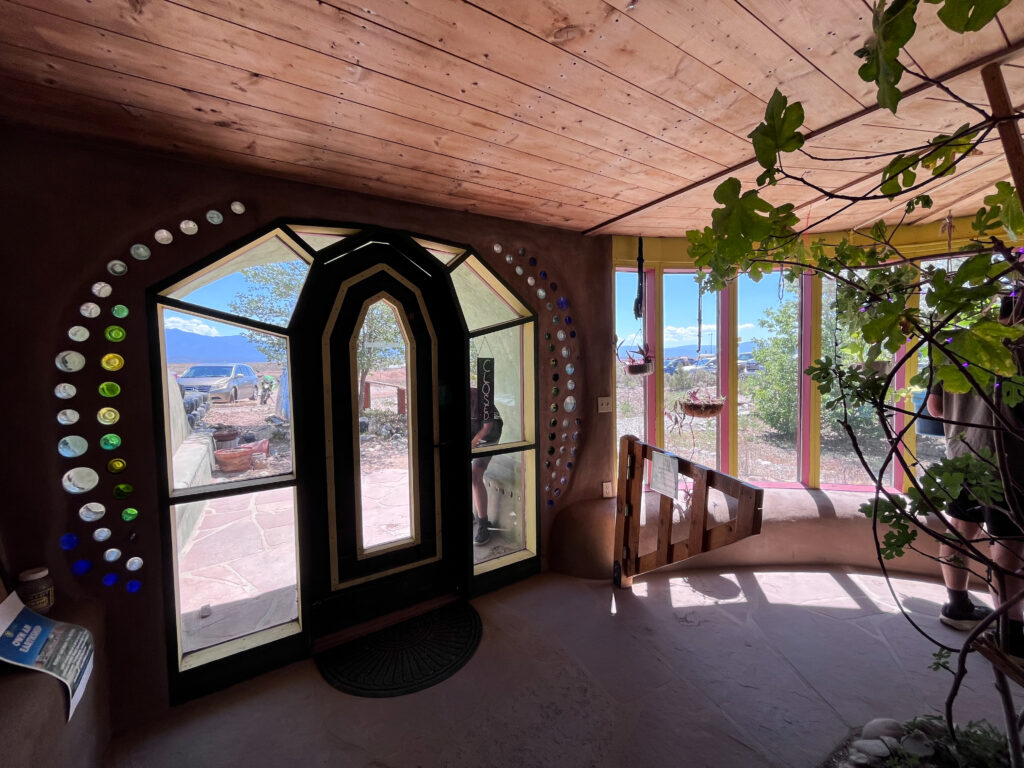
The Earthship Biotecture Visitor Center is part of the larger Greater World Earthship Community near Taos, a sprawling 600-acre-plus experiment in off-grid living created by architect Michael Reynolds, who began developing the Earthship concept in the 1970s. These homes are built into the earth using an unexpected mix of recycled and natural materials — tires, bottles, cans, adobe, and glass — designed to work with the environment rather than against it. What stood out most was how self-sufficient they are: solar and wind power, rainwater collection, greenhouse food production, and internal systems that recycle water and waste all work together to create a home that can function independently of traditional utilities. Inside, the temperature stays remarkably steady year-round, held in that quiet 60–70°F range by thick earthen walls and thermal mass.

Standing there, it felt like I had left Colorado and stepped into a different kind of story — one where sustainability, creativity, and necessity all meet in the middle of the desert. Over the past 24 hours, I had walked on towering sand dunes, weathered a sandstorm, slept beside a drive-in movie theater, wandered through a historic church and labyrinth, explored a castle built from recycled materials, and toured homes built into the earth. If this was my introduction to New Mexico, I couldn’t wait to see what came next. Farewell, Colorado and hello, New Mexico!