St. Augustine: A Walk Through History


St. Augustine is one of those rare places where history isn’t something you read about—it’s something you walk through. Cobblestone paths, salt-touched air, centuries-old stone walls… the entire city feels like a story unfolding around you. As the oldest continuously settled city in the United States, it holds a richness that’s hard to capture in just one visit—which is probably why I’m already planning a return.

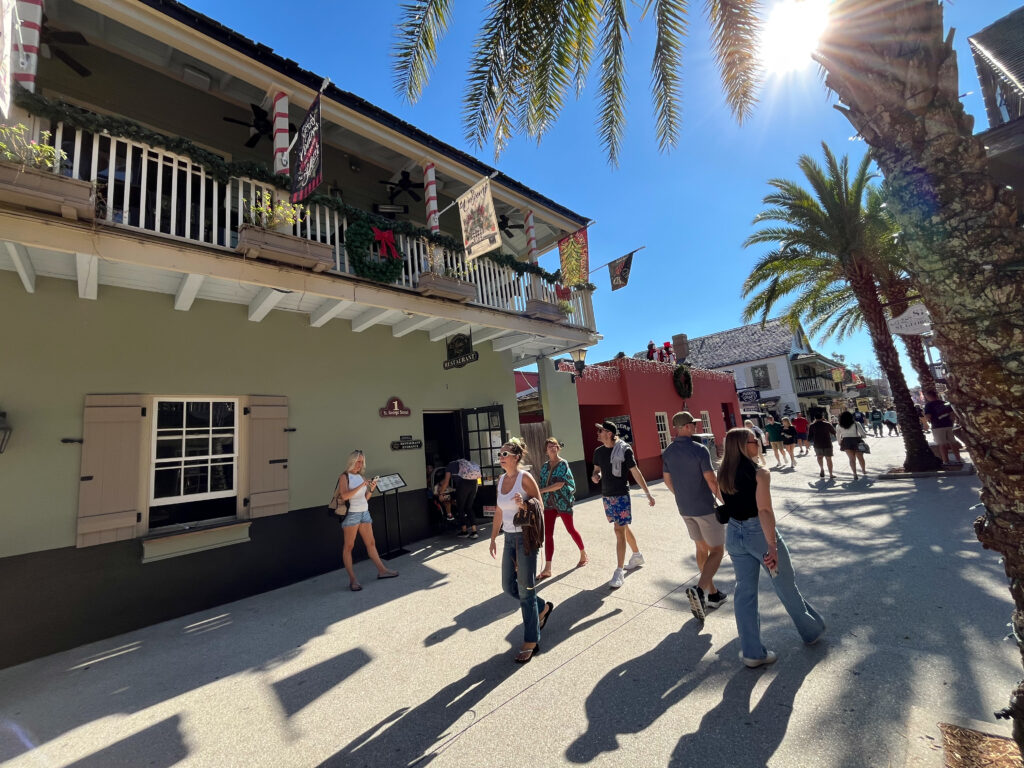
Founded in 1565 by Pedro Menéndez de Avilés, St. Augustine sits between the San Sebastian River and the Matanzas River on a slender peninsula, just inland from the Atlantic. The Spanish influence is everywhere—tile roofs, courtyards, wrought iron balconies, and thick coquina buildings that have stood through sieges, fires, and eras of change.

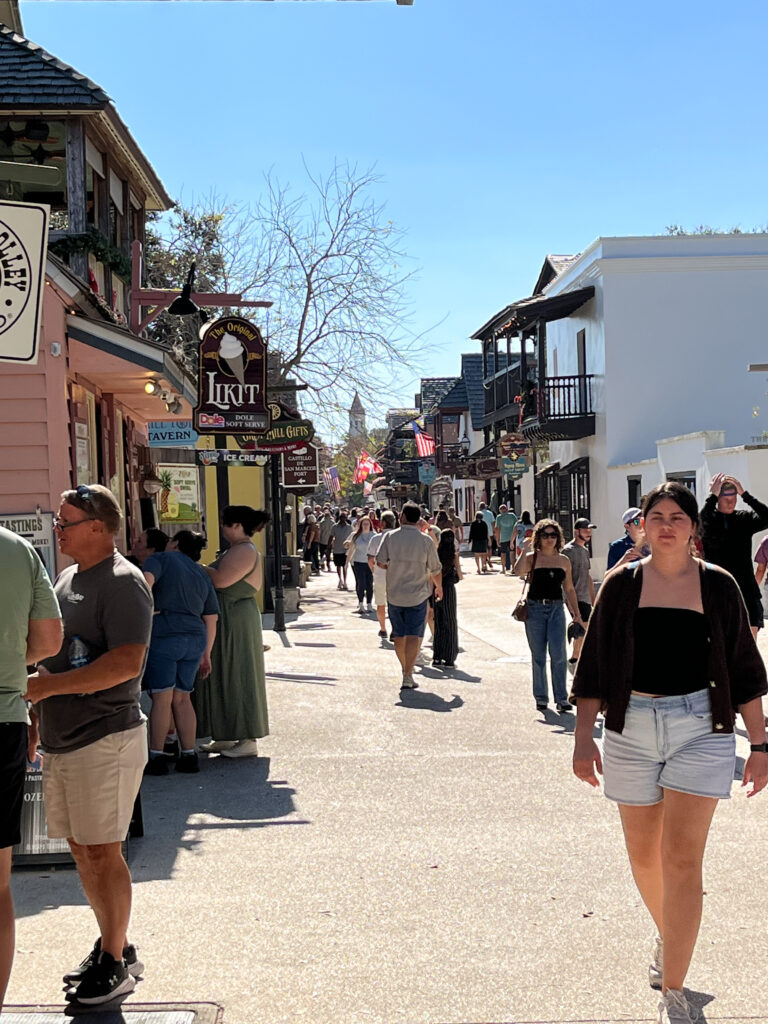
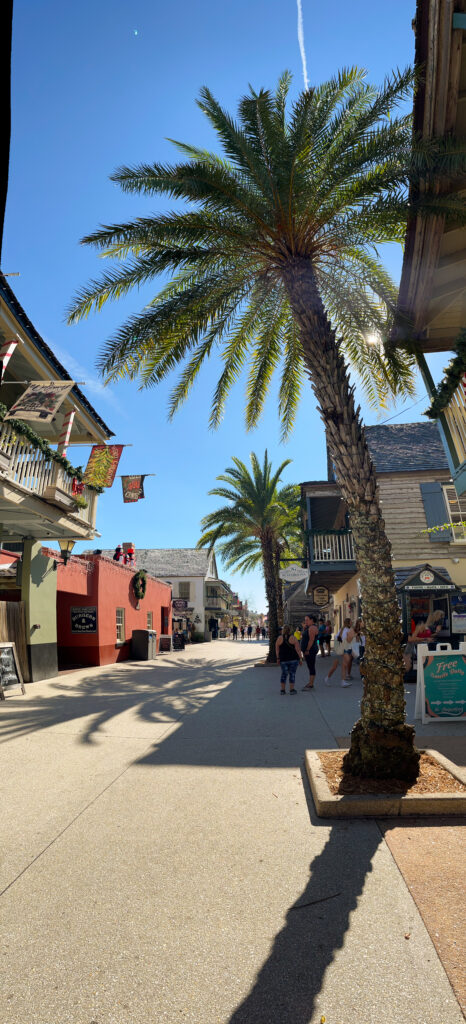
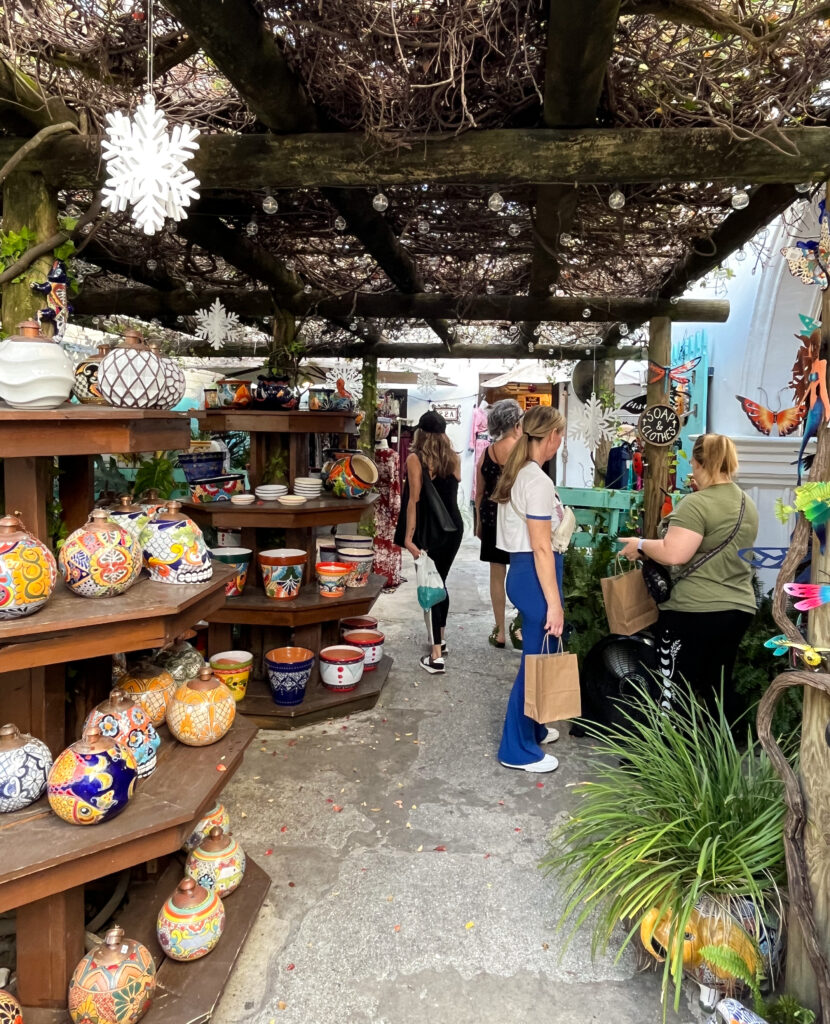
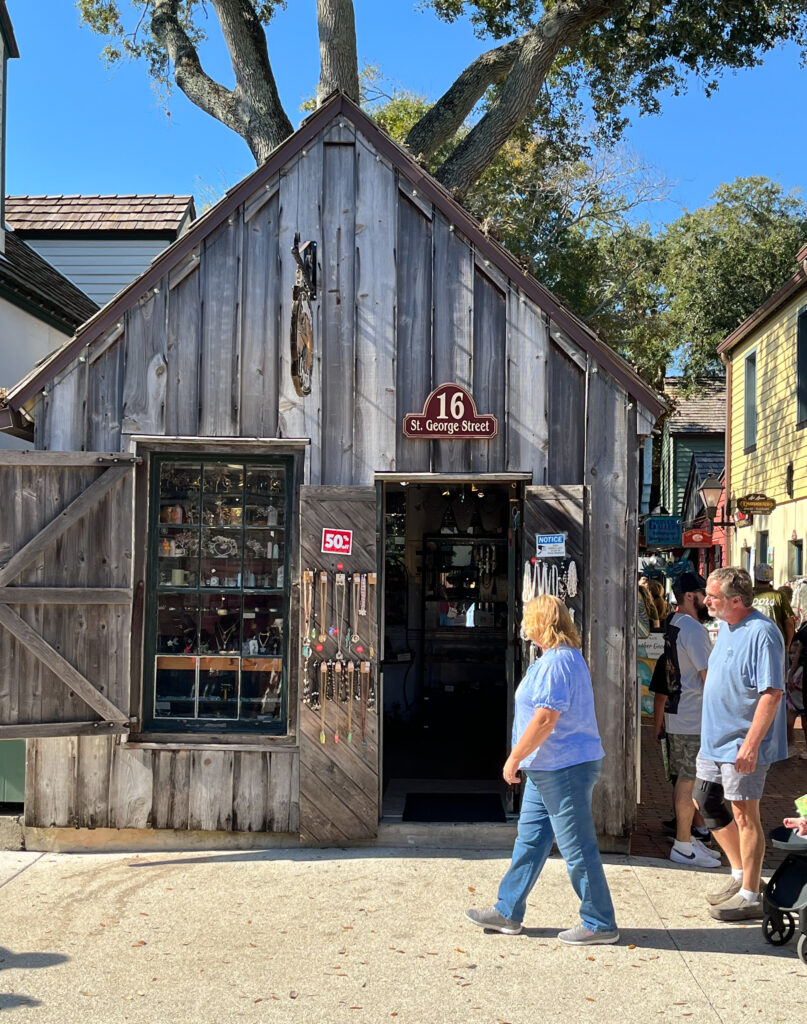
I began my visit at the Old City Gate, where the streets behind it open into a charming network of historic shops, galleries, and preserved homes. Some of the walkways are still brick or cobblestone, and the mix of textures—weathered wood, stone, iron—creates a feeling that’s less like sightseeing and more like gently stepping into another time.

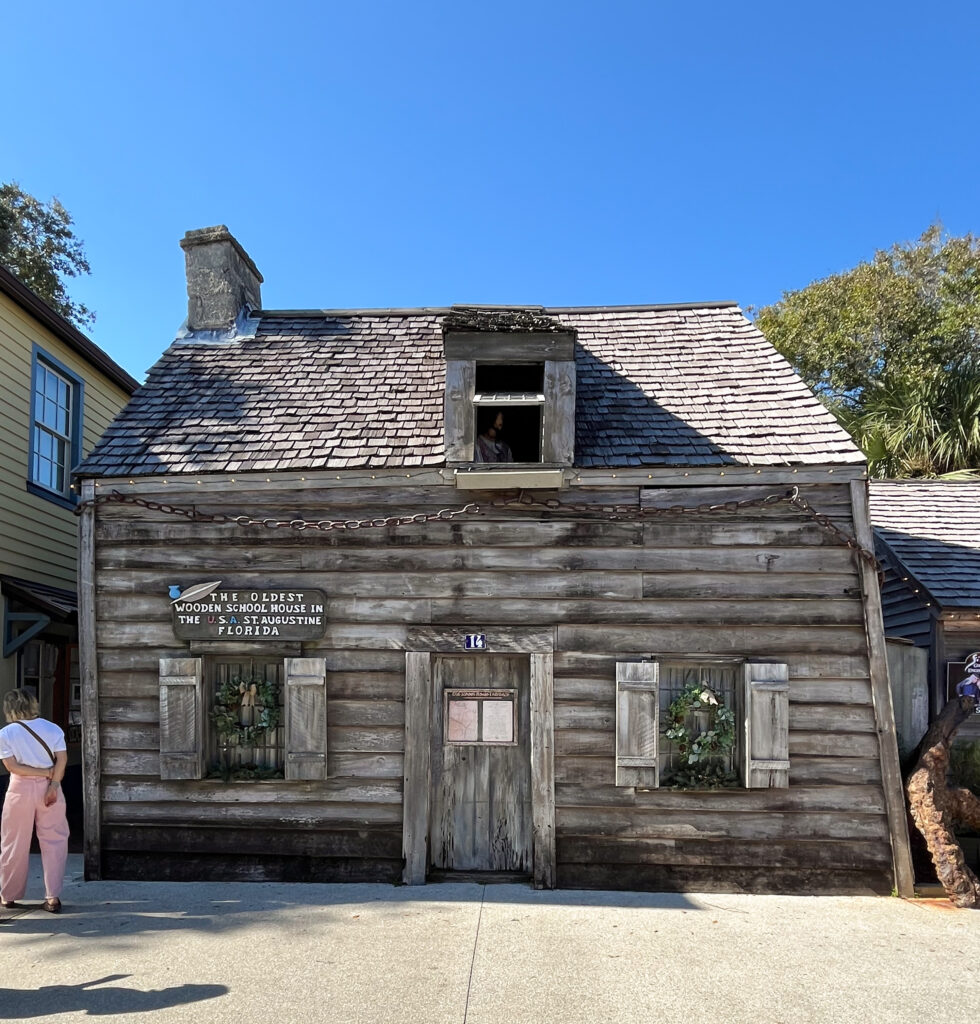
Tucked along St. George Street near the City Gate sits the Oldest Wooden School House, a charming reminder of early colonial life. Built by 1716, it’s one of the earliest wooden structures in the city and offers a glimpse into what school life was like for children in the early 1700s. Visitors can tour the little property and imagine a day in the life of students centuries ago.

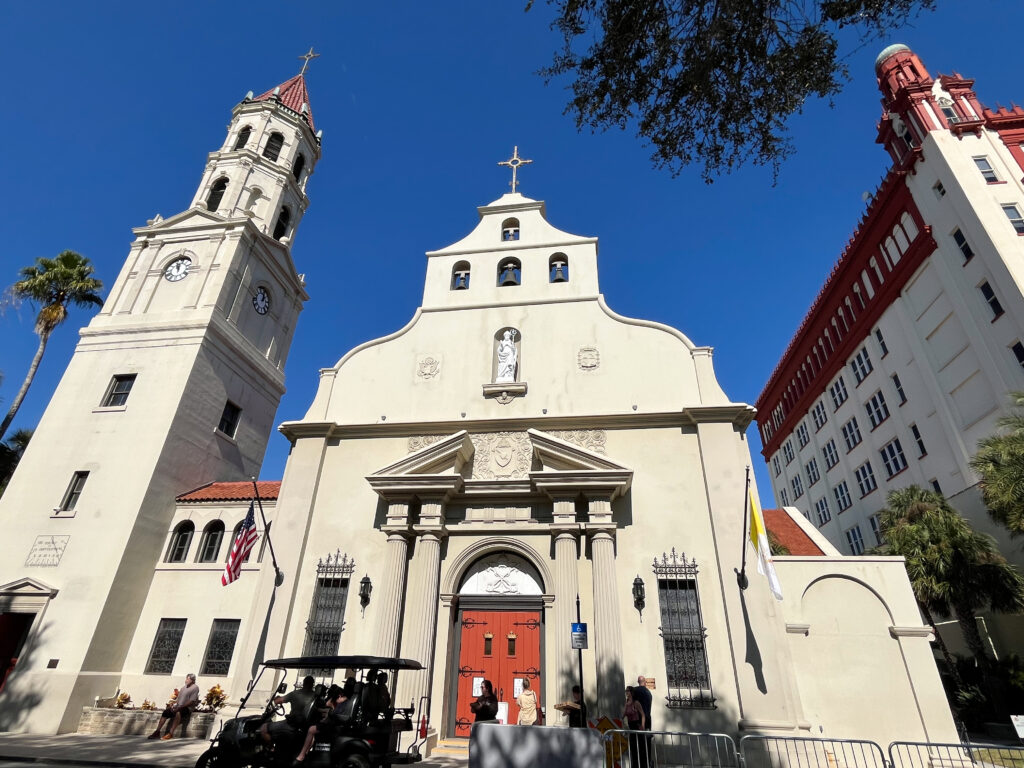
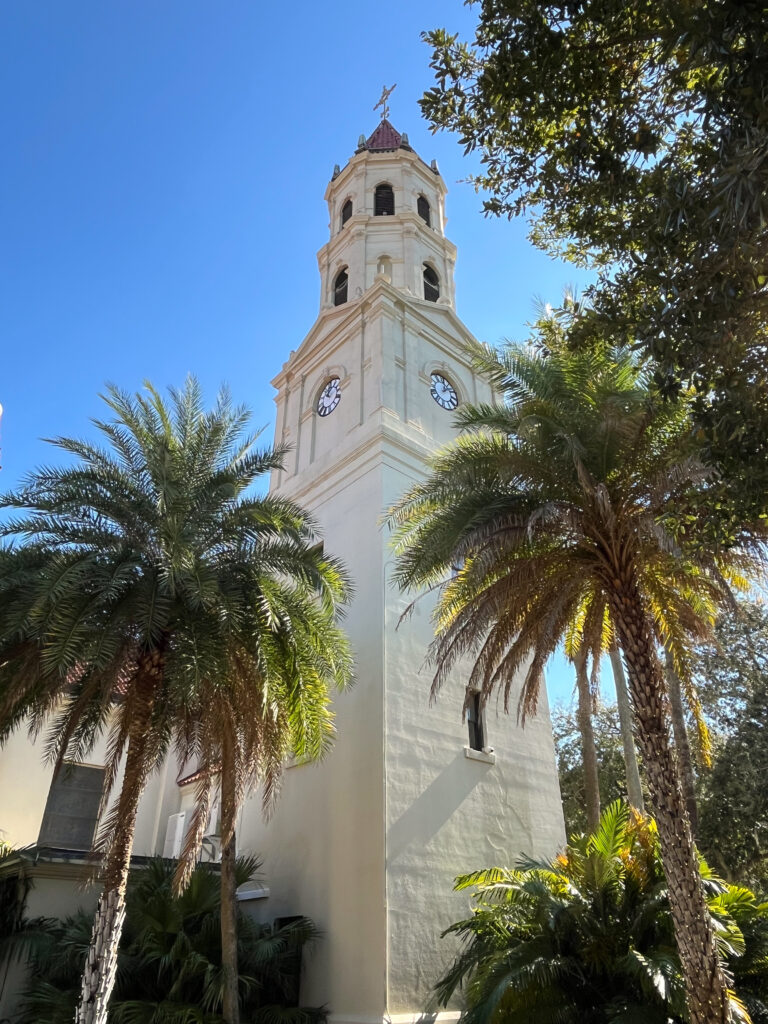
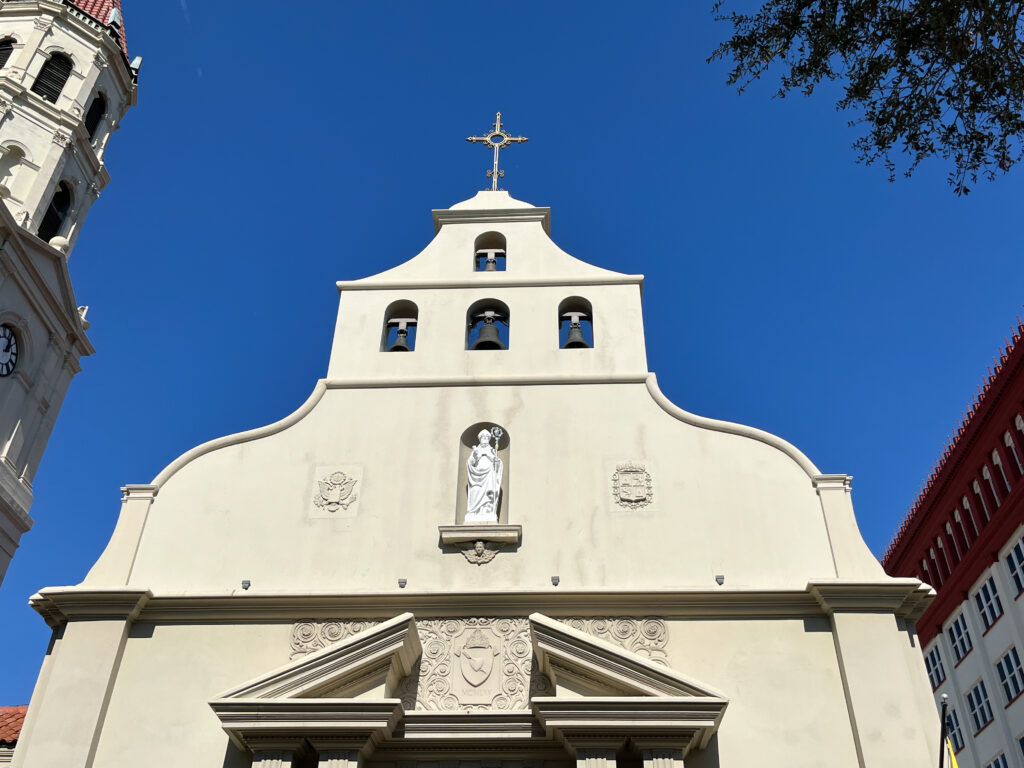
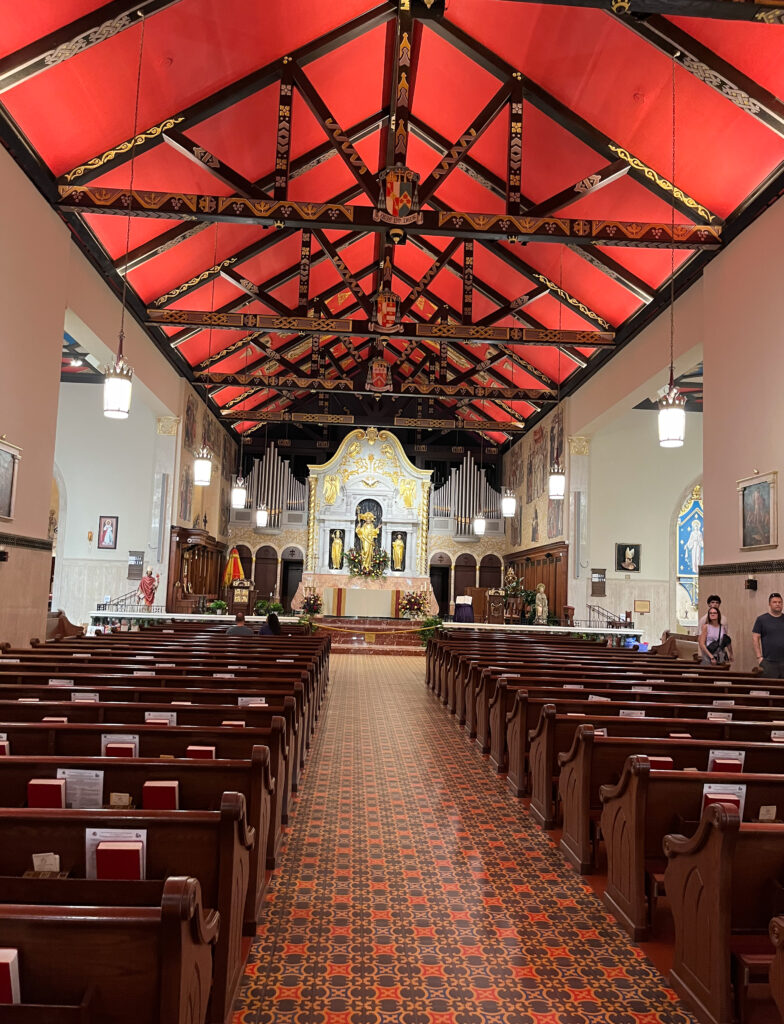
Not far from the gate stands the Cathedral Basilica of St. Augustine, and it ended up being one of the highlights of my short visit. Sitting just off the Plaza de la Constitución, it’s the oldest Catholic parish in the United States, with roots reaching back to the city’s founding. When Pedro Menéndez landed in 1565, a priest traveling with him—Padre López de Mendoza Grajales—presented him with a cross. Menéndez kissed the base, the Spanish flag, and claimed the land for both Spain and the Church. The first Catholic Mass in the continental U.S. was celebrated that day.

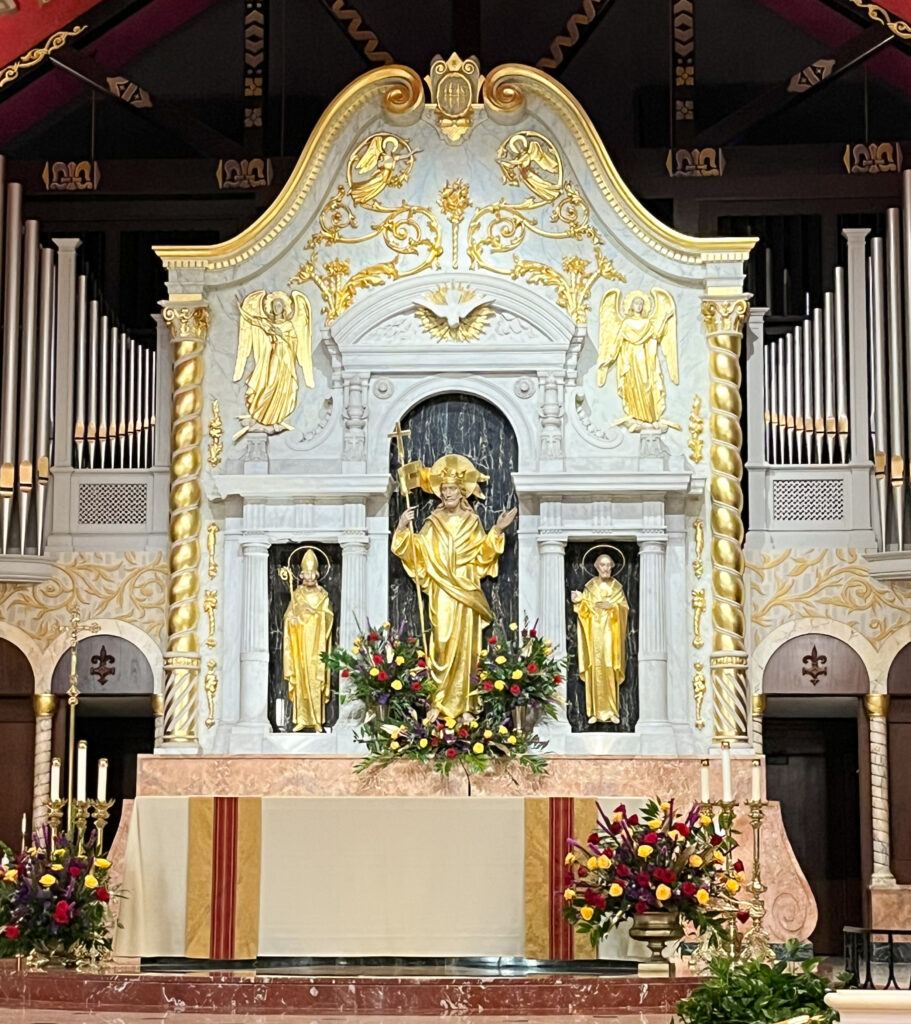
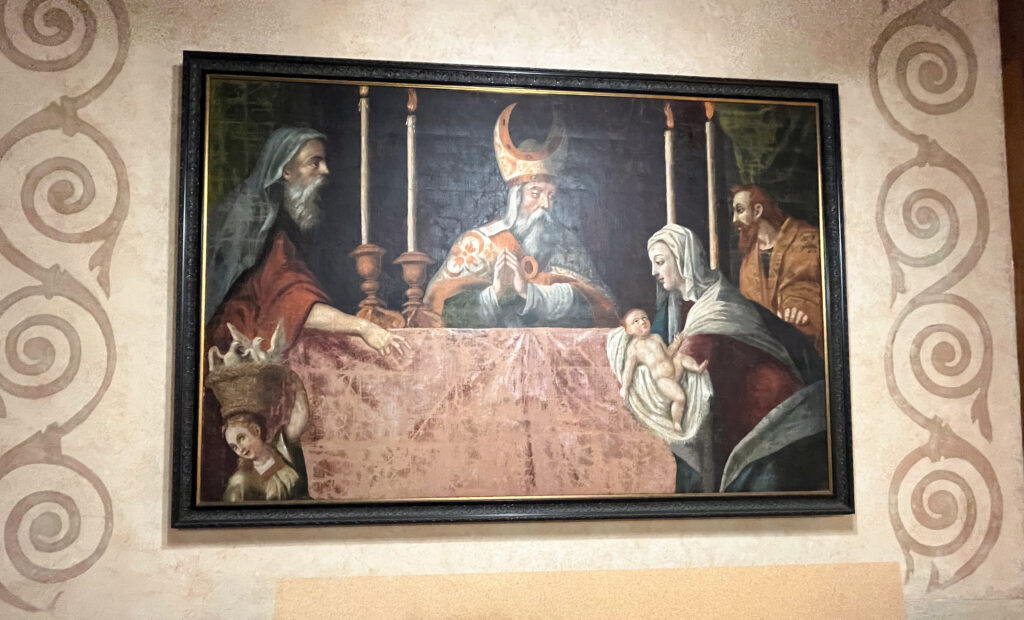
The cathedral as it stands now was completed in 1797, and parts of the original coquina walls still remain. Inside, the blend of history and artistry is stunning:

  • Murals by Hugo Ohlms, installed in the 1960s, sweep across ceilings and walls.
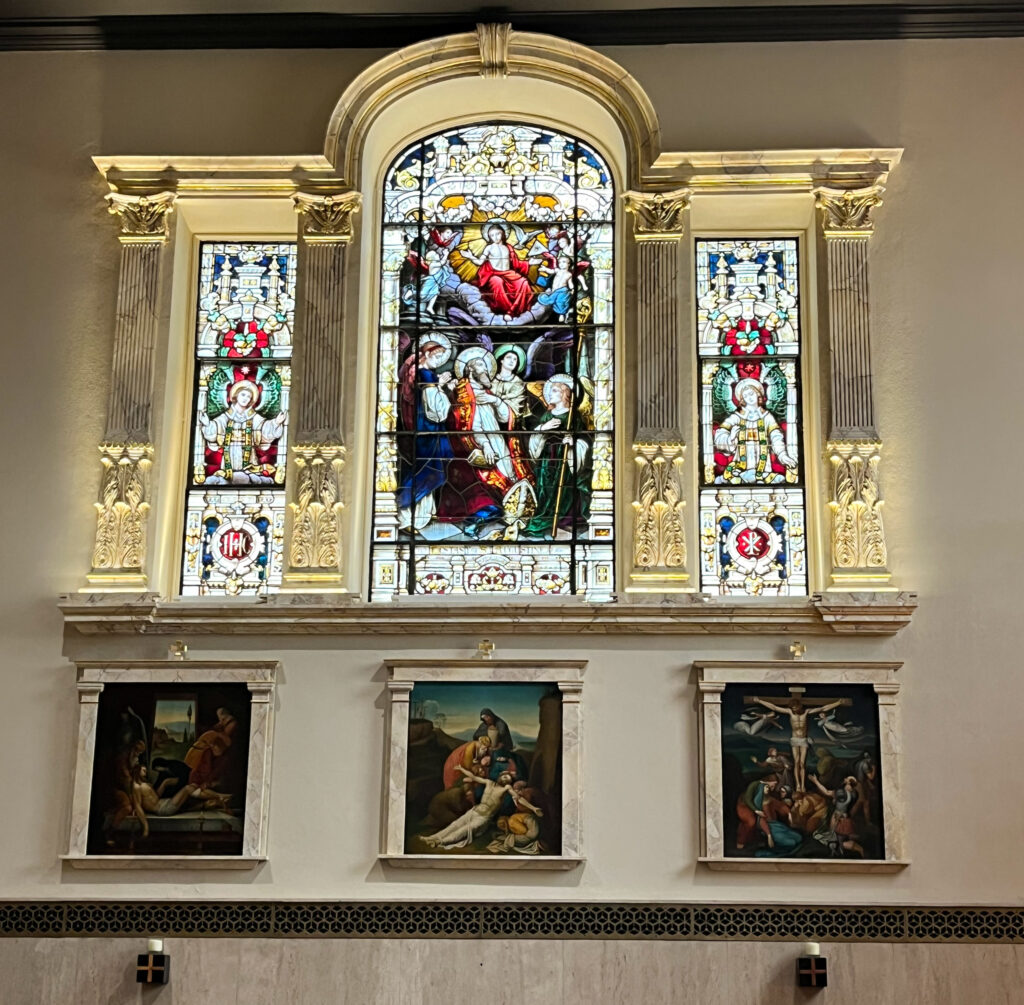
  • Stained glass windows depict scenes from the lives of Saint Augustine and his mother, Saint Monica.
  • Hand-carved sculptures of Jesus, Saint Augustine, and Saint Peter frame the altar—where Jesus is shown in His resurrection, rather than His crucifixion.

It’s a place that feels both ancient and deeply alive.

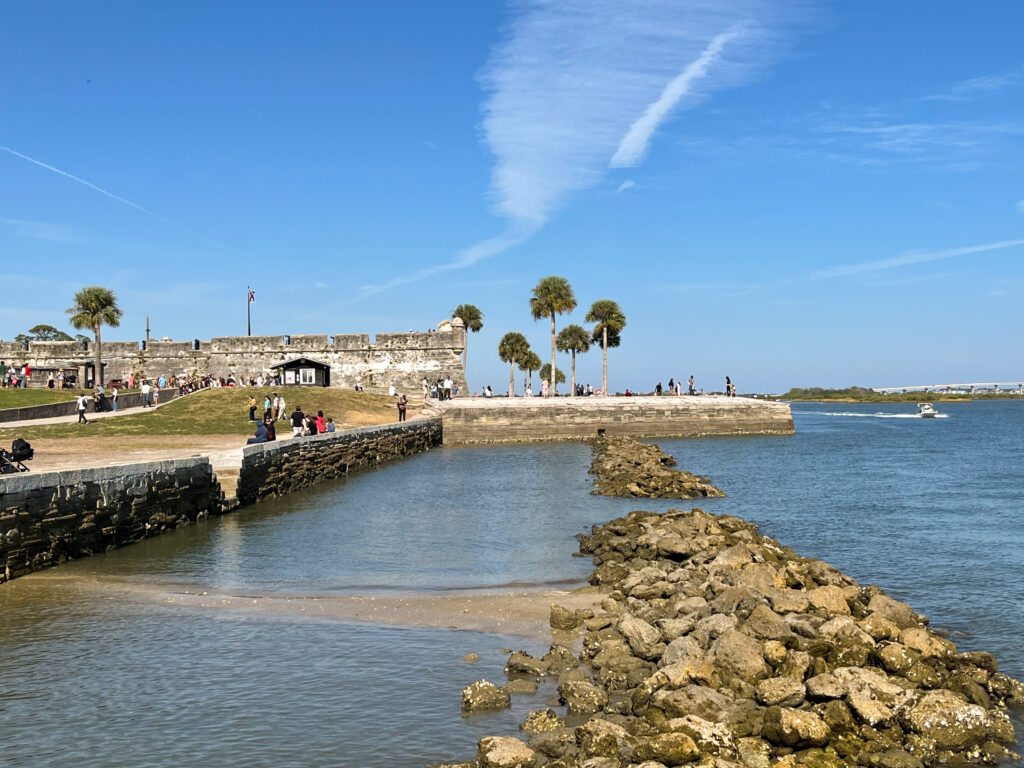
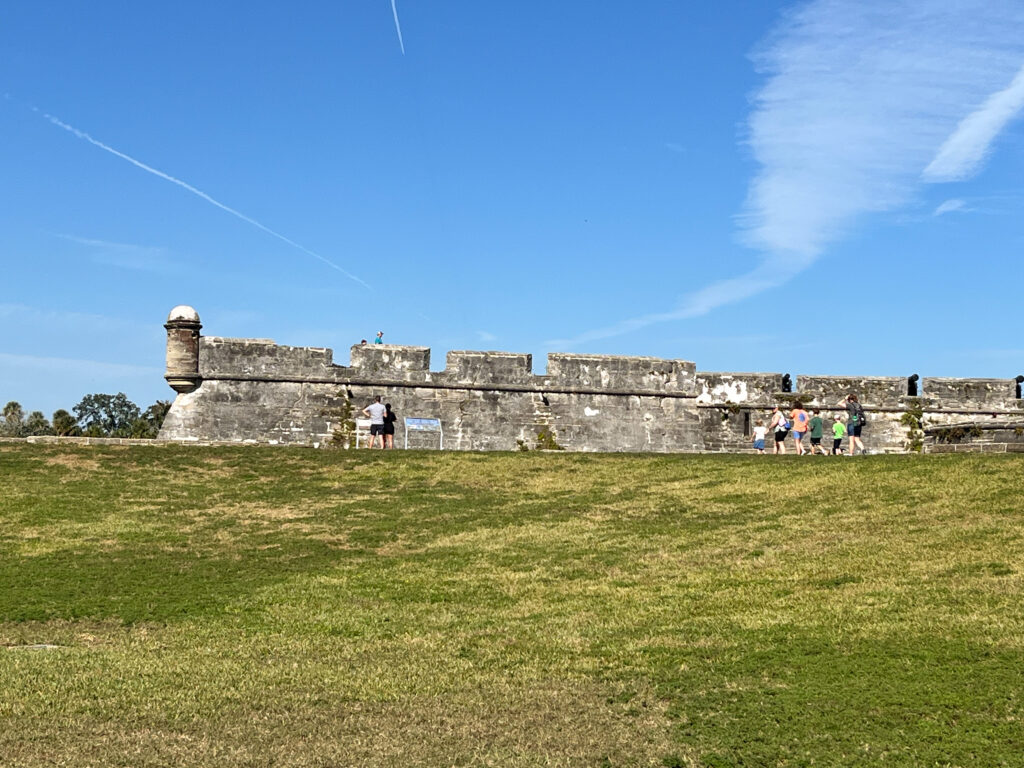
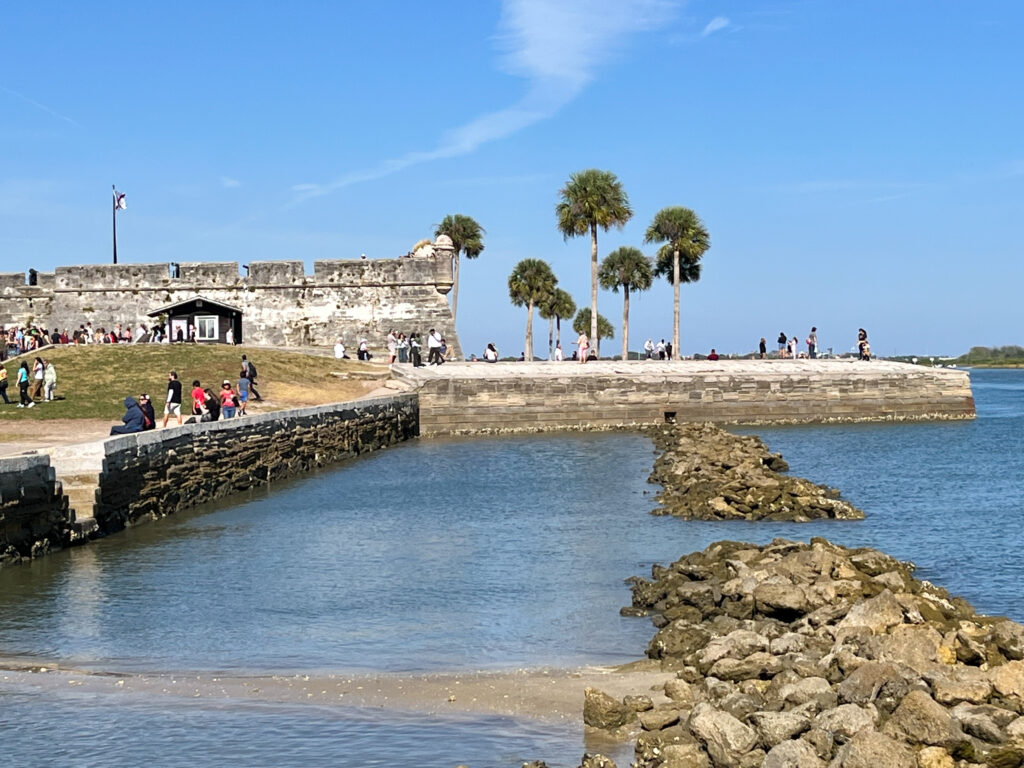
From there, I wandered toward the Castillo de San Marcos, the massive 17th-century Spanish fort that still watches over the water. Built between 1672 and 1695, it’s the oldest masonry fort in the United States. Standing on its grounds, with the Matanzas River shimmering nearby, it’s impossible not to feel the layers of stories—pirates, soldiers, explorers, and ordinary people who lived their lives within sight of those walls.

Though I didn’t have time to visit on this trip, I also want to see the Fountain of Youth Archaeological Park, tied to the legend of Ponce de León’s 1513 landing. Knowing I was that close to the site of his expedition makes me even more eager to return and explore it properly.

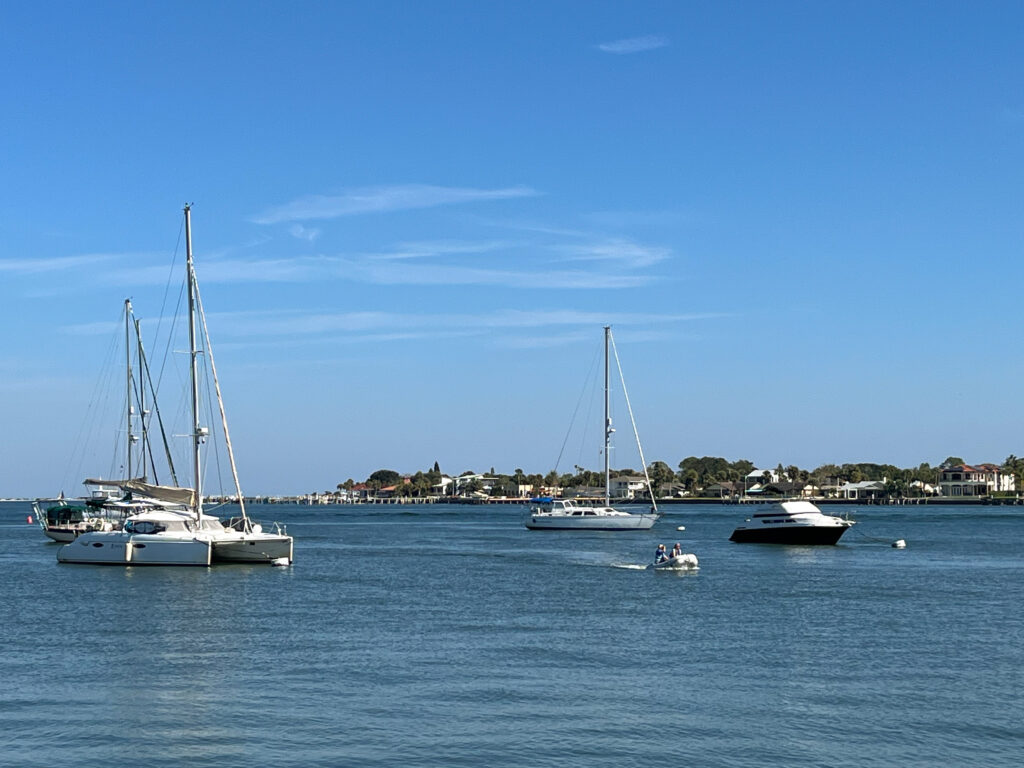
Walking along the waterfront and wandering through the historic district, I realized how easily this city settles into you—quietly, but unmistakably. The tucked-away shops, the old stonework, the sound of church bells, the mix of Spanish and coastal southern charm—it all leaves an impression that lingers.

My visit was short, and there’s still so much I want to see. St. Augustine deserves time—time to wander, time to listen, time to let the centuries speak.

I’ll definitely be back. Some places simply ask you to return, and this is one of them.

– Kari
Western North Carolina: A Mountain Getaway of Charm, Color, and Quiet Wonder

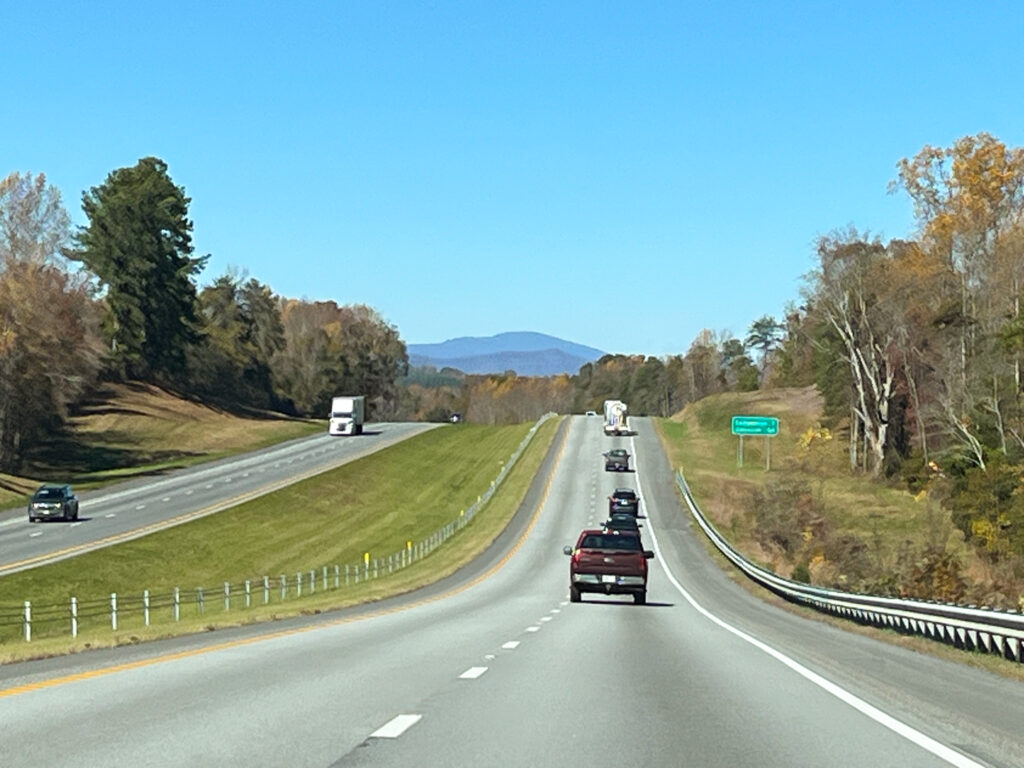
My time in Western North Carolina felt like slipping into a familiar, comforting rhythm — a mix of mountain air, small-town charm, and the kind of slow wandering that lets you really see a place. This region has long been one of my favorites, and once again, it didn’t disappoint. I split my visit between Hendersonville and Brevard, two towns close together yet each with its own personality.

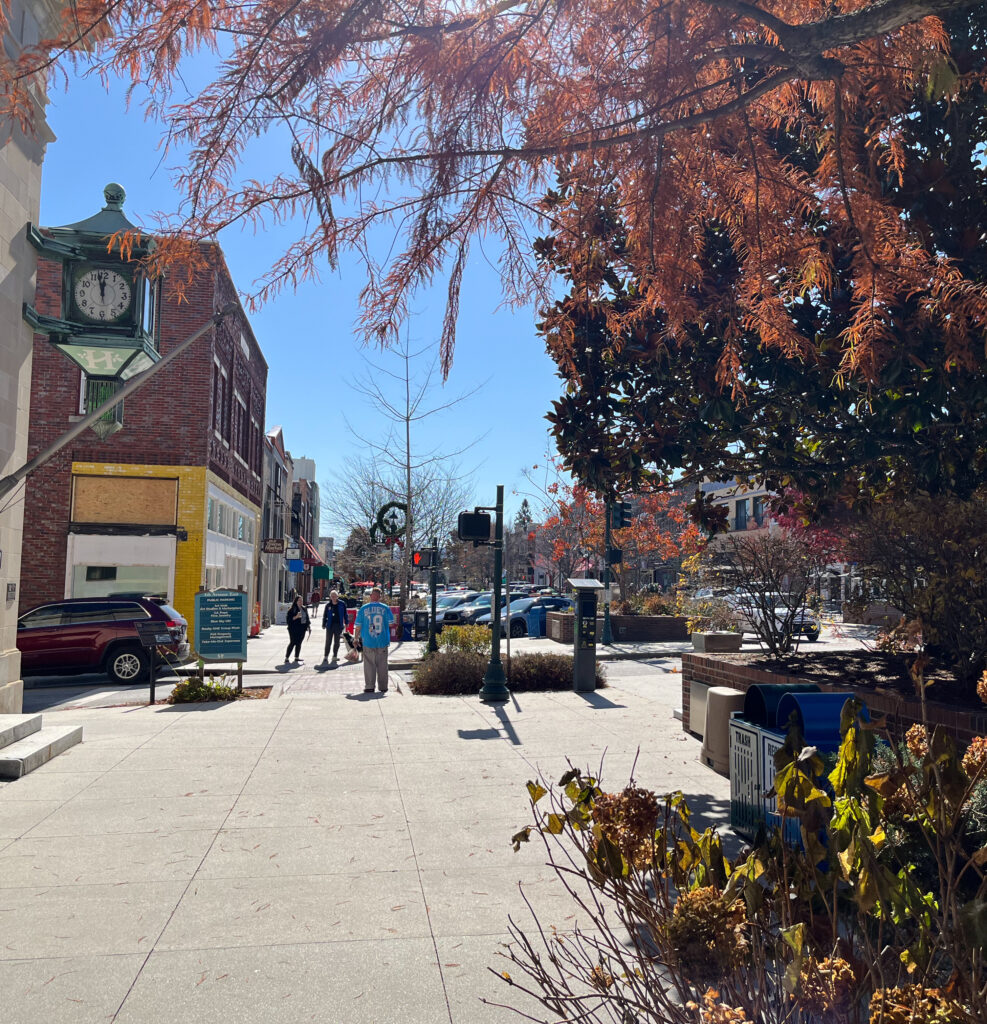
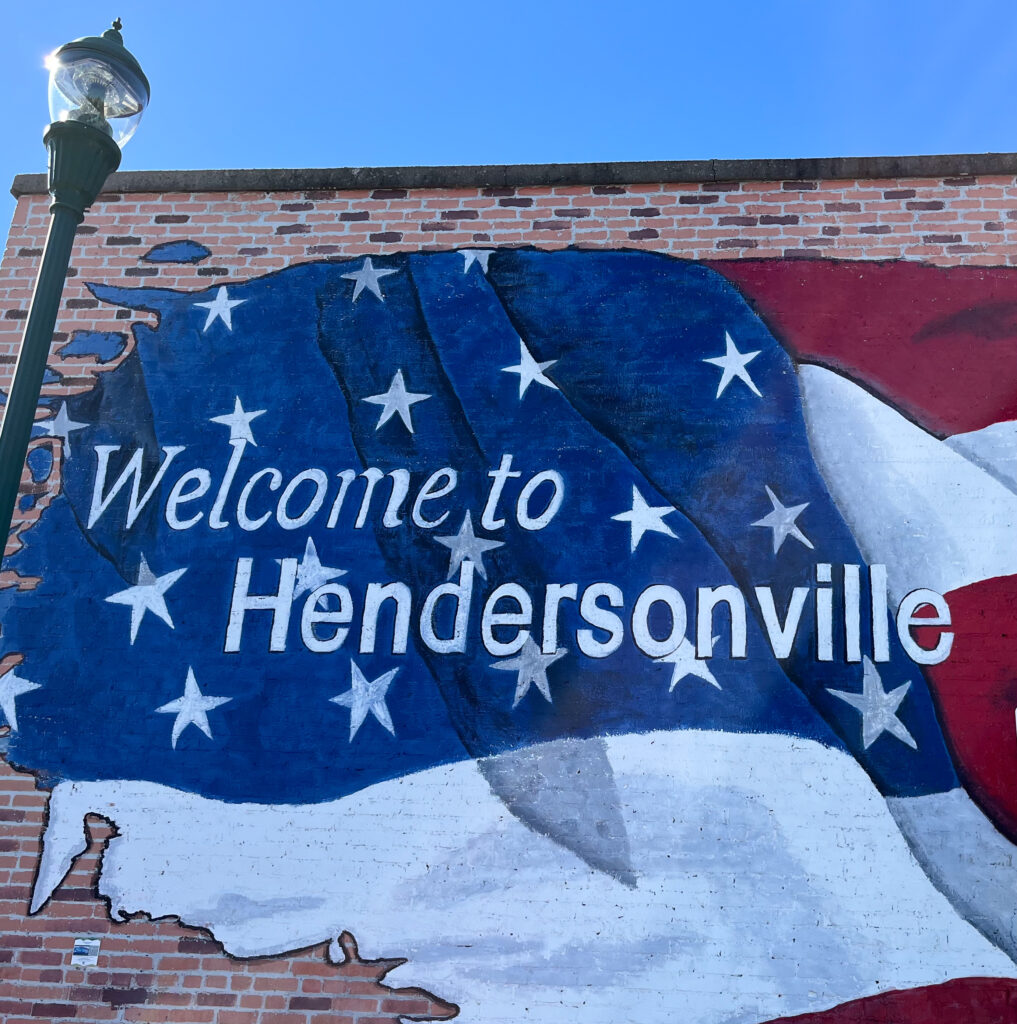
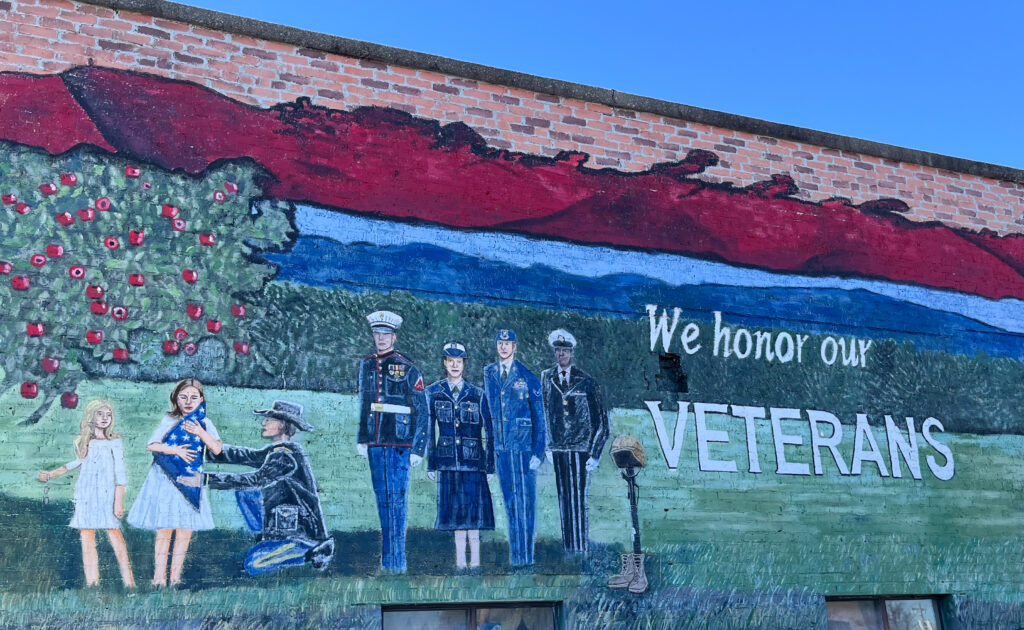
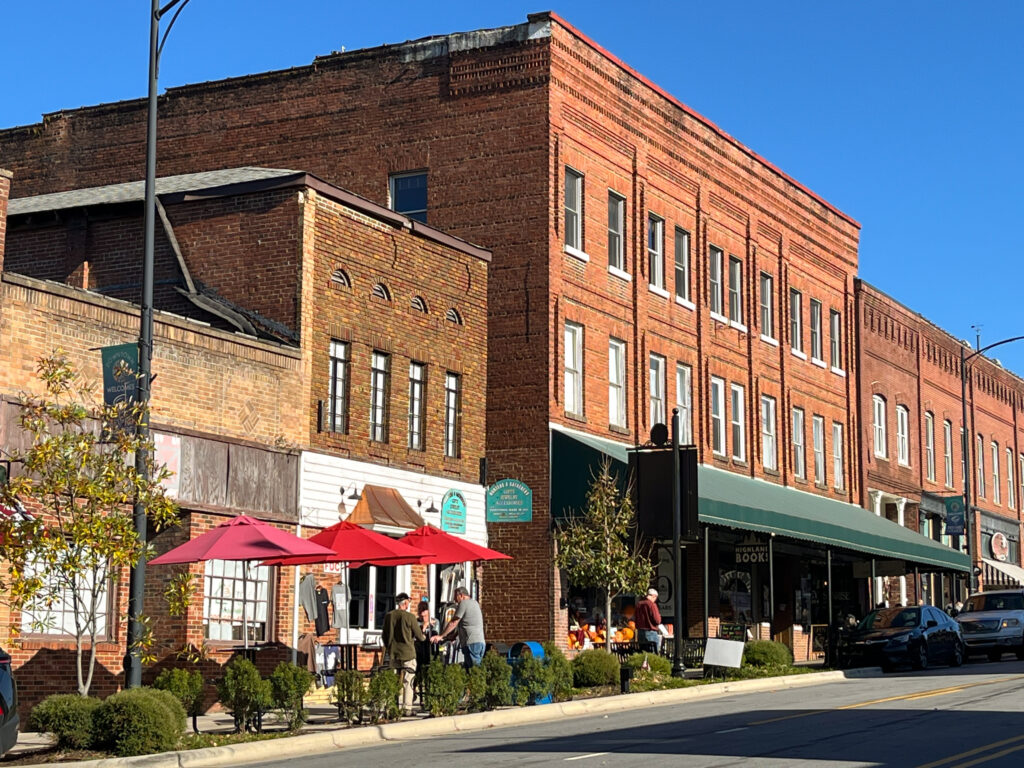
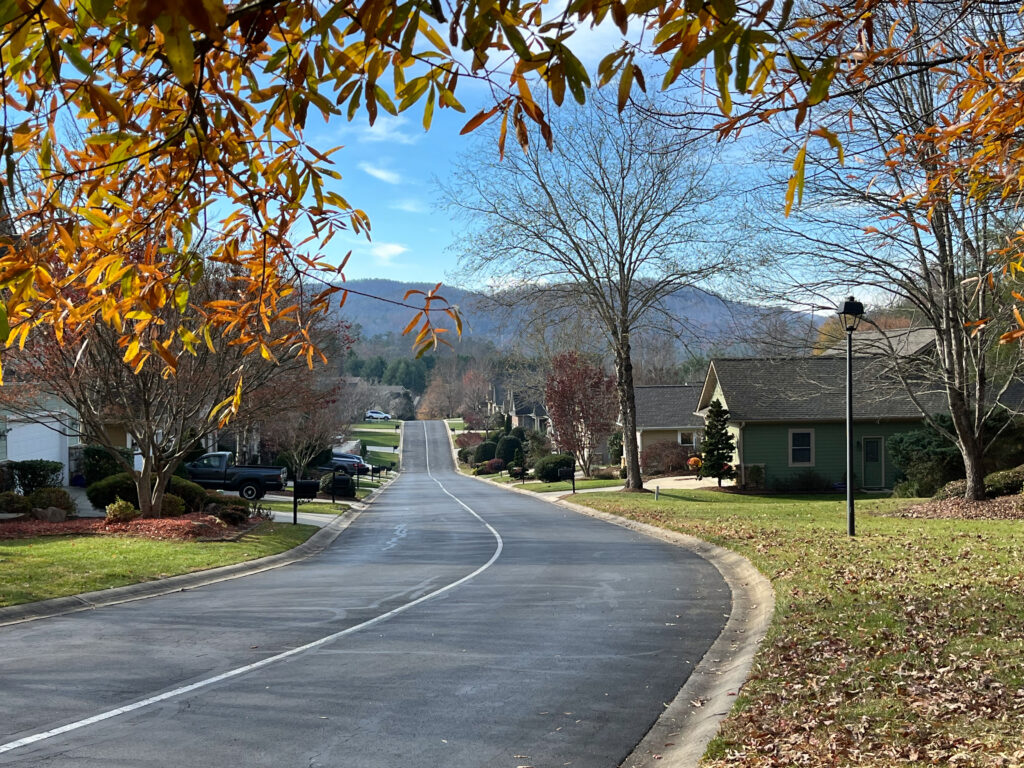
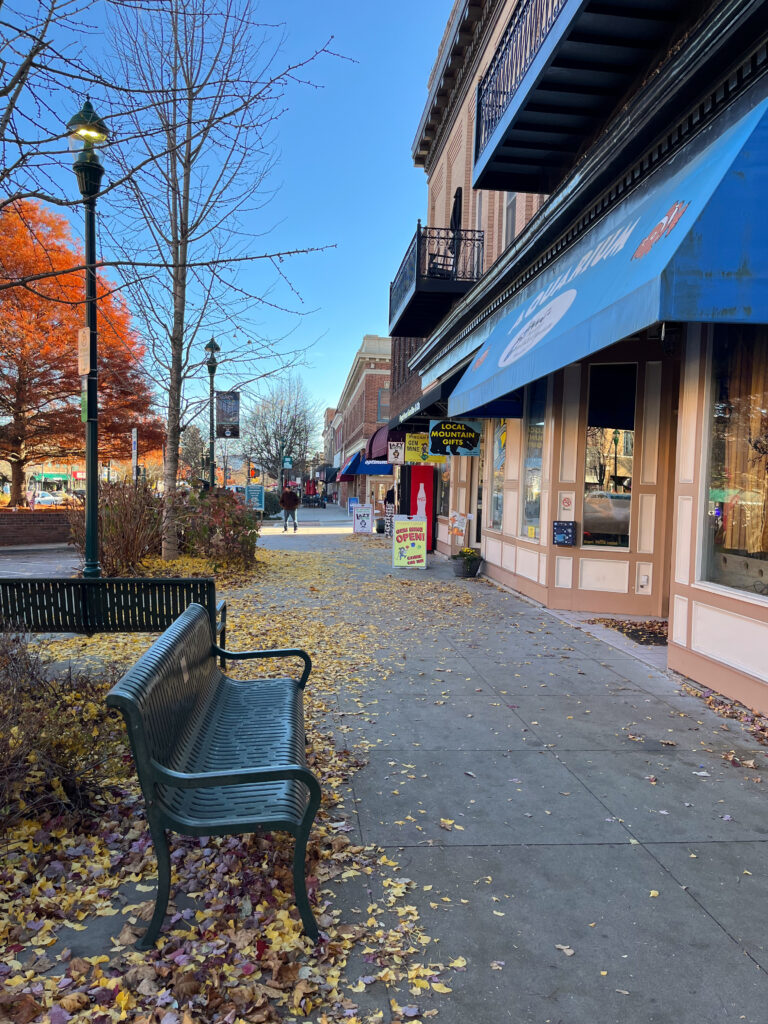
Hendersonville was my first stop. It’s nestled in the Blue Ridge Mountains, wrapped in soft ridges and shifting layers of color depending on the time of day. The town has grown since the girls’ trip I took here a few years back — more people, more energy — yet the historic downtown still holds the same charm I remembered. Local shops and friendly faces make you feel like you’ve been there before.

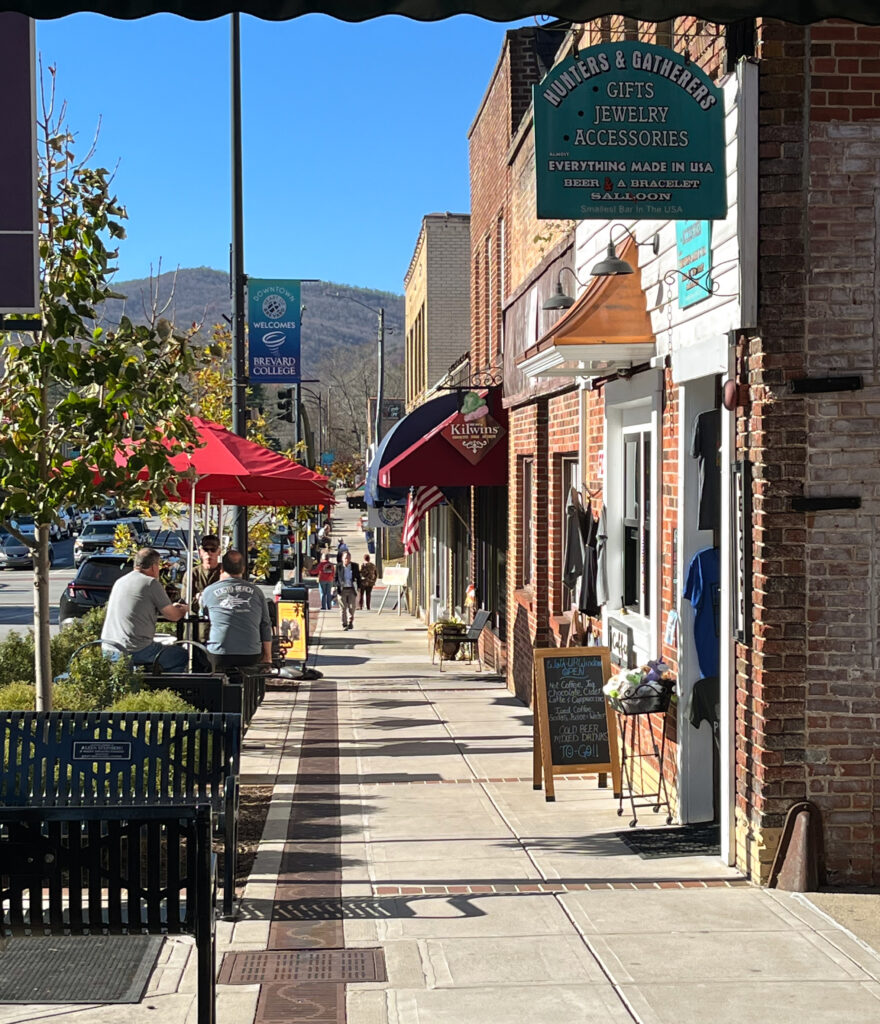
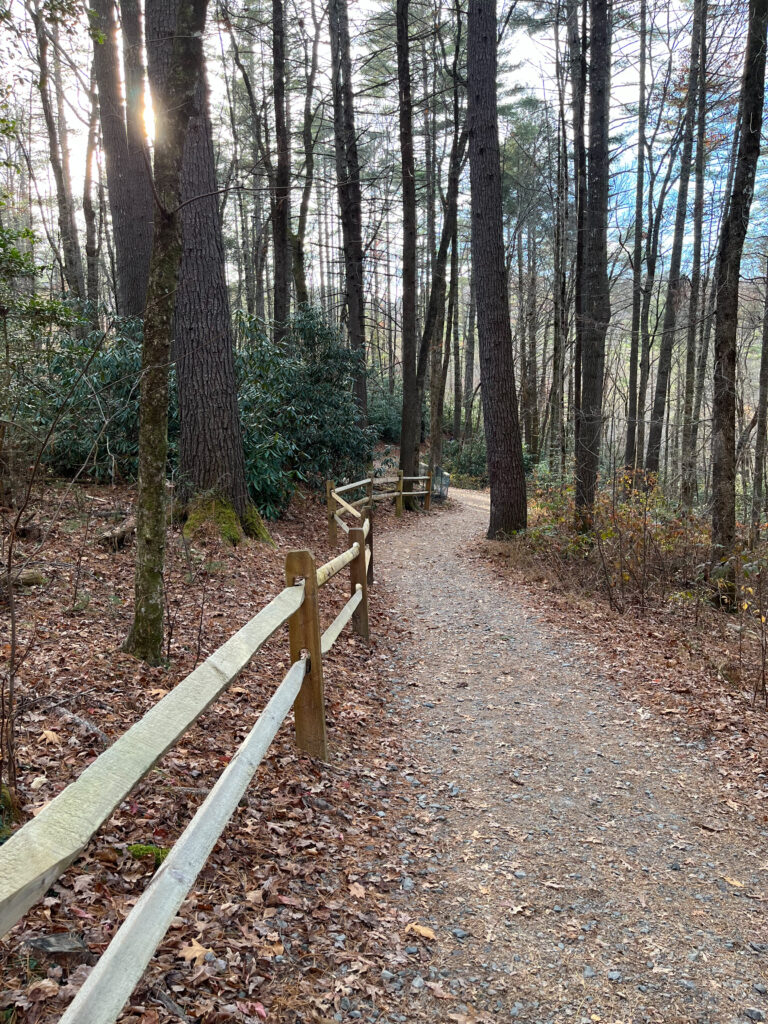
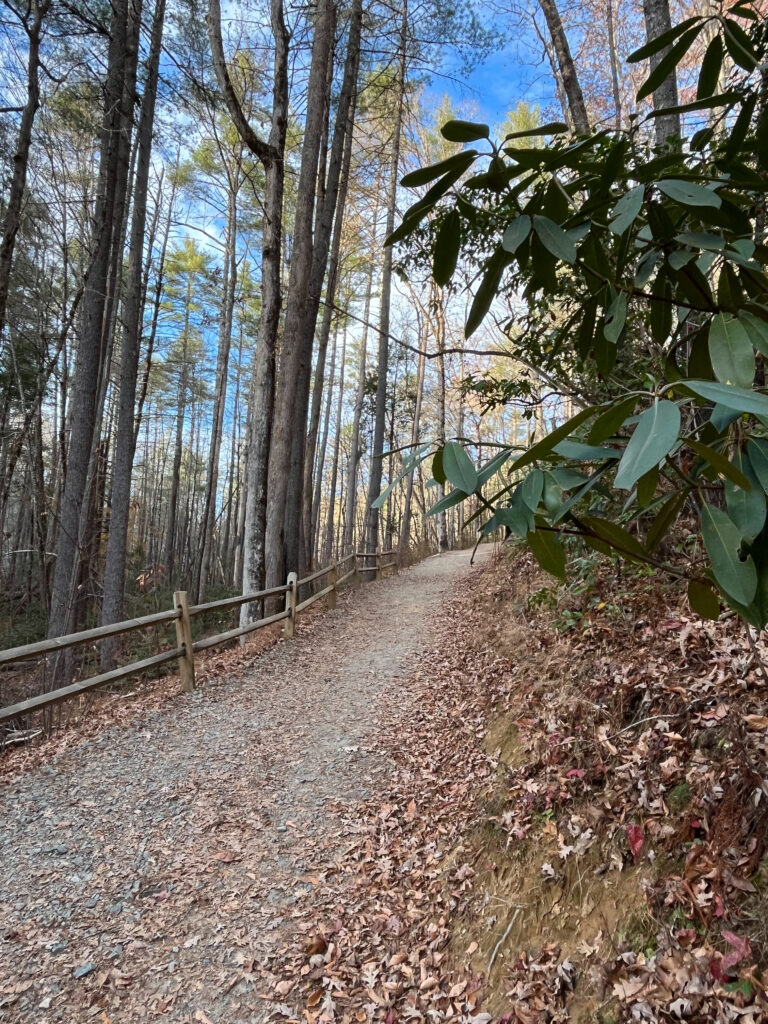
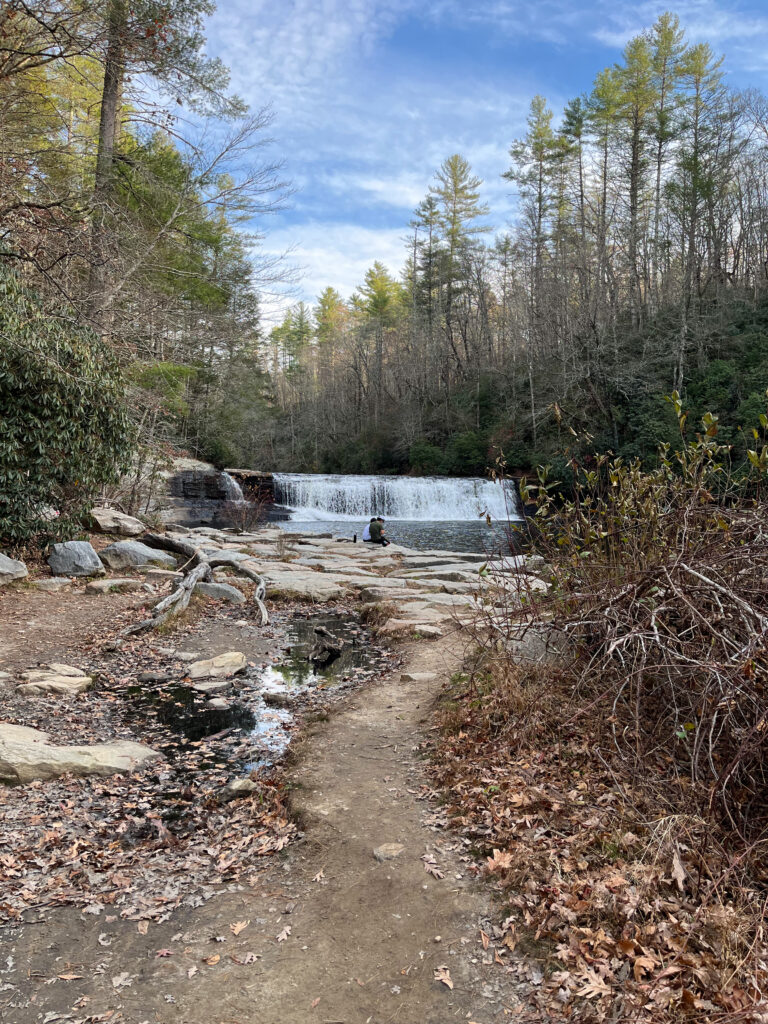
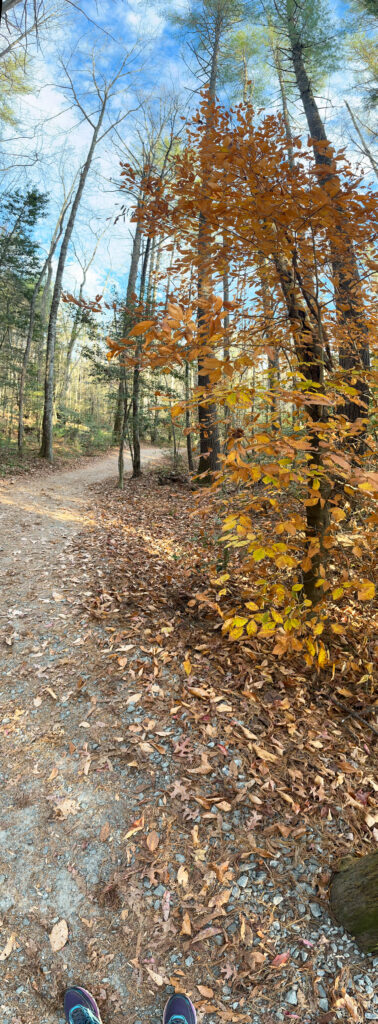
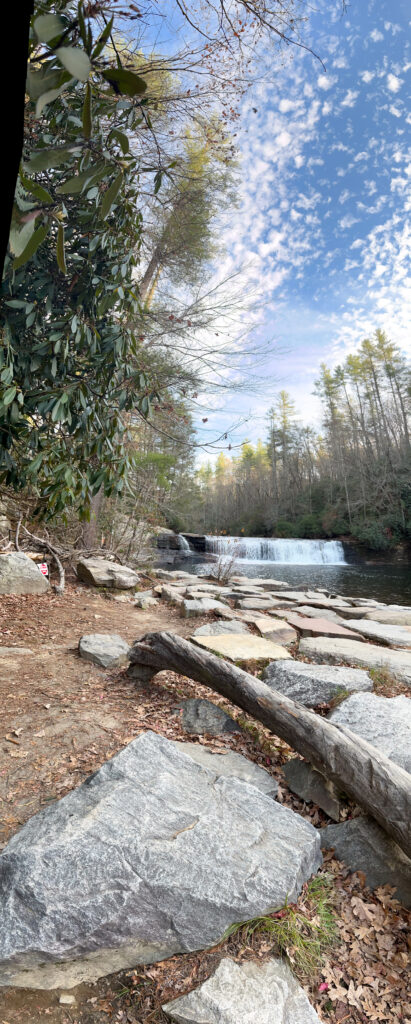
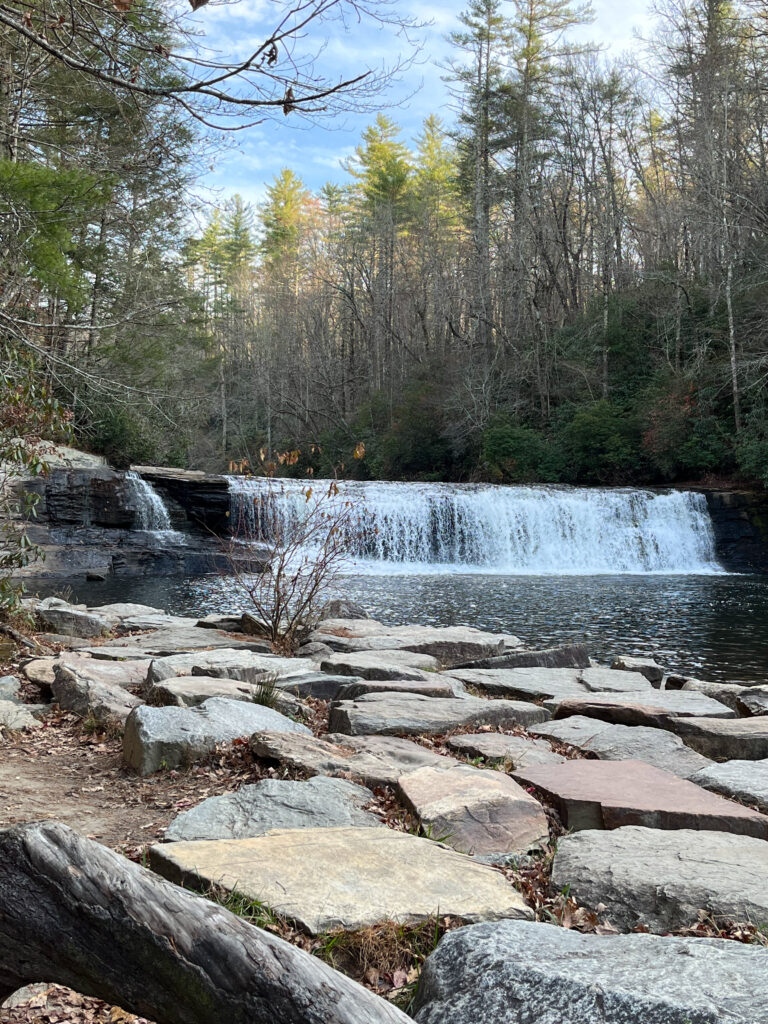
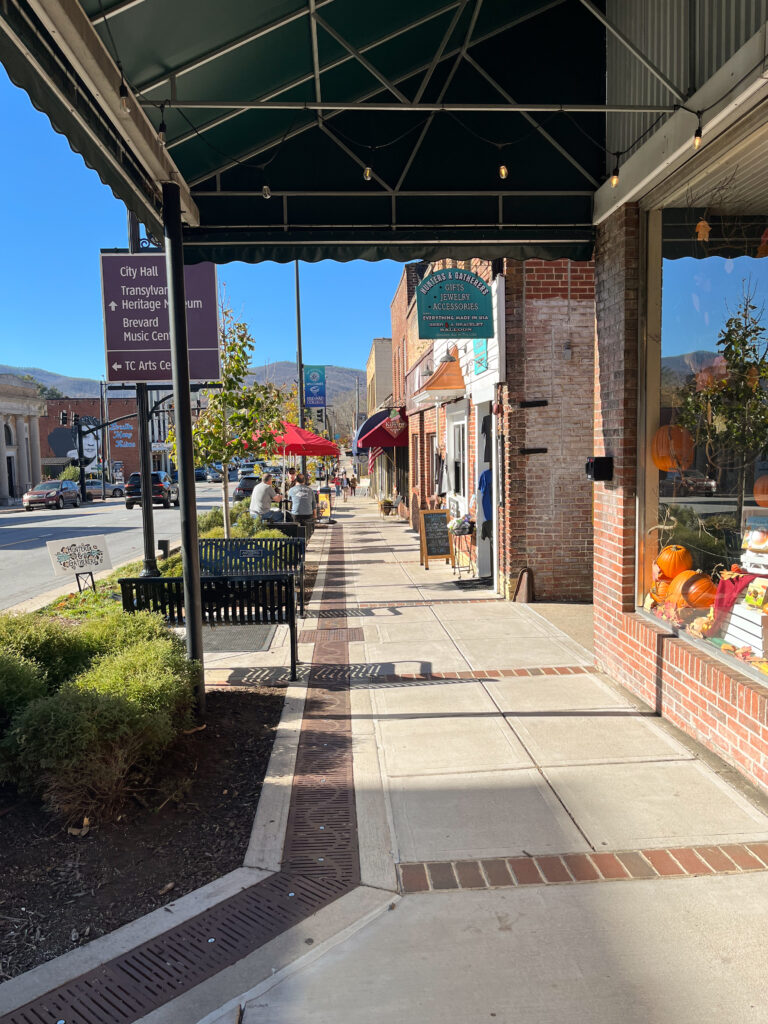
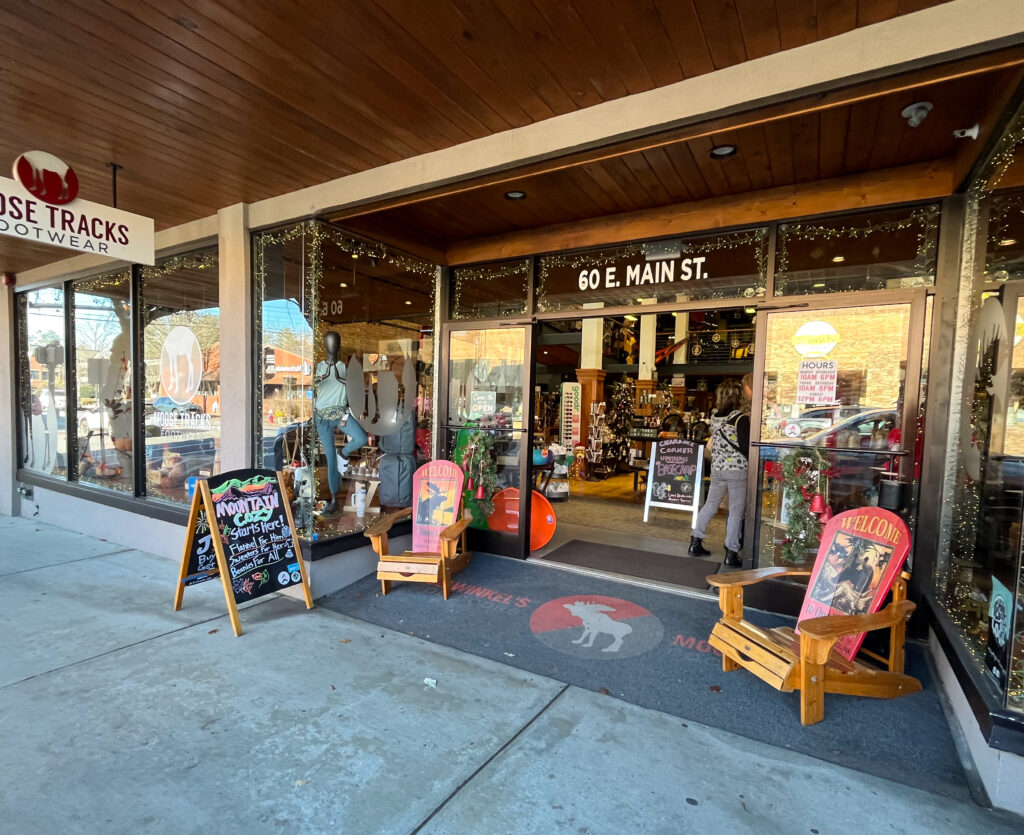
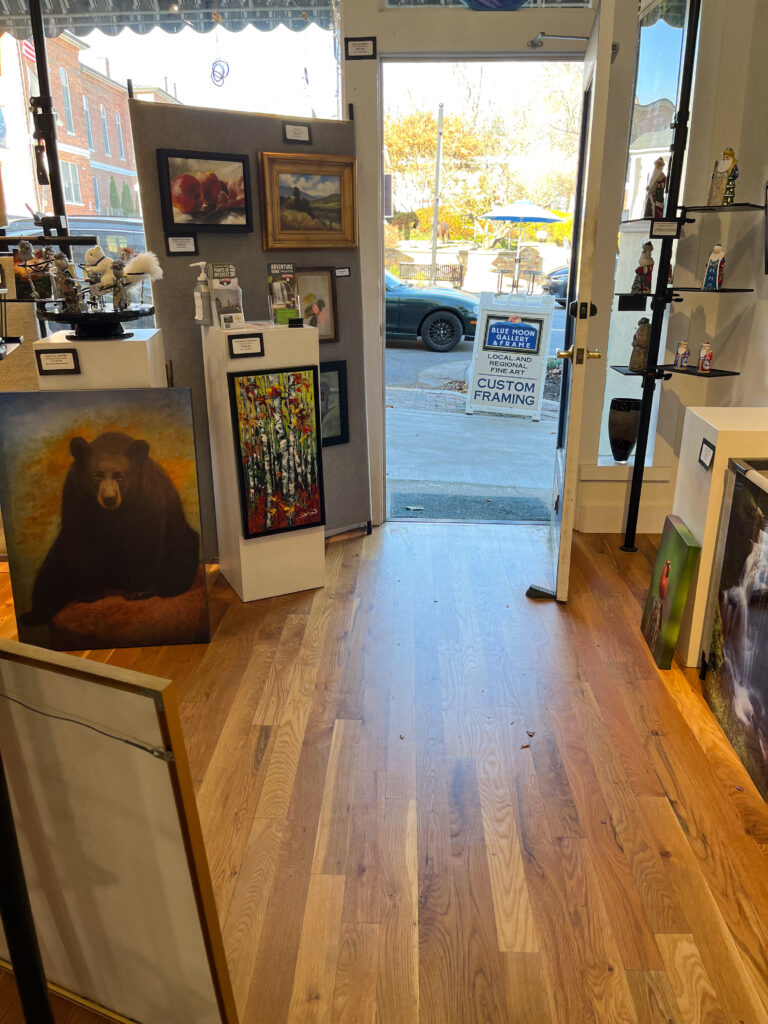
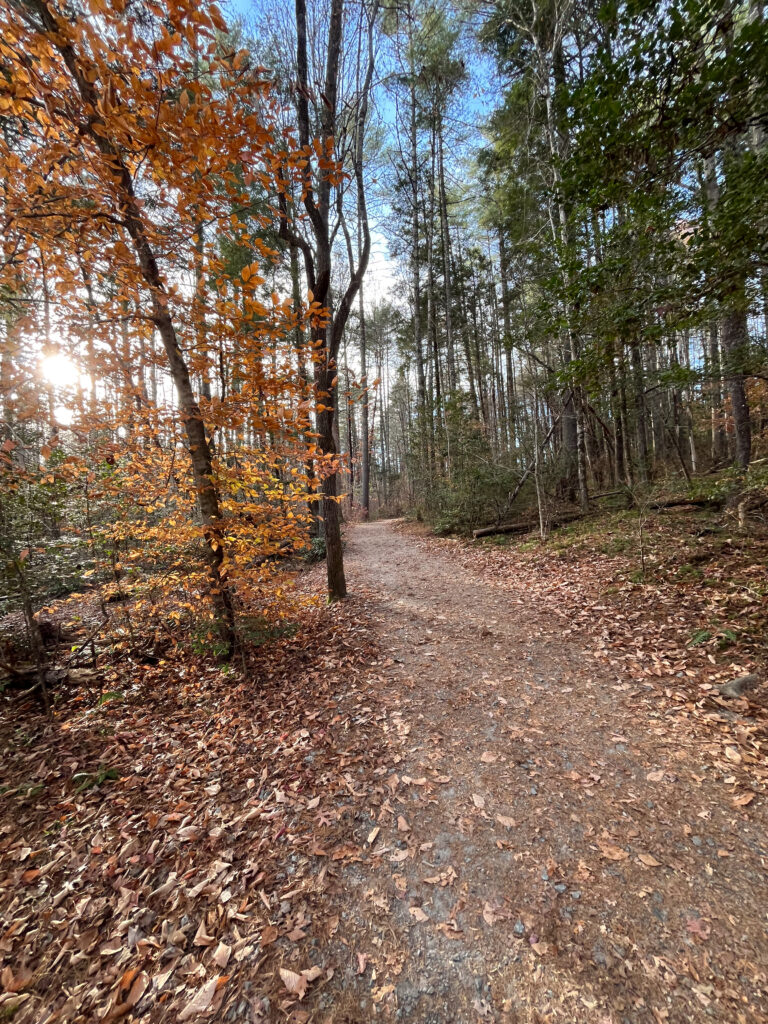
I spent an afternoon wandering Main Street, visiting shops and art galleries at an easy pace. Nothing rushed — just the quiet pleasure of browsing and discovering. I made a short trip to DuPont State Recreational Forest to see Hooker Falls, a gentle hike filled with that clean forest scent you can only get in the mountains. The falls were peaceful, and I lingered there, letting the sound of water become a kind of meditation.

There were still things I didn’t get to — Bearwallow Mountain, the Blue Ghost Fireflies that light up the woods in late spring, Jump Off Rock, Chimney Rock, the town of Flat Rock, and so many more hikes and waterfalls. Transylvania County alone has around 250 waterfalls, so I’ve only just begun to explore what this area has to offer. Plenty of reasons to come back.

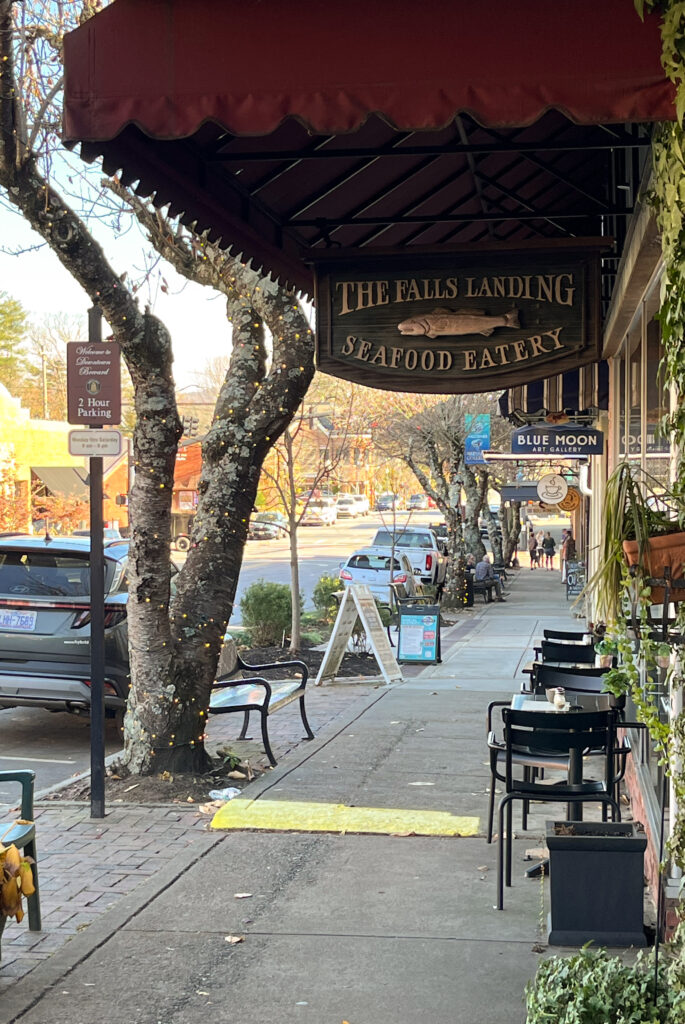
A short drive away, Brevard offered a different kind of inspiration. Known for its artsy spirit and temperate rainforest climate, the town has a creative heartbeat that shows up everywhere. It’s also home to the famous white squirrels — little flashes of white that locals adore — though they remained as elusive as the fireflies on this visit. Still, their presence is felt in murals, artwork, and local stories.

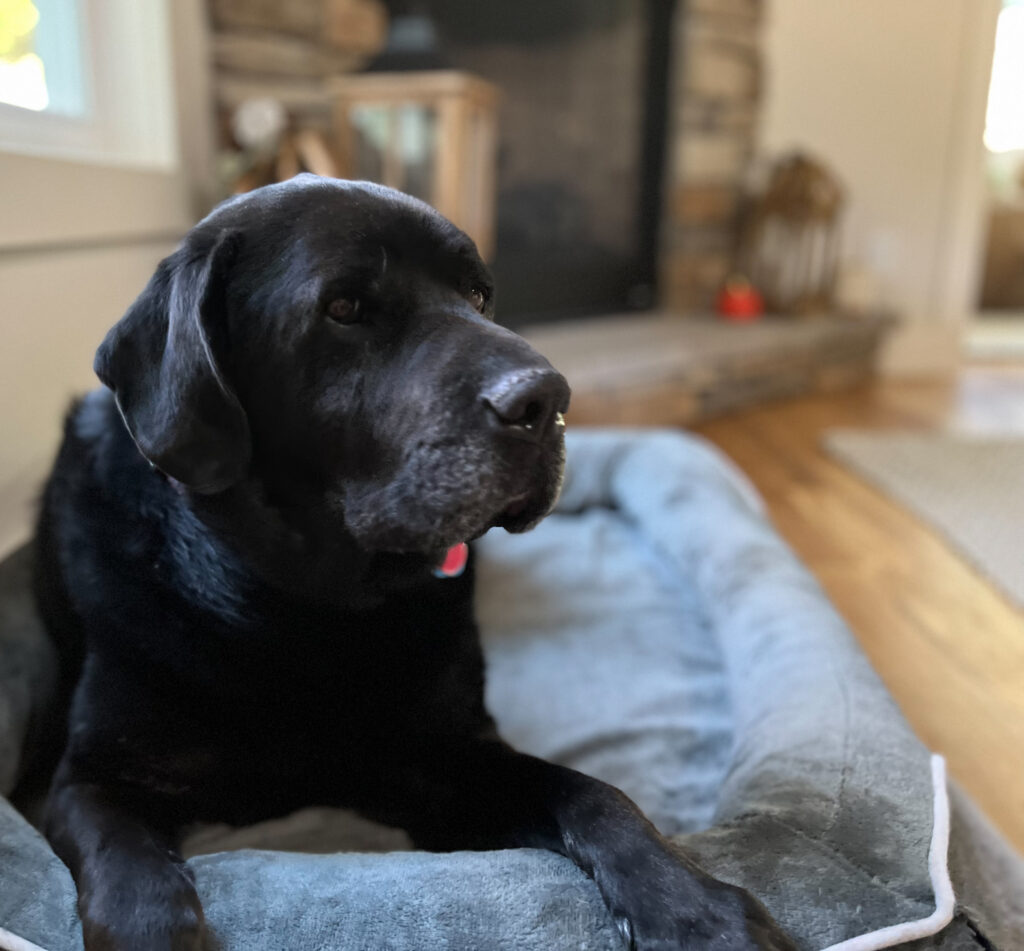
Part of what made this stay unique is that it doubled as my first official pet sit — something I’ve started incorporating into my travels. It’s a gentle, practical way to experience new places a little more deeply while also offsetting travel costs. If you’re curious how it works, feel free to reach out.

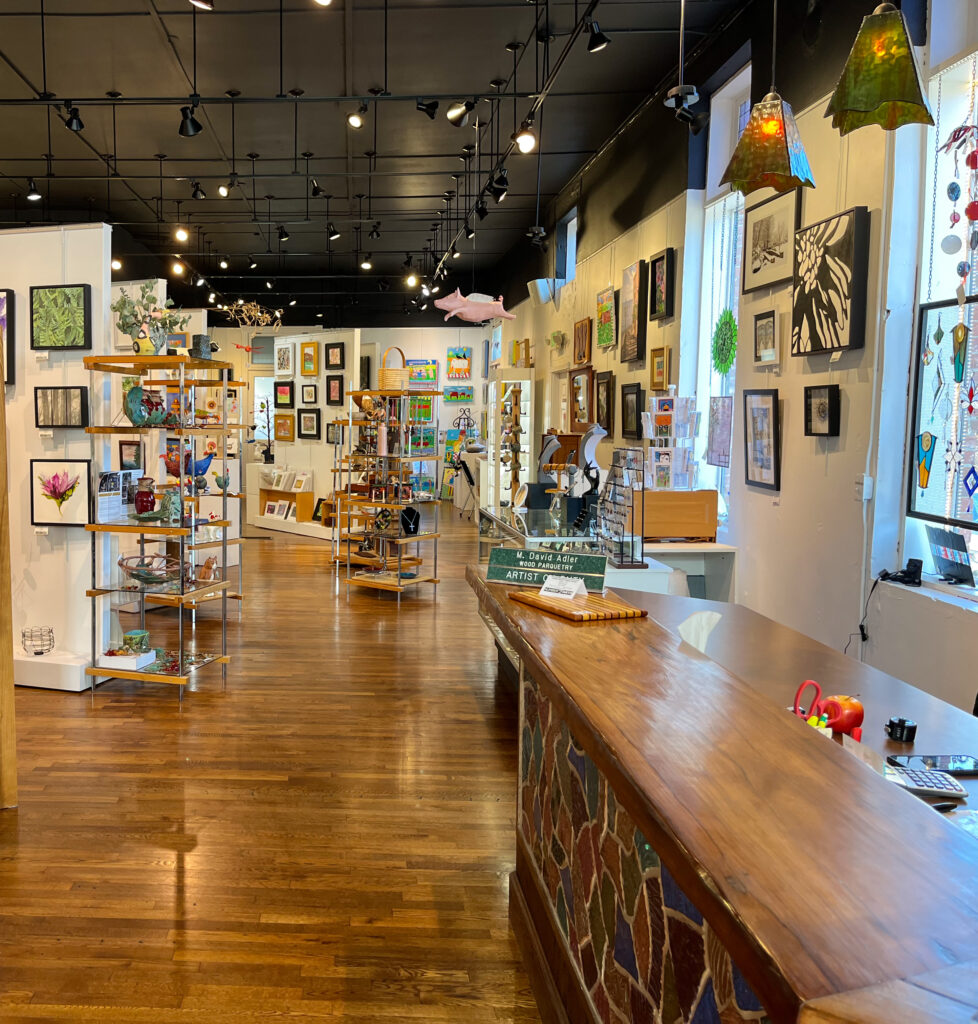
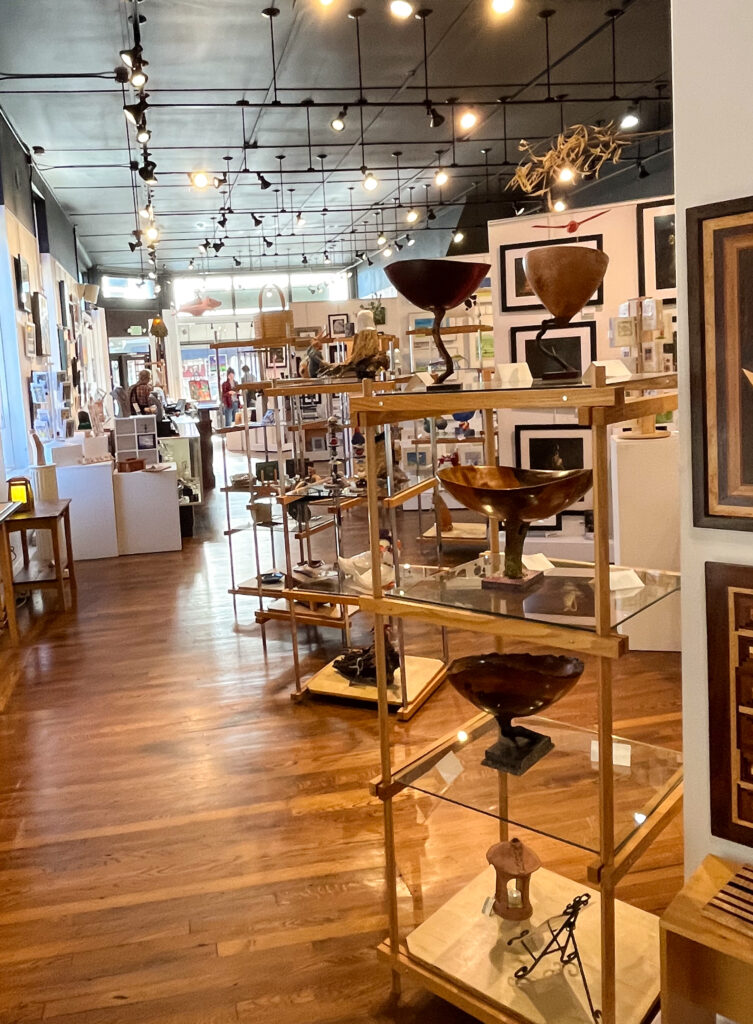
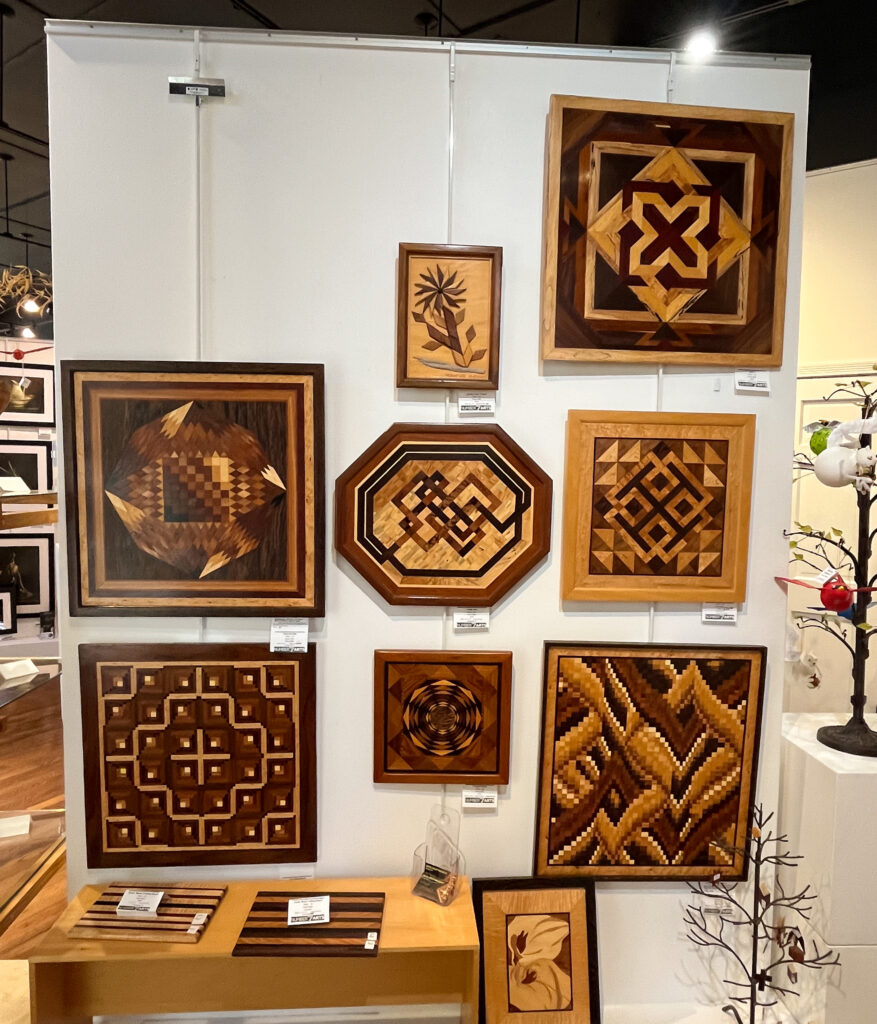
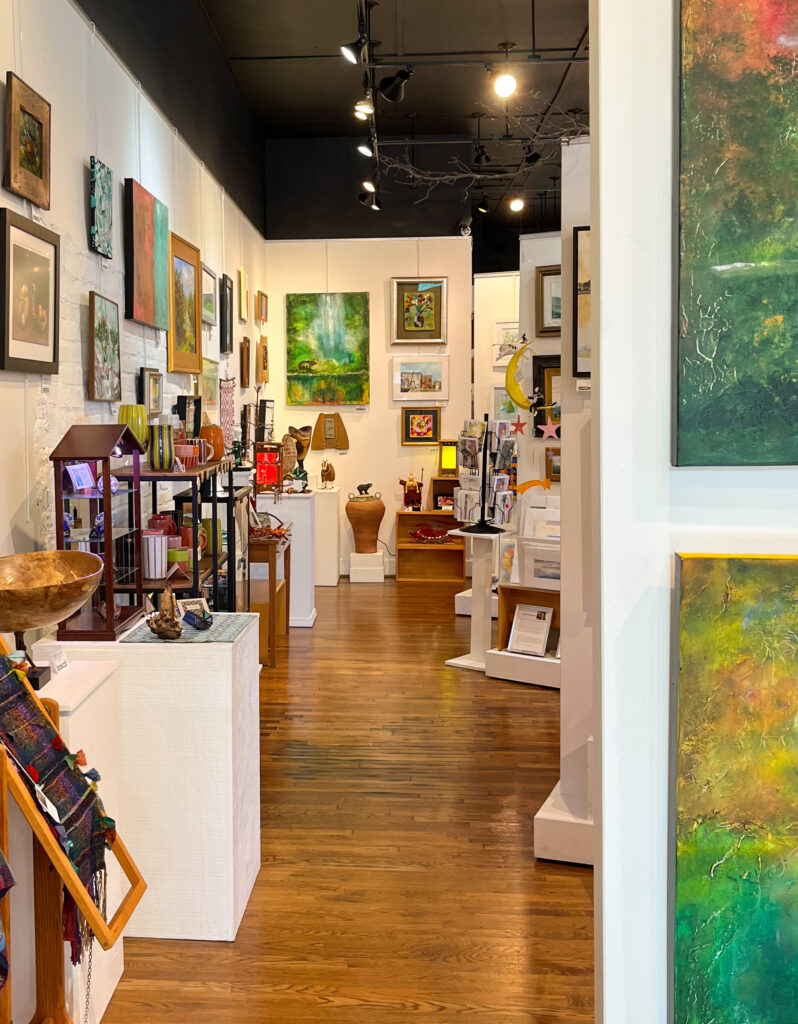
The galleries in Brevard were a highlight. Many feature dozens of local artists, and the craftsmanship was incredible: wooden bowls shaped like sculptures, vivid paintings, mountain photography, jewelry, and fiber art that felt like stories woven into cloth. Every gallery was a surprise, and every artist offered a different way of seeing the world. I left feeling inspired — the kind of creative spark travel gifts you when you’re paying attention.

Both towns share that unmistakable Western North Carolina blend of nature, friendliness, and creativity. They’re different, but together they made my stay feel full and balanced — one town offering peaceful walks and familiar charm, the other offering color, art, and imagination.

As with every stop on my journey, I’m learning that travel doesn’t have to be dramatic to be meaningful. Sometimes it’s the steady rhythm of small towns, a conversation with a shop owner, the cool air on a forest trail, or the inspiration found in a piece of handmade art. I know I’ll be back — there’s more to see, more to explore, and always more to learn from these beautiful mountain towns.

– Kari
Meeting Malin: My First Troll

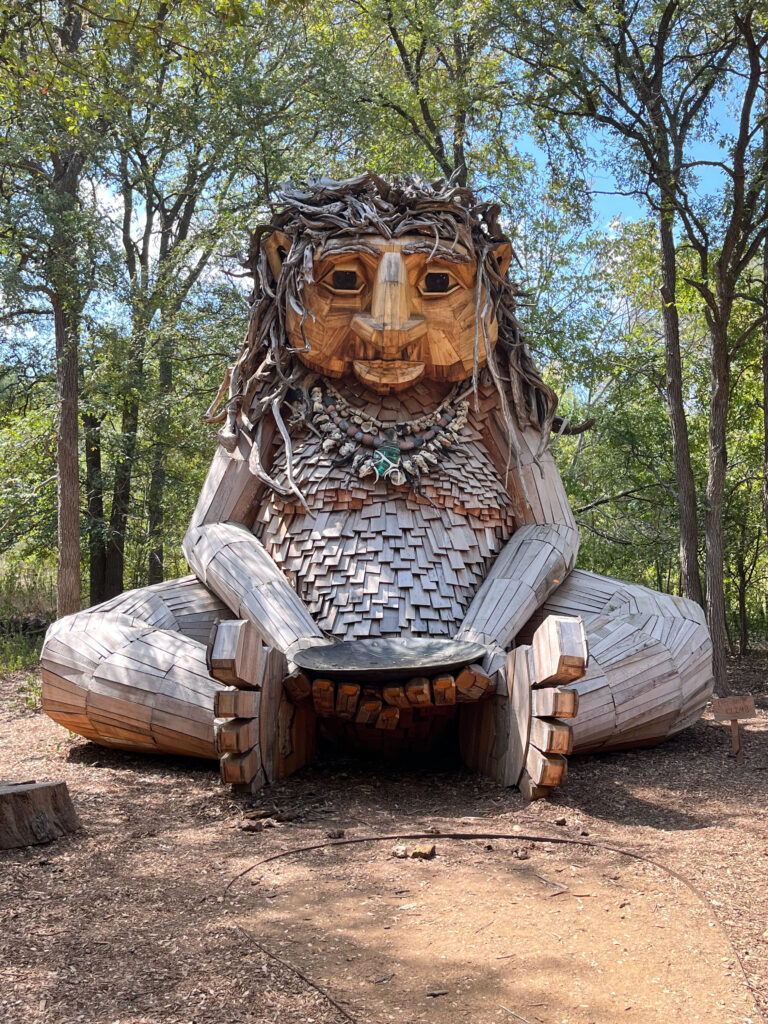
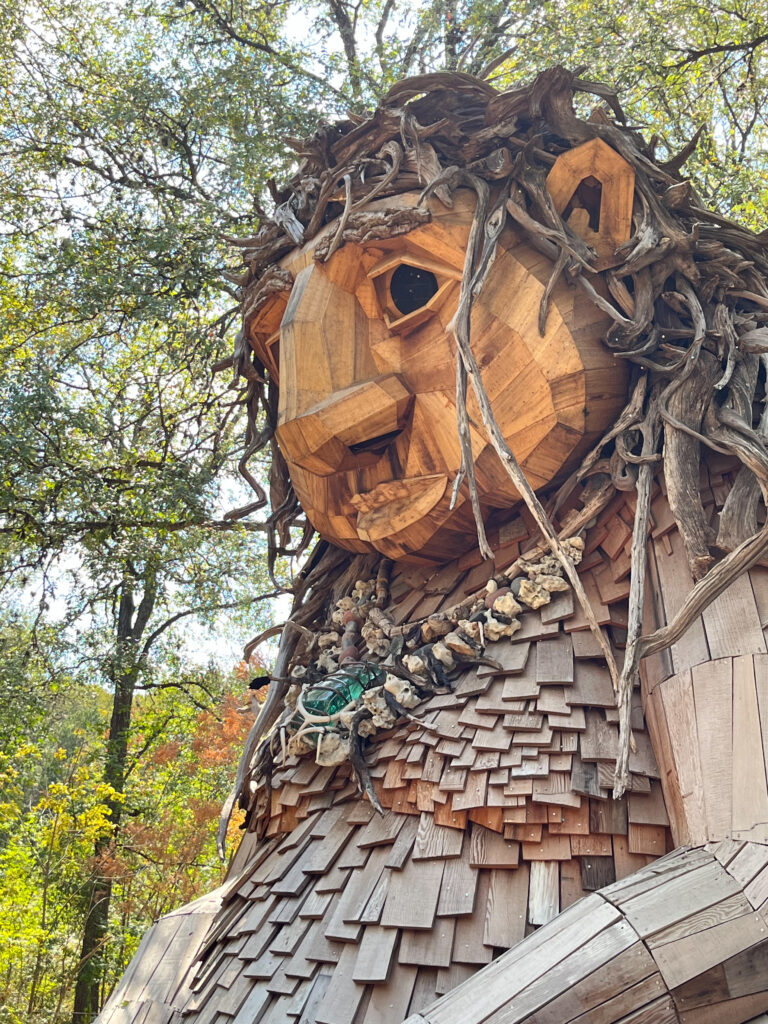
My first stop on this new nomadic chapter was Austin’s Pease Park, where I finally met Malin’s Fountain, one of the magical trolls created by Danish artist Thomas Dambo. For months I had longed to see one of his towering wooden sculptures, and stepping into that shaded grove felt like walking into a dream.

The path wound gently under live oaks, leading me closer until suddenly she appeared—vast, whimsical, and powerful, yet tender in her presence. Malin seemed to rise from the earth itself, sitting gracefully among the roots, her hands cradling a bowl to collect rainwater, a gesture both simple and profound.

Thomas Dambo’s trolls are made entirely from reclaimed wood and other recycled materials, and each one is part of a larger vision: to bring play, wonder, and environmental awareness into the world. His sculptures are tucked away in parks, forests, and unexpected corners of cities, inviting exploration, discovery, and a playful reconnection with nature. Knowing this, I felt a quiet thrill, as if I had stumbled upon a hidden treasure meant just for me.

There was something ancient and childlike about Malin at once. She rested with a sense of calm strength, yet there was curiosity in her posture, as if she too was exploring the world around her. Her hopeful gaze seemed to invite me to pause, breathe, and remember that wonder is always close at hand.

I lingered there, letting the quiet of the park and the artistry of her form settle into me. Art has always been a language I return to—sometimes loud, sometimes soft, but always guiding me toward reflection. Malin’s Fountain spoke in that way, reminding me that creation can be both playful and deeply rooted.

As I sat there, I thought of my children and grandchildren—each one a joy I deeply treasure. Malin, with her calm strength, curiosity, and hopeful gaze, seemed to whisper a reminder: to meet the world with open eyes and an open heart, to wander with wonder, and to carry my family’s love with me on every step of the journey.

This first adventure was a gentle one, but it felt like the perfect beginning. I left Pease Park with the sense that Malin had given me her blessing—a nudge to keep moving, to keep seeking, to keep listening to the stories the world is ready to tell.

– Kari