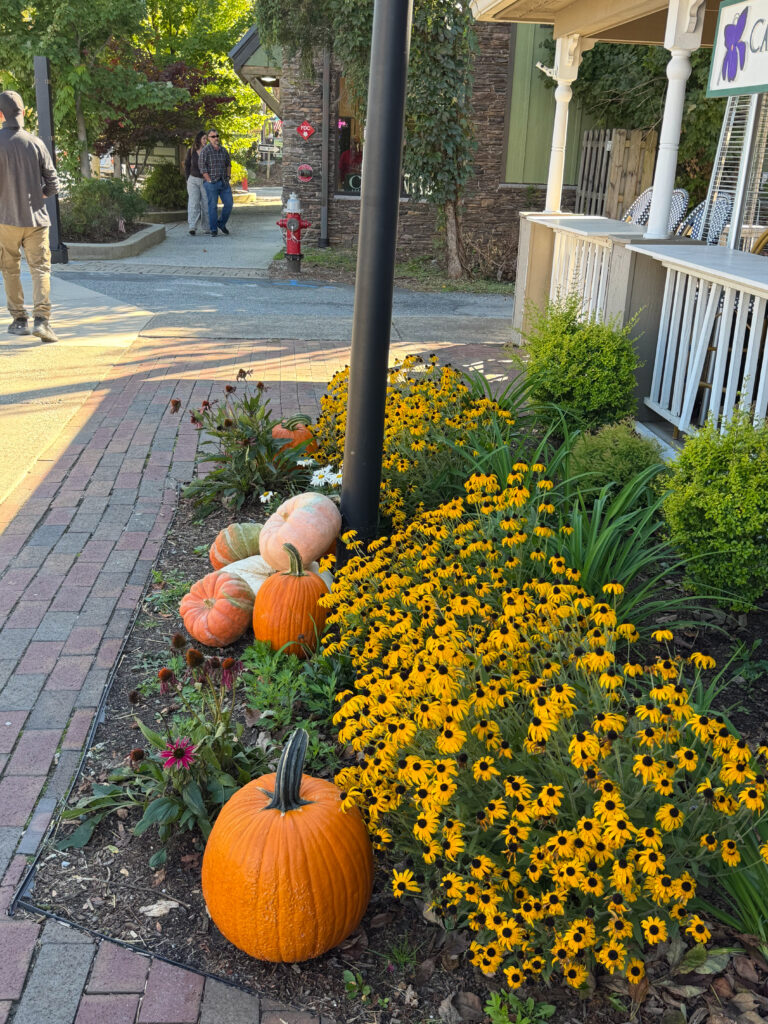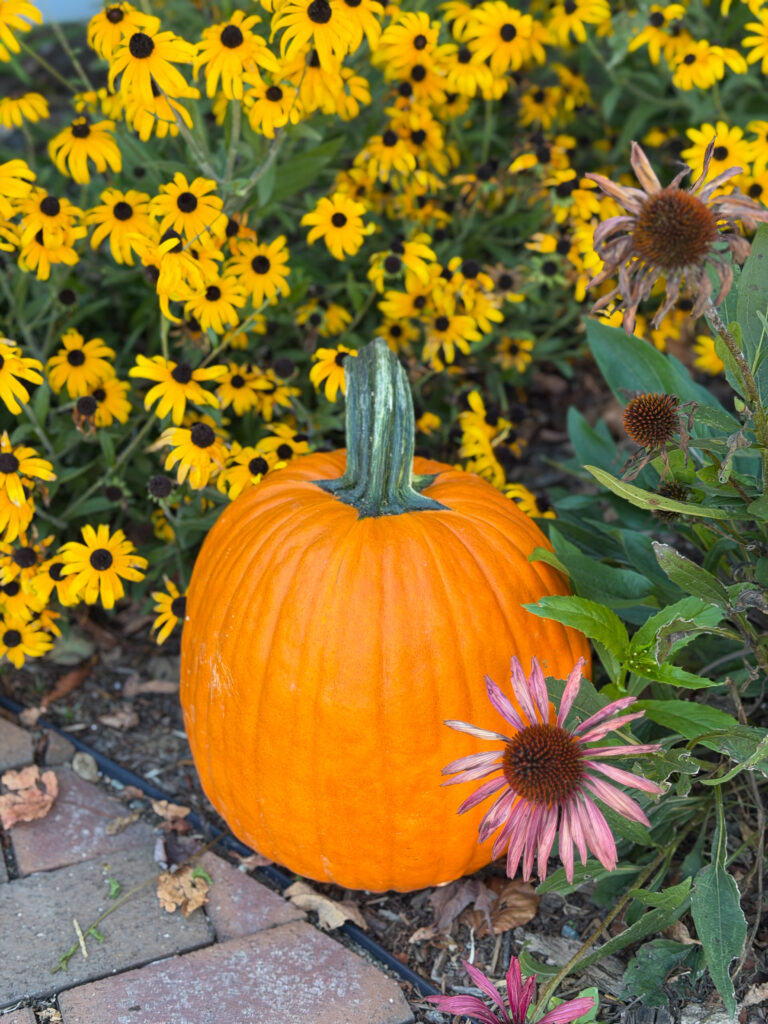
For my second little weekend getaway, I drove up to Boone and Blowing Rock. These are two more of my favorite places in North Carolina, and what a perfect weekend for this trip. It was sunny with highs in the 60s and lows in the 40s. It was a little too early for fall color, but the temps felt like fall, and many stores already had pumpkins at their doorways.
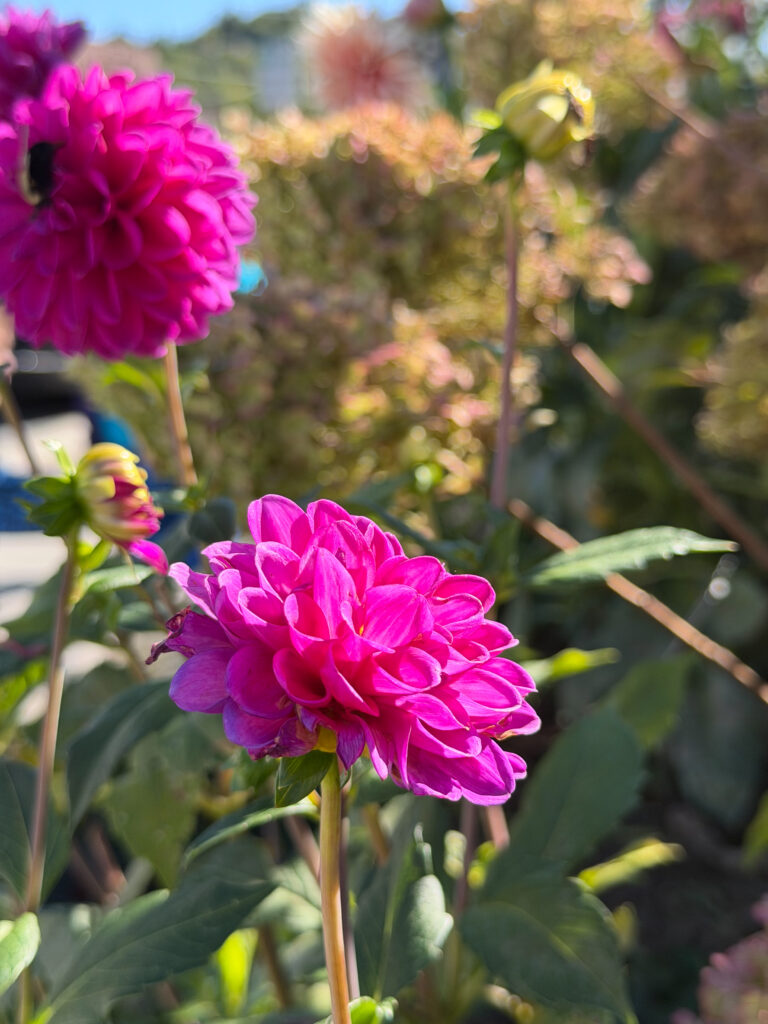
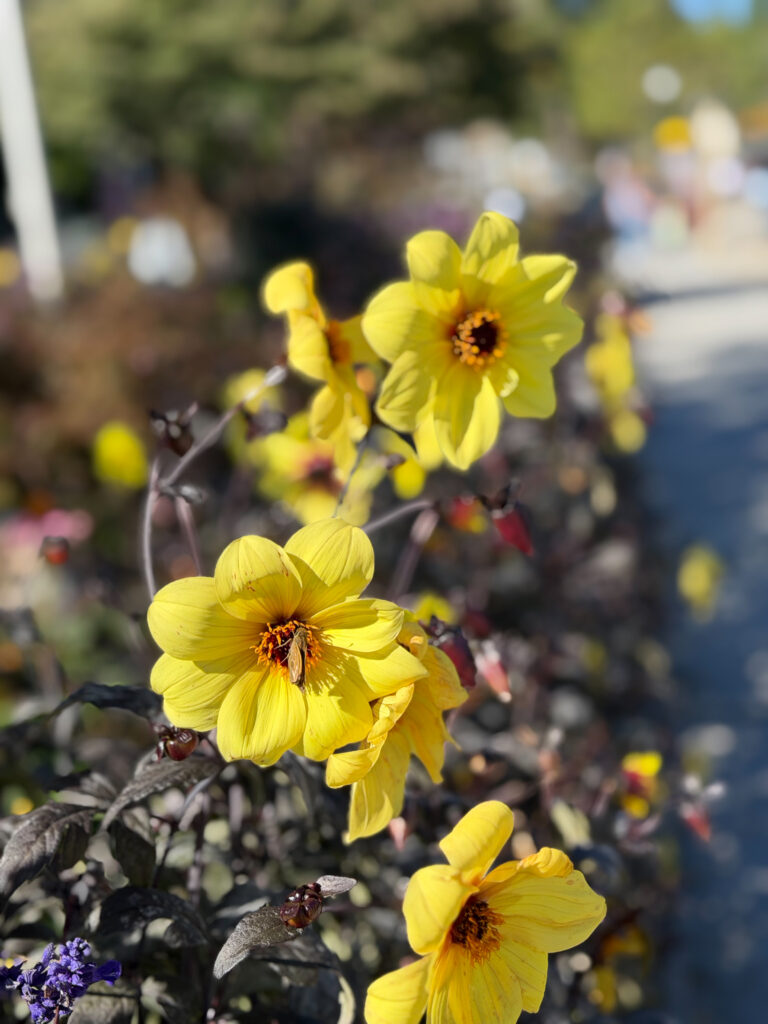
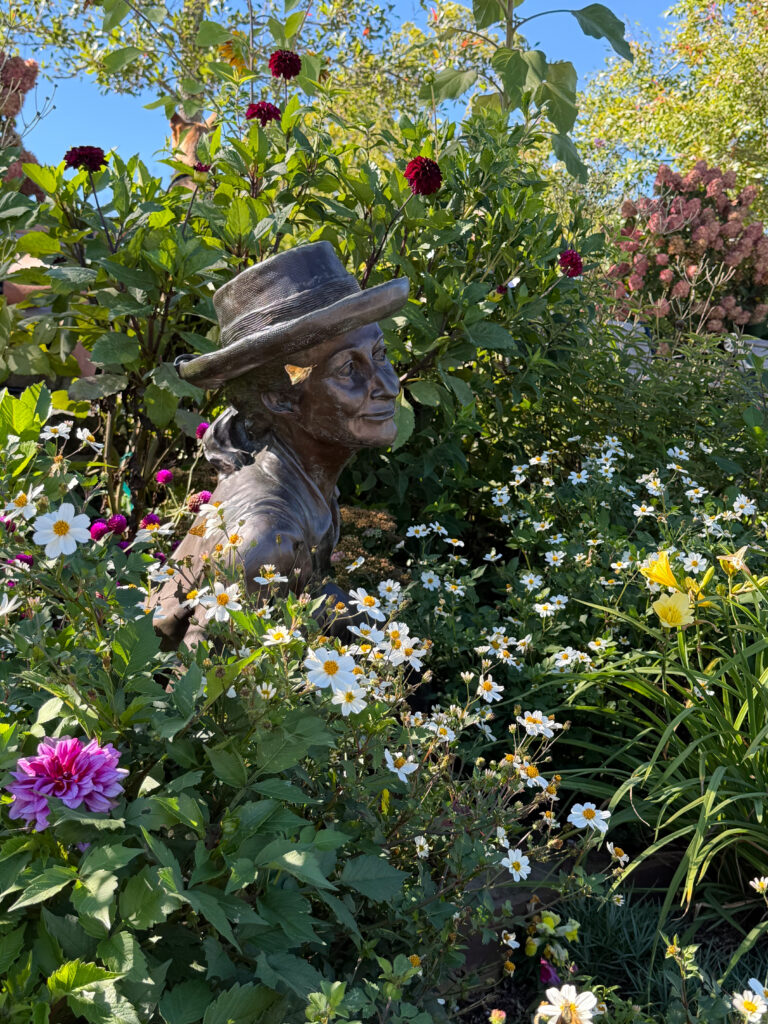
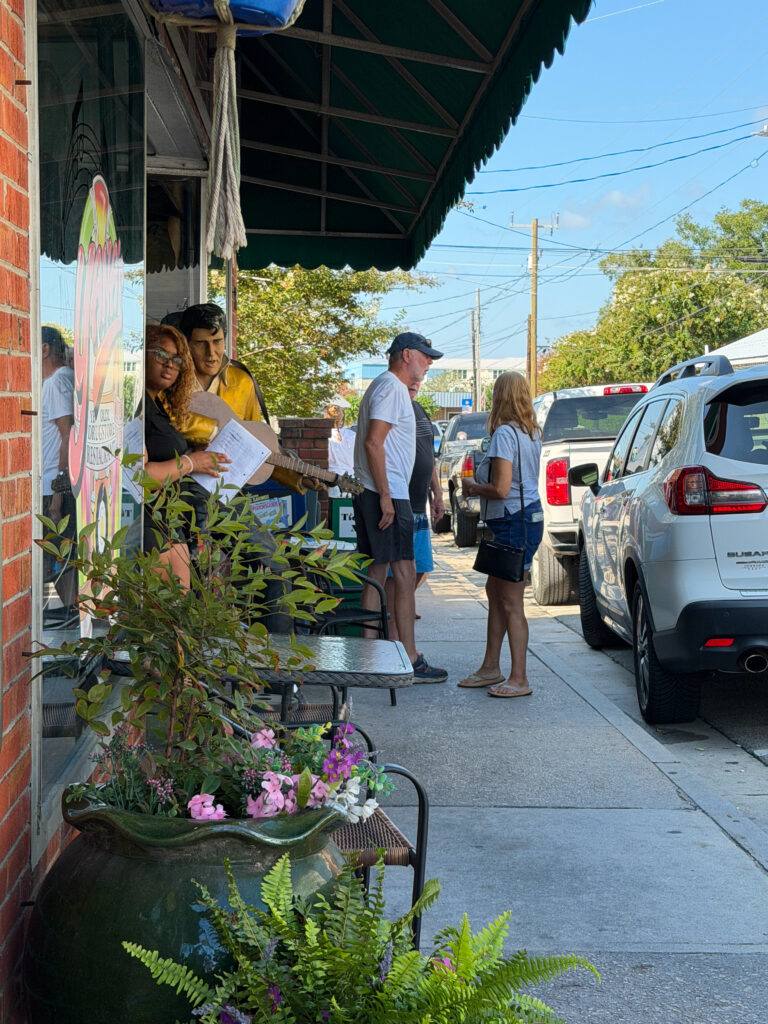
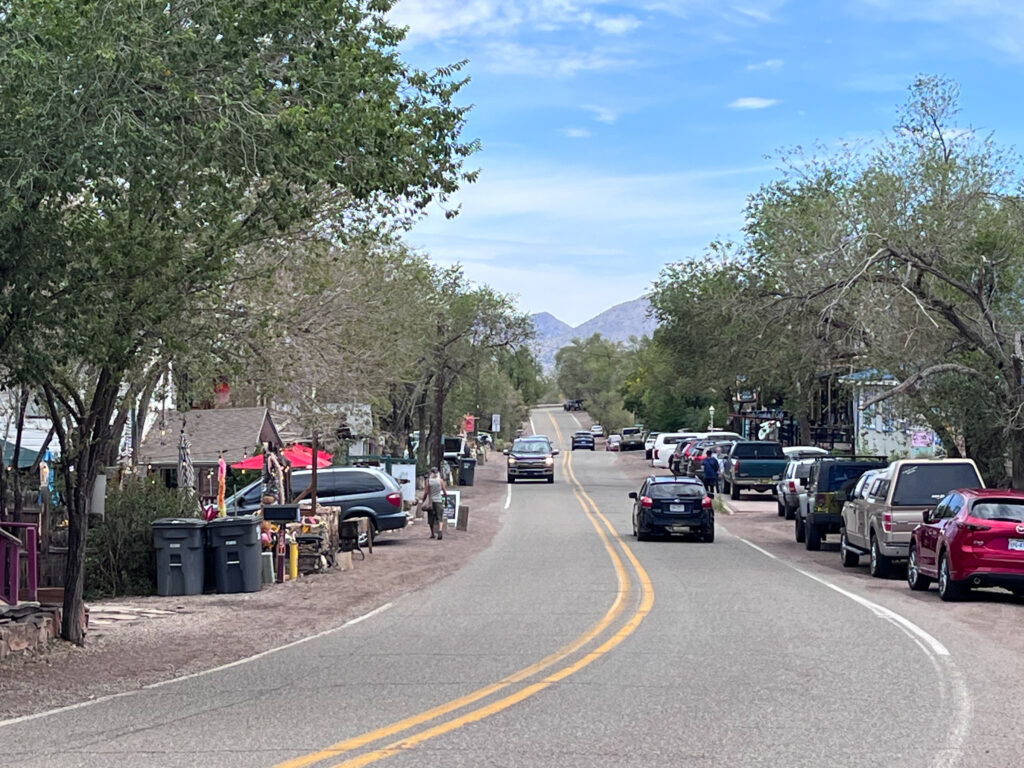
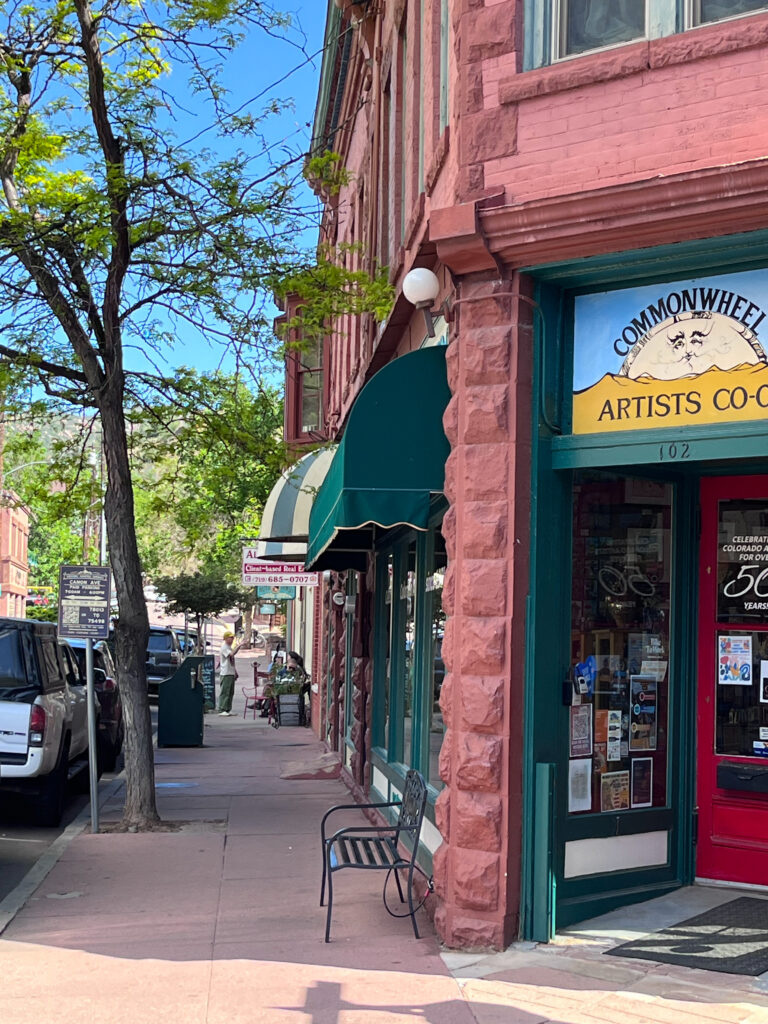
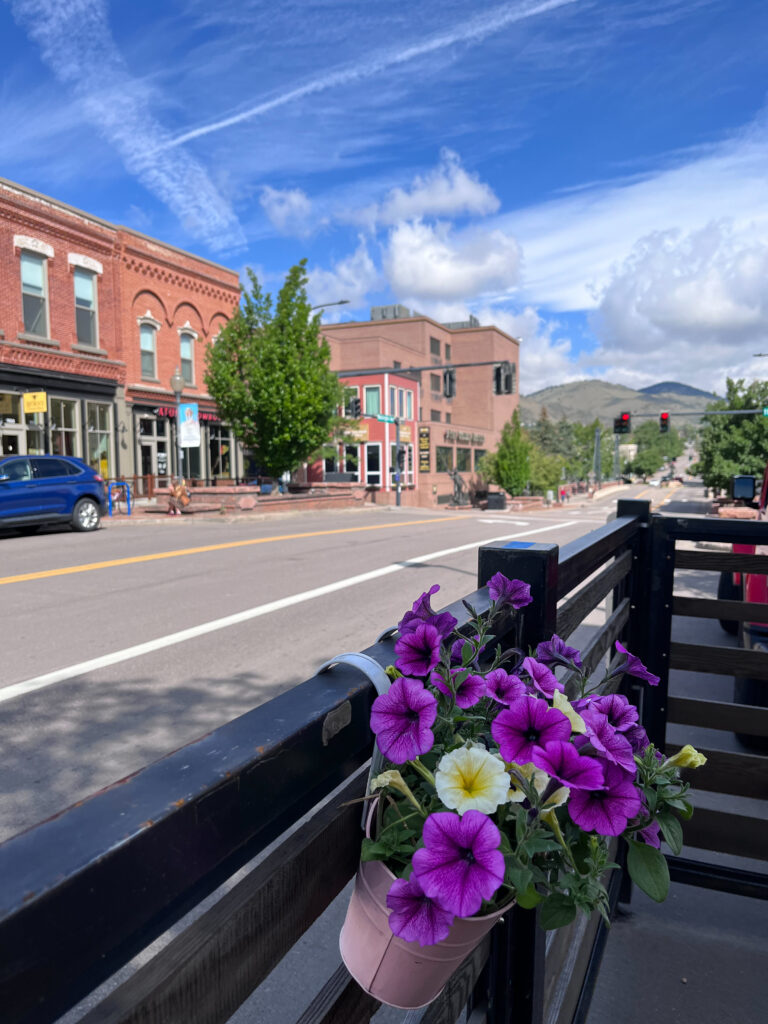
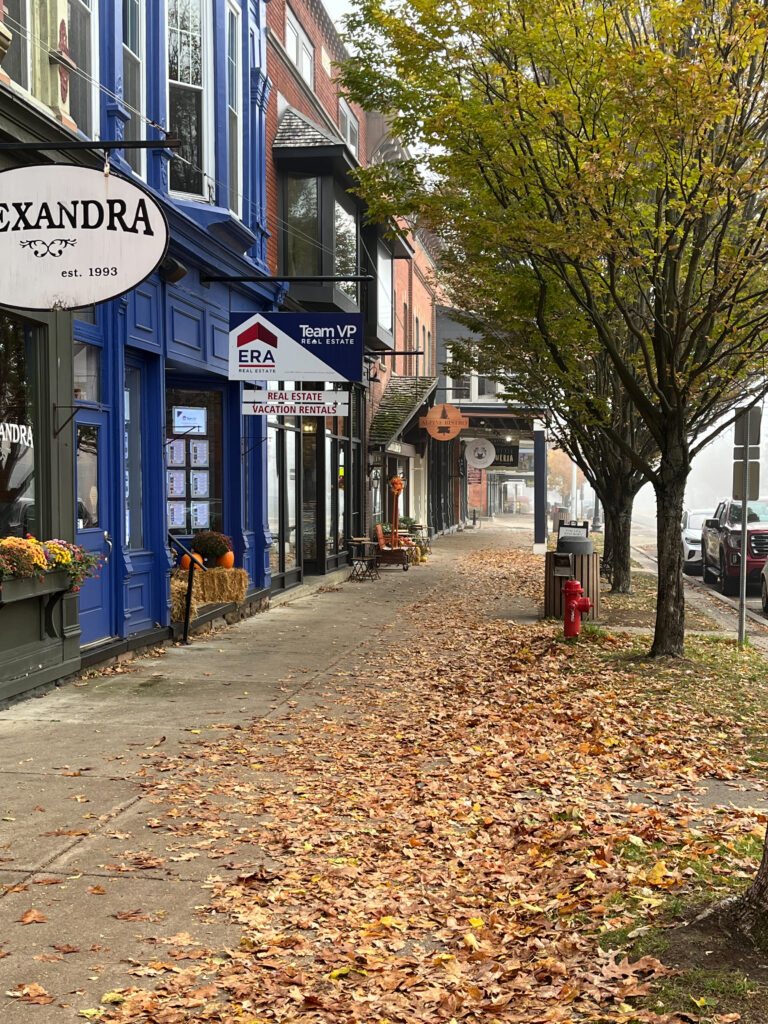
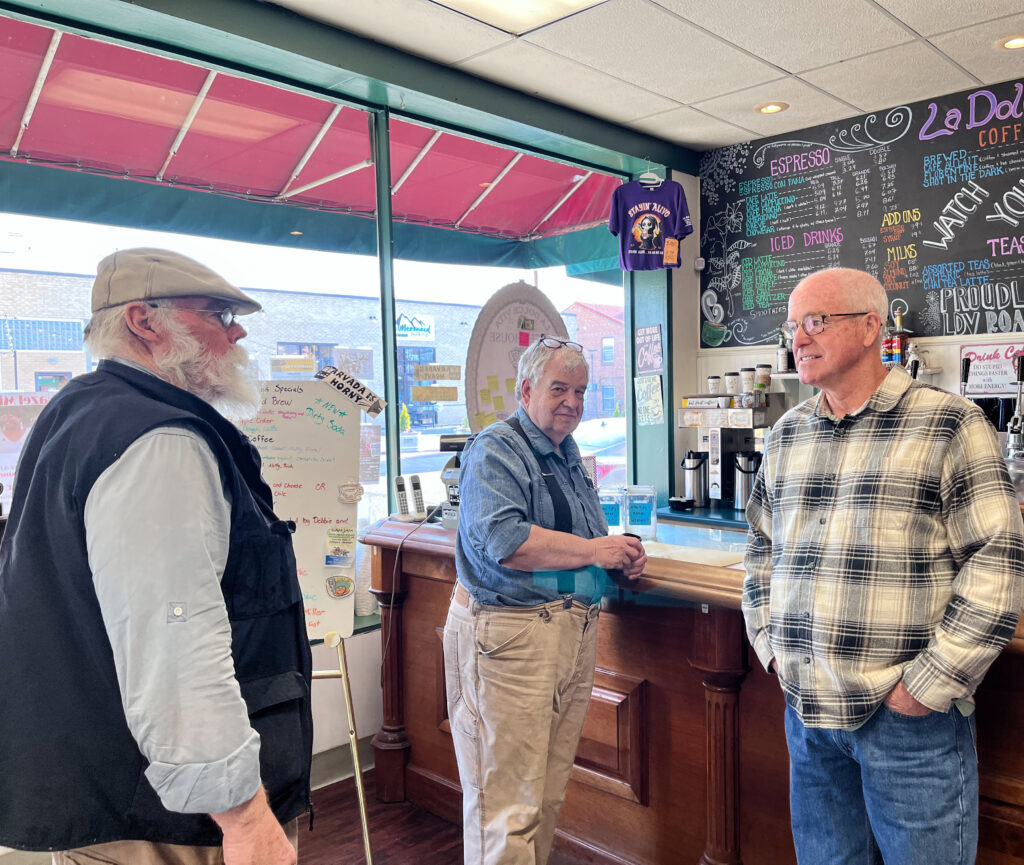
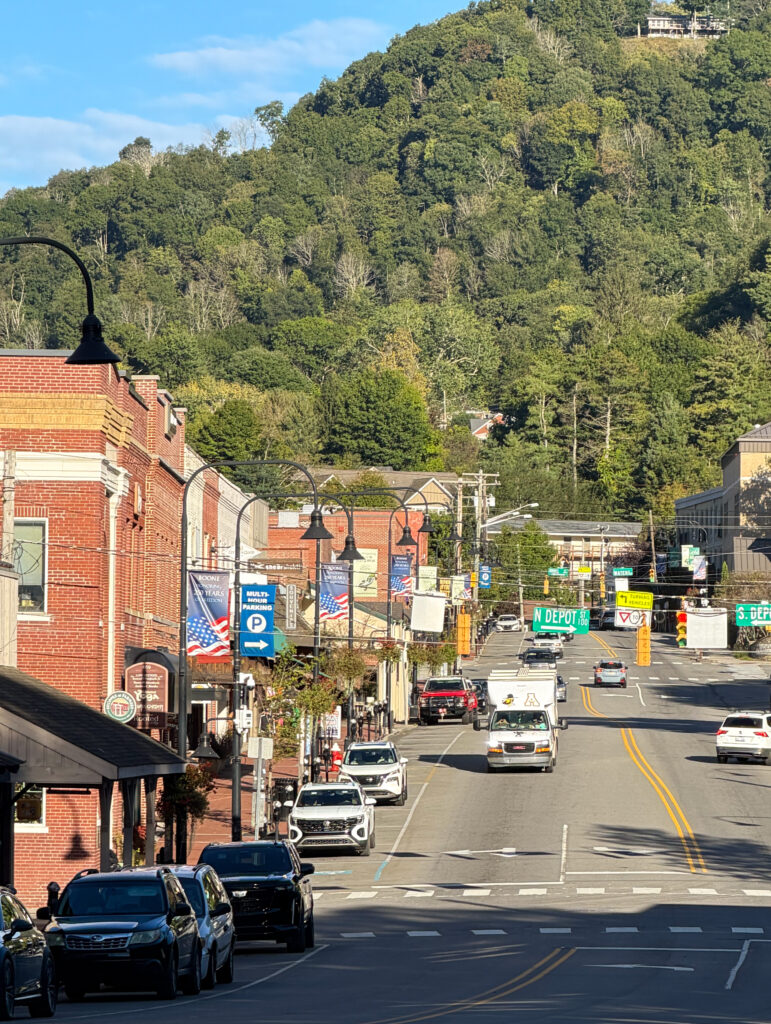
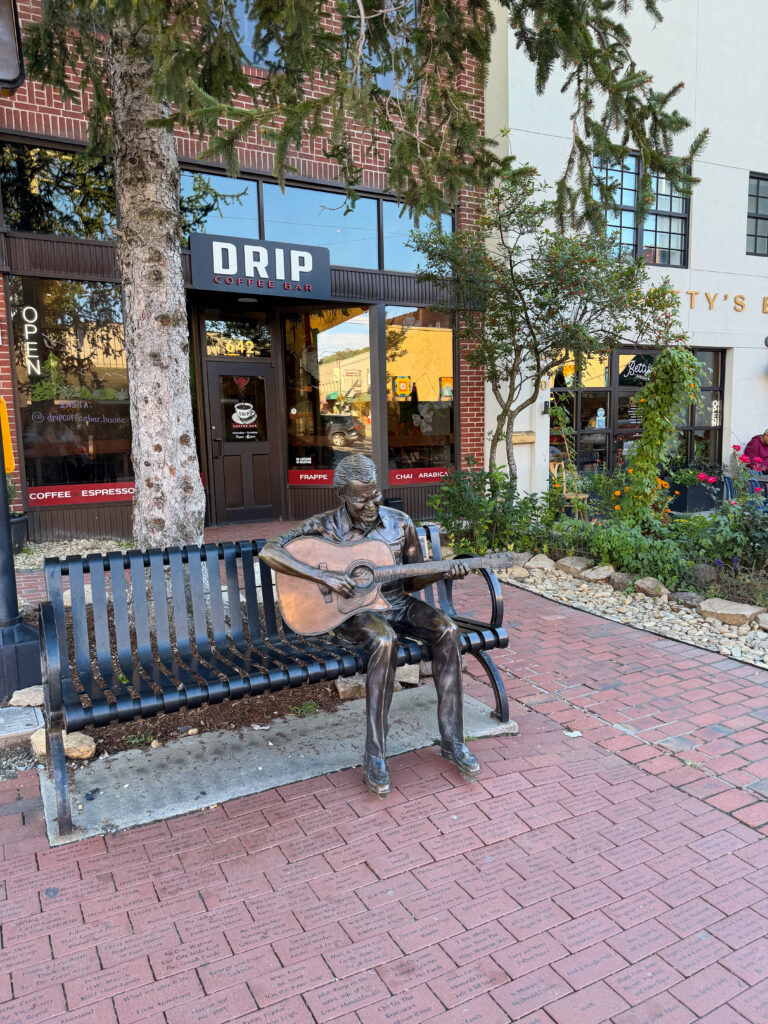
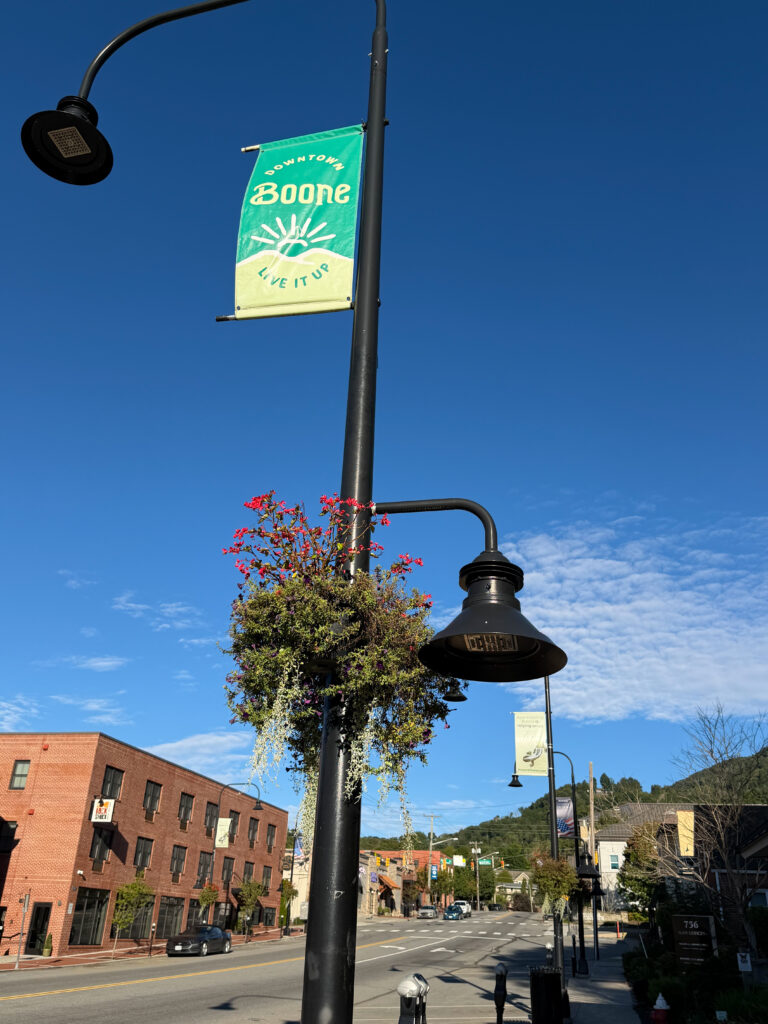
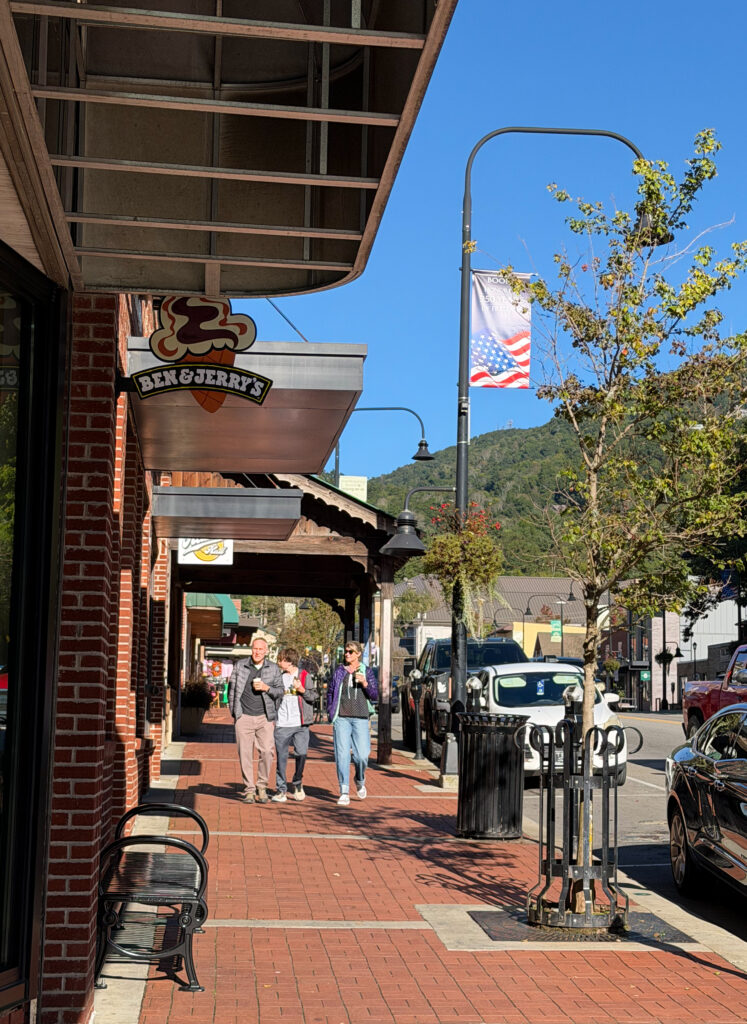
I started out my first morning with a wander through West King Street. My photos definitely don’t capture what it felt like walking through this little historic downtown on a chilly 48-degree morning. The air was crisp, the flowers were bright, and the town was already bustling before shops were even open. Bakeries and coffee shops with outdoor seating were filled with people wearing sweaters or jackets, many with dogs by their sides. The mountain vibe was everywhere.
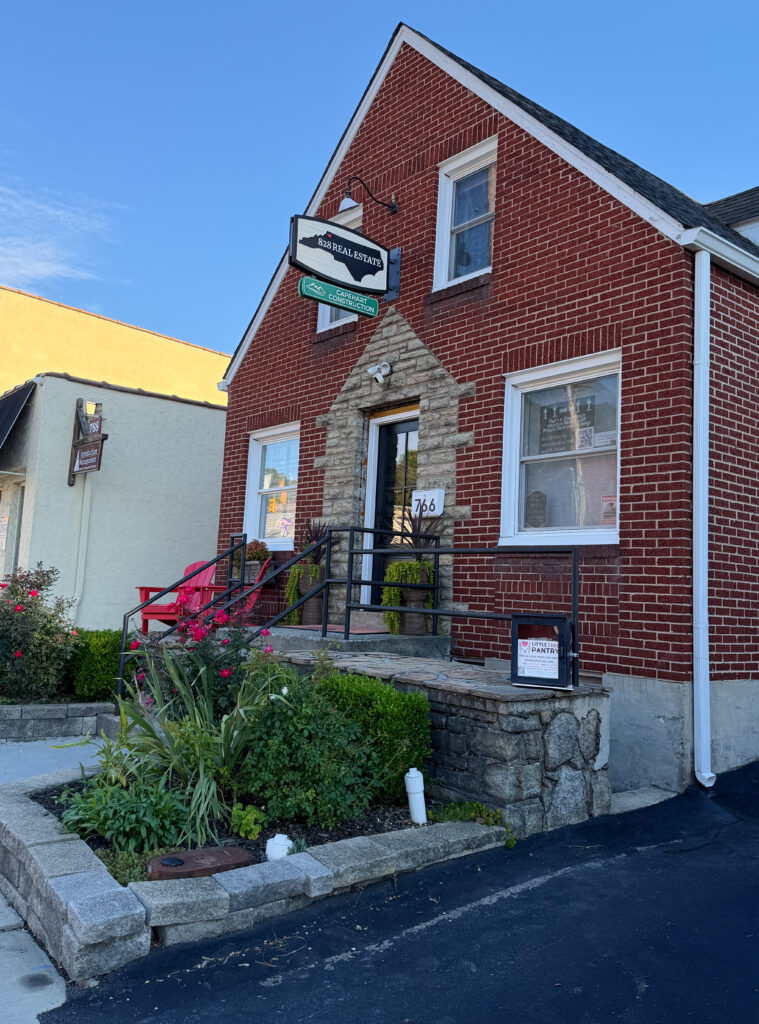
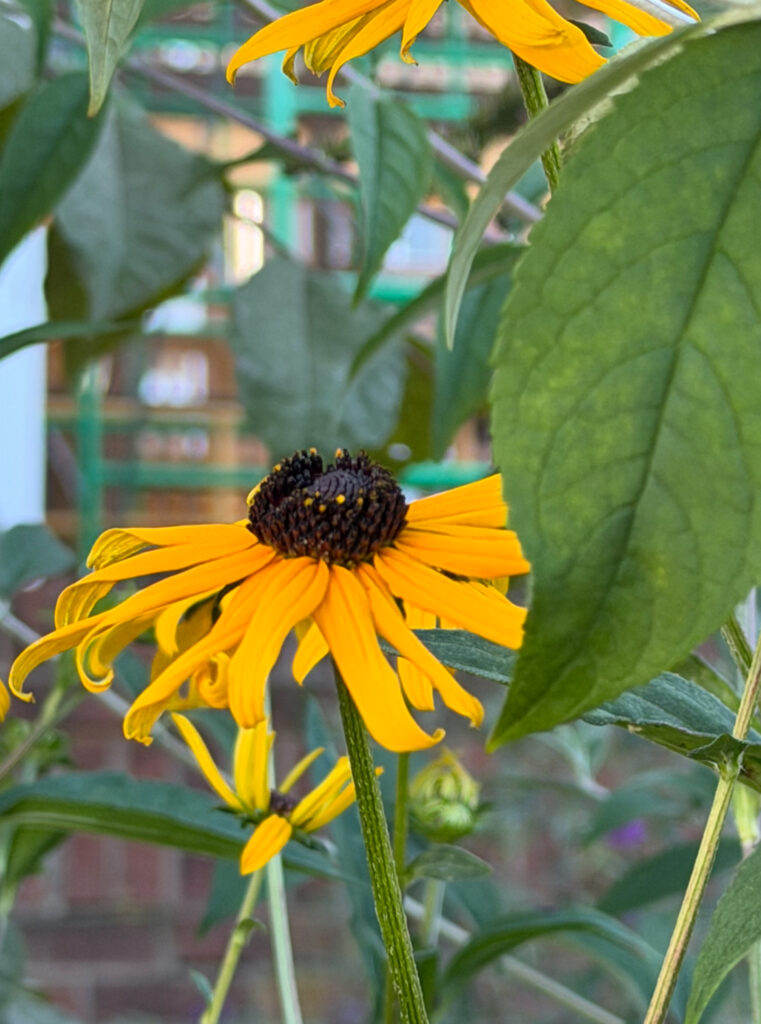
I wandered into a little shop with western wear and boots that had opened early. The smell of leather gave me a comfortable and familiar feeling. I browsed through the clothes and thought about buying a jacket since I had forgotten to pack one. Then I remembered the downsizing and how I had vowed to only buy what I actually needed. I honestly don’t need another jacket, so I passed on it and instead had a great conversation with the woman working in the store.
As I was about to leave, I asked her about her favorite things to do in town. She told me about a park where she goes to hike that had recently created an elevated walkway where you could look out over Boone. So, when I finished walking through town, I headed up to the park.
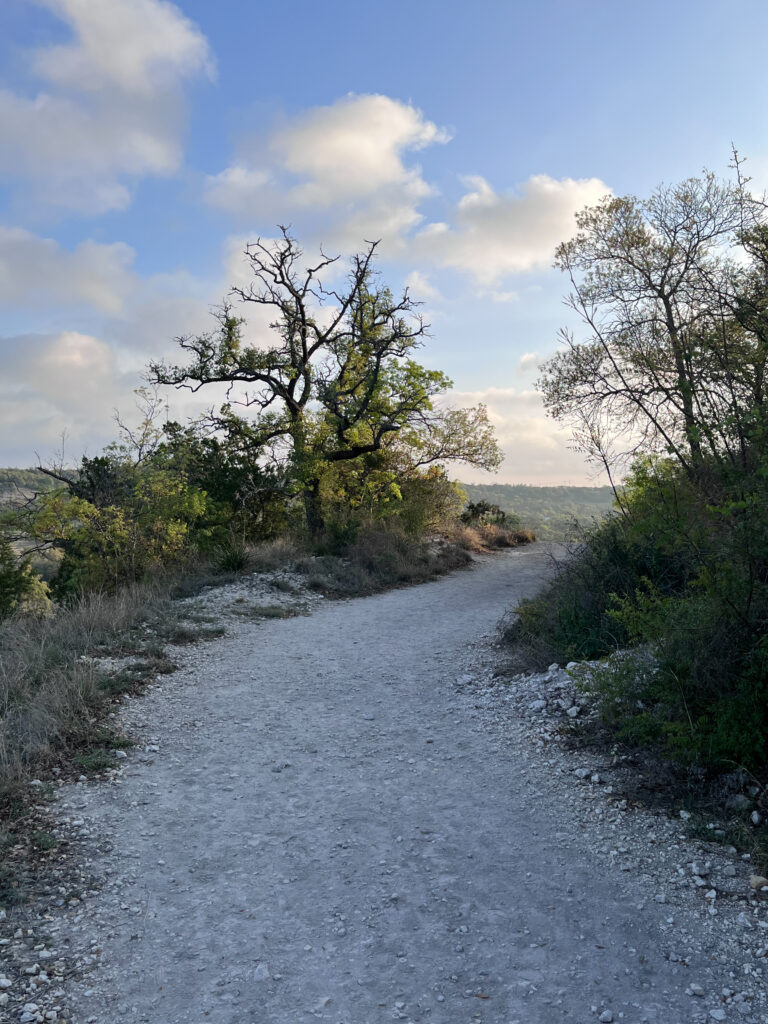
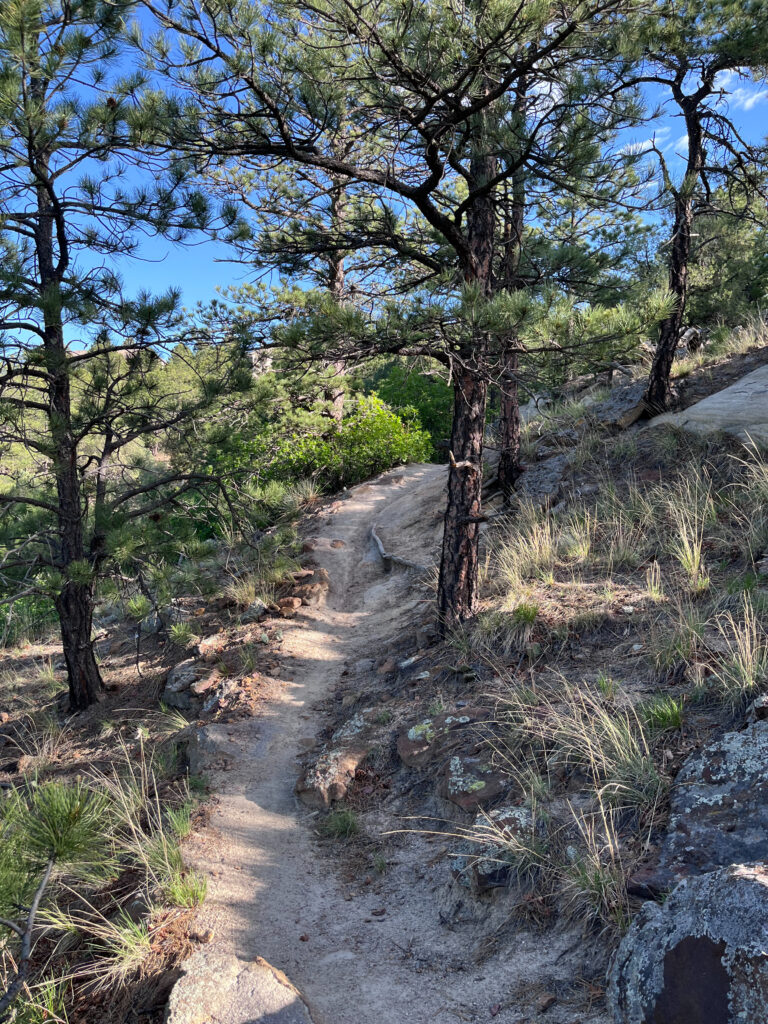
The road meandered through a neighborhood and then wound up the mountain. Howard Knob Park sits at an elevation of 4,396 feet above sea level, with a gain of about 1,060 feet from town. The park had hiking trails, beautiful mountain views, and the new elevated walkway that had brought me there.
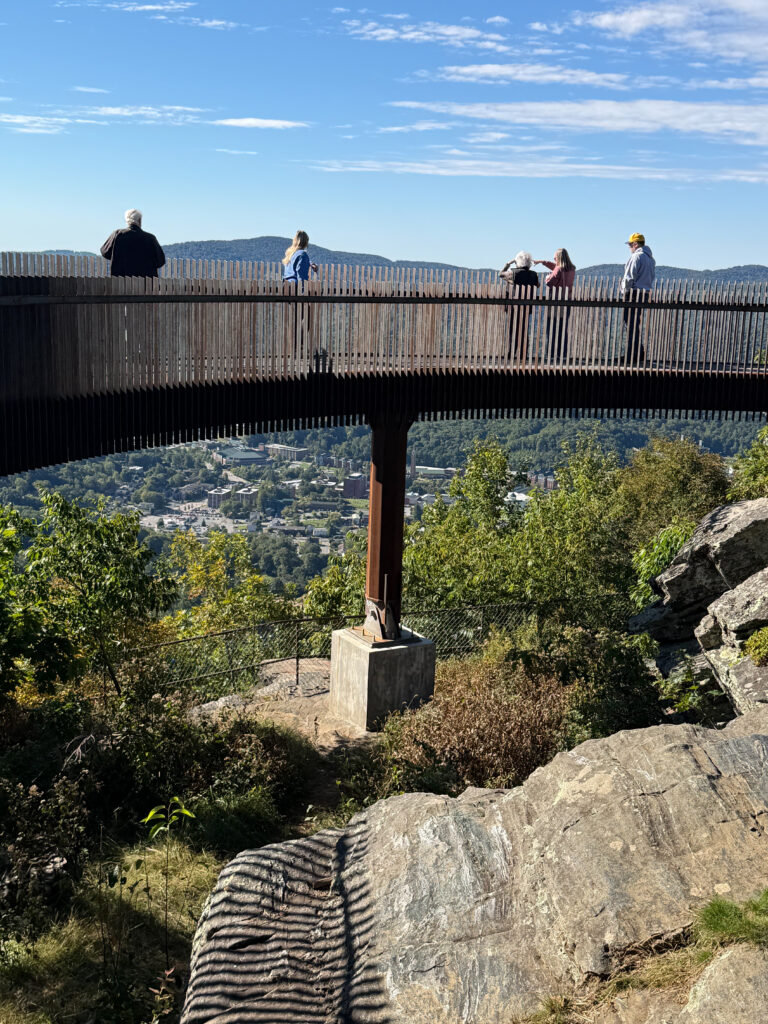
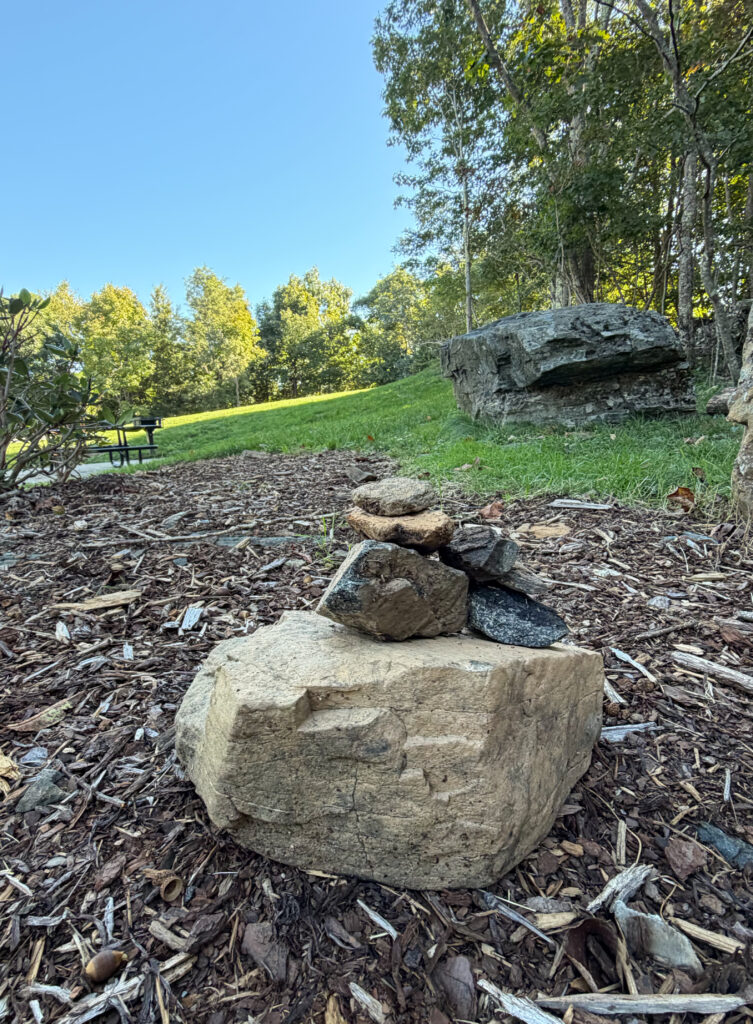
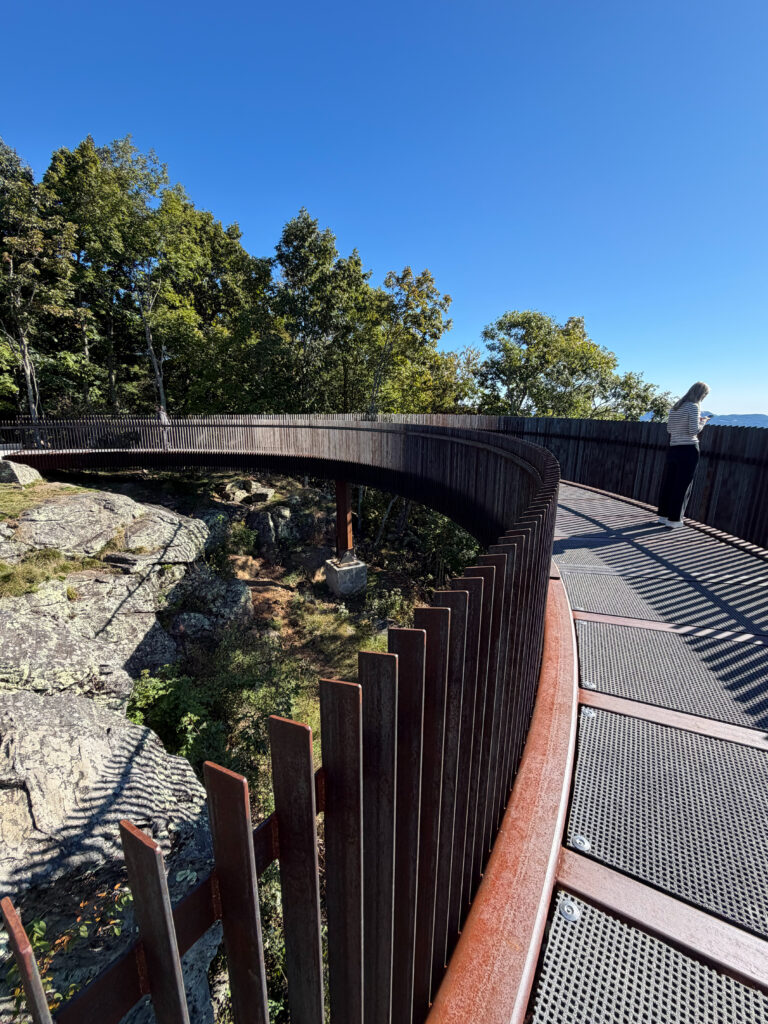
I’m so glad I took the time to chat with the clerk. Otherwise, I would have missed this beautiful sweeping view of town and the surrounding mountains.
While I was standing on the walkway, I noticed a couple in the process of a proposal. I watched for a moment as she said yes. I felt happy for the couple and later congratulated them wishing them a wonderful life together.
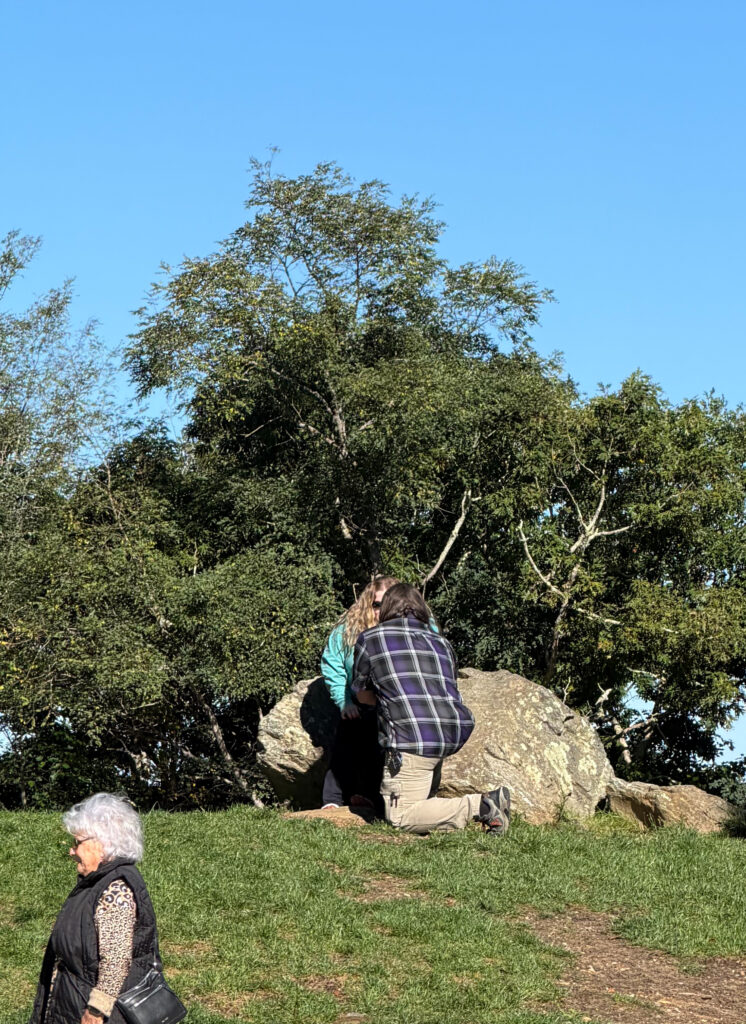
I sat on a boulder for a while and watched people come and go. A young girl who looked like a college student asked if I would take a picture of her. We talked for a while, and I could sense a feeling of homesickness from her. It turned out that she was a nursing student and was having a rough start.
I acknowledged that the first year of college is very difficult and tried to reassure her that it gets better with time. We chatted for a while and then she left. I hope our little conversation helped her feel a little less homesick. At times like these, I appreciate being an empath.
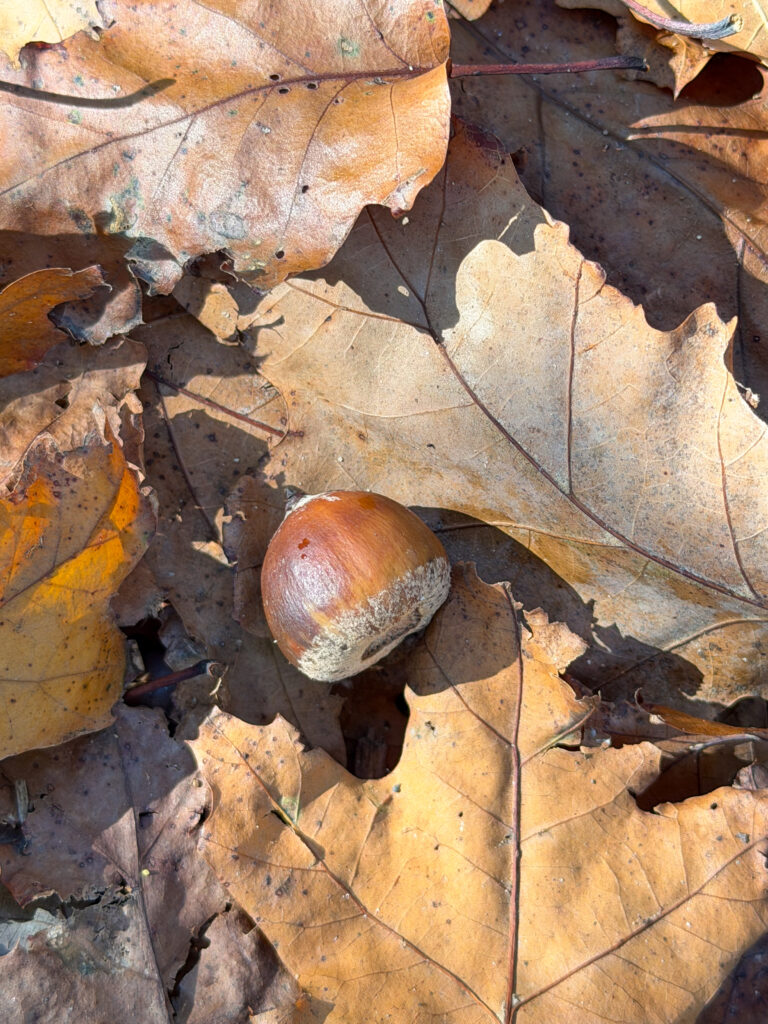
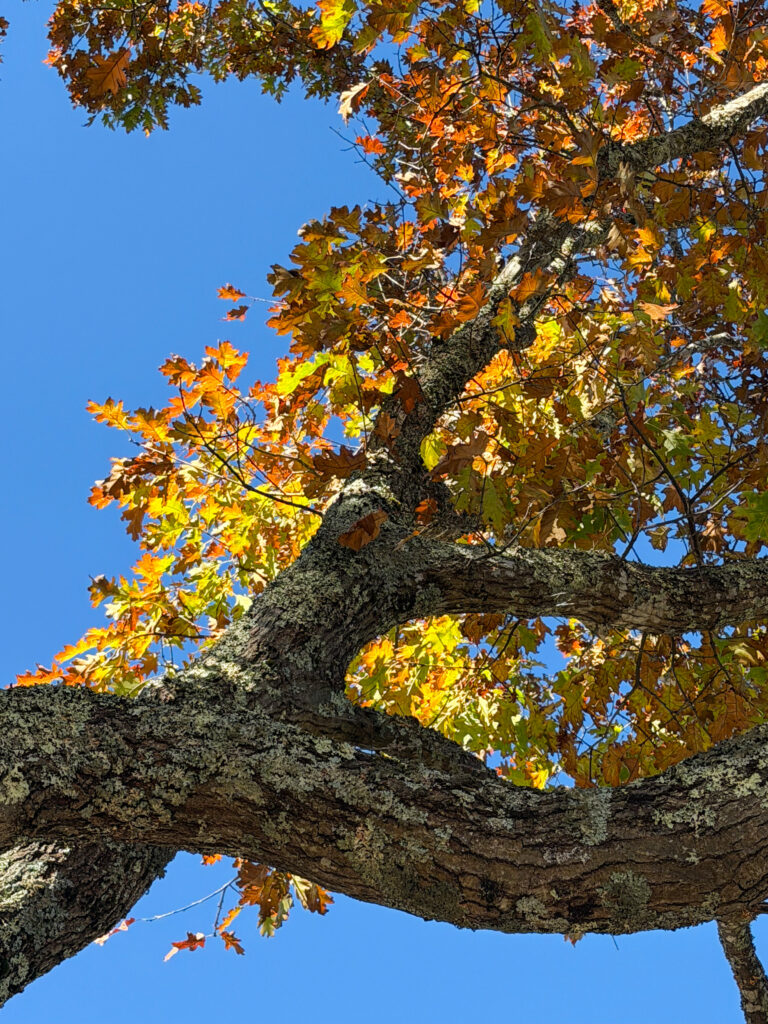
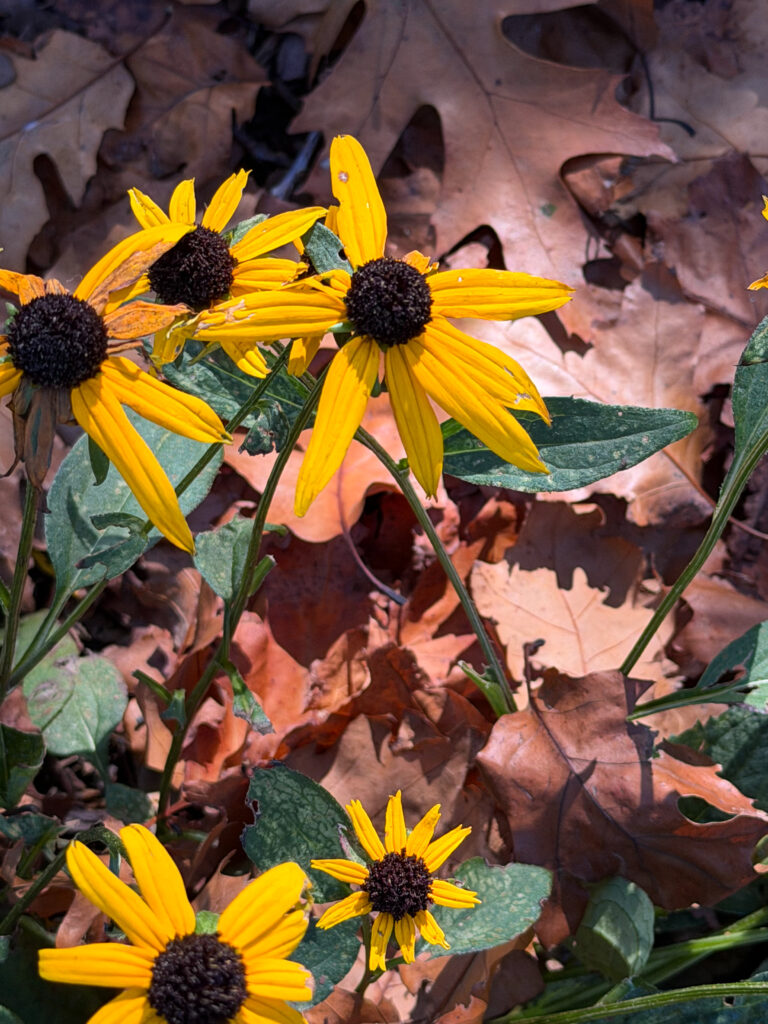
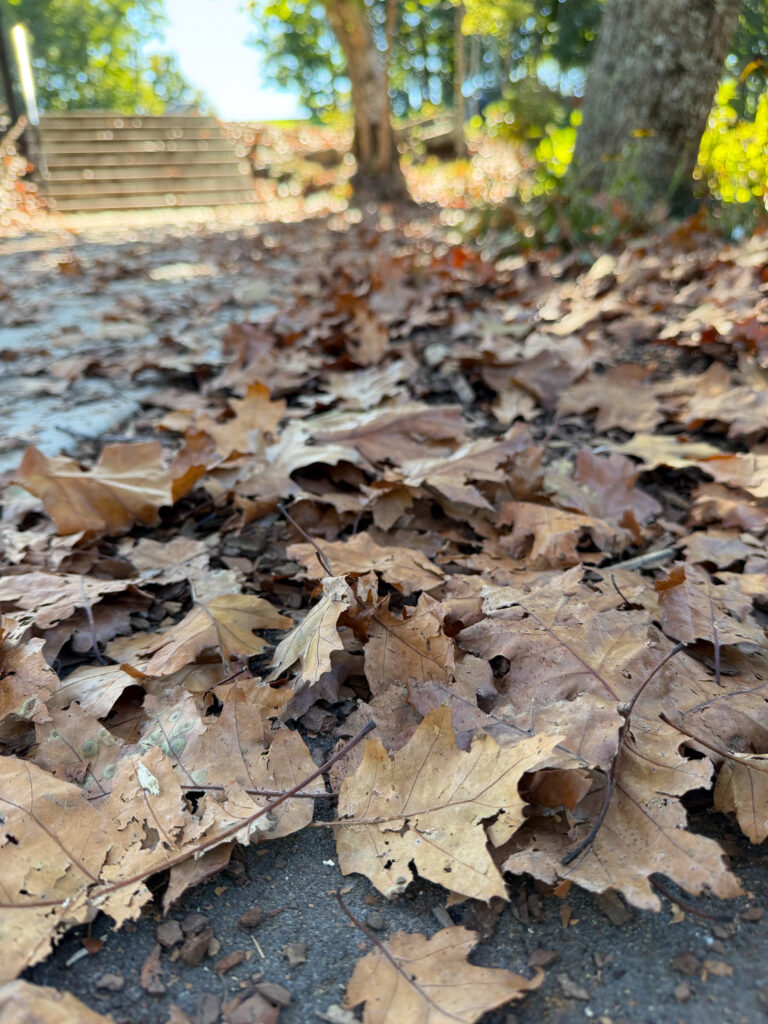
I collected a few fallen leaves for a future art project with my grandsons, a few acorns that we could plant, and a few photos, then went on my way.
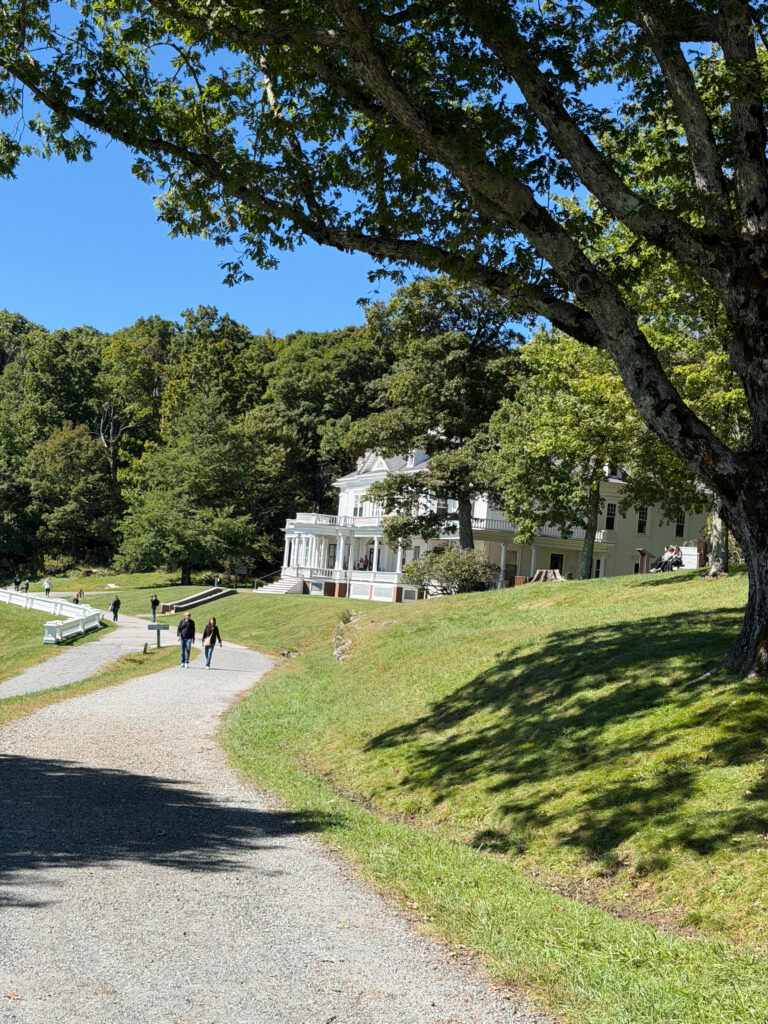
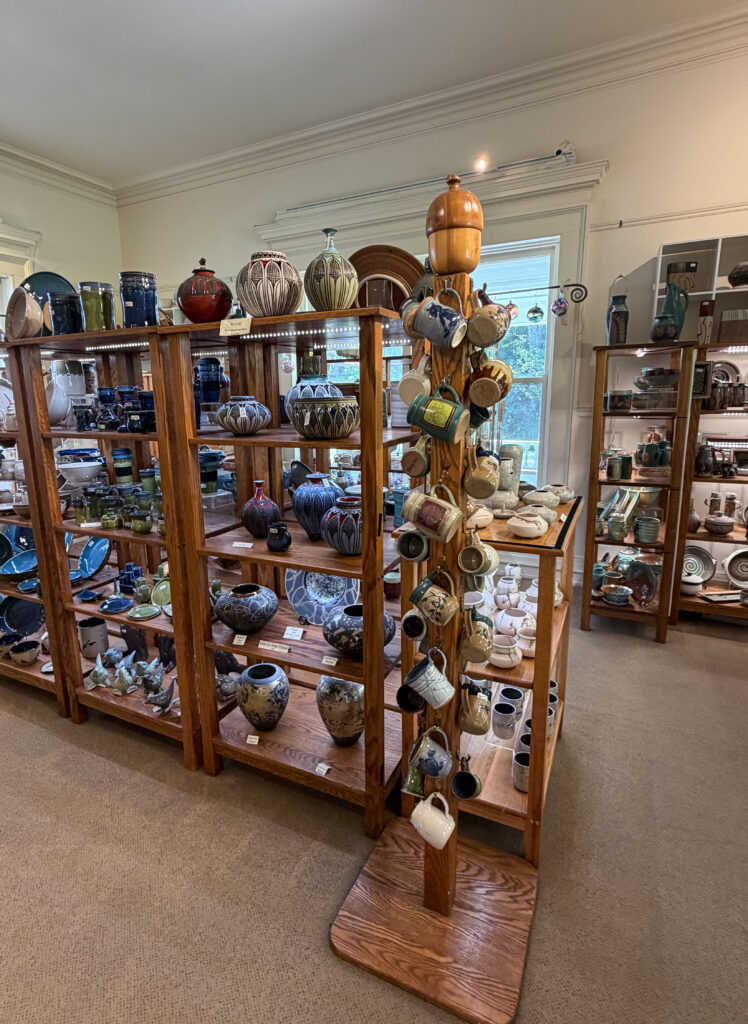
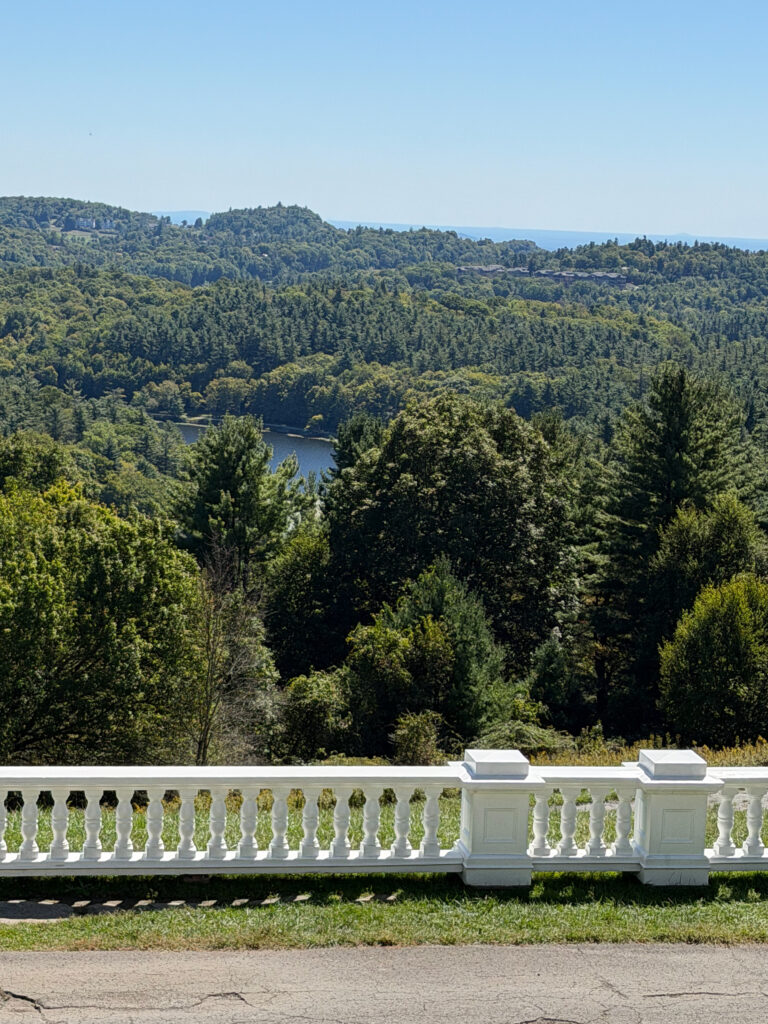
I drove over to Blowing Rock, one of the cutest little mountain towns in North Carolina. My first stop there was the Moses Cone Manor, a beautiful 23-room mansion built in 1901 as a summer retreat for Moses and Bertha Cone. The house sits on what was once their 3,500-acre country estate.
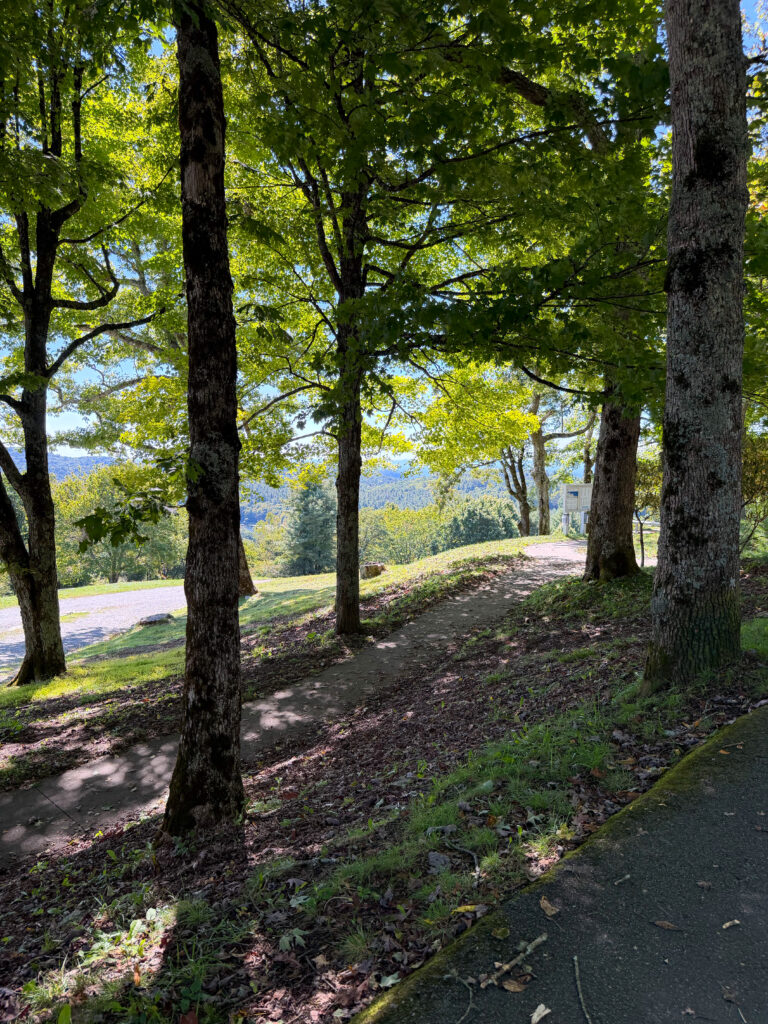
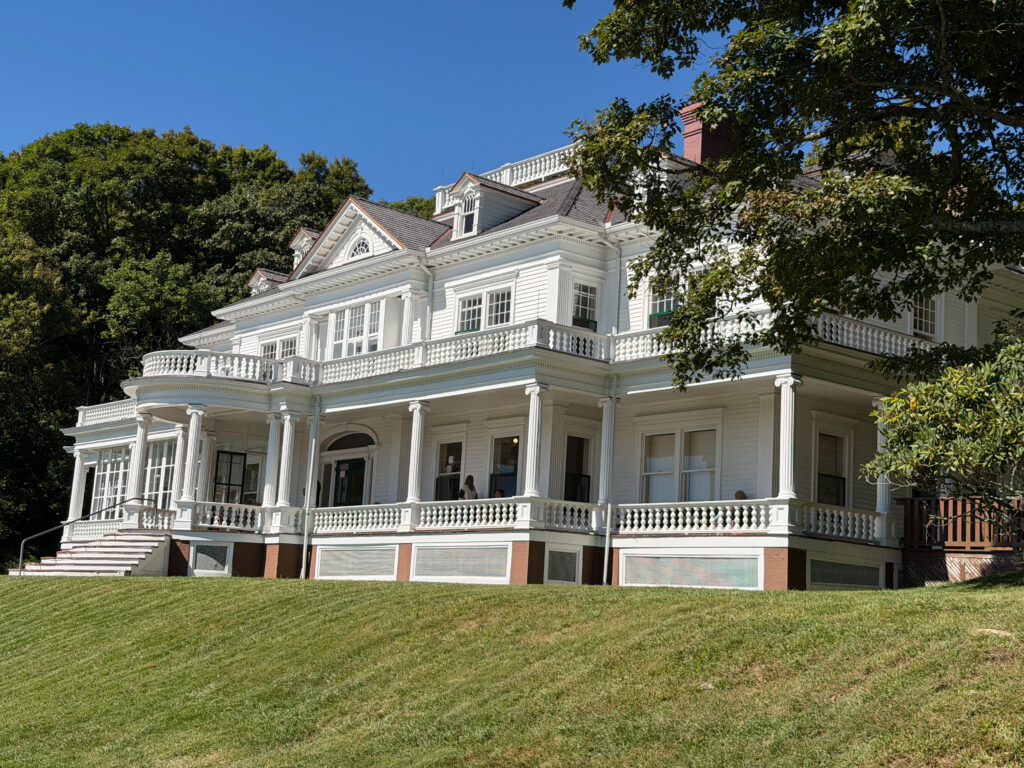
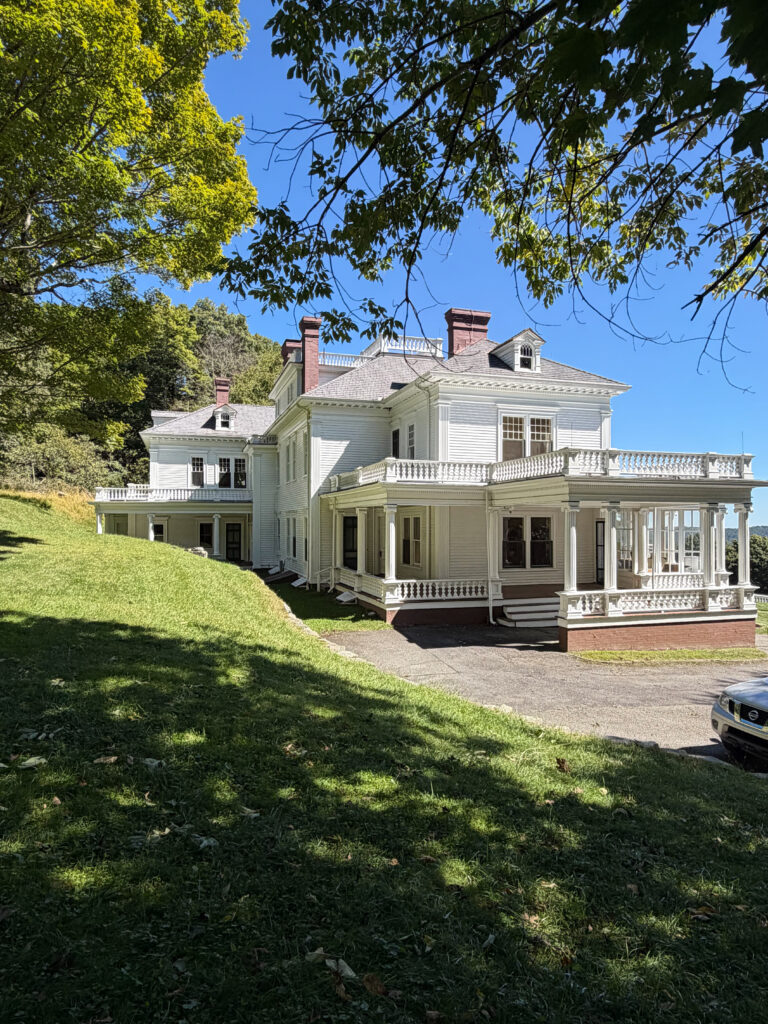
The Cones had quite a vision for this place. They worked with conservationist Gifford Pinchot, who had also worked in forestry at the Biltmore Estate in Asheville, to help shape the landscape. The estate included forests, two lakes, and a huge apple orchard, all carefully planned as part of their country retreat.
I wandered around the grounds for a while, taking in the old trees, the views, and the peacefulness of the place. It felt like another one of those moments when there was really nowhere I needed to be. I could simply wander, look around, and notice what was there.
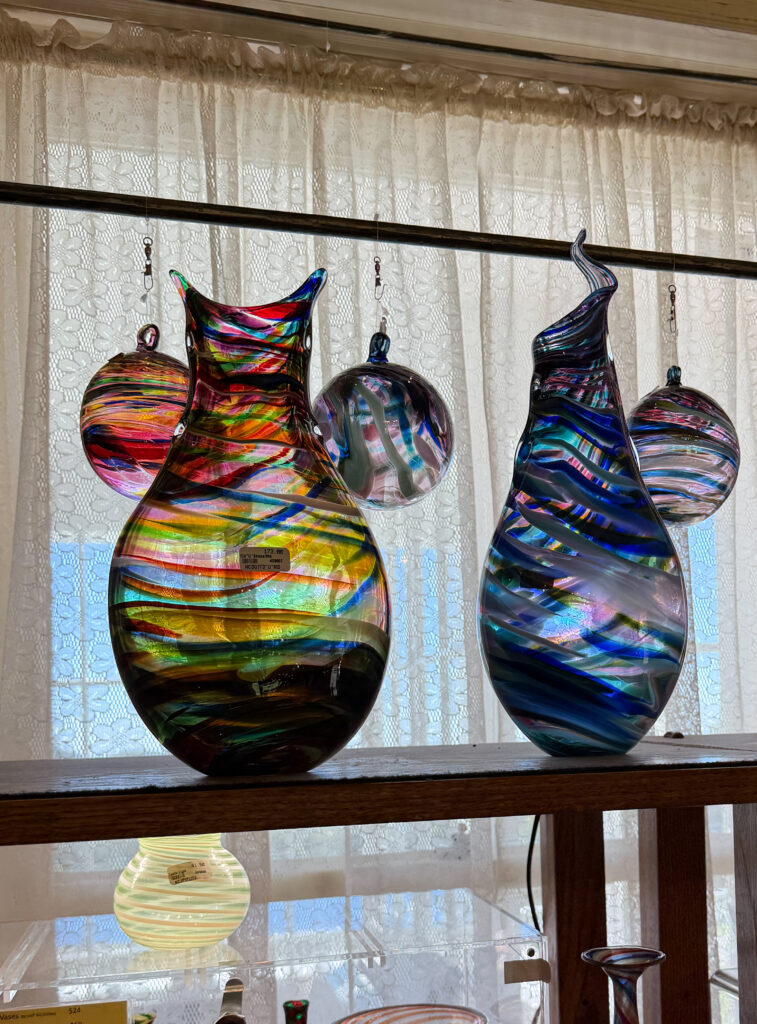
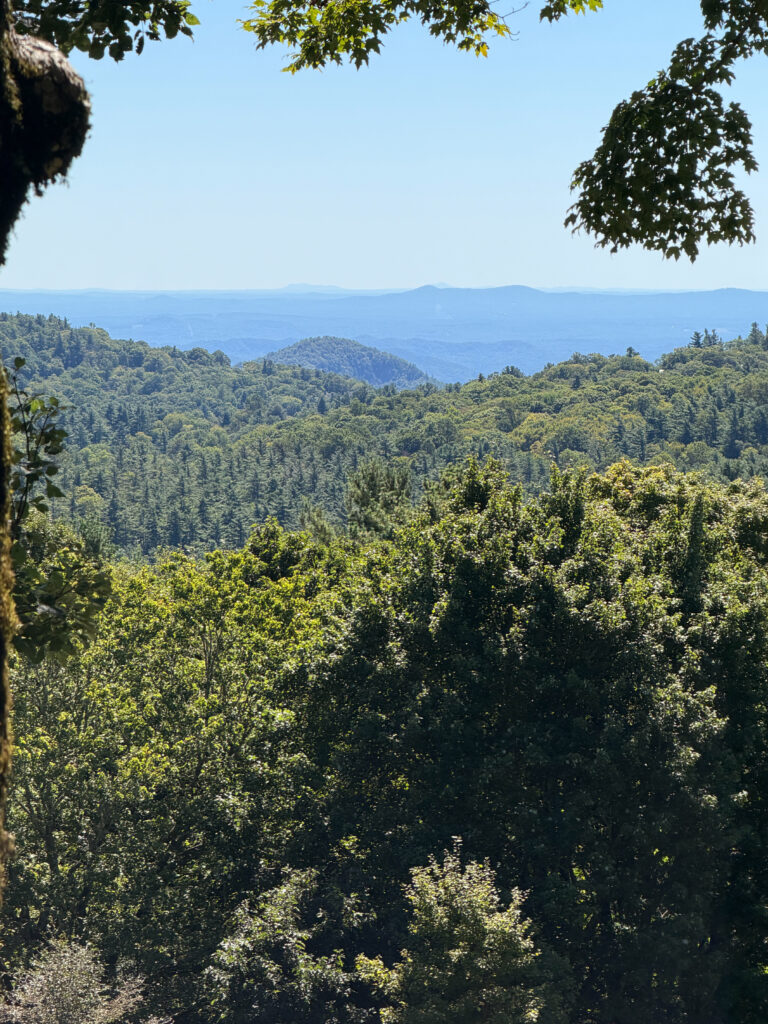
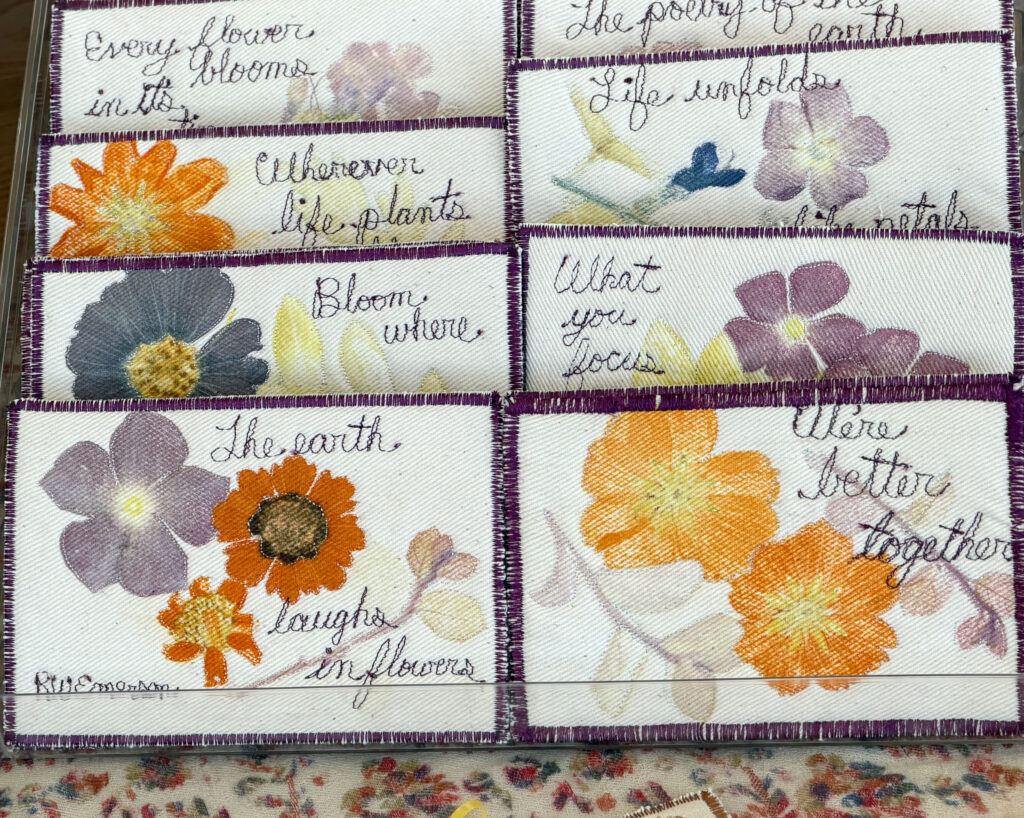
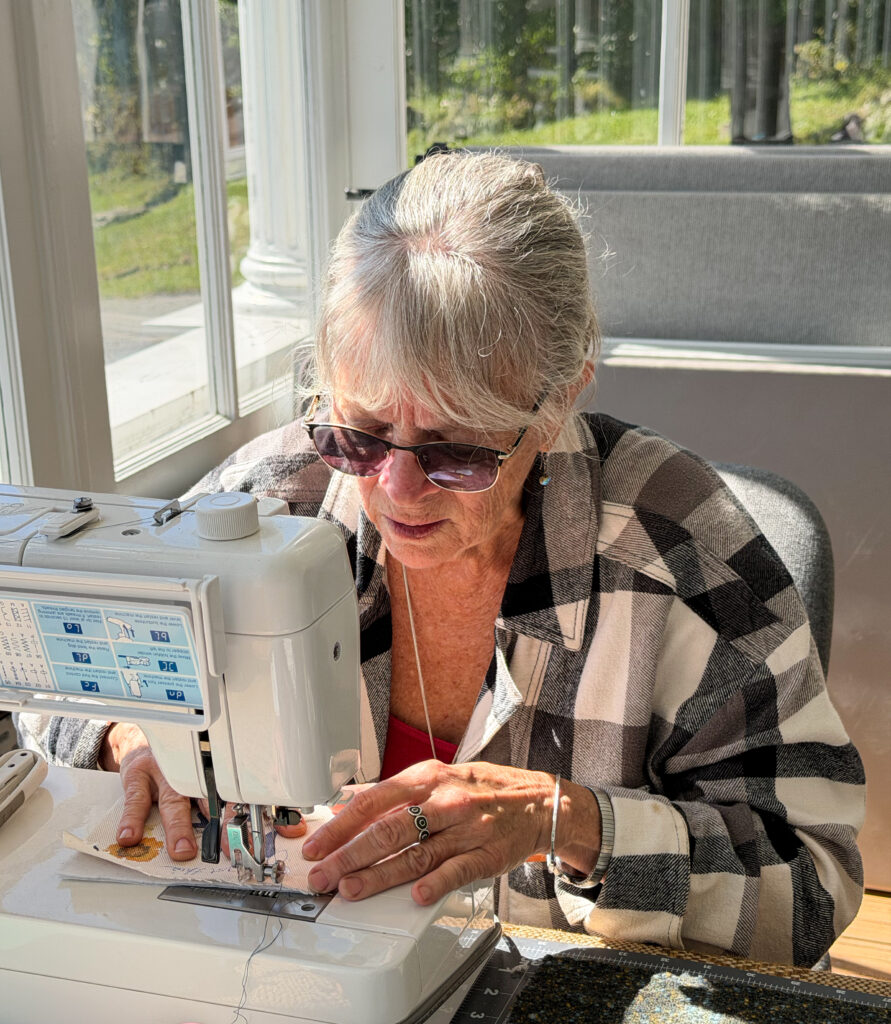
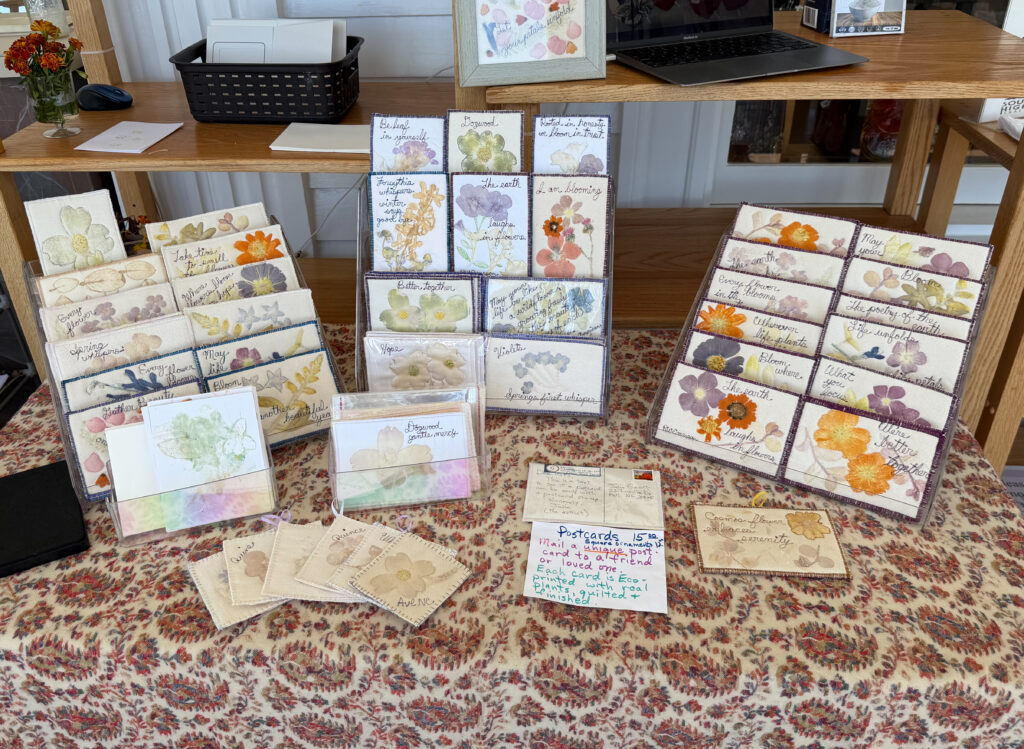
I stopped at an art demonstration that was set up in the sunroom on the porch. The artist was showing eco-printing, which is basically using flowers and leaves to print their color and shape onto fabric. Then she adds affirmations or other beautiful words using a free-motion sewing machine to stitch her own cursive writing onto the designs. She also quilts around the flower shapes and the edges of the fabric. I was really impressed with the process, and her work was beautiful.
We chatted while she worked and discovered that we had a lot in common. We had both read The Artist’s Way and were both interested in solo travel. We exchanged phone numbers and decided to meet up for lunch someday.
As I drove away, I realized how much I’ve changed. I really do enjoy meeting new people now.
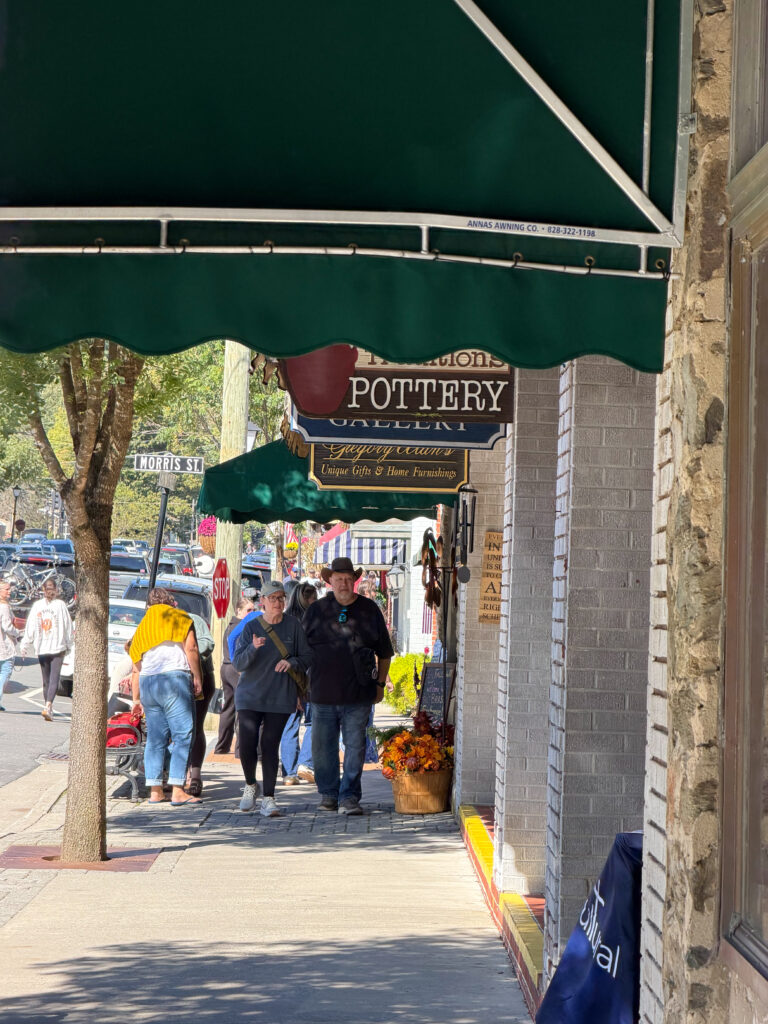
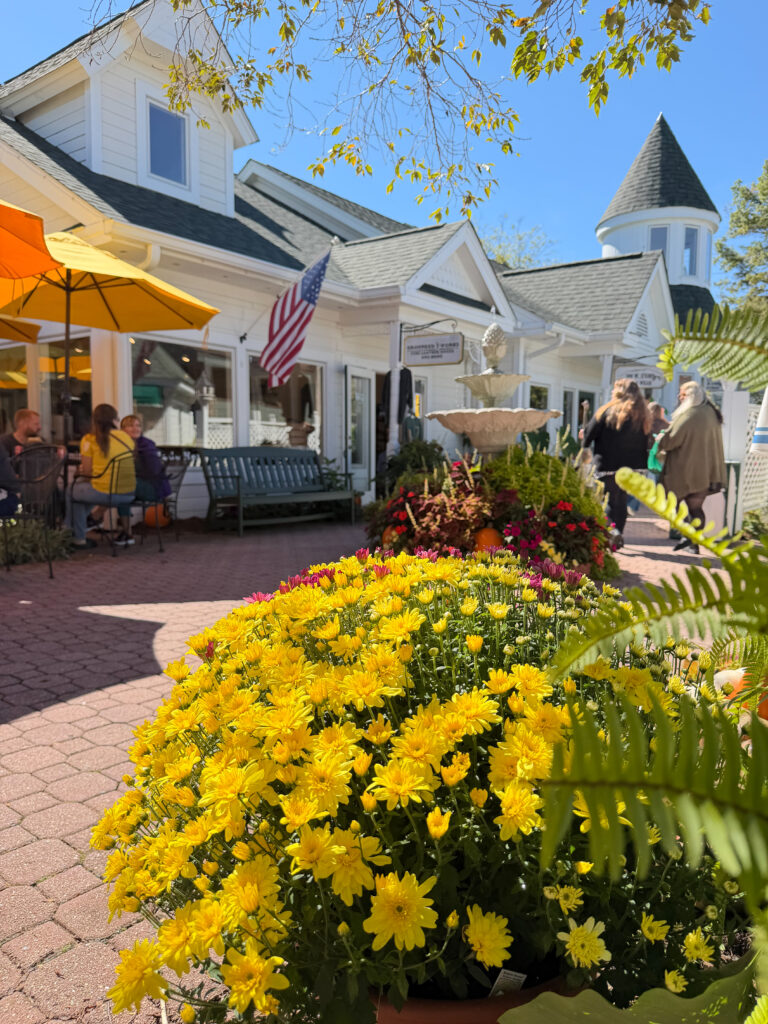
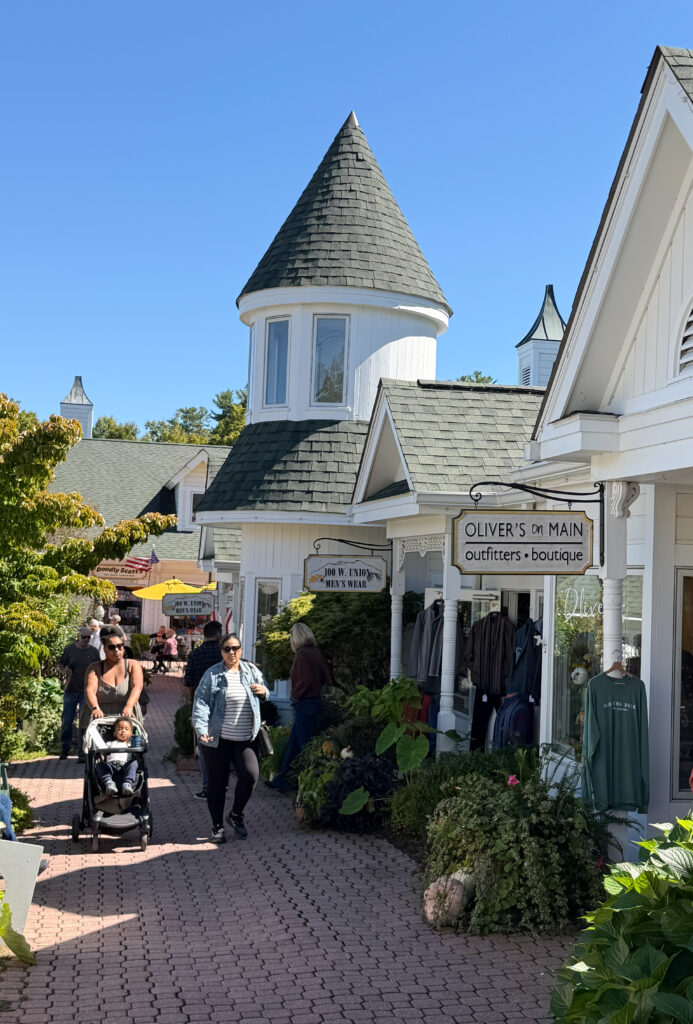
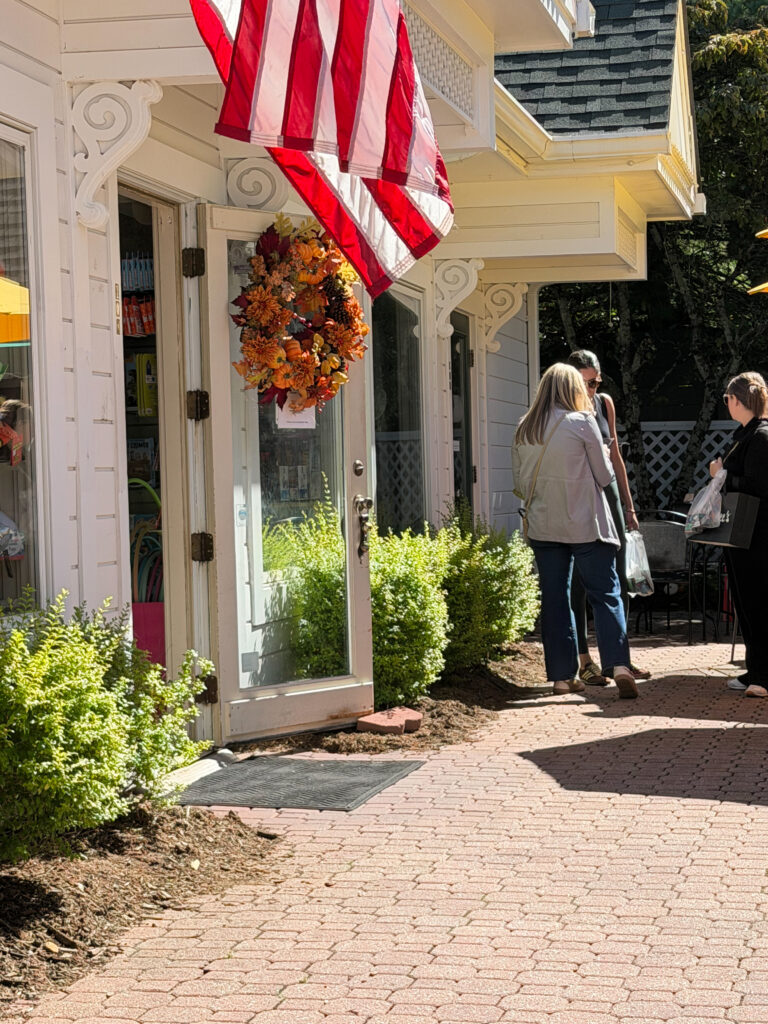
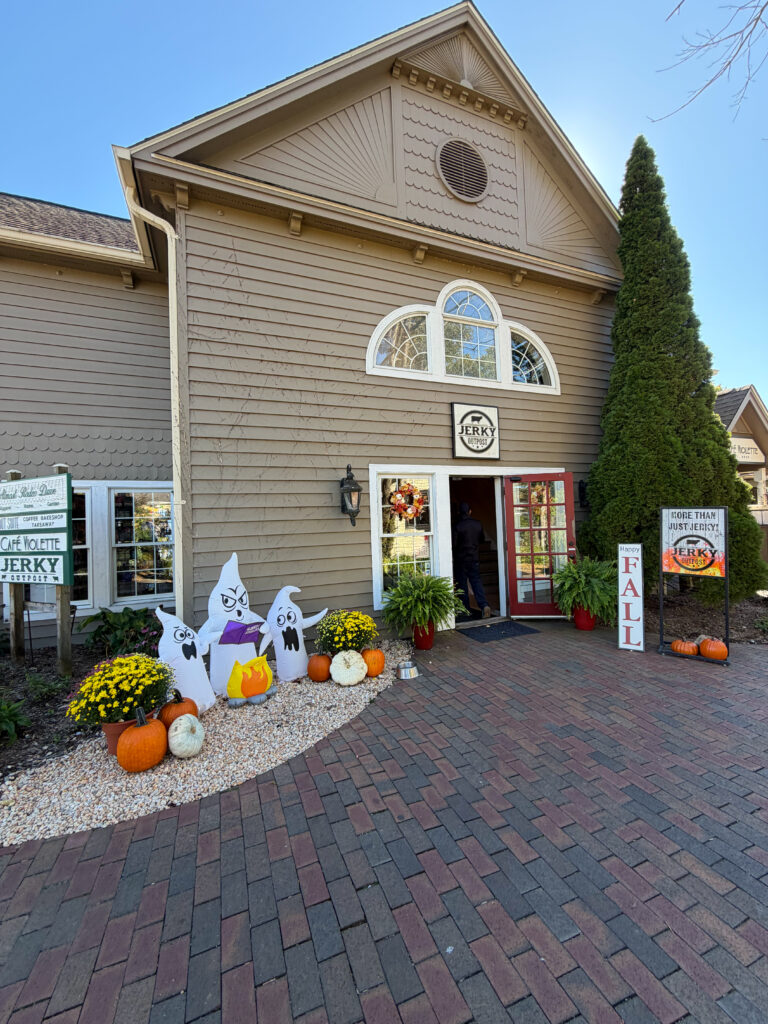
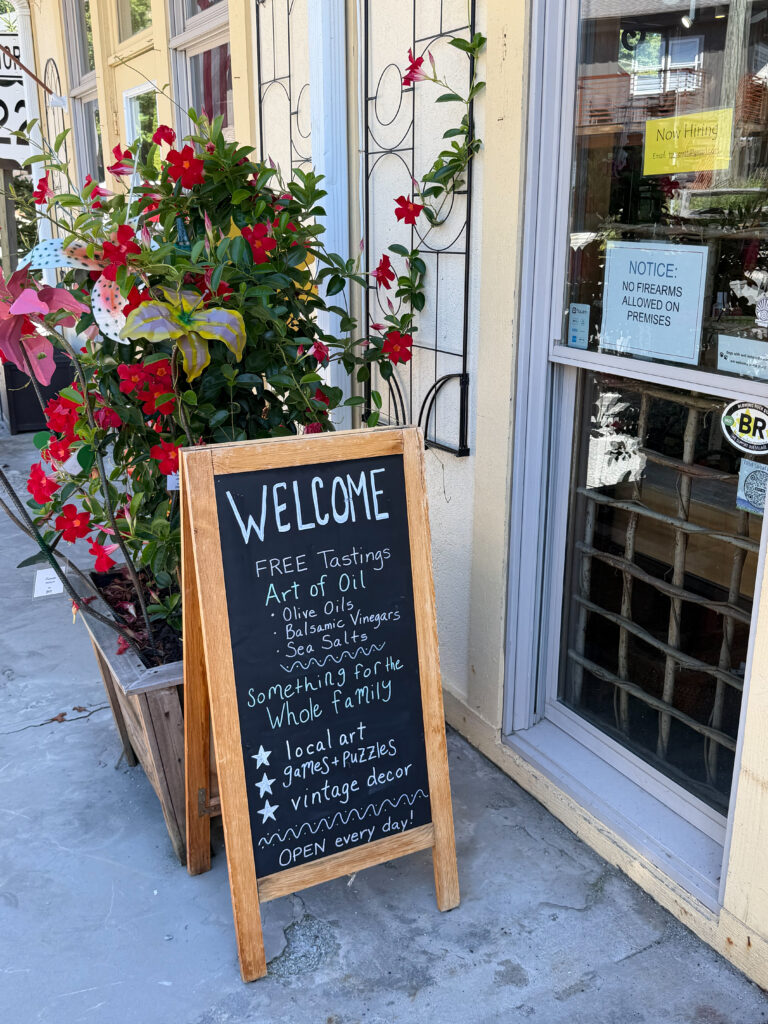
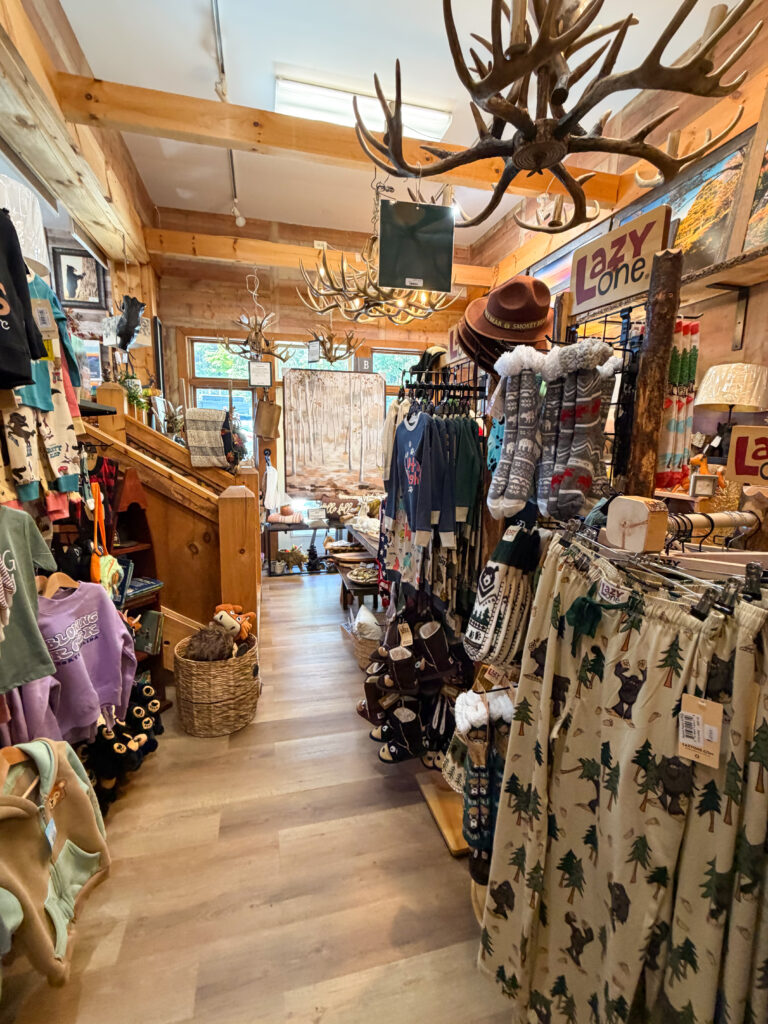
I drove on into Blowing Rock and somehow found a great parking space right on the main street in a free parking zone. What luck, because the town was packed. I had a delicious sandwich at a little gourmet sandwich shop with outdoor seating, then wandered through some of my favorite shops. They were full of mountain-lodge things that I was very tempted by. I browsed, contemplated, and walked away without buying anything.
Except for a book.
I met a young man who had written his first book. I liked his message, so I bought his book to support his efforts.

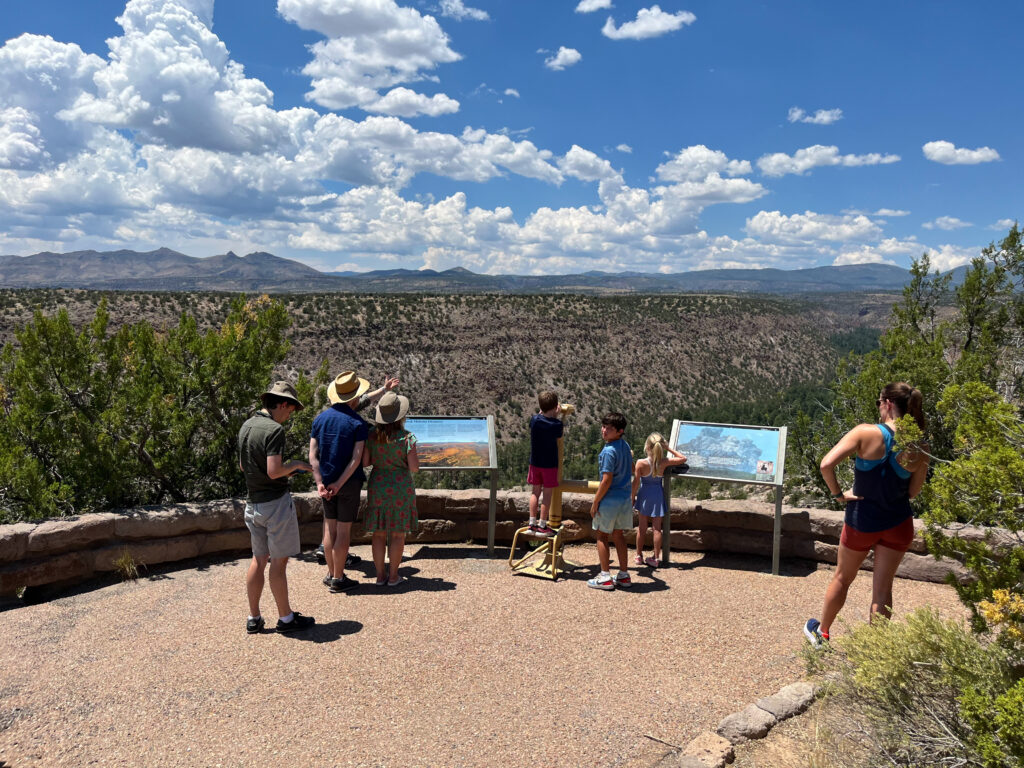
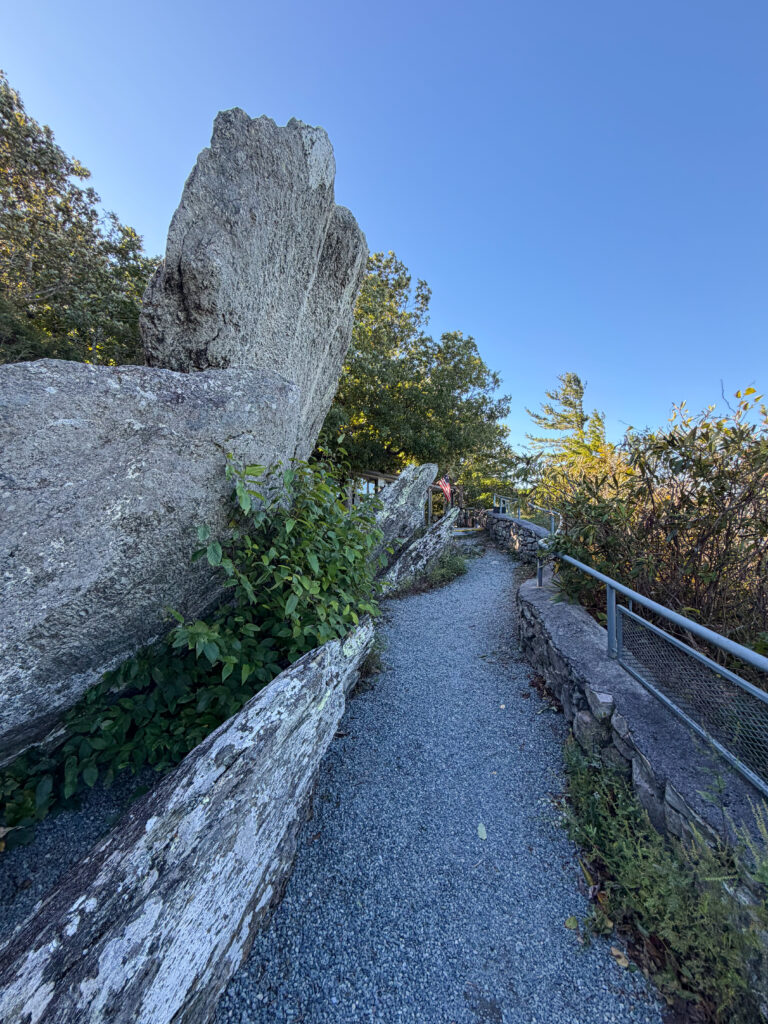
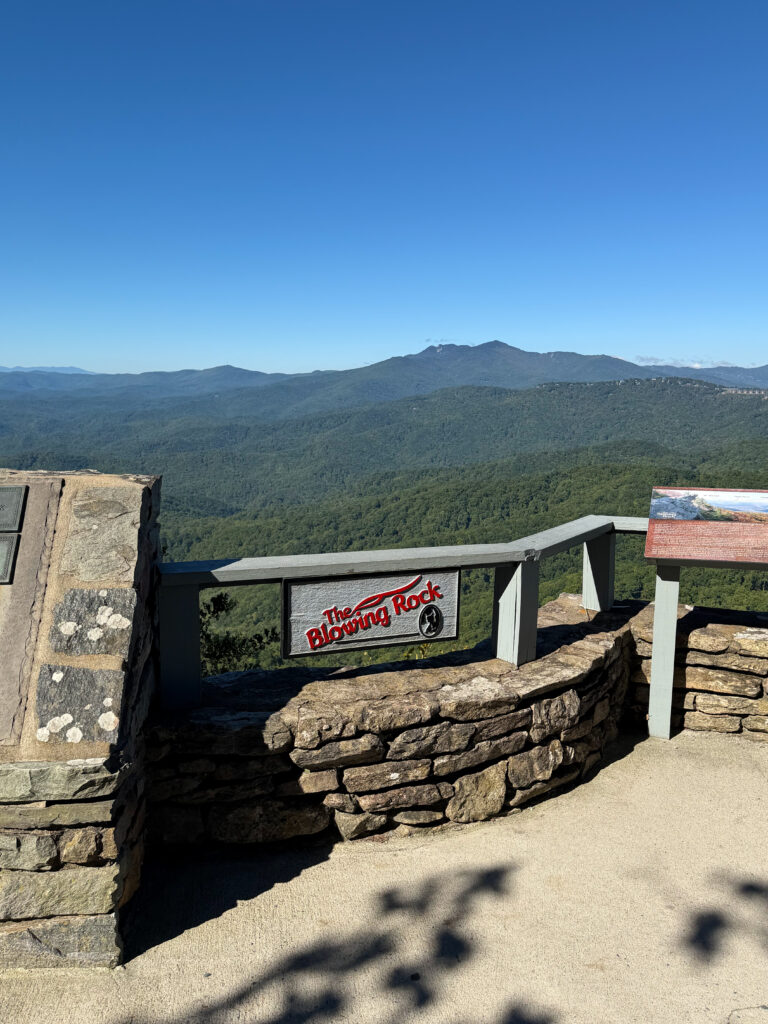
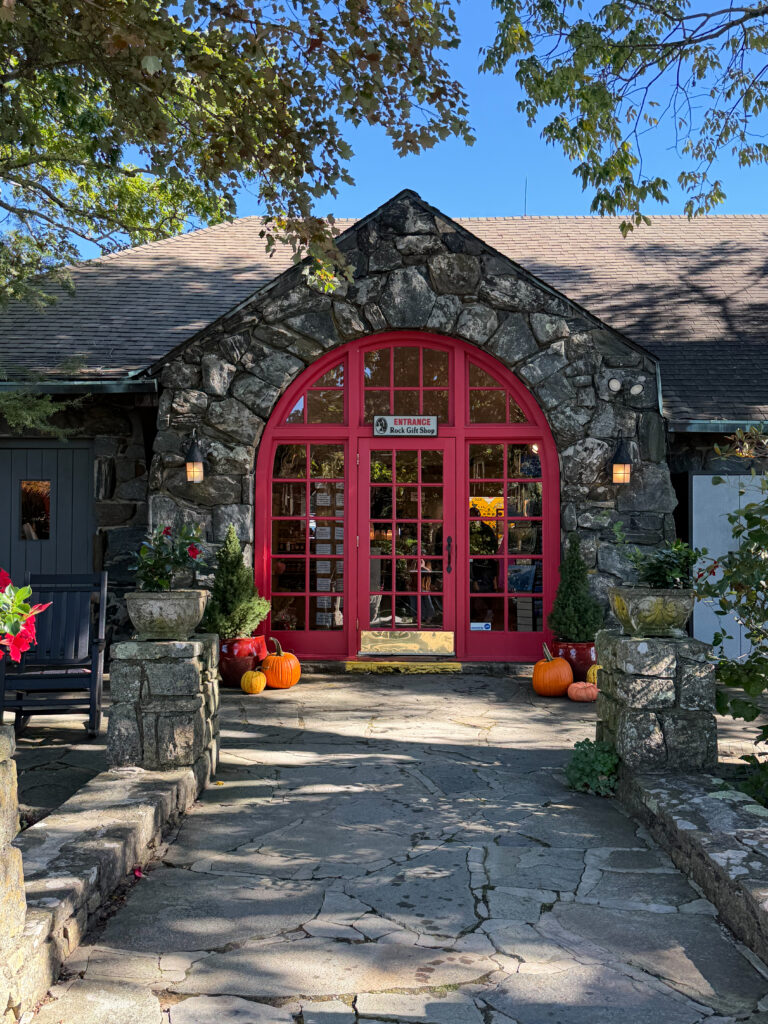
On my second morning, I drove over to the Blowing Rock. The actual rock is surprisingly just outside the park welcome center door. From the photos I had seen, I pictured it being out in the wilderness with a hiking trail to get to it. Instead, I walked out the door and there it was.
The Blowing Rock is a cliff that juts out from the Blue Ridge crest about 4,000 feet above sea level, with the Johns River Gorge nearly 3,000 feet below. But it’s the legend behind the rock that makes it especially interesting.
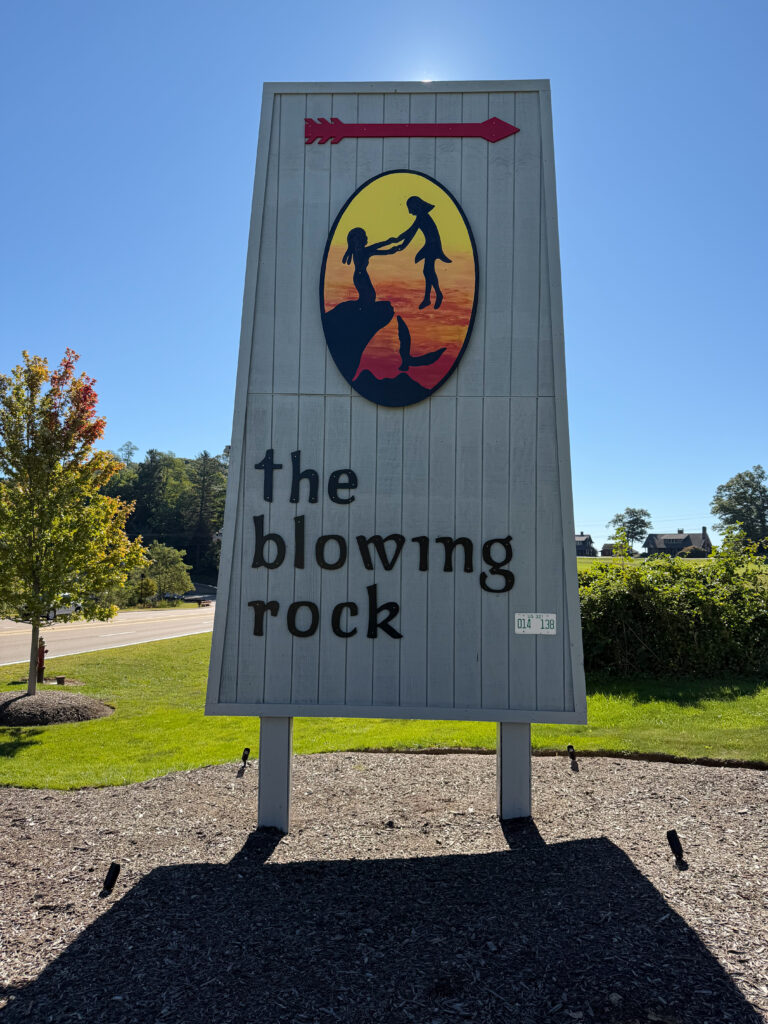
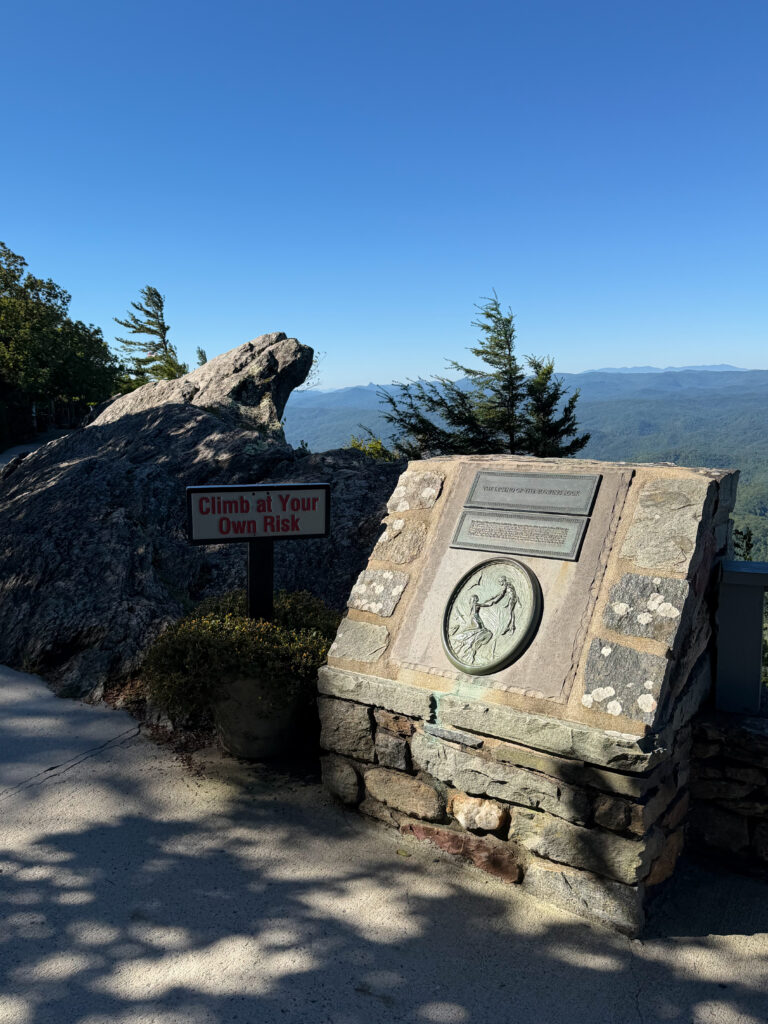
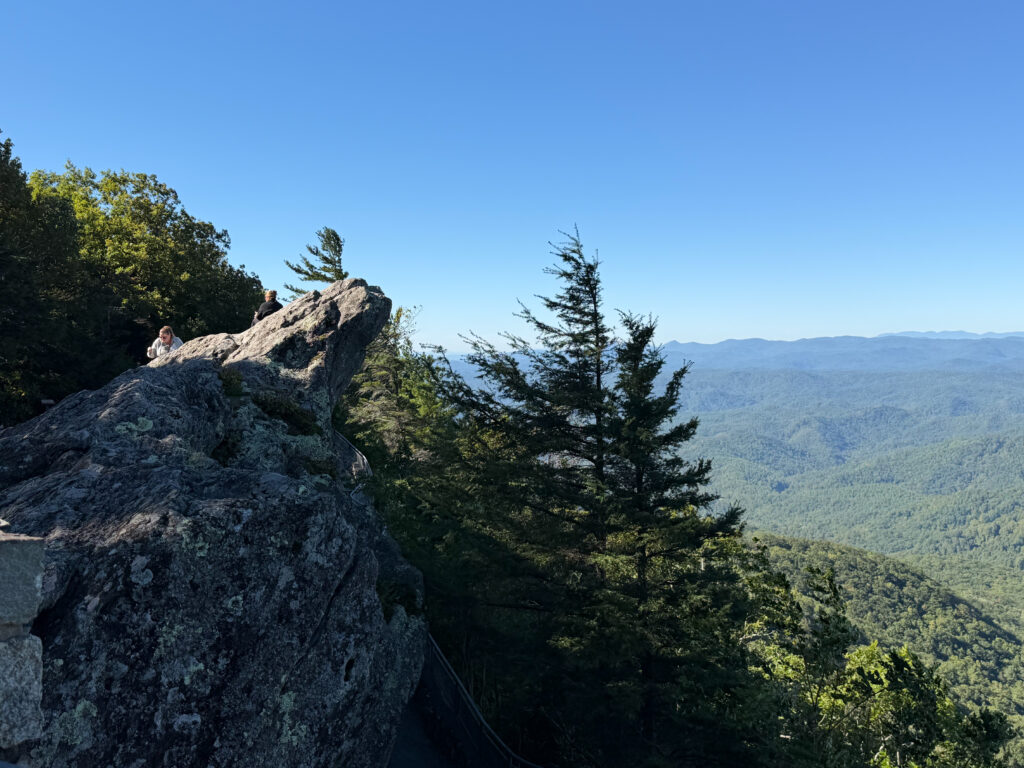
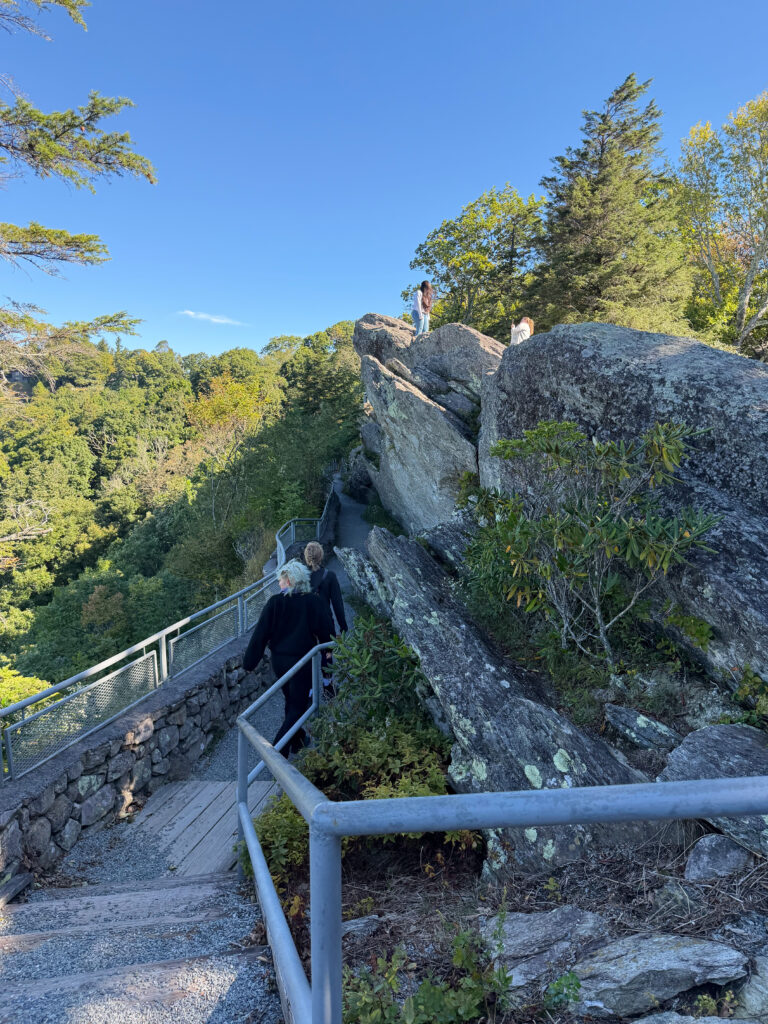
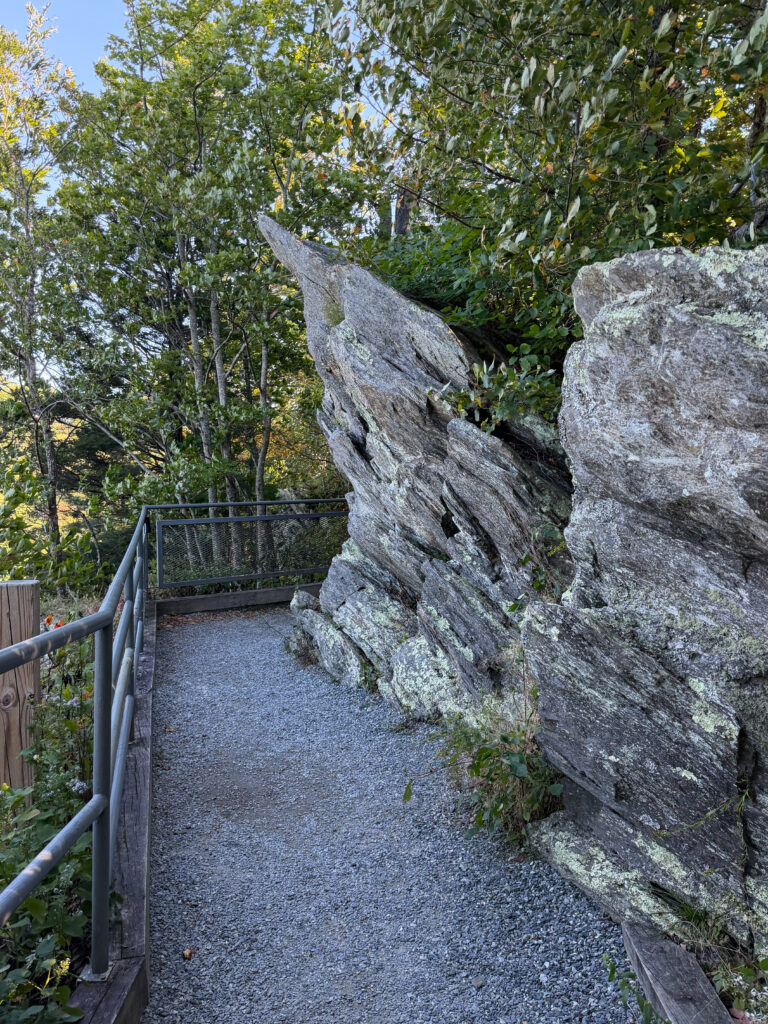
According to the legend, a young Chickasaw maiden fell in love with a Cherokee brave. When he was forced to return to his tribe, he leapt from the cliff, and the heartbroken maiden prayed to the Great Spirit to bring him back. A powerful gust of wind rose from the gorge and carried him back to her. The winds that rise up from the gorge are said to be the reason for the rock’s name, and the legend even says they are strong enough to make snow fall upward in the winter.
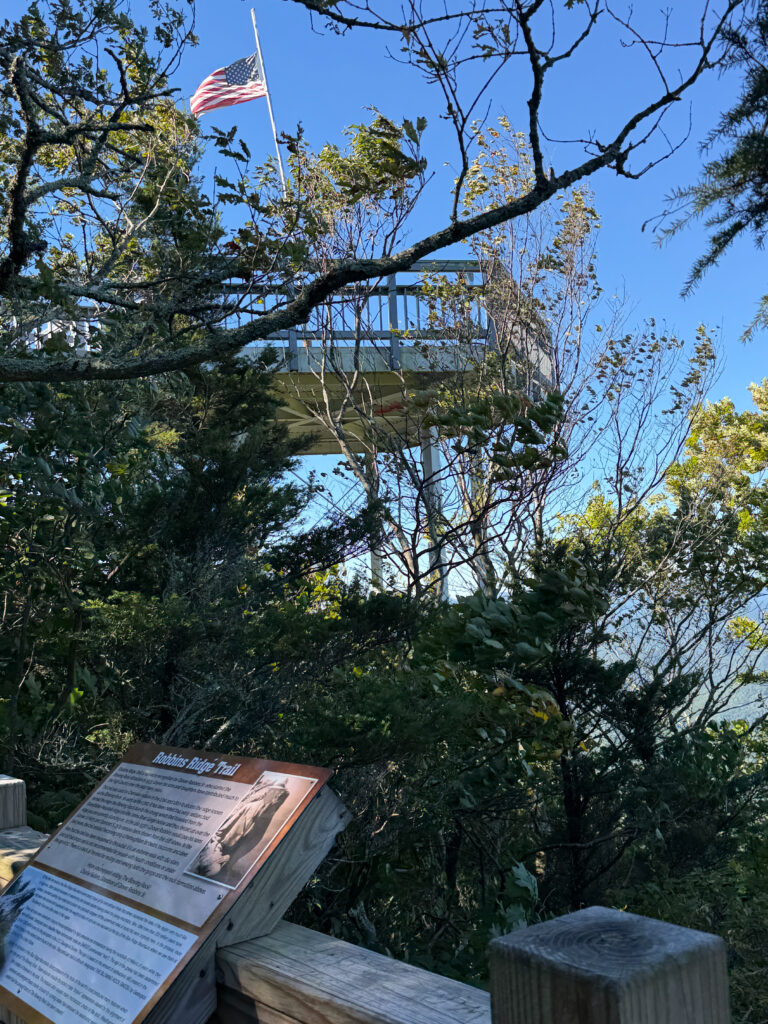
According to the park personnel, that actually happens.
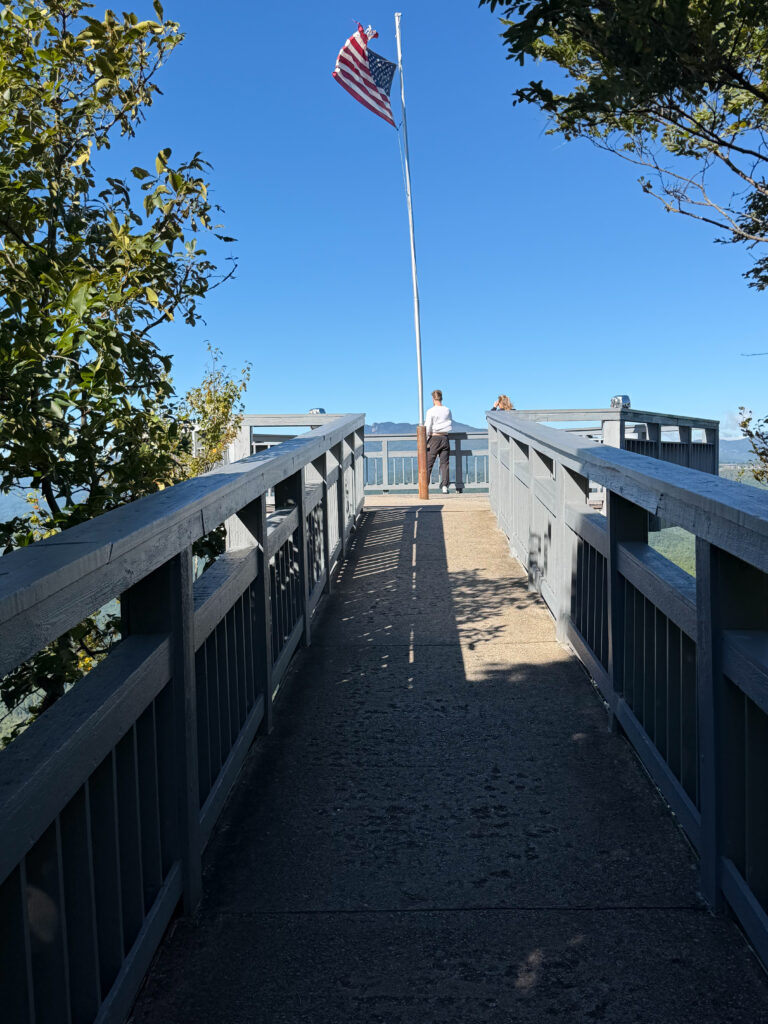
It was so windy that I had to hold my hat in my hand to keep it from blowing away.
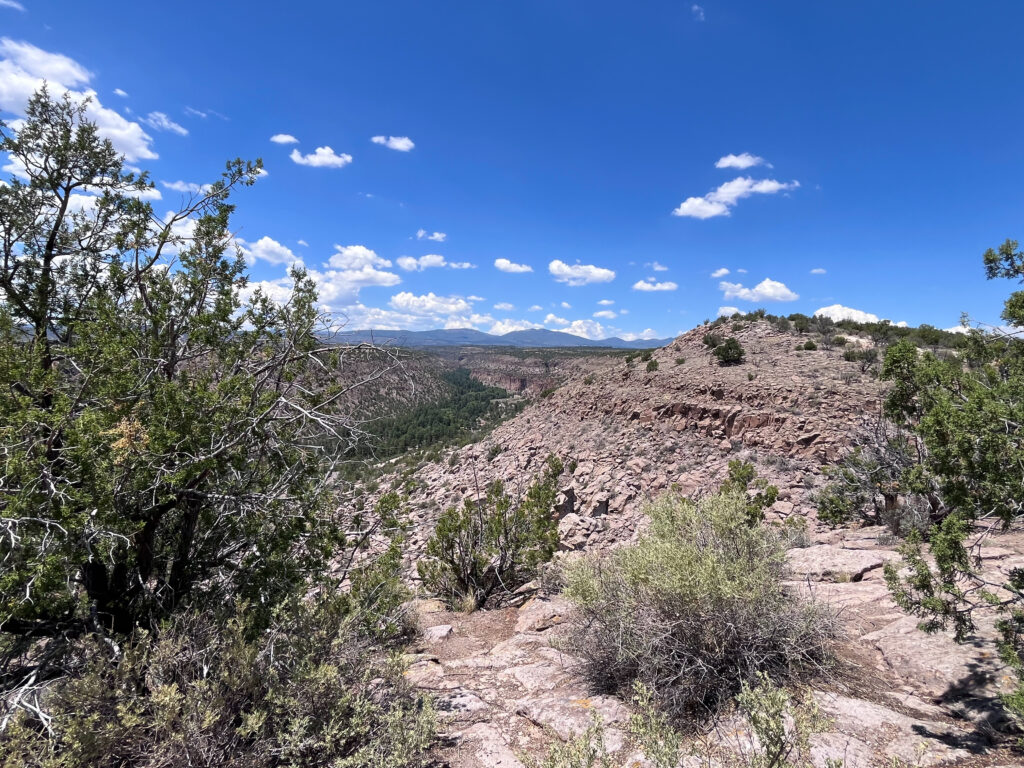
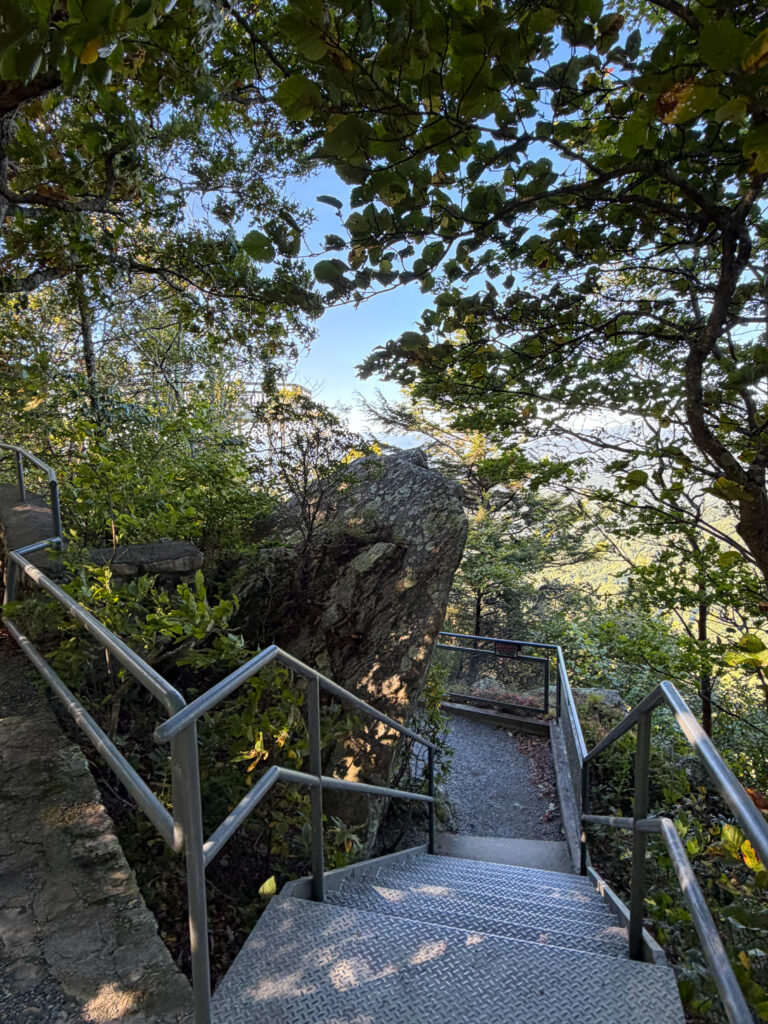
Standing there, I could certainly feel the wind coming up from the gorge, although thankfully there was no snow that morning. I walked around the overlook and took in the views of the mountains and gorge below. From the rock, you can see Grandfather Mountain as well as Hawksbill and Table Rock in Linville Gorge.
I did a little more wandering before I headed back to Fayetteville. What a fun and relaxing weekend!
Looking back, I think what I enjoyed most wasn’t any one particular place. It was having the freedom to wander, follow a recommendation, stop and talk to someone, and see where the day took me. I really do love this way of traveling.