Before my day on the Turquoise Trail even began, I stumbled across one of the most unexpected things I’ve ever found on Route 66—a musical road! For about a quarter of a mile, special rumble strips play America the Beautiful as you drive over them at the speed limit. The first time, I was almost through it before I realized what I was hearing. Since the original signs marking the spot have been removed, I turned around and drove it again. Then I drove it a third time with the windows down, the A/C off, and my tires right on the rumble strips. Perfetto! The first time I ever experienced a musical road was during my years in Japan, so I was delighted to stumble upon one in Albuquerque.
You pick up the Turquoise Trail in Tijeras on the east side of Albuquerque. It’s a scenic byway (NM- 14) that runs from Albuquerque to Santa Fe through the Sandia Mountains. Native Americans mined turquoise here as far back as A.D. 900. Later, settlers also mined the area, giving the trail the name it still carries today.
I had barely started my drive when I saw the top of an old church with a small white cross against the blue sky. I just had to stop and take a look. Three people sat at a picnic table in front of the church having a snack. It turned out that they had spent the morning working on upkeep on the cemetery. I’m sure it was already close to 90 degrees, but they didn’t seem to mind the heat. They told me a little about the church, about the best place to eat along the Turquoise Trail, and about some other old churches along the way.
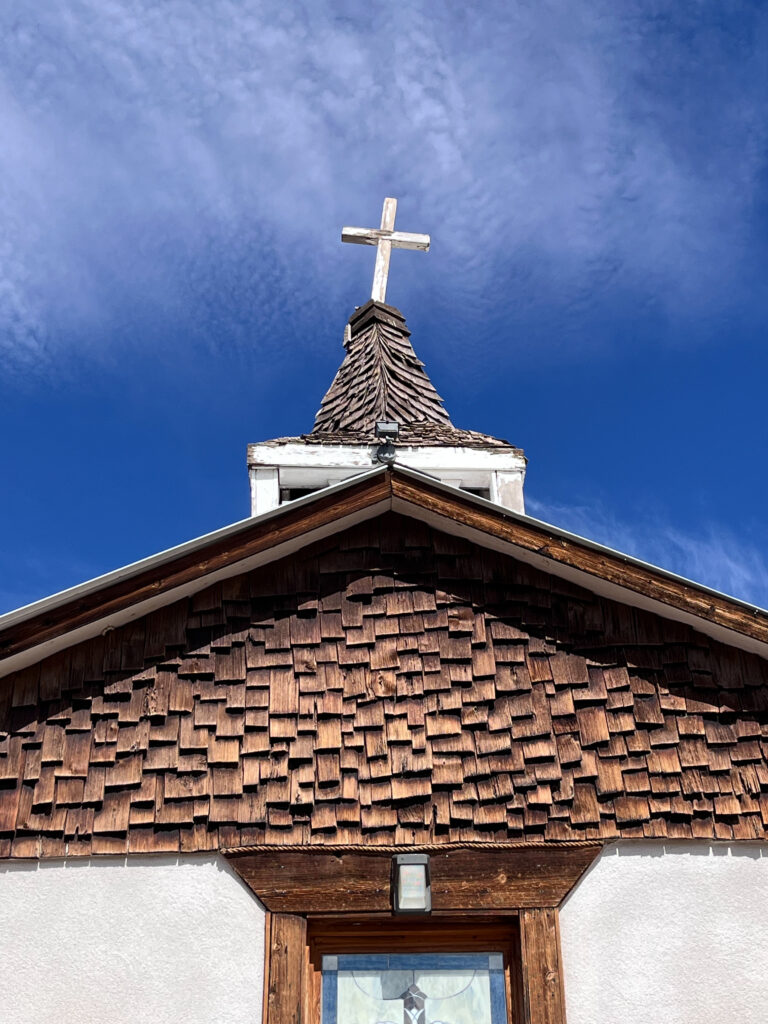
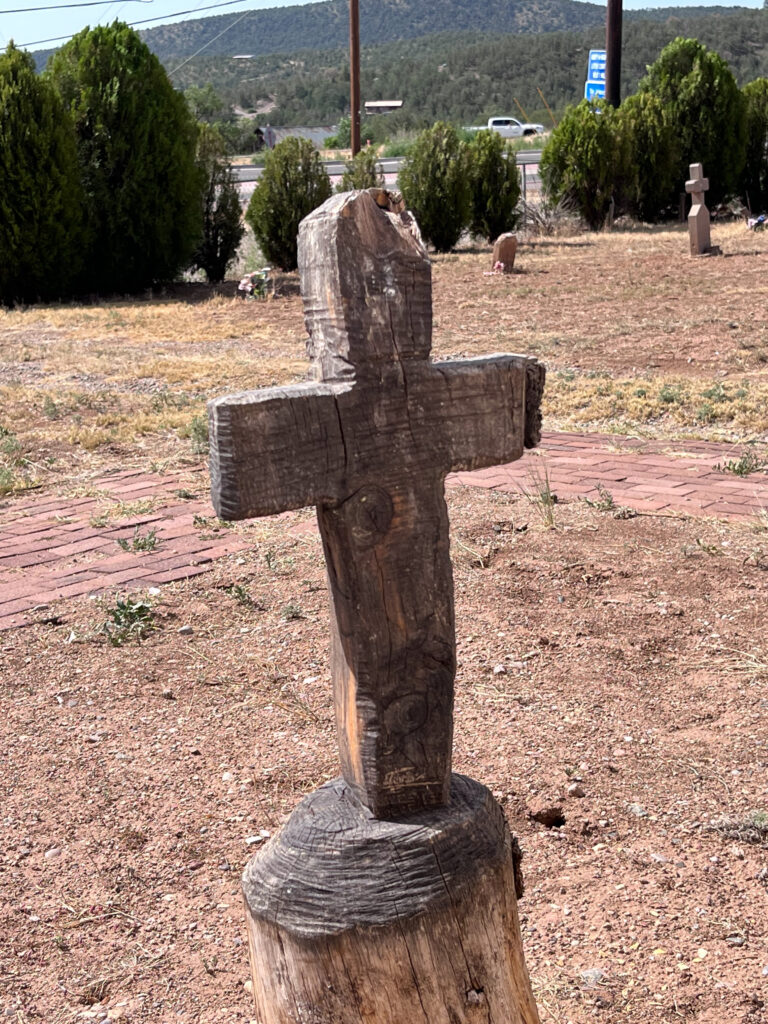
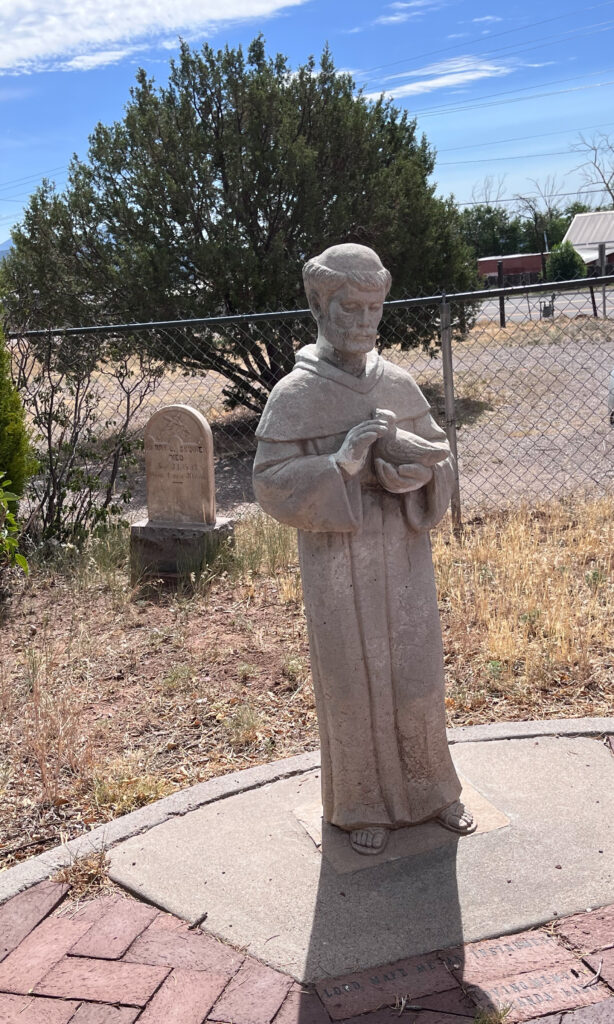
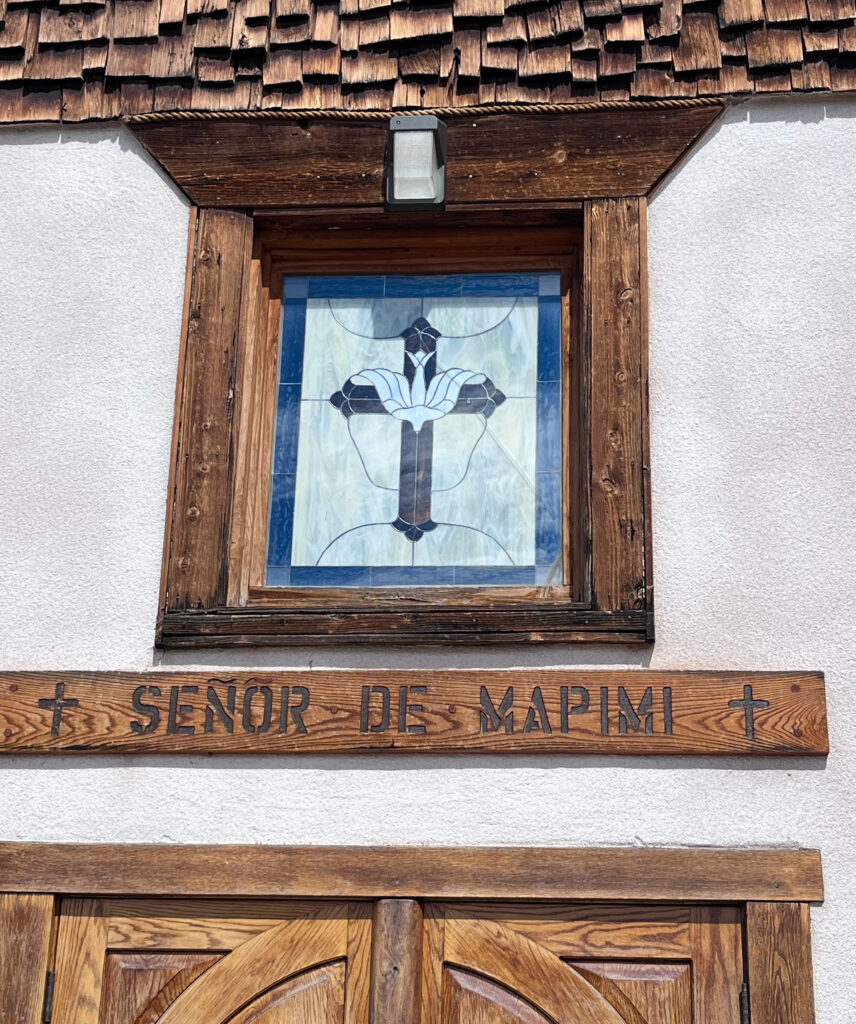
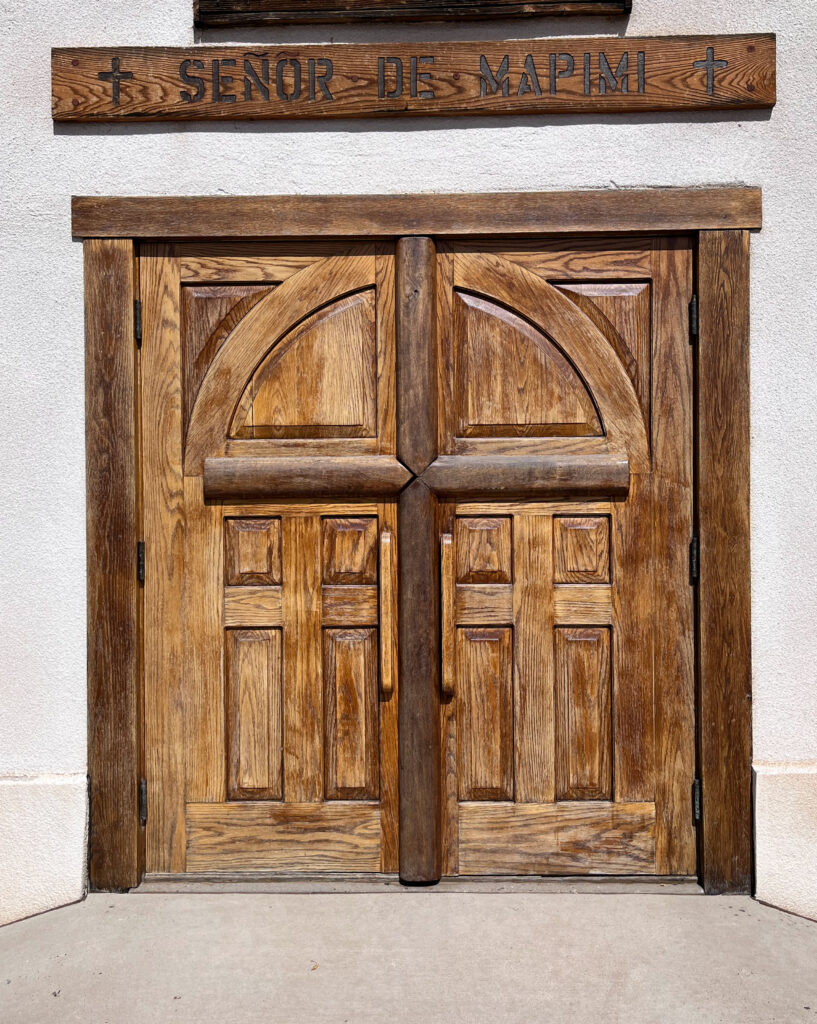
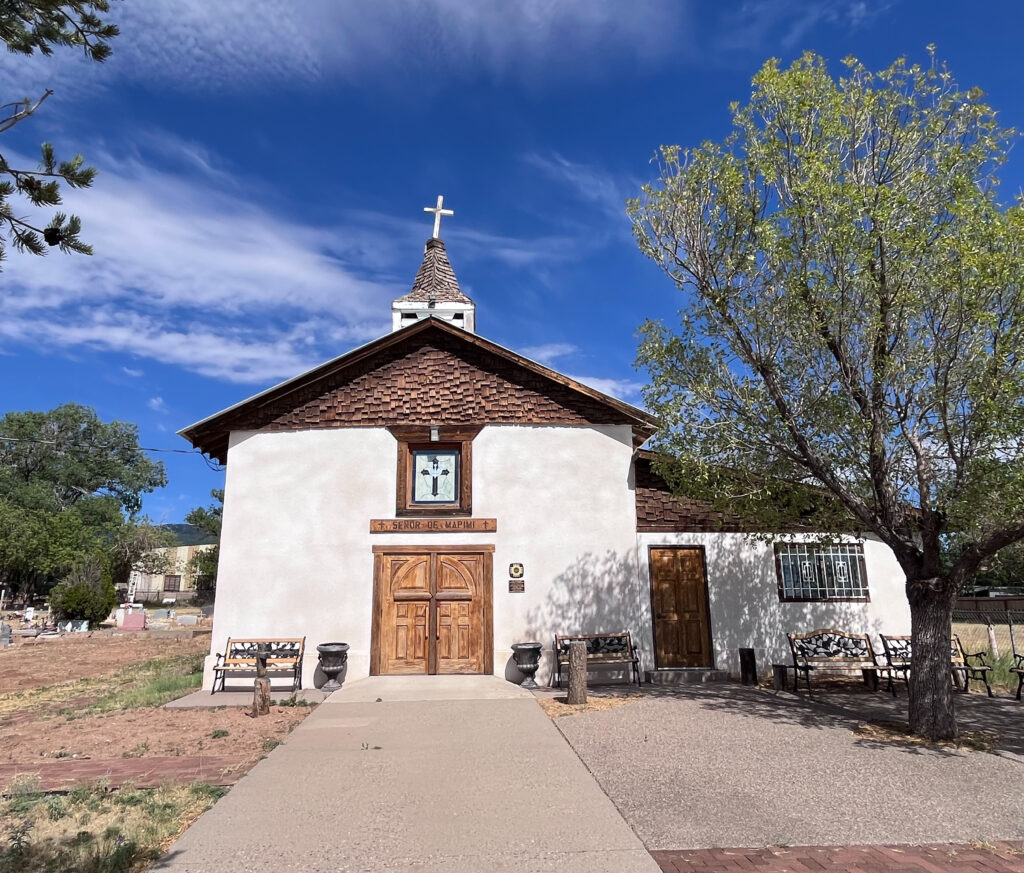
The San Antonio Mission Church, also known as Nuestro Señor de Mapimí Church, was built in 1886. It’s a small adobe church with a single white cross and has changed very little over the years. It wasn’t open, so I could only look at the outside and the grounds, but I was so glad that I stopped. It was just a quick look and a brief conversation with three strangers, but their warmth stayed with me as I continued on my way.
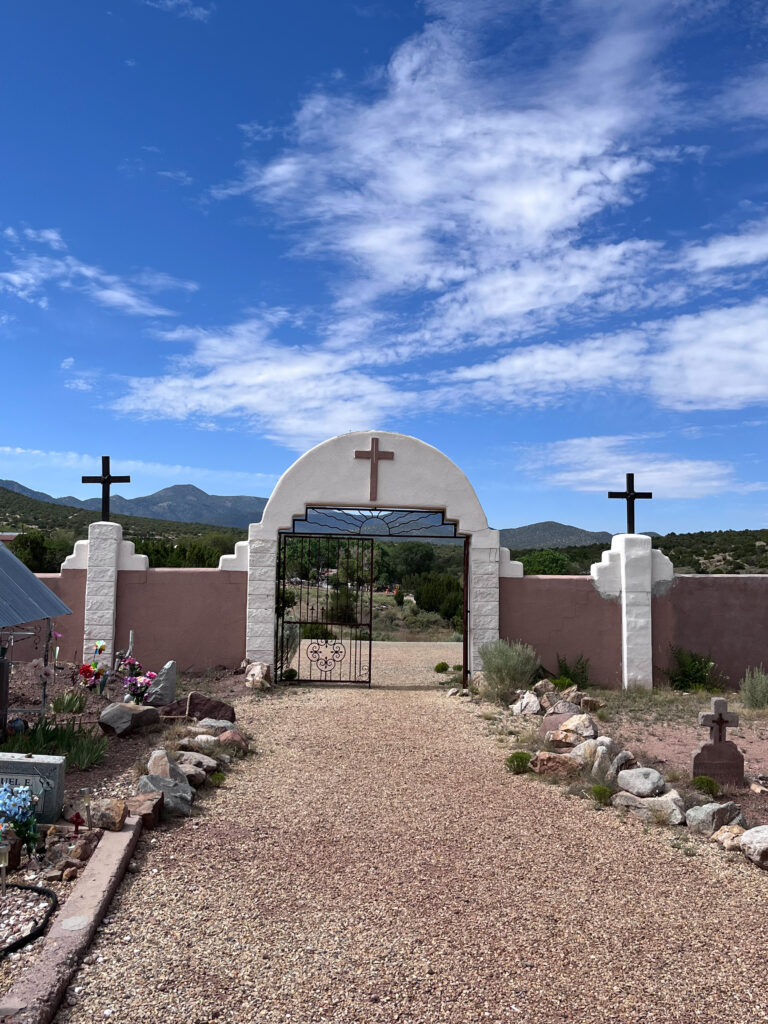
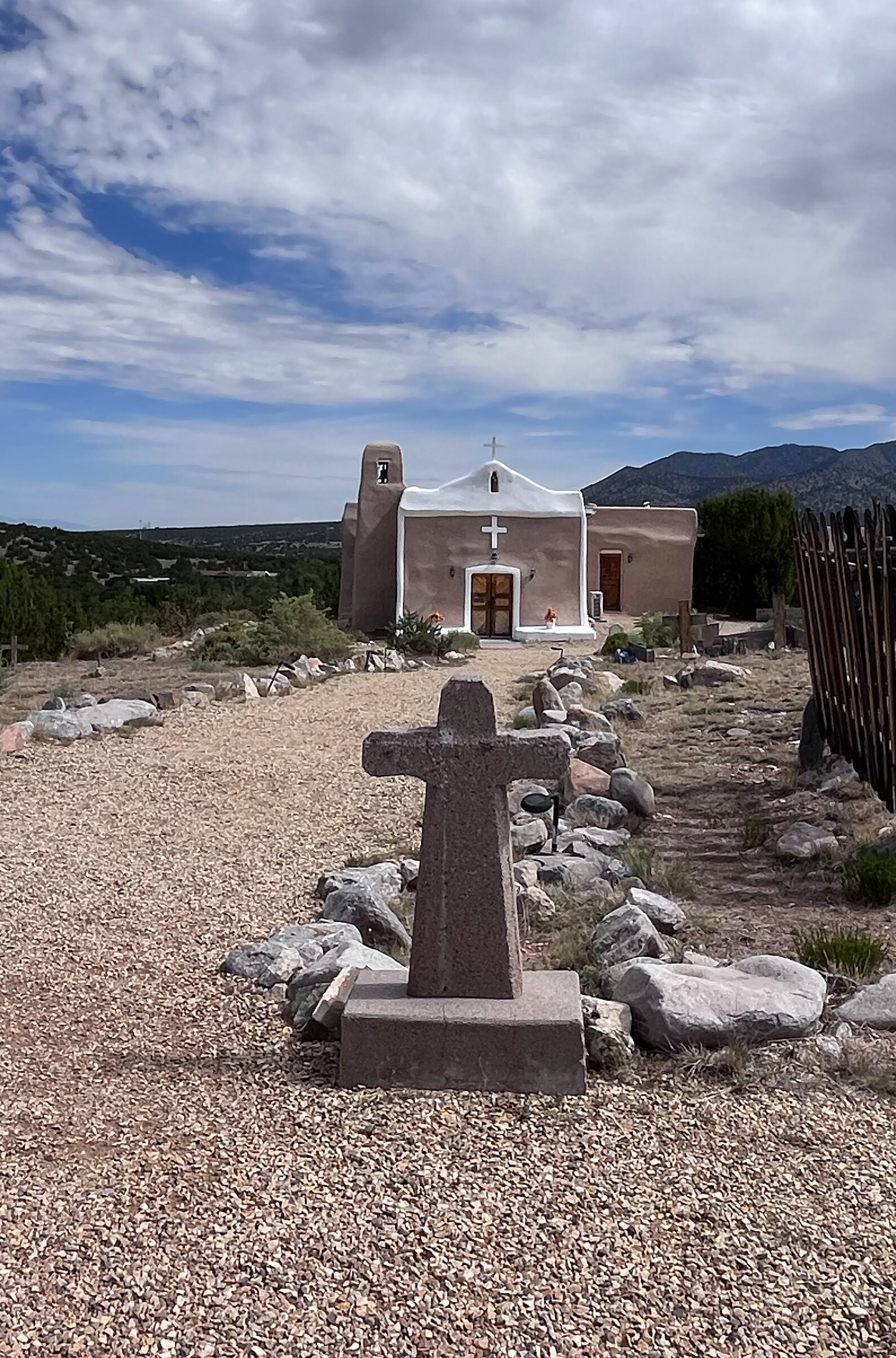
I drove on, following their directions to the next church about ten miles up the road. For this church, I had to wind up a little gravel road to the top of a hill. I would have driven right past it if not for their directions.. San Francisco de Asis Catholic Church was built in the 1830s to serve the miners and families of the first gold rush west of the Mississippi. To reach the church, I walked through a gate and along a path that meandered through a cemetery dotted with weathered wooden crosses. It felt wonderfully secluded. After the gold rush ended, the town gradually became a ghost town, and the church was abandoned before being rebuilt in 1960.
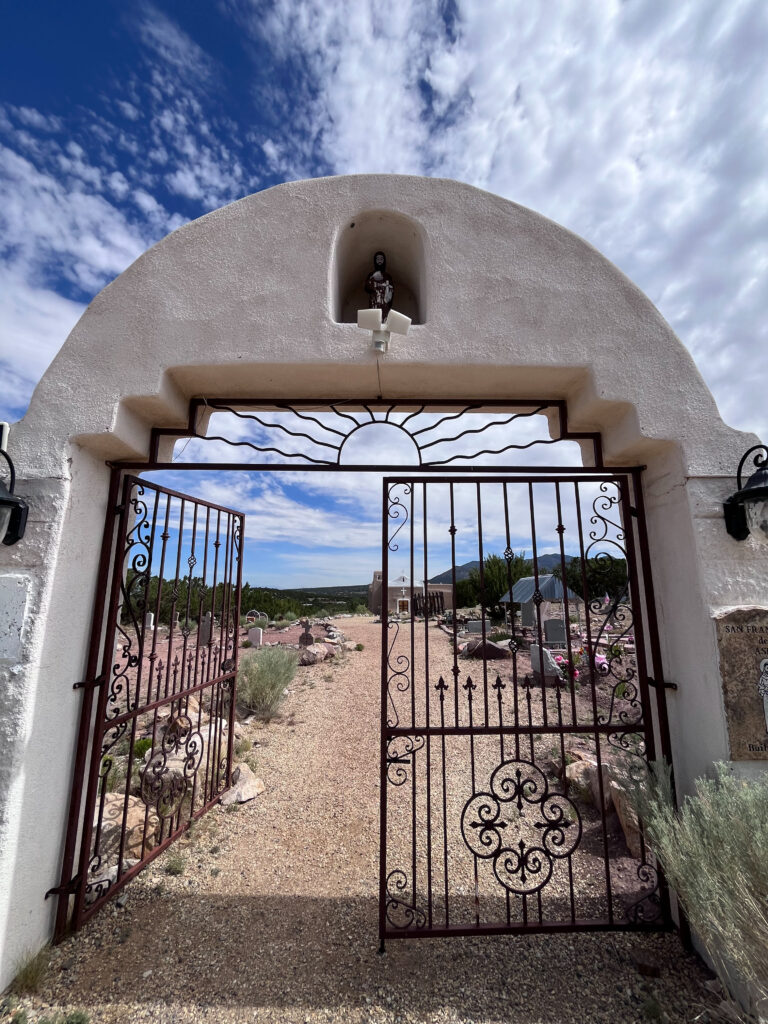
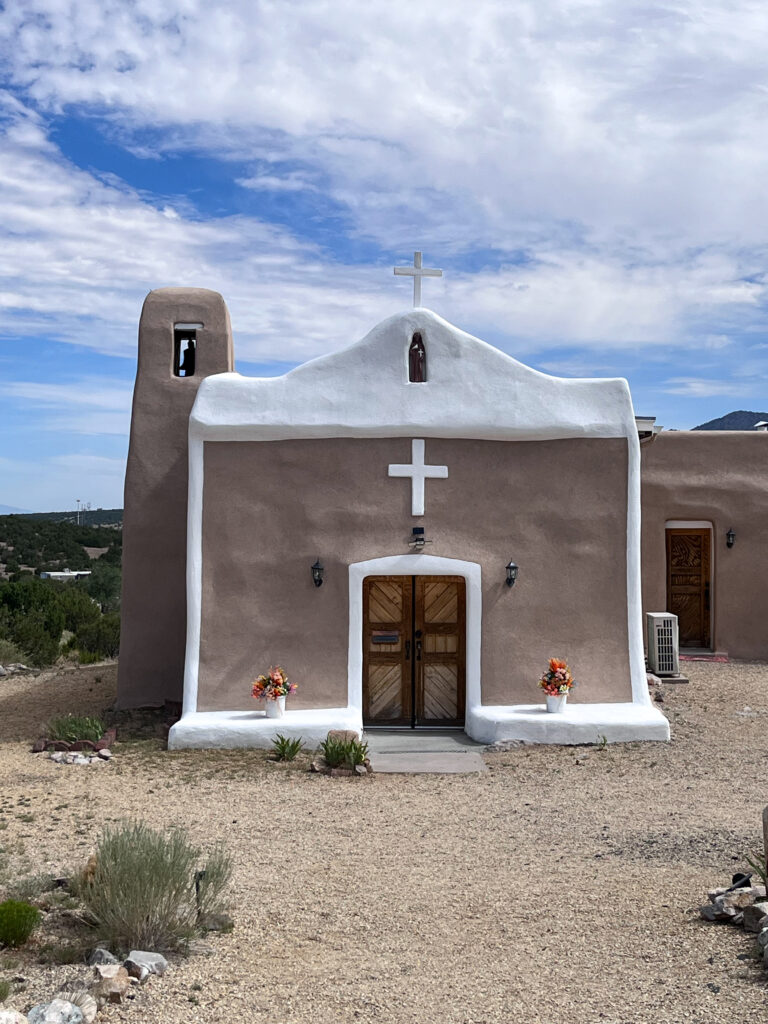
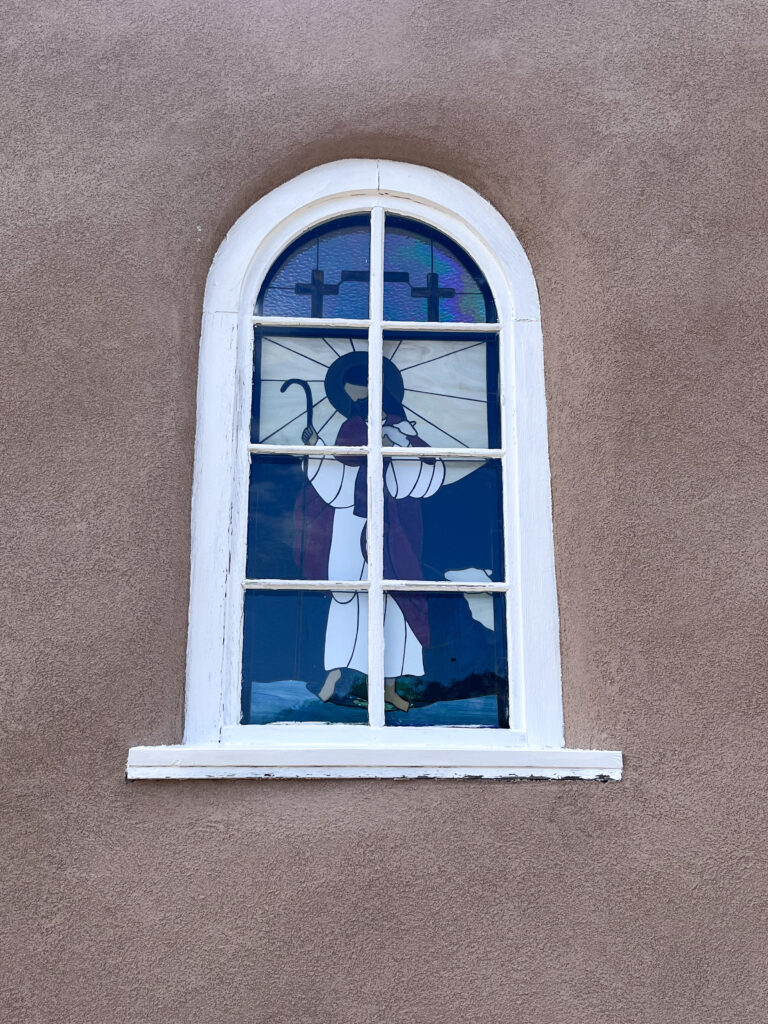
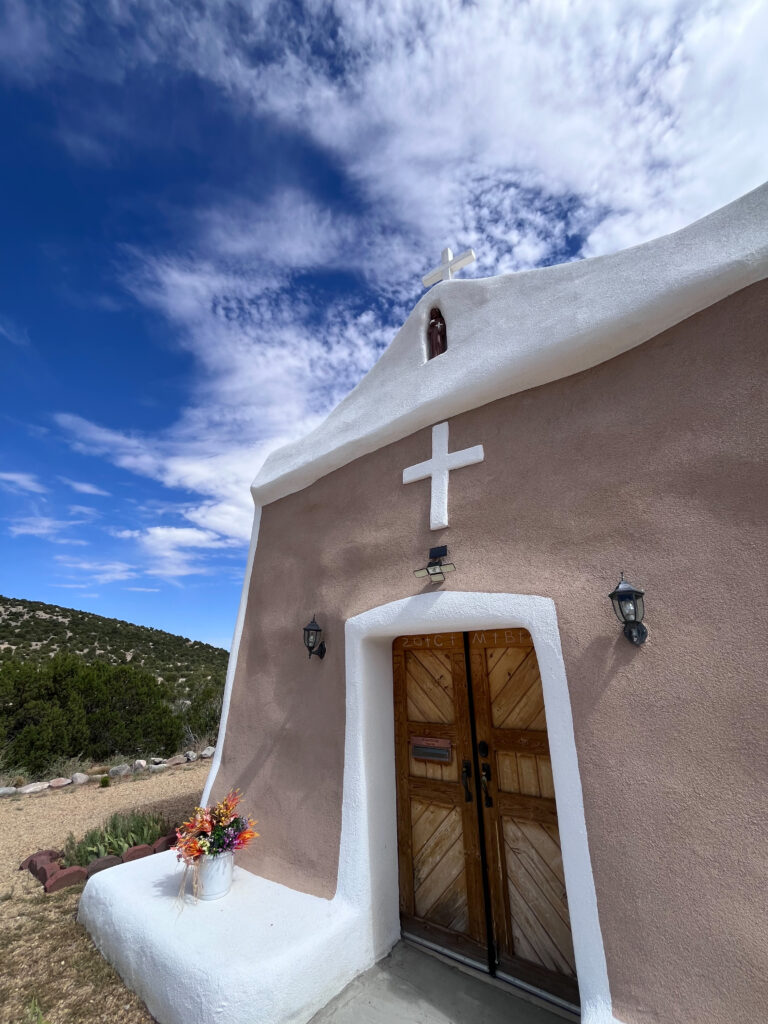
The next town on the trail was Madrid (pronounced Maa-drid), where the movie Wild Hogs was filmed. Until I talked with the church volunteers, I had no idea this was the town from the movie.
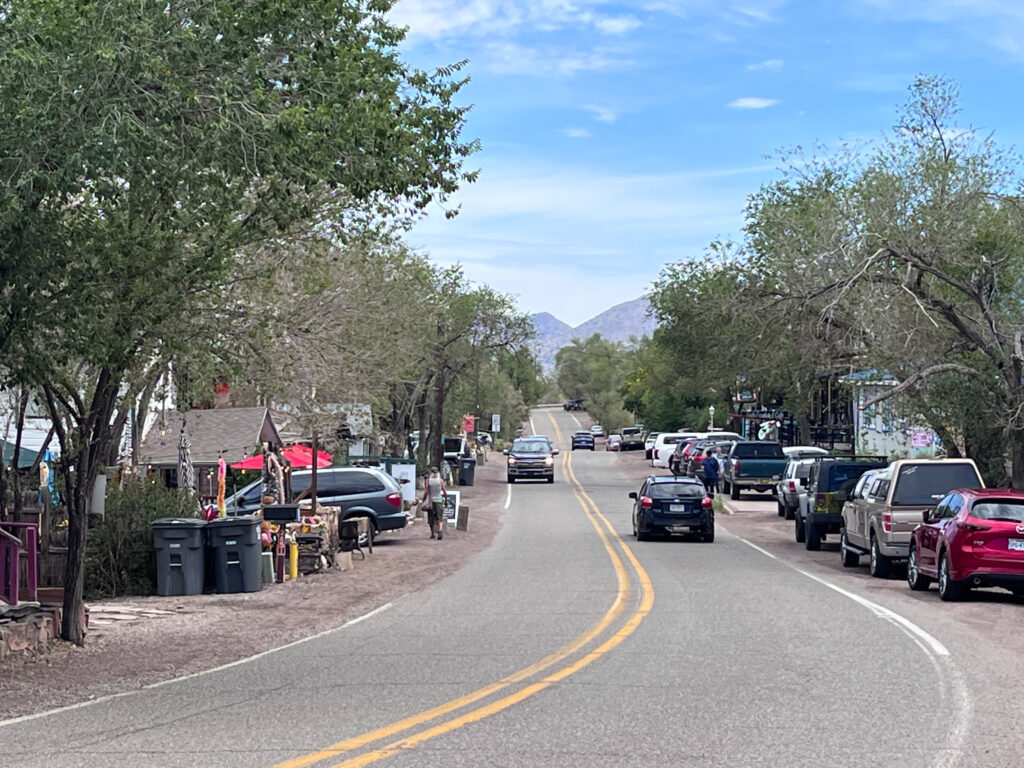
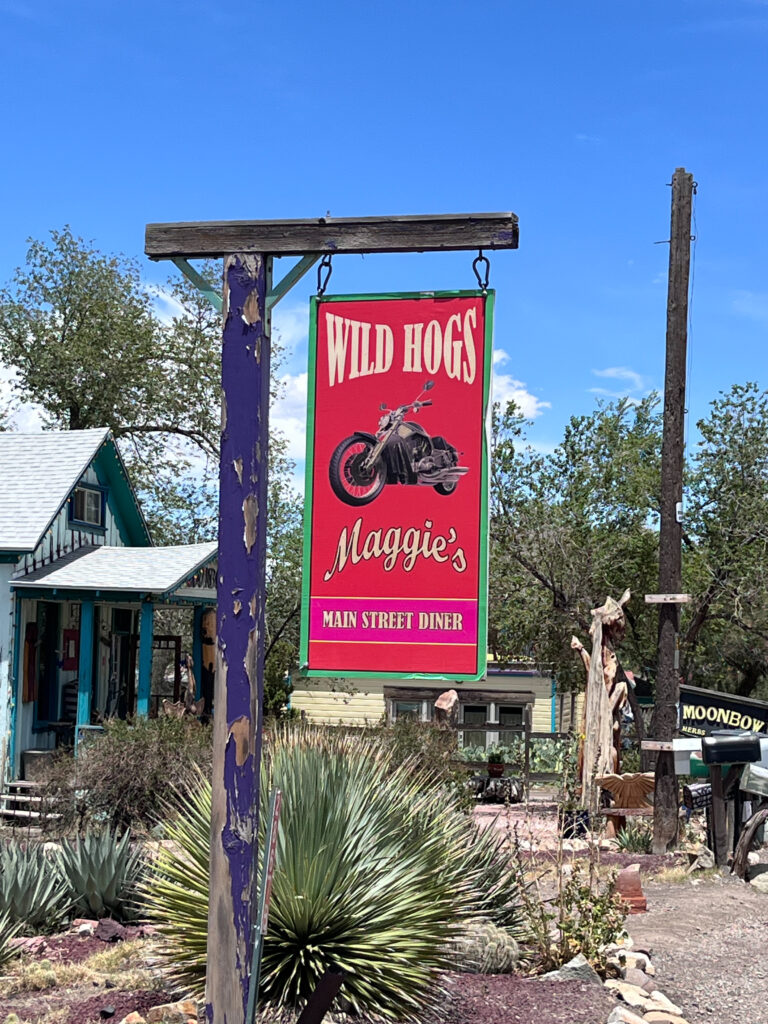
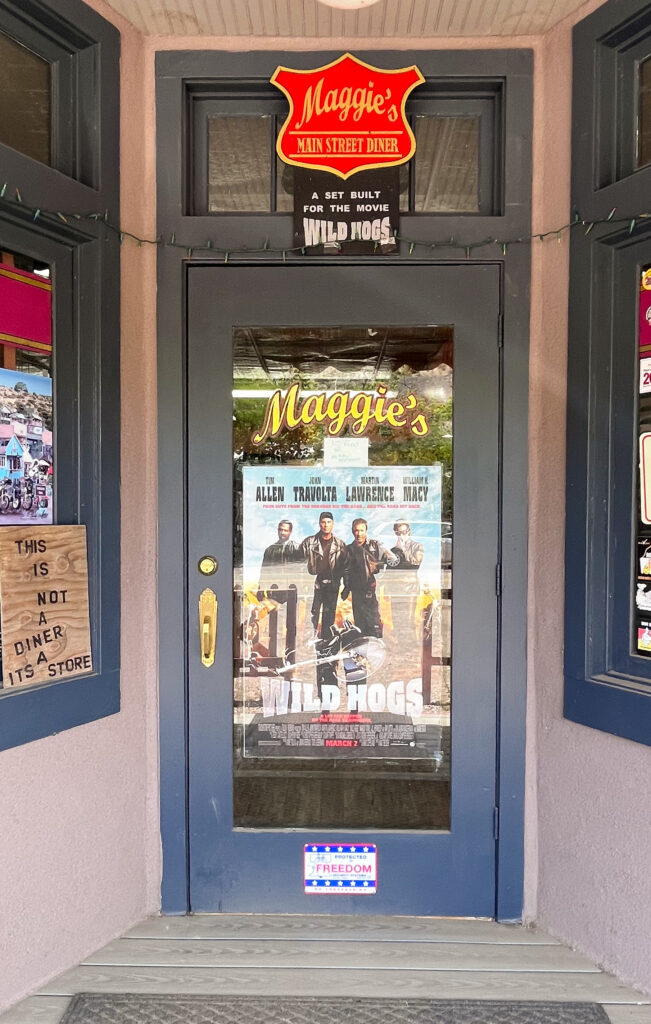
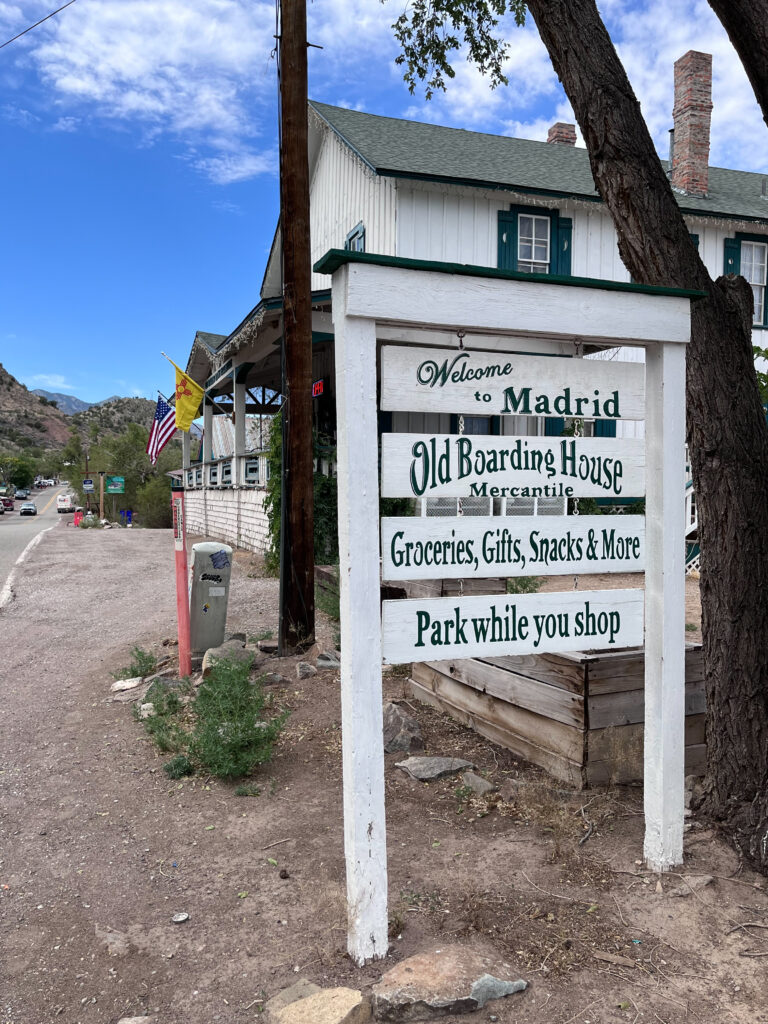
Madrid was such an artsy and quirky town. I had lunch at the Mine Shaft Tavern and wandered through several art galleries meeting and visiting with the artists in many of them. I was in a little bit of “hog” heaven.
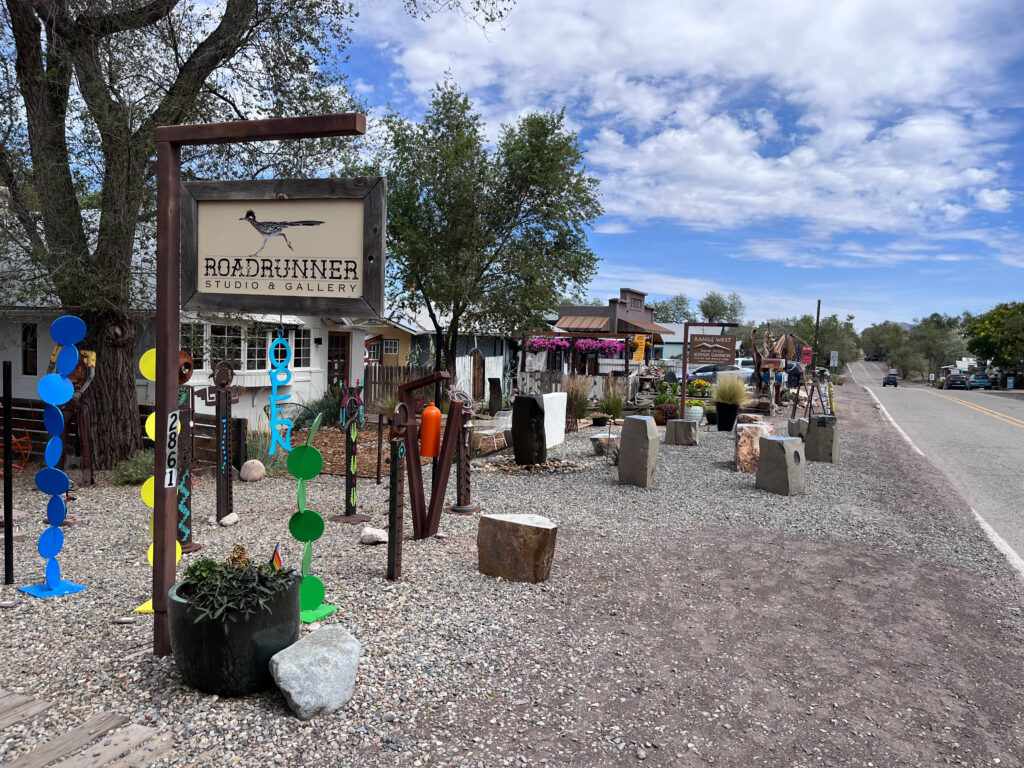
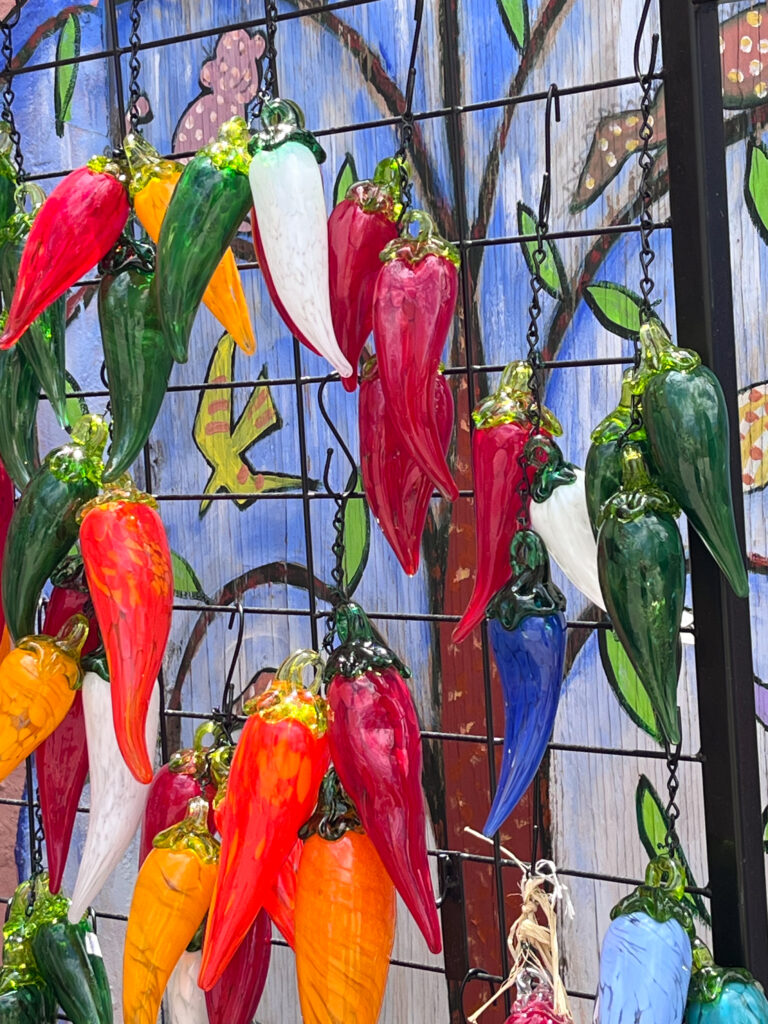
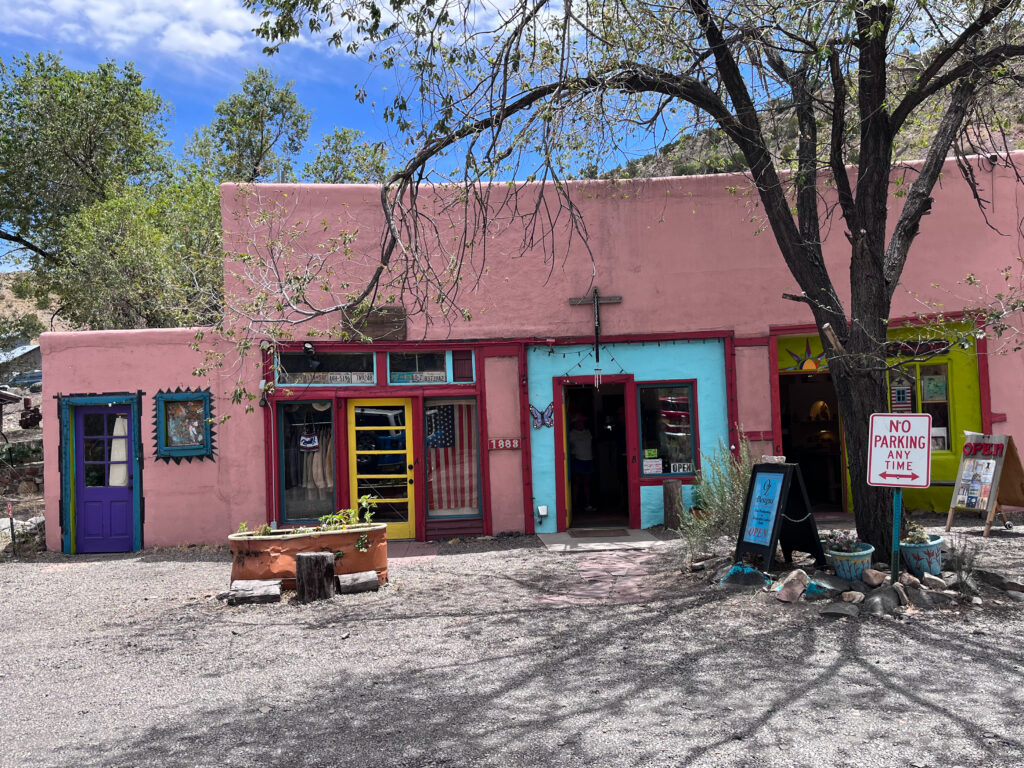
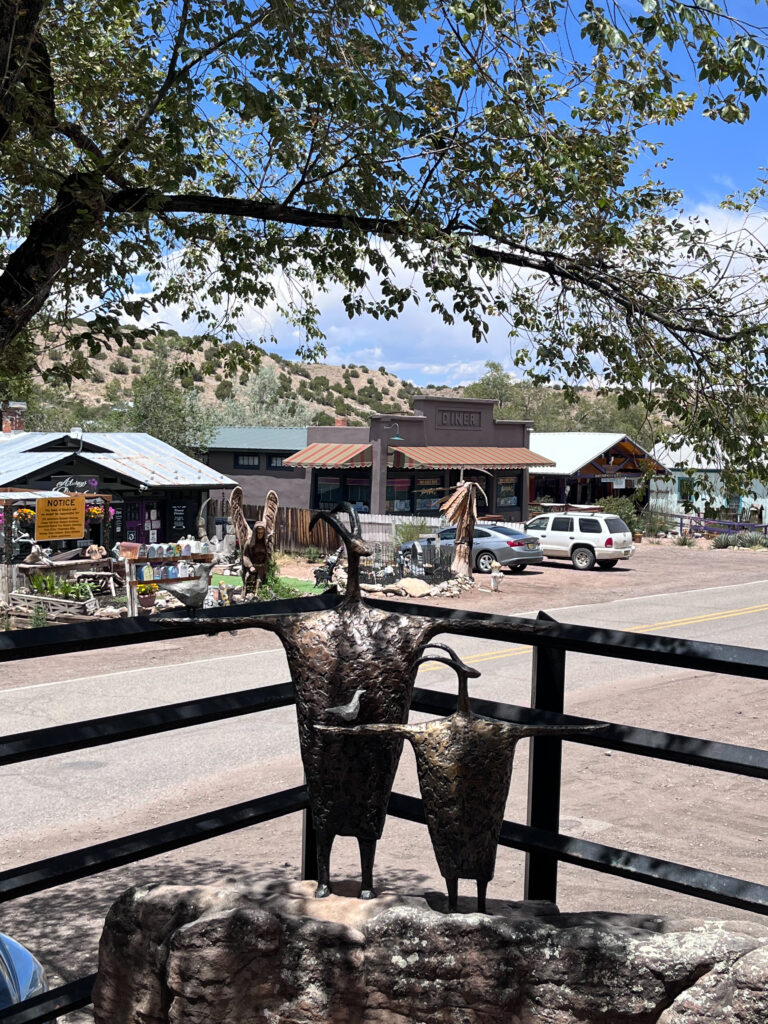
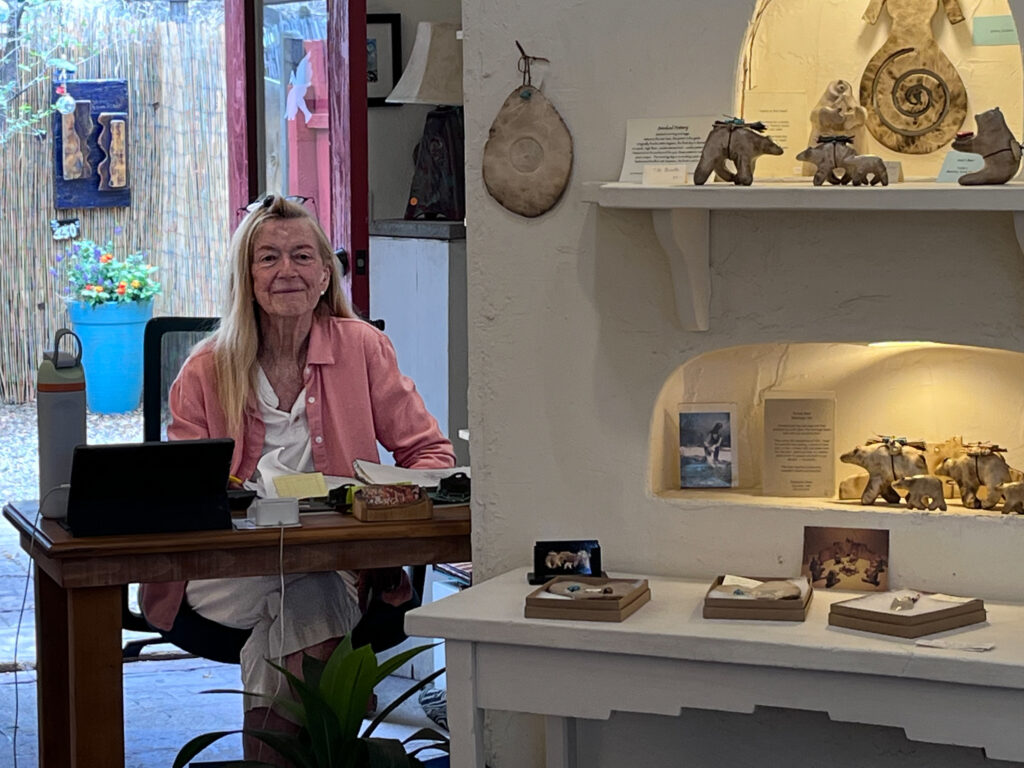
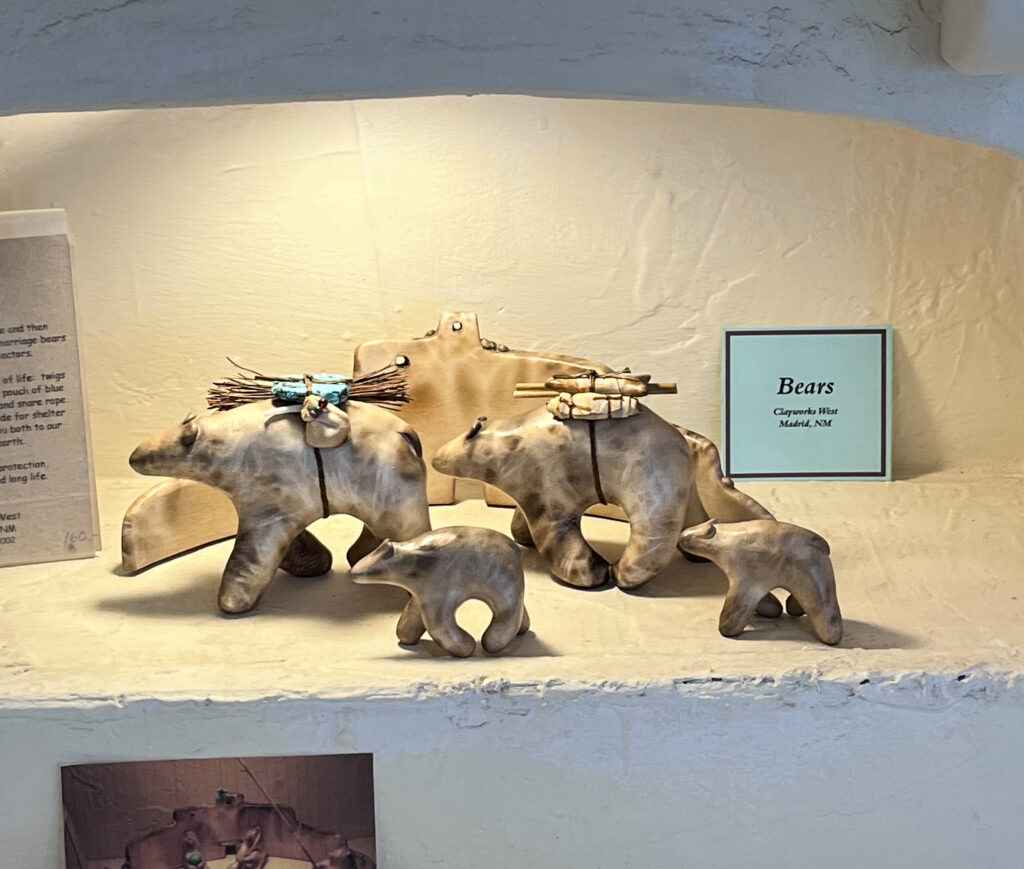
One gallery featured the work of seven artists who are all friends, the youngest of whom is seventy-five. I think if I lived in this area, I would want to hang out with them. I left feeling so energized and inspired.

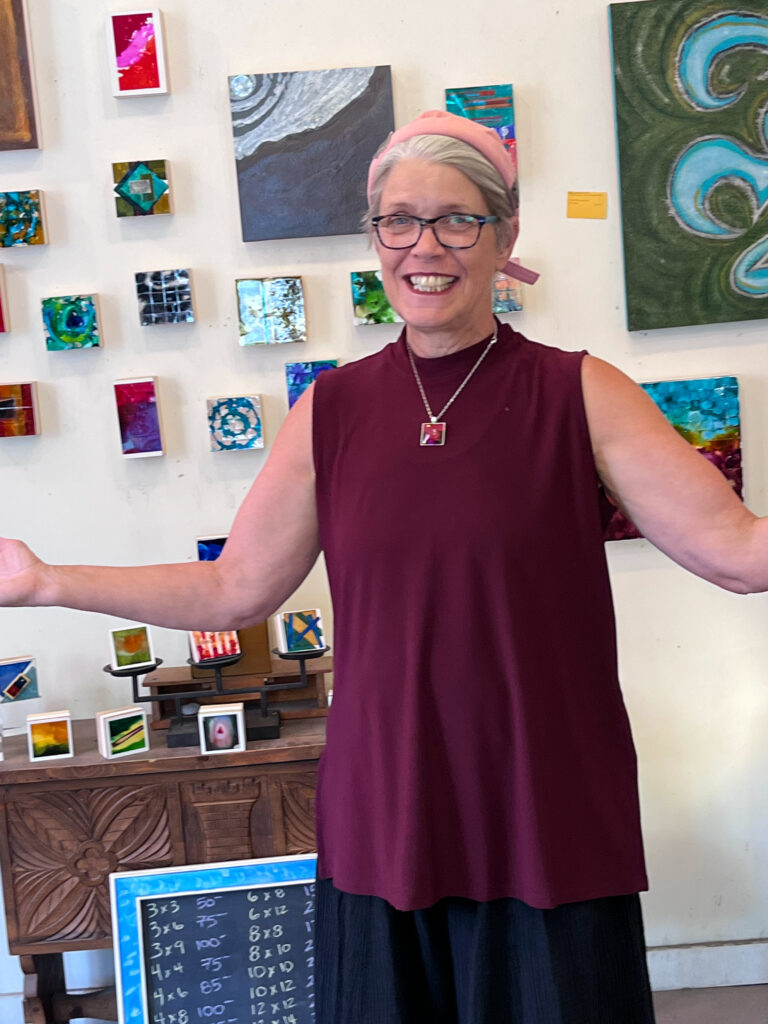
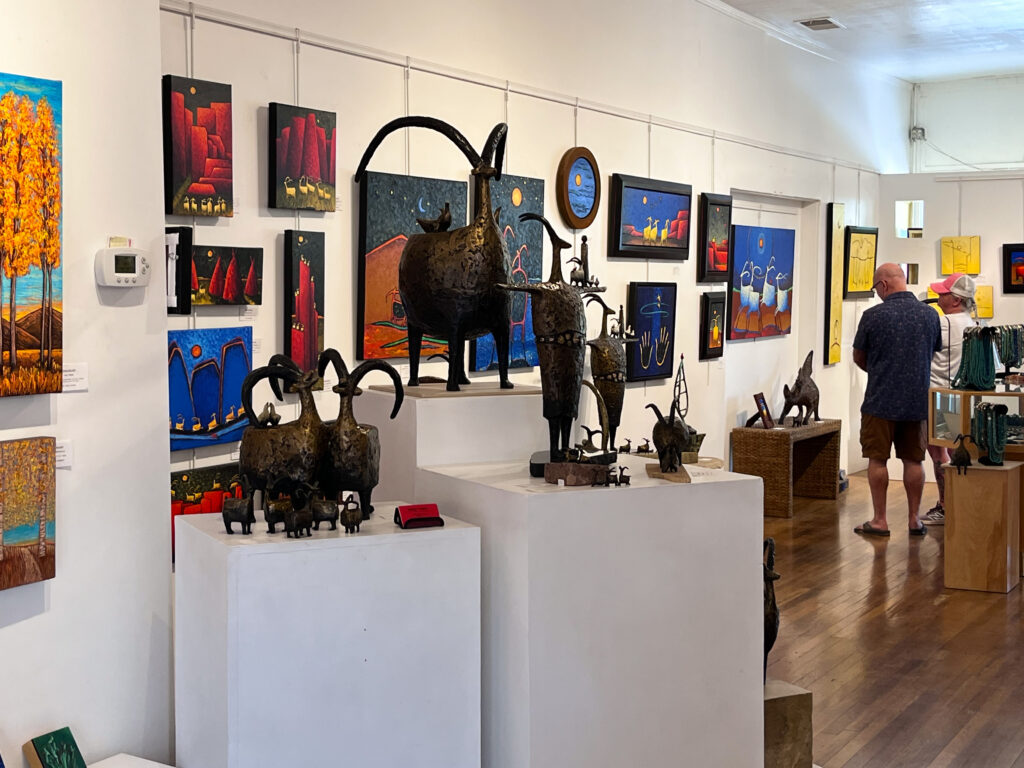
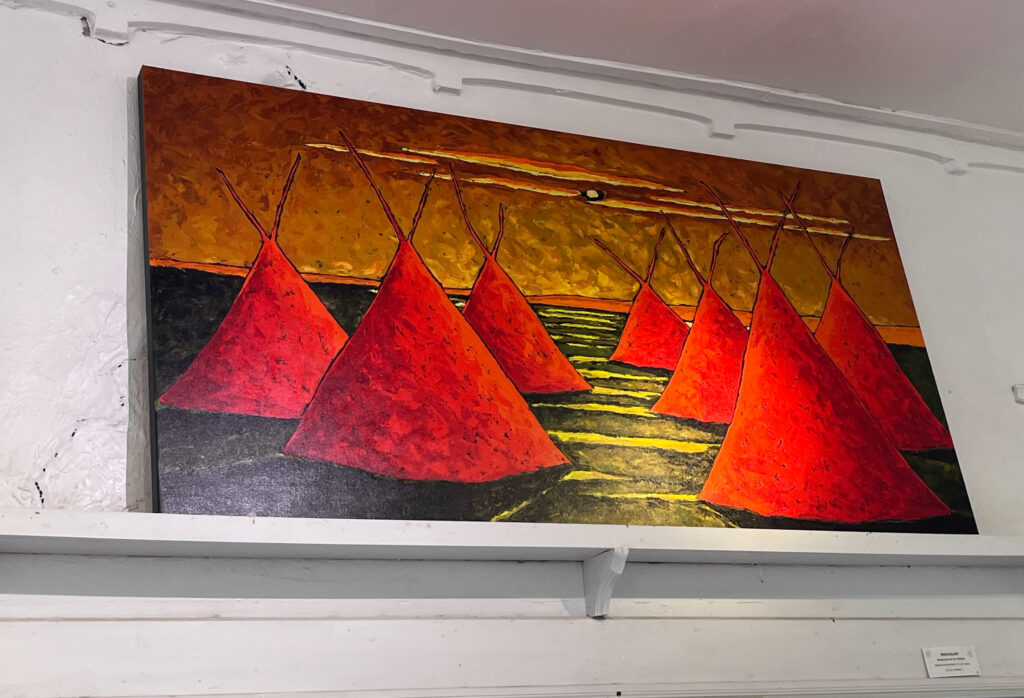
After I left Madrid, I lost my GPS connection and had to make the rest of the trip on my own. Lucky for me, it’s just a straight shot through to Santa Fe, but it was an unusual feeling to be completely on my own. I was reminded of traveling in my twenties with just an atlas and a general idea of where I was going. It felt kind of freeing to trust my instincts while following the directions of the people at the church to the next church in Cerrillos.
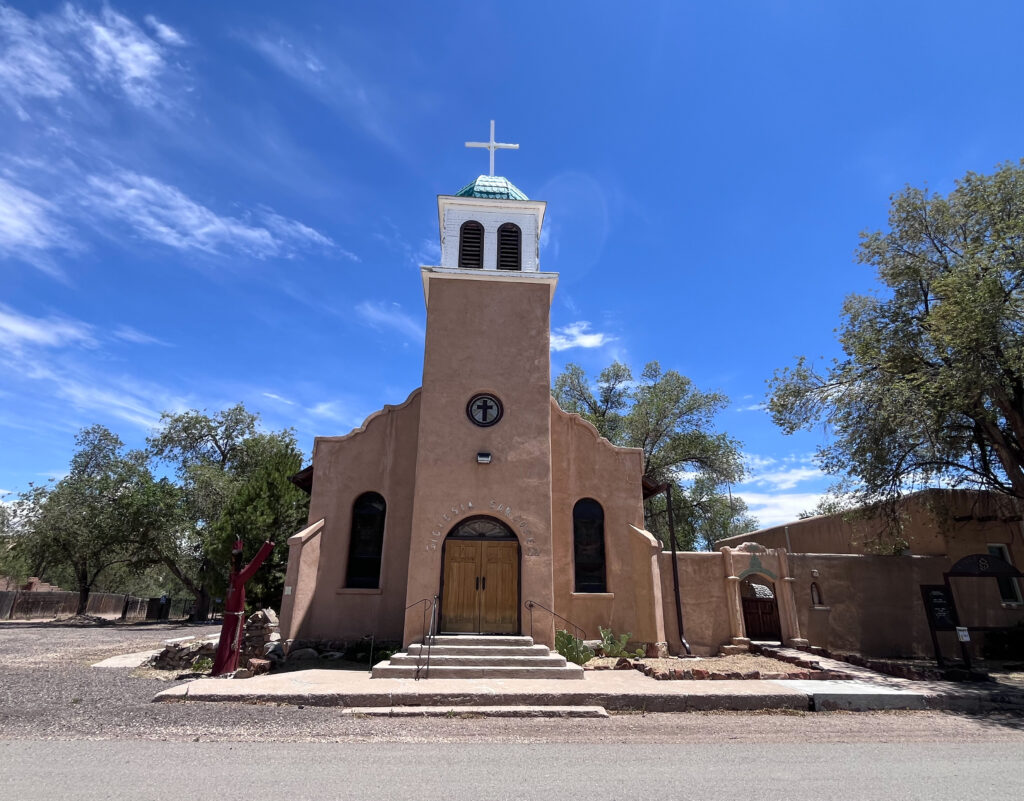
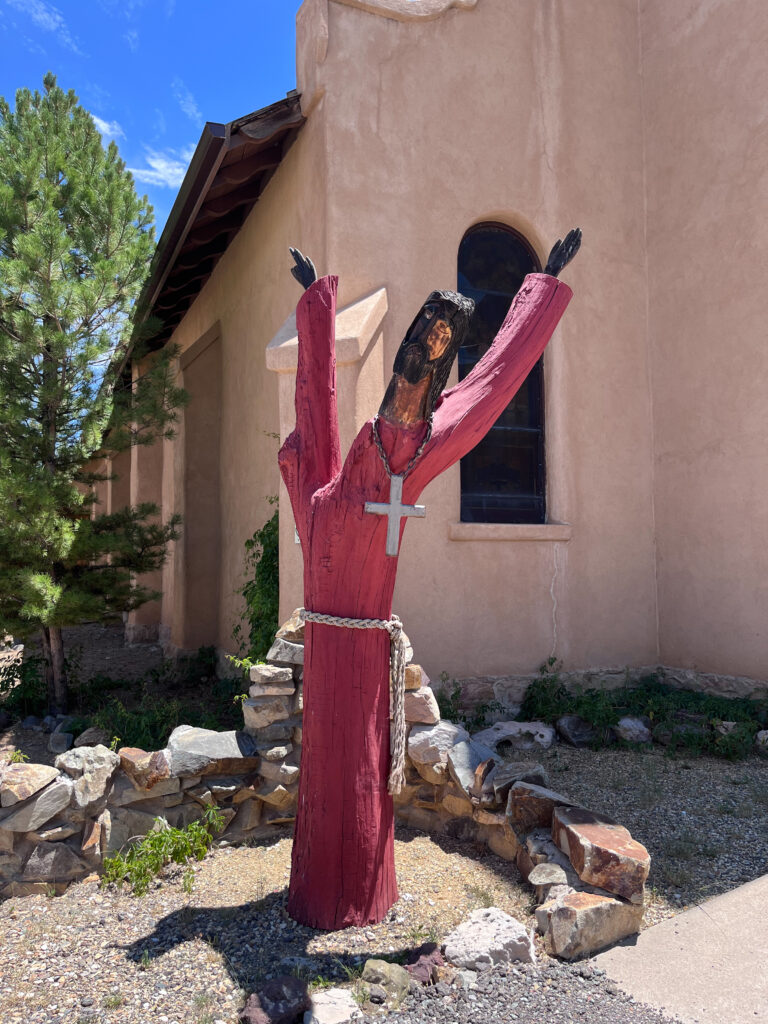
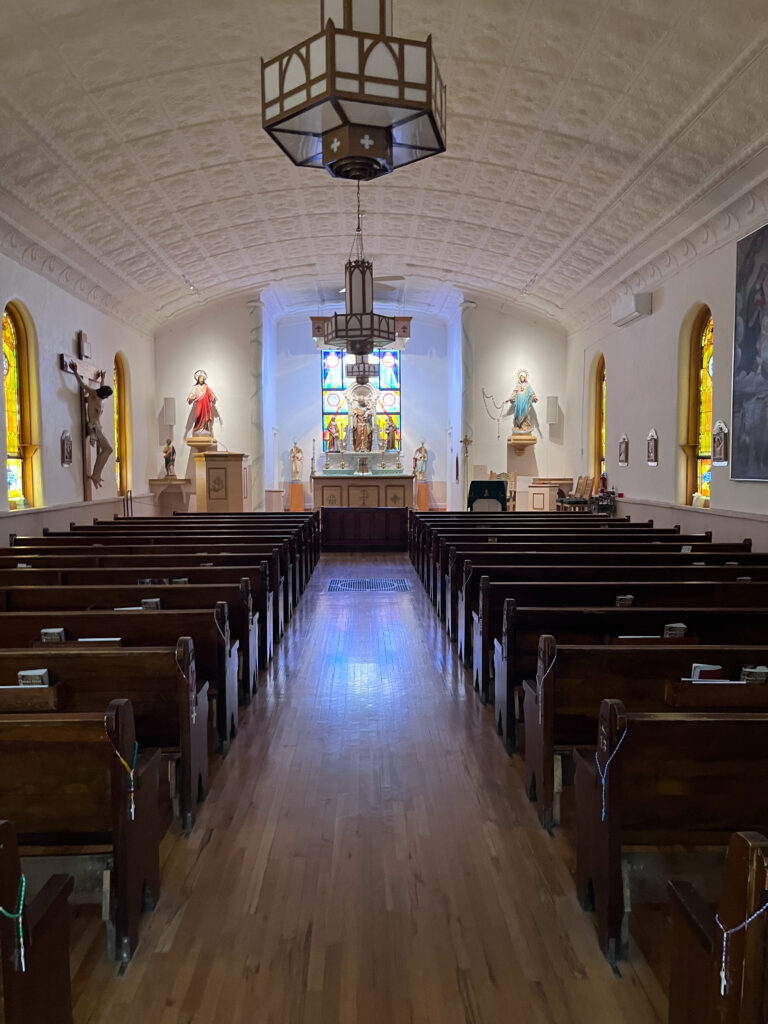
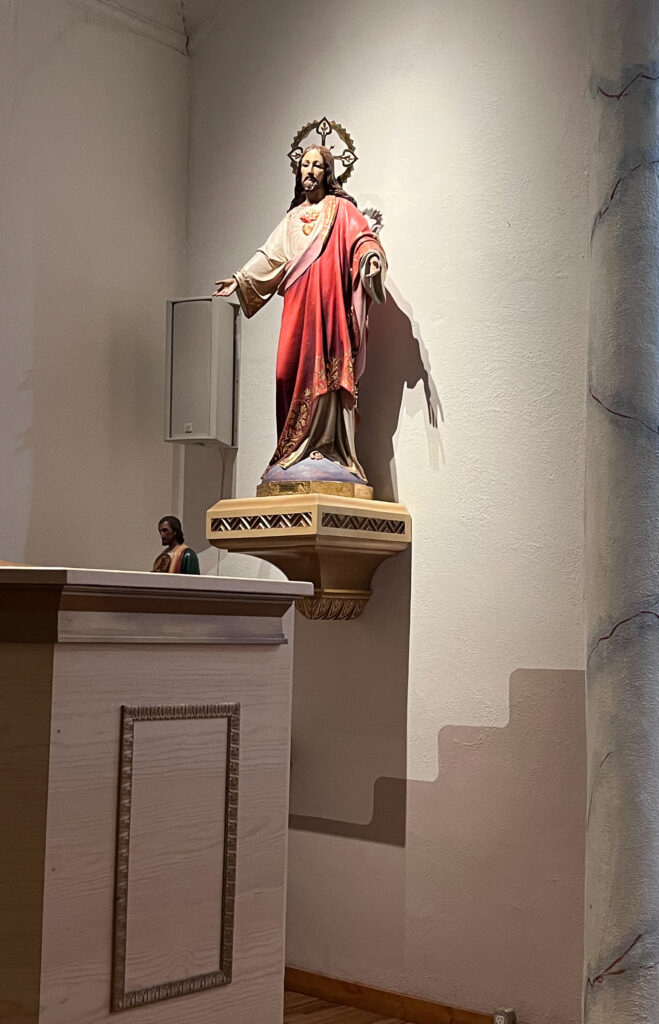
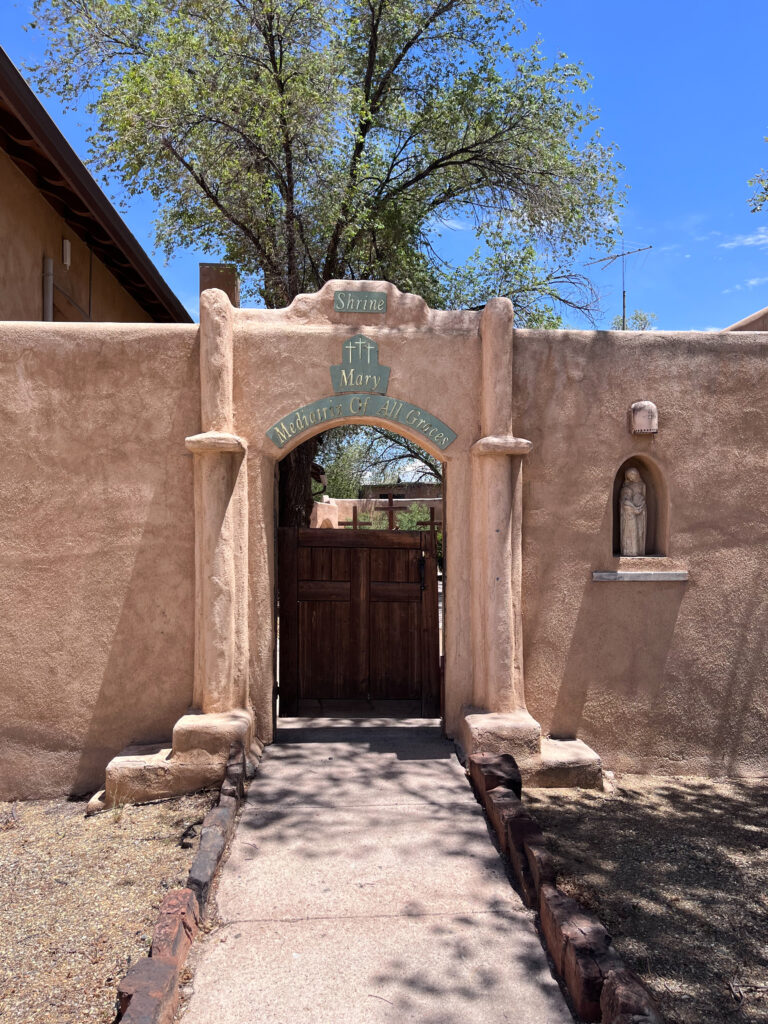
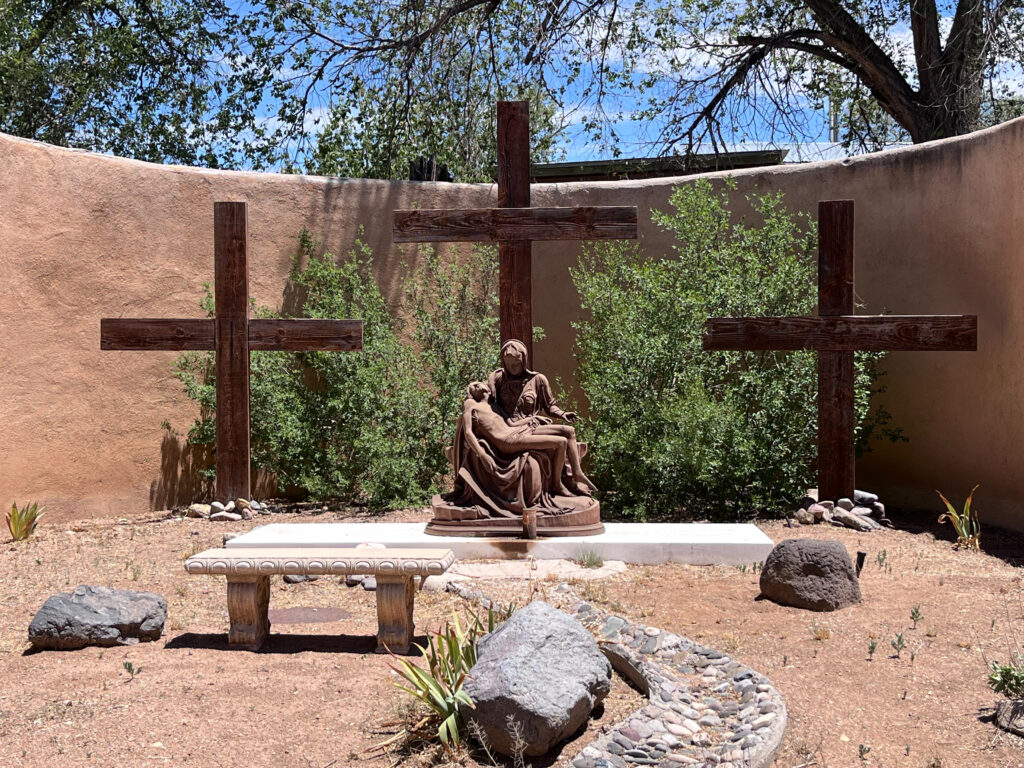
St. Joseph’s Catholic Church was established in 1884, but the current church was built in 1922. This time, the church was open. The historic artwork and stained glass were just beautiful. Most of the sculptures inside had a very Spanish and rustic feel. Outside there was an enclosed garden with a Pieta and other sculptures. The church is still active today.
The town of Cerrillos is a fun stop because it has an old west feel with dusty, dirt roads and an old, weathered hotel. During its heyday, it had 21 saloons and 4 hotels and was once considered a possible capital of New Mexico.
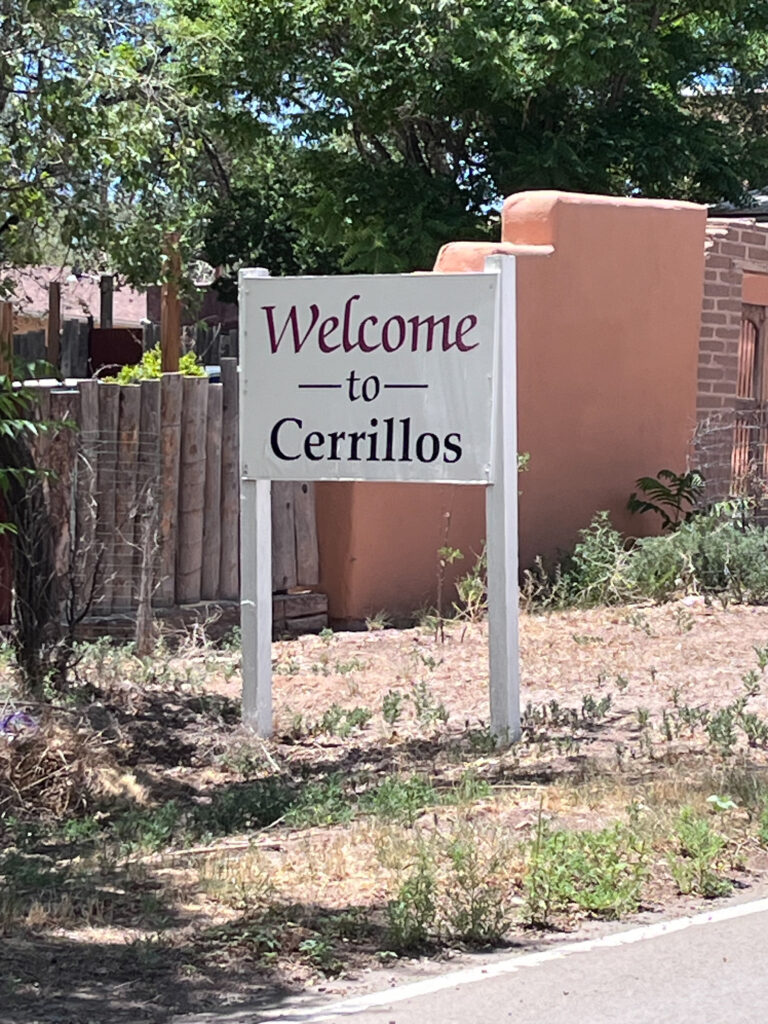
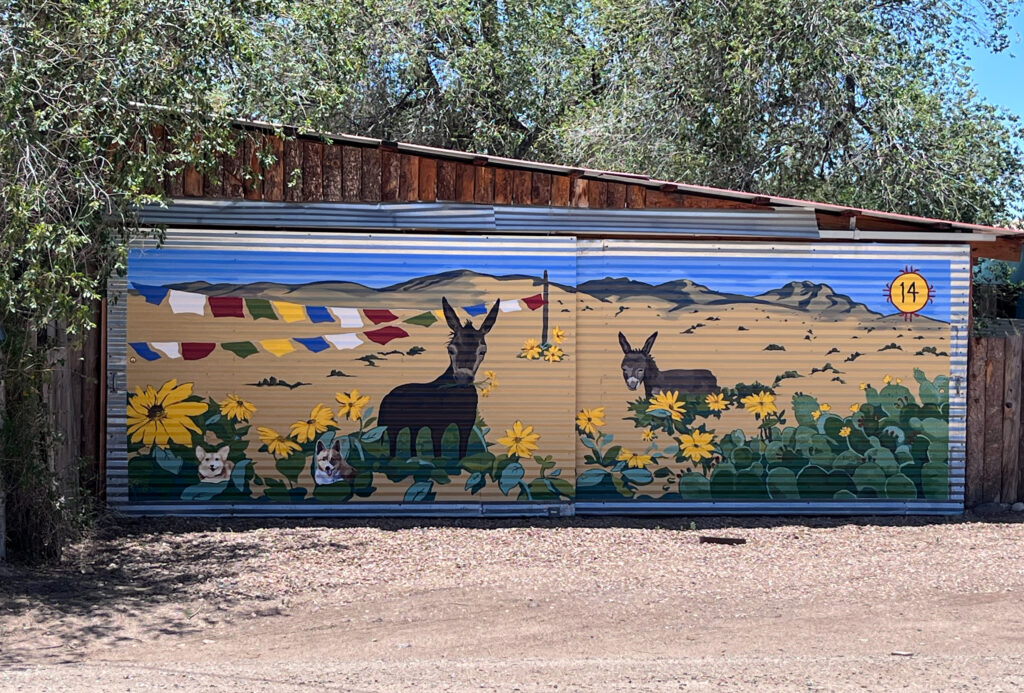
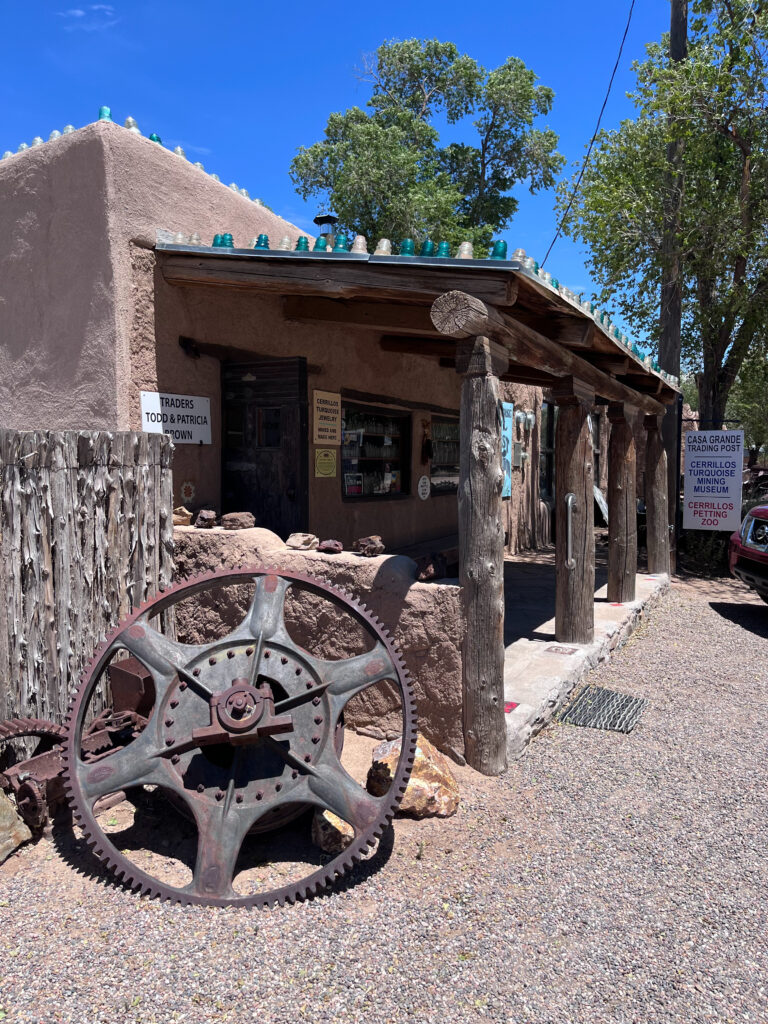
I drove on to Santa Fe and was pretty exhausted from all of the sightseeing in the heat. Even though I brought plenty of water, I felt dehydrated, so I headed home. All in all, a great day! There were still places I missed, but maybe that’s the beauty of a road like this. It gives me a reason to return.

Thank you for sharing your experiences! You are an incredible photographer and writer!
Thank you!
[…] by far was discovering “Origami in the Garden at Box Studios” on the Santa Fe end of the Turquoise Trail. It turned out that the artist, Kevin Box, was the same artist whose work had captivated me in […]